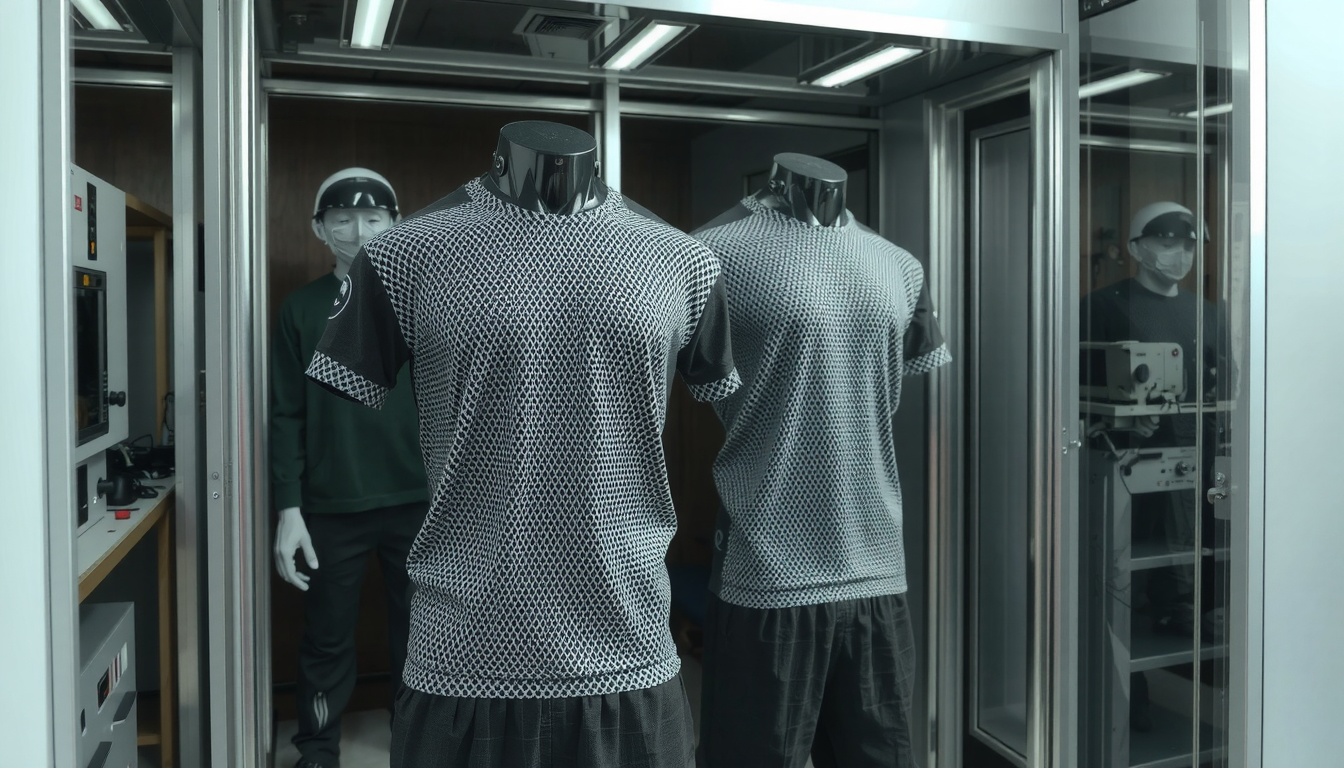
When you think of “3D clothing printing,” do you see futuristic, stiff dresses from a sci-fi movie? This technology, for a long time, was shown off on high-fashion catwalks much to the amazement of the public. But businesspeople of any practicality considered this only a visual trick, just a statement to make. Therefore, the main question posed is whether this technology has become usable, or it is still an artistic experiment at heart.
In contrast to the past, 2024 is a far more interesting and complex scenario. The environment where we talk about clothes made of 3D printer filament has become so diverse that we need to mention two ways of dealing with it. First one is fully conceptual garments. The alternative is a much more pragmatic method of printing 3D details directly on regular fabrics.
This guide is not for you to get burned and buy into the hype. We will provide you with a practical, business-oriented perspective on the present implications of and entry into the 3D clothing printing for your brand. You will get the step-by-step details on how to proceed and whether it is a good idea for your upcoming collection.
What Exactly is 3D Clothing Printing?
The right decisions come when you are well-informed. So, approach this topic the right way and get the pros and cons of 3D printing for fashion. This technology is not universal. The choice of techniques will affect your costs, future scalability, and the comfort of the final product.
Fully 3D Printed Garments
This is an attention-grabbing technique. It assembles a whole piece of clothing, using layer upon layer of material such as plastic threads, from a digital file. Conquerors of the industry such as Danit Peleg have been creating such entire collections from the outset thus depicting huge potential.
The stiff technological limitations that this approach has make it only applicable in cases such as super luxury fashion, conceptual art, and personalized giveaways. The sum of these factors renders it impractical for mass production.
3D Printing on Fabric (Direct-to-Textile)
Most brands find this method as the most practical and easiest. In this case, the 3D printers imperfectly attend to the fabrics, however, they can easily apply the designs, logos, and decorations of different textures directly on cotton, polyester, and other blended fabrics.
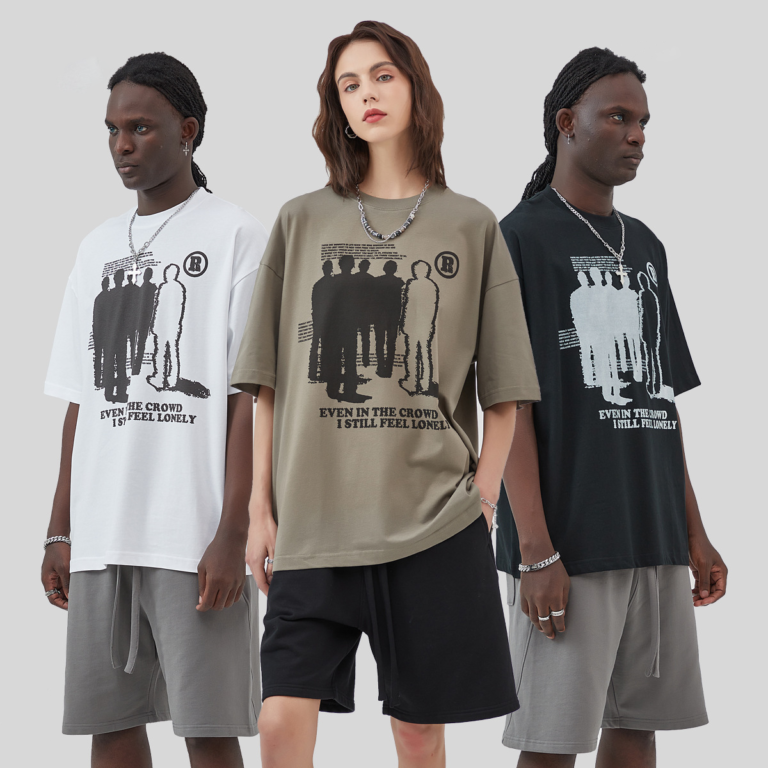
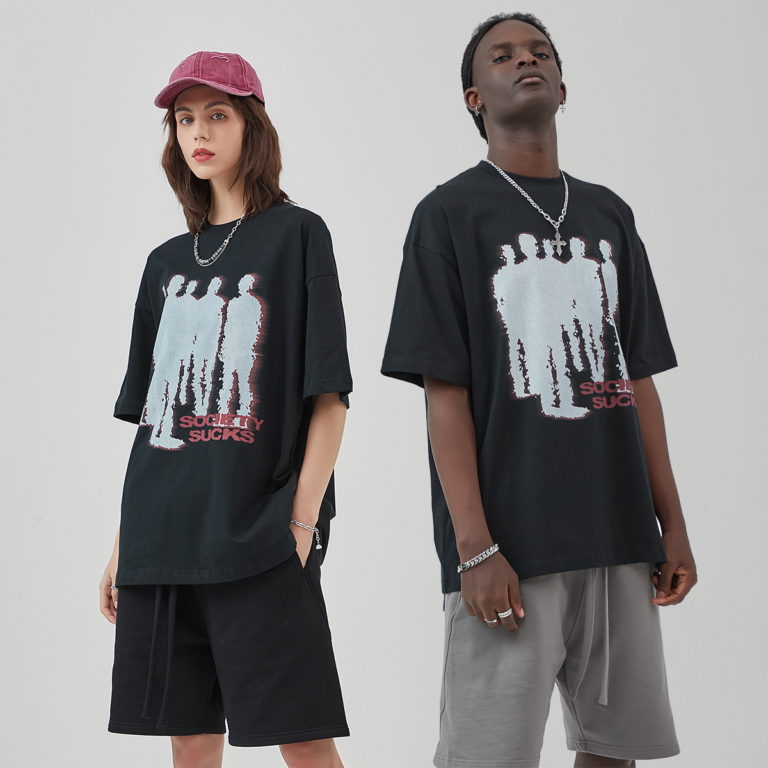
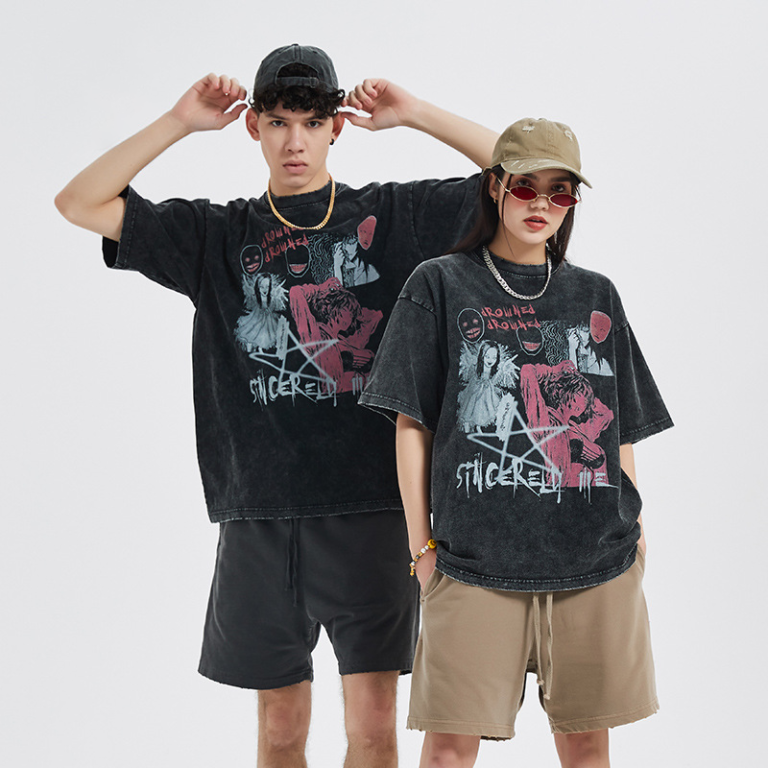
You do not have to build an entire garment. You have just wanted to improve it. This technique can create high-quality and additional aesthetic design of the cloth as well as high-value clothes as a plus. Here we see 3D clothing printing turning into a real manufacturing instrument.
- Wearability: Direct-to-textile gets the edge since it uses the regular, breathable fabrics. Fully printed items are frequently rigid and not that much breathability.
- Cost: Direct-to-textile is notably cheaper because it only needs to add decoration. Printing a whole garment is too costly for the majority of the brands.
- Scalability: Fabric printing is by far the most scalable and can integrate into existing production lines. A full garment can take several hundred hours to print one piece.
- Application: Direct-to-textile is best for streetwear, branding, and unique design details. Fully printed items are more suitable for fashion runway shows and museum exhibits.
The Promise: Why is Everyone Talking About 3D Printed Fashion?
The excitement around 3D clothing printing stems not just from new looks, but rather the technology addressing some of the most critical issues in the fashion industry such as excess waste and lack of customization.
A New Era of Sustainability
Traditional clothing manufacturing is responsible for huge amounts of waste. The cut-and-sew process results in fabric scraps and an incorrect sales forecast means excessive amounts of unsold items. 3D printing is the answer to this problem.
By producing items on-demand, 3D printing can almost zero out overstock situations. The additive process, by nature, is more environmentally friendly, and uses precisely the amount of filament needed to reproduce the design. As compared to the cut-and-sew techniques that might waste 20% of the material, the efficiency would be far more significant. Many have speculated that 3D printed textiles could change the fashion industry through materials that are recyclable and biodegradable.
Unparalleled Customization and Personalization
What do you think about letting your customers construct a piece of clothing that is solely made for them? 3D printing has brought this into the realm of possibilities. A brand could print, with the help of body scan data, a garment or an accessory that fits a customer perfectly.
In addition to the fit, it provides the option of using different design elements. A customer can choose a specific texture pattern or even add a 3D logo that no one else has. Thus, a single item would be made of materials that cannot be equivalently produced on a mass scale.
Limitless Design Complexity
Many designs, with conventional approaches, are either impossible or too expensive to attempt. The ability to create complex lattice structures, intricate geometric patterns, and organic textures at no extra cost makes 3D printing very appealing.
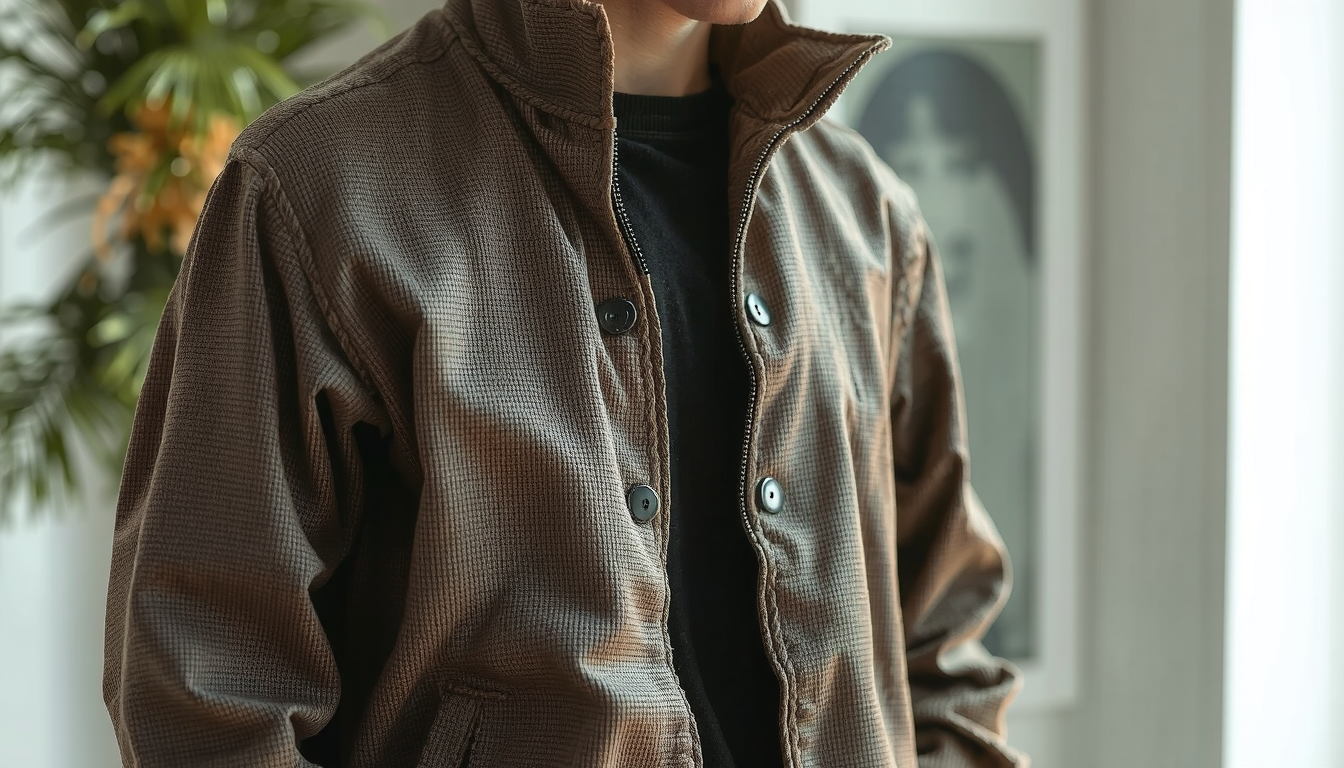
Thanks to this technology, designers are no longer tied to the limits of weaving, knitting, and sewing. It makes it possible for brands to be different through visual and tactile effects. This also confirms that 3D printing has transformed the fashion industry.
3D Printing vs. Traditional Methods: A Brand’s Guide
For brand owners, this is a real-life question. “In which case do I have to select 3D printing rather than screen printing or embroidery?” Depending on your design goals for the clothes, the choice will be obvious.
Choosing the Right Craft for Your Vision
Traditional techniques like embroidery and screen printing are awesome on what they are designed for. They are trusted, well-known, and extremely effective for specific tasks. Sure, the likes of screen printing fit perfectly with a large volume of shirts, but 3D printing offers something else.
Right now, the most suitable way depends on how complex the design should be, the needed texture, how many units to be produced, and finally the price for the end consumer. The table here gives a clear layout of the total differences for a brand.
| Feature | 3D Printing (Direct-to-Textile) | Screen Printing | Embroidery |
|---|---|---|---|
| Best For | Textured logos, complex geometric patterns, unique tactile embellishments. | Flat graphics, large-scale prints, high-volume orders with few colors. | Premium patches, logos, text-based designs with a classic, high-end feel. |
| Cost Per Unit | High at low volume, moderate at high volume. | Very low at high volume, very high at low volume. | Moderate at all volumes, scales with stitch count. |
| Setup Time | Minimal. Based on a digital file, no physical screens or setup needed. | High. Requires creating screens for each color in the design. | Moderate. Requires digitizing the design file for the machine. |
| Durability | Good, but depends on material and bonding. Can be less flexible than fabric. | Excellent. Ink bonds with the fabric and is very durable to washing. | Excellent. Threads are highly durable but can snag. |
| Design Complexity | Virtually limitless. Can create any 3D shape, texture, or pattern. | Limited to flat, 2D layers of color. Gradients can be difficult. | Limited by thread and needle. Very fine details can be lost. |
A Practical Roadmap: Integrating 3D Printing into Your Apparel Line
You don’t have to completely overrun your entire production process to adopt 3D clothing printing. From our experience with brands, we exhibit the highest success rate with the hybrid model, i.e. incorporating 3D printed elements into conventionally made clothing.
Here’s the process that we go through with clients when they want to learn more on this new technology.
Step 1: Conceptualize Your 3D Element
First, things first: you should start small and be strategic. Don’t even think about printing the whole shirt. Instead, brainstorm how the 3D element you are adding will enhance the garment. For instance, it could be a 3D, embossed geometric logo at the back of the hoodie, a seasonal motif on the sleeves of the jacket, or even a 3D-printed zipper pull.
It’s all about making a difference with the technology by bringing value that you couldn’t have made with other methods.
Step 2: Digital Design (The 3D File)
The way that 3D printers work is that they need a specific 3D model file usually in formats such as .STL or .OBJ. If you do not have a 3D design team in-house, you’re going to have to work with a 3D designer or an agency.
Your partners are supposed to get your 2D concept (an AI-built logo for example) and give you clear specifications about the needed height, texture, and physical dimensions. They will interpret your vision into a printable file.
Step 3: The Hybrid Model – Choosing Your Garment
Blending innovative technology with conventional fabric manufacturing is what this process is all about. Your 3D design isn’t printed in shelter—it becomes part of the garment. The quality of the base garment matters most in this case.
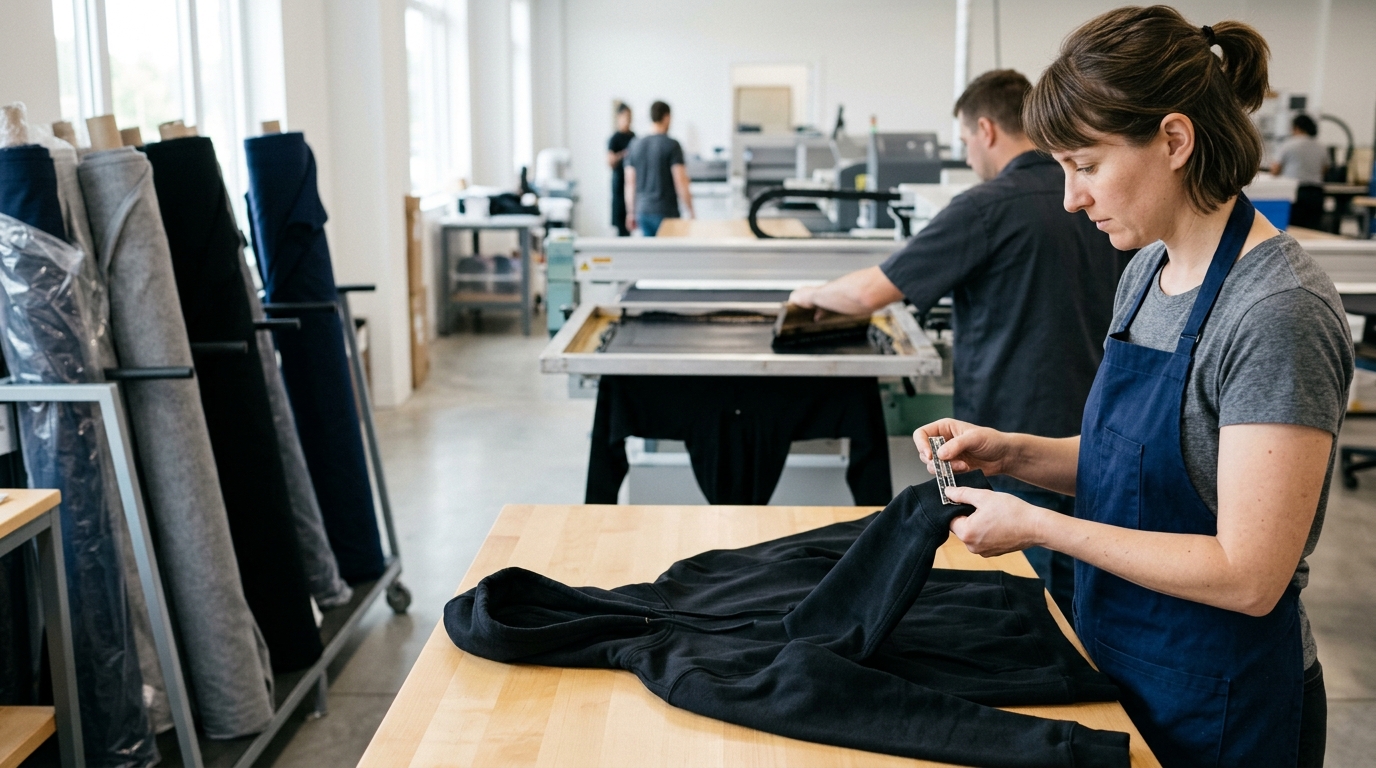
For example, a hoodie manufacturer will prove to be a trusted partner in this endeavour as your base garment. It is also essential to ensure that the fabric you choose (such as a smooth-faced cotton or polyester blend) is appropriate for getting the 3D element printed correctly.
Step 4: Prototyping and Testing
You mustn’t directly start with bulk production. This step is a game changer. You will need to get several physical samples for a check-up on the three main factors: feel, durability, and washability.
Is the rigidity or sharpness of the 3D element perceptible? Does it break or peel when the fabric is stretched? Will it survive a few gentle washes? This is one of the main steps in any new craft introduction of your brand. Collaborate with your production associate to get the material selection and printing process refined until the quality meets your standard.
The Hurdles: Current Challenges and the Future
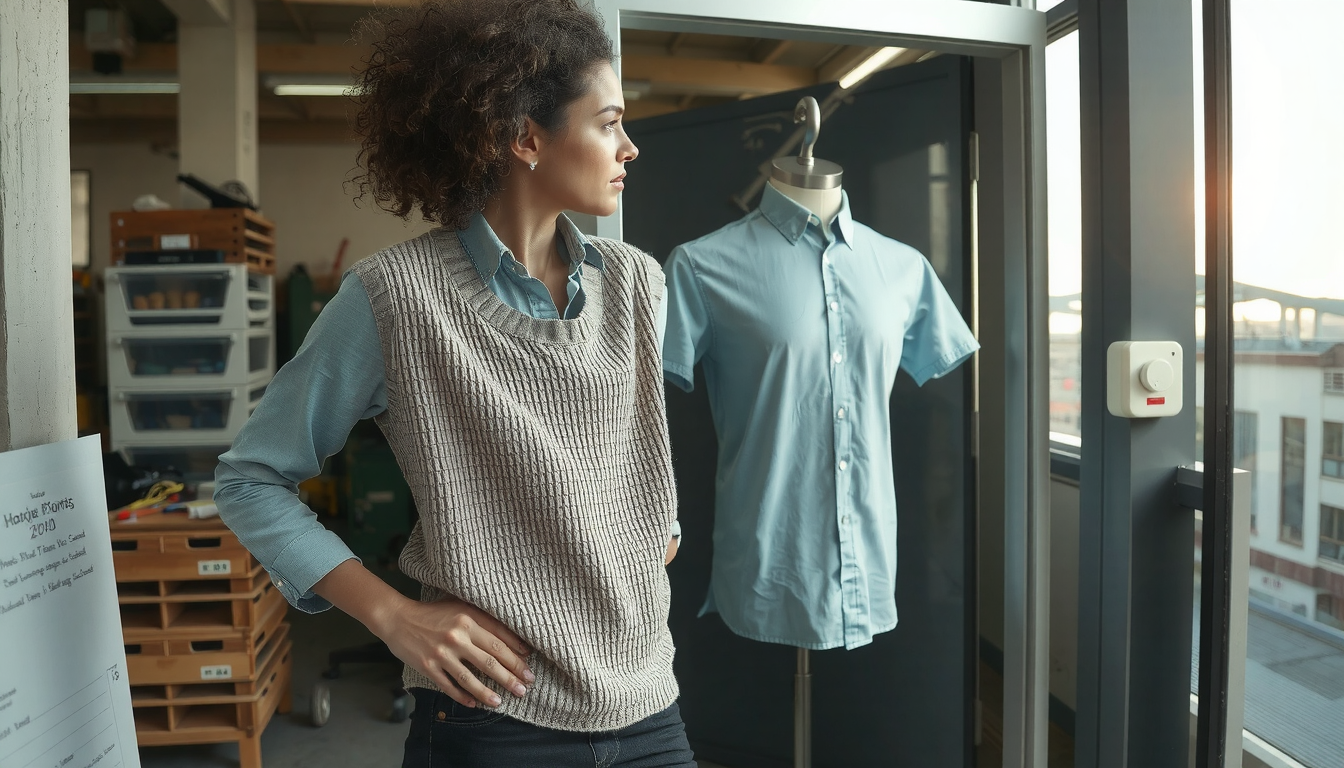
The key to making solid investment decisions is to keep in touch with tricky limitations of 3D clothing printing today while also remaining open to upcoming prospects. The sky is the limit; this technology is fast advancing. What is challenging today is what will be a resolved problem tomorrow.
The Material Feel and Wearability
Challenge: The first materials used in 3D printing were mostly hard and brittle plastics which were obviously not going to provide comfort to the wearers. This is one of the main reasons why they have been considered a “gimmick” so far.
Future: Science of materials is where the real magic is. The invention of new polymers means everything is turning around. For instance, flexible and durable TPU filament is transforming the world of wearables by providing a rubber-like surface that is both sturdy and feels good against the skin.
Scalability and Production Speed
Challenge: Creating a single, highly detailed object can take hours. This slow speed has made it difficult to scale 3D printing for anything resembling mass production.
Future: The printers themselves are indeed advancing. Machines with multiple extruder heads are being developed that can create several objects at once. As software and hardware continue to improve, the gap between the timelines for 3D printing and traditional manufacturing lessens.
Cost and Accessibility
Challenge: Industrial-grade printers that could 3D print clothing would cost you from tens to hundreds of thousands of dollars. Hence only the largest corporations can afford that.
Future: Technology prices are falling persistently. Affordable for small businesses, high quality desktop printers are available now. Along with that, a well-functioning ecosystem of 3D printing service bureaus has turned up. Brands either don’t have to own a printer or they can send the files to a specialist for production.
Conclusion: Is 3D Clothing Printing the Next Step for Your Brand?
The 3D clothing printing technology has definitely passed the test of time in the area of practical usage in the industry of fashion. Even though totally printed clothes are still sporadically made, the application of the direct-to-textile hybrid model has proven to be very efficient, it accessible and it drives innovation.
The scope is without limits. The technology permits the straightforward production of sophisticated and intricate designs. It will also allow you to sell your products as high quality and sustainable. For the streetwear and fashion-tech brands it is a good chance to offer something fantastic – a real touch of the future through the advanced technology that cannot be performed by screen printing or embroidery.
Your task: Experiment with small embellishments, find the right design and manufacturing partners, and test rigorously. The future of apparel lies at the intersection of technology and textiles. 3D printing is a defining force in that evolution. To learn more about building a successful apparel line, explore the resources at TZ Streetwear.
Frequently Asked Questions (FAQ) about 3D Clothing Printing
Can you actually wear 3D printed clothes?
Yes, especially as material technology advances. While early haute couture pieces were more like art, modern 3D printed elements and garments made with flexible filaments like TPU are designed for wearability. Comfort can vary, though. The most common wearable application is 3D designs printed on traditional fabrics.
How much does it cost to 3D print a shirt?
Printing a full shirt is still prohibitively expensive and time-consuming for commercial use. However, adding a small 3D printed logo or design to a regular shirt can be cost-effective, depending on the design’s complexity and materials used. It’s best priced on a project-by-project basis with a manufacturing partner.
Is 3D printed clothing durable and washable?
Durability depends heavily on the material and printing process. High-quality flexible filaments bonded correctly to fabric can be quite durable and withstand gentle, cold-water washing. However, they’re generally not as resilient as traditional embroidery or high-quality screen prints. Prototyping and wash-testing are essential.
What software is used for 3D clothing design?
Designers use various software programs. The workflow often starts with 2D concepts in programs like Adobe Illustrator. These are then translated into 3D models using software like Blender, ZBrush, or specialized fashion design software like CLO 3D. The final output is typically an .STL or .OBJ file for the printer.
How is 3D clothing printing more sustainable than fast fashion?
It promotes sustainability in two key ways: 1) On-demand manufacturing creates items only when ordered, drastically reducing waste from unsold inventory. 2) Material innovation focuses increasingly on using recycled and biodegradable filaments, creating a more circular economy for fashion.