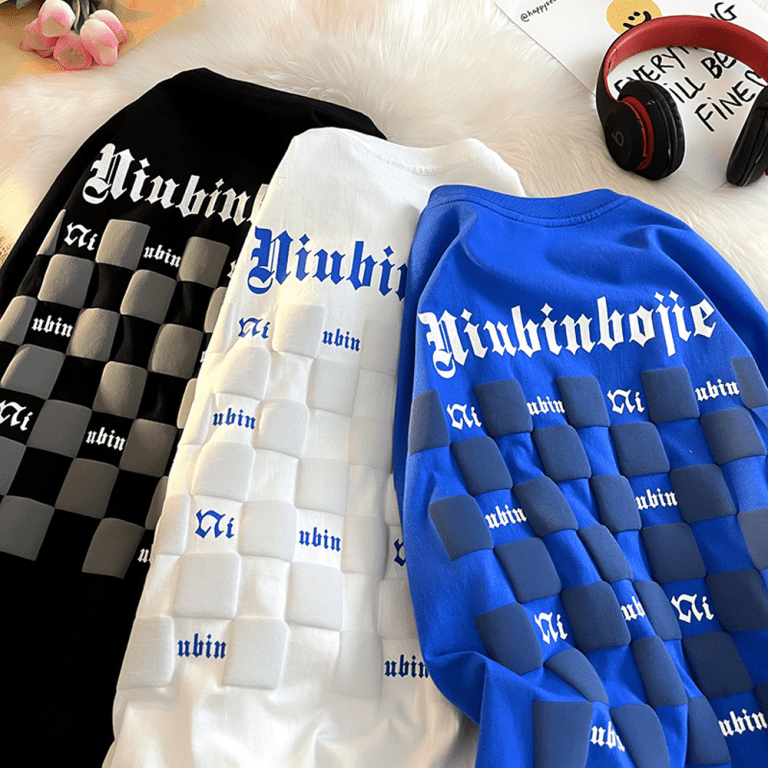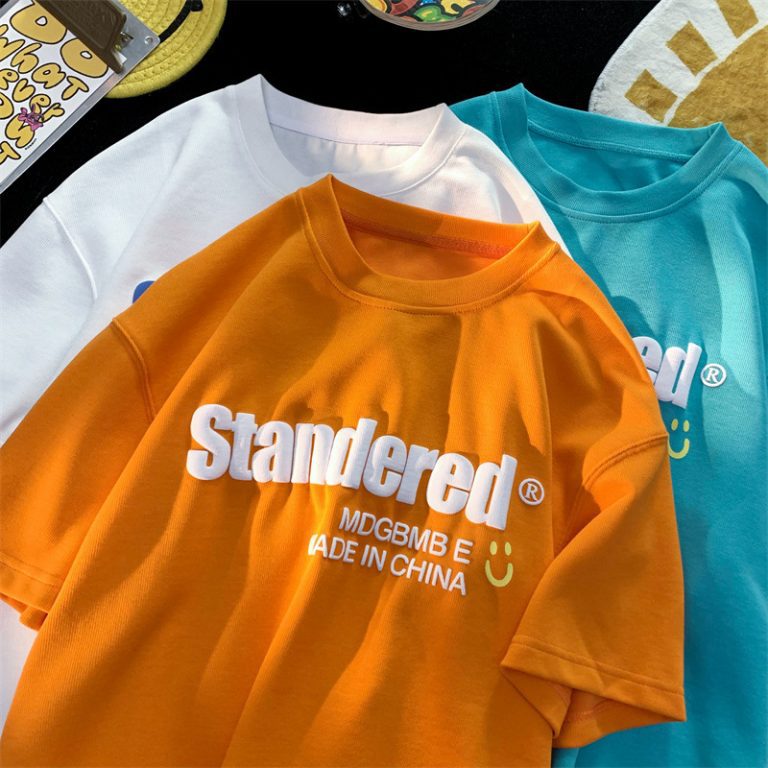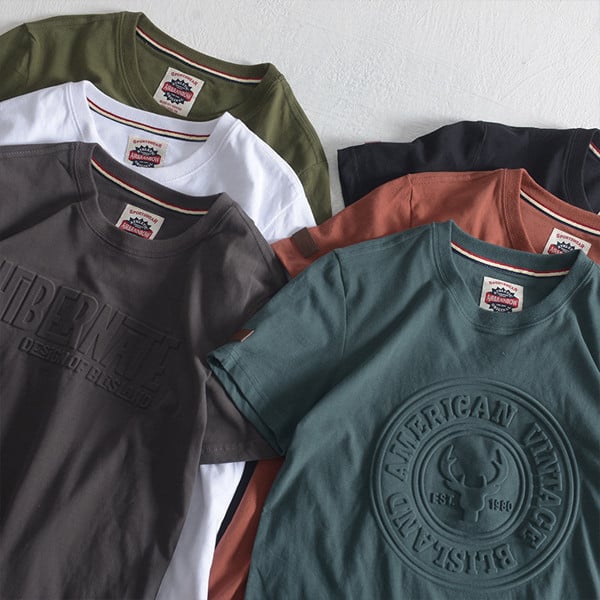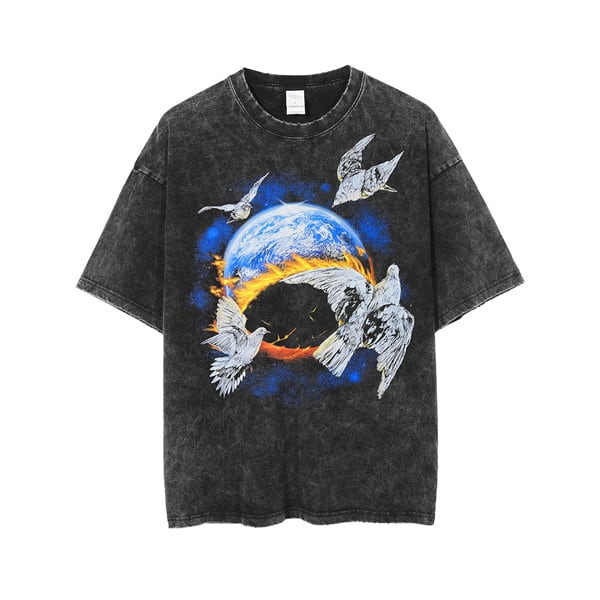
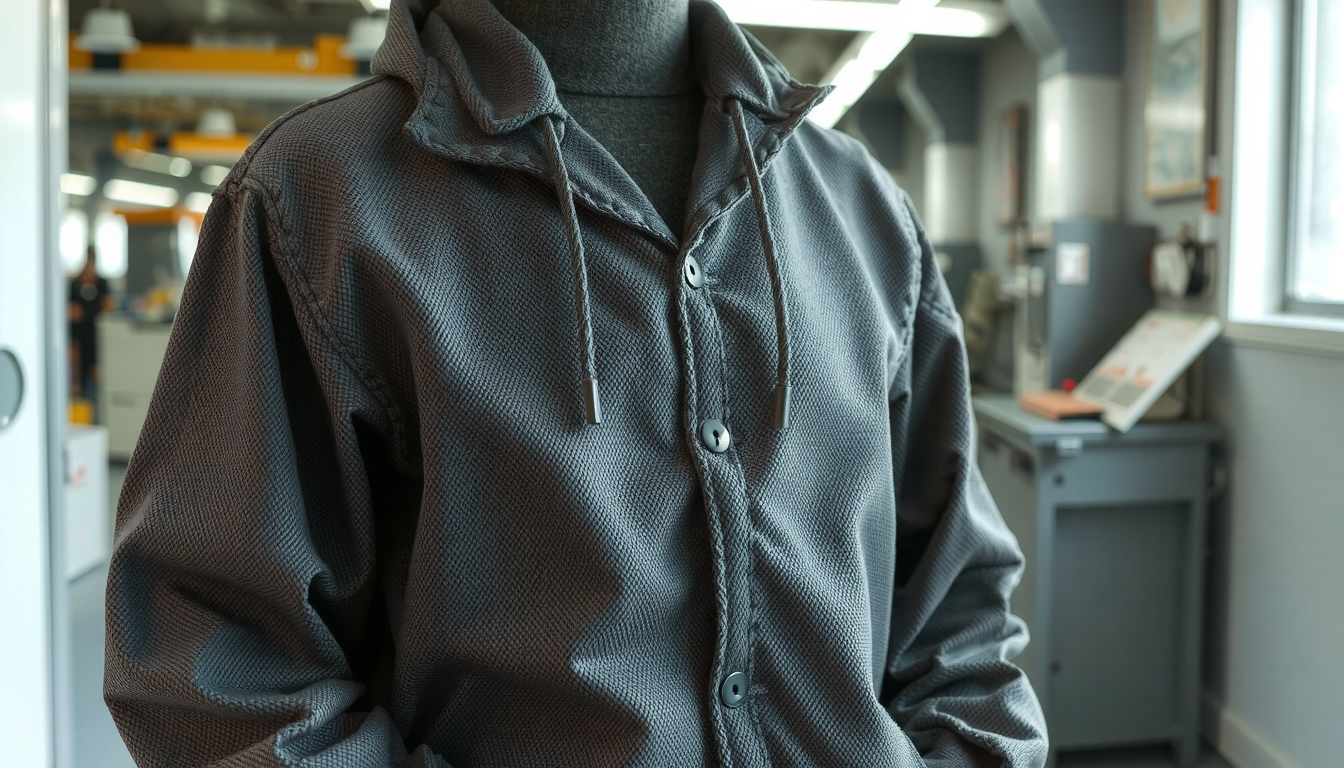
Digital file printing of your clothes like a science fiction movie is no longer a dream. But 3D printing of clothes is becoming real very fast.
3D printing clothing is the secret use of additive manufacturing to create garments, textiles, or accessories. This is a way of creating an object from a digital design through the addition of materials layer by layer. With this technology, fashion will probably be entirely different, as it will enable incredible customization and sustainable practices. Being the leading fashion brand, we at TZ Streetwear are always innovating with new apparel techniques.
This guide will explain to you all that you need to know about 3D print clothing. We will discuss the core benefits you will gain and give you some real examples that are done now. We will also touch on the practical challenges for you and we’ll give you a guide to begin your first project in your home.
Why 3D Printing is Beyond Just Being a Gimmick
The hype associated with 3D printing fashion is easily comprehensible. But the genuineness lies in addressing some of the critically fashion industry’s issues. This technology gives material advantages that are far superior to the “cool factor” of wearables.
The New Sustainable Fashion Dimension
Mass production of clothes is subjecting the environment to serious negative impacts as it produces a lot of waste. The addition of manufacturing processes reverts this waste situation.
- On-Demand Production: Instead of fabric companies printing out styles before customers want them, clothing is printed only when ordered. It also helps to reduce overproduction which leads to deadstock and landfill waste caused by the fashion industry.
- Material Efficiency: In additive manufacturing, such as 3D printing, you only use what you need. You are not cutting patterns out of gigantic rolls of fabric, hence the minimal waste, that is the waste that you do not want you to have.
- Fewer Errors: Consequently, the future of fashion is here: how 3D printing is changing the industry describes how printing from a digital file virtually eliminates any production mistakes that otherwise would make the item unsellable.
Like many industries, those in clothing can be wasteful. But 3D printing could be a technology that saves even more resources with each piece only using the material for what is necessary. It is even said that this material can be used from trash plastic and so 3D items can become a means of environmental protection by companies that are caring for the environment.
Full Customization and Perfect Fit
On the one hand, mass production provides fast delivery of goods, but it limits unique designs and therefore personal preference of fit. 3D printing is a fashion technology that performs a complete 180-degree turn here. It is a personalization technology that was before only available to bespoke tailors.
A technology now allows shoppers to design and print custom garments based on their 3D body scans. This results in size miscalculations that are totally avoided, as well as the ultimate fit that can ever be achieved on any clothing. The use of 3D printing for designers means that they can work without constraints. By doing this, they can incorporate the use of charitable lattice forms, complex geometric patterns, and shapes that are utterly impossible to use with the needle and thread.
Turbocharged Prototyping and Design
The standard practice in product development is to create physical prototypes and do testing which is time-consuming and costly. 3D printing comes in as a breath of fresh air because it lets designers build on their conceptualization from one day to the next. Designers can come up with the design in the morning and they can make a sample model or a part by afternoon or even test it right away if it works according to the specifications. This quick turnaround is invaluable in saving time and resources.
From Fashion Shows to Real-Life Use
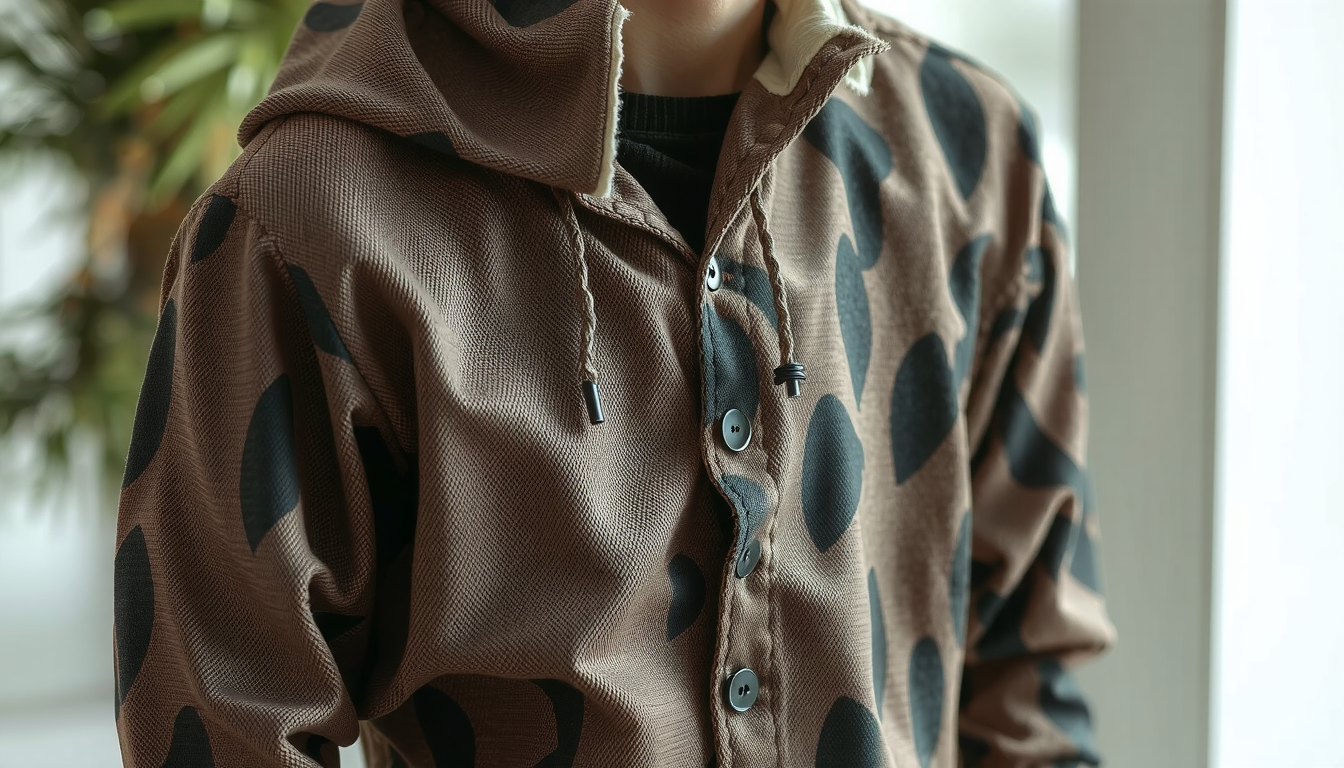
You may not be printing your whole closet yet. However, 3D printing technology has already made its mark widely, from the most avant-garde haute couture to practical items that you can use today.
The Trailblazers at the Runway
Designers such as Iris van Herpen and Danit Peleg are the leading figures in 3D print clothing. Often seen as art, their creations become the medium to discuss the potential of materials and shapes to be used in fashion.
Van Herpen is a designer who is famous for her dresses that look like they are from another planet, which she makes by integrating technology with traditional craftsmanship. According to the article “3D Printed Textiles: A Sustainable Fashion Revolution,” designers like Danit Peleg have proven that it is practical to use this type of technology. They even created a ready-to-wear collection with only the use of desktop 3D printers. This shows that it is not just for high-design art.
Every Day for You to See and Use
Apart from the runway, the most successful 3D fashion applications happening outside the most noticeable and often are less visible, subtle, and tight-knit.
- Footwear: This is the area where the technology has reached the most commercial success so far. Companies are applying the use of 3D printing for creating insoles fitted to the individual foot, and to build lattice-structure midsoles for athletic shoes to zoned cushioning. Besides, they are making eye-catching designs of shoes.
- Accessories: High-fashion pieces such as fashion jewelry, detailed eyeglass frames, and complex handbag components all are perfect instances of 3D printing.
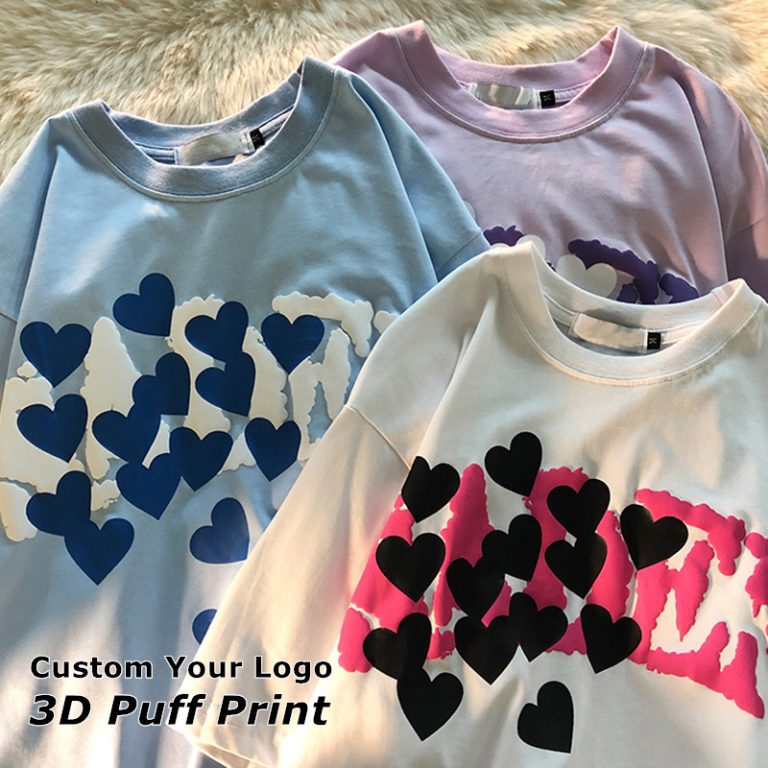
- Embellishments: Printing 3D designs directly on traditional fabric is proving to be practical and popular as a quick technique. This adds an integral new dimension to the fabric, which could be hard to obtain through embroidery or appliqué.
The Reality: Is It Wearable?
In popular thought, one of the most serious issues of this kind is whether 3D printed clothes are comfortable and functional. The level of complexity in these items is very high. The comfort level depends mainly on how the material is used and the technique applied.
The major difficulty is the dichotomy between the hard plastics used and soft, breathable textiles. The table below shows the list of the materials used for the 3D printed garments and accessories.
| Material | Feel & Flexibility | Best For | Wearability Score |
|---|---|---|---|
| TPU (Thermoplastic Polyurethane) | Rubber-like, flexible, durable | Flexible mesh fabrics, embellishments on clothing, shoe soles | High |
| PLA (Polylactic Acid) | Rigid, brittle, biodegradable | Rigid accessories, jewelry, decorative armor, prototypes | Low |
| Resins (SLA/DLP printing) | Hard, smooth, highly detailed but often brittle | Intricate jewelry, detailed embellishments, high-fashion showpieces | Varies |
The Sensation of Comfort
Traditional fully 3D printed clothes are not the most comfortable ones. They do not drape or breathe as cotton or wool do. Materials like PLA are stiff. However, the new flexible filaments produce a shaking revolution. They are changing the game. The TPU can be printed in a fine mesh that is similar to a chainmail, which gives it flexibility and enabling movement. Yet they still cannot reach the level of woven fabrics’ intrinsic softness.
Longevity and Maintenance
A common question is: Is it washable? That is the question everyone asks! For instance, things made from TPU can commonly be washed by hand with cold water, but they require a gentle touch. Some 3D printing materials, especially ones made with PLA, are sensitive to heat. They can be damaged in a tumble dryer or washer if the temperature is high. In addition, a garment could possibly delaminate, or break at a layer line, depending on the stress, because of the layer-by-layer nature of the prints.
The Calculation of Time and Money
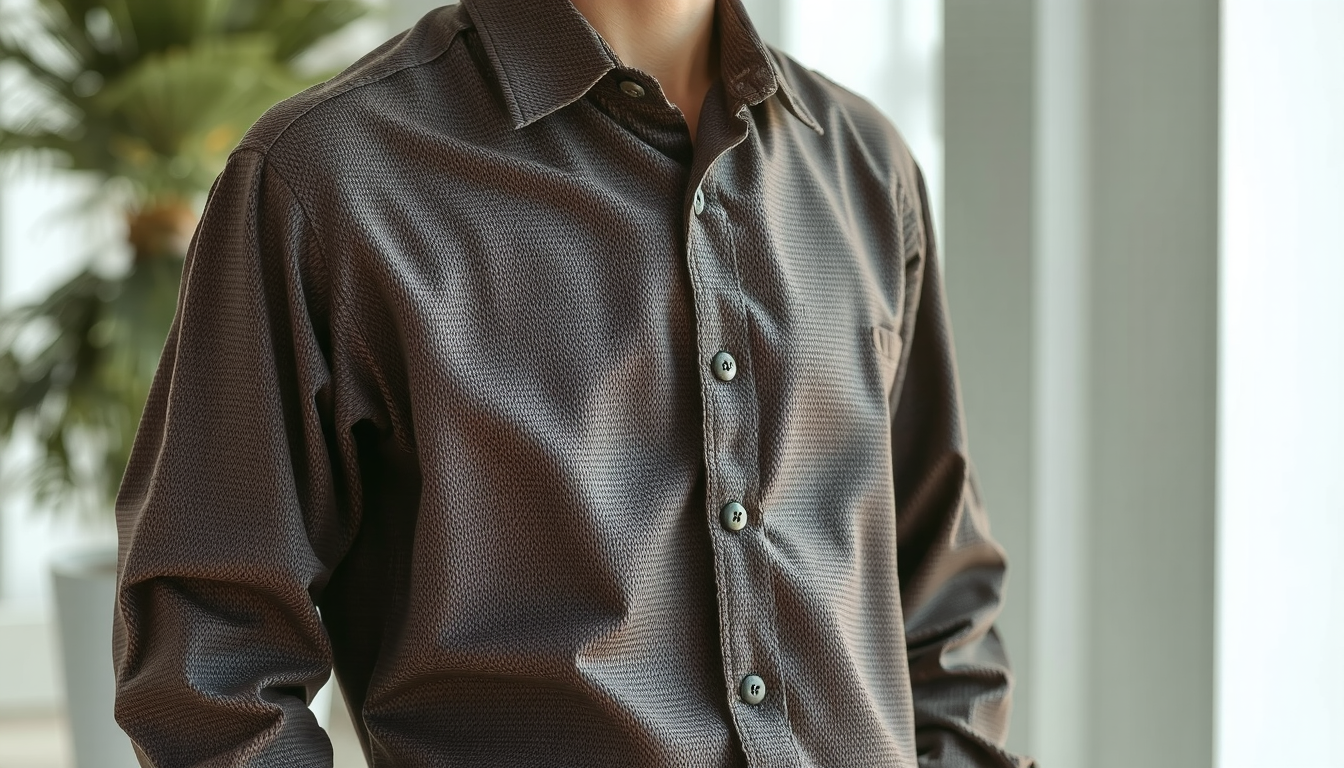
Printing a basic, small accessory usually takes one or two hours. But printing a big and complicated dress like those you see on the catwalks can take hundred or even thousand hours of continuance printing. That translates into material costs for a massive project being in the thousands of dollars. All of that means that right now, these types of fully 3D printed outfits belong to the world of haute couture.
Your First Project: Printing on Clothing
The best way to understand the potential of 3D print clothing is to try it. Printing directly onto fabric is a fantastic entry-level project. It combines digital design with physical textiles.
What You Will Need (The Essentials)
- A standard desktop 3D printer (FDM style).
- Flexible TPU filament. This is crucial for a wearable result.
- A piece of fabric, like a cotton t-shirt or a piece of mesh. Tulle or mesh works best as the plastic can fuse through the holes.
- 3D modeling software. For beginners, Tinkercad is free and browser-based. For more advanced designs, Blender or ZBrush are industry standards. Designing and creating your own custom clothing requires a solid grasp of these digital tools.
Step-by-Step: Printing a Design onto a T-Shirt
This process uses a clever trick to fuse a 3D print directly onto fabric. This combines digital craft with physical materials. It’s a core concept in modern apparel. For an overview of other techniques, see our introduction to clothing crafts.
- Design Your Piece: First, you’ll need to create a simple, relatively flat design in your 3D modeling software. Think of a logo, a geometric pattern, or simple text.
- Slice Your Model: Import your design into a slicer program (like Cura or PrusaSlicer). A common pitfall to avoid is making the base too thick. You only need a few layers to adhere to the fabric.
- The “Pause at Height” Trick: This is the key. In your slicer software, you’ll add a command to pause the print after the first two or three layers are complete. This usually happens at a height of around 0.6mm to 0.8mm.
- Position Your Fabric: Start the print. Once the printer pauses after completing the base layers, carefully place your fabric directly on top of the print bed, covering the printed plastic. Use clips or tape to hold it taut and secure.
- Resume the Print: From the printer’s menu, resume the print. The nozzle will now continue printing the rest of your design directly onto the surface of the fabric. The hot plastic will extrude through the weave and fuse the design permanently to the garment.
The Road Ahead for 3D Printed Clothes
The technology behind 3D print clothing is going through a radical phase now. What looks like a speculative use may very soon turn into mass practice.
Material Innovation: Going Beyond Plastics
The next critical handle will be to find the right material. Scientists are working hard to invent filaments that are printable, and that is made from renewable resources like algae and cellulose. The use of these materials may someday yield 3D printed garments that feel as nice as cotton does but are made with no waste.
“4D Printing” and Adaptive Clothing
The concept of 4D printing involves using smart materials that can change their shape or properties when exposed to a stimulus like heat, light, or moisture. Imagine a garment that tightens for an athletic fit when you start to sweat. Or a dress that changes its pattern in the sun. This is the next frontier of functional, intelligent apparel.
The Localized Manufacturing Movement
The most significant change could be the supply chain’s face-lift. Today, garments are produced in bulk in a sole hoodie manufacturer overseas, and shipped worldwide. In the near future, you may just download a design file and have it printed at a local manufacturing hub or even at home. This is opposed to the old methods like screen printing that often mass produce the garments. This leads to instant production that is external, and tailored to individual customers.
FAQ: Your 3D Print Clothing Questions Answered
1. Can you 3D print a whole shirt that is comfortable to wear?
At this point, it is incredibly tough. The majority of clothes made solely by 3D printing are more like pieces of art that one can wear. Although for the current period, the flexibility of TPUs gives more comfort to the designs knit into the garment. Yet, they are still far from the soft and breathable textures of cotton or polyester. Today, the most practical way is to print onto existing clothing.
2. What is the best material for 3D printing on clothes?
Thermoplastic Polyurethane (TPU) is the most popular choice. It’s a flexible, rubber-like filament that bonds well with fabric and can withstand some movement and bending. This makes it much more suitable for clothing than rigid plastics like PLA or ABS.
3. How much does it cost to 3D print clothing?
The cost varies dramatically. Printing a small logo on a shirt might only cost a few dollars in material. Printing a full, complex dress, like those seen on runways, can cost thousands in materials and require hundreds of hours of print time.
4. Is 3D printed clothing sustainable?
It has huge potential to be. It reduces waste by only using the necessary material and allows for on-demand production. However, the sustainability depends on the source material. Using recycled or biodegradable filaments is key to making it a truly eco-friendly option.
5. Do I need a special 3D printer for fashion?
Not necessarily for basic projects. Many standard desktop FDM (Fused Deposition Modeling) printers can handle flexible filaments like TPU. However, high-end fashion designers use advanced, industrial-grade printers (like PolyJet technology). These can mix materials, colors, and properties for much more sophisticated results.