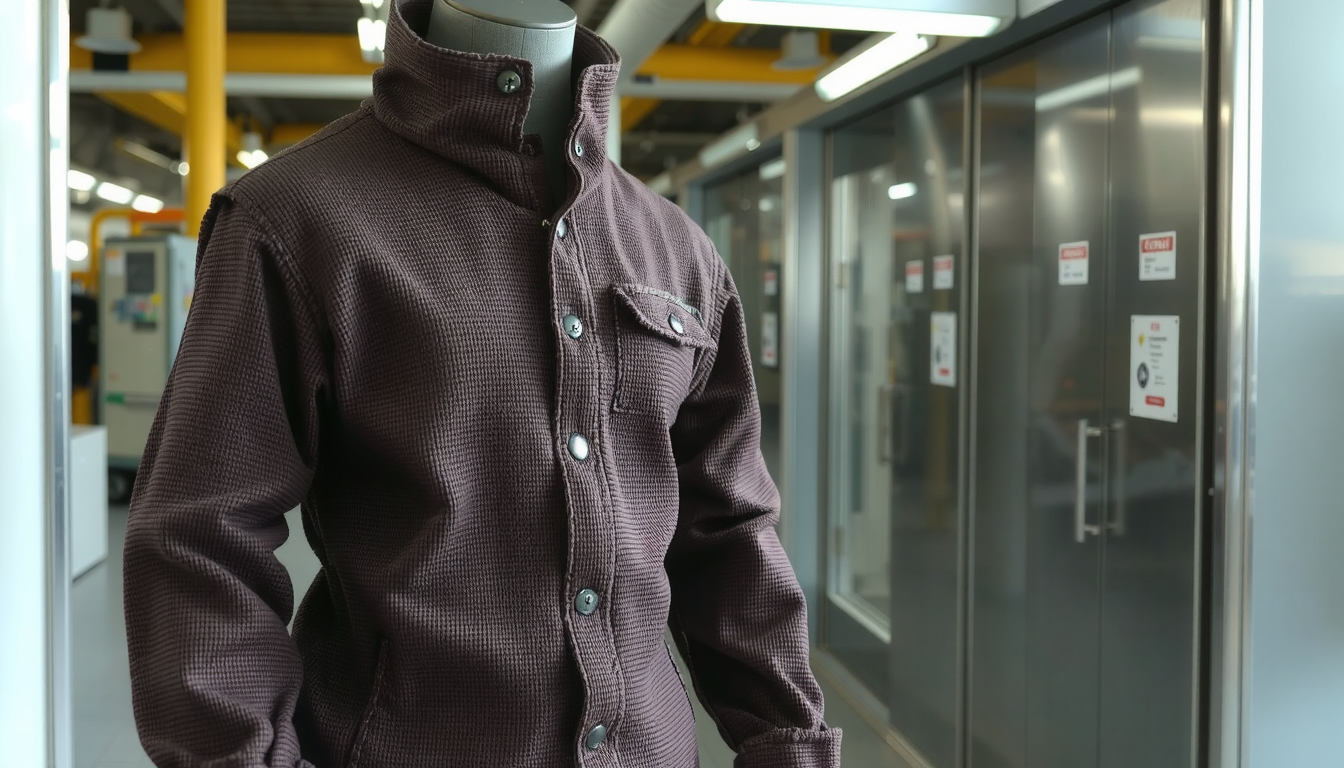
The division between a motherboard and a mood board is narrowing down. Technology is no longer just a fashionable add-on; it is turning into the material reality of our future clothes. Enter the realm of 3d printed clothing. This is a technique through which textiles are constructed layer by layer from a digital file.
In this article, we are going to show you how to close the gap between catwalk and reality. We will go deep into the operation of 3D printed clothing. We will check its practical uses. We will compare it with the old methods. Finally, we will examine the potential of this revolutionary approach to clothing production.
How Is 3D Printed Clothing Made? The Tech Behind the Textiles
In essence, 3D printing is like a super-precise, automated weaving process. However, the interesting fact is, instead of using a cutting machine to cut fabric patterns, it creates a garment from scratch. It deposits the raw material in the form of a thread, layer by layer, according to a digital design.
From Digital File to Physical Fabric
The trip from an imagination to a wear garment requires a lot of steps. It is a fusion of digital art and material science.
Step 1: The Design (CAD): The process begins with a 3D model designed using Computer-Aided Design (CAD) software. At this stage, fashion designers sketch out the clothing’s shape, surface, and fit on a computer.
Step 2: Material Selection: The designer chooses the type of filament. The characteristics of this material will be directly responsible for the final product’s stretch, slightness, and lifespan.
Step 3: The Printing Process: A computer file is sent to a 3D printer. The printer’s nozzle heats up the filament, which is put down in layers. It takes a long time to print the object.
Step 4: Post-Processing: Most clothing needs some finishing touches after printing. This could be removing support parts, cleaning the surface, or connecting multiple printed elements.
Key Materials Making Wearable Tech Possible
When it comes to wearable 3D printed clothing technology, the material is everything. The replaced stiff plastics with flexible polymers made this technology wearable in clothing.
- TPU (Thermoplastic Polyurethane): This is usually the first material that comes to mind for 3D printed clothing. It is flexible, resilient, and has a rubber-like touch. It resists movement and stretching, which is why it’s perfect for creating netting-like fabrics or interlocked designs that mimic regular materials.
- PLA (Polylactic Acid): This is a biodegradable plastic, which is made from renewable sources like corn starch. It is more rigid than TPU. It is often used for structural elements, accessories, and pieces of avant-garde design where stiffness is a trait of the look.
- Resins & Multi-Material Printing: Advanced printers use liquid resins that harden because of UV light. This enables very delicate details. Multi-material printers can also intermix different materials for one print. Rigid elements are combined with flexible ones. This leads to unusual corals and additional functionality.
Beyond the Hype: The Real-World Practicality of 3D Printed Clothing
The futuristic images of 3D printed clothes are really cool. But the urgent issues stalking are still around, like what’s it like exactly to wear them? The industry has surpassed the initial “wow” phase to now address the vital issues of wearing these garments which have become our focus.
Based on reports from designers and participants, the situation with 3D clothing is rapidly improving.
Comfort and Feel: Does It Feel Plasticy?
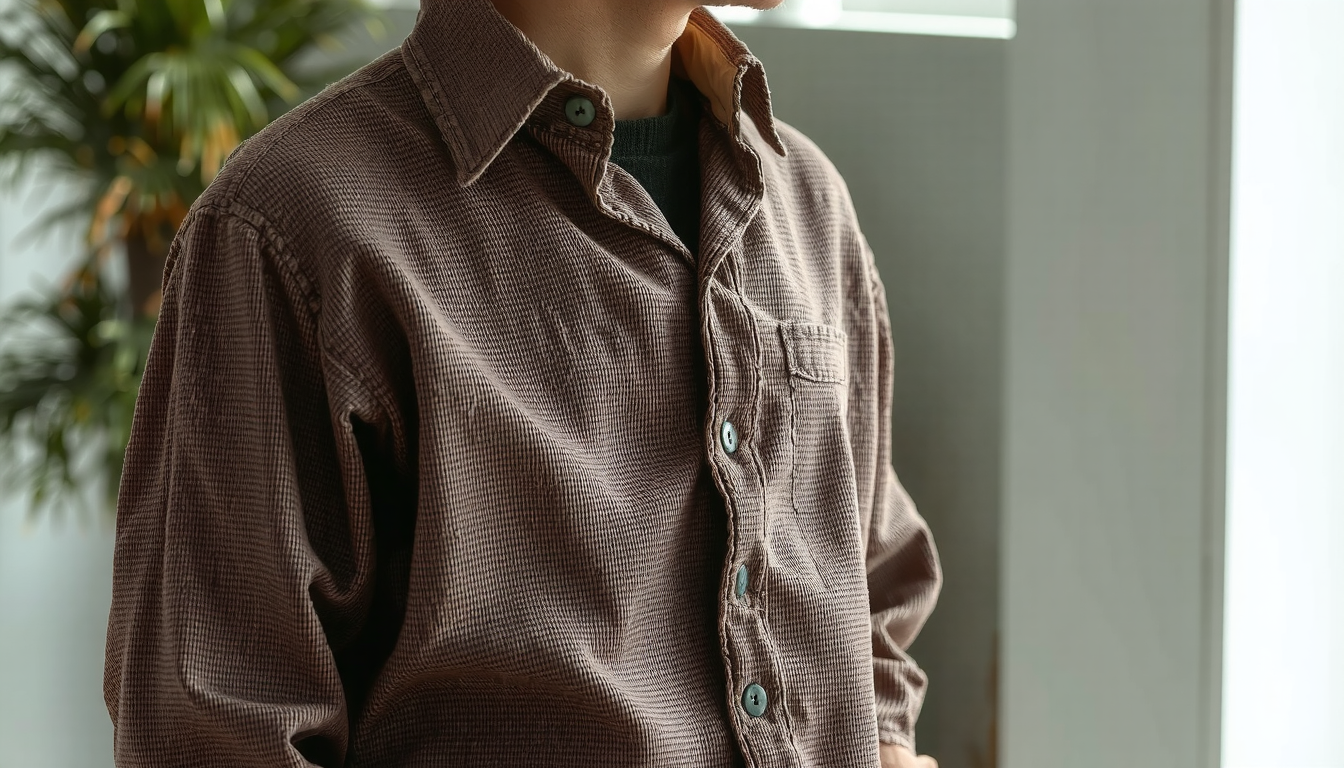
To some extent, they are indeed. The very first 3D dresses that came to life were basically wearable art. They were rigid, bulky, and in no way practical. But this impression changes with time. Clinching materials like TPU and ingenious designs have made it possible to create flexible, chain-mail or lace-like forms. They complement the body, hang, and move with it.
It’s different from cotton or silk. The question of a breathable structure is still in the game. They are frequently described as soft rubber-like meshes. However, the machinery is continually being improved. We are developing fabrics that not only look stunning but are also genuinely agreeable for prolonged wear.
Durability and Care: Can 3D Printed Clothing Be Washed?
Laundry issues are a huge factor which stops 3D printed clothing from becoming widespread. Most of the 3D printed garments can’t be laundered in washing machines. The heat and movement can either destroy the fragile structures or distorting the material.
Care instructions commonly suggest hand-washing gently in cool water and using mild soap. These garments can withstand roughness, but they do not boast strong-as-usual sewing. They are more like haute couture or fine knit than a standard T-shirt.
The Pioneers Are The People Who Are Proving It’s Possible
Designers are currently developing solutions to these obstacles. They are not only producing art but also undertaking engineering solutions. The forerunner is pioneering designer Danit Peleg. She designed and launched the first collection of fully 3D printed clothing that was available for online shopping. Flexibility and creativeness are the areas that she focuses on. She is the one who demonstrates that 3D printed attire can be aesthetically pleasing and functional at the same time.
3D Printing vs. Traditional Manufacturing: A Fashion revolution?
To truly appreciate how 3D printed clothing has affected the industry, it is advisable to compare it directly with the cut-and-sew methods that have dominated fashion for centuries. Each of these techniques has their advantages and drawbacks.
| Feature | 3D Printing | Traditional Manufacturing (Cut-and-Sew) |
|---|---|---|
| Waste Production | Minimal (Additive) | Significant (Subtractive) |
| Customization | High (On-Demand) | Low (Mass-Produced) |
| Production Speed | Slow for single items | Fast for mass volume |
| Supply Chain | Short (Localized) | Long (Global) |
| Design Complexity | Virtually limitless | Limited by fabric/technique |
The Sustainability Aspect
A major strength of 3D printing comes from sustainability. Conventional clothing production is an example of a “subtractive” process. Large fabric rolls are cut to make patterns leading to a lot of leftover materials. Additive manufacturing uses only the material that is necessary for the final product cutting waste down drastically.
This form of production is believed by numerous people to be the leading renewable fashion movement. It does away with the need for large inventories. Manufacturers with residual stock often burn it. By printing only the items that are ordered, they can run with virtually no inventory waste.
Where Traditional Methods Still Win
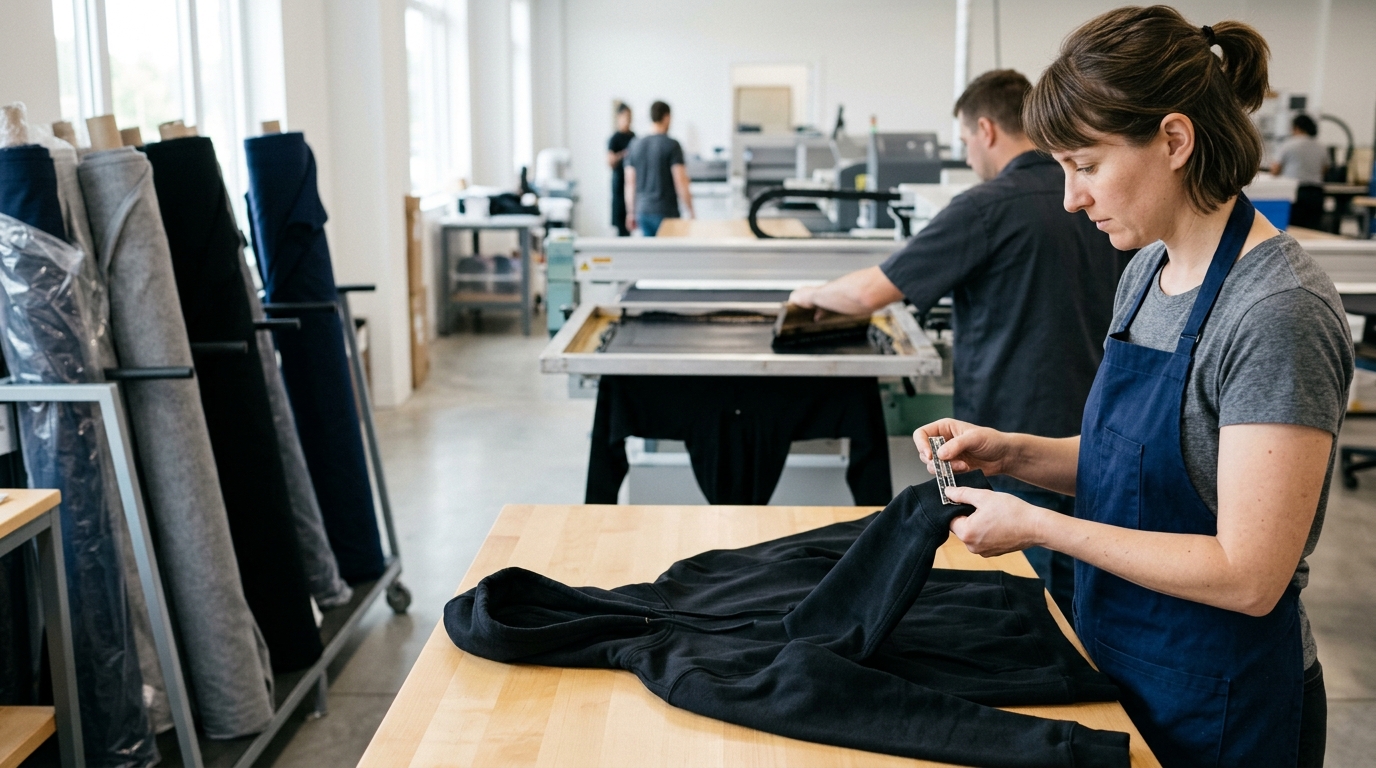
But, of course, 3D printing is not a flawless answer. Traditional methods are still the best choice for mass-market garments where cost, speed, and the fit of natural fibers are the key factors. While 3D printing is great for custom work, methods like screen printing and mass production by a dedicated hoodie manufacturer remain the choice for low-cost and large-scale outputs. The 3D printing technique has not been able to duplicate the comfort felt in a cotton hoodie yet.
Getting Started: Your First 3D Printed Fashion Project
3D printed fashion has become more accessible for designers and tech aficionados than ever before. You do not need a laboratory filled with million-dollar equipment to start exploring the endless possibilities.
Step 1: Master the Basics of 3D Design
The starting point on your path is CAD software. For total beginners, applications like TinkerCAD are simple and easy to use. More advanced tools like Blender (which is free) will allow you to create more complex shapes once you have the basics down, these could even be organic and suitable for fashion.
Step 2: Start Small with Accessories
Don’t enroll in a program to learn how to design dresses only to tear yourself down on your first try. Begin with something small like a custom button, a belt buckle, or a piece of jewelry that is easy to accomplish. By doing this, you learn the materials and the printing process without cribbing too much time or resources. This way is much like learning any new skill, like the ones taught in an introduction to various clothing crafts.
Step 3: Find a 3D Printing Service

You do not need to invest in a specialized 3D printer. Online platforms or local makerspaces provide options for you to upload your design and get it manufactured in various materials. This is a cost-effective way to create your initial designs.
Step 4: Experiment with 3D Printing on Fabric
A good way to start is a hybrid approach. Instead of printing a complete clothing item, try to 3D print your design directly onto a piece of traditional fabric such as tulle, mesh, or even denim. This technique adds unique textures to the existing fabric, is a great way to combine digital crafting with traditional sewing.
The Future of 3D Printed Clothing: What’s Next?
Trends in 3D printed clothing are ever-changing, the innovations we witness today are just the beginning. There are several main trends that will guide its growth and make it a part of our everyday lives.
- Bio-Materials: Scientists are coming up with filament fibers from sources that are sustainable such as algae, wood pulp, and other biological matter. This can resolve the majority of the concerns that arise with plastics.
- 4D Printing: This is the new stage. 4D printed objects are made from “smart” materials that can undergo a transformation or self-assemble after being printed. These materials react to heat, light, or water. For instance, a dress might assume a different shape or a shoe might adjust to fit your foot.
- At Home Production: The end dream of many is freedom is to be able to download a design from a favorite brand, customize it, and print it overnight at home.
This technology continually creates fundamental changes in the clothing industry. Whether it is haute couture or fitted medical devices, the design of clothing is shifting towards personal manufacturing. Expert analyses emphasize that 3D printing is changing the industry in countless ways. It is the driving force behind the continued exploration of the unchartered territories of production and design.
Conclusion: A New Thread in the Fabric of Fashion
The transition of 3D printed clothing from an experimental, future-thinking concept to a practical equipment shows great potential. The things that traditional methods can not provide, such as substantial personalization, reduced wastage, and total design freedom, are the things it can offer.
Although it will not take over sewing machines entirely, 3D printing has firmly made its place in modern clothing and fashion. As technology and fashion continue to merge, exploring innovations like 3D printing is key. For affiliate resources showcasing how to build a fashion brand from scratch, check out the offerings at TZ Streetwear.
Frequently Asked Questions (FAQ) about 3D Printed Clothing
1. Is clothing made by 3d printing expensive?
For the time being, yes. The totality of bespoke design work, specialized flexible materials, and the relatively long processing time rendered custom 3D printed clothing more expensive than mass-produced clothes. However, it is only a matter of time until these costs tail off as the technology becomes faster and more accessible.
2. How does 3d printed clothing feel?
It totally depends on the material and design. Early models were resembling hard plastic. Now clothes manufactured using flexible filaments, like TPU, often feature a mesh-like, flimsy, rubbery, and chainmail texture, are surprisingly pliable, and thus fit your body much better. They still can’t imitate natural fibers like cotton or wool.
3. Can anyone design and print their own clothes?
Theoretically, yes, but it requires specific skills. One needs to be familiar with 3D modeling (CAD) software and have access to a 3D printer that handles flexible filaments. For most people, the easiest starting point is designing small accessories and using a 3D printing service.
4. Is clothing printed with 3d printing sustainable?
It has a huge potential to be. The “additive” process creates almost zero material waste compared to traditional cut-and-sew methods. It enables on-demand production, which eliminates overstock and fashion waste. Moreover, many new filaments are recyclable or biodegradable. The main environmental consideration is the energy use of the printers.
5. Will 3D printing replace traditional clothing manufacturing?
It’s highly unlikely to replace it completely. Instead, 3D printing will become a powerful tool that works alongside traditional methods. Its strengths are in haute couture, custom tailoring, creating incredibly complex designs, medical wearables, and sustainable on-demand fashion. Traditional manufacturing will continue to dominate the mass market for affordable, everyday clothing.