The incised edge that divides the digital files from the physical clothing is beginning to vanish. Visualize this: you download a design and print out a dress right in your home studio. This is not a figment of imagination—3d printed clothes are the reality of today. Fashion is no longer tied solely to traditional looms and sewing machines but is entering a realm of digital craftsmanship.
The concept is quite simple. 3d printed clothes are made by layering materials according to a computer program. There is no cutting of fabric, and no sewing of seams. A printer produces whole modules, or some parts of them, from scratch. This reference presents all facts necessary for you to learn about it. We are going to deal with the creation process, the kinds of materials used, the comfort level of such clothes and the amazing progress they will make in the future.
What Is the Process of Making 3D Printed Clothes?
The making of clothes with the help of 3D printing is the combination of digital art and high engineering. The trip from the digital world to the clothes hanging in your closet includes four main steps.
Step 1: Digital Design & Modeling
Everything begins here, in the digital world. Designers use Computer-Aided Design (CAD) software or specific 3D modeling software, such as Blender and ZBrush, to customize the garment. This is where the model of an item is born. The texture is introduced here. Complex design elements emerge as a three-dimensional file.
Step 2: Slicing the Design
The printer cannot read the 3D model by itself. The model must be transformed into instructions for the machine to execute. Slicing software digitally divides the model into many or thousands of tiny horizontal layers: that is, it slices the object into layers. This process essentially creates a detailed outline of the object for the printer to follow.
Step 3: The Printing Process
This is where the electronic part makes changes in the physical world. The printer follows the tasks of the sliced file to output a product using the additive process. A nozzle or print head follows a predetermined route, laying down material layer by layer while binding each new layer to the previous one.
Fused Deposition Modeling (FDM) is the technology that most hobbyists utilize with plastic filaments, whereas the high-end fashion sector utilizes a different technology. For instance, with Stratasys 3DFashion™ technology, clothes can be printed right onto the fabric with high precision and full color.
Step 4: Post-Processing and Assembly
The tasks are not over when printing comes to an end. Firstly, the printed pieces need cleaning of the support material. A few parts may require curing with UV light to get hard properly. Dyes may be involved too. Intricate 3d printed clothes often consist of multiple parts that are assembled by hand to finally form the tune piece.
The Fabric of the Future: What Are They Made Of?
The filament, or “material,” is the very soul of all things 3D printed. It decides how the piece appears and functions and its feel. At first, there were only hard rigid materials but today, thanks to material science progress, we have more options.
Beyond Hard Plastics: The Rise of Flexible Filaments
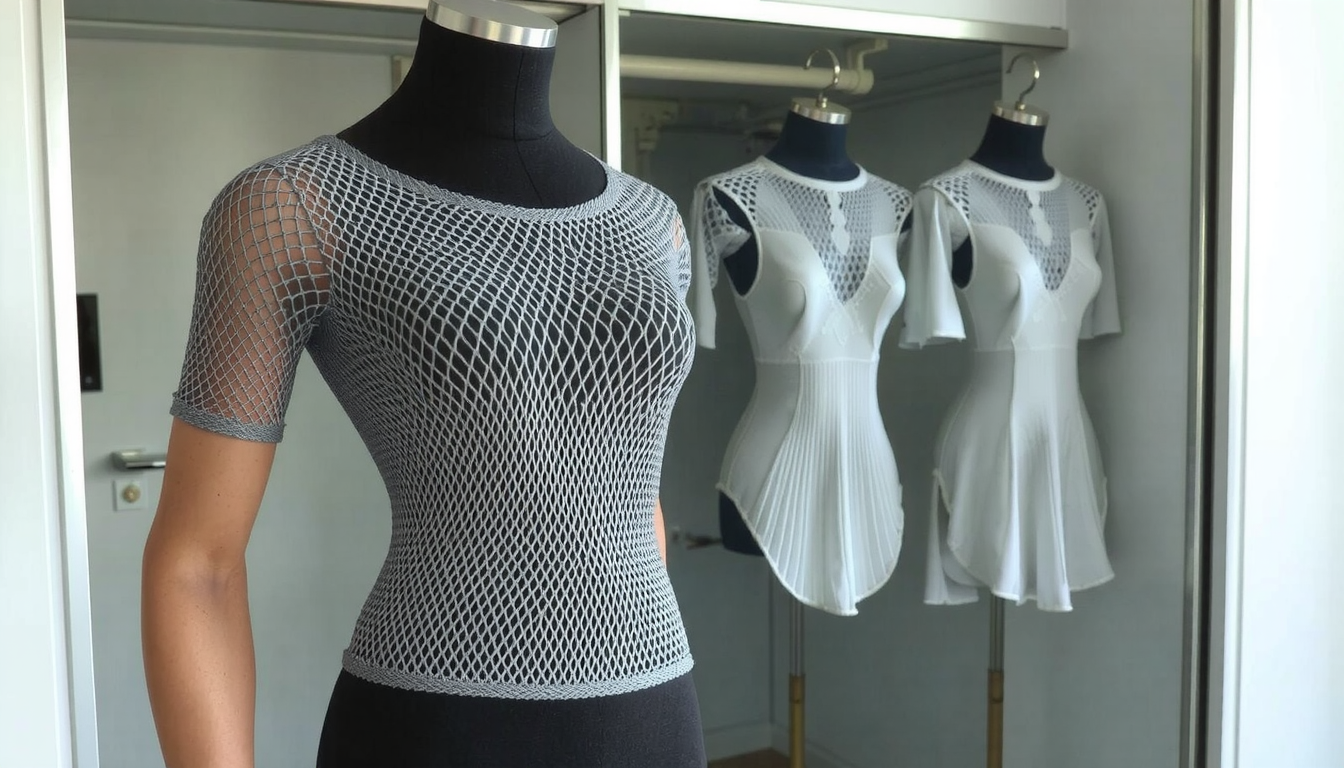
Flexibility is key for the fashion of the future. The industry has abandoned the use of rigid PLA and ABS plastics, which emmplified great protyping materials but were impossible to wear back to the new generation of flexible polymers. These are the only materials that can mimic the properties of rubber and fabric. Much to your advantage, they have motion and comfort are now possible.
| Material Name | Key Characteristics | Best For | Feel & Comfort |
|---|---|---|---|
| TPU | Rubber-like flexibility, durable, abrasion-resistant | Wearable accessories, flexible chainmail-like sheets, shoe soles | Smooth but can feel synthetic; flexibility is high but breathability is low. |
| TPE | Softer and more elastic than TPU, very stretchy | Garments requiring extreme flexibility, custom-fit components | Very soft and flexible, similar to a soft rubber. |
| Resins | High detail, wide range of properties (from rigid to flexible) | Intricate lattice designs, high-fashion showpieces, detailed jewelry | Can be formulated to be rigid or flexible; surface is typically very smooth. |
From the Runway to Reality: Are They Actually Wearable?
We have seen those futuristic and fabulous 3D printed garments on the fashion catwalks. But can they be worn on a day-to-day basis? One should reflect on the answer as being a limited “yes.” It is crucial to distinguish avant-garde showpieces from the emerging kind of practical 3d printed clothes.
The Comfort Conundrum
The issue of comfort is still the primary difficulty that remains. A TPU-printed mesh can be very flexible. However, it does not breath well like natural fabrics and tends to feel synthetic and rubbery against your skin. For example, the texture is similar to that of high-tech athletic gear rather than a casual t-shirt. Another point to note is the weight. For instance, a fanciful plastic design can be heavier than a regular textile material. This, in turn, affects the drape and feel of the garment over time.
Durability and Care Instructions
Have these modern outfits ever withstood the test of time? TPU, one of the most flexible filaments, is also the most durable in this regard. They withstand stretching and moving greatly. However, junctions could be weak in a printed mesh or lattice design.
To keep these clothes in condition, they need to be treated with care. Most 3d printed clothes require hand washes with mild detergent in cool water. Washing machines or dryers can easily warp or completely damage the materials. So high heat has to be avoided.
The Current Sweet Spot: Accessories and Embellishments
At the moment, the success rate of the applications of 3D printed fashion is in accessories. Custom-fit eyewear has been excellent. Elaborate jewelry pieces, watch bands, and shoe parts are also wonderful fits. They do not have the requirements of breathability and drape needed for the full garments. Hence, they were the first ones that current material technology was suitable for.
The Hybrid Revolution: 3D Printed Meets Traditional Apparel
The most interesting and marketable frontier may lie not in the replacement of the fabric but in its enhancement. The hybrid approach is about bringing 3D printing together directly with the traditional textiles. This is changing the whole perspective of texture and customization.
What is Direct-to-Textile 3D Printing?
The direct-to-textile 3D printing is the method used. It is used by specialized printers to add either raised patterns, complex logos, or custom textures onto fabrics directly. Denim, leather, cotton, and polyester all are usable. This invention is a fantastic combination of the traditional clothing’s familiar comfort and the 3D printing’s unlimited design freedom.
3D Printing Vs. Traditional Embellishments
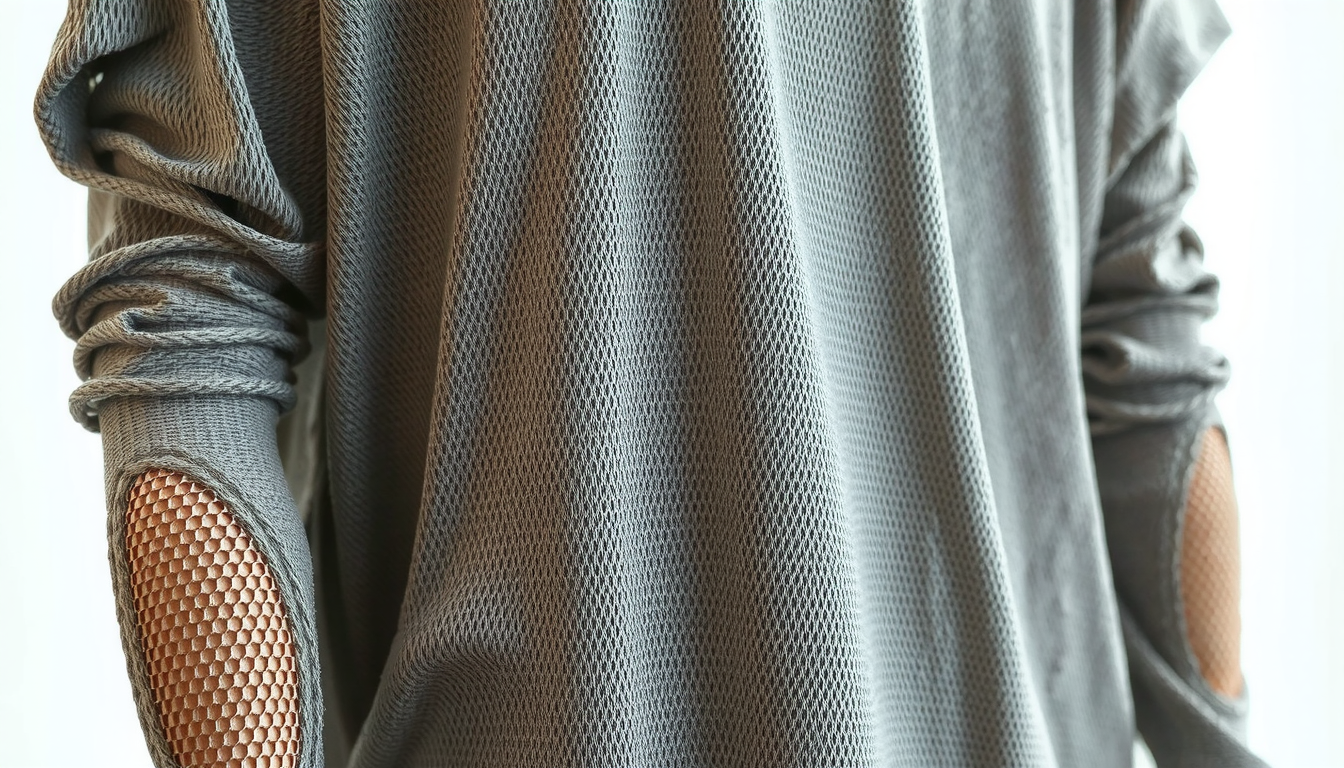
This hybrid method provides unique advantages. While screen printing is great for flat, colorful graphics, 3D printing creates tangible, three-dimensional structures right on the garment. It gives a depth and complexity that stitching or patches can’t easily provide.
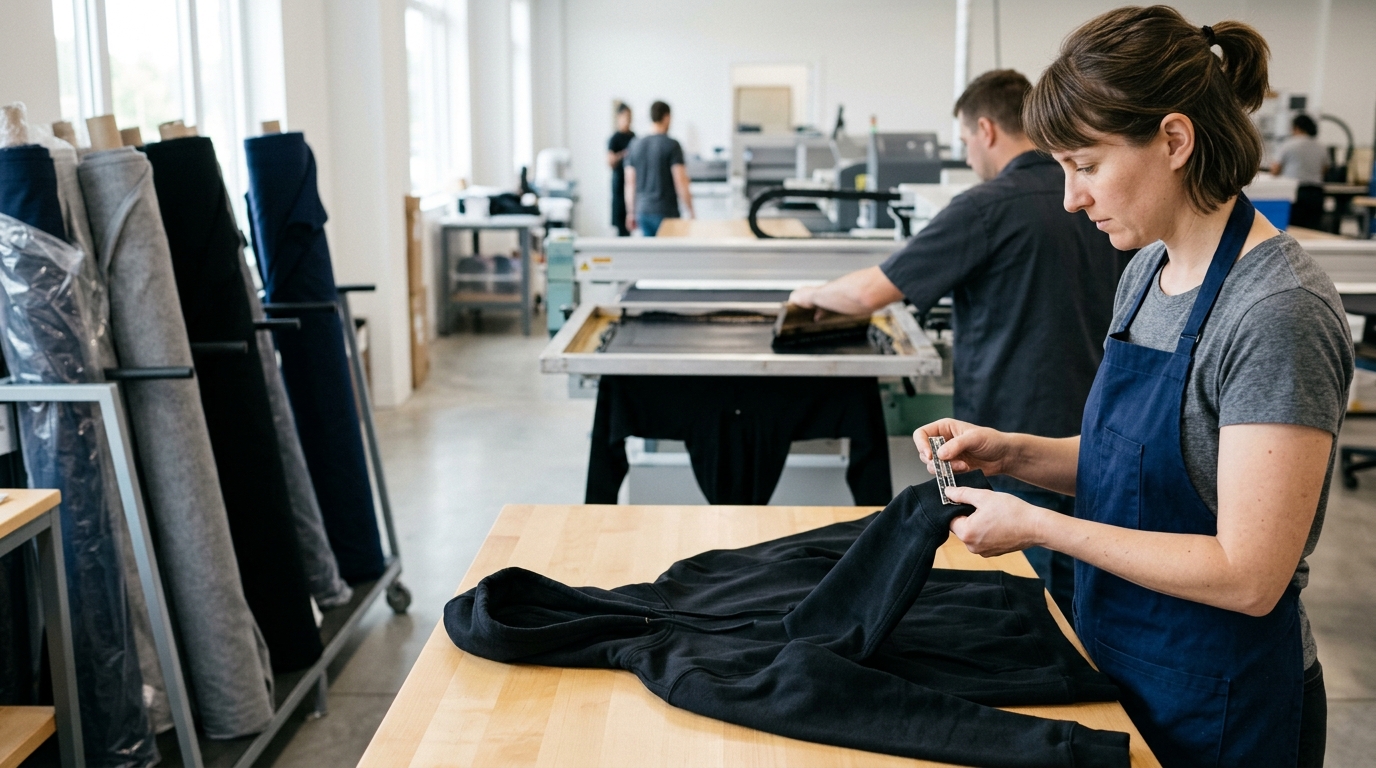
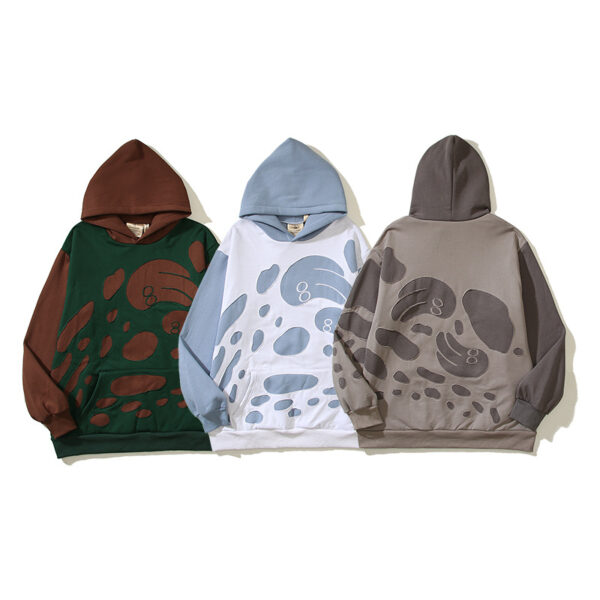
For those who are doing research on how to start a brand and different craft introductions, appreciating these hybrid methods is the key to being a distinctive brand. Representing a 3D-shaped sticker on a classic piece of clothing from a hoodie manufacturer is one of the ways that 3D printing is making its mark on the industry.
The Wider Perspective: Is 3D Printing a Sustainable Future
Not just for looks, 3D printing offers a separate solution to fashion’s sustainability woes as well. In rethinking fashion production and consumer practices, this technology can do both good and bad.
The Good: The Green Wardrobe and Personalization
- Sustainability: The main advantage is on-demand production. To cut waste from overproduction, you have to print exactly what is ordered. This is a considerable problem faced by the fast fashion negative impact. Additive manufacturing can eventually cut waste by up to 90%, thus becoming the go-to technology in the manufacturing of sustainable fashion. For this reason, it is seen as a driving force behind changing the landscape of fashion toward sustainability.
- Mass Customization: Everyone would like to wear a garment that fits them properly. With the 3D printing technology, it’s possible to get the clothes according to exact body measurements. The outcome is a satisfied customer, a product that is not returned, which is a cause of waste and carbon release in e-commerce.
The Bad: Issues that Need to Be Conquered
- Speed and Scale: Printing a multi-faceted garment sometimes can take dozens of hours, or even days. This slow speed is, however, what makes it impossible for the technology to go mainstream.
- Material Limitations: The most common materials that are used for 3D printing are plastics, which are made from fossil fuels. So, aside from the need for more comfortable materials, biopolymers that are biodegradable are crucial for long-term sustainability. The industry is striving to realize these aims, researching the impact of 3D printing on the industry in every field.
Conclusion: Weaving the Future of 3D Printed Clothes
The field of 3D printed clothing has made enormous strides recently. It is undergoing a return to the mainstream from the runway mode and has now become an indispensable tool for designers and brands. A wardrobe made entirely of 3d printed garments is not a reality yet. However, the impacts of this technology on the industry are becoming manifest.
The most notable influence appears to be through the hybrid model. This concept blends the textile comfort with the limitless 3D modification. This combination, as well as improvements in on-demand production and eco-friendly materials, heralds a future in which fashion is more personal and less wasteful.
Technology and creativity are homologous. The clothing market has never been this vibrant. For the enthusiasts of future fashion and production, the next step can be the choice of interesting new brands. TZ Streetwear is the hub for exploring new ideas in the sector.
Frequently Asked Questions (FAQ) about 3D Printed clothes
1. Are 3D printed clothes comfortable to wear?
Comfort is determined primarily by the choice of material, and the style or design of the clothing. Early clothes made of 3D printing crafts were rigid. The later styles constructed of TPU, flexible materials, are far better. However, they still might not be as soft and breathable as fiber products such as cotton. The best way to be at your comfort is by opting for hybrid clothes or accessories.
2. Can you wash 3D printed clothes?
Yes, they can be washed but you need to handle them nicely. The majority of 3D printed articles need to be washed by hand in cool water with light detergent. High temperature from the washing machines or clothes dryers can curve or destroy the material. Always read the specific care instructions provided by the designer.
3. How much do 3D printed clothes cost?
At the moment, 3D printed clothing is a niche and, thus, expensive. A piece of clothing that is designed according to one’s individual needs may cost a customer a large sum, up in thousands. The reason is poor efficiency as a result of long waiting times, high material costs, and slow production times. However, smaller 3D-printed accessories and embellishments are definitely cheaper.
4. What software is used to design 3D printed fashion?
The designers have several options among 3D modeling software. There are popular such as Blender (which is both free and powerful), ZBrush which is preferred for organic sculpting, and more formal programs like Rhino or Fusion 360. The software choice entails complexity and demands the designer’s willingness to learn the desired clothing style.
5. Will 3D printing replace traditional clothing manufacturing?
It’s unlikely to completely replace it anytime soon. 3D printing is not expected to take the place of clothing manufacturing; however, it is again one vital tool that the industry can use. It might be put into rapid prototyping, creating complex custom designs, and making unique embellishments on traditional clothes. It won’t replace large-scale production of t-shirts and jeans.