Is 3D printable clothing even real? This is a question that often arises at the nexus of technology and fashion. Yes, it is definitely a thing. This is an area of design, technology, and sustainability that people are engaging with in fascinating ways. But, like everything, it comes with its own obstacles.
We are moving from traditional cutting and sewing to additive manufacturing. Garments are now digitally layered materials. This guide will take you through the process of 3D printing clothes. You’ll find out the remarkable advantages, witness what’s happening now from high fashion to everyday use, and see why the future is bright.
What is 3D Printed Fashion?
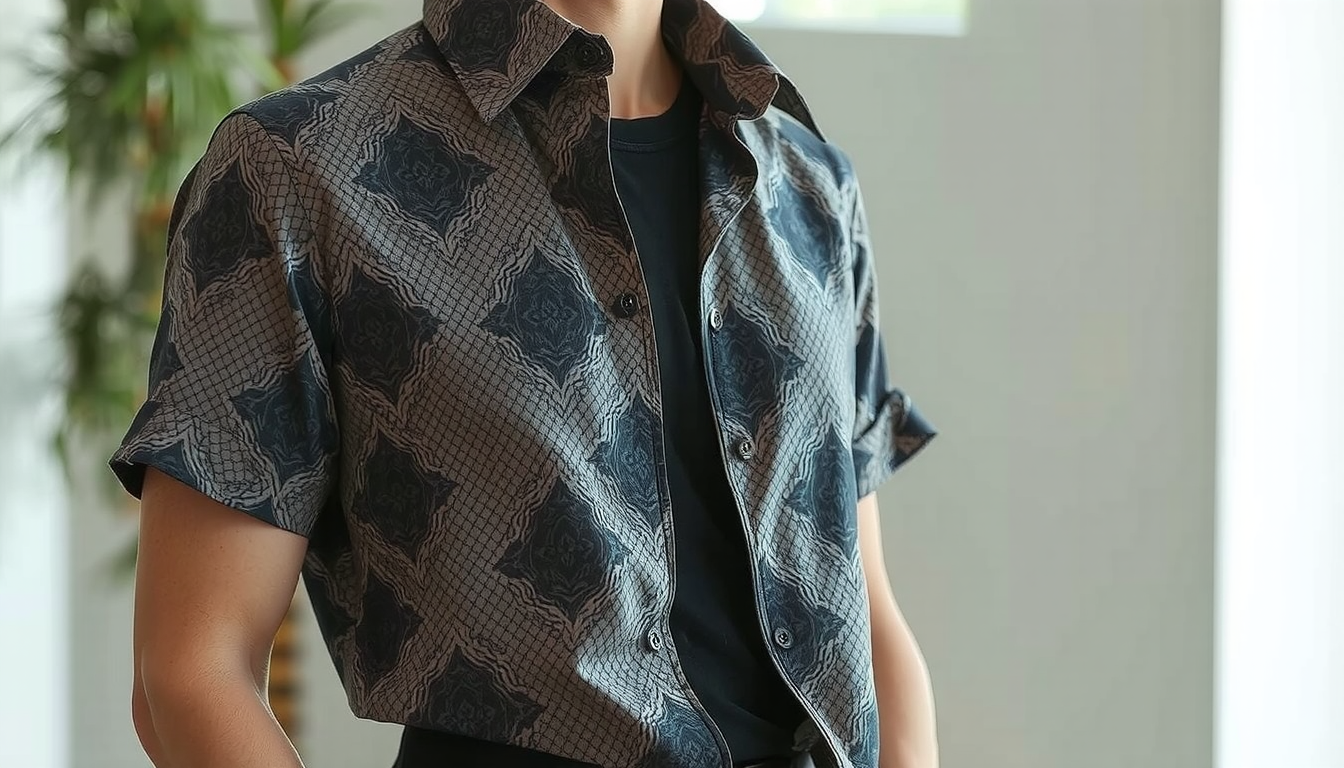
3D printing, or additive manufacturing, is quite similar to building with digital LEGOs. A machine follows a digital blueprint. It deposits material layer by layer until a three-dimensional object is complete. In fashion, this works in two main ways.
Being aware of these applications gives you a picture of the current state of 3D printing in the fashion world.
- Fully 3D Printed Garments: This is the most futuristic use. An entire garment, like a dress or jacket, is created directly from filament. These are often complex, sculptural pieces seen in haute couture. Visionaries like Iris van Herpen and Danit Peleg are the ones who made it, proving that whole collections could be printed.
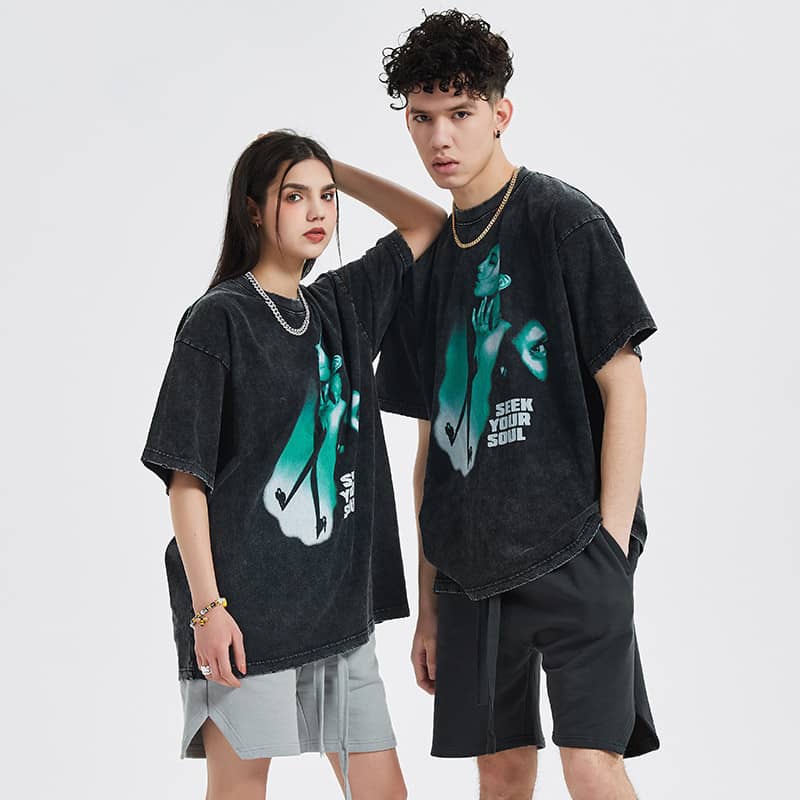
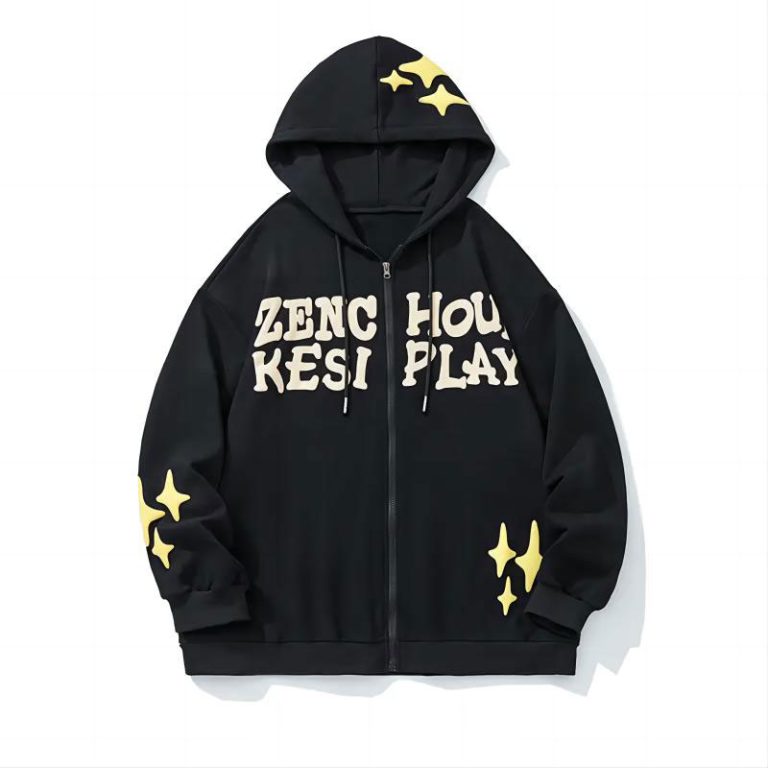
- 3D Printing on Textiles: This is a more accessible and commercially viable hybrid method. 3D printers apply flexible, plastic-based designs directly onto traditional fabrics. This adds texture, structure, and unique embellishments to conventional clothing.
The Revolution in the Closet
The excitement around 3D printing clothes isn’t just about new designs; it’s about solving the fashion industry’s biggest problems. This technology offers a complete pivot away from how we make and buy clothes.
Sustainability Unmatched
Doing fashion the old way is a major source of waste. During cutting, tons of fabric can be sent to landfills. 3D printing is a near-zero-waste alternative. Garments are made to order, layer by layer, using only the material needed.
Studies suggest this process could be up to 90% more material-efficient. Many filaments are made from recycled materials, like plastic bottles. Others are specifically designed to be biodegradable. In this way, a real circular economy is created in the fashion industry. The path to such a model is the radical reduction of waste, which is why 3D Printed Textiles: A Sustainable Fashion Revolution is a hot topic.
The Peak of the Personal Dimension
The one-size-fits-all model is coming to an end. With 3D printing, we can achieve personalization like never before. A user can be 3D scanned before printing a garment to their exact measurements. This way, they get a proper fit.
With this cutting-edge technology, customers are turned into co-creators. Imagine adjusting a hemline, changing a pattern, or adding a personal monogram within a digital file. Your unique piece of clothing is then printed just for you.
Design Creative Freedom
Designers are no longer limited by looms, needles, and scissors. 3D printing clothes allows for intricate lattices, complex geometric structures, and flowing forms that would be impossible to weave or sew.
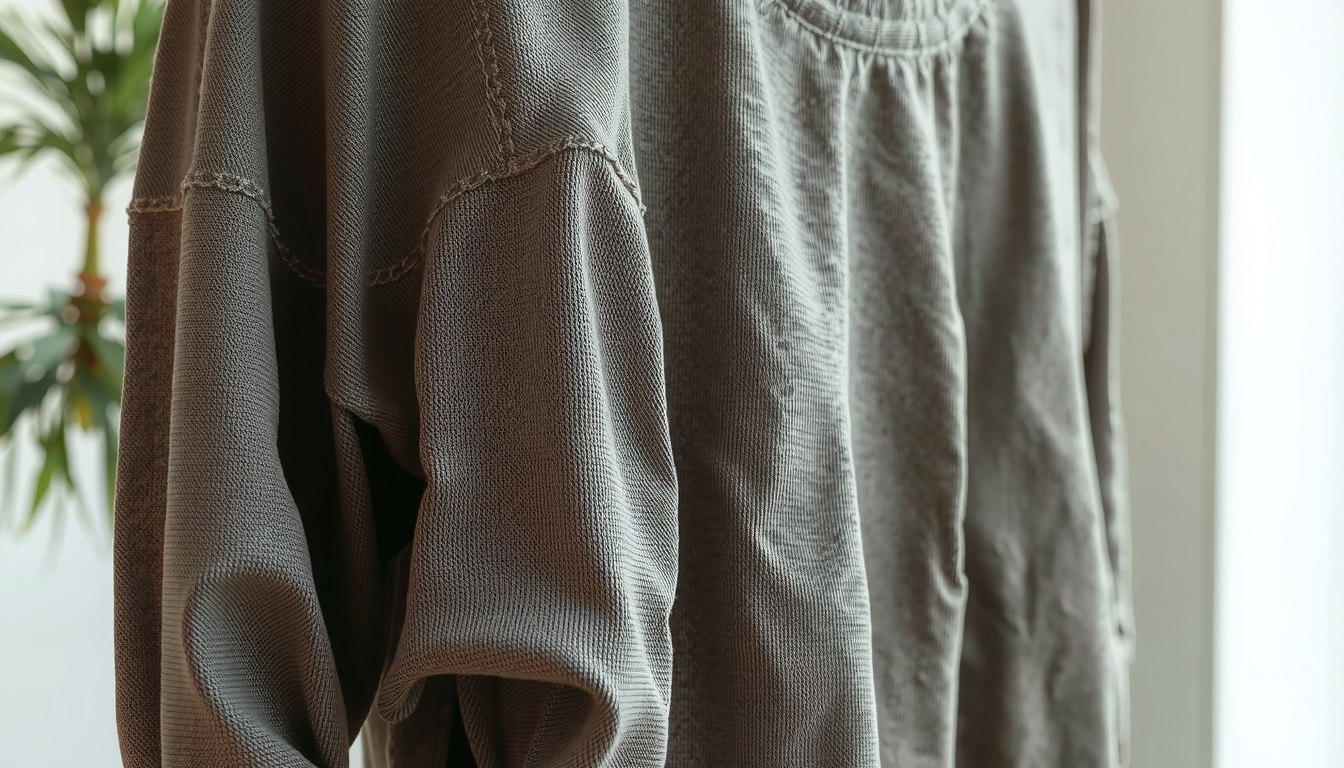
Here, technology truly serves art. Fashion designers can transfer their most elaborate digital creations into tangible, wearable forms.
From Digital Design to Wearable Garment
Creating 3D printed garments is a detailed process. It combines digital artistry with mechanical accuracy. We have broken it down into four essential steps.
Step 1: 3D Modeling and Digital Design
Everything starts with a digital blueprint. A designer uses Computer-Aided Design (CAD) software to create a 3D model of the garment. This requires a very high level of skill. You should be well-versed in form and aesthetics. You also need to know how your final object will move and interact with the human body.
Step 2: The Correct Material Selection (Filament)
The choice of material is decisive for wearability. Hard plastics like PLA are common in general 3D printing, but they don’t suit clothing. For the fashion sector, we rely on flexible filaments.
The most notable material is TPU (Thermoplastic Polyurethane). It has the features of rubber but with better elasticity and resistance. Therefore, it is one of the few current options for creating movable, wearable 3D printed garments.
Step 3: The Printing Process
Once the design is completed and the material is loaded, the printing process starts. The printer head moves with methodical precision, extruding a thin, molten line of filament to build the design layer by tiny layer.
From firsthand experience, the process is slow. A simple piece can take several hours to produce. A complex dress can take hundreds of hours, sometimes running for days. The application of 3D printing in fashion exemplifies the patience and precision needed.
Step 4: Post-Processing and Assembly
The work isn’t over when the printer stops. The printed piece must be carefully separated from the build plate. It often requires support structures—temporary scaffolding printed to hold up overhangs—which must be carefully cut or broken away.
The piece is then cleaned. For large or complex garments, multiple parts may be printed separately. They are then assembled by hand, connecting interlocking pieces to make the final product.
The Reality Check: Challenges & Path Forward
The potential is significant. However, it’s necessary that we are realistic about where 3D printing clothes stand today. Mainstream markets are a long way off, as significant groundwork still has to be laid.
The Material Conundrum
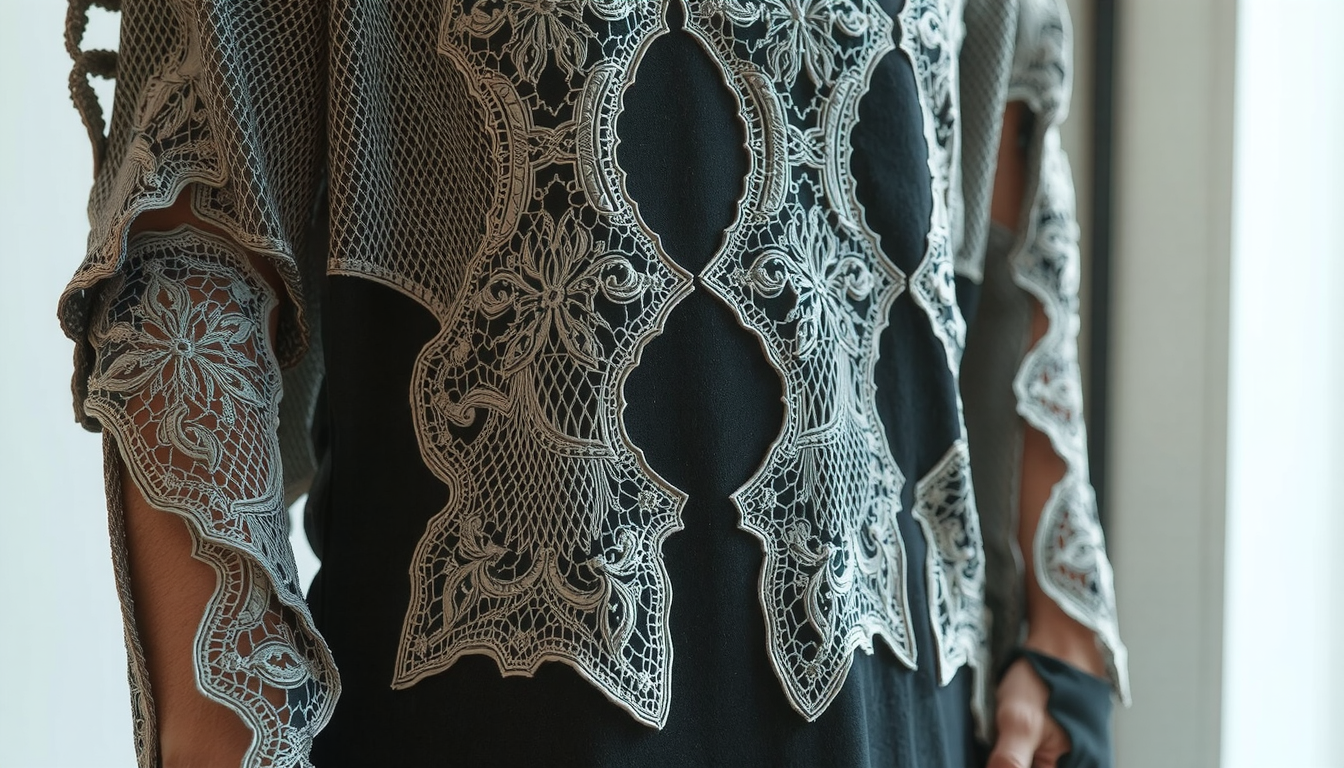
The pressing issue is the materials. The flexible filaments available today can’t replicate the comfort, breathability, and drape of traditional textiles.
| Feature | TPU (3D Printing) | Cotton (Traditional) |
|---|---|---|
| Breathability | Low | High |
| Feel/Texture | Plastic/Rubber-like | Soft, natural |
| Washability | Hand-wash / Special care | Machine washable |
| Drape/Flow | Structured, can be stiff | Fluid, drapes easily |
Lack of Affordability and Production Capacity
The technology at the moment is slow and expensive. Industrial-grade printers capable of producing high-quality garments are worth a fortune. Combined with material costs and ridiculously long production times, mass-produced 3D printed clothes are not yet commercially viable.
For brands that want to innovate, it is crucial to understand where this technology fits. It is an inspiring technique, but it is just one of many options in the wide sphere of manufacturing craft introduction.
Where 3D Printing Shines Today
Even though full garments face challenges, 3D printing is already greatly impacting fashion. It’s practical and happening right now in several key areas.
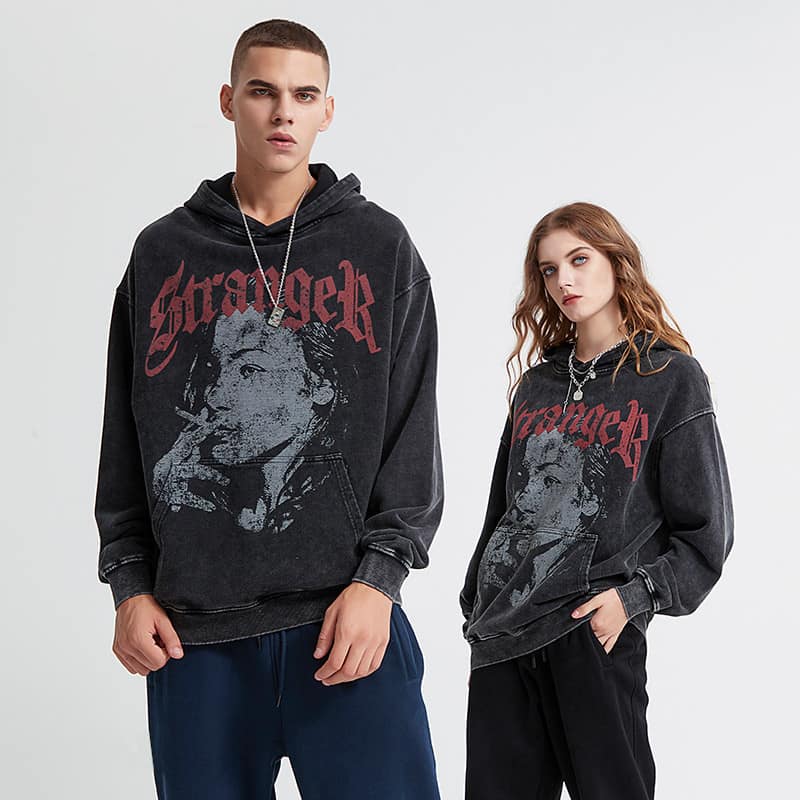
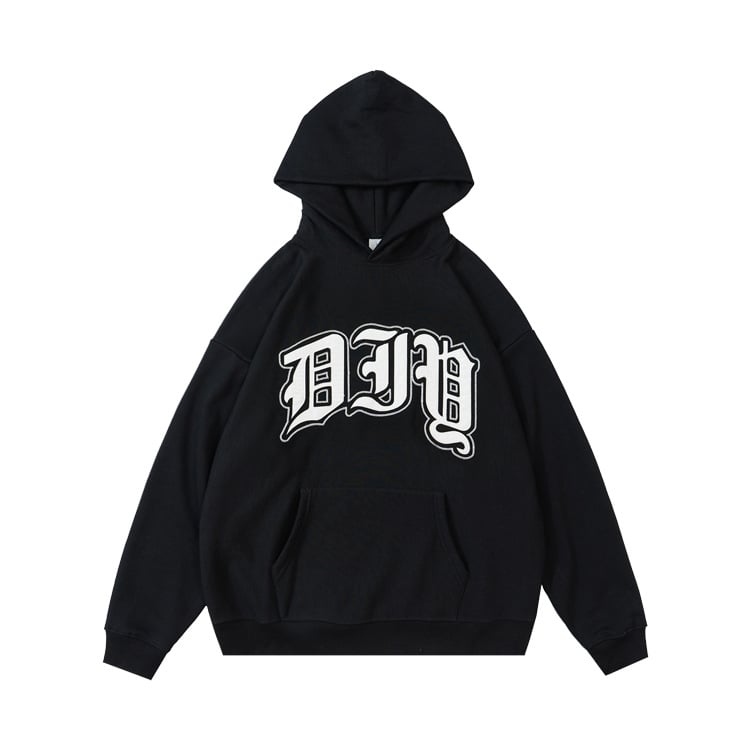
- Embellishments and Custom Details: This is the most common commercial use. Companies can 3D print unique logos, complex patterns, or custom zipper pulls directly onto clothing. A hoodie manufacturer, for example, could offer intricate, 3D-printed graphics as a high-tech alternative to traditional screen printing.
- Fashion Accessories: Jewelry, eyewear, and handbags are ideal subjects for 3D printing. The rigid or semi-rigid nature of these items corresponds well with current material capabilities, allowing for complex designs and personalization.
- Footwear: The footwear sector is one that has embraced 3D printing the most. It is especially effective in creating custom-fit midsoles and outsoles that are latticed for better comfort and performance.
- Rapid Prototyping: Designers use desktop 3D printers to quickly prototype physical models. These can be buttons, buckles, or even miniatures of their designs. This process helps them test ideas before committing to expensive and time-consuming conventional methods.
The Future is Printed
The journey of 3D printing clothes is just starting. The future promises to solve the problems we have today. As a result, the technology will move from the catwalks to our wardrobes.
We are on the threshold of material advances. Research is concentrated on developing bio-textiles and fiber-based filaments that more realistically mimic the features of natural fabrics. Concurrently, printer technology advances promise a huge increase in speed. Soon, we will be able to print with multiple materials and colors at the same time.
This all points toward a decentralized, on-demand fashion ecosystem. As experts analyze how 3D printing is changing the industry, the vision of a more sustainable and personalized future becomes clearer. For those inspired to build the next generation of apparel, exploring innovative avenues is essential. You can learn more about building a modern fashion or streetwear brand at TZ Streetwear.
Frequently Asked Questions
1. Are 3D printed clothes comfortable to wear?
Currently, comfort is a huge challenge. Flexible materials like TPU are used, but they don’t yet match the softness and breathability of fabrics like cotton. The most comfortable applications involve 3D printed elements on a standard textile base.
2. Can I wash 3D printed clothes in a washing machine?
In most cases, no. Most 3D printed clothes need special care, like gentle hand-washing. Machine washing may damage the delicate, layered structure. The material itself is often a type of plastic that doesn’t react well to heat.
3. How much does it cost to 3D print a dress?
The price can vary greatly, based on complexity, material, and printer time. A straightforward piece might cost a couple of hundred dollars in materials and printing. A complex haute couture gown can cost tens of thousands due to prolonged printing and intricate design.
4. What materials are used for 3D printing clothes?
The most common materials are flexible thermoplastic polymers. TPU (Thermoplastic Polyurethane) is prevalent because of its rubber-like flexibility. New bio-plastics and composite filaments are also being developed by researchers to improve wearability.
5. Will we all be 3D printing our clothes at home in the future?
Though it is a compelling vision, it is unlikely to be mainstream soon. The technology, material science, and user skill required are still considerable barriers. A more probable near-future scenario involves local “print hubs” or brands offering on-demand, custom-printed garments.