Science fiction has become reality on runways and in design studios worldwide. The process of 3d printing for clothing creates garments and accessories layer by layer from digital files. It transforms pixels into physical objects. This isn’t just about futuristic looks. It represents a fundamental shift in how we design, produce, and personalize apparel.
Innovators such as Iris van Herpen have displayed amazing artistic, alien-style dresses. Such items force us to rethink our understanding of fabric. While haute couture is celebrated, the real revolution in 3D printed clothes is more low-key and stores it in the environmental space. As fashion and manufacturing innovation experts at TZ Streetwear, we track it as a trend even beyond the fashion show. We see practical brand applications.
How Does 3D Printing for Clothing Actually Work?
3D printing, or additive manufacturing, is the opposite of traditional garment making. Traditional methods cut patterns from large pieces of fabric—a subtractive process. 3D printing builds objects from the ground up. It adds material one layer at a time. Think of it like a hot glue gun carefully drawing a three-dimensional shape.
This process translates digital designs into physical items with incredible precision. Understanding the core technologies and materials is key. This knowledge helps you grasp the potential of 3d printing for clothing.
Key Technologies Shaping 3D Printed Fashion
- Fused Deposition Modeling (FDM): This is the most common and accessible method. A thermoplastic filament is heated and pushed through a nozzle, layer by layer, to build the object. It’s the workhorse for many designers starting out.
- Selective Laser Sintering (SLS): A laser fuses powdered material, typically nylon, together. This technique produces strong, durable, and complex parts. It doesn’t need support structures, making it ideal for intricate designs.
- PolyJet/Material Jetting: This works like an inkjet printer, but instead of ink, it sprays layers of liquid photopolymer onto a build tray. UV light cures them. Its strength lies in creating smooth, high-resolution parts with multiple materials and colors in a single print.
Each method requires different technologies, materials, and expertise to achieve the desired outcome for a 3D printed garment.
The Filaments of Fashion: Common Materials Used
- TPU (Thermoplastic Polyurethane): The star player for wearable fashion. TPU is a flexible, rubber-like filament that is durable and resistant to wear. This makes it perfect for items that need to move with the body.
- PLA (Polylactic Acid): A biodegradable and easy-to-print plastic made from renewable resources like corn starch. It’s more rigid than TPU. This makes it suitable for structured accessories, buttons, or decorative elements.
- Nylon (PA): Known for its exceptional strength, flexibility, and durability. It’s a common choice in SLS printing for creating functional, wear-resistant fashion items.
- Resins: Used in SLA/DLP printing, these liquid photopolymers create incredibly detailed and high-resolution pieces. They’re perfect for intricate jewelry or delicate embellishments.
The Fabric of the Future? Pros and Cons of 3D Printing in Fashion
Like any emerging technology, 3d printing for clothing comes with powerful advantages and significant challenges. For a brand owner or designer, a realistic assessment is crucial before diving in.
| 3D Printing in Fashion: A Realistic Look | |
|---|---|
| Advantages | Disadvantages |
| Unprecedented Design Freedom | Material Limitations & Comfort Issues |
| Hyper-Personalization & Customization | Slow Production Speed for Mass Market |
| Sustainability & Reduced Waste | High Initial Cost & Skill Barrier |
| Rapid Prototyping | Washability & Durability Concerns |
Advantages: Weaving a New Narrative
The benefits of this technology are genuinely transformative. Designers can create complex geometric patterns and structures that are impossible with traditional cut-and-sew methods. This opens the door to on-demand, hyper-personalized garments fitted perfectly to an individual’s body scan.
Perhaps most importantly, it offers a sustainable edge. Traditional manufacturing can waste up to 30% of fabric. Additive manufacturing, by its very nature, uses only the material required for the final product. This drastically reduces waste. It also enables rapid prototyping. Designers can iterate on a physical design in hours, not weeks.
Disadvantages: The Hurdles to Overcome
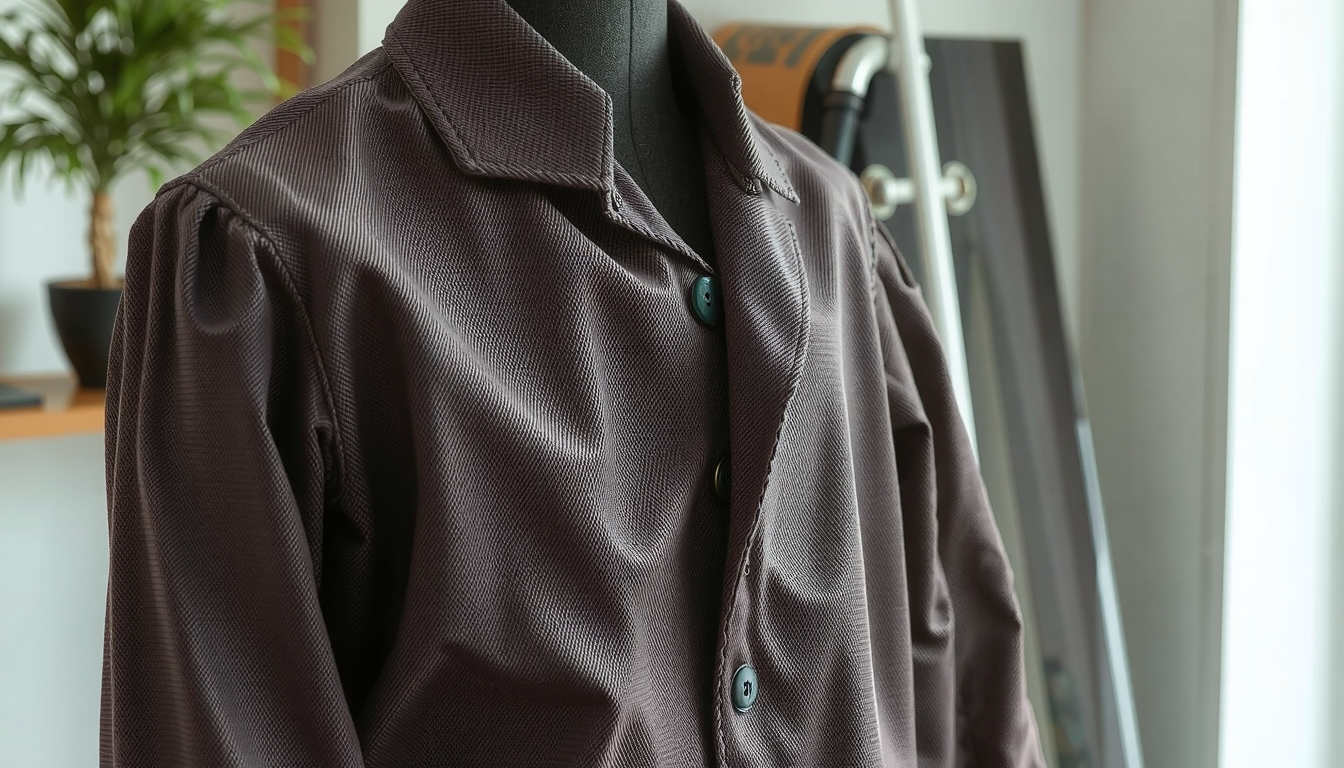
The reality is that we are still in the early days. The primary hurdle is material science. Current filaments can’t yet replicate the comfort, breathability, and elegant drape of cotton, silk, or wool.
Furthermore, 3D printing is slow. Printing a single complex garment can take hundreds of hours. This makes it unfeasible for mass production. The initial investment in professional-grade printers and the software skills required present a significant barrier to entry. Finally, the long-term durability and washability of 3D printed clothes remain a major question for everyday use.
Beyond the Runway: The Reality of Wearing 3D Printed Clothes
The most common question we hear is, “But can you actually wear it?” The answer is complex and depends heavily on the application. It’s essential to separate the conceptual art of haute couture from practical, commercial apparel.
Haute Couture vs. High Street
The breathtaking creations from designers like Iris van Herpen are the “concept cars” of the fashion industry. These pieces, often worn at the Met Gala red carpet, are designed to push boundaries and showcase technological prowess. They inspire new possibilities. They are not intended for daily wear but serve as powerful statements about the future of design.
The Current Sweet Spot: Accessories and Footwear
Where 3d printing for clothing truly shines today is in applications where structure and rigidity are assets, not liabilities. Accessories are the most successful commercial category. From statement jewelry to avant-garde headpieces, 3D printing allows for intricate, lightweight designs. These would be costly or impossible to produce otherwise.
Footwear is another major success story. Brands are using 3D printing to create custom-fit insoles and complex, latticed midsoles for sneakers. These offer optimized cushioning and support.
The Comfort Conundrum: Can Plastic Ever Feel Like Cotton?
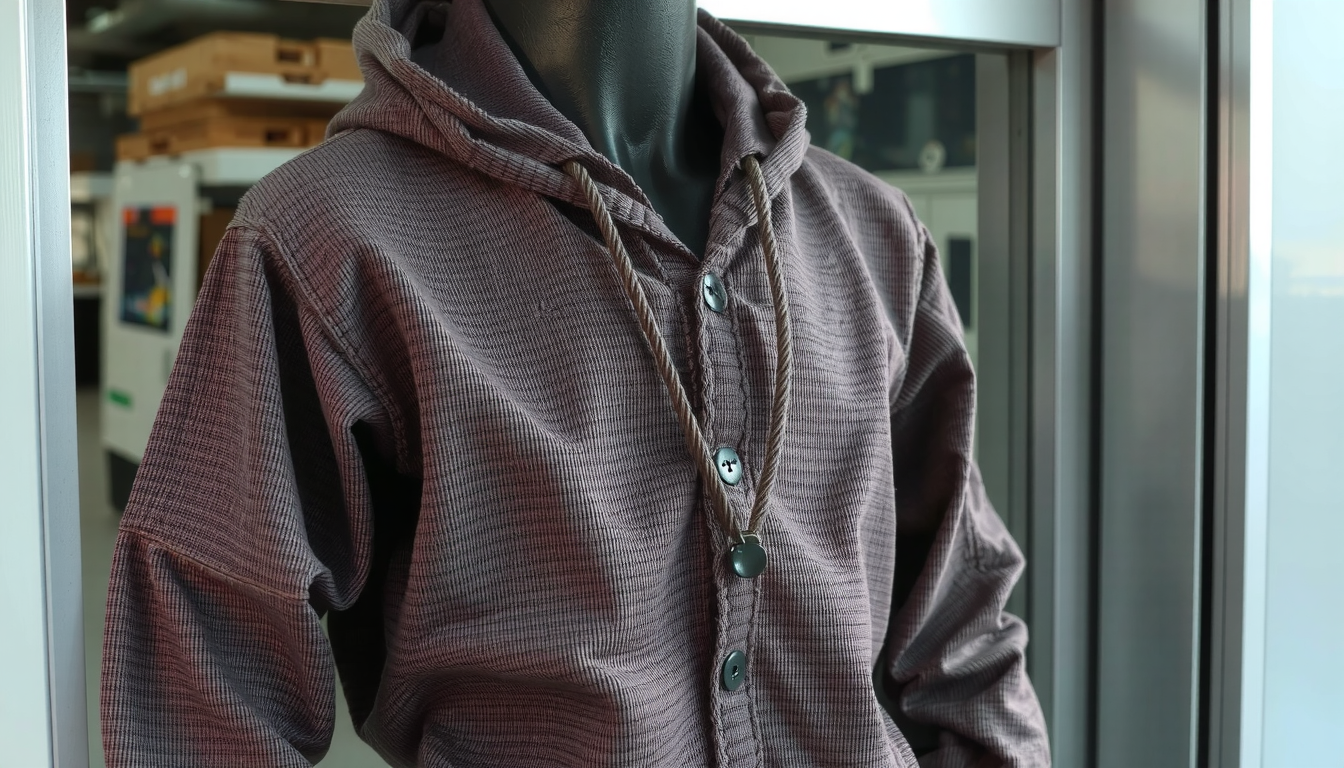
From our first-hand experience, the feel of 3D printed materials is the biggest barrier to widespread apparel adoption. A garment printed from flexible TPU, for example, feels more like a very thin, soft rubber mesh than a textile.
While it’s impressively flexible, it has a noticeable weight. It doesn’t “breathe” like natural fibers, which can lead to discomfort and sweating. The drape is also a challenge. Instead of flowing, it tends to hang with a certain structural memory. Solving this comfort conundrum is the holy grail for the future of 3D printed garments.
Getting Started: How Brands Can Integrate 3D Printing Today
For streetwear brands and independent designers, the idea of creating a fully 3D printed collection is daunting. However, the most practical and exciting entry point isn’t about replacing fabric. It’s about augmenting it.
The Hybrid Approach: 3D Printing Onto Textiles
This is the most viable strategy for brands today. Using a standard FDM printer with a flexible TPU filament, you can print designs directly onto existing fabric. This allows you to add unique, textured logos, complex geometric patterns, or structural embellishments to traditional garments.
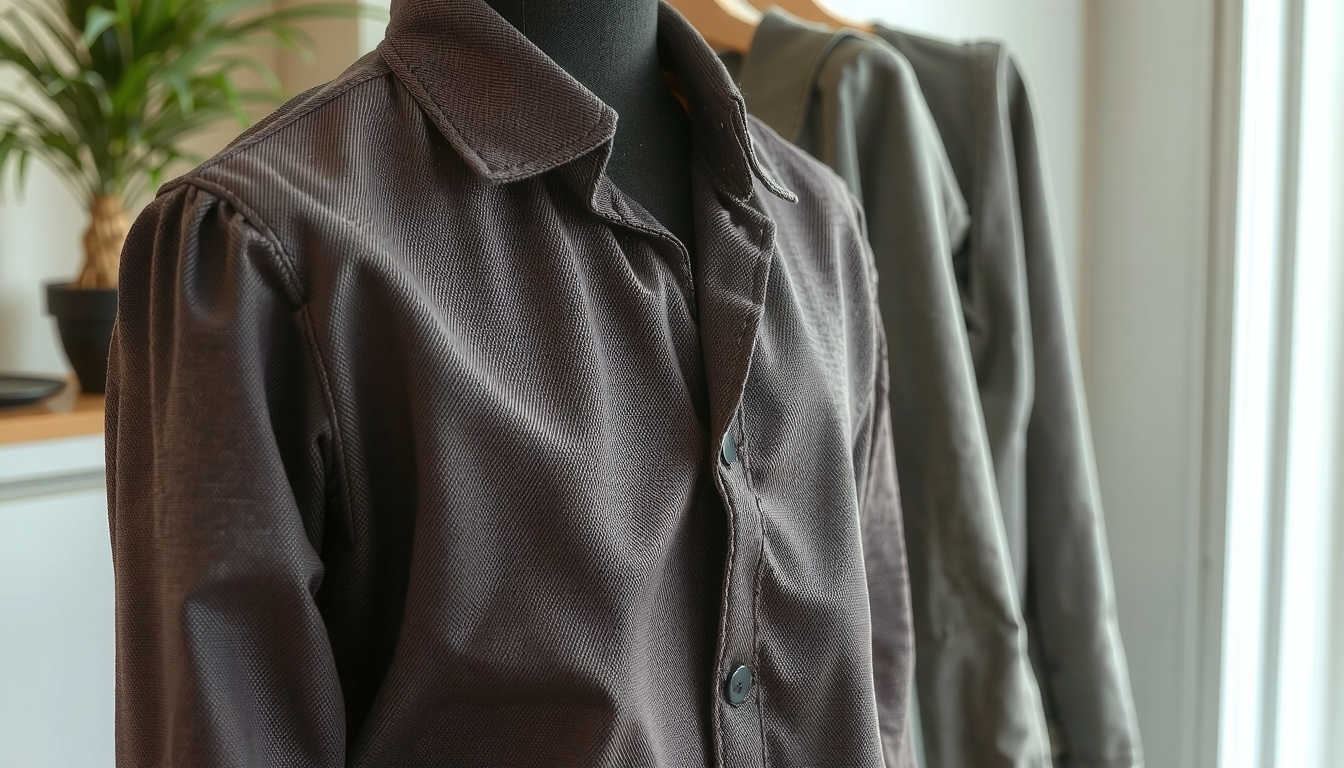
Imagine applying a raised, flexible graphic onto the back of a hoodie or denim jacket. This method combines the comfort and familiarity of traditional textiles with the futuristic, tactile appeal of 3D printing. It’s a powerful way to add value and a unique signature to products like those from a quality hoodie manufacturer.
A Practical Workflow for Your First 3D Printed Embellishment
- Conceptualize the Design: Sketch a logo, pattern, or textural element you want to add to a garment.
- Create the 3D Model: Use 3D modeling software (like Blender for beginners or Fusion 360 for pros) to turn your 2D sketch into a 3D file (.stl or .obj).
- Choose Your Material & Printer: For printing on fabric, flexible TPU filament is the best choice. An FDM printer with a well-leveled bed is required.
- Test, Iterate, and Apply: Run small test prints on scrap fabric to dial in your settings (temperature, speed, and height). Once perfected, you can print your final design directly onto the garment.
This workflow is an advanced crafting technique that can set a brand apart. For those just starting, it’s a fantastic goal to work towards as you learn how to start a brand.
3D Printing vs. Traditional Crafts: Where Does It Fit?
To understand its place, it’s helpful to compare 3D printing to established embellishment methods.
| Feature | 3D Printing (Embellishment) | Screen Printing | Embroidery |
|---|---|---|---|
| Cost per unit | Medium (material cost) | Low (in high volume) | Medium to High |
| Setup Cost | High (printer) / Low (service) | Medium (screens) | Medium (digitizing) |
| Design Complexity | Very High (3D geometry) | Medium (layered 2D) | Medium (stitch patterns) |
| Texture/Feel | Raised, rubbery, plastic | Flat, smooth ink layer | Raised, threaded, textured |
| Best Use Case | Unique textures, logos, prototypes | Large runs, graphic tees | Premium logos, patches |
For many brands, traditional methods like screen printing will remain the go-to for volume. But for limited editions, custom pieces, or standout hero products, 3D printing offers an unmatched level of innovation.
The Future of 3D Printed Clothing: What’s Next?
The technology behind 3d printing for clothing is evolving at a breathtaking pace. While we’ve focused on the practical realities of today, the future holds even more promise.
Innovations on the Horizon
- Advanced Materials: Researchers are developing bio-inks, self-healing polymers, and composite filaments. These will offer vastly improved comfort, drape, and breathability. They’ll close the gap with traditional textiles.
- 4D Printing: This is 3D printing with an added dimension: time. Garments will be printed with “smart” materials that can change shape, color, or other properties. They respond to stimuli like body heat, moisture, or light.
- At-Home Production: The ultimate vision for many is a future where consumers can download a design file from a brand and print a custom-fit garment at home. This creates a truly decentralized and on-demand fashion ecosystem.
- Integration with AI: Artificial intelligence will be used to generate hyper-complex designs optimized for 3D printing and individual body scans. This creates functional and aesthetic forms beyond human imagination.
This forward-looking perspective shows that we are only at the beginning of the journey for 3D printed fashion.
Frequently Asked Questions (FAQ) about 3D Printing for Clothing
1. Can you wash 3D printed clothes?
It depends heavily on the material. Garments made from TPU can often be hand-washed gently in cold water. But high heat from dryers can cause warping. Rigid PLA parts are more delicate. Always check with the manufacturer before washing.
2. How much does it cost to 3D print a garment?
The cost varies dramatically. A small accessory might cost a few dollars in material. A full dress like those seen in haute couture can cost thousands in materials, design time, and printer operation. For brands, printing small embellishments is far more cost-effective than creating a full garment.
3. What is the most significant benefit of 3d printing for clothing?
The two biggest benefits are sustainability and customization. It drastically reduces fabric waste by only using the material needed (additive manufacturing). It allows for the creation of perfectly tailored, on-demand pieces that are impossible to make with traditional techniques.
4. Do I need to be a tech expert to use 3D printing in my fashion designs?
While complex designs require 3D modeling skills, the barrier to entry is lowering. Many services can create models for you from a 2D design. Simpler software is becoming more user-friendly. Starting with small, 3D printed embellishments on traditional clothing is a great way to learn.
5. Will 3D printing replace traditional clothing manufacturing?
It’s highly unlikely to replace it entirely, especially for mass-market clothing. Instead, 3d printing for clothing will likely become a powerful complementary tool for high-end customization, rapid prototyping, unique embellishments, and sustainable, on-demand production. It will co-exist with methods like cut-and-sew and screen printing.