Introduction
Designs for clothing brand is an amalgamation of creativity, Technical and Market research. Statista reports that global apparel market value is about $1.5 trillion in 2020 and going to be near around $2.25 trillion within five years (by 2025). This high rate of growth is indicative to the colossal opportunities open for fashion brands. Whether you are up-and-coming or an established name, designing strong and sellable designs is essential to making a splash in the industry.
In this guide, I will cover everything you need to know about how to design for a clothing brand and give valuable advice so that soon you enough your fashion ideas will land on paper. As the fashion world expands and becomes more cut-throat, it has never been so crucial to know about what makes a design hit print: from concept to production, right through manufacture and how you can sell your label. In other words, you need to ensure that your brand is seen amongst the others making similar claims another area where TZStreetwear can help you throughout each stage of development from idea through production.
Step 1: Understand Your Brand Identity
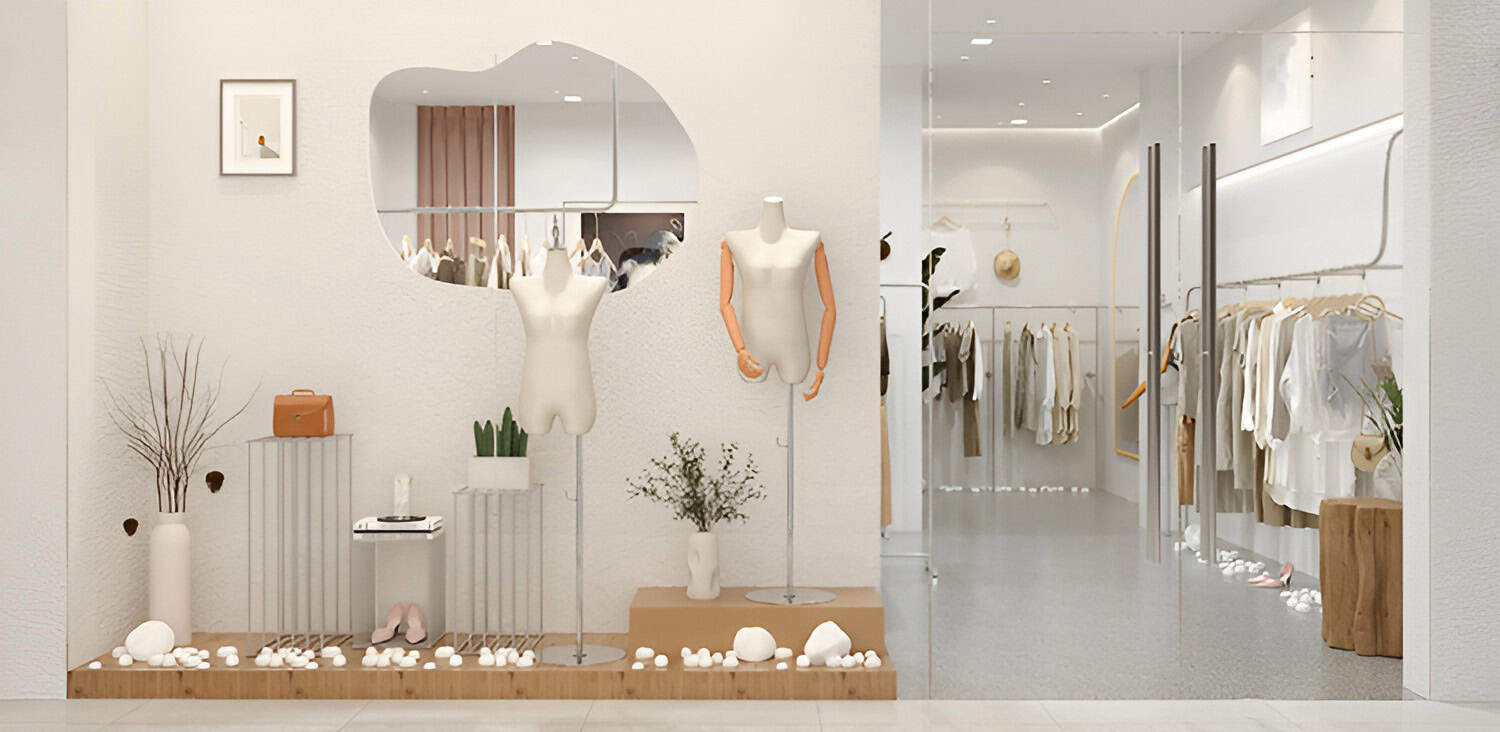
Define Your Brand’s Mission, Vision, and Values
- Mission: Why your brand exists E.g., “To create responsibly made and honestly priced clothing that allows people to look great without compromise”.
- Vision: What lasting effect you want to leave for your brand (Created by author) Eg – To be the world leader in sustainable fashion.
- Values: What determines your brand? Some examples include. “Sustainability, Creativity, Inclusivity”
Identify Your Target Audience
- Know Your Target Audience Develop buyer personas of their age, gender, lifestyle and buying habits based on fashion trends.
- Use Google analytics & social media insights to collect information about your audience.
Research Market Trends and Competitors
- Read fashion blogs and attend the largest high fashion shows to keep up with most recent tendencies of this crazy fast-moving world.
- Look at your competitors and identify areas that have market gaps which can be filled by you brand. Check out their products, prices and Marketing Strategies.
Once you understand your brand identity, then designs for clothing brand will become more aligned with who YOU are and speak to the people that want something they believe in.
Step 2: Concept Development

Brainstorming and Ideation Techniques
- Hold brainstorming sessions to come up with a large number of ideas. Foster an environment of open discussion and creativity without immediate judgement.
- Mind map to organize your thoughts and validate different directions of concept idea.
Creating Mood Boards and Inspiration Collections
- Collect images, fabrics, colors, and other elements that inspire your designs. Tools like Pinterest and Adobe Spark are great for organizing and visualizing your inspiration.
- Create multiple mood boards to explore different themes and styles.
Developing a Unique Design Concept
- Integrate your facts with motivation to create a continuous design concept. Make sure your concept is on-brand and resonates with the type of buyer you want to attract.
- Create mini alternatives or mock-ups to test your idea with others.
Step 3: Sketching and Design
Tools and Software for Fashion Design
- Adobe Illustrator: The go to software for designing vectors ads Get the most out of it as you write measurements for detailed technical breakdowns and plan style.
- CLO 3D: This lets you design and visualize your garments in three-dimensions, which can be extra helpful to see how patterns will look before they become real or worn by people.
- Procreate: Excellent for digital tablet hand-drawn sketches It has a very organic pen feel and is ideal for quick preliminary concepts sketches.
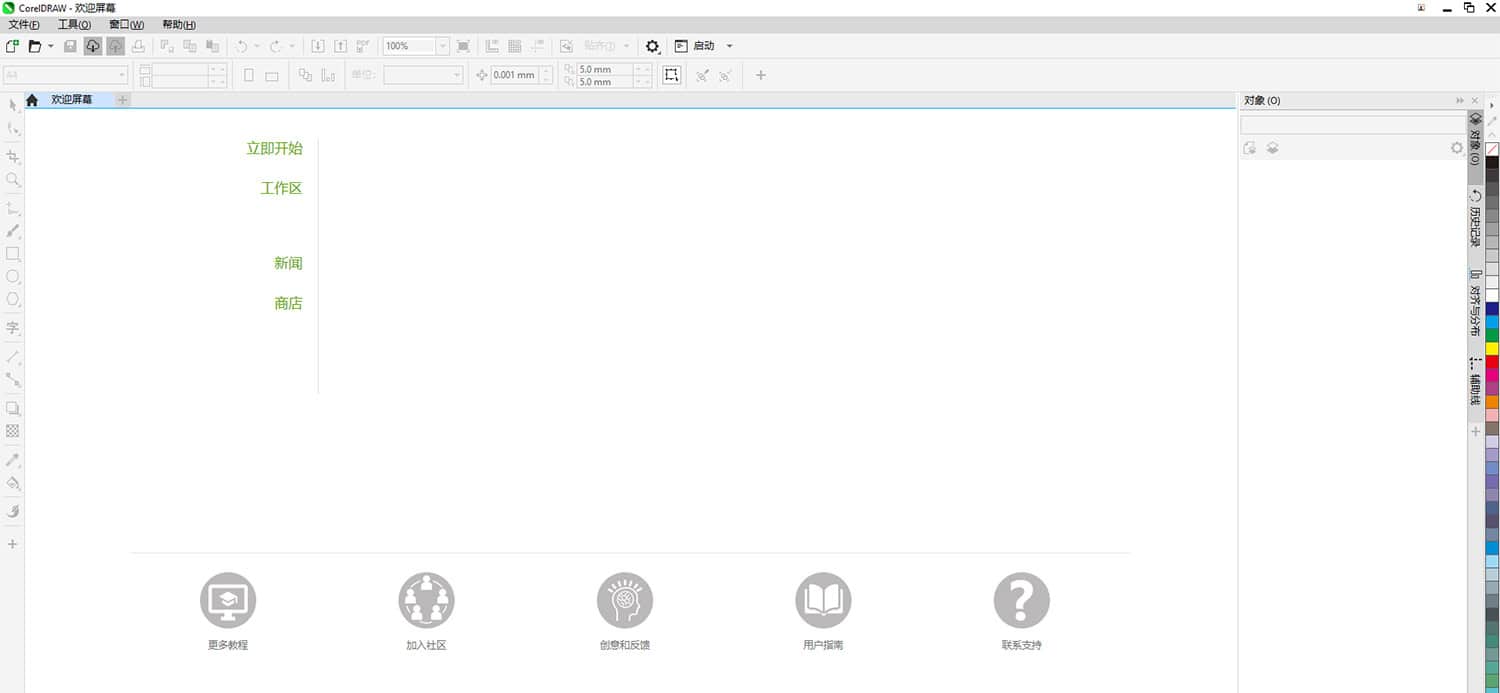
- CorelDRAW (CDR): CorelDraw tops the list of vector graphic editors most definitely, and supports very detailed illustration work as well design layout.
- Adobe Photoshop (PS): Best for Retouching and Manipulation It is a great program that can be used to create realistic mock-ups and work on photos of your fashion designs.
Hand Sketching Techniques vs. Digital Design
- Basic Hand Sketching to Quickly Record Ideas My suggestion is to practice drawing different poses and garment styles.
- Digital Tools Or Drawing InstrumentsThe Precision To Make Properly Balanced DesignsProfessional Quality designs. Utilize both methods to draw your concepts and add in additional details.
Creating Detailed Sketches and Technical Drawings
- All measurements, stitching and fabric types should be mentioned in your technical drawings. It helps manufacturers get an idea of how you want your design.
- Develop tech flats displaying the construction of your garment. Provide different angles and close up shots of key design detail.
Step 4: Fabric and Material Selection
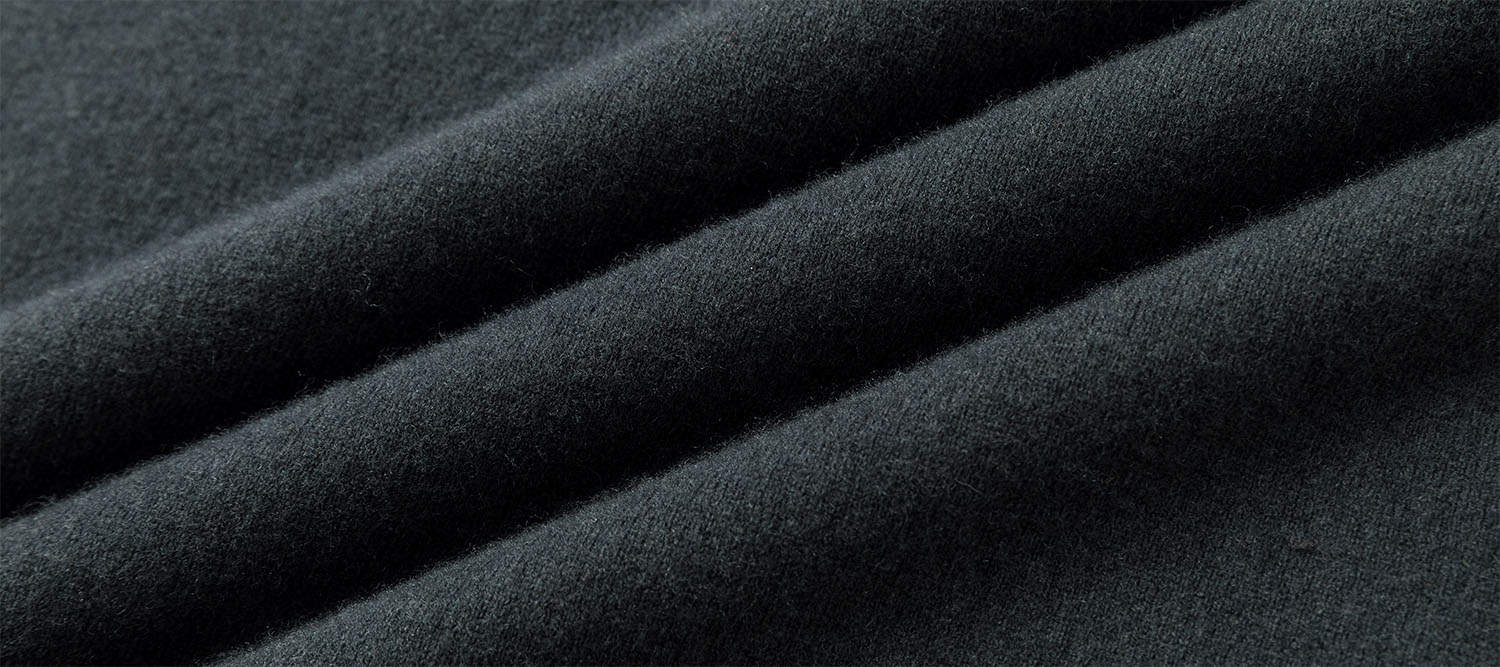
Understanding Different Types of Fabrics and Materials
- Learn about various fabrics such as cotton, polyester, silk, wool, and blends. Understand their properties, like breathability, durability, and texture.
- When choosing fabrics for your garment, consider where it will be worn. For instance, you can always use moisture-wicking fabrics for activewear and soft, comfy sweats material of casualwear.
Sustainable and Ethical Fabric Choices
- Consider using eco-friendly materials like organic cotton, bamboo, or recycled fabrics. These choices appeal to environmentally conscious consumers and reduce your environmental impact.
- Partner with suppliers who follow ethical production practices. Ensure that your fabrics are sourced from suppliers that pay fair wages and provide safe working conditions.
Working with Suppliers to Source Materials
- Cultivate strong relationships with quality fabric suppliers Go to trade shows and fabric markets to connecting with new suppliers face-to-face.
- Order sample swatches to evaluate the quality and suitability for your designs. Test the fabrics for durability, colorfastness, and comfort.
For more information on fabric selection, visit our fabric selection guide and hoodie fabric material knowledge.
Step 5: Prototype Creation
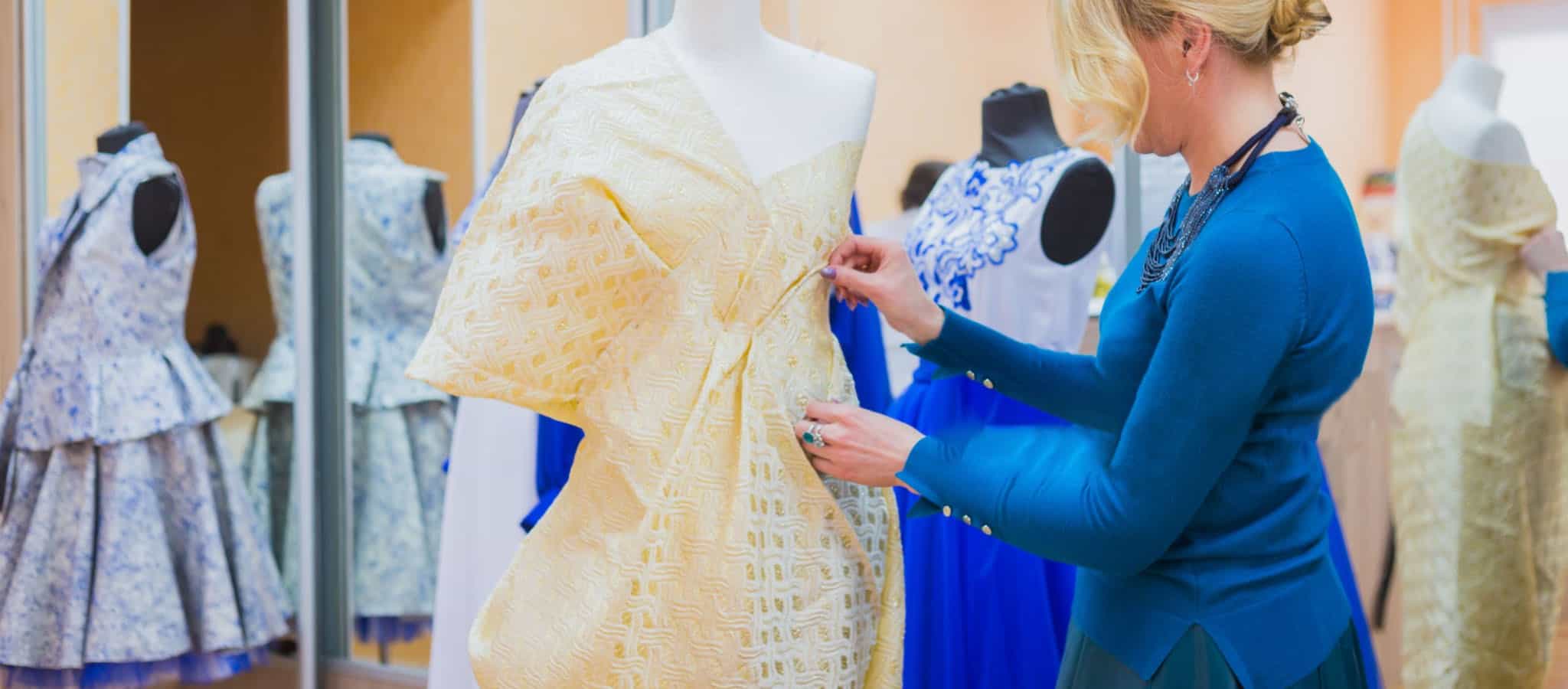
Importance of Creating Prototypes
- You can test and iterate your designs before mass-producing them with Prototypes. They tell us if things need to be changed with regards fit, construction and fabrics.
- Use prototypes to showcase your designs to potential buyers, investors, and stakeholders. They provide a tangible representation of your vision.
Steps to Create a Prototype
- Create a Sample: Work with a skilled seamstress or sample maker to create a sample based on your technical drawings.
- Evaluate the Fit and Fabric: Try the sample on a fit model to assess the fit, fabric, and overall design.
- Make Adjustments: Take feedback from your team to and make updates to design fit. Make More Prototypes if Necessary.
Iterating and Refining the Design Based on Feedback
- Understand what your team, target consumer and experts have to say. Grab this piece of feedback to make tweaks in your design and complete it.
- Decide what needs to change and update everything accordlingly.
Step 6: Branding and Labeling
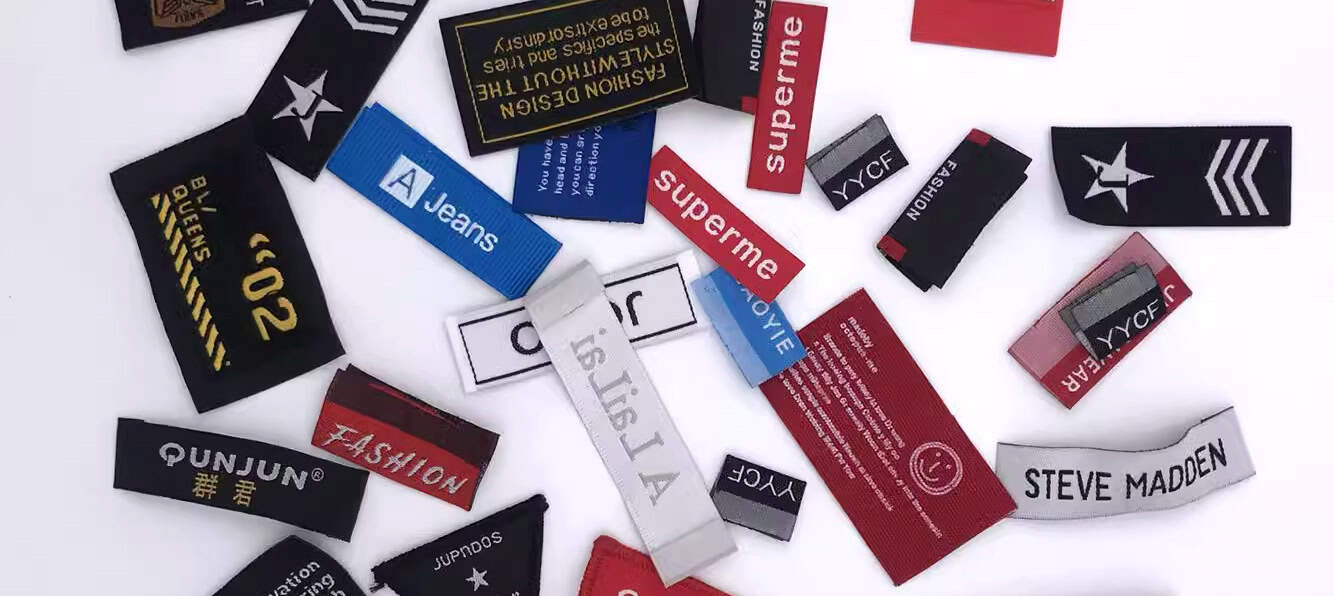
Designing Logos and Brand Labels
- Design your own clothing logo that represents your brand’s identity. Work with a graphic designer to create a professional logo that reflects your brand’s values and aesthetic.
- Adding your logo or care instructions and make yourself some labels. Make sure to have sturdy, easy-to-read labels.
Placement of Brand Elements on Clothing
- Set the major point of your logo and labels on clothing. Some common placements include the neck hem and sleeve.
- Make sure it is visible but not interruptive. Review the Garments Full Design and Purpose.
Ensuring Consistency in Branding Across All Designs
- Keep consistent colors, fonts and logo location in all designs. This will solidify the customers brand recognition as well make them loyal to your brands.
- Create a brand guide to ensure all designs adhere to your branding standards. Include guidelines for logo usage, color schemes, and typography.
Step 7: Sample Production
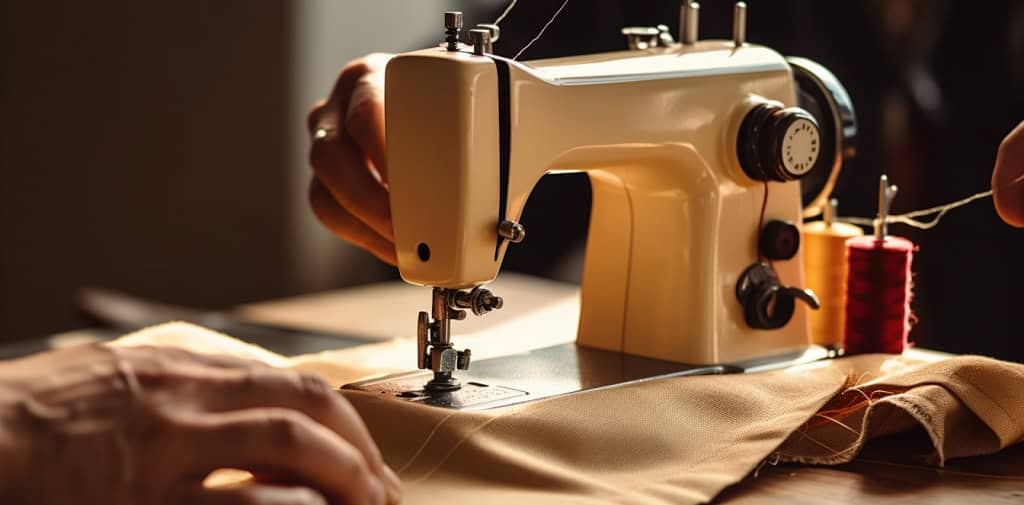
Working with Manufacturers to Create Samples
- Submit extensive design files and specifications to your selected manufacturer. Outline your quality benchmarks and what you expect.
- Develop a timeline for sample production and hold regular check-ins to track progress.
Reviewing and Adjusting Samples for Quality and Fit
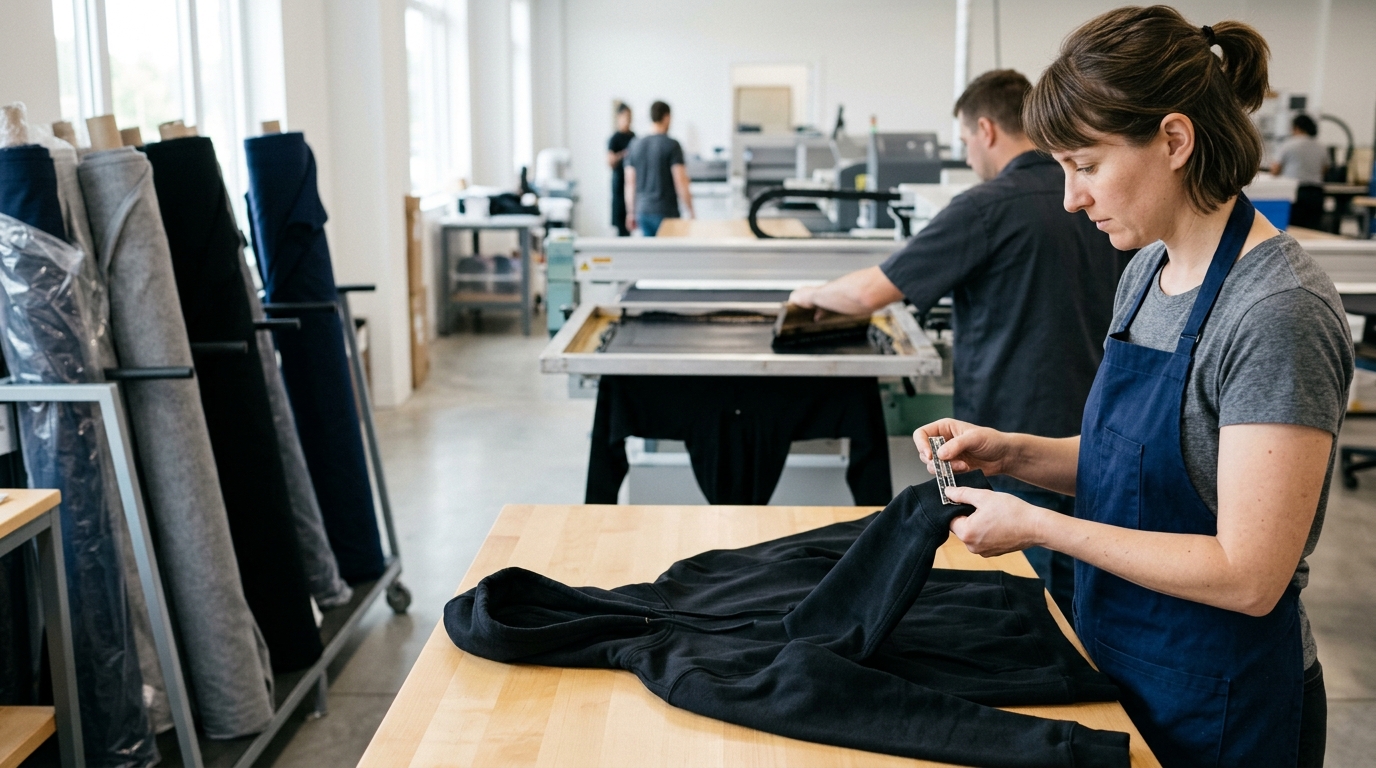
- Thoroughly inspect samples for accuracy and quality. Check the stitching, fabric, and overall construction.
- Make any necessary adjustments and approve the final sample. Use fit models to ensure the garments fit well and are comfortable.
Finalizing Designs for Mass Production
- Make sure that all design elements and specs are confirmed. Make a detailed production plan which must include each and every step of the manufacturing process.
- Since you should be ok with the samples, give it a go for mass production. Stay in regular touch with the manufacturer for seamless production.
Step 8: Production Process
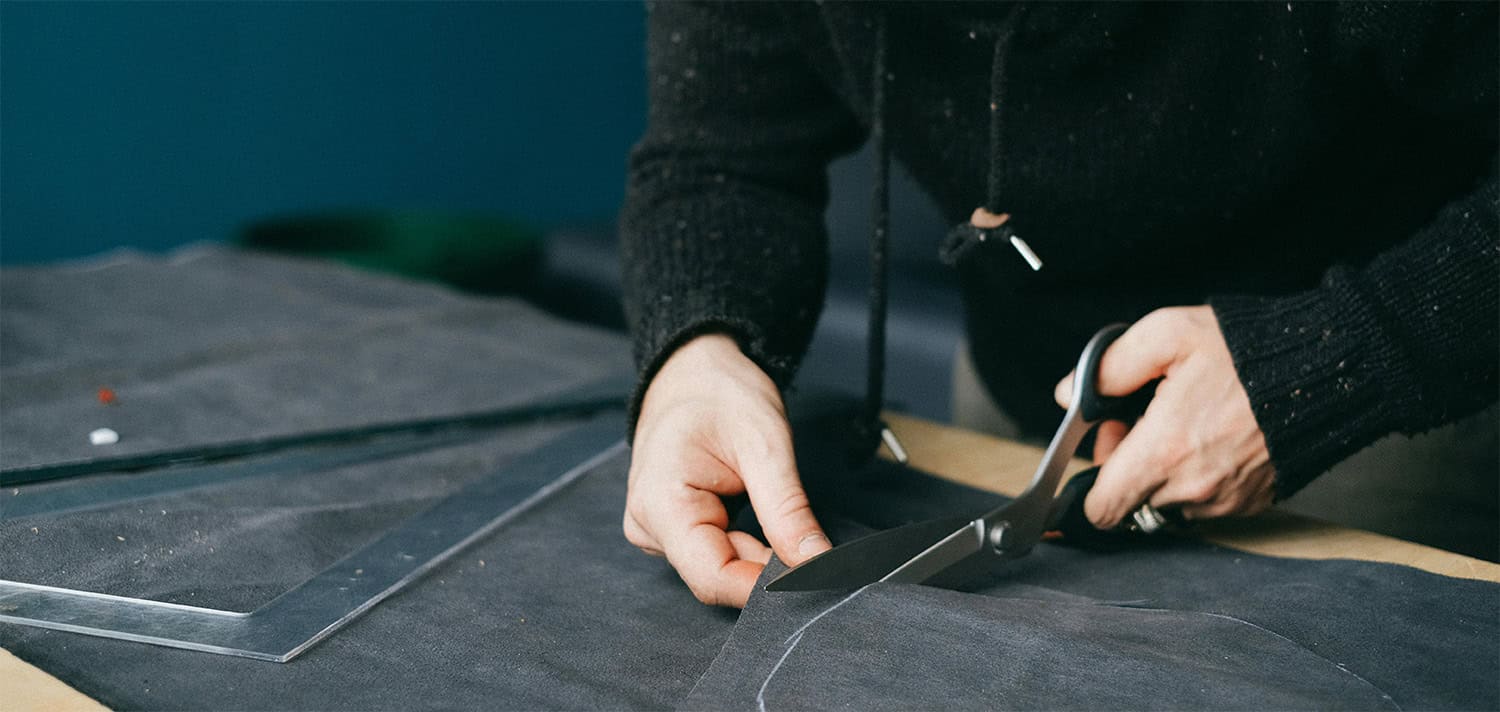
Overview of the Manufacturing Process
- Cutting: The fabric is then cut as per patterns. Correct cutting will lead to fewer scraps and also a sound garment construction.
- Sewing: The fabric is then cut as per patterns. Correct cutting will lead to fewer scraps and also a sound garment construction.
- Finishing: Additional details, like buttons, zippers or labels added The garment is ironed and sent for quality checking.
Quality Control Measures
- Carry out quality checks at every stage of production. Check every stage in the production process to detect and rectify problems at an early stage.
- Apply a checklists to do the quality control and ensure which each point is met at any time. Look for even stitches, correct sizing and accurate manufacturer labels.
Ensuring Ethical Production Practices
- Apply a checklists to do the quality control and ensure which each point is met at any time. Look for even stitches, correct sizing and accurate manufacturer labels.
- As always, perform your audits and show up on-site for compliance checks. Collaborate with manufacturers who value employees salaries and safety.
Step 9: Marketing Your Designs
Creating a Marketing Strategy for Your Clothing Brand
- Identify your target audience and marketing channels. Use demographic data and customer insights to tailor your marketing efforts.
- Develop a content calendar to plan your marketing activities. Schedule social media posts, email campaigns, and promotional events.
Utilizing Social Media and Influencers
- Hope on platforms like Instagram, Facebook and TikTok to get seen by your audience. Post Hi Resolution Images, Videos and Behind the Screens.
- Work with influencers to increase the exposure of your brand and designs Select influencers who project the same brand values and attract high numbers of your target market.
Building a Strong Online Presence and Ecommerce Site
- Your website is where you can be professional and present your brand with all of your products. Enhance Shopping Experience By High Definition Image & Details On Products.
- Use SEO to boost your traffic cadre organic on site. In Conclusion, use appropriate keywords in your content and alt tags for images.
Free Design Assistance
At TZStreetwear, we offer free design assistance to help you get started. Our team of experts can help you create professional designs that meet your brand’s needs. For more information on how to start your brand and take advantage of our free design services, visit our comprehensive guide.
Step 10: Launching Your Clothing Line
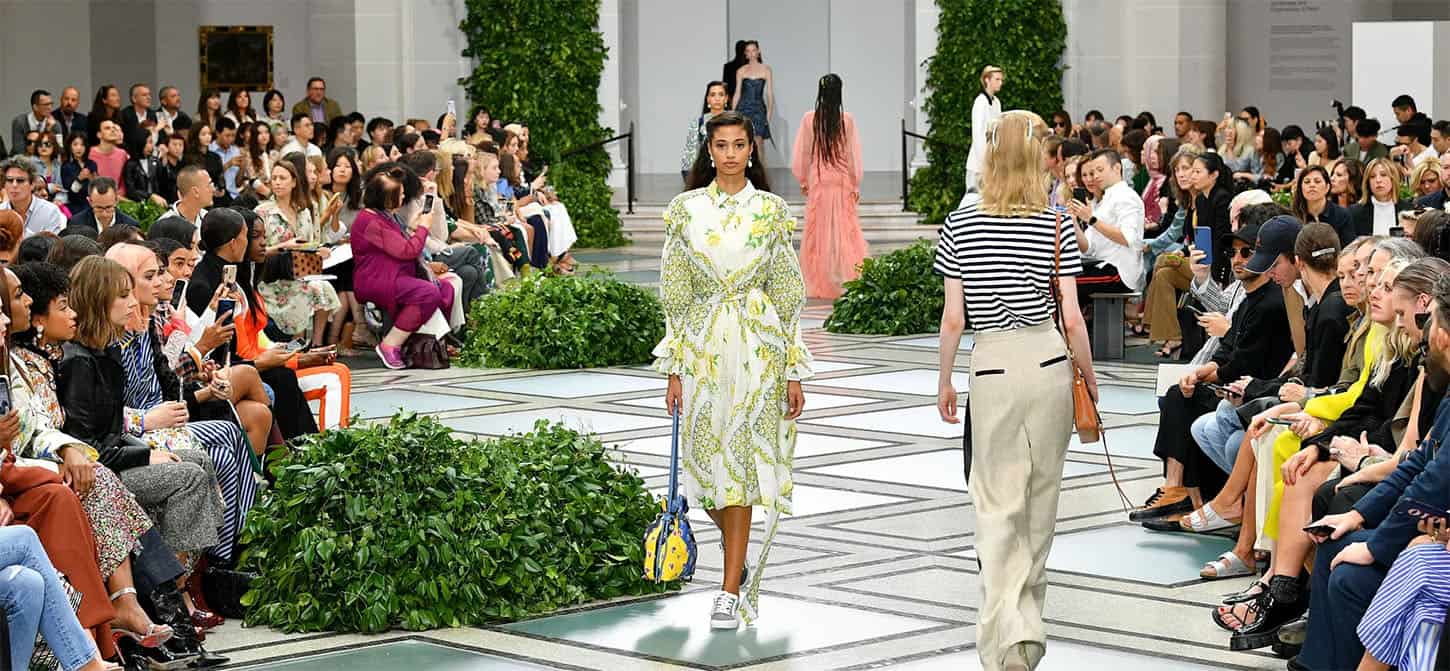
Planning a Successful Launch Event
- Launch an Event to Unveil a Collection To twist an arm or two to get that attendance, use social media, email marketing and press releases.
- Provide unique deals and gifts for free to inspire them into buying. A custom experience where your brand and designs shine.
Strategies for Online and Offline Sales
- Set up an online store to sell your products directly to consumers. Use platforms like Shopify to create a user-friendly ecommerce site.
- Partner with retail stores to expand your reach and increase sales. Negotiate favorable terms and ensure your products are displayed prominently.
Building and Maintaining Customer Relationships
- Build Loyalty through Exceptional Customer Experience Answer queries instantly and cover problems in a professional manner.
- Gather and address customer complaints to evolve your offerings. Tap into surveys, reviews and the conversations happening directly to your organization.
How TZStreetwear Can Help
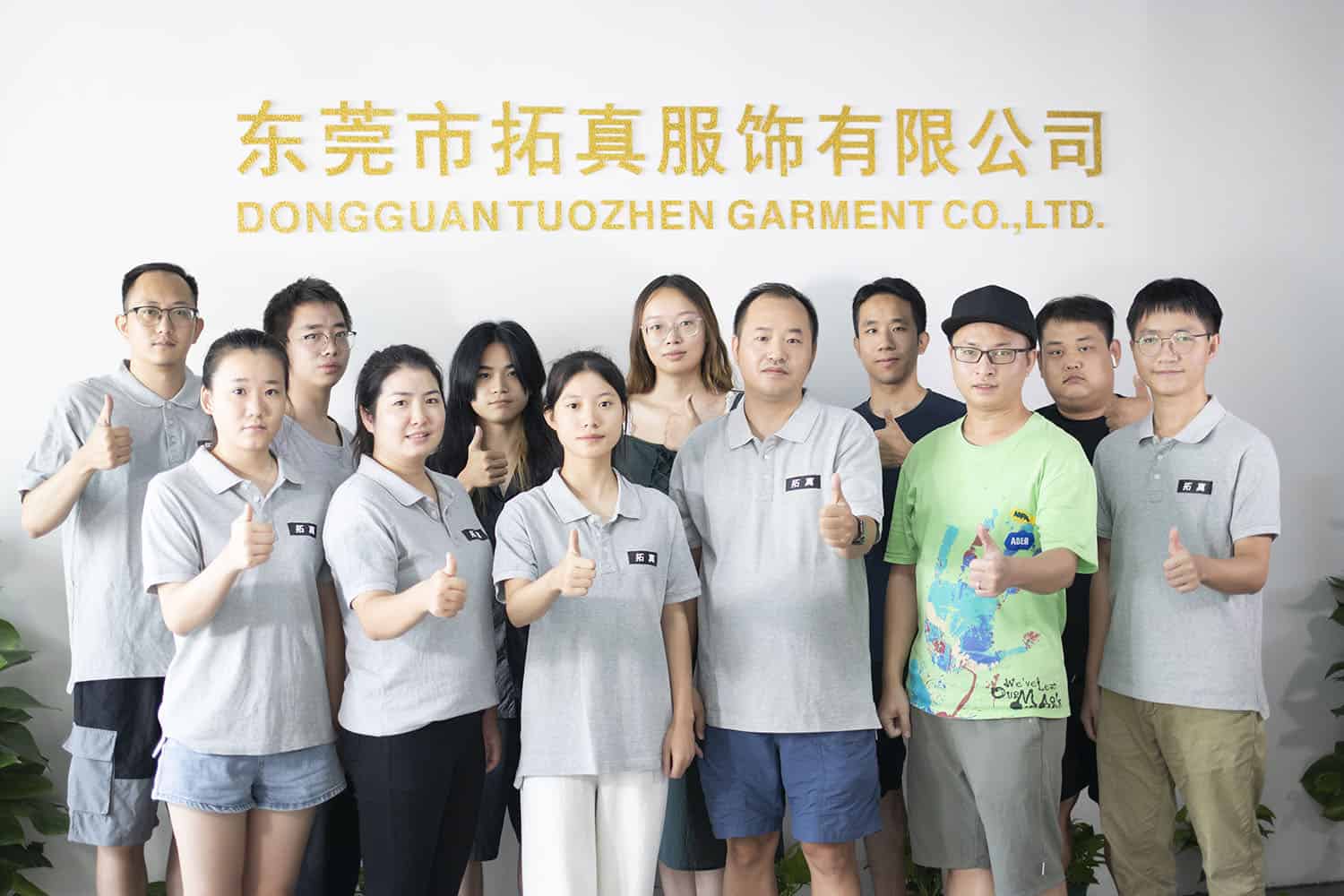
At TZStreetwear, we provide you all the services you will need to design and produce your clothing brand in addition of helping with marketing it.
- Brand Identity: We help you define and refine your brand’s mission, vision, and values.
- Design Services: Our design experts can assist you in creating unique and marketable designs for clothing brand that align with your brand.
- Prototype Creation: We specialize in creating high-quality prototypes to ensure your designs meet the highest standards.
- Fabric and Material Sourcing: We help you source high-quality, sustainable fabrics that meet your design specifications.
- Sample Production: Our sample production services help you perfect your designs before proceeding to full-scale manufacturing.
- Manufacturing: We prioritize ethical production practices and stringent quality control to ensure the highest standards for your clothing line.
- Marketing Support: We provide resources and guidance on effective marketing strategies to help you grow your brand and reach your target audience.
When you use the services provided by TZStreetwear, your clothing brand can attract attention and get noticed in a crowded market and be able to relate more effectively with the target audience. If you would like to know more about how we can help take your brand from idea, through manufacturing and onto the market contact us today.
Conclusion
Designing clothes for a brand is an extensive process and involves creativity, technical skills and strategic planning. This guide reinforces the power of play, so harness that energy and before you know it your unique designs for clothing brand will resonate with people4s own TZStreetwear selves.
TZStreetwear provides support for you both at the beginning of your fashion journey and as well ready to aid in bringing Your brand to the next level from conceptualising pieces, mass production or design patterns and creating prototypes- let us work with You every step.
FAQ
How to Make Your Own Clothing Website?
To make your own clothing website, follow these steps:
- Define Your Brand:
- Define your mission, vision and values.
- Develop a Rich Brand Story.
- Choose Product Categories:
- Find out what space you occupy (e. g – fashion trends, casual wear, streetwear).
- Market research to measure demand.
- Prepare Visual Content:
- Invest in premium product photos and videos.
- Register a Domain Name:
- Pick a domain that corresponds to your brand name.
- Services Shopify Google Domains GoDaddy.
- Select a Website Builder:
- Use Shopify for its many features and user-friendly interface.
- Set Up Your Domain and Enable CDN:
- Still using a dig cmd-line to help understand it: Aside from the configuration changes in your DNS set up, for even more improved performance you may want enable CDN.
- Build Your Store:
- Register in Shopify and customize the theme.
- Create your pages, or posters and add products along with payment methods.
- Shopify change checkout settings and publish your site.
- Optimize for SEO:
- Do Keyword research and On Page Elements Optimization.
- Publish great content on a regular basis.
- Promote Your Website:
- Drive Traffic To Your Site With Google Ads, Social Media And Email Marketing.
- Define Your Brand:
How Much Does It Cost to Make an Online Clothing Brand?
The cost to make an online clothing brand can vary widely depending on several factors:
- Domain Registration:
- About $10 to $50 per year.
- Website Builder:
- Flat Fee per MonthShopify$29 – $299.
- Design and Development:
- Pricing for theme customisations and developments varies.
- Prices for professional design are generally $500 to in excess of $5000.
- Photography and Videos:
- Even if you are hiring someone to take photographs of the product it cost ~$20 -200 per item that will be included for each listing.
- Production costs are dependent on the complexity and length of a video.
- Marketing:
- PricingMarketing BudgetStart from $500 to skyrocket 0+ ads promotions.
- Miscellaneous:
- Extra charges for apps, plugins and integrations.
Ultimately, setting up an online clothing brand could range from $1000 to upwards of over $10,000 depending on how large and professional your setup is.
How Do I Start My Own Clothing Brand?
In order to establish a clothing brand of your own, the following measures are mandatory.
- Research and Planning:
- define your ideal audience and USP (unique selling proposition).
- Brand Development:
- Establish your brand mission, vision and values – What is it that can make you unique to market.
- A Powerful Brand Narrative.
- Product Development:
- Create a Specific Line of Clothing and Develop Prototypes.
- Source materials and manufacturers.
- Legal and Business Setup:
- First off, get your business registered and brand trademarked.
- Get a separate business bank account.
- Website Creation:
- Sign up for a domain and Select Site Builder e.g. Shopify.
- Create an online store, your way. Build it from the ground up.
- Marketing and Launch:
- Create A Marketing Plan & Promotional Material.
- Get your website up and start selling.
How Do I Create a Fashion Design Website?
Steps to create a fashion design website:
- Define Your Purpose:
- Decide whether the site is for your personal portfolio, brand, or an ecommerce store.
- Choose a Platform:
- Use a website builder like Shopify, WordPress, or Squarespace.
- Register a Domain Name:
- Choose a relevant domain name that reflects your brand.
- Select a Design Theme:
- Pick a theme that showcases your fashion designs and it easy to navigate.
- Create Key Pages:
- The composition of an About page, Portfolio or Lookbook (if you have one), a Blog & Contact
- Add Visual Content:
- Use high-resolution images and videos of your designs.
- Optimize for SEO:
- Incorporate relevant keywords, image optimization and post engaging content.
- Promote Your Website:
- Social Media, Email Marketing and Collaborations-driven traffic.
By following these steps and addressing common questions, you can effectively find and work with clothing manufacturers, get your designs made, and create a successful online clothing brand.