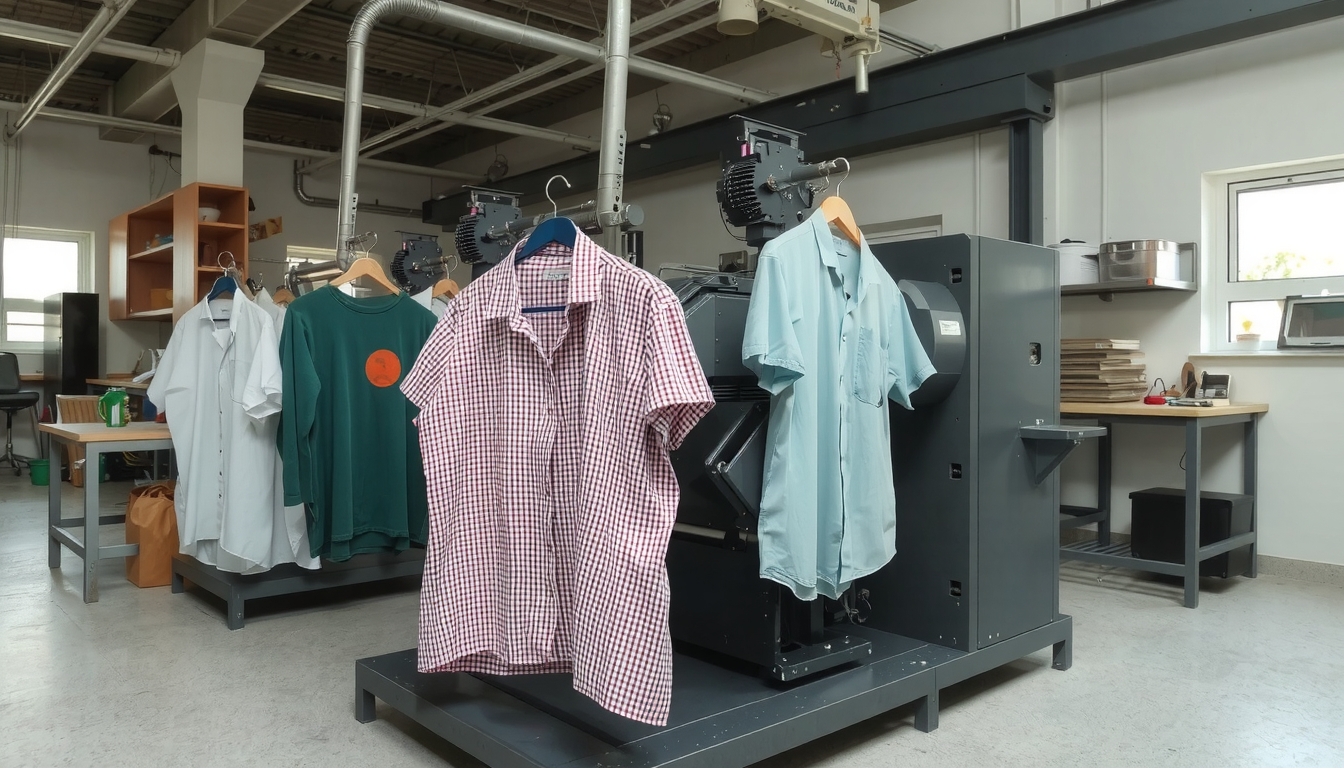
The initiation of a custom apparel business is a thrilling venture. Transitioning to an in-house production unit introduces endless possibilities. However, a key decision awaits you: selecting the appropriate clothes printing machine.
This lone device directly governs your entire operations. It provides the outputs, guides your expenses, and decides the mode of running the business.
We appreciate how bewildering this decision may seem. There is a plethora of perplexing jargon and conflicting advertisements on the market. This manual serves as a trailblazer, leading you straight to the clarity.
In this article, you will receive straightforward instructions. Technologies will be decoupled such as DTG, DTF, Screen Printing, and Heat Press. The differences, cost breakdowns, hands-on tips from proven experts will be revealed. This makes it possible to make money by purchasing a printing machine that fits your brand’s needs.
The Basics of Core Technologies
First and foremost, you need to master the basic printing techniques. Only then, can you compare different models. Each technology targets its specific roles. Your choice relies on the products you want to sell, the number of units, and the aims of your business.
Direct-to-Garment (DTG) Printing
A DTG printer operates just like your typical office inkjet printer. But it directly applies water-based inks onto garments, and the ink is absorbed into the cotton fibers, making the prints very soft and breathable.
This technique has been on top in the print-on-demand area. It is a superior method for intricate and realistic multi-color designs. The time needed to set up one design is practically zero.
- Pro: Elegance of details and a full range of colors with a super soft feeling of the print on the garment.
- Con: It is highly recommended to use 100% cotton and require the pre-treatment process, particularly for the dark garments. A relatively high cost per print comes with it also.
Direct-to-Film (DTF) Printing
DTF printing is a little newer and it is really flexible. You will first print your design to a special transfer film. Afterwards, you add adhesive powder to the wet ink. This is melted and pressed onto the garment with a heat press.
Thus, DTF printing stands out as a multi-functioning equipment. It successfully produces vivid graphics that stick well on a variety of surfaces, including cotton, polyester, wood, and metal.
- Pro: Amazing versatility and vivid yet lasting colors.
- Con: The finish feels slightly more plastic and less breathable in comparison to the DTG.
Screen Printing
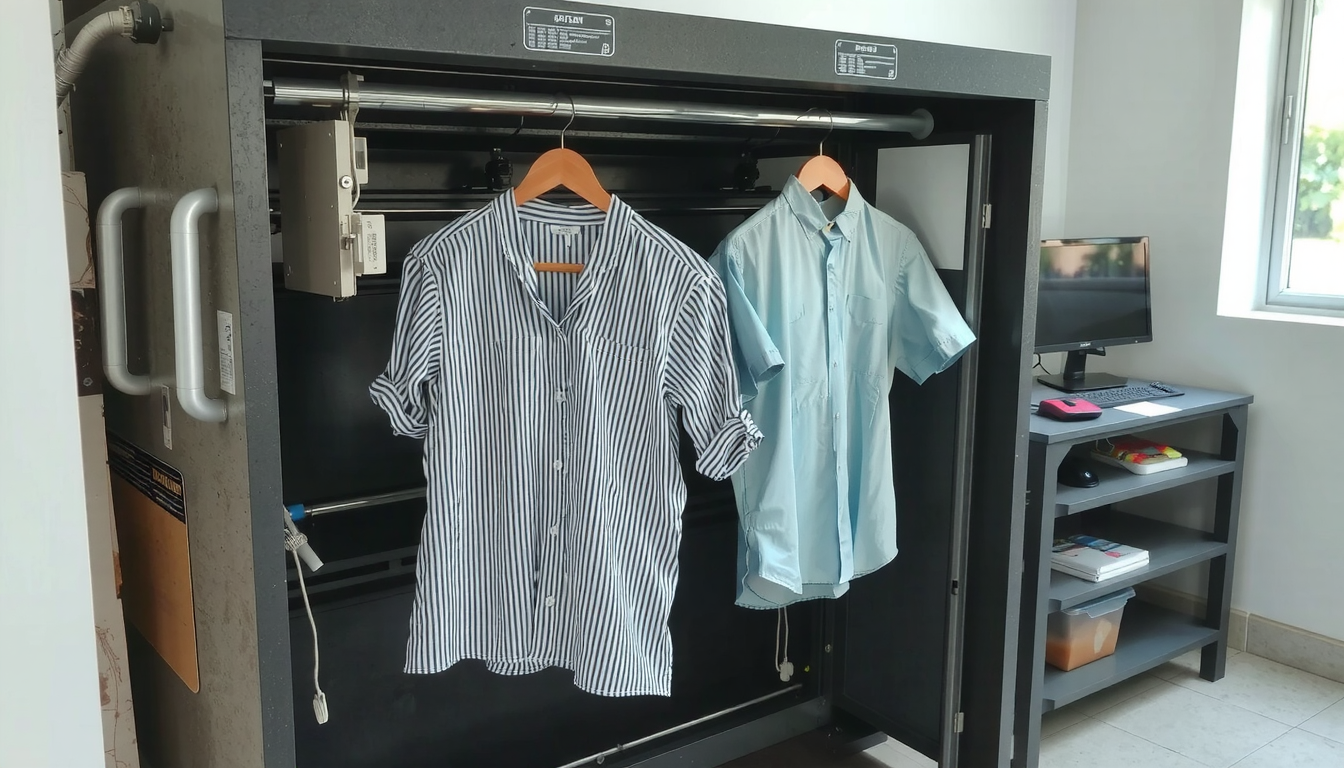
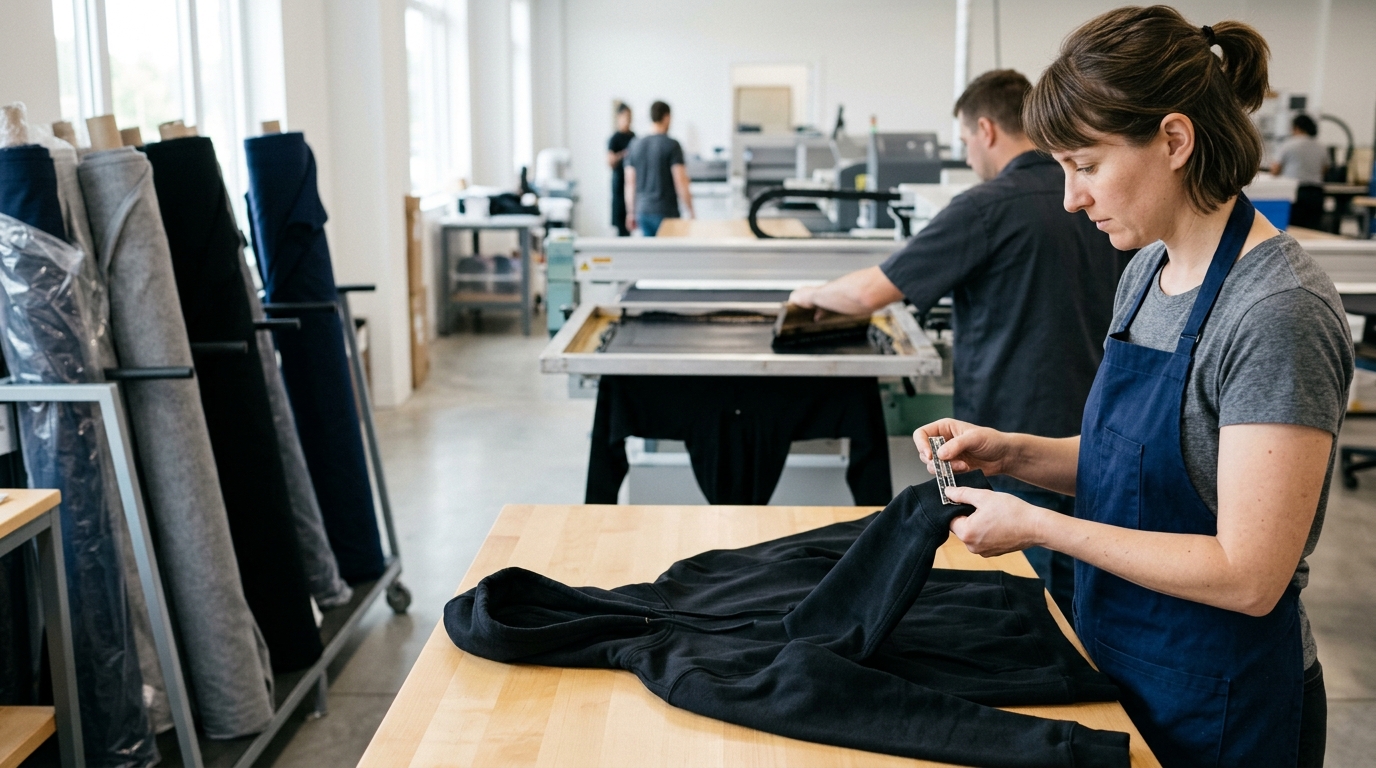
Screen printing is the classic and most desired apparel printing method. It deposits the ink through a mesh screen that is set up with your design stencil. Every color uses its screen.
It is still number one when it comes to printing a lot in one batch. The additional cost per shirt is very low after the setup of screens is done. The prints survive long times. This old-style technique is the core of the industry. For more detailed information things to learn, read the professional screen printing documentary.
- Pro: The cheapest per print at high volumes and good durability.
- Con: Setup requires a large initial investment and is extremely time-consuming, making it detrimental for small runs or many-color designs.
Heat Press (Vinyl & Transfers)
This is the easiest way to enter the field of apparel customization. The machine uses uniform heat to provide pressure for transferring the design from a heat transfer vinyl or pre-made transfer material.
It’s a great tool not just for hobbyists but for personalized team jerseys with names and numbers. Startups can implement it for a test with a simple one-color logo design. Though we only highlight professional machines, acquiring knowledge from all apparel craft introductions helps you develop valuable context.
- Pro: The lowest initial investment and ease of learning.
- Con: It does not have the ability to scale to produce complex designs with a lot of colors or to meet large order demands. Material costs can accumulate.
Head-to-Head: Choosing Your Machine
Smart business decisions require side-by-side comparisons. You need to evaluate these technologies based on cost, volume, and final product quality. A table is shown below that offers a clear and concise comparison of these machines and their characteristics to help you determine the most suitable clothes printing machine for you.
| Feature | Direct-to-Garment (DTG) | Direct-to-Film (DTF) | Screen Printing | Heat Press (Vinyl) |
|---|---|---|---|---|
| Initial Cost | High ($15,000+) | Medium-High ($3,000 – $10,000+) | Very High (for auto press) | Low ($300 – $2,000) |
| Cost-per-Print | Medium-High | Medium | Very Low (at scale) | High (for materials) |
| Best for Volume | Low (1-50) | Low to Medium (1-100+) | High (100+) | Very Low (1-10) |
| Print Feel | Very soft, breathable | Slightly plastic feel | Varies, can be thick | Sits on top, plastic feel |
| Color/Detail | Excellent, unlimited colors | Excellent, vibrant colors | Limited by screen count | Good, limited by vinyl |
| Fabric Type | Best on Cotton | Excellent on All Fabrics | Works on most | Works on most |
| Learning Curve | Medium | Medium-High | High | Low |
The decision is often hard because it is always a matter of choice between two factors that are of equal importance. You may prioritize your capital cost upfront as compared to your per-item printing expenses. You might also choose between print detail or fabric versatility. For exploring digital options, you may combine DTG and DTF technologies with a selection of a T shirt Printing Machine – Garment Printer for Small Business which could offer you real-life features and pricing demo.
Beyond the Printer: Your First Workstation
Quite a few beginners chip in this area. They look at buying a machine for printing clothes only. The successful systems are the ecosystems, where the printing machine is just one of many elements. Inattention of support equipment to this end may result in poor quality prints, frustration, and hidden costs.
Here’s the core equipment and factors you’ll have to include in your planning and budgeting.
Your Essential Equipment Checklist
- The Printer: The core of your operation. This is your main investment.
- A Quality Heat Press: This is non-negotiable. It’s crucial for curing DTG ink, applying DTF transfers, and using vinyl. Don’t cheap out here. Inconsistent temperature or pressure ruins garments.
- Pre-treatment Machine (for DTG): Essential for vibrant, opaque prints on dark garments. You can do this by hand with a spray bottle. But a machine provides the consistency needed for professional results.
- Curing/Drying Equipment: Screen printing needs a conveyor dryer for volume. DTF requires a powder shaker and curing oven to prepare transfers efficiently.
- Software: Most professional printers require RIP (Raster Image Processor) software. This manages colors, calculates ink costs, and ensures your digital file translates perfectly to the printed garment.
- Ventilation: Inks, pre-treatment solutions, and DTF powders produce fumes. Proper ventilation is critical for workspace safety and your health.
- Blanks & Consumables: You need starting inventory of t-shirts, ink, film, powder, screens, vinyl rolls, and cleaning supplies. When considering blanks, printing on thicker items like those from a quality hoodie manufacturer requires a robust heat press and platen.
Making the Final Decision
Let’s now take this beyond the hypothetical and into your business reality. The custom t-shirt printing industry had a worth of over USD 4.3 billion in 2022. The chances are that things will go up again this year. Your response to these questions indicates the garment printing mechanism that suits you the best.
Your Budget (Upfront vs. Long-Term)
Examine both the incidental purchase price and the continuing costs of operation. Although it is quite cheap to set up, the heat press has high material costs for each shirt. This in turn makes expansion finance costly. On the contrary, an automatic screen printing press is the other side of the coin. Its costs are substantial at first, but on the other hand, it brings you per print costs so low that it makes the expenses well-balanced. To widen your horizons concerning the prices of machine types, perusing a platform with professionals from all over the world can be an eye-opening experience. For instance, Professional Wholesale T-shirt Printing Machine… gives a panoramic view of the price ranges.
Your Business Model
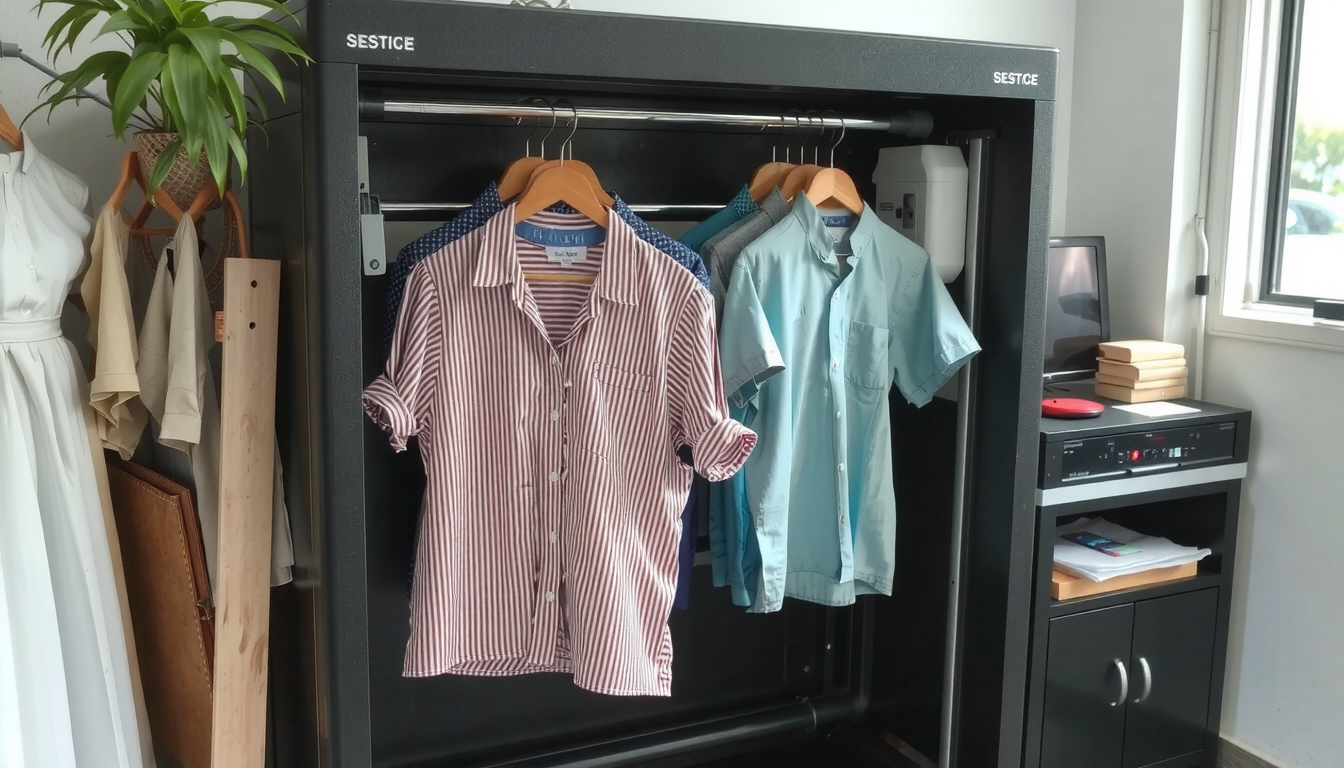
Are you planning a print-on-demand store? Zero inventory with endless design variations? DTG or DTF are your best options. Are you launching a core brand line with a few designs? Will you sell in bulk to retailers or directly to consumers? Screen printing is built for that model.
Space and Environment
What are your physical workspace and power requirements? A DTF printer and heat press are easily placed in a small room. However, the multiple-station automatic screen printing press with a large conveyor dryer requires a dedicated industrial space or a large garage. Don’t forget to also consider power requirements and ventilation.
Don’t Want to Buy a Machine Yet?
We get it. The decision to buy a professional clothes printing machine can be quite enormous in terms of money and time. It is not everyone’s first step.
Creating your designs and building your brand first is a smart tactic. You can collaborate with a manufacturing partner at the initial stage. This allows you to verify your market and make revenues. You do not have to incur the risk and upfront costs and also not go through a steep learning curve that comes with it.
At TZ Streetwear, we provide not only a wide range of printing services. We also assist you with the starting process by ensuring the products are made with professional quality right from the start.
Frequently Asked Questions (FAQ)
What is the best clothes printing machine for a beginner?
For those who are just starting without no money at all, heat press with vinyl or transfers are the first options. However, for people who are really serious about starting a small business with quality, the desktop DTF (Direct-to-Film) printer is the best option. Its versatility, quality, and a manageable learning curve make it stand out.
How much does a good t-shirt printing machine cost?
Costs vary wildly by technology. A hobbyist heat press can cost under $500. A reliable small business DTF or entry-level DTG setup starts in the $5,000 to $20,000+ range. This includes necessary support equipment. Professional automated screen printing presses easily exceed $50,000.
Can I print on dark-colored clothes?
Yes, but it requires a specific process. Your chosen clothes printing machine must support this. Both DTG and DTF machines achieve this by printing white ink as a base layer first. Then colors are added on top. This underbase is essential for making colors appear vibrant and opaque on dark fabrics.
How long do the prints last?
Durability depends on the method and quality of execution. A properly cured screen print is the gold standard. It often outlasts the garment itself. High-quality DTG and DTF prints are also very durable. They can withstand 50+ washes when cured correctly and cared for properly.
What’s more profitable: DTG or screen printing?
Profitability ties directly to your business model. DTG is more profitable for one-off custom orders or small, multi-color batches. There are no setup costs. Screen printing is vastly more profitable for large bulk orders (100+ identical shirts). The cost-per-print drops dramatically after initial screen setup is complete.

-600x600.jpg)