Introduction: Your Entry to a Flourishing Clothing Business
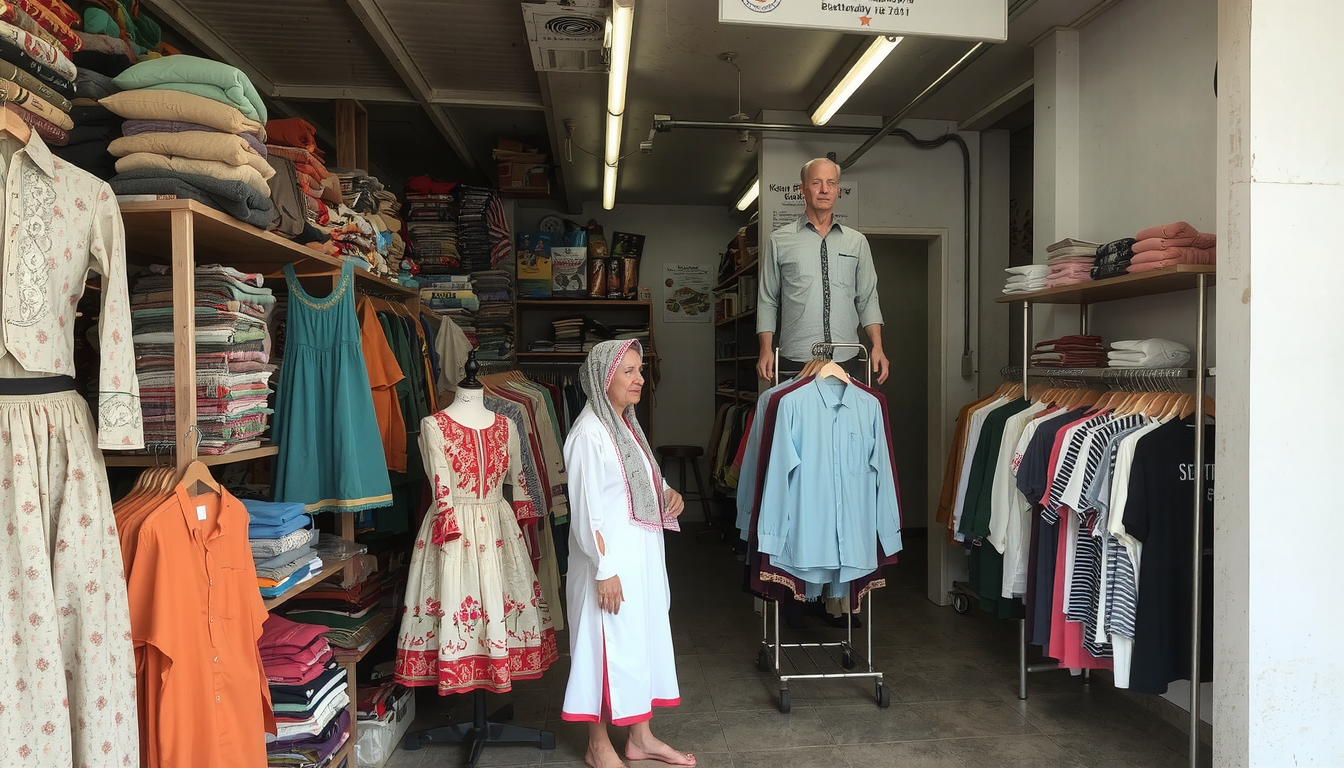
The primary focus of any retail store is the right products. Clothing vendors wholesale are those ones supplying your boutique with the clothes that you sell to your customers. They market clothes in bulk and at a discount price. This means you earn from them a profit.
The supplier selection is necessary for your growth. A reliable partner provides you with high-quality products and uninterrupted service. A problematic one may provide you with endless challenges. The content of this guide is all about how to locate and choose the ideal clothing vendors wholesale for your business. You’ll learn about vendor types, where to find them, and how to check their quality.
Painting the Picture of the Wholesale Clothing Vendors: Types of
Not every supplier is the same. Identifying suppliers by types is essential for choosing the best fit for your business and budget. The pros and cons of each type are their unique characteristics.
Manufacturers vs. Distributors/Wholesalers
Manufacturers are the businesses that design and make the clothes. Buying directly from them is usually the cheapest option. You can also make your brand designs. But the catch is that they usually force you to buy huge quantities at once, which is the MOQ. A number of American clothing manufacturers sell directly to businesses.
Distributors, or general wholesalers, are those who snap up the lots from different manufacturers and redistribute them in smaller quantities to different retailers. They have a larger assortment of styles from different brands. Their MOQs are lower. But their prices per item are higher than a manufacturer’s.
Niche vs. Generalist Suppliers
In contrast, some wholesale suppliers focus on only one type of clothing. The vendors are specialized. They can deal with plus-size clothes, children’s clothes, or hip-hop gears. If you own a thematic store, this is perfect collaboration.
On the other hand, generalist suppliers have various types of clothing suitable for different styles and customers. They are the right place to jewelry with alternative goods in your store.
Dropshipping Suppliers
Dropshipping is a distinct model. In this case, you don’t buy items from the supplier upfront but list their products on your store instead. When a customer purchases a product, the supplier sends it directly to them. This is an excellent option to start with because it is a low-risk method. However, your profit is significantly reduced.
Vendor Comparison Table: Instruction for Vendor Type Selection
| Vendor Type | Typical MOQ | Price Point | Customization | Best For |
|---|---|---|---|---|
| Manufacturer | High | Low | High | Established brands, private label |
| Distributor | Low-Medium | Medium | Low/None | New boutiques, diverse inventory |
| Dropshipper | None | High | None | Testing the market, low-risk start |
Where to Find Dependable Clothing Vendors Wholesale
With vendor types now in your kit, where do you spot them? The great clothing vendors wholesale search can begin at numerous points. You can search both online and offline.
Online B2B Marketplaces
You can easily think of these websites as the clone of Amazon for wholesale. They are platforms that unite hundreds of suppliers and brands into a single location.
* FashionGo, Faire, and OrangeShine are popular marketplaces based in the U.S. They are some of the best places to spot trendy boutique clothes.
* Alibaba is an international platform where you can access the purchasing of factory items directly from you. Prices are significantly lower, but shipping is more complicated.
Industry Trade Shows
Trade shows are gigantic moments where vendors display their products. In the case of events like MAGIC held in Las Vegas, you get to see and feel clothes physically. You attend the event to meet face to face with the vendors and initiate professional relationships. This is a mega perk.
Supplier Directories and Blogs
Numerous fashion industry websites and blogs provide unique articles valid for boutiques’ owners. They commonly create lists of the best wholesale clothing vendors, giving you a help in your beginning. These lists can suffice many working hours for your research.
Social Media & Forums
You can spot suppliers on platforms, like Instagram. Use hashtags such as #wholesaleclothing or #boutiquesupplier to search that information. Additionally, you can be a member of Facebook groups or Reddit communities for boutique owners. Try out r/smallbusiness. These places give you real recommendations from other retailers.
Direct to Vendor Websites
Counting the multiplicity of suppliers are vendors with their own websites. Examples are Wholesale Clothing for Boutiques | Trendy Fashi…. You can visit their catalogs and place orders directly to them. This is a common way to interact with a wholesale supplier you trust.
Evaluating Your Wholesale Partner: A 5-Step Diligence Checklist
Spotting a potential supplier is just step one. You need to check each one very thoroughly to dodge problems later on. This checklist can be of help in pointing out a trustworthy partner.
1. Verify Business Legitimacy & Policies
A professional vendor is always Business is their own. Their website should have a physical address and a working phone number. An email format simply will not do. A business license or resale certificate, which you usually provide, is needed to open an account with more than 95% of the wholesale vendors. These documents affirm that you are a business that buys goods for resale.
Meticulously read their policies. Emphasize their return policy, shipping terms, and how they deal with damaged items. Red flags may appear, for instance, if they have unclear or unfair policies.
2. Build Communication Directly
Before making an order, you can check their customer service. You can contact them through an email or a phone call with a query concerning a policy or a product.
How long did it take them to respond? Were they polite and knowledgeable? Good communication is the backbone of any healthy business relationship. This is especially true when you face an issue that needs solving.
3. Order Samples (The Most Critical Step)
We cannot stress this enough. Placing a big order without seeing a product in reality is not advisable. Ordering samples is the first thing to do to evaluate clothing vendors wholesale. Pictures can be misleading.
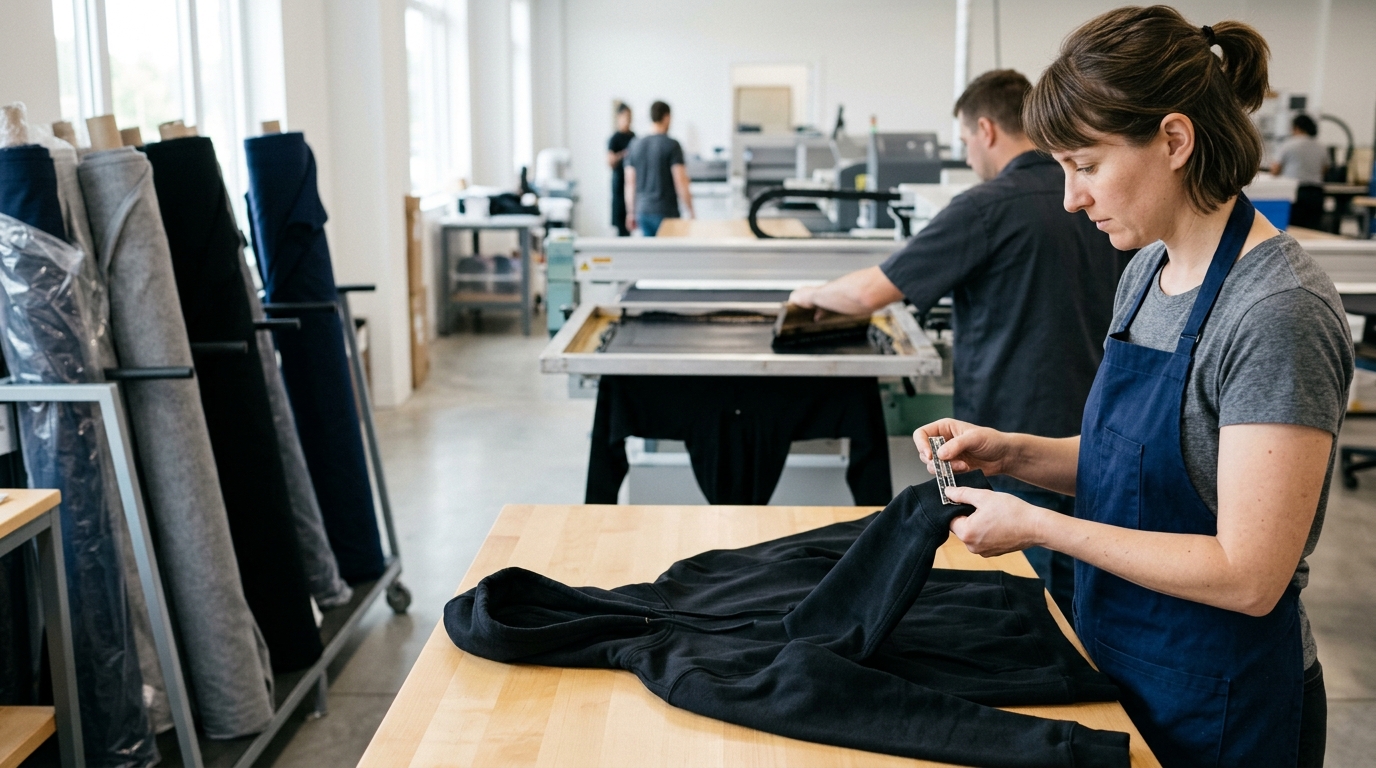
Once your samples arrive, do not just check the style. Check the stitches along the seams for their quality. Check the weight and feel of the fabric. Does it conform to the description? Is the sizing according to their chart? If it’s a printed item, is the print sharp and durable? This process is a determining factor because it reveals their actual quality.
4. Look for Social Proof and Reviews
Try to find customer reviews from other business owners. Use not only testimonials present in the vendor’s own website but also other sources to make your research extensive. Scour the Internet for reviews on Google, wholesale forums, or third-party sites.
Another excellent trick is to check the trends on social media. Search for stores that tag the vendor in their posts. This alternative would help you to see how the clothes look in a real store setting.
5. Know Their MOQs and Pricing Structure
Check if the vendor’s terms fit your financial conditions. Confirm their MOQ. Is it a minimum dollar amount like $150 per order? Or is it a minimum number of items per style like a 6-piece pack?
In addition, approve of their pricing. Is the price shown per piece or for a pre-sorted pack of different sizes? Understanding this helps drivers to check out without “surprise” costs.
Beyond the Catalog: Custom Manufacturing for Your Brand
Reselling wholesale apparel is a great way to start. But as your business grows, you may want to create a unique brand that no one else has. This is where custom manufacturing comes in.
What is Private Label/Custom Manufacturing?
This method means direct contact with a factory to make clothing to your designs. The goods you get have your brand’s label, not the factory’s. This approach, at times, is also known as “private label.”
Why Consider Custom Apparel?
You will have the most important advantages by starting your custom apparel line. You will possess the items that customers can buy only at your boutique. You will thus fully manage the brand’s style and quality. You can also charge more for exclusive items.
Finding the Right Manufacturing Partner
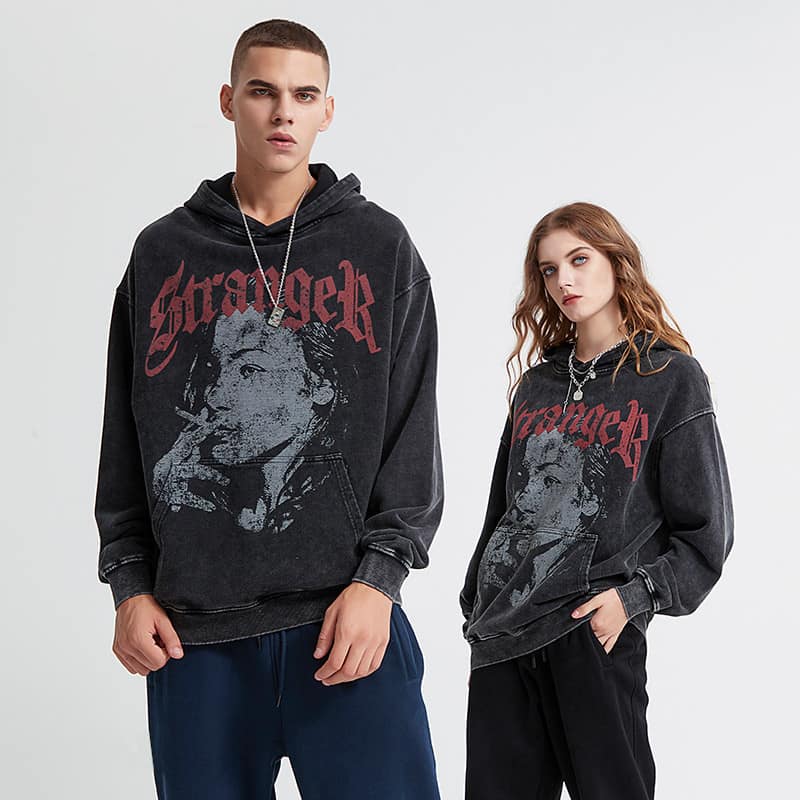
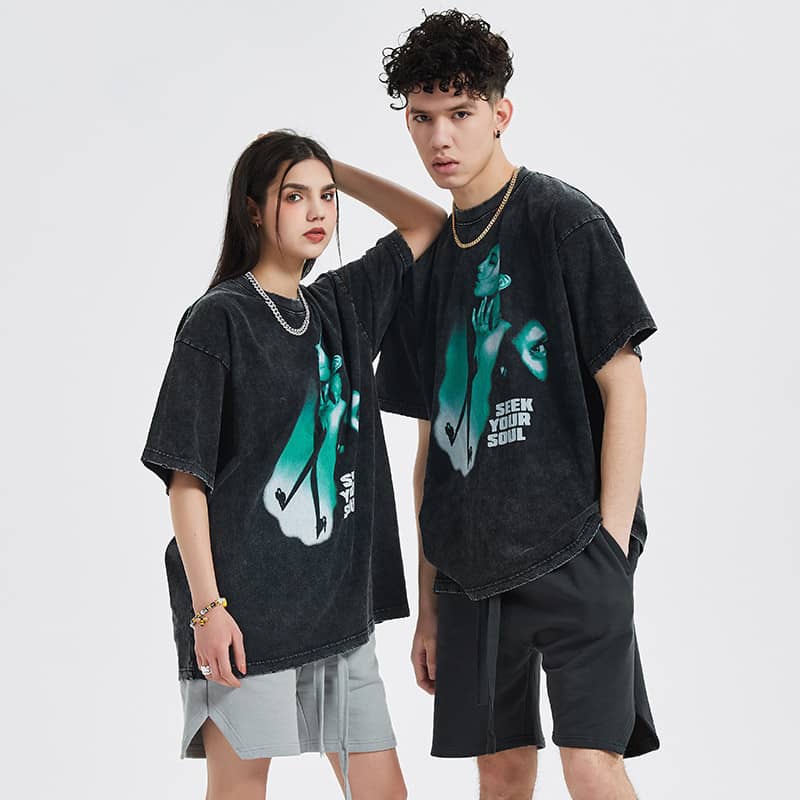
Finding a manufacturing partner is different than finding a regular wholesale vendor. This is a company that is talented in producing and developing goods. For specific niches like streetwear, the full-service partnership with TZ Streetwear can provide you with proposal from the design part to the finished product.
To manufacture particular items it’s wise to go with a particular specialist. For example, if you want a custom hoodie manufacturer or experienced t-shirt manufacturers, use them. You will end up with the best quality and gain expertise in those products.
Conclusion: Laying the Right Footprint for Your Brand
The success of retail businesses largely hinges on sourcing clothing vendors wholesale. The path to realization runs through the understanding of supplier types. You should know where to locate them and scrutinize them one at a time.
Using a systematic evaluation process will help you avert the mistakes that cost you a lot. You will achieve the supply chain that you can rely on. Your vendors are not just suppliers. They help you grow. Choosing them wisely gives your brand the chance for a long-term success.
Frequently Asked Questions (FAQ)
Do I need a business license to buy from clothing vendors wholesale?
Yes, almost all legitimate wholesale vendors will require you to provide a business license or resale certificate. This proves you are a registered business buying goods for resale. It also allows you to purchase inventory without paying sales tax.
What is a reasonable MOQ for a new boutique?
This varies greatly. Some distributors have no MOQs at all. Others might require a minimum order value like $100. Or they might require a minimum number of pieces per style like 3-6. For new boutiques, it is best to look for vendors with low or no MOQs. This helps you manage cash flow and test different styles without a big investment.
How much can I mark up wholesale clothing?
A standard retail markup is 100% of the wholesale cost. This means doubling the price. This is often called keystone pricing. For example, a shirt bought for $15 wholesale would be sold for $30. However, the ideal markup can range from 2 to 3 times the cost. This depends on your brand, market, and the product’s uniqueness.
Can I find USA-based clothing vendors wholesale?
Absolutely. Many businesses prefer sourcing from domestic suppliers for faster shipping. They also like to use a “Made in the USA” label. You can find them at domestic trade shows. You can also use specific online directories or search for terms like “American clothing manufacturers” online.
What’s the difference between a wholesale vendor and a manufacturer?
A manufacturer is the company that physically makes the clothing. A wholesale vendor, also known as a distributor, is a middleman. They buy in very large quantities from various manufacturers. Then they resell those goods in smaller quantities to retailers. Working with a manufacturer is often cheaper per item but requires much larger orders. A vendor offers more flexibility and variety for smaller businesses.