Introduction: Understanding the Technology
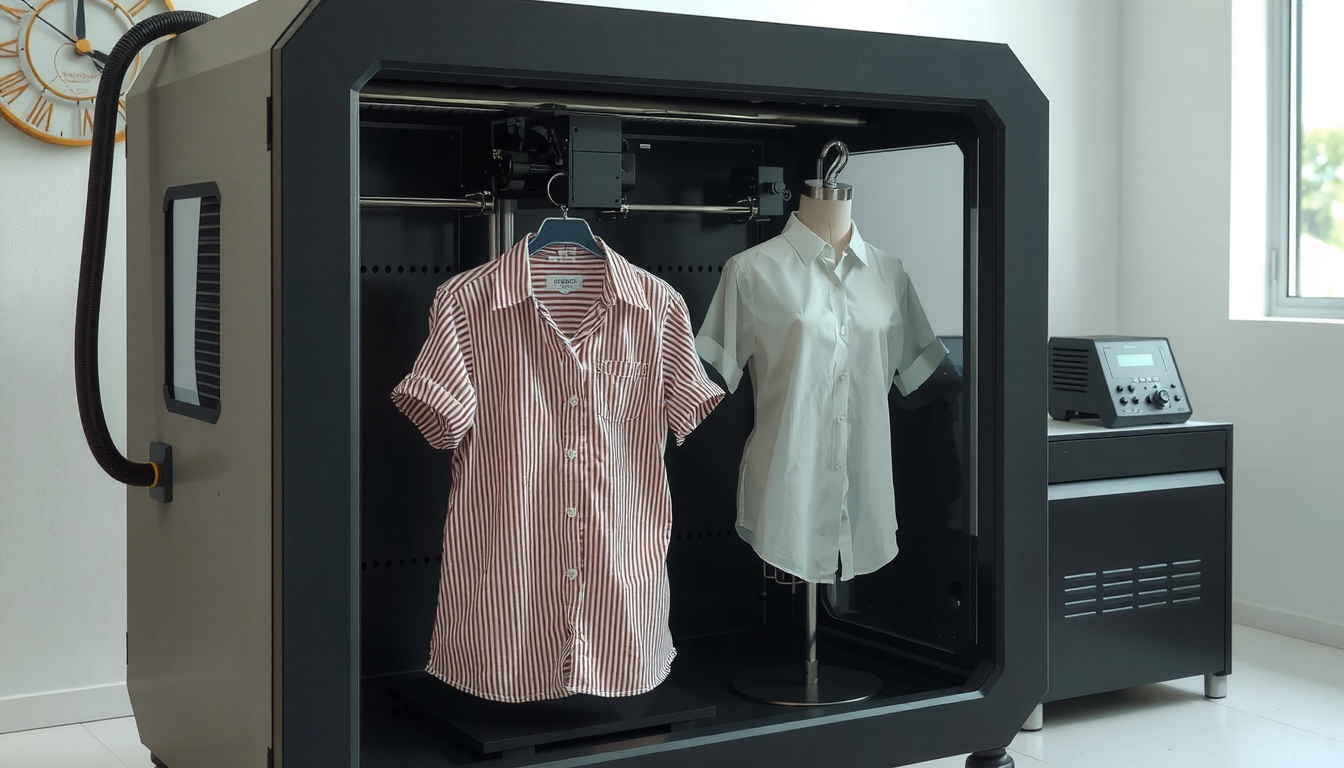
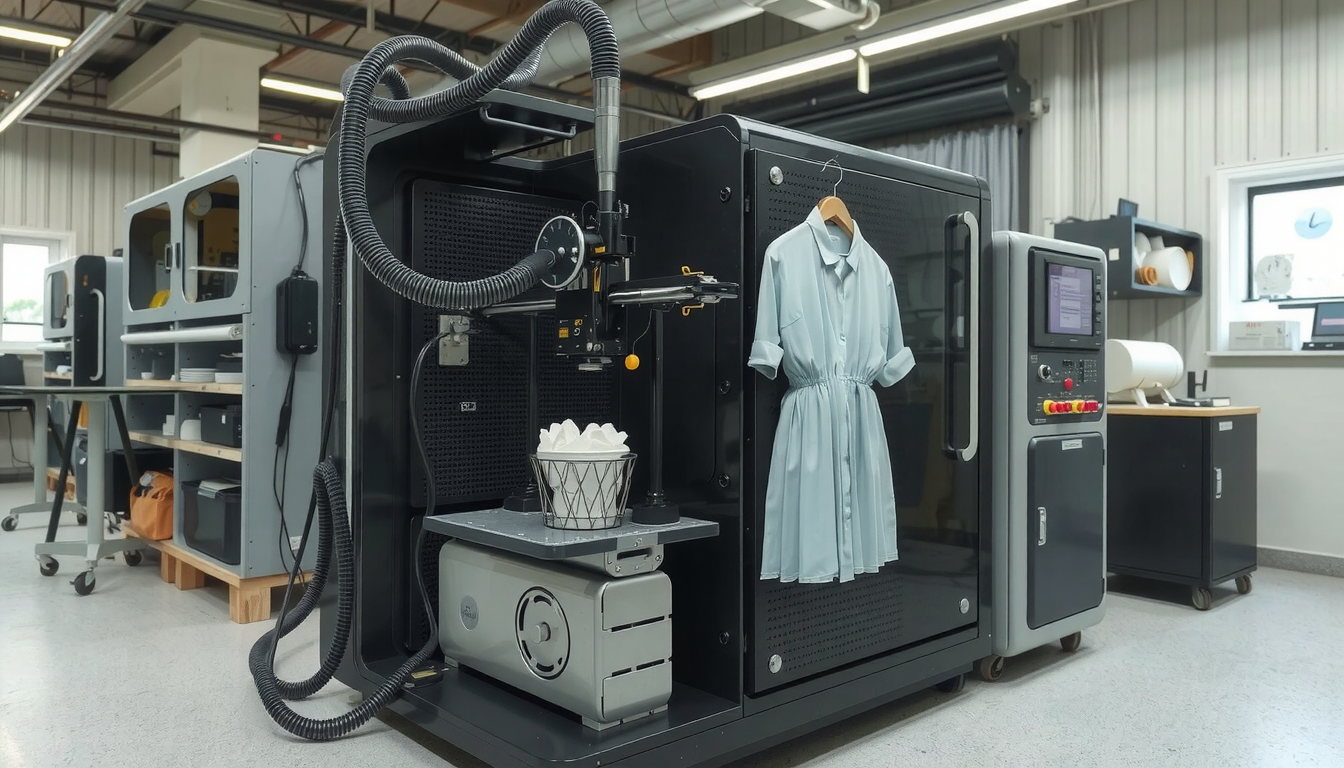
The world of fashion is increasingly interested in 3D printing, but there’s a lot of confusion. When someone asks about a 3d printing machine for clothes, they might be picturing a device that prints a ready-to-wear t-shirt. While that’s not quite the reality today, the technology offers revolutionary benefits, from reducing waste to enabling incredible customization. This guide will clarify what’s possible, explaining the different types of machines and the real advantages they bring to clothing design.
The Core Benefits of 3D Printing in Fashion
The advantages of 3D printing for clothing design are diverse and address some of the industry’s biggest challenges.
- Reduced Waste: Unlike traditional manufacturing that cuts patterns from large sheets of fabric, 3D printing builds items layer by layer, using only the necessary material.
- Unique Designs: The technology unlocks the ability to create complex geometric patterns, intricate textures, and structures that are impossible with conventional methods.
- Easier Prototyping: Designers can quickly create and test physical prototypes of design elements like buttons, clasps, or decorative patches, speeding up the development cycle.
- Unmatched Customization: It opens the door for garments and accessories that are perfectly tailored to an individual’s measurements, moving beyond standard sizing.
- Technological Integration: 3D printing allows for the seamless integration of computation-based designs and even smart technologies directly into the clothing.
The Reality Check: What Can These Machines Actually Do?
To understand the market, it’s crucial to distinguish between the two main applications often grouped under the term “3d printing for clothes.”
Type 1: Printing 3D Elements onto Existing Clothes
This is the most common and accessible application today. It involves using a 3D printer to create flexible, three-dimensional parts or decorations that are then incorporated into an existing piece of clothing. Think of custom zipper pulls, unique buttons, or raised logos sewn onto a jacket. While some industrial machines can print directly onto fabric, most consumer-level applications involve creating separate pieces to add on later.
Type 2: Printing a Full Garment from Scratch
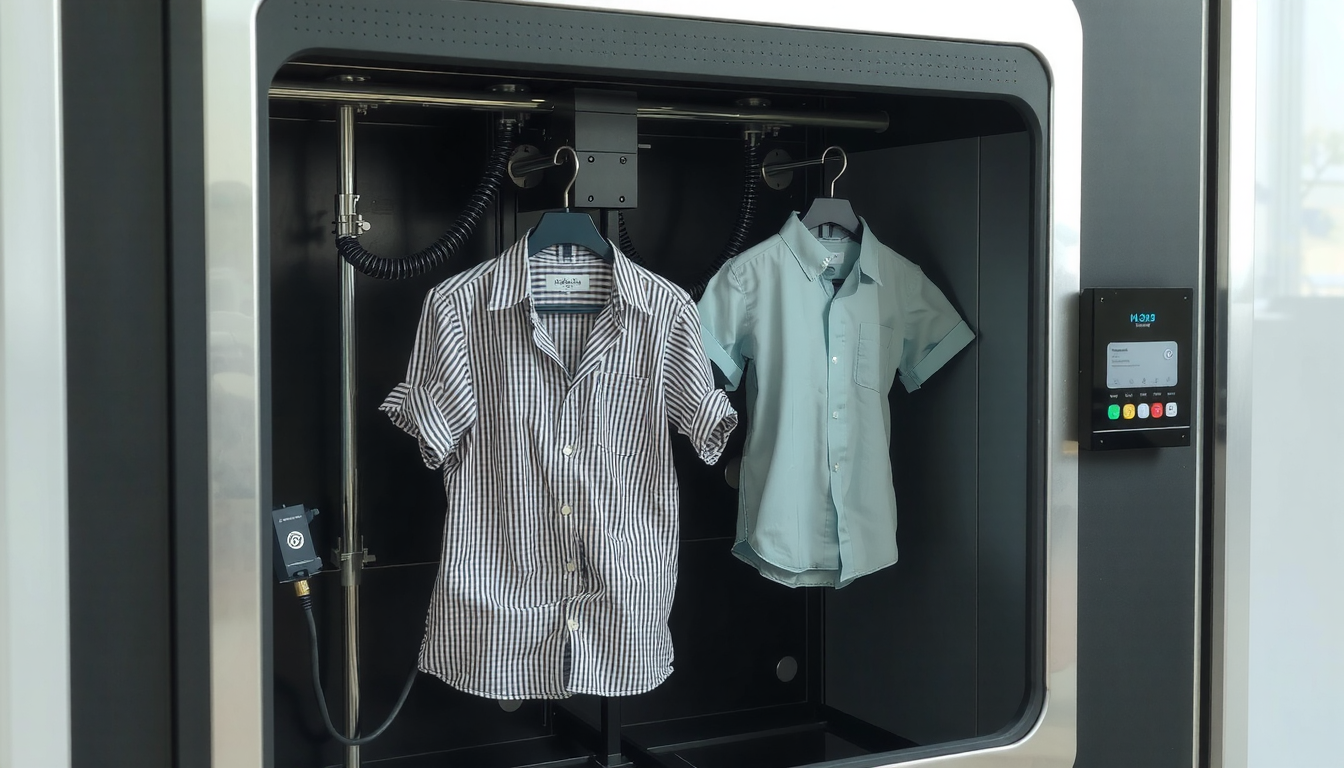
This is where the idea of “printing a t-shirt” comes from. Using flexible filaments like TPU, a 3D printer can create a mesh-like, wearable item. However, the result is a plastic or rubbery material, not a soft, breathable fabric like cotton. This method is primarily used for avant-garde fashion, special projects, and prototypes. You can’t use a standard 3D printer to directly create a traditional t-shirt, but you can print incredible wearable art.
Conclusion: The Future is Being Built Layer by Layer
While you can’t yet print your entire wardrobe at home, the 3d printing machine for clothes is already making a significant impact on the fashion industry. By enabling sustainable practices, unparalleled customization, and rapid innovation, it is a powerful tool for designers. The key is to understand its current capabilities—focusing on embellishments, accessories, and prototypes—while looking forward to a future where materials and technology continue to evolve.
Frequently Asked Questions (FAQ)
1. What is a 3D printing machine for clothes?
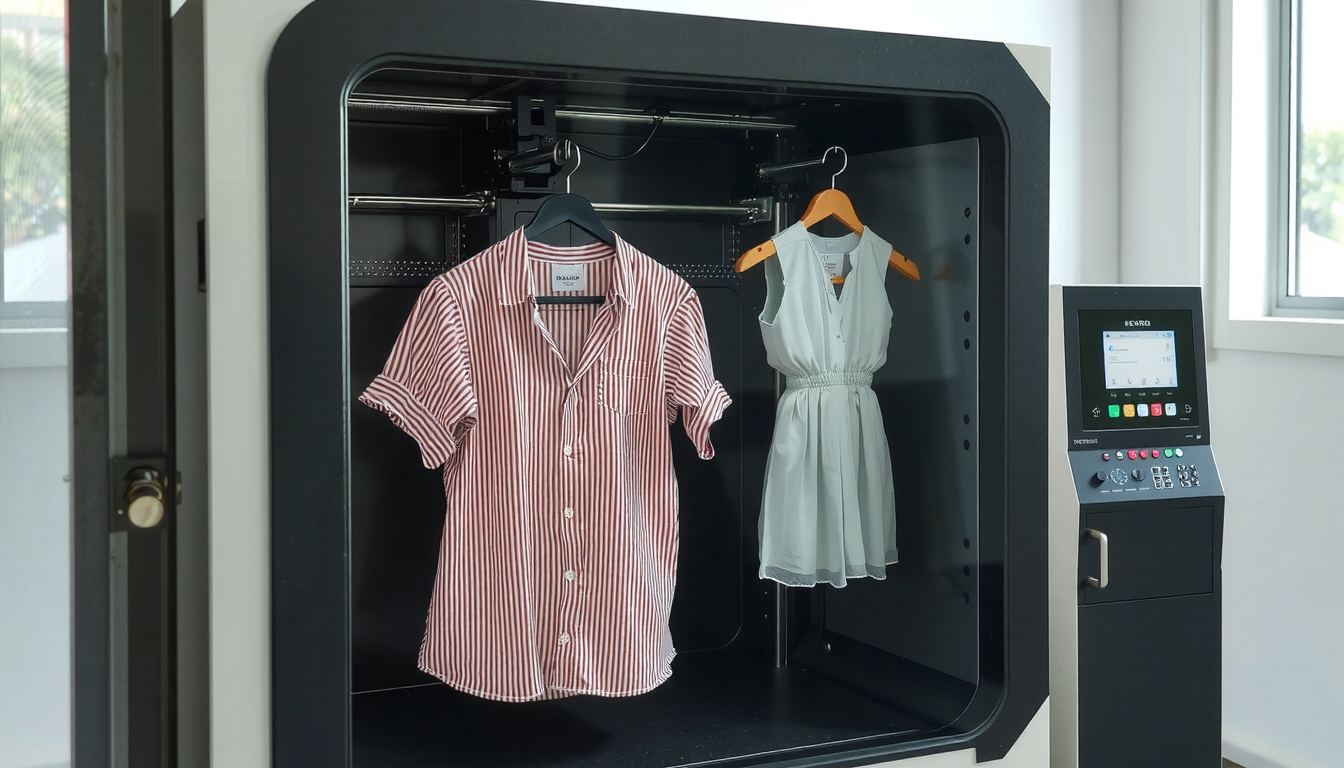
A 3d printing machine for clothes generally refers to one of two things. The first is an industrial machine capable of printing designs directly onto textiles. The second, more common usage refers to a standard 3D printer that uses flexible filament to create separate plastic-like components, which you can then sew or add to a fabric garment.
2. Can you print a T-shirt with a 3D printer?
While you can print a wearable, shirt-shaped object with a 3D printer using flexible filament, it won’t be like a traditional t-shirt. The material will be plastic or rubber-like. This technique is typically used for creating flexible models, unique art projects, or prototypes. You can also use it to create 3D parts to incorporate into clothing that has already been made, but you cannot directly print a soft, cotton-like fabric with these machines.
3. What are the benefits of 3D printing for fashion?
The advantages of 3D printing for clothing design are diverse. This includes less waste, more unique designs, easier prototyping, and the opportunity to customize items to fit. The technology also allows advanced techniques such as the use of computation-based designs and integration with smart technologies.