Making custom clothes is easier than ever. You can make one unique t-shirt for a gift. Or you can start a whole clothing line for your brand. Anyone can do that.
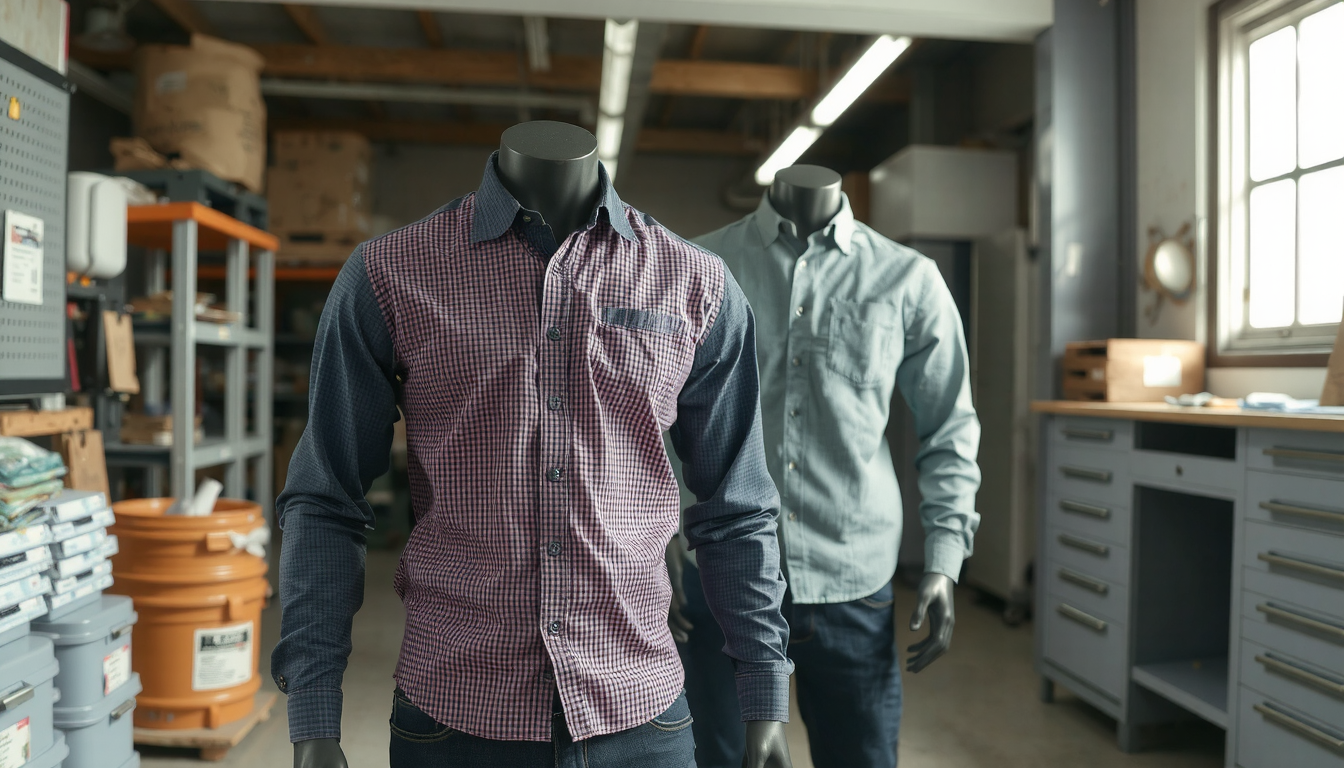
You can go about this in two main ways. The first option is to use websites that do this kind of service. This might be a Print-on-Demand company or a bulk clothing maker. The second option is to do it yourself. This means you design and sew the clothes from scratch.
This guide will be highlighting both paths. We will help you understand your choices. We will help you turn your idea into real clothing. For more help, you can check out a step-by-step tutorial on creating custom apparel.
Important Pre-steps: 3 Decisions
Before you spend any time or money on it, you need to make significant and critical decisions first. Planning wisely the best possible approach will stop you from making mistakes earlier in your project planning. Consider the following matters to make custom clothes successfully.
What is Your Aim?
The first thing to do is to identify what you want. Your goal changes the way you should begin the project.
- Personal Use: Are you making a special t-shirt for a friend’s birthday? Or perhaps for a family gathering?
- Brand Items: How about having shirts or hats with your logo? Perhaps for your YouTube channel, band, or business?
- Clothing Business: Do you consider starting a whole clothing brand? Would you like to sell your designs on your site or in other shops?
What is Your Budget and How Many Do You Need?
Think about your budget as a next move. Also, think about how many items you need. The cost of one shirt will be dramatically different than that of 100 shirts.
- Ordering a single item costs more per piece.
- Ordering a set of 50 or more items is a much better option from the standpoint of per-piece pricing.
- The DIY approach has some initial investment costs such as a sewing machine. Online services may have no startups.
What Level of Control Do You Want?
Finally, determine what level of control you want over the final product. This question is very important and will determine what you choose to do.
- Would you just want to add a design to a normal t-shirt or hoodie?
- Or would you want it all? This includes fabric type, precise cut, thread color, and fit.
Path 1: Using Online Services & Makers
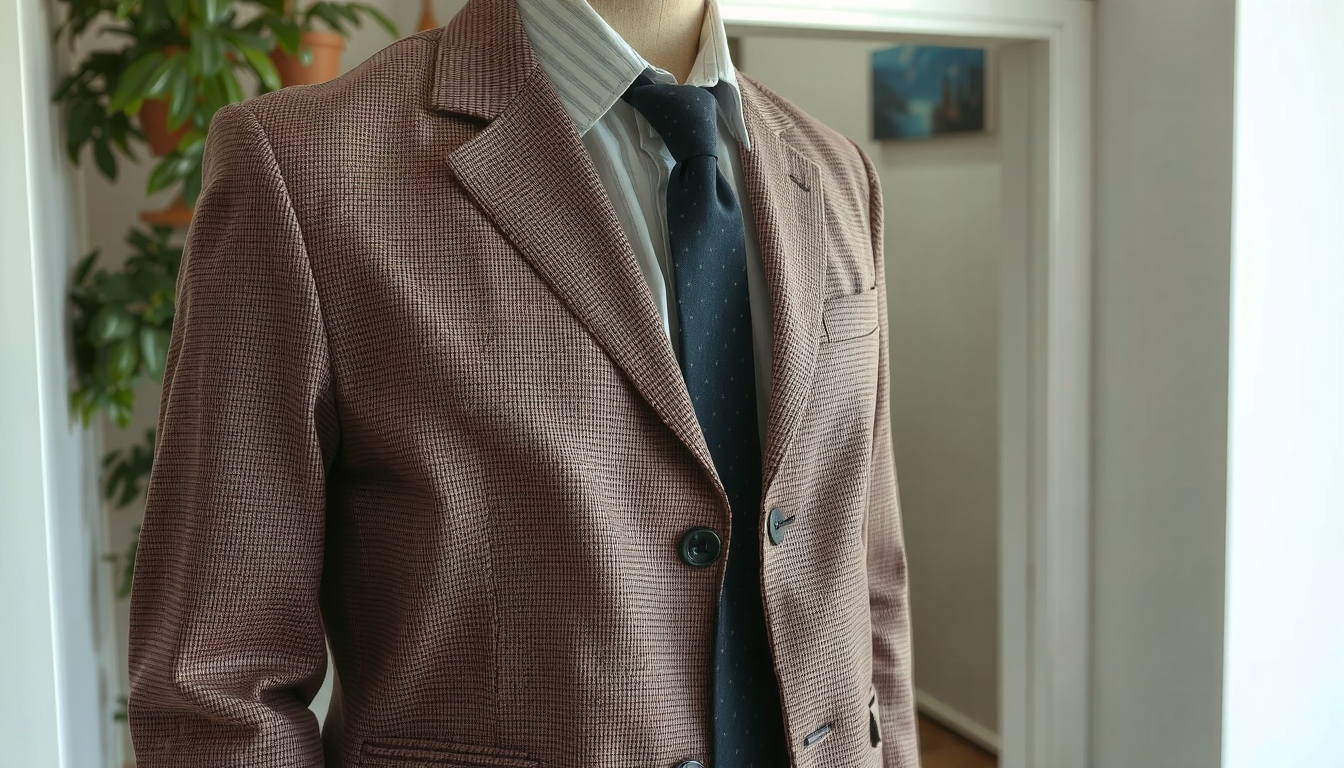
This path is the fastest way to make custom clothes. It is the most popular method as well. It is perfect for those who are more interested in the design and do not want the burden of making the clothes.
Option A: Print-on-Demand (POD)
Print-on-Demand is usually shortened to just POD. It is a type of business model. You work with a vendor to personalize base merchandise. This means that you can design personalized clothing online. You sell it as your brand.
This method is ideal for artists and new business owners. It provides the best platform for any person who wants to test ideas without an initial investment in stock. It is the model of print on demand that items only get printed and shipped when there is a customer order. You will never have to manage inventory yourself.
Here’s how it works:
1. Choose a Platform: Sign up for a POD service such as Printify or Printful.
2. Select a Product: Look through their product catalogue. Choose a blank article such as a t-shirt, sweatshirt or hat.
3. Upload Your Design: Utilize their online tool. Place your artwork on the product preview.
4. Publish or Order: You can order the product for yourself. Or you can connect the platform to your online store (like Shopify or Etsy) to start selling.
Option B: Partnering with a Bulk Maker
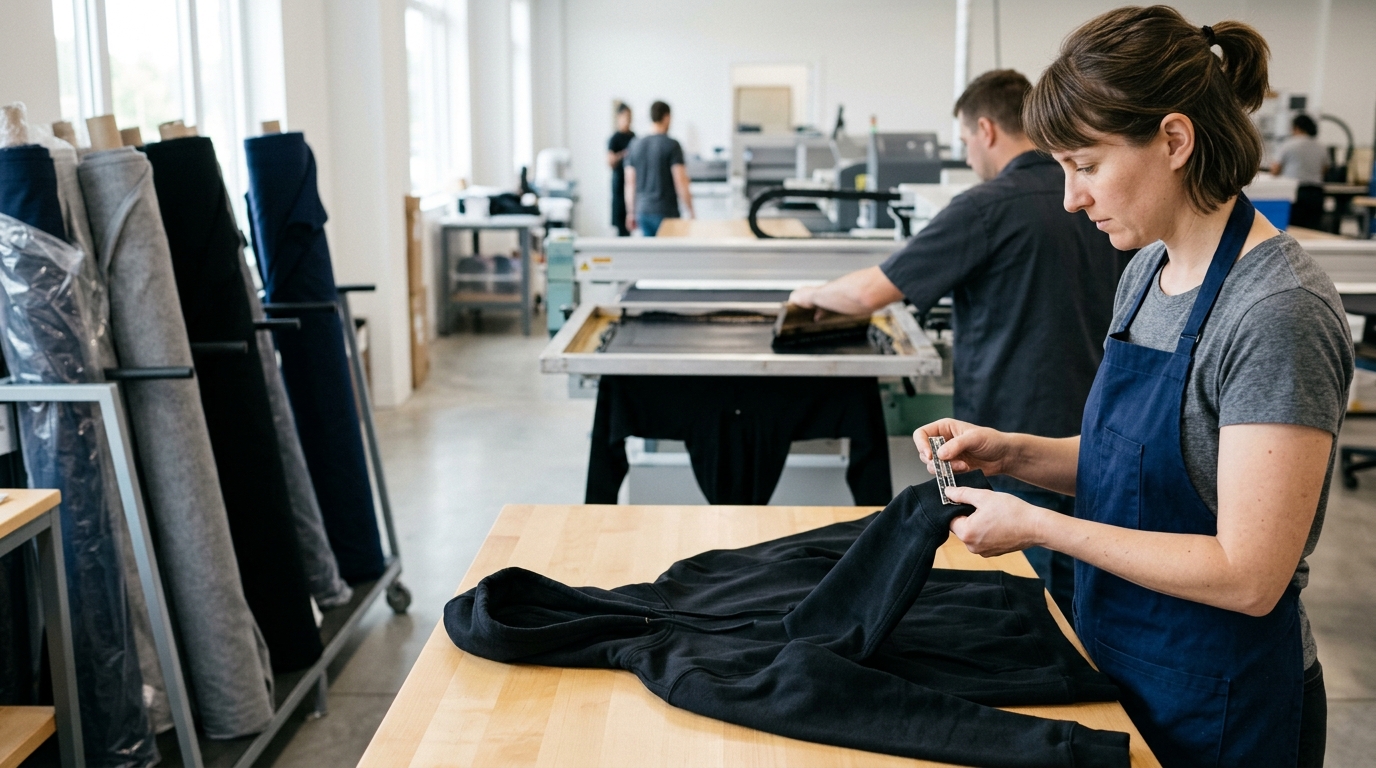
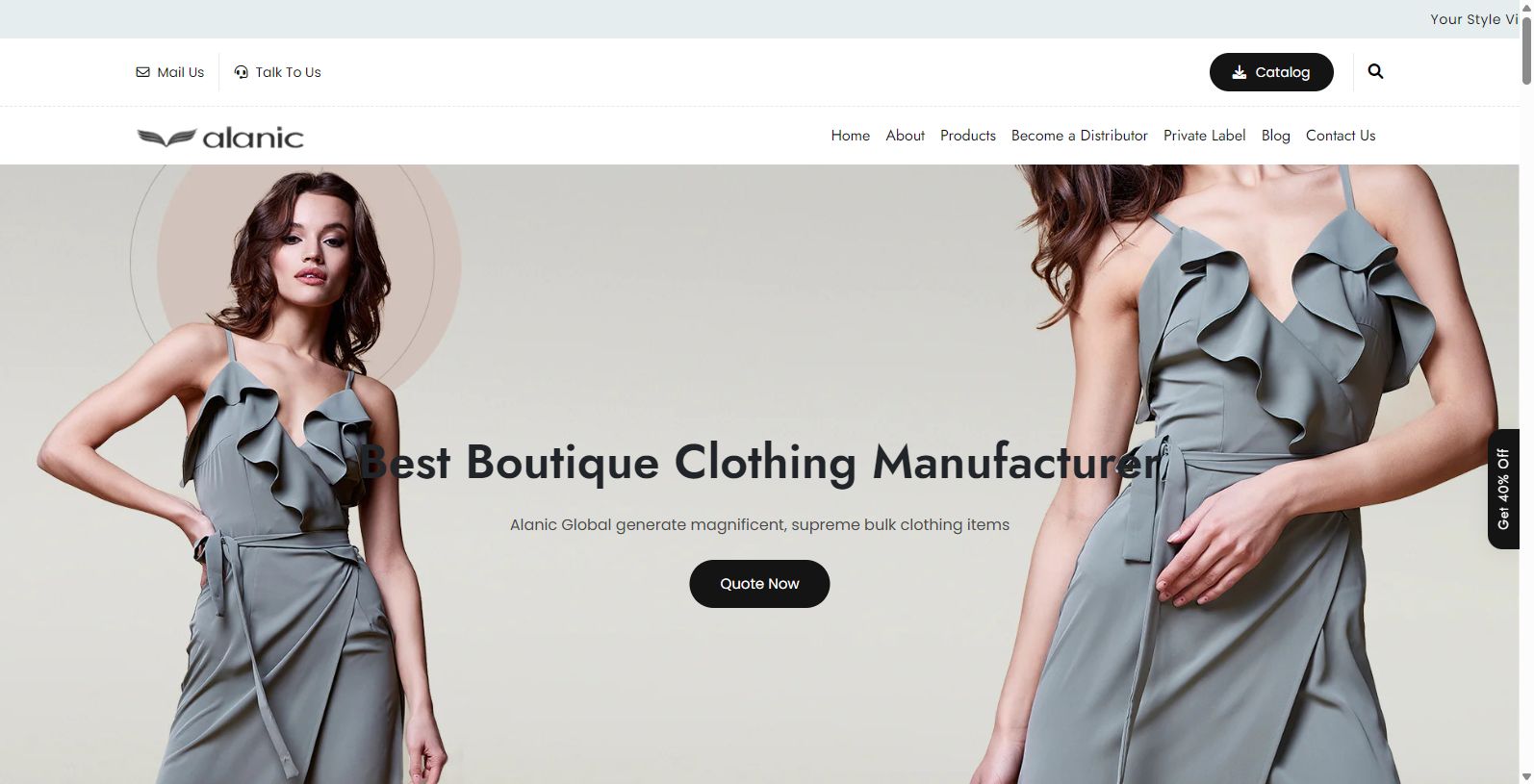
If you are absolutely confident that you will sell a lot of items, partnering with a bulk-lot manufacturer is the way to go. For this mode, one has to order a particular quantity of items. This is usually 50 or more. You order directly from the manufacturer.
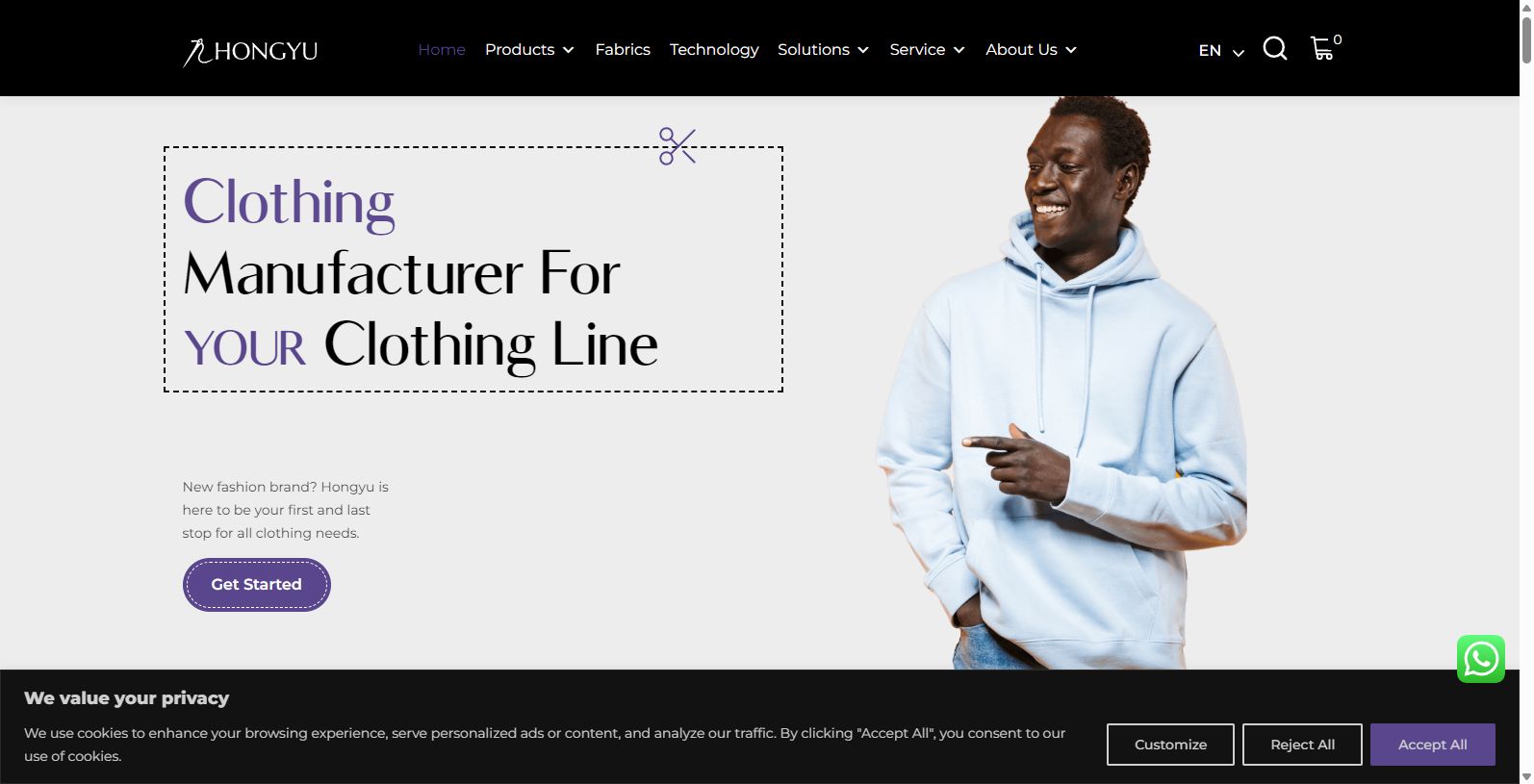
This path is best for companies that are already existing. It is a good option for brands that require uniforms. It is also a choice for someone looking for better profit margins. The unit cost is much lower compared to POD. For those really committed to their brand and want to build the quality, collaborating with a maker is a must. Services like TZ Streetwear help in the process from idea stage to full production. They are specialists in specific clothes like t-shirts and hoodies.
In your partner search, seek companies that specialize in what you wish to create. For example, if you focus on streetwear, finding a specialized custom hoodie manufacturer would make a big difference in fit and fabric quality. When it comes to the go-to clothing item, teaming up with well-versed t-shirt manufacturers will ascertain that the primary product is spot on.
Path 2: DIY – Sewing Your Own Clothes
If freedom of creativity and hands-on experiences excite you, then sewing your own custom clothes is fulfilling. This path offers you the power for each and every detail. You choose the fabric and the fit.
Stuff You Want and Materials You Need
In order to take the first step you will need some basic equipment. Here is a simple list of the tools you need to make custom clothes from scratch.
- A sewing machine
- Fabric of your choice
- Sewing patterns
- A measuring tape
- Good fabric scissors
- Thread, pins, and needles
The Basic Steps
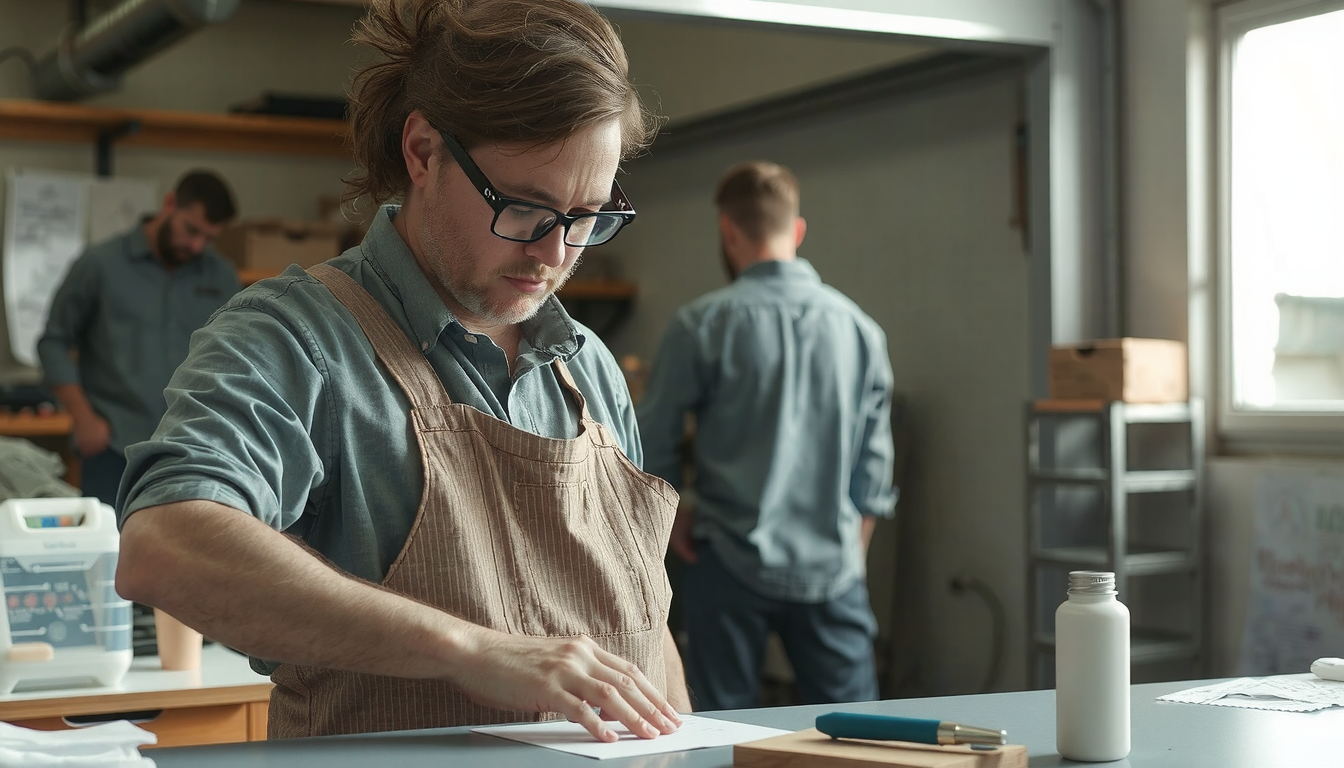
Making a piece of clothing follows linear steps. You can take a look at this detailed step-by-step guide to designing your clothes for more information.
- Design & Pattern: Start drawing your idea. After that, look for a sewing pattern that resembles what you have drawn. Or you can learn to make your own.
- Choice of Fabric: Selecting the right material is essential. The fabric you opt for determines the way the clothes will sit, feel, and wear.
- Cutting & Joining: Lay out the pattern pieces on the fabric. Cut them out carefully. Follow the instructions to assemble them.
- Testing & Finalizing: First, you need to try on the clothing to see if it fits. Make the required alterations. Finally, the edges are finished by hemming and cleaning up the seams.
POD/Maker vs. DIY: Which is Right for You?
Choosing the most effective way to make custom clothes relies on your aims, budget, and skills. No single way is the “best” for everything. The following is the comparison table of the two paths to help you decide.
| Factor | Using a Service (POD/Maker) | DIY Sewing |
|---|---|---|
| Cost per Item | Higher for one item (POD), lower for bulk | Changes based on fabric cost |
| Money Needed to Start | $0 for POD, high for bulk orders | Medium (sewing machine, tools) |
| Time Needed | Low (design only) | High (learning, sewing, fitting) |
| Skills Needed | Basic design skills | Sewing and pattern-making skills |
| How Much You Can Customize | Limited to design on ready-made items | Total control over fabric, fit, and design |
| Can You Grow the Business | Easy to grow for a business | Hard to make in large numbers |
From Idea to Ready for Production: Preparing Your Design
A creative idea alone will not bring your design into a professional outcome, it also requires the transformation of your idea into a high-quality file by the designer. This is a place where many beginners are prone to make costly mistakes.
The best way to do this is to check the requirements of the printer or maker of your choice before you start designing. They will have specific details about what they need.
Vector vs. Raster
There are two primary forms of designs that are vector and raster.
- Vector: Consists of line and curve geometries. They are suitable for logos, text, and simple graphics. A vector file can expand infinitely without losing its quality. Common examples of vector files are .AI, .EPS, and .SVG.
- Raster: Formed with a grid of dots called pixels. They are excellent for photos and images with a lot of fine detail. Raster quality is dependent on their resolution. The most common raster files are .PNG and .JPG.
Key Tech Details to Know
Here are some of the technical terms that every designer should be familiar with.
- Resolution: This is a term for DPI, or Dots Per Inch. Your design file should be a minimum of 300DPI at the size you want it printed. This will avoid a blurry or pixelated effect.
- Color Mode: Colors are displayed on screens using RGB (Red, Green, Blue) light. However, printers use CMYK (Cyan, Magenta, Yellow, Black) ink. Your design file should always be in the CMYK color mode for accurate print colors.
- File Format: The ideal file format for most t-shirt printing is a PNG file that has a transparent background. This will ensure that only your design gets printed and not a white box around it.
What is a Tech Pack?
If you want to work with a maker to create one truly original piece of clothing from scratch, you will need a tech pack. Tech packs are data matrices for clothing items that give detailed and accurate directions and specifications. They feature schematic drawings, sizing, and textiles along with color codes. For any “cut-and-sew” project, this doc is essential.
Choosing the Right Way to Place Your Design
There are numerous techniques to apply a design to cloth. Your design’s complexity, quantities ordered, and budget determine the most suitable one to use.
Direct-to-Garment (DTG) Printing
The DTG printing model uses a technology mimicking inkjet printing for textiles.
* Best for: Brightly colored, gradient, or photo-like detail designs. It is also very suitable for small quantities or single orders.
Screen Printing
Screen printing is based on the use of a stencil mesh to directly push ink onto the fabric. The number of screens you need correlates to the number of colors in the design.
* Best for: Simple designs that use only 1-4 solid colors. Because of the initial setup costs, it is cheaper for bulk orders (usually 25 or more).
Embroidery
Embroidery uses a thread instead of ink to create a design on a fabric. The thread gives a tented, high-quality look and is durable.
* Best for: Logos on heavier products such as hats, polo shirts, and jackets. This technique adds a professional and quality impression to the clothing items.
Conclusion: The Magic of Making Your Imagination a Reality
You have a clear path laid before you on how to get your custom-made clothes done. You can always opt for the speed and convenience of an online service or opt for the freedom of the inherent creativity in a DIY way. Now it is time for you to get started.
The most important step is to match your method to your goals, budget, and design complexity. Armed with this guide’s insights, you can proceed with confidence. It is high time for you to bring that idea to good use and embrace the creation of it.
Frequently Asked Questions (FAQ)
What is the average cost of making a custom t-shirt?
Typically, a single custom t-shirt through a print-on-demand service will cost anywhere from $15 to $30, which includes the cost of the shirt and printing. Aspects like the t-shirt’s quality, the complexity of the design, and the shipping can affect the final price.
Can I make my own custom clothes even if I lack design experience?
Absolutely! Many Print-on-Demand platforms have online tools like Canva, which provide ready-made templates, fonts, and graphics. Consequently, you can easily mix and match our elements to come up with a unique design. This does not need any concrete skills in graphic design.
What type of material is more suitable for custom t-shirts?
For those who want the soft yet classic feel, 100% ringspun cotton is a great choice. For athletic wear or a fabric that holds its shape well a 50/50 cotton/polyester blend is ideal. The tri-blends (cotton, polyester, and rayon) provide an unbelievably soft, lightweight, and premium feel.
What is the difference between “custom” and “bespoke” clothing?
“Custom” clothing is typically the addition of a design or making a minor change to a ready-made clothing piece. For instance, printing it on a t-shirt is like “Custom.” “Bespoke” clothing is the craft of a piece only one person can get, based entirely on their size and design preferences, for instance, a tailored suit.
What is a “minimum order quantity” (MOQ)?
Minimum order quantity is the least amount of items you need to order from a bulk maker. This is a standard practice in low-cost methods like screen printing. For instance, a printer may ask you to order at least 50 pieces of the same design. Print-on-Demand services, however, do not have an MOQ.