Chinese clothing is a vivid display of culture and history spanning thousands of years. The culture that talks to us through colorful materials, rich symbolism, and diverse styles is a world of its own. The majestic robes of the past and today’s fashionable streetwear make a solid point of the Chinese apparel sector’s long and powerful narrative.
In this guide, you will uncover the highlights of styles, materials, and trends. We will be taking both the rich historical paths and the exciting contemporary routes of Chinese clothing development. Whether you are a brand owner, a fashion designer or merely a person inquisitive about it, a wealth of handy info awaits you here.
Traditional Chinese Clothing: A Treasure of the Past
Traditional Chinese clothes are much more than just antiques; they narrate the values, beliefs, and history of their times. This was the case with the various styles in different dynasties. This way of dressing asserted the changes in society.
For a long time, garments were a reflection of rank and occupation. For example, the emperor wore specific colors and symbols, such as dragons, which others could not wear. Common people, on the other hand, wore less elaborate hemp clothes that were more durable. The use of such clothes lay behind one of the most important aspects of traditional Chinese culture: visual communication.
Hanfu: The Original Chinese Robe
Hanfu traditionally refers to the clothing of the Han people. It boasts a remarkable history of 4000+ years. The Han clothes consist of a top called yi and a skirt called chang. Typically, these clothes were baggy and flowy.
Hanfu is not an outfit but rather a collection of many different styles from different dynasties. It can be characterized by cross-collars, wide sleeves, and sashes. Nowadays, it is pretty common for young people to adopt the Hanfu reviving trend. Festivals and special events are where they wear the clothing. This practice of embracing things that come from traditional culture is lively in the modern world.
Qipao (Cheongsam): A Timeless Trend
The Qipao or in the west Cheongsam is a dress that belongs to the more modern part of Chinese clothing history. It first appeared in 1920s Shanghai. This piece of accord fitted dress was quite the opposite of the long and wide fits of the past.
The characteristic features of this type of dress are the high collar, the side slits, and the intricate frog buttons. Often considered as a symbol of sophistication and beauty, Qipao is worldwide known now. Though it is a very recent addition to the Chinese clothing styles, it has become one of the most treated on the international scene.
Dress of Ethnic Groups
There are 56 ethnic groups in China enumerated by the government. Each group possesses its own unique clothing customs. These styles are responsible for Chinese fashion being so diverse.
A case in point is the Miao people who are popular for their elaborated silver jewelry and intricate embroideries. The Dai girls in the southeastern region are often seen wearing light, colorful skirts that are ideal for their hot weather. Traditional characters in such dresses illustrate the diversities in Chinese culture.
The Mod Fashion Scene of Chinese Apparel
The contemporary scene of Chinese clothing is very vibrant. Seminal styles are updated while designers push the boundaries of creativity. This results in fashion trends that are being watched globally.
Current Chinese fashion is a blend of past and national pride and street style all at once. It represents a country that stands firmly on its feet regarding its history and is enthusiastic about the future.
Guochao: The New Movement of Nationalism
The “Guochao” trend stands for the National Wave. It reflects a scenario in which young Chinese customers take to their native brands that are proclaiming national culture. The clothing line snares those tying in symbols traditionally linked to the Chinese, such as cranes and dragons, to designs of modern streetwear that youths wear.
This trend is undeniably a formidable force in the market. According to the expert’s observations, Guochao is like a bridge between those who want to reconnect with their roots. At the same time brands keep being innovative. They are employing the classical art of ancient posters, studies of regional myths, and rewriting history to make novel and trendy clothing.
The New Chinese Fashion: An International Execution
“New Chinese Style” is a term that has become popular recently; it dictates the mode of combining imported and native materials. For instance, you could get a bomber jacket embellished with silk work or a suit which has a mandarin collar without any trace of it being Asian.
This collaboration results in a contemporary style that simultaneously appears familiar and foreign. In this regard, people are allowed to incorporate cultural roots while also having a lifestyle that is adapted to the current times. As a fashion company at https://www.tzstreetwear.com/, we see this fusion as a major source of creativity in the sector. The cross of diverse styles is leading to a unique spot in the international market.
Streetwear with Imprints from Chinese Culture
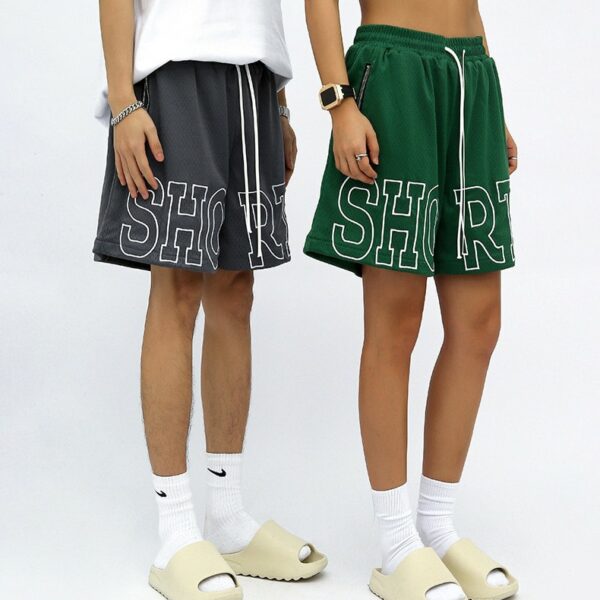
Streetwear is a worldwide trend but China streetwear has its unique touch. Many examples of graphic and street culture in terms of sport are part of the modern style. Streetwear is a way for young people to feel a part of the social scene.
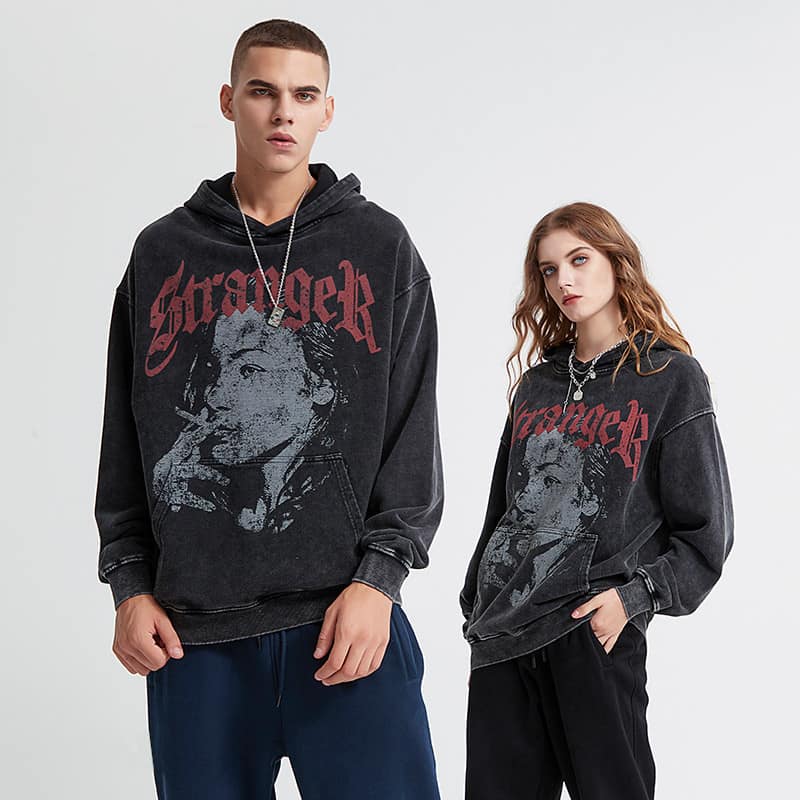
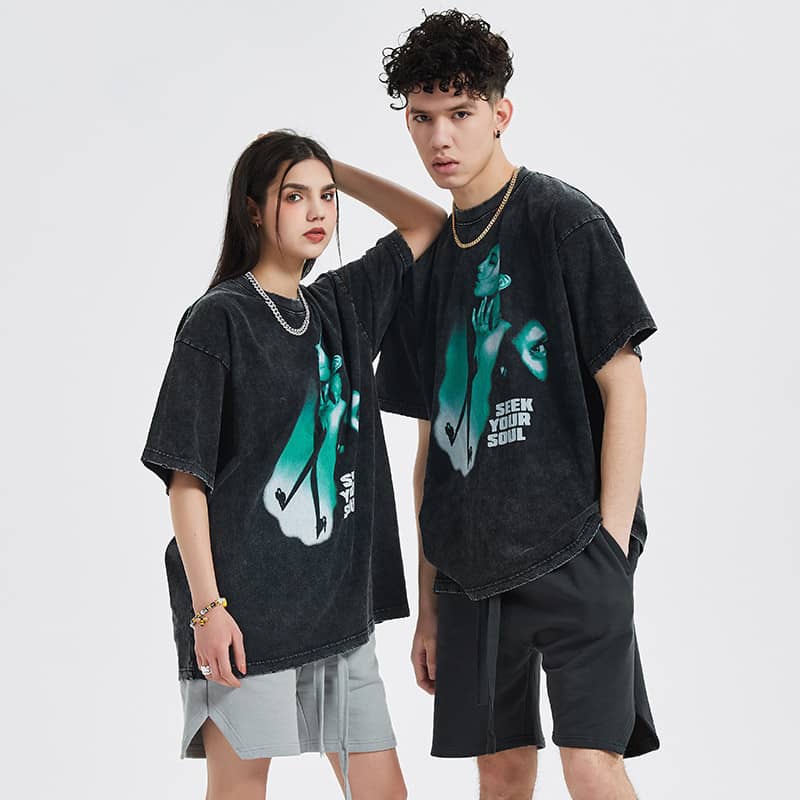
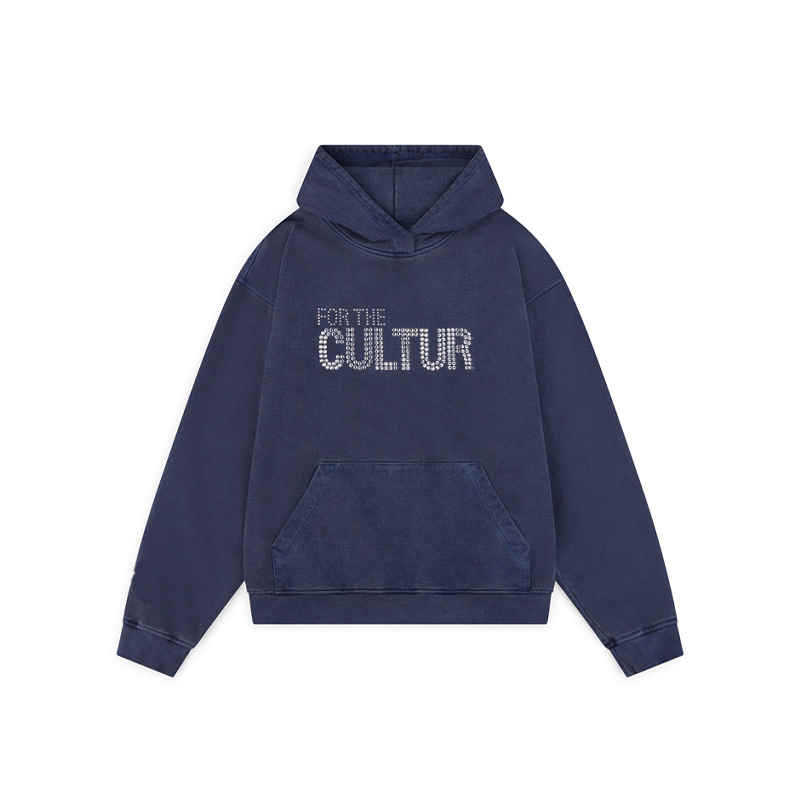
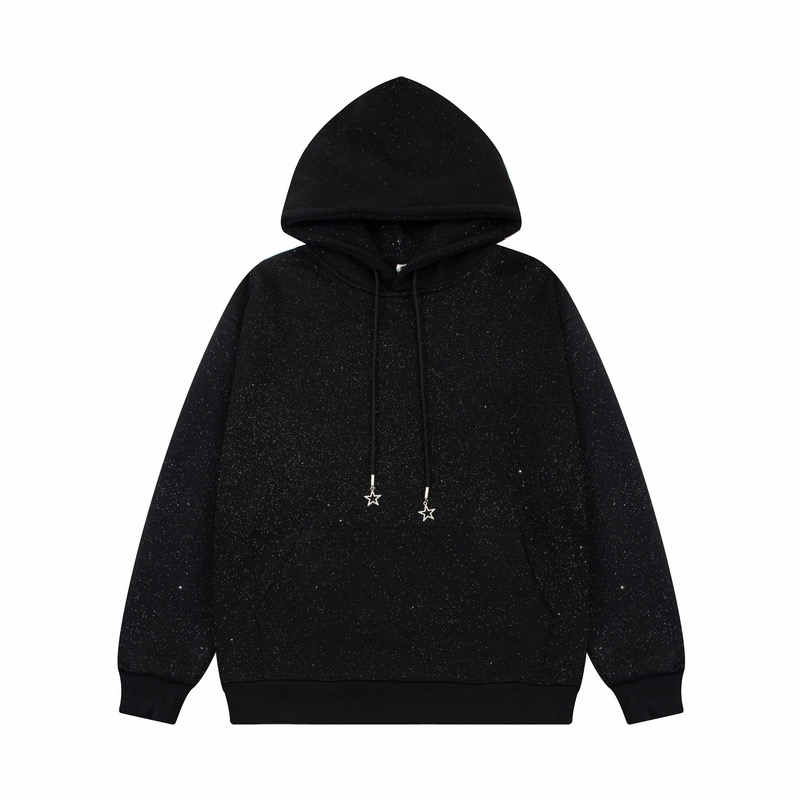
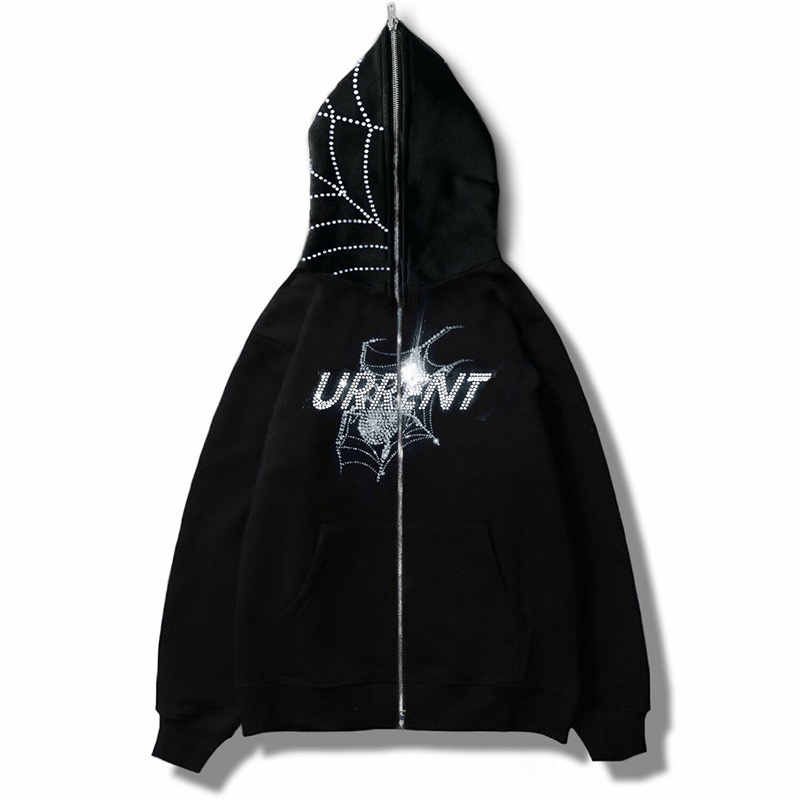
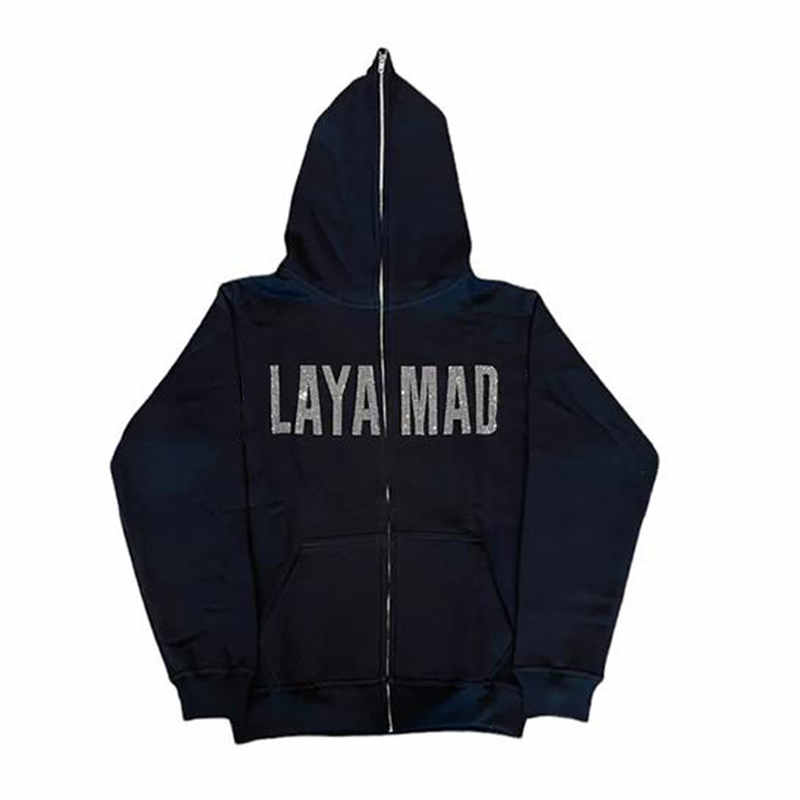
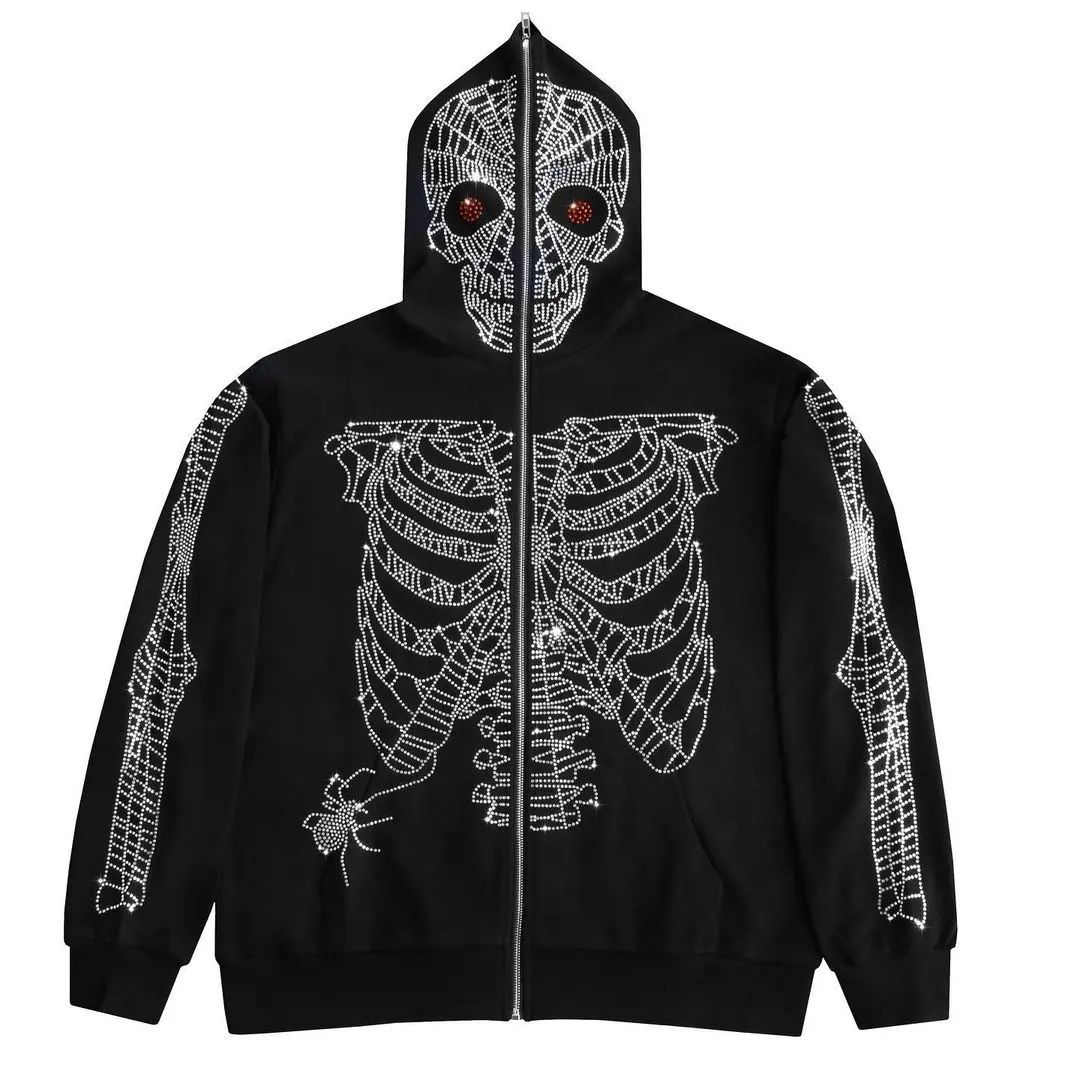
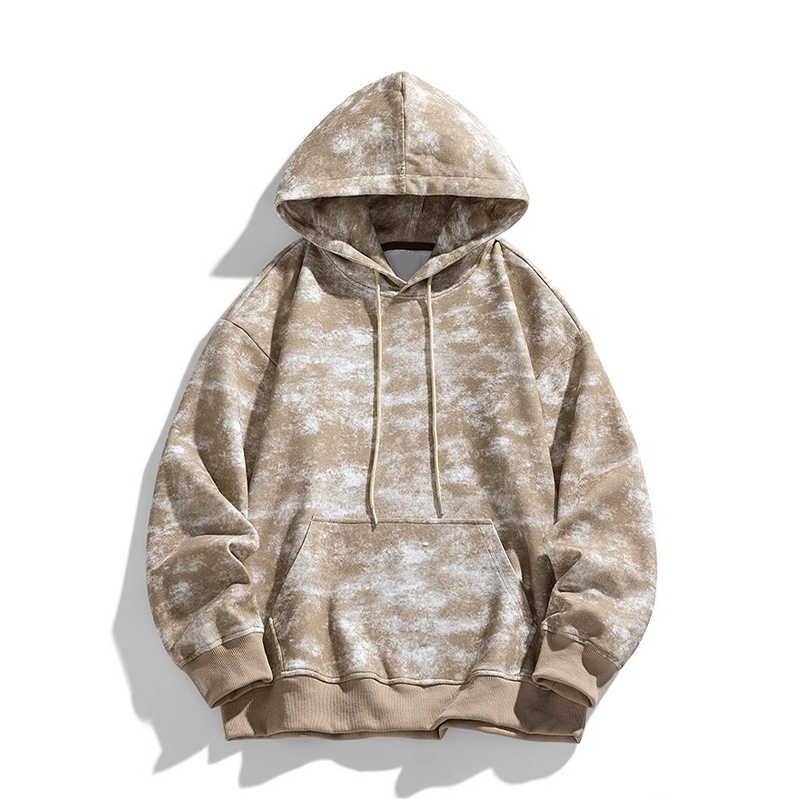
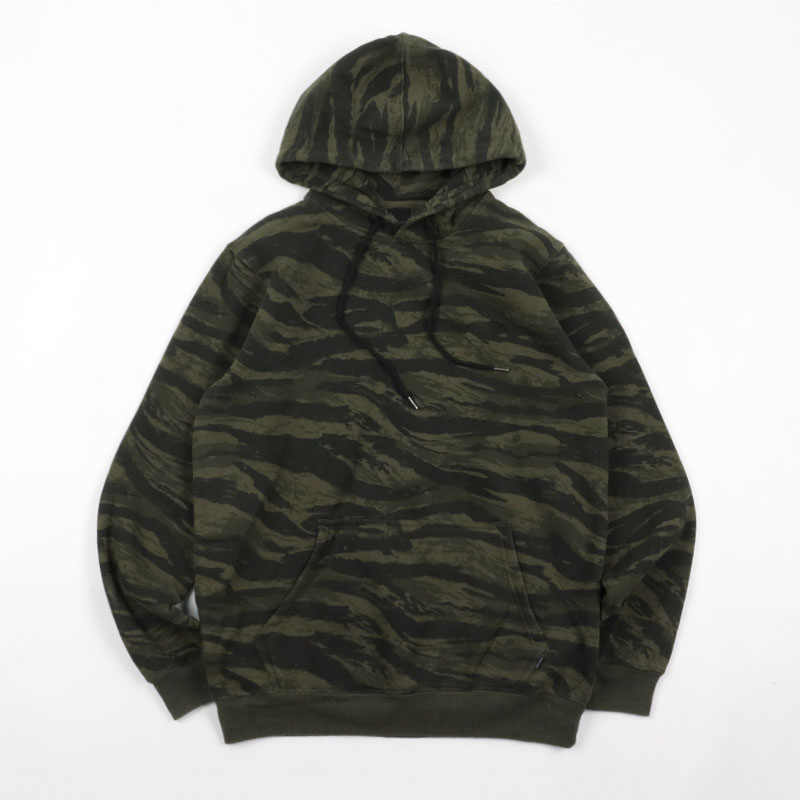
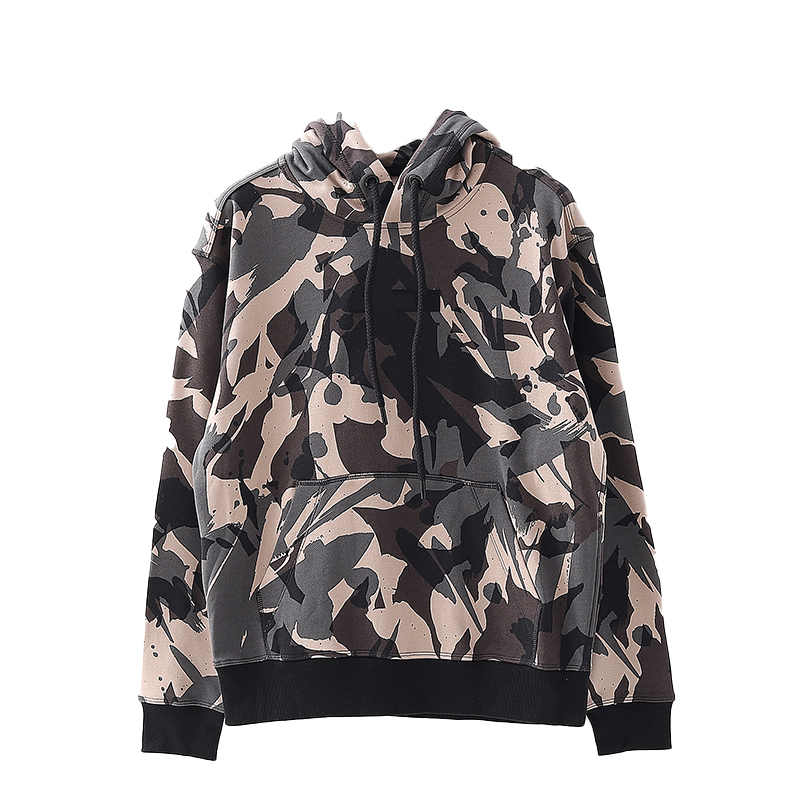
Hoodies and custom t-shirts are at the center of this trend. Brands and individuals want to create unique pieces that stand out through this fashion. As a leading custom hoodie manufacturer, we observe a rise in demand for designs that have Chinese elements. The same goes for custom tees. Skilled t-shirt manufacturers can turn these complex cultural ideas into reality.
Key Textiles and Materials in Chinese Fashion
The conversation about fabrics in clothing focuses on their importance as much as on designs. The quality of a clothing article may depend on them as much as on the assessment by the user or the life span. The choice of fabric can be ancient, luxurious, technological modern, or very informative.
Silk: The Textile of the Emperors
Silk is the most well-known fabric from China. This precious material was produced by the silk moth for over 5000 years. Silk was used as a method of purchase. It is soft, strong, and takes dye beautifully.
In ancient China, silk was worn by nobility only. It was used to make luxury robes, gowns, and wall hangings. Nowadays, silk is still very much in demand in the high-end Chinese fashion sector.
Cotton and Linen: Everyday Comfort
Unlike silk, which was for the rich, the vast majority of folks wore clothes made of cheaper materials. Cotton, linen, and hemp were common wear fabrics. They are breathable and strong, plus they do not require much maintenance.
These natural materials were used in the making of tunics, pants, and work clothes. Cotton and linen continue to be such a popular choice in casual and comfy Chinese clothing as they were yesterday. People around the globe have a growing interest in the clean and natural sense they deliver.
New Age Technical Fabrics
The textile landscape in the Chinese apparel sector has transformed to include a variety of cutting-edge materials. Performance-driven technical fabrics are particularly common. These materials include waterproof textiles that are also breathable, moisture-wicking blends, and stretchable fabrics.
The storyline of these materials is wrapped up in sportswear, streetwear, and beyond. Their integration into chic and practical design lies in simple science. The fact that we are able to collaborate with such fabrics is a primary advantage of innovation that the Chinese textile producers possess.
The Picture of Chinese in the Global Apparel Sector
The portrayal of China in the fashion industry has drastically changed. From an exporter country to its current state as a crucial player in design and a large market for fashion, it has become a major force.
“Made in China” is finding itself in a new light. The old association of it being low-cost production is outdated. It is a synonym for quality, fast delivery, and innovative solutions.
Grasping Beyond “Made in China”
China is a giant in the world’s fashion and apparel commerce. The domestic market boasts a wealth of far-sighted consumers driving trend settings. The findings of a recent market analysis pointed out that China’s fashion market is a juxtaposition of legacy and innovation.
The new outlook sees Chinese designers and brands creating their own clothing for the domestic market first. This shift has released a wave of innovative thoughts. The world is not the only one that is benefiting; China has also emerged as the place where fashion originates.
Insights in Procurement & Manufacturing
Sourcing apparel from China is advantageous in many ways. China’s supply chain is well-structured with a wide array of products you need all in one location that hosts everything from fabrics to zippers.
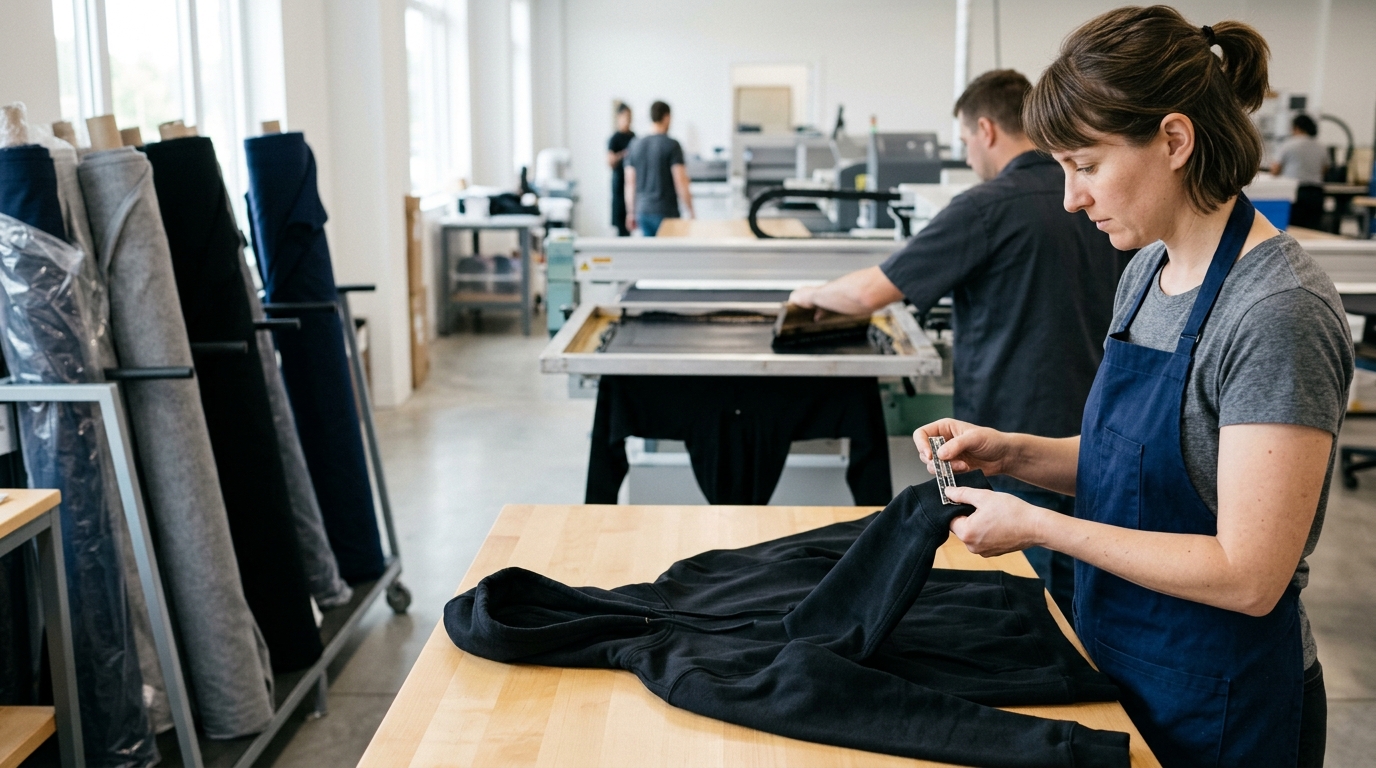
The Chinese factories are typically known for their skilled workforce. They are capable of managing complex design processes as well as large production orders. Alongside this, technology usage is a significant factor in their ability to produce quality garments. This mix of skills, speed, and scale set them apart making it hard to find anywhere else.
Wearing Chinese Apparel: Tips & Tricks
You need not wear a full traditional outfit to enjoy the Chinese fashion. There are many ways to add a Chinese style to your daily life with ease.
The secret lies in the mix. One or two elements that attract you should be combined with your own wardrobe.
Start with Accessories
The sign is that accessories are the easiest to start with. A pretty silk scarf with a classic Chinese painting design would take a plain shirt to a whole new level. An embroidered handbag or a pair of jade earrings can also add a unique touch.
These little items may hold great power. They afford you the opportunity to display your admiration of Chinese art and culture without the need for full-fledged commitment.
Mix and Match Modern Pieces
You can also try blending one Chinese-inspired piece with your modern wardrobe. For instance, you can wear a jacket with a mandarin collar over a simple t-shirt and jeans. Also, you can pair a modern skirt with a top that has traditional frog buttons.
This way of concocting a look is stylish and personal. It displays that you are inclined to cultural exchanges as a way to create something new. There are many guides to modern Chinese style trends that can give you some new ideas.
Finding the Right Fit
When ordering Chinese apparel online, remember to check the size carefully. Sizes can differ from what you expect in the US or Europe. Most sellers offer a size measurement chart.
Measure yourself and compare the figures with what is on the chart. There is a chance you will end up with the right size and avoid frustrations this way. It is wiser to measure twice and order only once.
The Future of Chinese Fashion
The future of Chinese apparel looks promising. It will still be a combination of both tradition and innovation. I predict there will be a growing number of brands that embrace ethical and sustainable production.
The global influence of Chinese fashion will only grow. It is through the fusion and cultural heritage alongside technology that the designers are creating the next chapter in the saga of Chinese clothes. The innovative style will continue to win over the hearts of people all over the world.
FAQ (Frequently Asked Questions)
1. What apparel is the most popular in China?
In all honesty the most recognized form of clothing is probably the Qipao (or Cheongsam) around the globe. Hanfu is a brand that is fast catching on as a representation of traditional Han people clothing.
2. What do Hanfu and Qipao differ from each other?
Hanfu is a rather old style of dressing which includes long-flowing robes, wide sleeves, and is thousands of years old. The Qipao is a modern dress, which is fitted, that came out in the early 20th century.
3. Are non-Chinese people allowed to wear Chinese clothes?
Yes, provided that it is done respectfully. Wearing Chinese clothing is a way of appreciating the culture. It’s significant to know the meaning of clothes and not wear them as a costume.
4. What is “Guochao” fashion?
“Guochao” translates to National Tide. It is a term that is used in China by the young when they prefer local brands that are celebrating their culture and wearing them. The design is often a mix of traditional symbols and modern streetwear styles.
5. Where can I find clothing that is authentically Chinese?
You can explore many online retailers that sell authentic Chinese clothing. If you are looking for modern, custom-designed streetwear with Chinese influences, teaming up with experienced manufacturers who understand the style is a perfect solution.