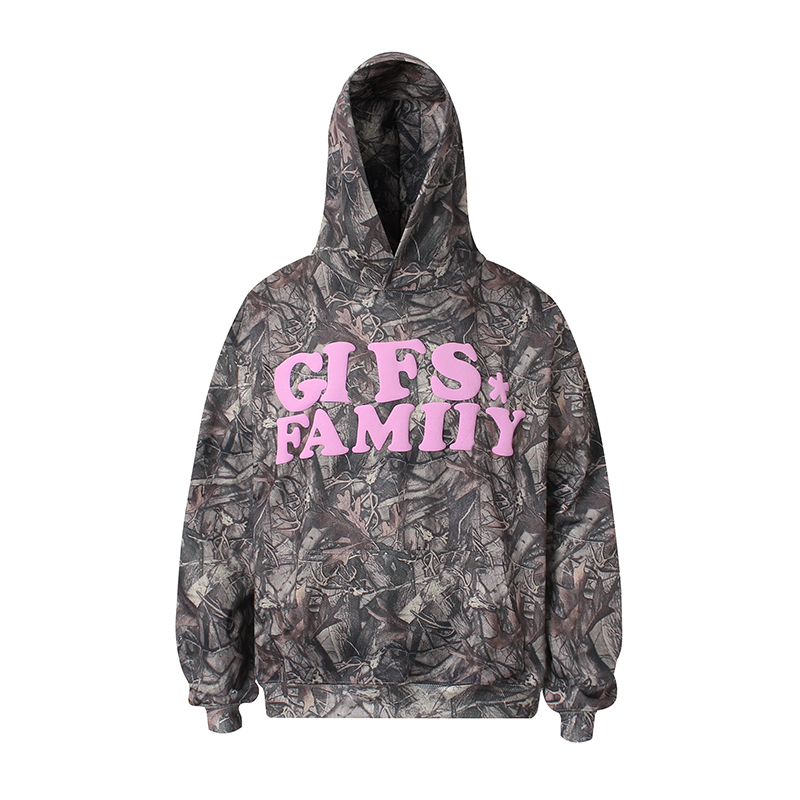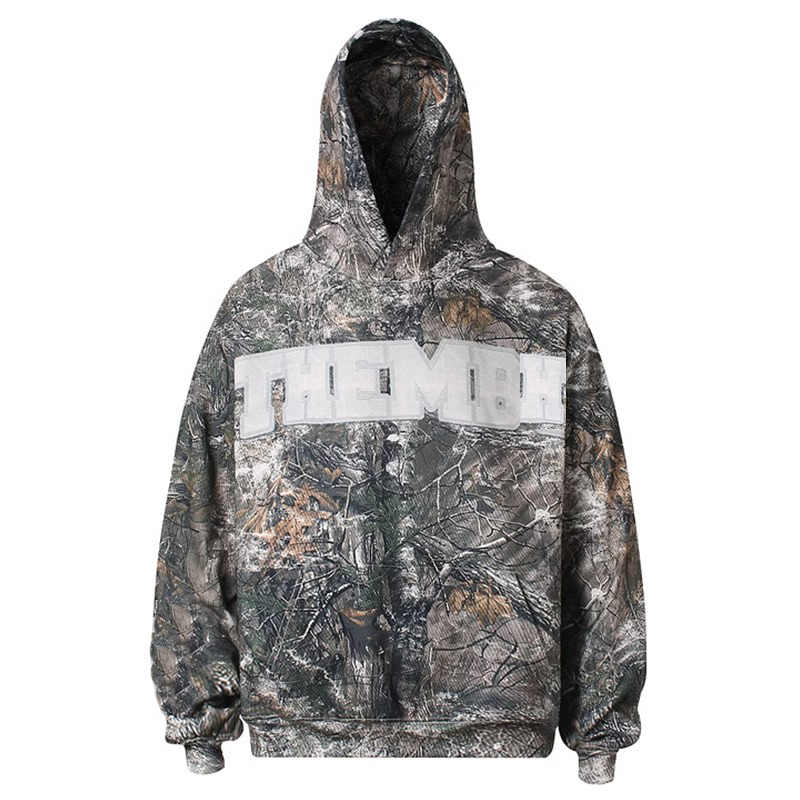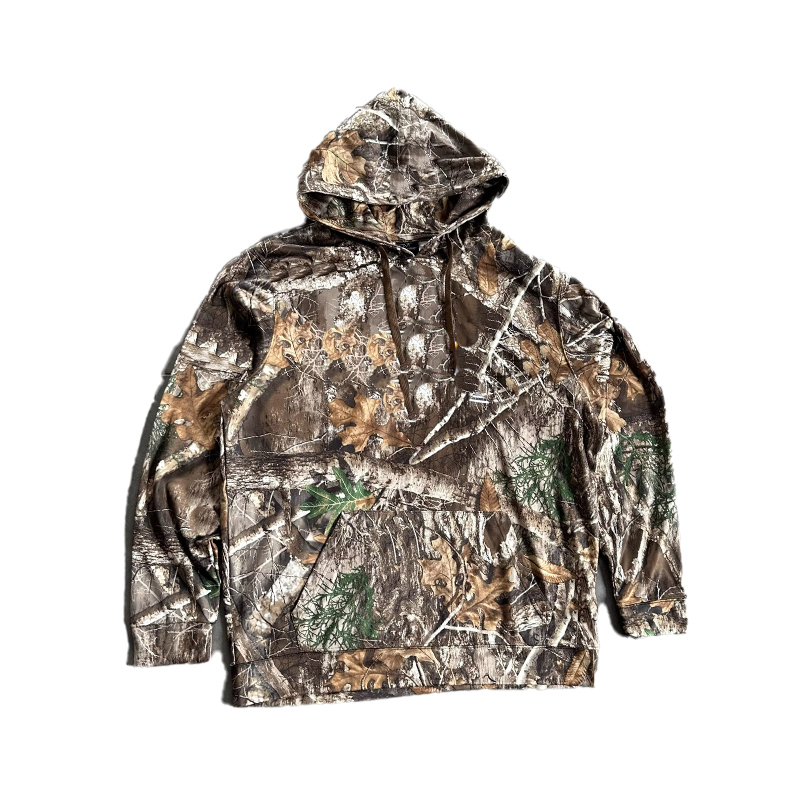
For the sake of your brand, it is vital to choose the most suitable printing method. It’s something that concerns the quality of your products, the reputation of your brand, and the profit you generate. If you get it wrong, your products will have fading designs and your customers will be upset. If you get it right, you will be producing clothes that have a long lifespan.
Practical clothing screen print proves to be an excellent method. It can produce clothes that are bright, highly visible, and have a professional look. It’s the method of choice for many successful brands for a very good reason.
This is the right guide for you. Whether you are a budding streetwear brand owner, launching a business, or managing marketing for branded clothes, we’ve got you covered. We are going to show you everything about this printing technique including how it works, different methods, design preparations, and finding a manufacturer. You can think of us as your production partner.
What is Clothing Screen Printing? The Main Process
To put it simply, clothing screen printing is the advanced version of stenciling. Your design is cut out from a mesh screen, which then allows ink to be pushed through to the fabric. The ink that is used is directly applied to the fabric. This is how a durable image is made. It combines the expertise of a craftsman with that of an engineer.
This technique has been around for many years. Thus, the knowledge of the basic concepts will empower you to make good choices for your brand.
The Step-by-Step Breakdown
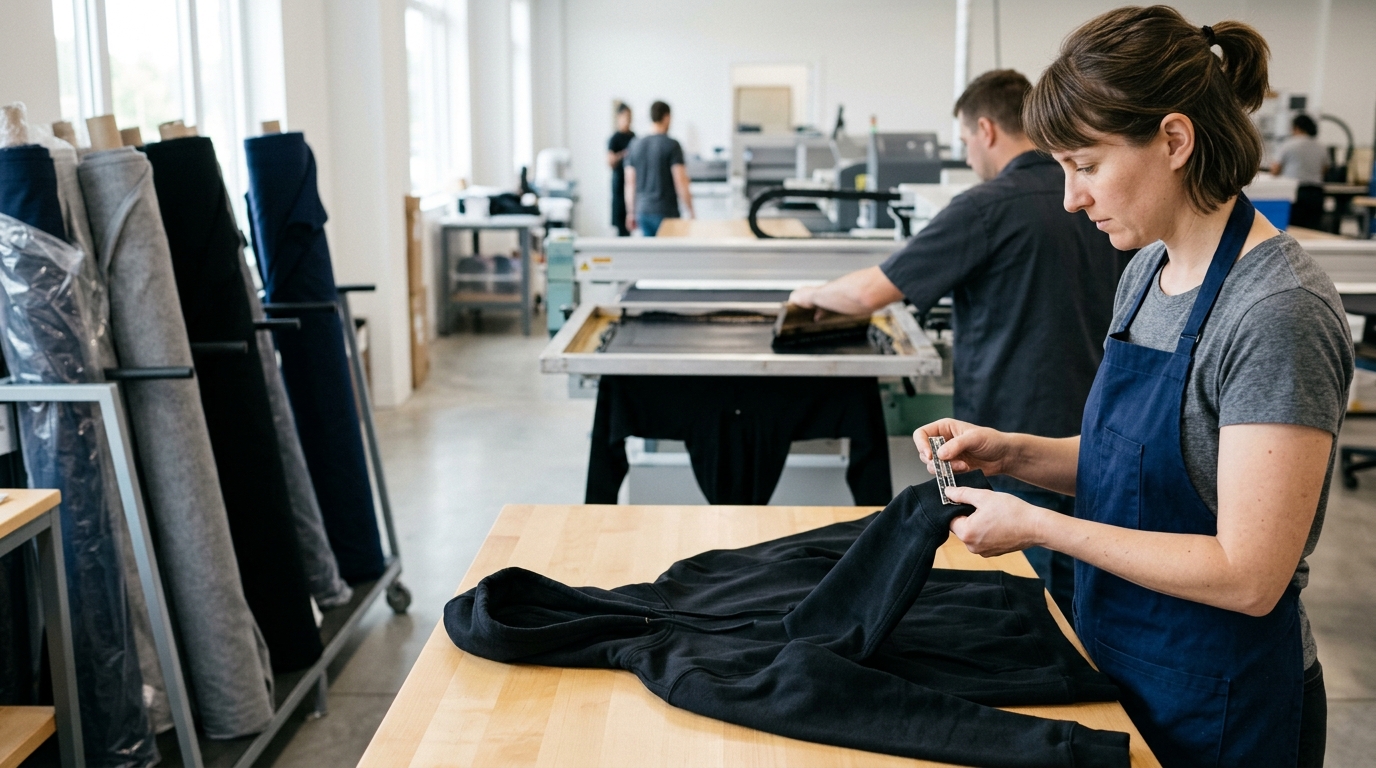
The Screen printing method is a systematic procedure that follows each step meticulously. Quality is a constant concern from the very beginning. Here are the four main steps.
- Step 1: Design Separation: Your artwork is separated according to color. Each color becomes a separate digital layer. A design with four colors will get separated into four layers.
- Step 2: Screen Creation: Each color layer is printed on clear film. A mesh screen is coated with a unique chemical that responds to light. A bright UV light shines through the film on the screen. The chemical that is hit by the light hardens. The covered parts (your design) stay soft and wash off. This results in a perfect stencil for that color.
- Step 3: Ink Application: The shirt is secured tightly onto a flat board called a platen. The screen comes down, and a squeegee pushes ink through the mesh onto the fabric. This is repeated for each color. Each color requires its specific screen.
- Step 4: Curing: The printed shirt passes through a hot conveyor dryer. The heat is responsible for curing the ink and binding it to the fabric’s fibers. This ensures that the ink is permanent and can pass a wash.
Common Terminologies to Understand
- Mesh Count: Indicates the number of threads per square inch that the screen contains. More threads encapsulate finer details. Fewer threads work well for bold designs and thick inks.
- Emulsion: The light-sensitive chemical on the screen that makes a stencil when exposed to UV light.
- Squeegee: The rubber blade that pushes ink across the screen and forces it through the stencil onto the shirt.
- Platen: The flat board where the shirt gets mounted for printing.
The Importance of Choosing the Right Printing Method: A Strategic Comparison
Brand owners should also ask “when should I use clothing screen print?” The real question they should have in mind is “when is it best for me to use it?” The decision that you make influences the cost per item, the look and feel of your product, and the length of time that production takes.
Smart decision-making arises from comparing screen printing with other popular printing methods, including Direct-to-Garment (DTG) and Heat Transfer (including Direct-to-Film, or DTF).
Screen Print vs. Direct-to-Garment (DTG) vs. Heat Transfer
DTG printing is much like your basic printer, but on fabric. It sprays ink directly onto the shirt. Heat transfer is a process where a design is first printed on a special film or paper, and then it is applied to the shirt with heat and pressure.
Here is a comparison of their performance:
| Printing Method | Best For (Use Case) | Cost-Effectiveness | Durability | Feel on Garment | Design Complexity |
|---|---|---|---|---|---|
| Clothing Screen Print | Bulk orders (>24 pcs.), simple designs (1-6 colors), brand merchandise, uniforms. | Very low cost per unit for large orders. High setup cost upfront. | Best option. Lasts as long as the shirt. | Depends on the ink type (Plastisol sits on top, Water-based feels soft). | Great for solid colors and simple graphic art. Complex gradients work but require more skill. |
| Direct-to-Garment (DTG) | Single items, samples, small batches, detailed multi-color designs with photos. | Good for single items or small runs. Price stays the same per item. | Good quality. May fade after many washes. Not as tough as screen print. | Very soft due to the ink soaking into the fabric. | Excellent. Can print millions of colors, perfect for photos and detailed art. |
| Heat Transfer / DTF | Small orders, synthetic fabrics (polyester), full-color logos on hats or bags. | Good for small runs. Works well for complex designs in low quantities. | Quality is not consistent. Modern DTF is fair, but can crack or peel over time compared to screen printing. | Can feel like plastic on your shirt. Less breathable. | Very good. Handles full-color graphics well. |
Our Expert Recommendation
Let the needs of your project be the primary factor that will guide your choice. Pick clothing screen print for production runs where you want consistency, durability, and cost advantages for large quantities. It will be your best shot to build your core stock.
Use DTG when you want to test a design, make a custom piece, or carry out a small batch that has complex, photo-realistic art. As we discuss in our craft introduction, choosing the right technique is critical for any new brand.
Taking into Consideration Different Kinds of Clothing Screen Print Techniques and Inks
The basic process is merely a starting point. Different kinds of inks and unique processes provide creative avenues. This knowledge helps you vividly articulate your vision to the printer, and it also can assist you in creating a truly unique product.
Having these options at your fingertips also helps you turn average merchandise into premium clothing.
The Common Types of Ink and Their Effect
- Plastisol Ink: The most widely used, it is made from oil and plastic. It’s a thick, bright, and highly durable ink. Plastisol ink remains on the fabric’s surface, which causes colors to be exceptionally bright, especially on dark shirts.
- Water-Based Ink: This ink is absorbed by the fabric; as a result, the print becomes much softer and more breathable. It feels like there is no print at all. It is suitable for a vintage style or premium feel but it works best on light-colored shirts.
- Discharge Ink: A specialty water-based ink that is used on dark, 100% cotton shirts. It removes the original color of the shirt, replacing it with the ink’s color. This creates the softest print possible as the design becomes part of the fabric itself.
Main Printing Techniques
There are a lot of Different Types of Screen Printing Techniques that create unique looks.
- Spot Color Printing: The most popular method. It uses pre-mixed colors to print solid areas. It’s the best for almost all logo and graphic designs.
- Halftone Printing: This technique uses different-sized ink dots of one color. It produces a gradient effect and therefore looks more colorful. It’s a clever way of giving depth without needing more screens.
- Puff Print: A special additive is mixed into the plastisol ink. This makes the print “puff up” while curing. It creates an extraordinary three-dimensional texture.
A Brand Owner’s Step-by-Step Guide to an Effortless Screen Print Project
More than an appealing design is required to progress from an idea to the final collection. How you prepare your files and communicate with your manufacturer matters. It’s the ultimate determinant of success.
Having handled thousands of projects, we assure you these steps lead to smooth processes and excellent final products.
Step 1: Preparing Your Artwork for Success
- Vector is King: Always send your artwork as a vector file (.AI, .EPS, .SVG). Vector art can be scaled to any size without a loss of quality. A regular image file (.JPG, .PNG) is made of pixels and will get blurry when enlarged. This leads to poor-quality screens.
- Color Callouts: Never rely on the colors on your screen. Use the Pantone Matching System (PMS) to define exact color codes. This will guarantee that the final print matches your brand guidelines, no matter who does the printing.
- Simplify for Cost: Clothing screen print costs are directly related to the color count. Every color requires a new screen, and each screen setup may cost between $20 to $40. Reducing your design from five colors to three can substantially lower your per-unit cost on bulk orders.
Step 2: Choosing the Right Garment
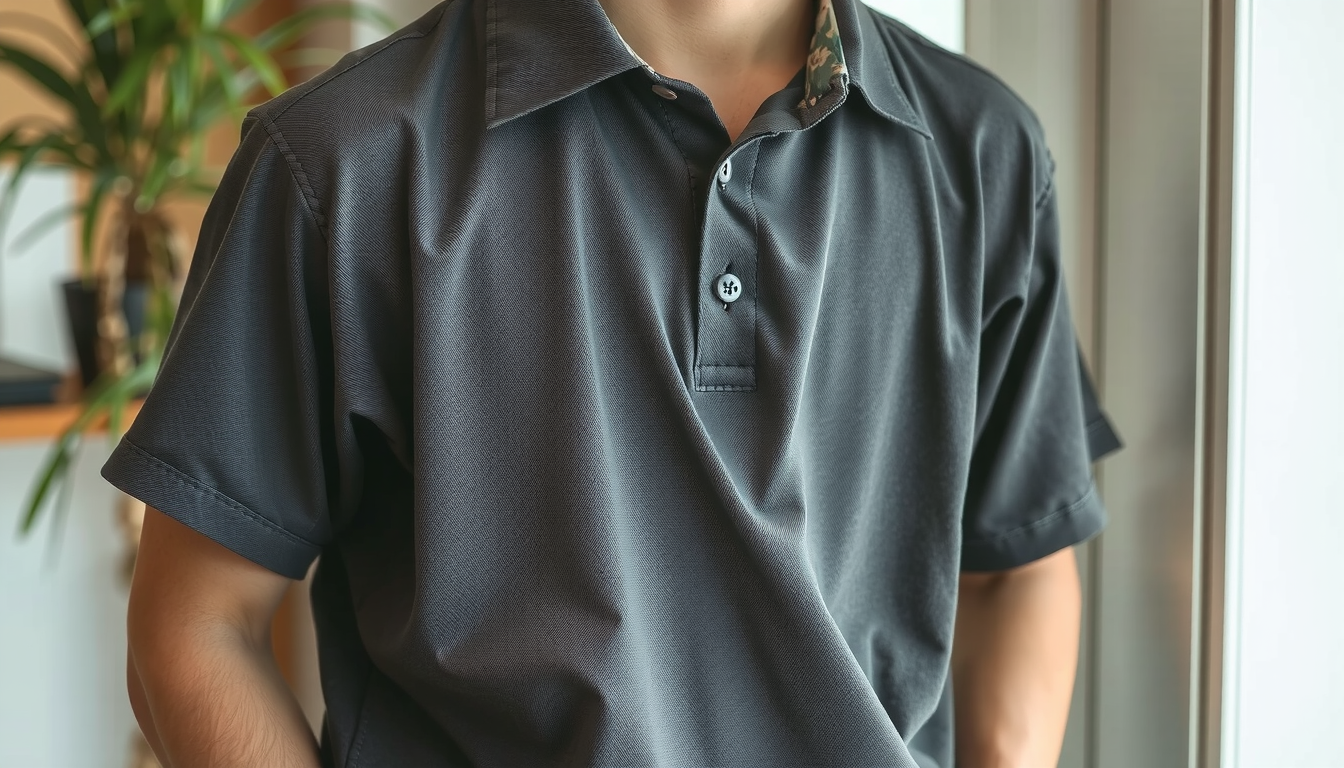
Selecting the right fabric is as important as the choice of ink. Different fabrics react with inks in unique ways.
100% cotton is the ideal choice for most inks, especially discharge and water-based. Polyester blends may cause “dye migration,” where the fabric’s dye mixes with the ink. Printers can solve this problem with special inks or base layers. As a dedicated hoodie manufacturer, we know high-quality hoodie fabric is vital for achieving excellent prints.
Step 3: Reviewing Your Sample (The Most Critical Step)
Never approve full production without obtaining a physical sample first. This is your most significant quality check.
When you receive your first sample, don’t just look at it. Feel it. Stretch the print area slightly—does the ink crack? Rub the print—is the surface smooth or rough? Check the color against your specified Pantone colors in natural light. This hands-on check is the best quality control you can get.
What to check for:
* Registration: Are all colors lined up perfectly with no gaps or overlaps?
* Color Accuracy: Does the final print match your specified Pantone colors?
* Ink Opacity & Smoothness: Is the print bright and solid, with no fabric showing through (especially on dark shirts)?
* Hand-Feel: Does it have the soft or solid feel you expected based on the ink type?
Finding the Right Clothing Screen Print Partner
A manufacturer is not just a supplier. They are your partner in the success of your brand. Proper checking will ensure that you enjoy consistent quality, reliable service, and expert guidance.
A great partner will help you avoid mistakes and improve your final product.
Questions You Need to Ask a Possible Printer
- What are your Minimum Order Quantities (MOQs)?
- Can you show me samples of your previous work with different ink types?
- What’s your standard turnaround time for a sample and for full production?
- Do you offer finishing services like custom neck tag printing, folding, and poly-bagging?
Why Choose an Experienced Partner
An experienced partner can provide more than just printing. They are experts in knowing which inks are compatible with which fabrics. They ensure that thousands of items have the same color consistency. Good communication is their hallmark. They act like an extra member of your team. At Clothing Manufacturer Ltd., we make it our priority to deliver screen printing which is transparent and of the highest quality. Ultimately, Screen printing allows for vibrant, durable prints that a professional partner can guarantee for your brand.
Frequently Asked Questions about the Clothing Screen Print Process
We have answered the most common questions brand owners ask about the clothing screen print process.
1. How long does a screen print on a shirt last?
A screen print done well is one of the most durable methods of decorating clothes. This is because it joins chemically with the fabric and should last the lifetime of the shirt. It won’t crack or peel if it is taken care of properly (wash inside-out on a cool cycle).
2. What is the minimum order for clothing screen printing?
This varies between print shops. Because of the work and materials needed to set up screens, most have a minimum order of 24 to 50 pieces per design. Clothing screen print works best cost-wise at these higher volumes.
3. Can you screen print on dark-colored clothing?
Absolutely. This is a key strength of screen printing. To make colors appear bright and true on dark fabrics, printers put down a “white underbase” layer first. The other colors get printed on top of this white base, which makes them pop.
4. Can screen printing replicate a photograph on a t-shirt?
Yes, it can be done using advanced techniques like Simulated Process or CMYK printing. These methods use fine dots of ink to blend colors and create photo-like images. However, for a single shirt or very small run, Direct-to-Garment (DTG) printing is often more practical and cost-effective for photos.
5. How much does clothing screen print cost?
Price depends on three main factors: the total number of shirts, the number of colors in your design, and the specific shirt you choose. The more shirts you order and the fewer colors in the design, the lower your cost per piece will be.