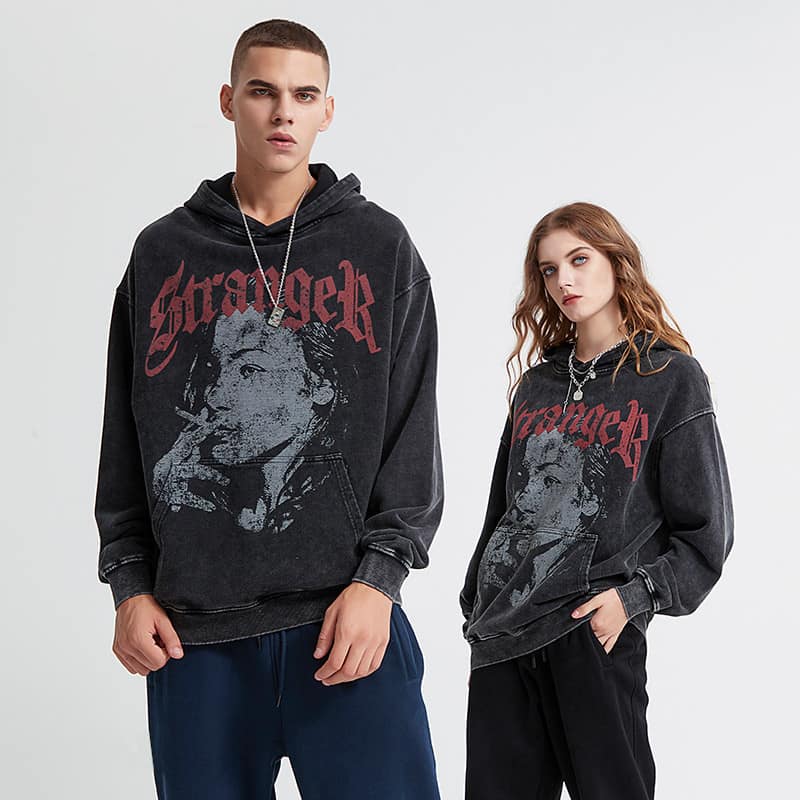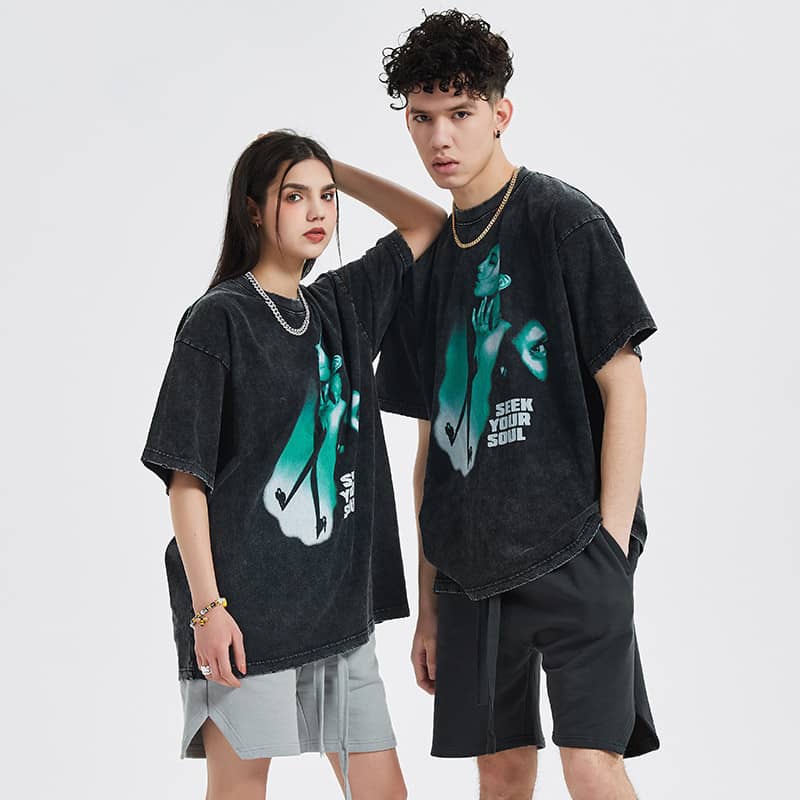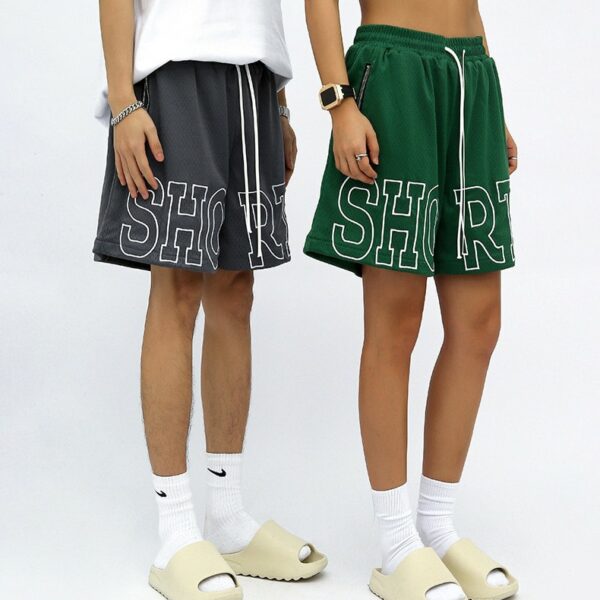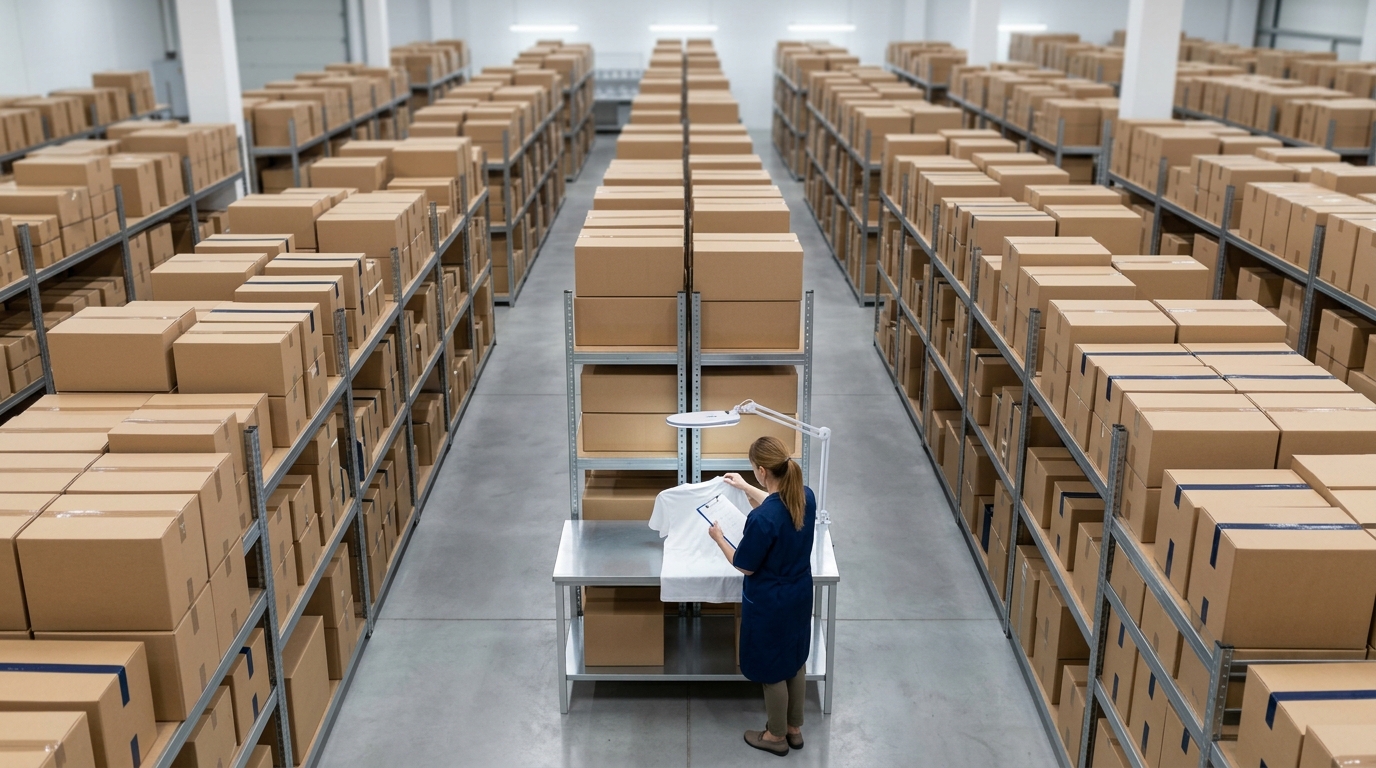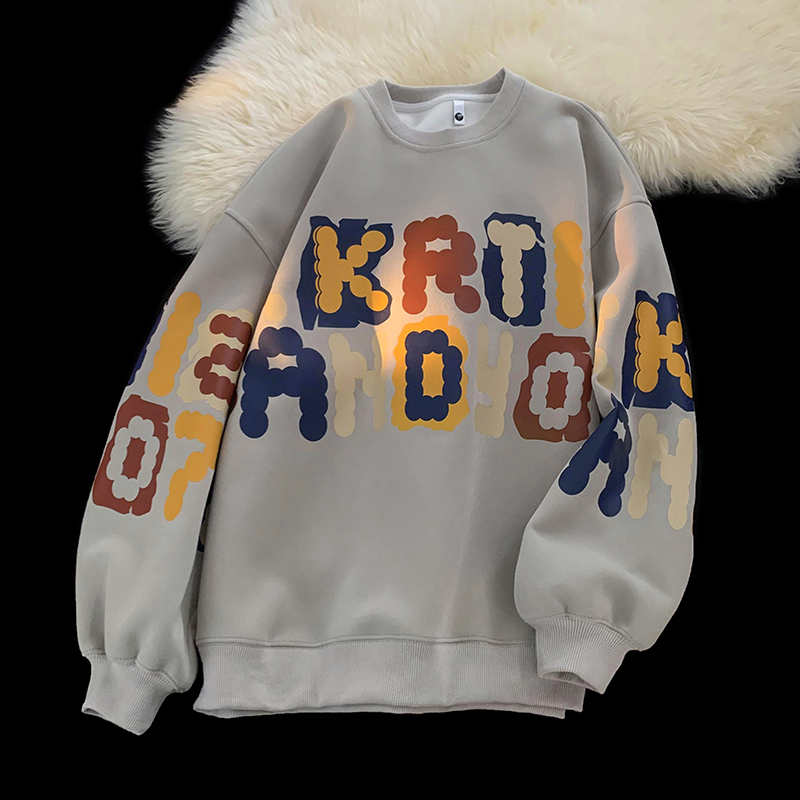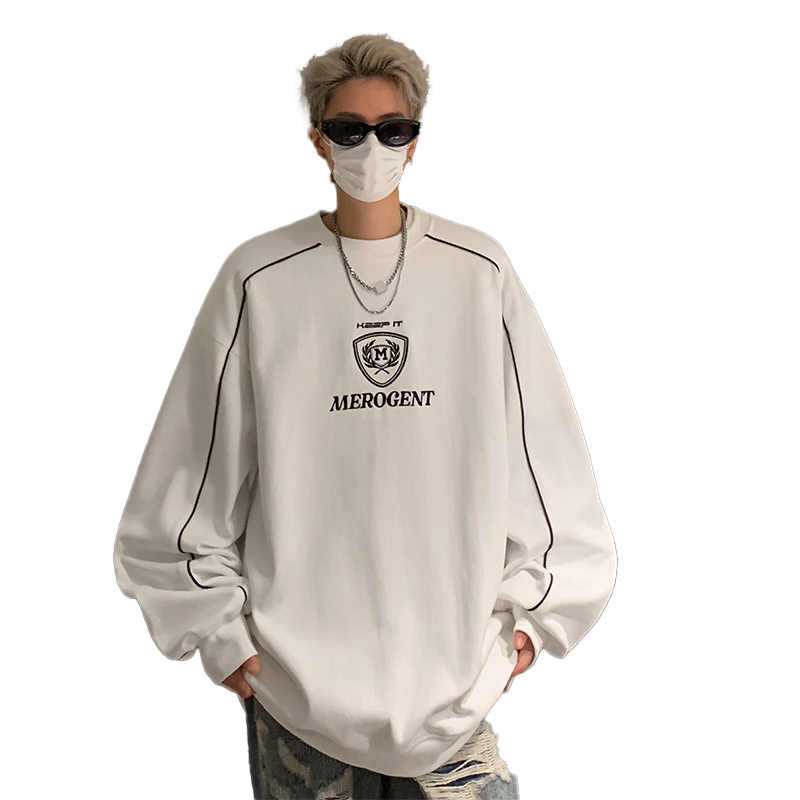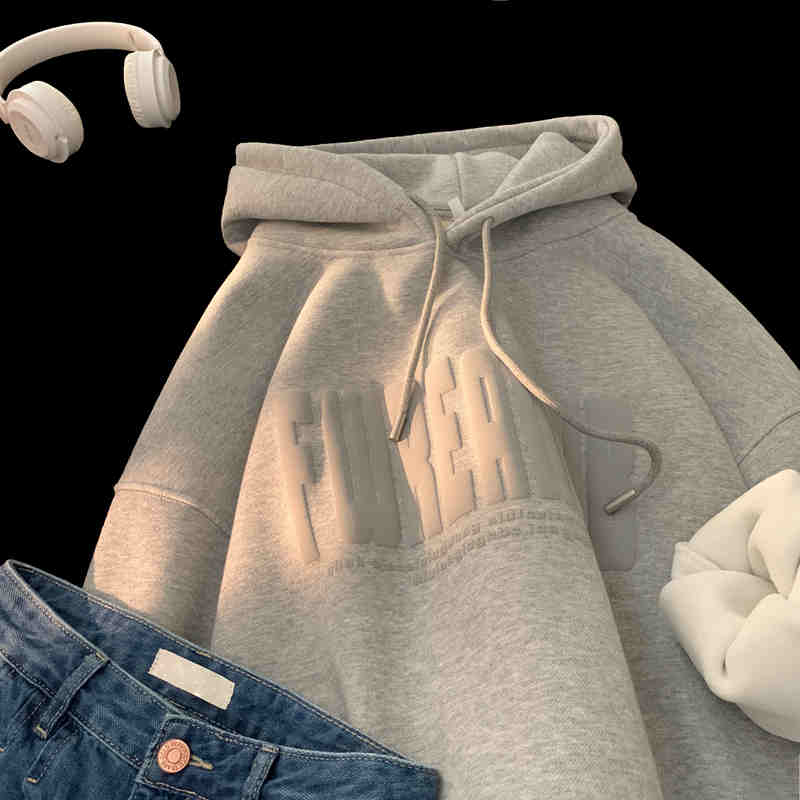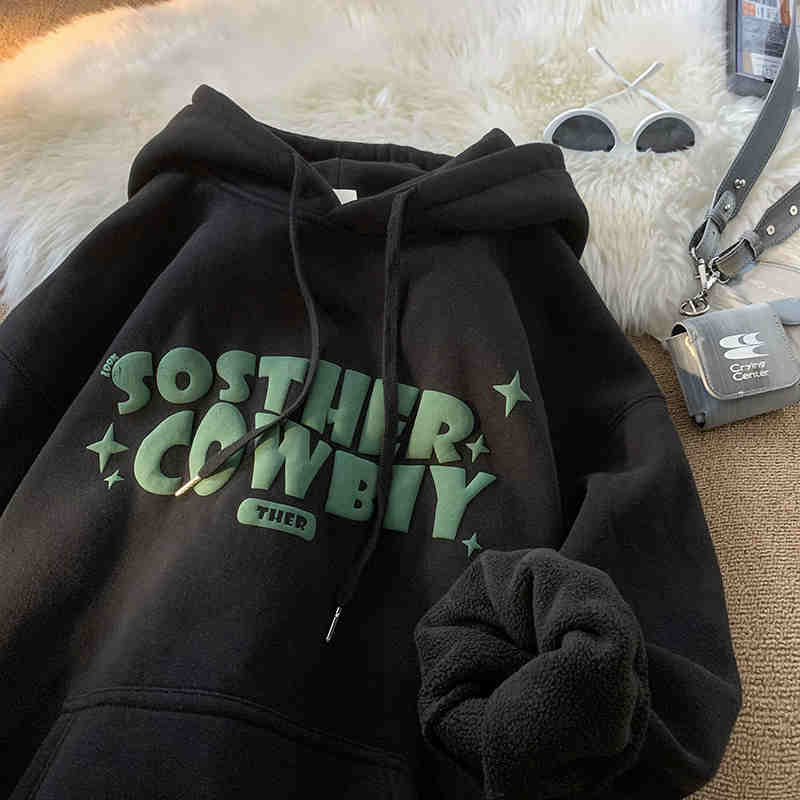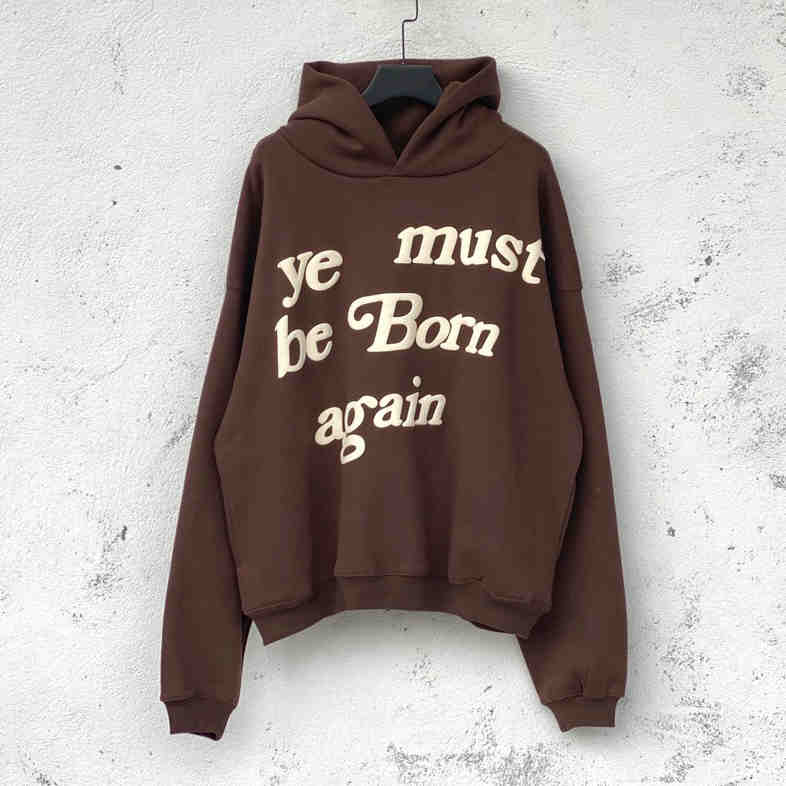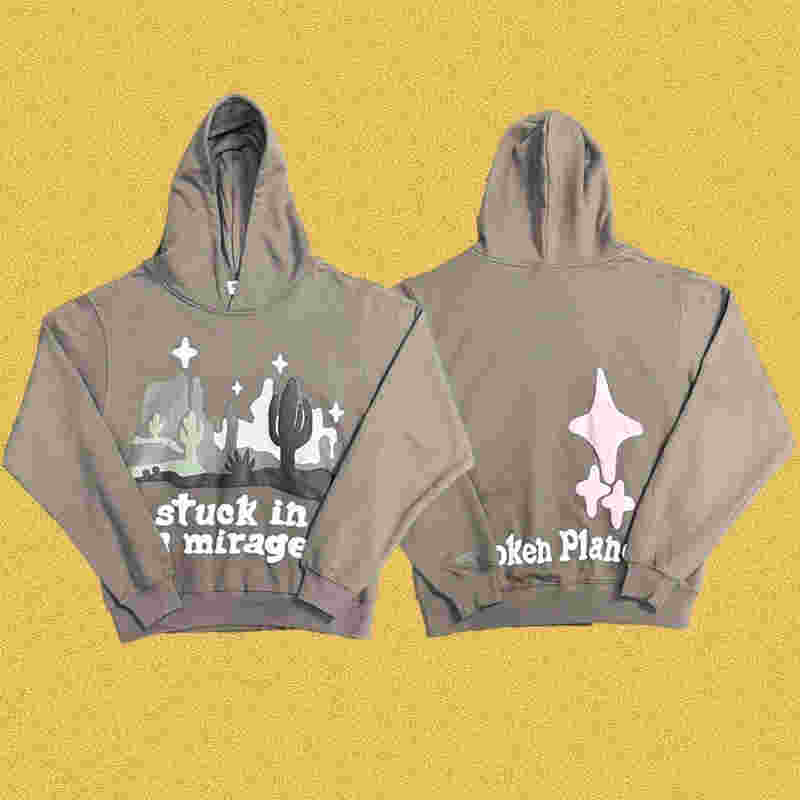
Want to create clothes that make people stare? Custom all-over print clothing is a great choice. It shifts a normal clothing item into a complete area for your imagination. This guide provides all the necessary information to get started. From the history to the final product this guide has it all. We are here to help you make the right choice for your business or project.
What’s the First Thing You Should Know? What is All Over Print (AOP) Clothing?
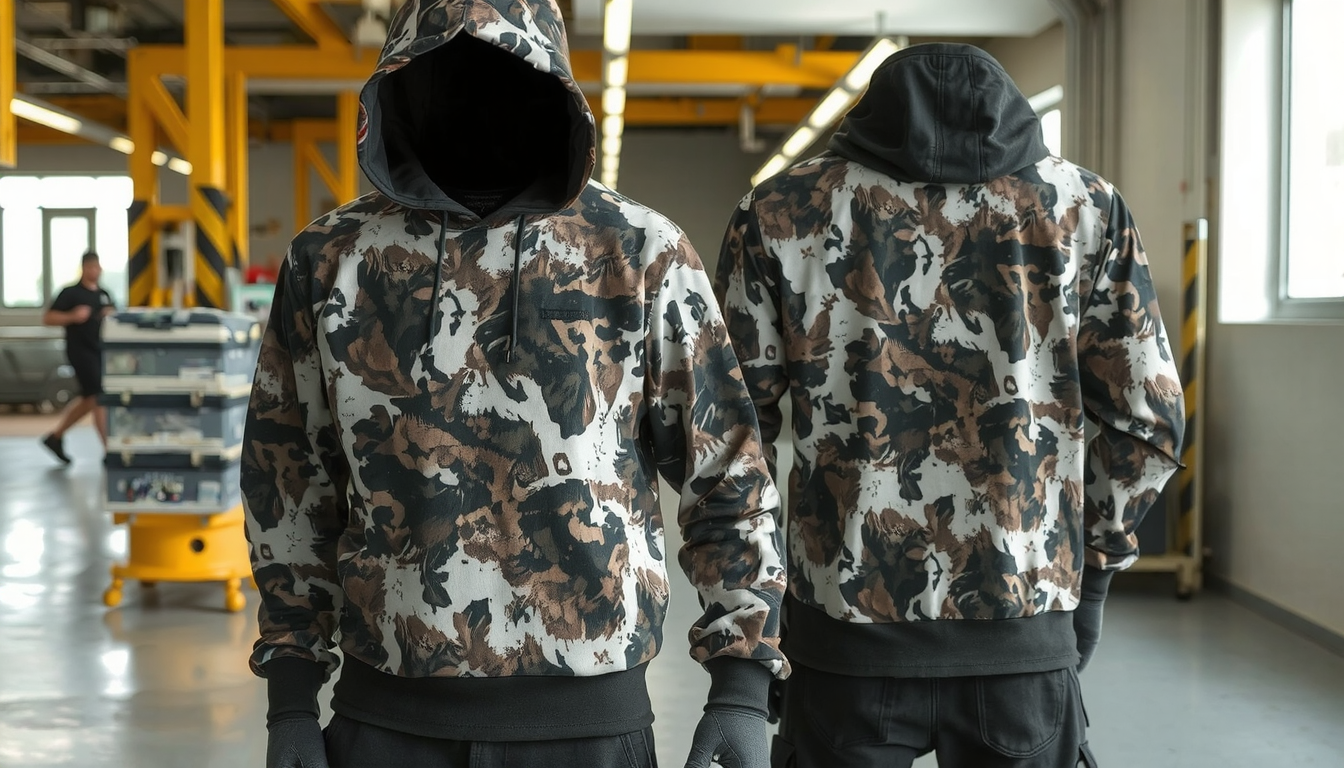
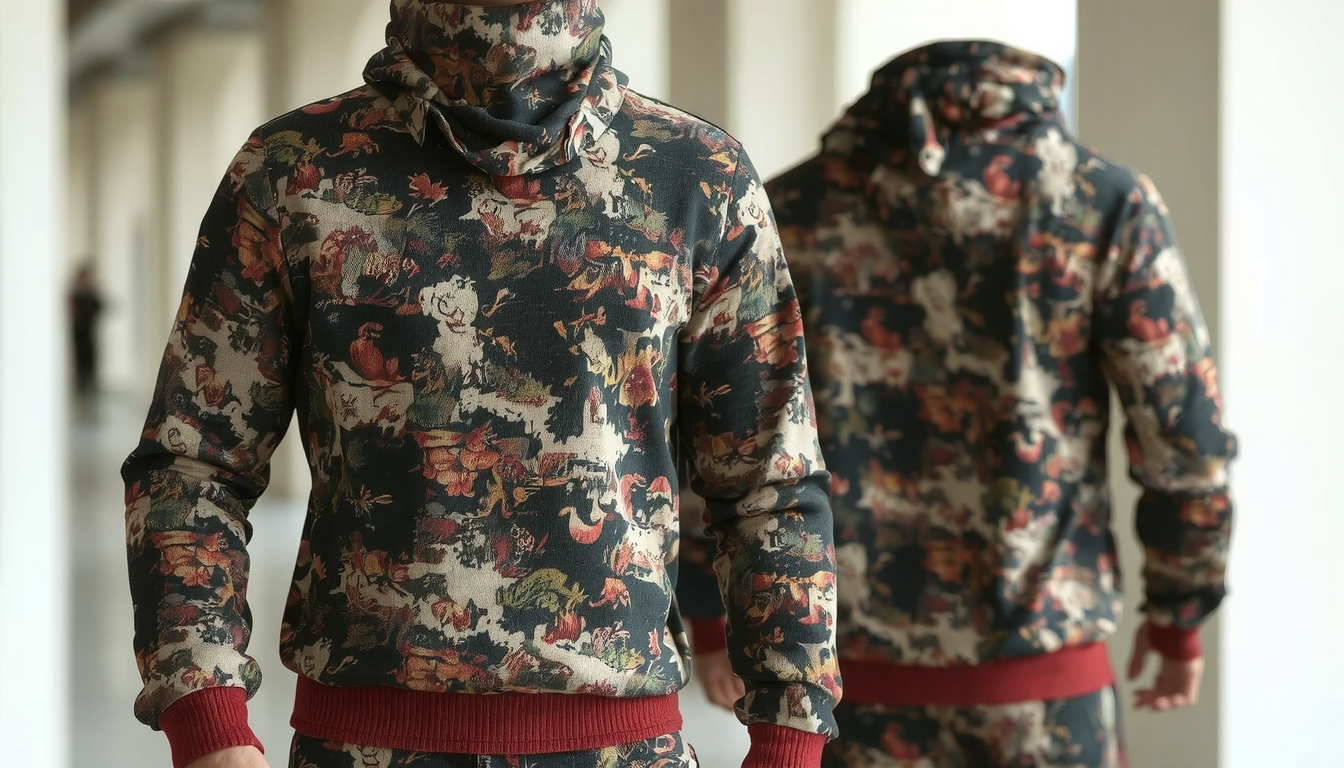
Another name for all over print is AOP. It is a technique that allows you to cover an entire clothing item with your own print. It creates big graphics that reach from edge to edge. The approach is ideal for designing truly rare clothing.
What is “All Over Print”?
All over print is a technique that allows you to put a design on the entire surface of clothing. The print goes over seams, sleeves, and collars.
This is very different from traditional printing. A traditional print is a small design located in one area only. For instance, think of a logo on the chest. AOP allows the entire piece of clothing to act as a support for your artwork. T-shirts, hoodies, leggings, and more all support this method.
Why Go for Custom All Over Print Clothing?
The sky is the limit when it comes to creativity. Custom all over print clothing is on the high side of the fashion scale. The millennials are in the race of finding their individuality through exclusive stuff. By 2030, the market for custom t-shirt will hit $9.82 billion. This is proof that people want things personalized.
The main advantages are:
- Infinite Imagination: Your design will be the only one. Just think of the expansiveness of it.
- Color that is Bright and Lasting: The tech background becomes the source of long-lasting colors.
- AOP is the High-End Look: AOPs feel like they just came off from a high fashion show.
- Total Representation of the Brand: You can tell without any words what your brand is about.
The Mechanism of the Print: Dye-Sublimation and Screen Printing
Knowing about the printing technology is necessary for finding the right partner and process. All over print styles can be done by either dye-sublimation or screen printing. Each has its own advantages.
Dye-Sublimation: The AOP King
Dye-sublimation is the most common and favored way of producing high-quality custom all-over print clothing. It gives a soft feel and finish to the print that you can build. As high-quality printing services often explain, the dye sublimation process is by heating and pressure that causes the ink to bond with the fabric.
The procedure is made up of three steps. Initially, your design is printed on a specific transfer paper. Thereafter, the paper and fabric are put into a heat press. The high temperature turns the ink into vapor. This vapor intimately intertwines itself with the polyester fibers of the fabric.
- Advantages: The print will be for all time, it won’t crack or peel. It feels soft and has unlimited colors. It can even make photo-quality details.
- Disadvantages: This method is only effective on 100% and high polyester fabrics. It does not yield impressive results on pure cotton.
All Over Screen Printing: A Different Approach
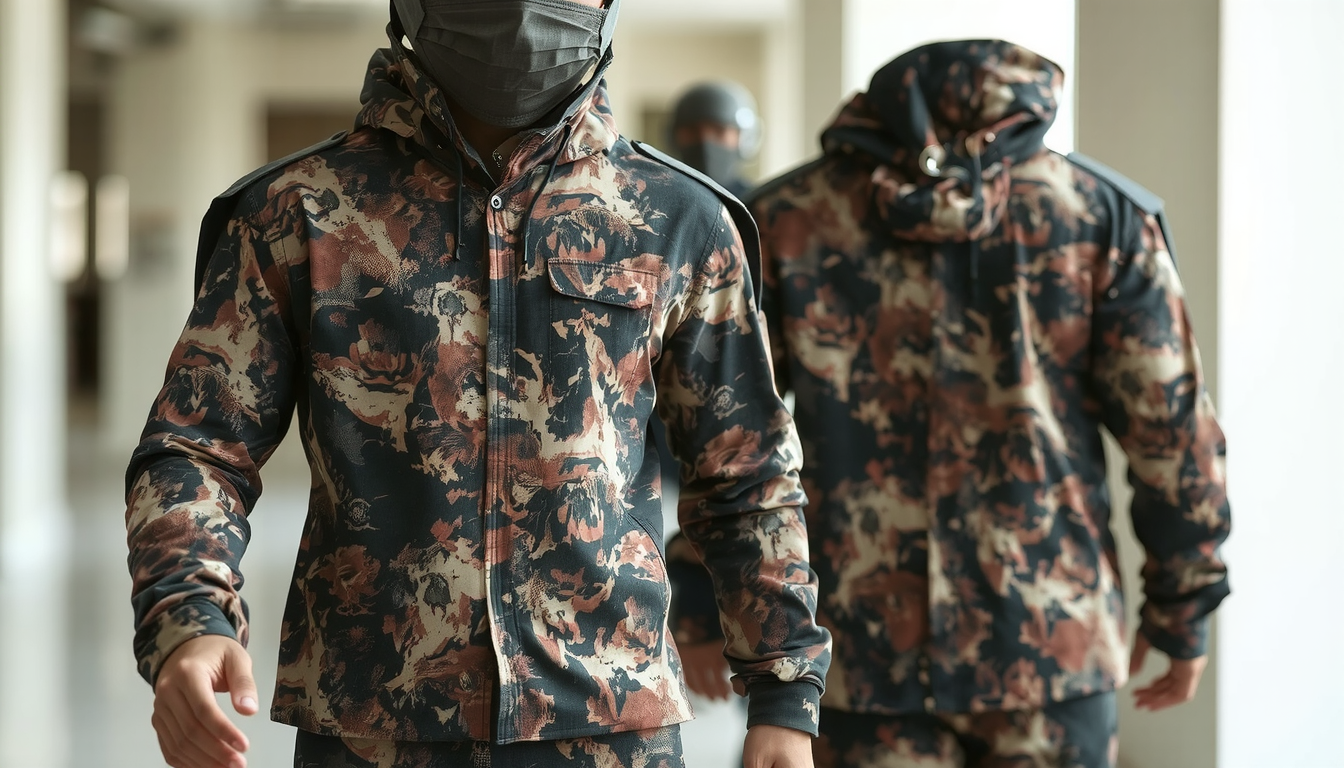
All over screen printing is the more classic way. It’s about pushing ink through a fine mesh onto the clothing material. For each color in a design, a separate screen is needed.
Yes, it can be used for AOP. But the complexity level of the designs will exclude it from being used on complicated or photo-like art. The ink remains on top of the fabric fibers instead of becoming a part of them.
- Advantages: The method can be effective on cotton. It promotes color variety and the bright colors end up very solid.
- Disadvantages: The design is not limitless, the number of colors is a concern. The weight of ink can sometimes be annoying. Also, the details are finer on the seams, which makes it hard to get through.
Two Caps to Success: Cut-and-Sew vs. Post-Assembly Printing
AOP also comes in different forms. The manufacturing technique has a huge effect on the quality of the clothing. Understanding “cut-and-sew” and “post-assembly” printing is a key indicator. This way, making a usual mistake is out of the equation, and you will have the professional look you want.
Method 1: Cut-and-Sew (The Best Standard)
The main method of cut-and-sew clothes is often considered more effective for custom all-over print items. In this process, your design is printed first on the large rolls of fabric.
After printing, the fabric is cut into garment parts, like the front, back, and sleeves. The custom-printed parts are sewn together to make the final product. This ensures that your design is all over the clothing without any empty patches. The seams are also flawless.
Method 2: Post-Assembly Printing (The Low-Cost Variant)
Post-assembly printing is faster and cheaper. In this method, a piece of clothing gets a design printed on it directly. For example, a white t-shirt with a print is one of the examples.
This means it is not the ideal choice for projects but it has some drawbacks. Depending on the project, errors are easy to have. For instance, one might notice white patches or no prints that form streaks near the seams. The problems are also visible around the armholes or collar area. This issue occurs due to the fabric being folded during printing and the dye not reaching that area.
What is the Right Method for Your Project?
The method you choose will depend on your purpose, budget, and quality requirements. If you run a high-end streetwear brand, cut-and-sew is the only option. For a low-cost promotional item, post-assembly may be acceptable.
| Feature | Cut-and-Sew AOP | Post-Assembly AOP |
|---|---|---|
| Coverage | 100% Seamless, Edge-to-Edge | Inconsistent, potential white streaks |
| Quality | Professional, Retail-Grade | Good, but with potential flaws |
| Cost | Higher | Lower |
| Best For | Premium brands, detailed designs | Promotional items, budget projects |
A Practical Guide to Designing for Custom All Over Print Clothing
A good idea is just the tip of the iceberg. A design file that is technically valid is the first thing you need to print well. By following these steps, many common mistakes can be avoided. This is what you do to make your design a reality.
Step 1: Select the Right Software
The software you use plays a crucial role. There are two significant kinds: vector and raster programs.
Vector software is pretty much synonymous with Adobe Illustrator. It is very mathy software. Lines and angles are literally created by assigning the math outputs. Your project can be scaled to any size you want without any data loss. This is the software for logos and graphic-based designs.
On the other hand, raster-based software is like Adobe Photoshop. This program creates images by manipulating pixels, those tiny dots we hear so much about. It is the tool of choice when working with photographs and going the complex and detailed route. It’s best to work on a high resolution if you wish.
Step 2: Understand the Technical Specifications
Your printer will ask you to meet specific technical requirements.
- Resolution: Make it a thumb rule to have 300 DPI (dots per inch) or higher. DPI is the number of dots that are printed in a line of one inch. A low-resolution file (like 72 DPI for web) will look blurry and pixelated when printed on a large piece of clothing.
- Color Mode: Your screen shows colors in RGB (Red, Green, Blue). Printers use CMYK (Cyan, Magenta, Yellow, Black). Always set your design file to CMYK. This makes sure the colors print accurately.
- File Format: Most printers accept high-quality file formats like PNG, AI, PSD, or TIFF. These formats keep the quality of your design.
Step 3: The Layout That Works
How you organize your design is vital for AOP. As our experience shows, here is a simple checklist.
- The Bleed Area: A bleed is extra space for your design that goes beyond the cut lines of the clothing parts. This is vital for cut-and-sew. It makes sure no unprinted white edges appear after the fabric gets cut and sewn.
- Seamless Patterns: If your design repeats, make sure it connects perfectly. Test your pattern to make sure there are no awkward lines where it repeats.
- Critical Element Placement: Keep important parts of your design away from seam lines. This includes logos or text. Placing them too close to the edge risks them being cut off or distorted during sewing.
- Mirroring and Alignment: Think about how the front and back of the clothing will line up. If you want a continuous design that wraps around the body, you need to plan the alignment carefully.
Your Vision Turned Real: Getting a Partner and Starting Your Brand
Once you are done with the design phase, it’s time to step into production. You got two main ways. You may either go for a print-on-demand service or you can deal directly with a clothes manufacturer.
Option 1: Print on Demand (POD) Services
Print-on-demand channels are comfortable for testing the waters with no consequences. You will be able to upload your designs. They will do the printing and shipping for the order once a customer grants it.
This means there are no minimum orders. No management of inventories is required. But, you lose some control of the product quality. The majority of the POD services are using post-assembly printing. Consequently, their margins of profit are less than when they print items with higher quality.
Option 2: Working with a Custom Clothing Manufacturer
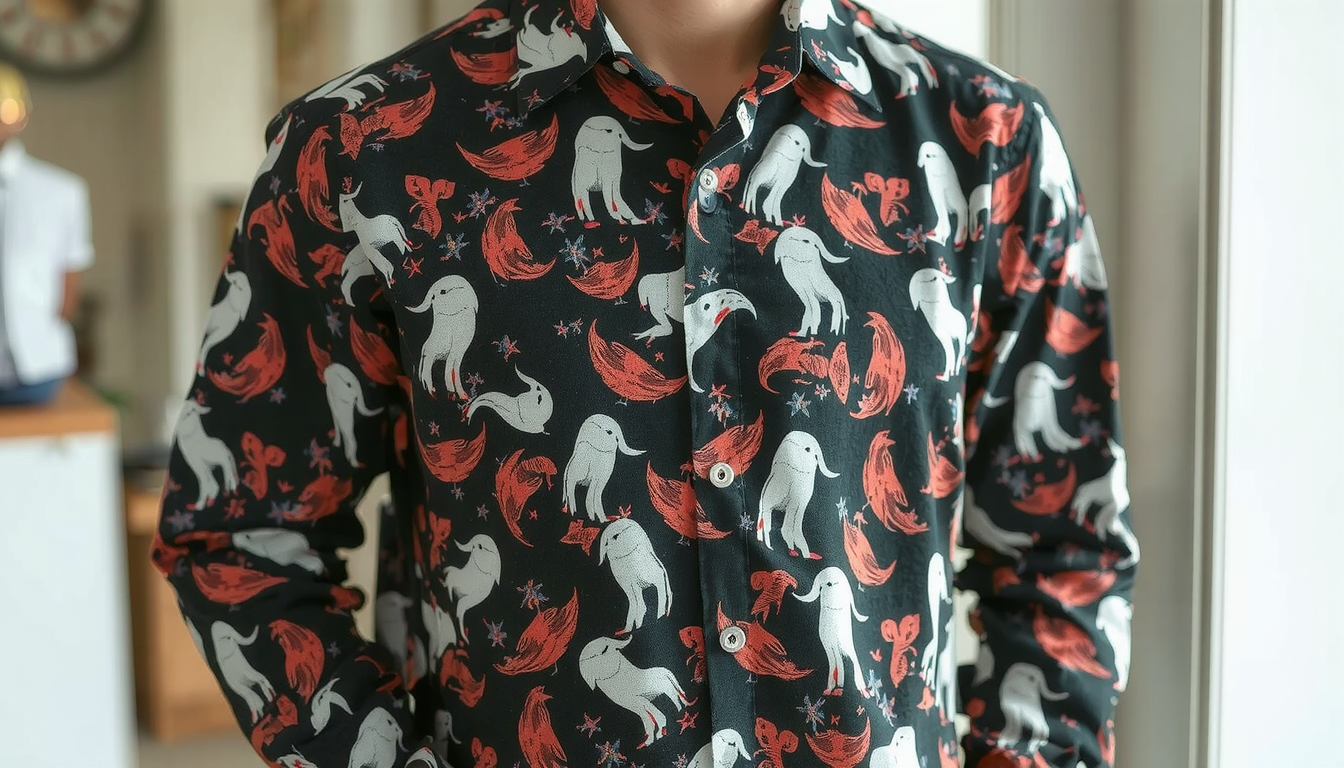
For those who are really serious about establishing a brand, a custom clothing manufacturer is the best option to go for. This is a path that gives you the power to seven things. Make it low by choosing the cut-and-sew option.
The process of working with a manufacturer like TZ Streetwear is what actually gives you the freedom to design. Creating your own product is the way. You should imagine a custom all over print hoodie that is really outstanding. A minimum order is required most of the time for this option.
Taking the Nuclear Option: AOP as the Foundation of Your New Brand
Custom all over print clothing can be turned into a fantastic way through which you highlight your brand. You can set yourself apart right from the word go by being different and doing something unique. This move reflects your confidence and demonstrates your creativity.
Should you want to start a clothing line, a good brand identity is the first precondition. To be on the right track, have a look at our guide on how you can create a potent brand introduction that will connect with your audience.
The Common Questions (FAQs) About Custom All Over Print Clothing
Here are the answers to some common questions that people usually ask about making custom all over print clothes.
1. Which is the best fabric for all over print clothing?
100% polyester is the best option for the brightest and the most permanent dy-sublimation prints available. Polyester blends are also a good option, for example 80%-polyester & 20%-cotton. However, the print may have a more “vintage” or faded look. This happens because the dye only bonds with the polyester fibers.
2. Can you do all over printing on cotton t-shirts?
Standard dye-sublimation doesn’t work on 100% cotton. But there are other options. Many manufacturers use all-over screen printing for cotton clothes. Another method is “direct-to-fabric” digital printing. But for the best durability and color brightness, dye-sublimation on polyester remains the industry standard.
3. Do you have to order a minimum for custom AOP clothing?
This will depend on the type of provider. Print-on-demand (POD) services allow you to order just 1 item. Custom manufacturers with premium cut and sew services, however, typically have a minimum order quantity (MOQ). For example, TZ Streetwear has a MOQ because they need to recuperate the costs of setting up the production run.
4. How can I stop my design from looking blurry or pixelated?
Providing a high-resolution design file is the most important thing you can do. You should create your artwork at 300 DPI (dots per inch) at the final size that the piece will be printed. An image that looks very good on your computer screen may look blurry if it has too low resolution for a big piece of clothing.
5. How long will a custom all over print last?
A dye-sublimation print has been made permanent. The process uses fade-resistant prints that are fused directly into the fabric fibers. Thus, the print is not going to crack, peel, or fade away with time or washing. The print will last as long as the product itself.