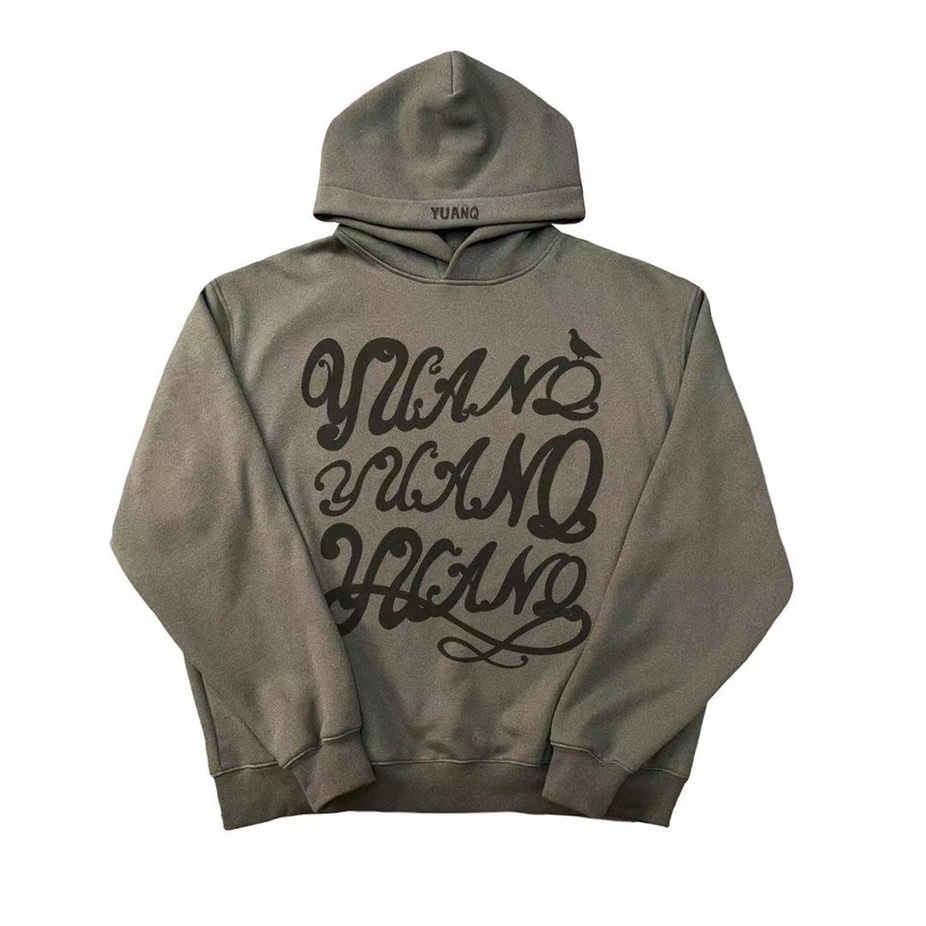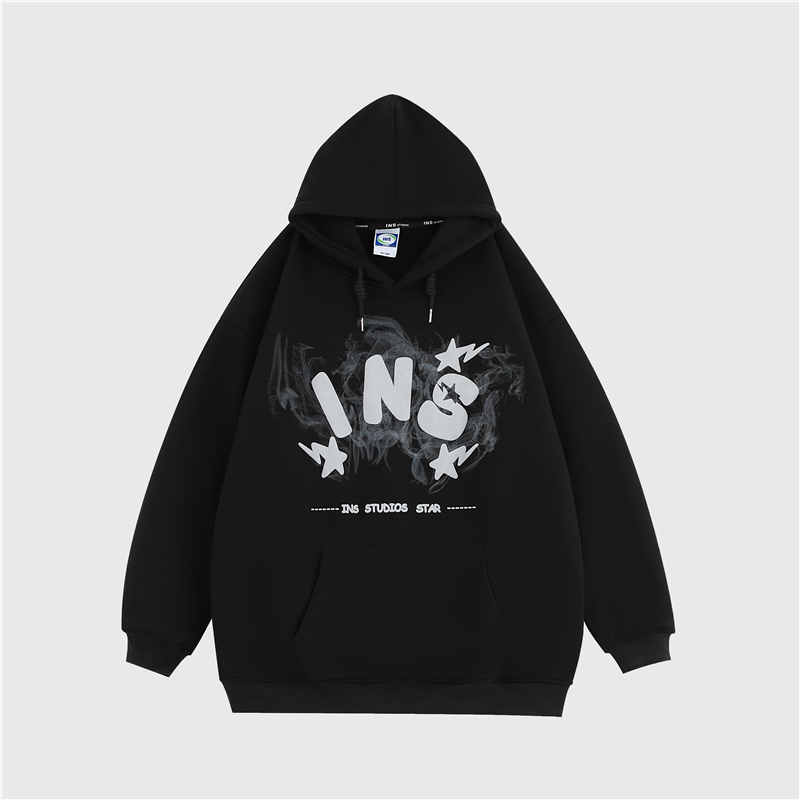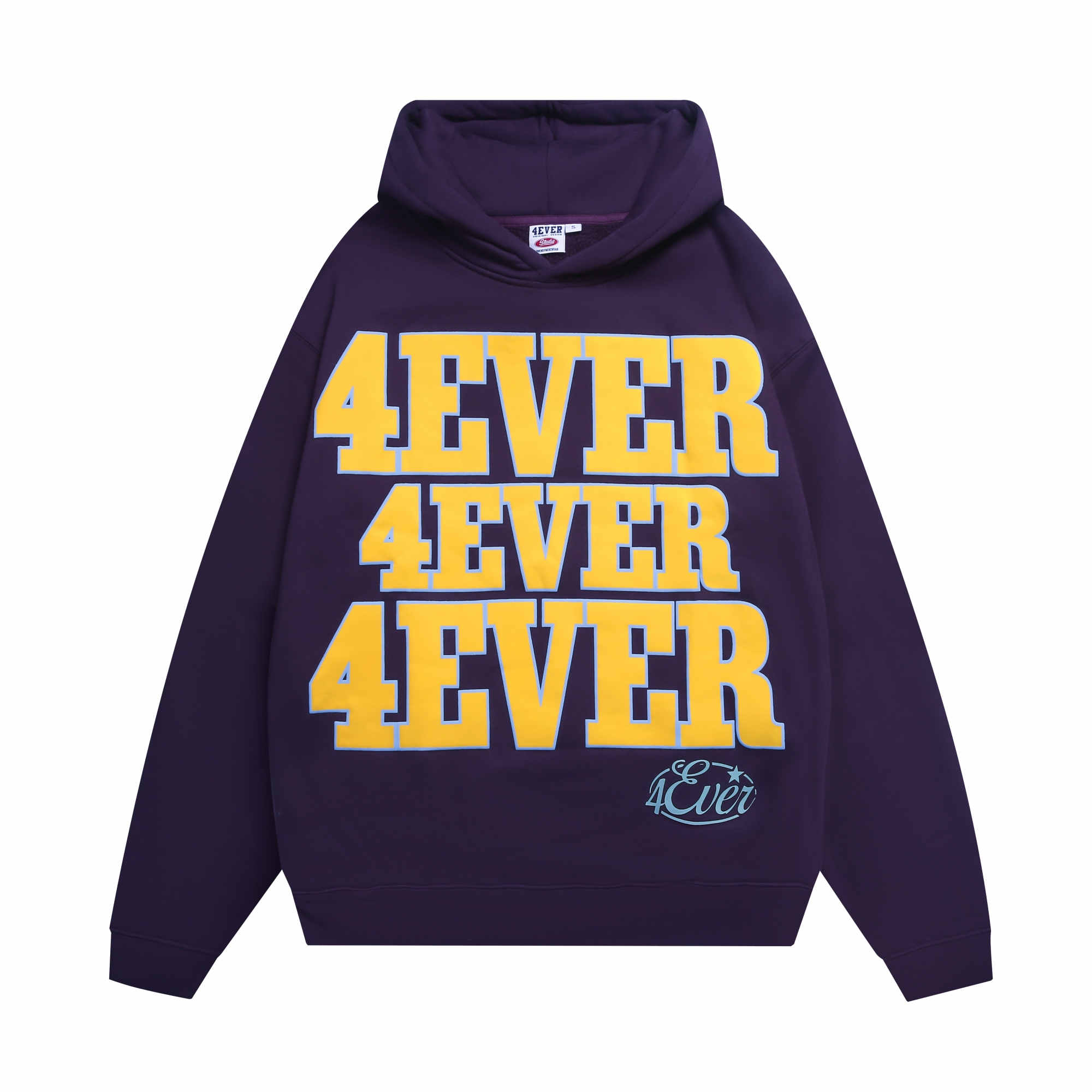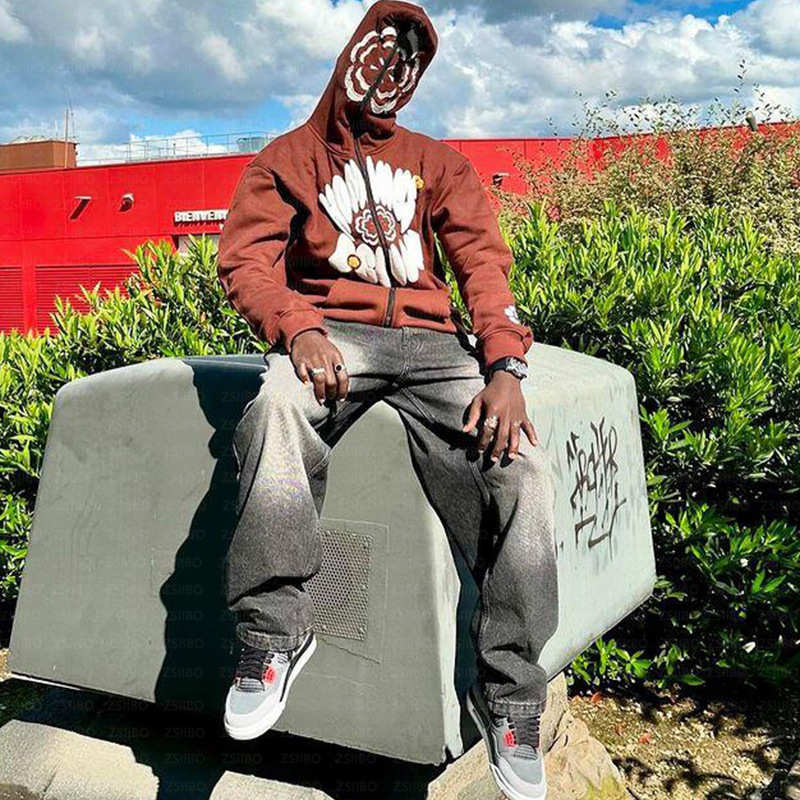
You have a brilliant idea for a design. Now you want to see it on a t-shirt, hoodie, or hat. The guide will assist you in that. Choosing the right partner and the right process for custom clothing printing is crucial for obtaining excellent outcomes.
The custom apparel industry is booming. In 2022, the global custom t-shirt printing market was valued at $4.3 billion. It will continue to grow. So, it is an excellent space for creators and businesspersons. We will guide you through the whole process. You will learn the types of prints and how to order your final products. This guide will give you the necessary resources for a successful project.
What Are the Core Printing Techniques?
The best printing method for custom clothing depends on the project. Consider your design, number of pieces, fabric, and budget. What is useful for a larger event may not work for a smaller online store.
Let’s talk about the major choices. We will examine how each one operates. You’ll learn for what it’s intended and its weaknesses. That will help you choose with confidence.
Screen Printing
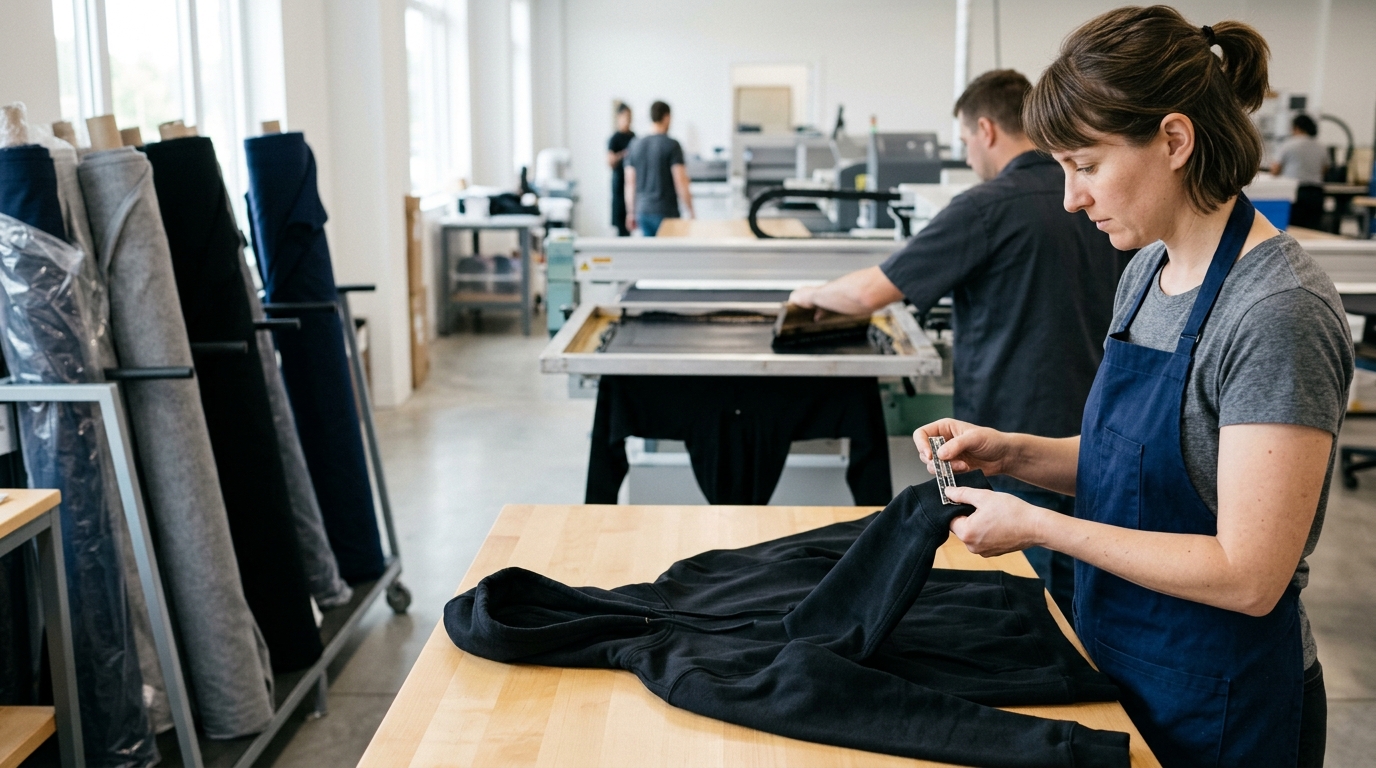
Screen printing forces ink through a mesh onto the garment. Every color requires its own screen for the design. This is why many people consider it a classic and trustworthy choice for print on demand.
- Best for: Bulk orders of 24 and more with simple designs or few colors.
- Pros: Extremely cheap with large quantities. Colors are vivid and bright. The print lasts for a long time.
- Cons: High setup costs for custom orders or designs with a palette of many colors. Photos are usually not suitable.
Direct-to-Garment (DTG)
DTG works just like a regular paper printer. A special printer gives ink directly to the clothing. This method is really best for intricate images.
- Best for: Short runs, test prints, and complex designs with many colors or graphics.
- Pros: No required minimum quantities. Small details are reproduced very well. The print feels soft.
- Cons: It is more costly for large runs. It gives the best results on 100% cotton. Colors might be dull on dark clothes compared to screen printing.
Heat Transfer (Vinyl and DTF)
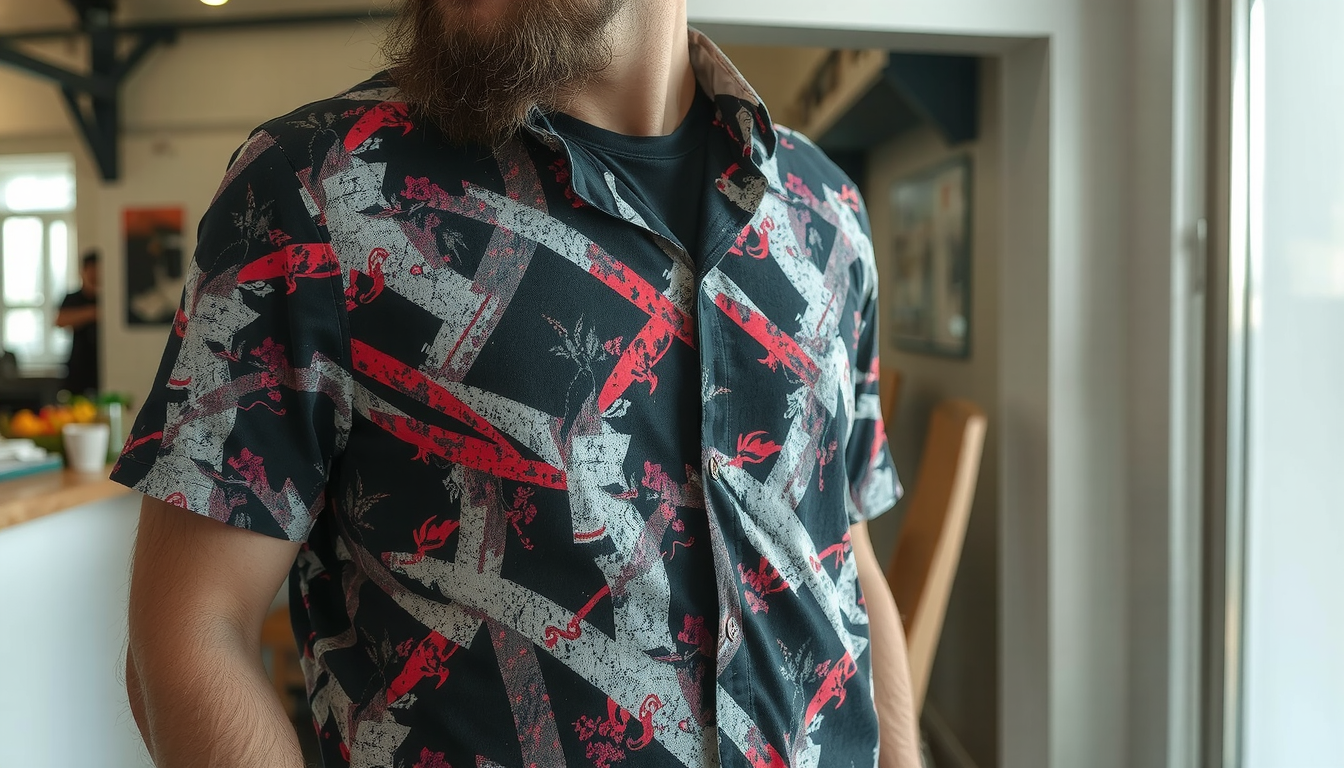
Heat transfer is the application of a design from special paper or vinyl to the garment using heat. DTF technology is practically a heat transfer. It promises a soft feel and a larger number of details.
- Best for: Team jerseys with names and numbers, simple graphics for personal use, and small orders.
- Pros: Perfect for bold and simple designs and personalization. If done correct, they last a long time.
- Cons: The print may feel like a plastic layer on the shirt. Cheaper transfers may break or peel off after a while.
Embroidery
Embroidery is the art of making a pattern or a design by sewing threads into the fabric. Embroidery gives a textured, high-value look of professionalism.
- Best for: Logos on business attire such as polo shirts, hats, and jackets.
- Pros: This technique looks exceptionally high-end and professional. It has a long-lasting effect.
- Cons: Not for big or very intricate designs. The cost is stitch-related, so large patterns will be expensive.
Which Printing Method is Best for Me?
Selecting the custom clothing printing method can sometimes be tough. We have a method table to simplify it. Match your project needs with the best option.
| Scenario/Need | Best Method | Why It’s a Good Fit | Budget Consideration |
|---|---|---|---|
| “I need 100 t-shirts for my company event with our 2-color logo.” | Screen Printing | Most cost-effective for bulk orders with simple designs. | Low per-unit cost. |
| “I want to sell t-shirts online with my photorealistic art, one by one.” | DTG | Perfect for complex, full-color designs with no minimums. | Higher per-unit cost. |
| “I need 15 custom hoodies for my sports team with names and numbers.” | Heat Transfer Vinyl | Ideal for personalization and simple graphics on small runs. | Moderate per-unit cost. |
| “I need 25 professional polos with our small company logo.” | Embroidery | Offers a premium, durable, and professional look. | Higher per-unit cost. |
The 5-Step Process to Perfect Custom Clothing
The process of ordering custom apparel is straightforward. Keep in mind to follow these five steps to avoid typical mistakes. You will end up with a product you love.
Step 1: Finalize Your Design & Prepare Files
A beautiful print starts with a quality design file. Make sure that your artwork is crystal clear. This is the only way to avoid a blurred or pixelated result. We recommend a 300 DPI (dots per inch) file.
Make sure to save your file in a format that your printer can read. Some of the common file types are PNG, AI, EPS, and PDF. A PNG file with a transparent background is the best for DTG and heat transfers. AI or EPS vector files are best for screen printing as they can be scaled without losing quality.
Step 2: Choose The Right Garment
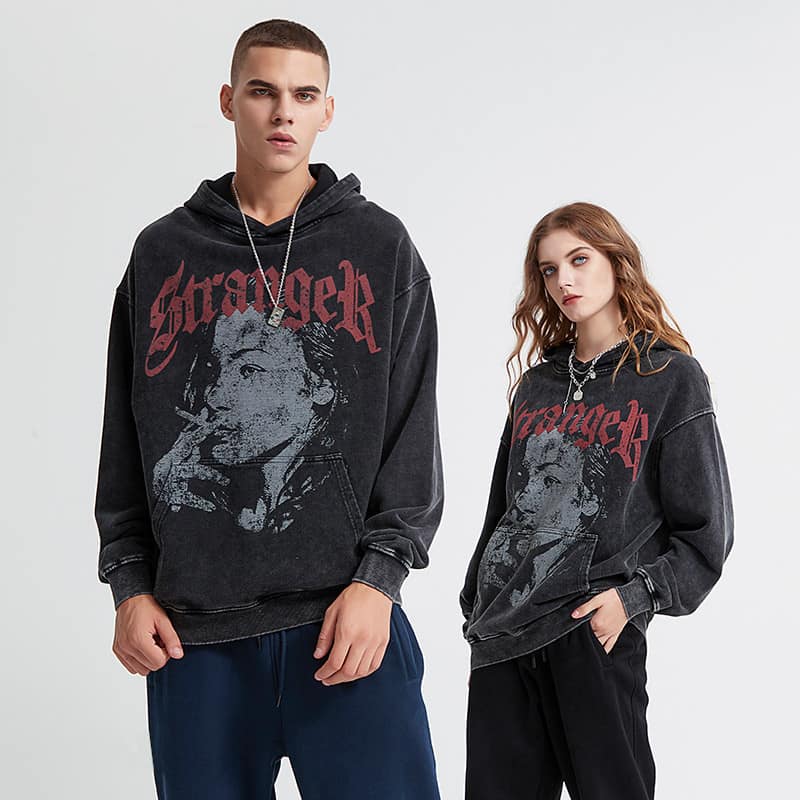
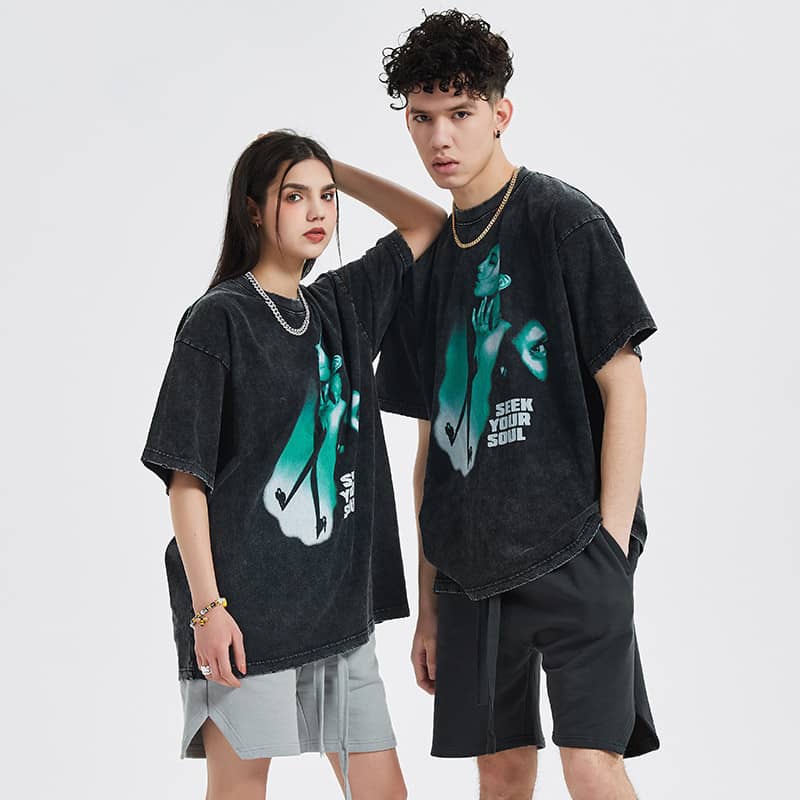
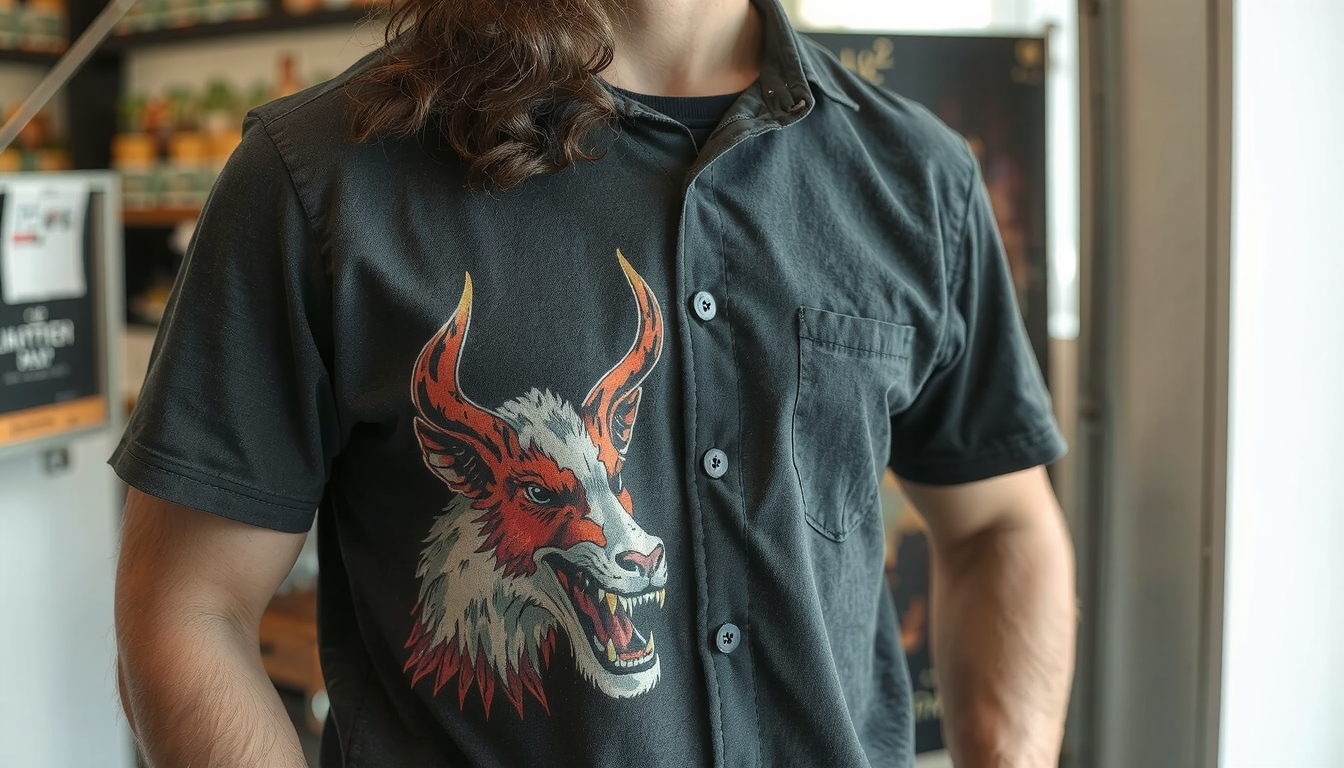
The garment you select for printing is equally important as the print itself. Think beyond t-shirts. Custom clothing printing can be done on hoodies, sweatshirts, tank tops, hats, and many more.
The type of fabric is important. A 100% cotton shirt is ideal for DTG printing. For instance, a polyester blend may be a better choice for sportswear. The fabric’s weight and softness also influence the final feel. To create a luxury feel with the streetwear brand, you have to pick heavyweight materials that are of high quality. This is our area of expertise as a custom hoodie manufacturer.
Step 3: Find the Right Partner for Printing
You have a few choices to get your clothing printed. You can go through local shops, big online printers, or print-on-demand platforms.
Local shops are popular as they often allow you to see and feel samples in person. A great number of local screen printing shops that provide a personal service can be found. Online printers are very convenient and sometimes are the most cost-effective option. For e-commerce sellers, popular print-on-demand platforms like Printify take care of the printing and delivery part, that means no inventory issues.
Step 4: Submit Your Order & Review the Proof
Once you have chosen a partner, you will need to submit your design and order details. Before printing starts, you will receive a digital proof or a mockup. This is an essential step.
Check the proof very carefully. Check the spelling mistakes, the colors, the design placement, the size, the proof should be exactly how you want it. Approving proof means you are allowing them to produce the items. Make sure to take your time and crosscheck everything.
Step 5: Production & Delivery
Once you’ve agreed to the proof, your order gets in production. The time needed for this can differ. It’s usually from 3 to 14 business days depending on the printer and your order size.
When the order arrives, check the quantity first. This is critical because you must verify the count is correct, and the printing is perfect while the garments are properly made. If you encounter any problem, do not hesitate to reach out to your printing partner immediately.
Beyond the Print: A Pro-Quality Checklist
The printing method is just one part of creating amazing custom apparel. In order to give your clothing a professional and retail look, you have to care about the small things.
Always Aim for Quality Garments
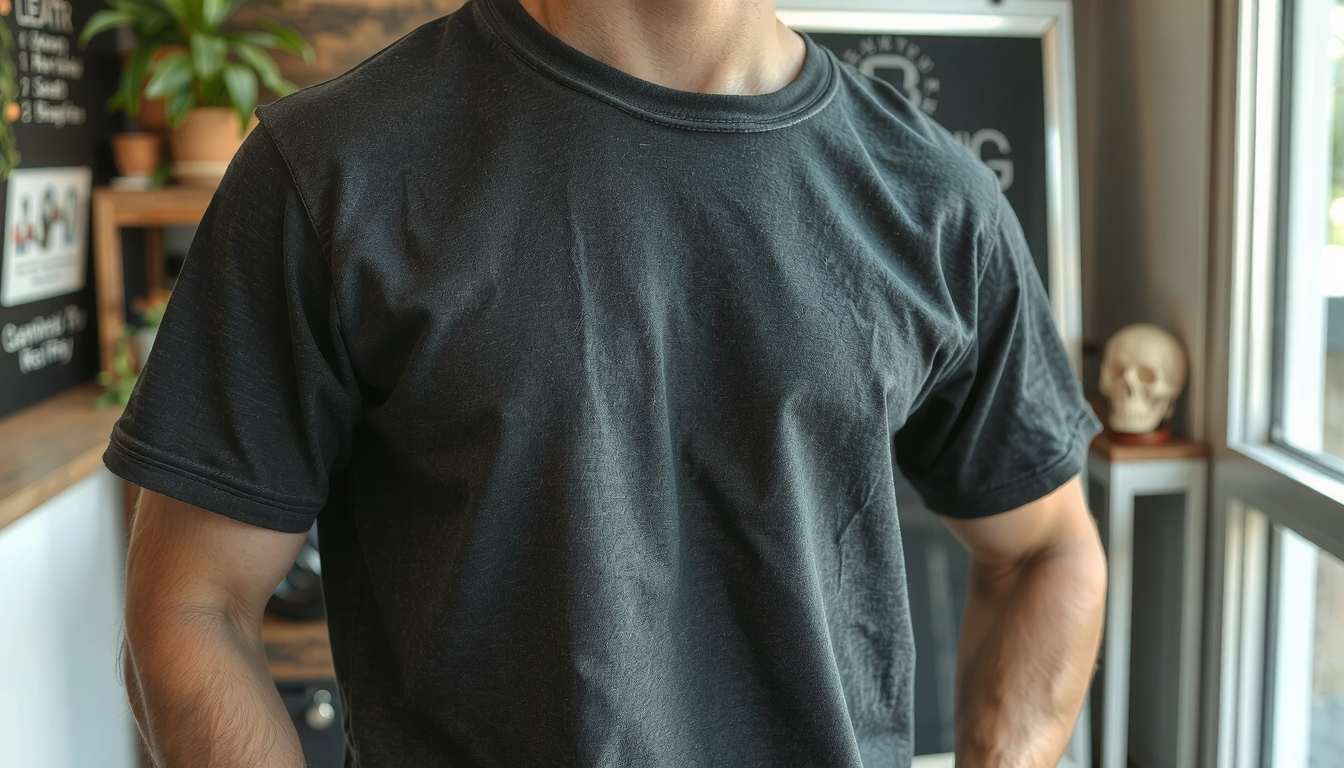
A fantastic design is worthless if it’s printed on a subpar t-shirt. Prioritize fabric weight, that is grams per square meter (gsm). A high gsm is an indicator that a shirt will be thicker and more resistant to damage. Also, look for “ring-spun” cotton, you will get a much softer feel. “Side-seamed” construction is another benefit as you may get a better fit.
Master the Design Placement
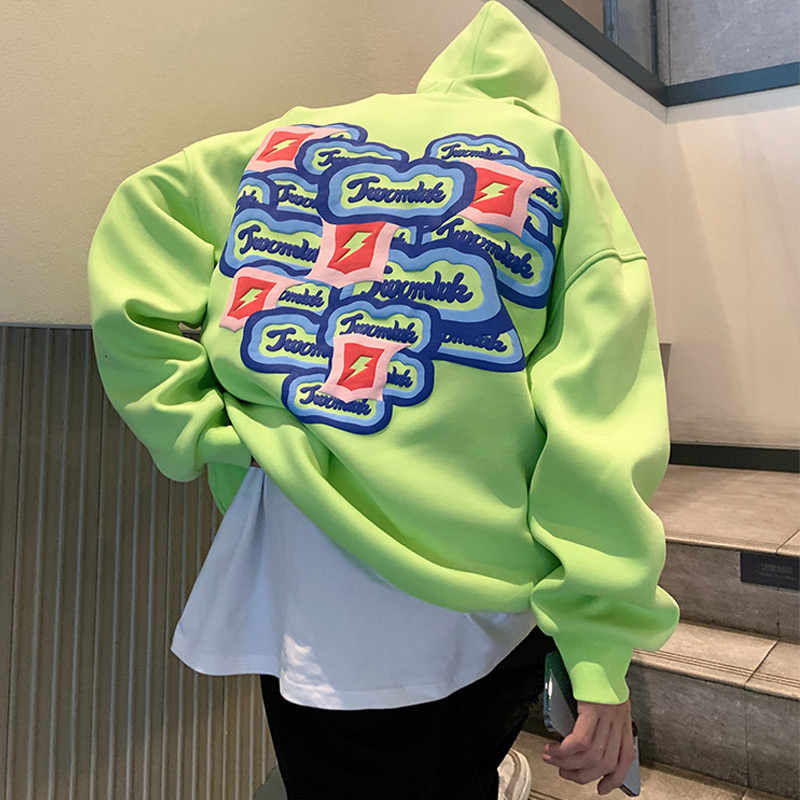
A standard center chest placement is always a go-to. However, other placements can be a total game-changer and make your design more distinctive. Think about a small logo on the left chest, totally professional. You can also print on the sleeve or the back yoke (just beneath the collar). You could even create an oversized print for a bold statement.
Spot Custom Finishes
Custom details can have a big impact. Ask your printer about custom finishes. For example, adding your brand logo instead of the manufacturer’s tag inside the neck feels more custom. A small woven hem tag at the bottom of the shirt is a good detail that makes it look retail-quality. It’s these finishing touches that serve as crucial steps to building a recognizable brand. A more in-depth analysis is available in our guide about how to start a brand.
Plan for After-Print Maintenance
Help your customers look after their custom clothes. Simply add the washing instructions. For most printed apparel, you should wash them inside out with cold water before tumble drying them on low heat. This helps the print stay good and longer than the garment itself.
A Final Word on Your Journey in Printing
Success in custom clothing printing comes down to few major things. Find the right print method for your project. Keep in mind the quality of the design file and the garment you choose. By following these steps you can create something truly unique.
It is a journey of passion to design your own custom clothing if you have the right knowledge. This gives you the opportunity to express your creativity, promote your brand, or build your team. Whether you are making a one-time event or starting a brand available globally, we are here to help to catch your vision. Follow our custom services to get started.
Frequently Asked Questions (FAQ) about Custom Clothing Printing
1. What is the minimum order for custom clothing printing?
The number of minimum orders varies with each method. DTG and some heat transfers frequently have no minimum orders. This makes them the best choice for single items or small tests. Screen printing needs a minimum of 12-24 pieces to be affordable. This is due to the setup costs for each color used.
2. What is the cost of custom printing on a shirt?
The costs range significantly. The final price will depend on the printing method, the quality of the shirt, the number of colors in your design, and how many you order. A single DTG shirt may cost $20-$30. An order of several screen-printed shirts could be around $10 or less per shirt.
3. Can I bring my own clothes and print on them?
Most professional printers ask you to use the garments they provide. This way they make sure that the clothing is compatible with their machines and it helps them to maintain the quality of the final product. It is rare that customers can bring their items and even then the print is not guaranteed.
4. How long does custom clothing printing take?
The standard turnaround is usually between 3 to 14 business days. This can change with the printer’s workload and your order’s complexity. Many companies provide faster services for an additional fee, in case you have a tight deadline.
5. Which is the most long-lasting printing method?
Screen printing and embroidery are the durability champs. They often last as long as the clothing without fading or cracking. High-quality DTG and modern DTF prints are also very long-lasting. The key is to follow the washing instructions.