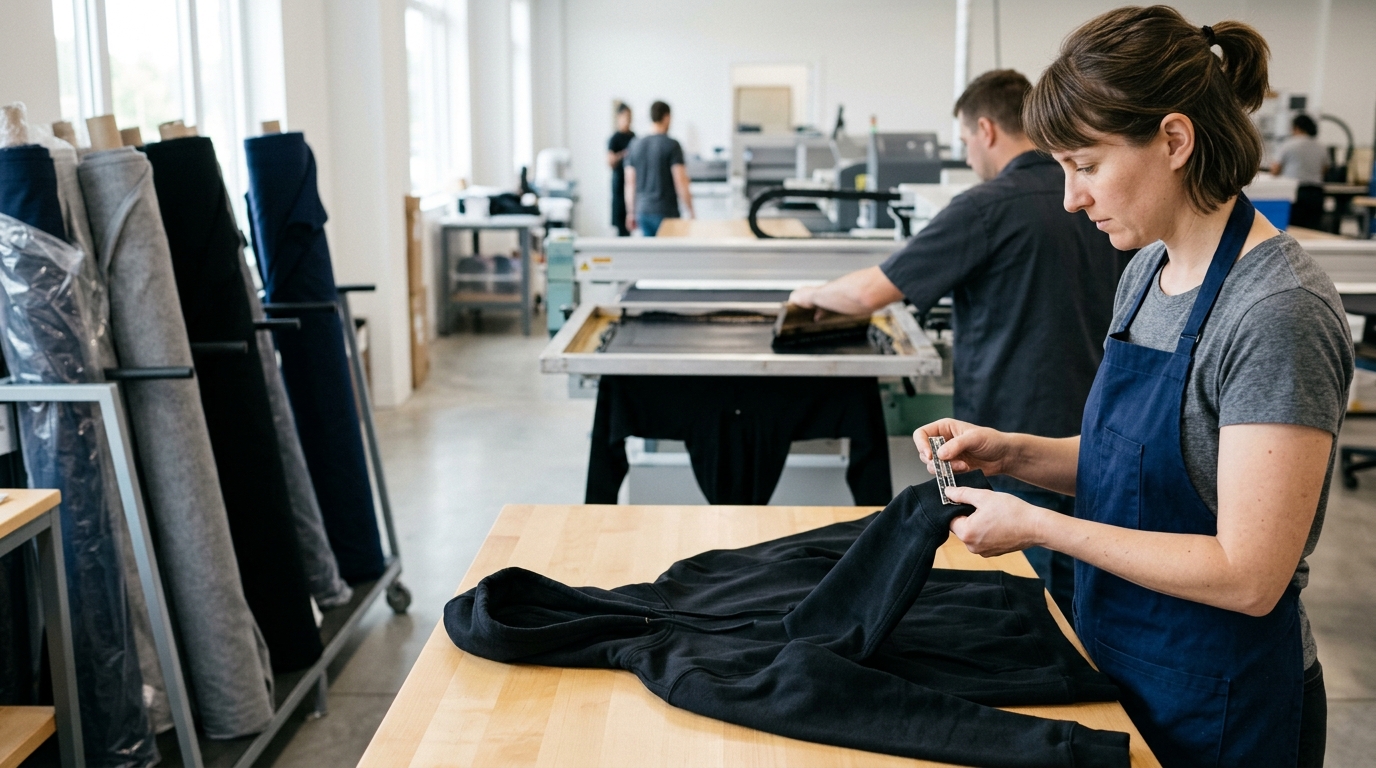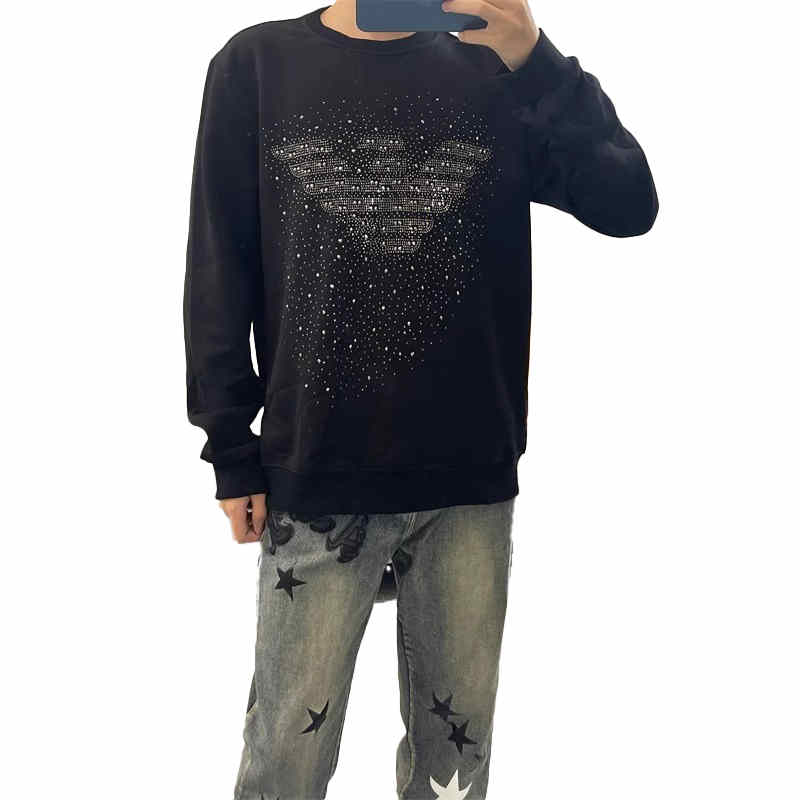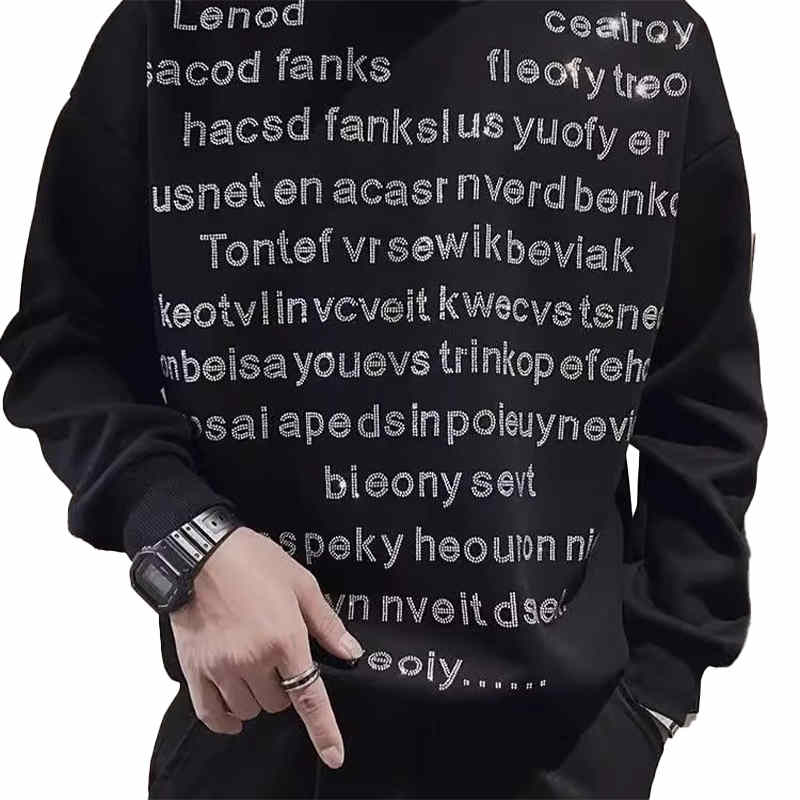
You have a cool design in mind, right? Making it a reality is one of those things that people can’t get enough of. This guide is here to take you through the very steps needed to manufacture delightful custom clothing prints from the starting point to the delivery. You will be able to make the right decisions for your project with our consultation.
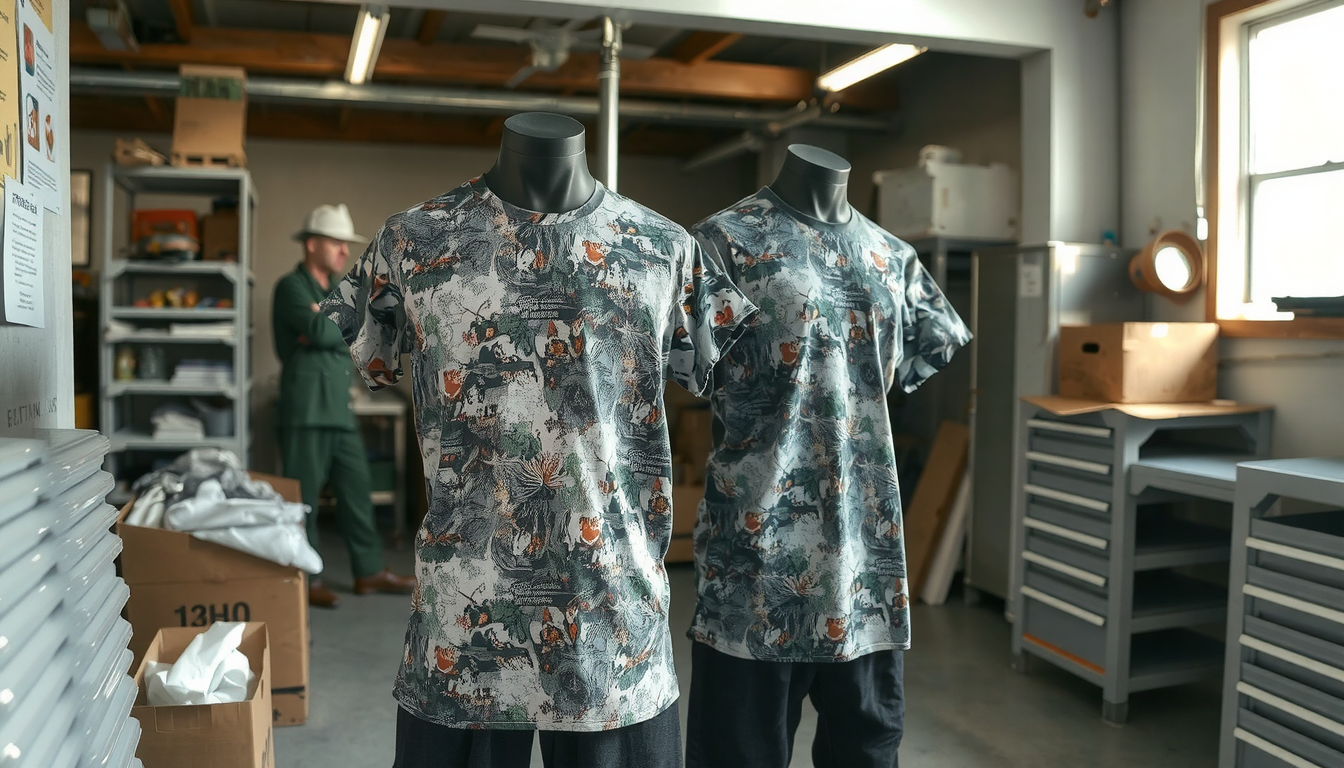
The world custom t-shirt printing market is going to make a profit of more than $10.2 billion in 2030. You are among the creatives involved in it. However, to cut the mustard, you will need to identify the jersey, design, and order size that goes with the appropriate printing technology. Let’s do it step by step. We will keep it easy and straightforward.
The Basics: Overview of the 4 Main Custom Clothing Print Methods
Finding the right technology is the crucial first step. Each method has its specific advantages. By grasping them, you can achieve the best outcome with your custom-printed apparel.
Screen Printing: The Preferred Method for Big Orders
The screen printing technique is to push ink through a mesh screen onto the piece of fabric. Each color you use in your design needs one screen of its own. This traditional method is appreciated for the quality and durability it assures.
- Pros: Extremely cheap for bulk orders. Colors are vibrant and stick well. The print is of very high strength.
- Cons: Not affordable for small orders. The cost increases for additional colors.
Direct-to-Garment (DTG) Printing: For Full-Color Designs with Complicated Graphics
Direct-to-Garment (DTG) printing is just like using an exclusive printer for clothes. The printer uses water-based inks that are sprayed directly onto the fabric. The ink deep into the fibers. This pioneering technology allows you to create clothing with intricate designs.
- Pros: Perfect for printing photos or limited-color designs. There is no minimum order size. The print feels soft and breathable.
- Cons: It is best on 100% cotton. The colors may not be so vivid on dark fabrics. It is expensive for larger runs.
Direct-to-Film (DTF) Printing: The Optional Advantage
Direct-to-Film (DTF) printing is innovative and versatile. First, the design is printed on a special foil, then the foil is applied to the garment. The design is transferred by a heat press.
- Pros: Many fabric types are available for use such as cotton, polyester, and blends. The prints are light and durable. The method is applicable for micro and middle orders.
- Cons: The print feels like a thin layer on the shirt.
Heat Transfer Vinyl (HTV): Ideal for Simple Graphics and Prints
With Heat Transfer Vinyl (HTV), you will be cutting your design out of colored vinyl sheets. The vinyl shape sticks to the clothing. A heat press brings it to life. It’s a favorite for team jerseys.

- Pros: It is perfect for logos, names, and numbers. There are a lot of finishes available, including glitter, metallic, and glow-in-the-dark. The print is long-lasting.
- Cons: Not recommended for complex designs or many colors. It may add thickness to the shirt.
Your Perfect Print Choice: A Detailed Comparison
Is the method a dilemma for you? This chart surely does it all for you. Think of the priorities of your project. Choose the quantity or detail of the project that you want to make the comparison with. For instance, in the case of a few T-shirts with a photo on it, the option is to choose a method with ‘Excellent’ against ‘Color Detail’ and good for ‘Low’ quantity.
Quick Summary: Direct Comparison of Custom Print Methods
| Feature | Screen Printing | DTG Printing | DTF Printing | Heat Transfer Vinyl |
|---|---|---|---|---|
| Best For | Bulk orders, merch | Photos, complex art | All fabric types | Names, numbers, simple logos |
| Print Feel | Slightly raised | Soft, breathable | Smooth, flexible | Thicker layer on top |
| Durability | Excellent | Good | Very Good | Excellent |
| Color Detail | Good, limited colors | Excellent, full color | Excellent, full color | Limited to vinyl colors |
| Ideal Quantity | 24+ | 1+ | 1+ | 1+ |
| Cost-Effectiveness | Best for bulk | Best for single/low volume | Good for small-medium runs | Good for simple, low-volume |
From Brainstorming to Processes: A 5-Step Recipe for Flawless Custom Clothing Prints
Creating custom-made clothes is not a hard task if you make it step-wise. The guidance in this chapter will help you steer clear of the usual missteps. You will exit with a product that displays your professionalism.
Step 1: Set Your Design and Goals
Initially, determine your goal: Who is the person you are doing this for? A sports team, a new clothing line, or just a casual event?
After that, think about the style you aim for. What do you want it to be? Retro, modern, or bold? The approach for a polo shirt at a corporate event needs to be different from that of a hoodie in streetwear. First, it’s critical to think about how the end-user will be using it. If you have just started, learning how to introduce your brand is the key first step.
Step 2: Select the Appropriate Garment
The choice of the fabric for your custom product is one of the most significant factors affecting the outcome and feel of the final print. Let’s say that DTG printing works best on 100% cotton, while other techniques like DTF and screen printing do well on cotton and polyester blends as well.
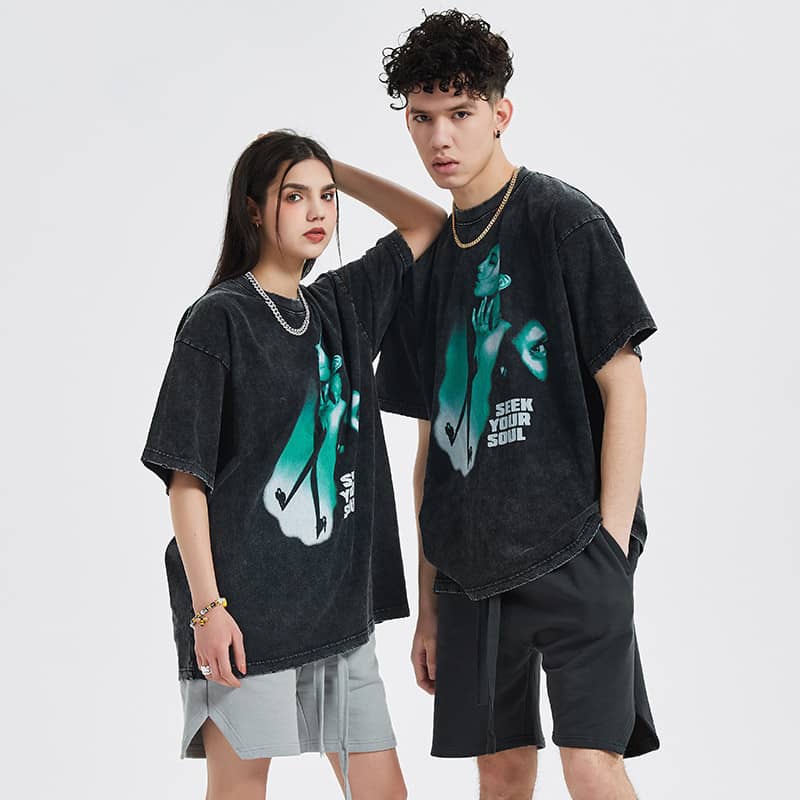
Contemplate the type of clothes that are popular. T-shirts are in great demand. But there are many options like sweatshirts, performance wear, and hats for printed custom clothing as well.
Step 3: Get Your Artwork File Ready (The Technical Part)
Your file with the artwork can only be of high quality. There are two major classifications of image files: vector and raster. Vector files (like AI or EPS) are created using points, lines, and curves. They can be scaled up or down without any quality loss. Raster files (like PNG or JPG) are made up of pixels.
For raster images, you need high resolution. We always advise to use at least 300 PPI (pixels per inch) to avoid any blurry print. As for DTG and DTF, a PNG file with a transparent background is usually the best. For screen printing, a vector file is the preferred one.
Step 4: Select Your Printing Partner
You have a few options for where to get your clothing printed. Each serves a different need.
- Local Printers: These are great if you want personal help and fast service. Many communities have local printers offering same-day services for quick projects.
- Online Bulk Printers: If you need a large number of items for a business or brand, these printers are ideal. They offer great prices for big orders. Companies like bulk order specialists such as Underground Printing handle large-scale projects well.
- Print-on-Demand (POD): This is perfect for starting a brand with no money tied up in stock. With POD, an item is only printed after a customer orders it. There are excellent print-on-demand services like Printful that connect directly to your online store.
Step 5: Evaluate the Proof and Give Your Approval
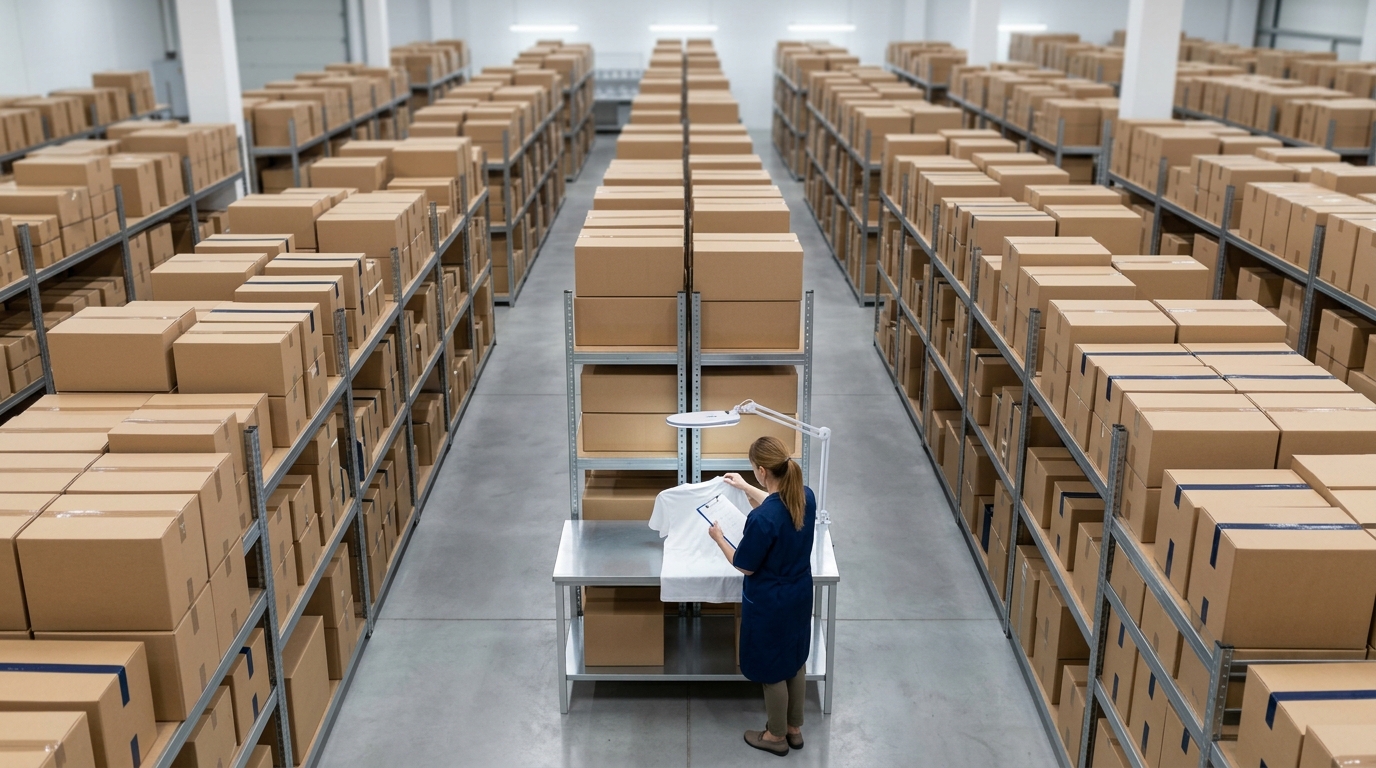
This is an important professional checkup. Before your full order goes to production, your printer will send you a digital mock-up or proof. Look at it with great care and scrutiny.
You should check if the spelling is right, the colors are correct, and the design is placed exactly where you want it to be. Confirm that everything meets your satisfaction. By approving the proof, you signal that production can proceed. Do not hurry.
Beyond The T-Shirt: Expanding Your Custom Grade Clothing Line
Despite t-shirts being a great startup, numerous other items are also suitable for printing custom clothing. The addition of new product lines can contribute to the development of your brand. It can also make your event merchandise more fascinating.
Hoodies and Sweatshirts: The Rational Part of Comfort
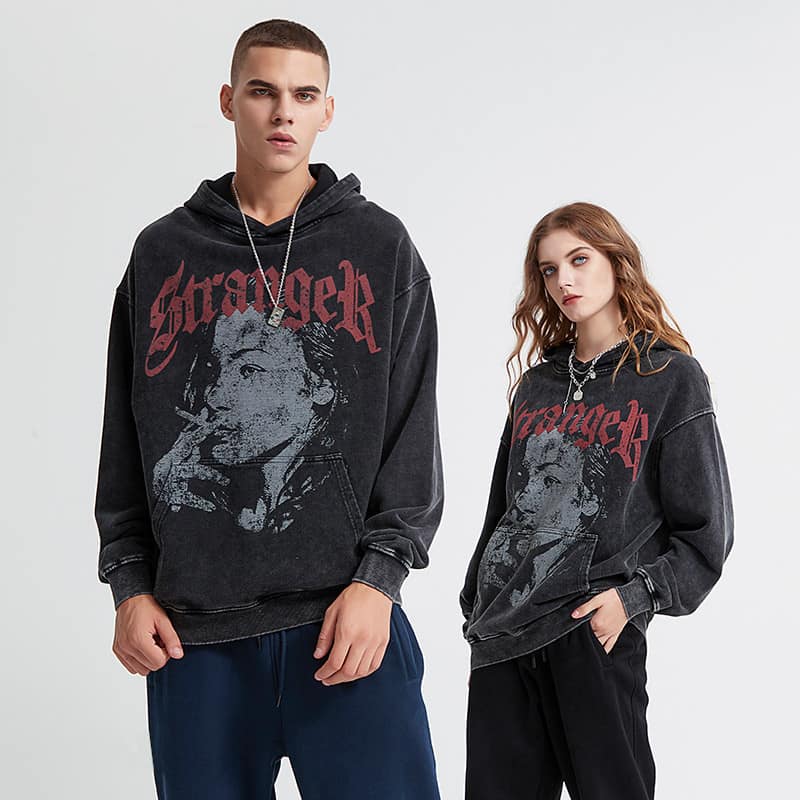
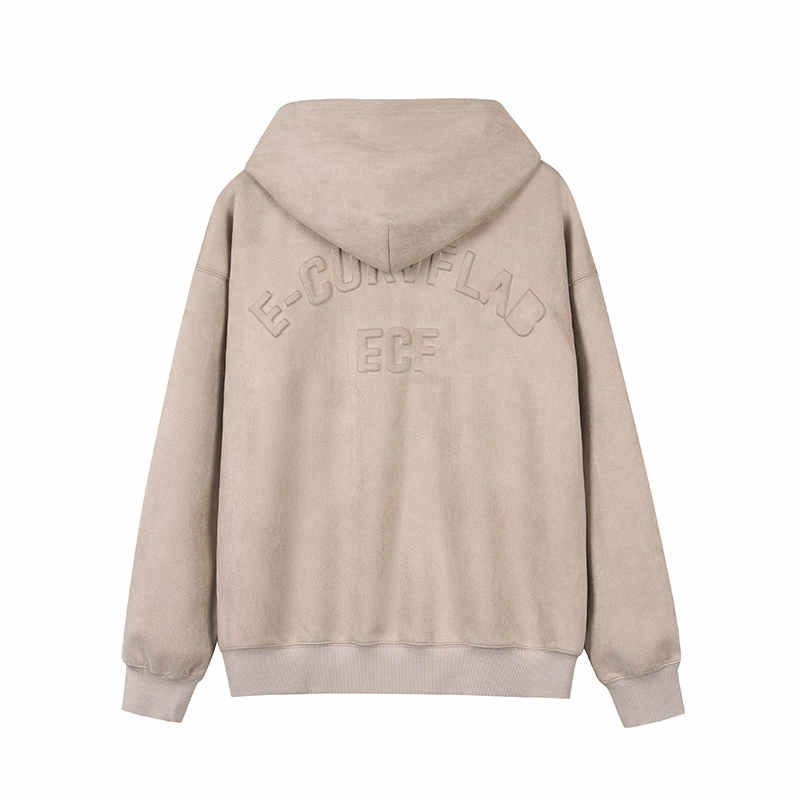
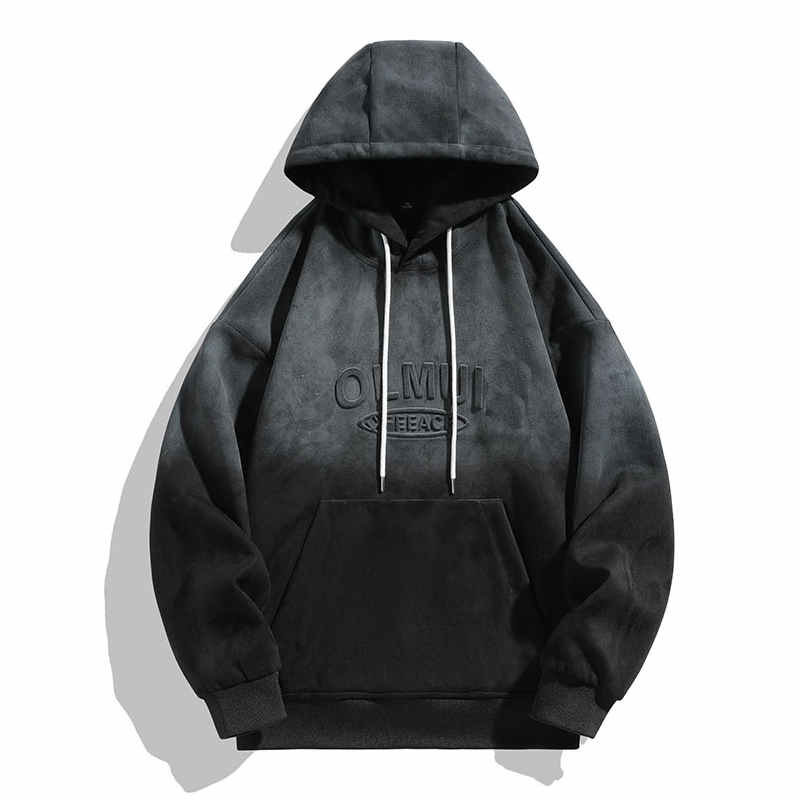
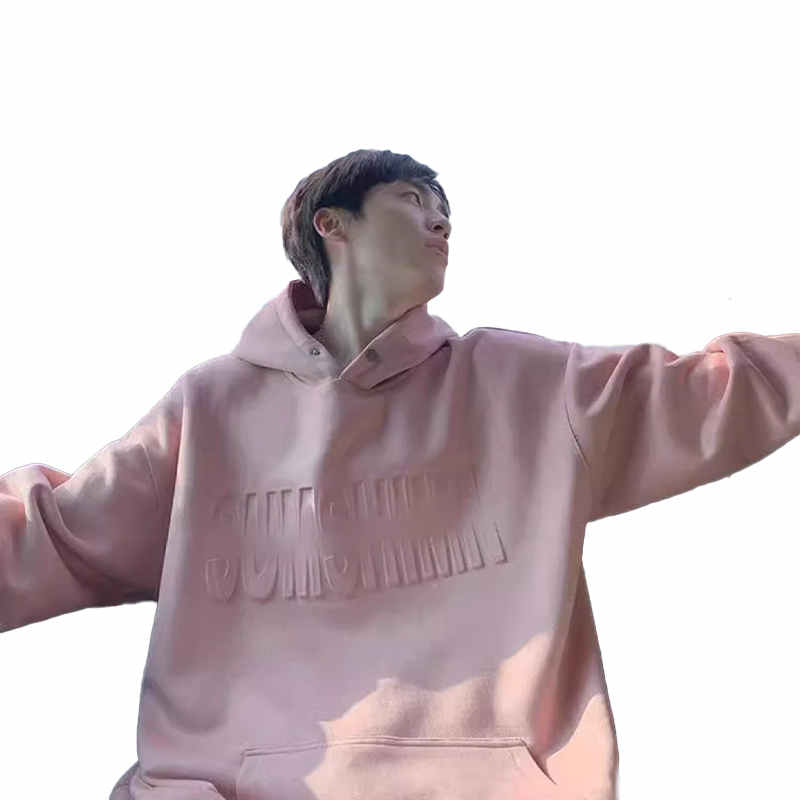
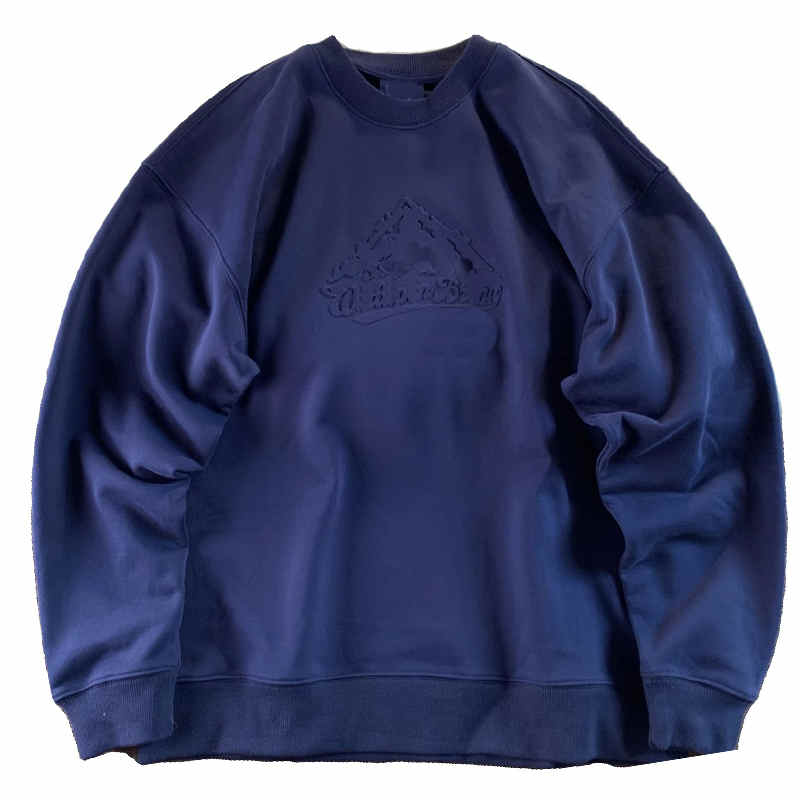
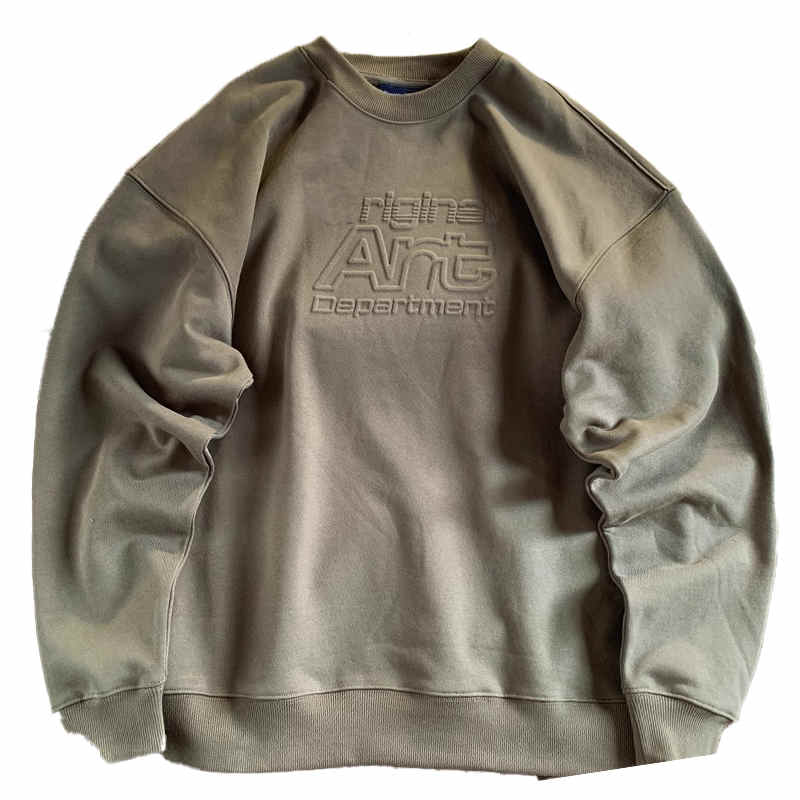
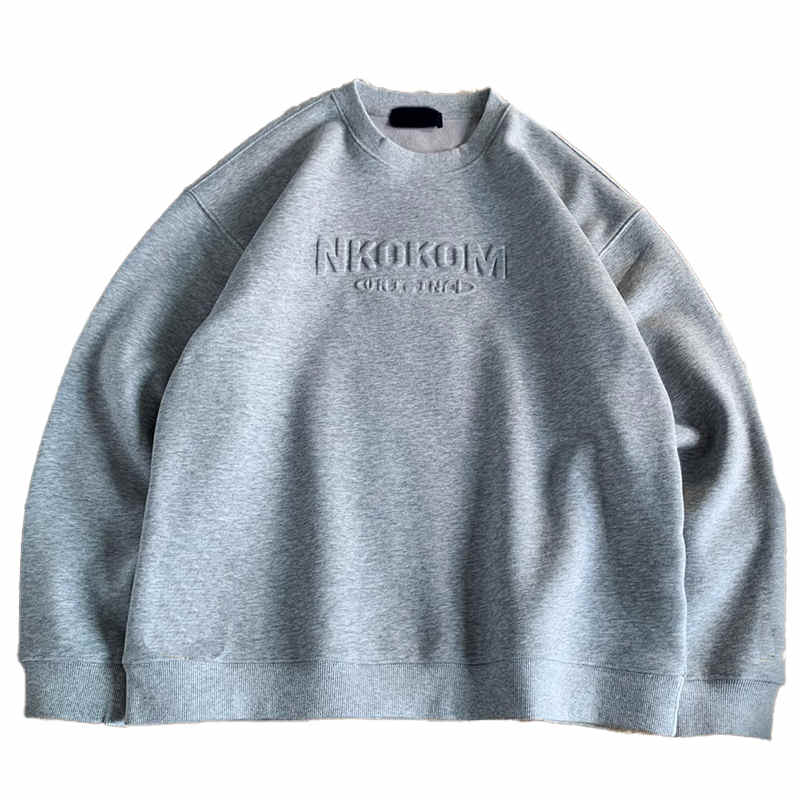
Hoodies and sweatshirts retain their popularity very well. You can choose from pullover or zip-up styles. They offer large print areas on the front, back, and even the sleeves. For streetwear brands, a quality hoodie is essential. Finding a great custom hoodie manufacturer is key to your success.
Hats and Beanies: Contributing the Perfect Accessories
Hats and beanies not only show off your brand but are also practical. You can use various embroidery techniques, which create a professional but casual look that appears textured and stands out well over time.
Totes and Bags: A Carry-Along Advertising Medium
Promotional tote bags that are branded by printing are not only useful but are also a walking advertisement for either your brand or event. They are a popular and cheap promotional item.
Polos and Jackets: Achieving a Professional Look
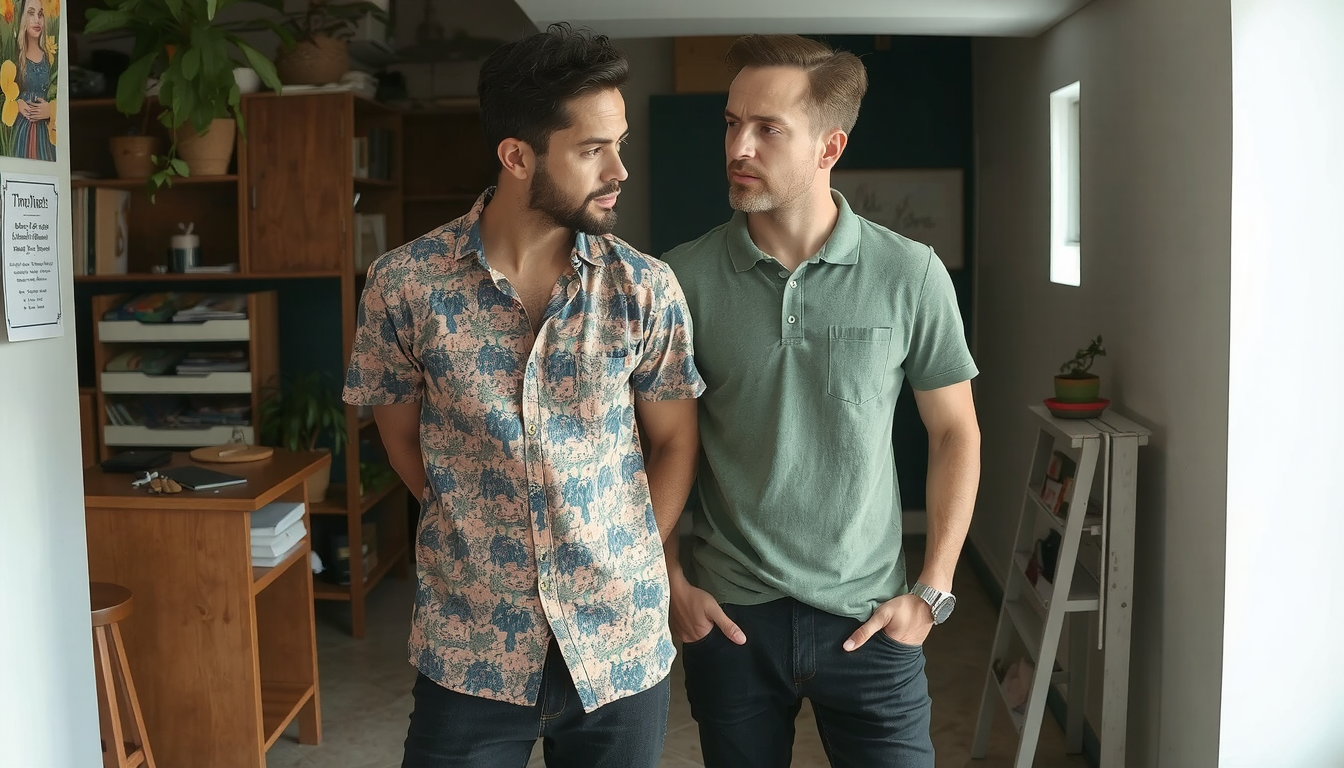
In terms of business uniforms, sports teams or corporation events, polos and jackets are the best choices. Needlework on a polo shirt shows a concise and professional image. Screen printing or DTF can be used on jackets for a striking effect.
Conclusion: Effectively Turn Your Dreams into Reality
Now, you are fully equipped with the necessary advanced knowledge to design and create unique custom clothing. The gem of success is crystal clear: you need to blend well your design idea, order quantity, and the fabric with the correct printing method. This guarantees a professional look and a long-lasting result for your final product.
Don’t be afraid to try out a small scale or different approaches. Every great brand or impressive event shirt began as an idea. Now you have the information needed to get started. You can check out TZ Streetwear to discover how the designs you make can be raised to a new level through quality manufacturing.
Custom Clothing Prints: Frequently asked questions (FAQ)
1. Which method is the best for a long-lasting t-shirt print?
Screen printing and high-quality heat transfer vinyl are both durable options. They can last for years as long as you take care of them properly. Screen prints still remain a little bit soaked into the fabric. HTV sticks to the fabric surface creating a solid bond. For designs in full color, DTF prints also provide superior durability and they are good as well for washing.
2. Is it possible to get a single custom shirt printed?
Yes! Techniques like Direct-to-Garment (DTG) and Heat Transfer Vinyl (HTV) are ideal for one-piece orders. They have very low setup costs. This makes them perfect for one-off prints. Print-on-demand services are specifically designed for this purpose.
3. How much do custom clothing prints cost?
The pricing is contingent upon three key factors. These include the printing technique, the colors used in your design, and how many products you purchase. In the case of screen printing, each additional color will increase the cost. For all methods, the cost per item usually goes down as you buy more.
4. What file format should I use for my design?
In general, most of the custom clothing prints will work with a high-resolution PNG format file (300 DPI) with a transparent background. This file type is tremendously flexible. In the case of screen printing, a vector file like a .AI, .EPS, or .SVG is the best. It can be changed to any size without quality issues.
5. How do I make sure that my colors are right in printing?
The most effective way to ensure the colors of your print are right is to check the digital proof sent to you by your printer. This is a mock-up preview of the final result. While designing in the CMYK color mode can help, the proof is the most important step. It allows you to check colors, spelling, and placement before any printing operation.