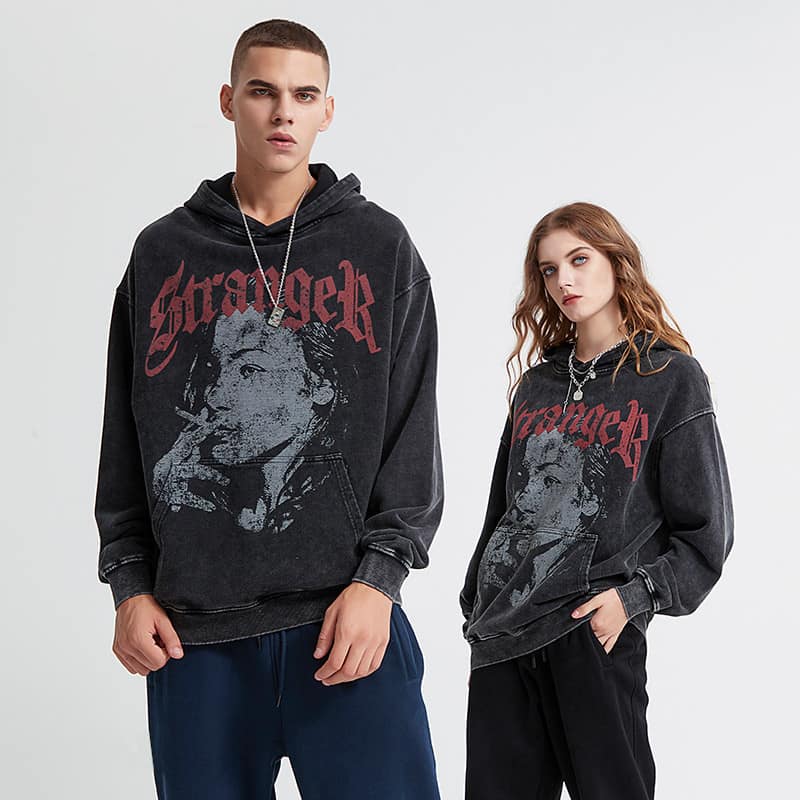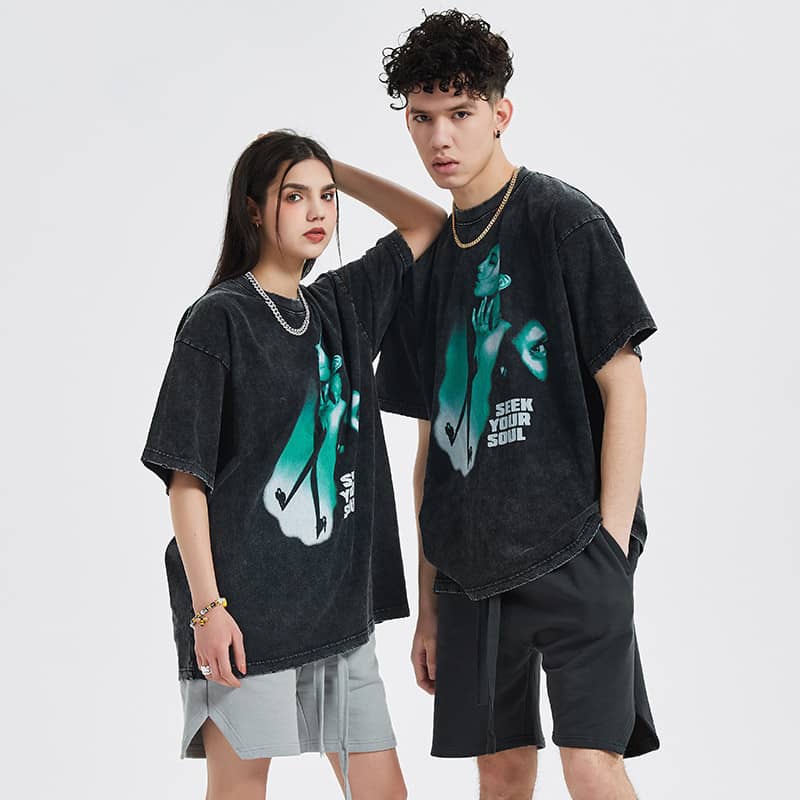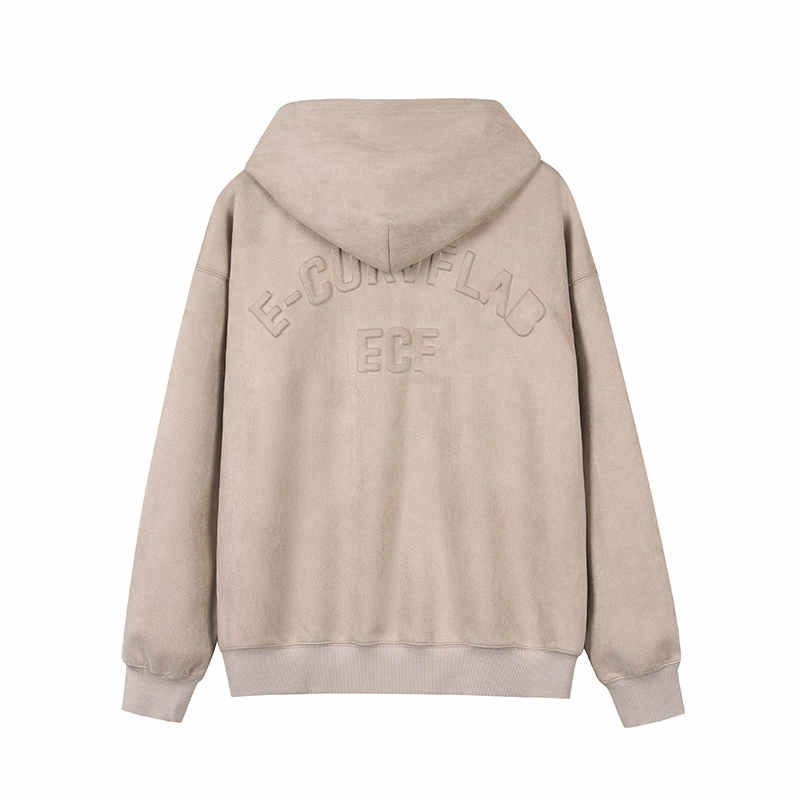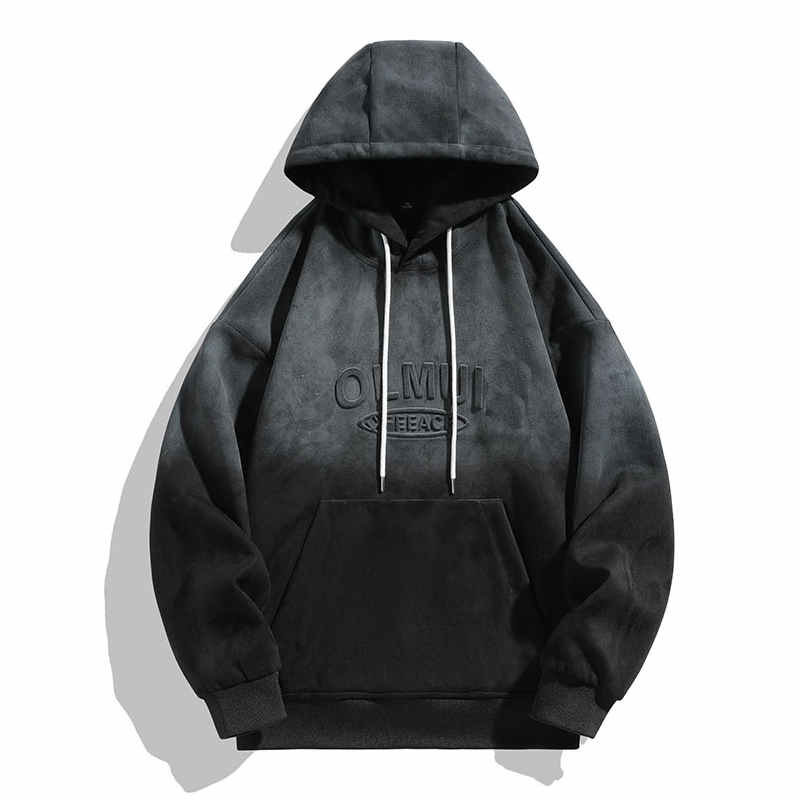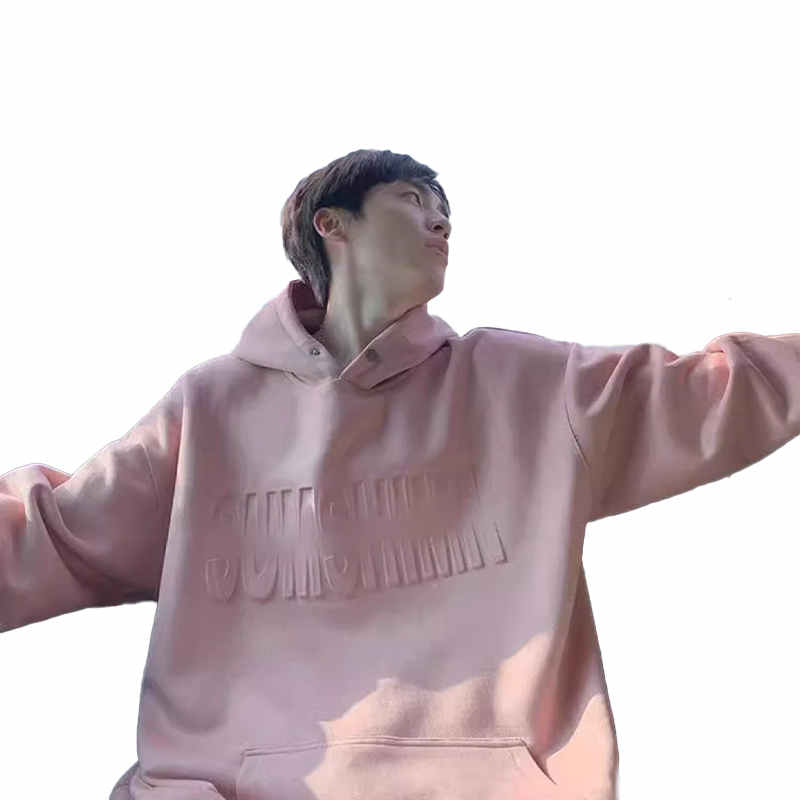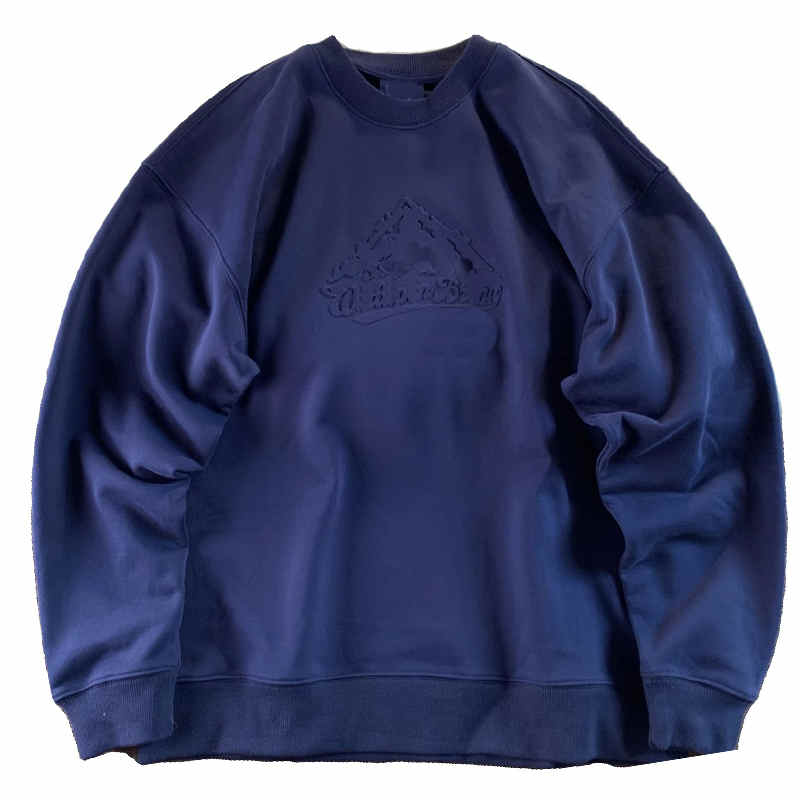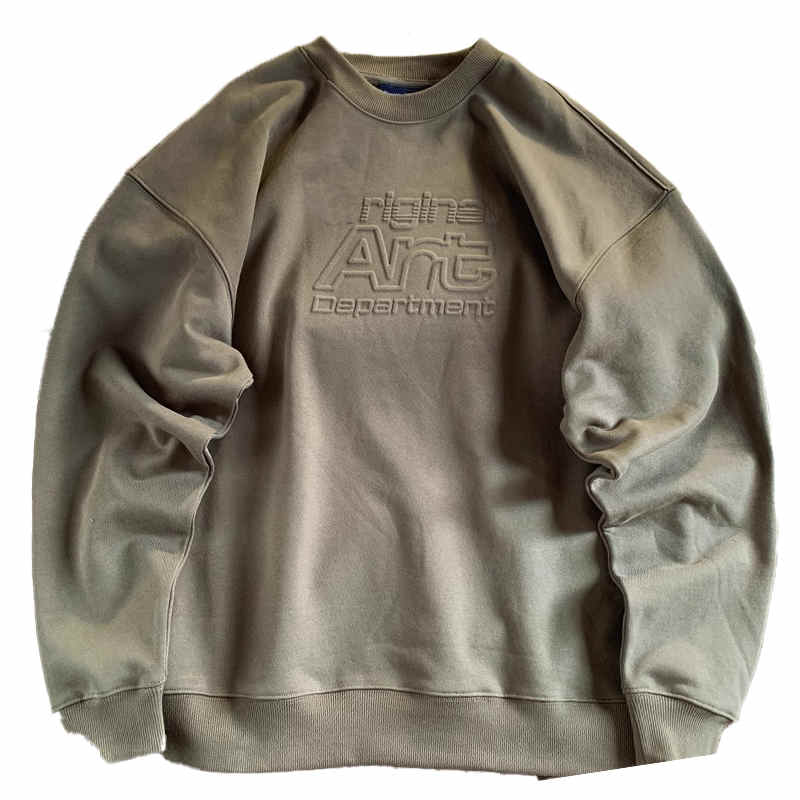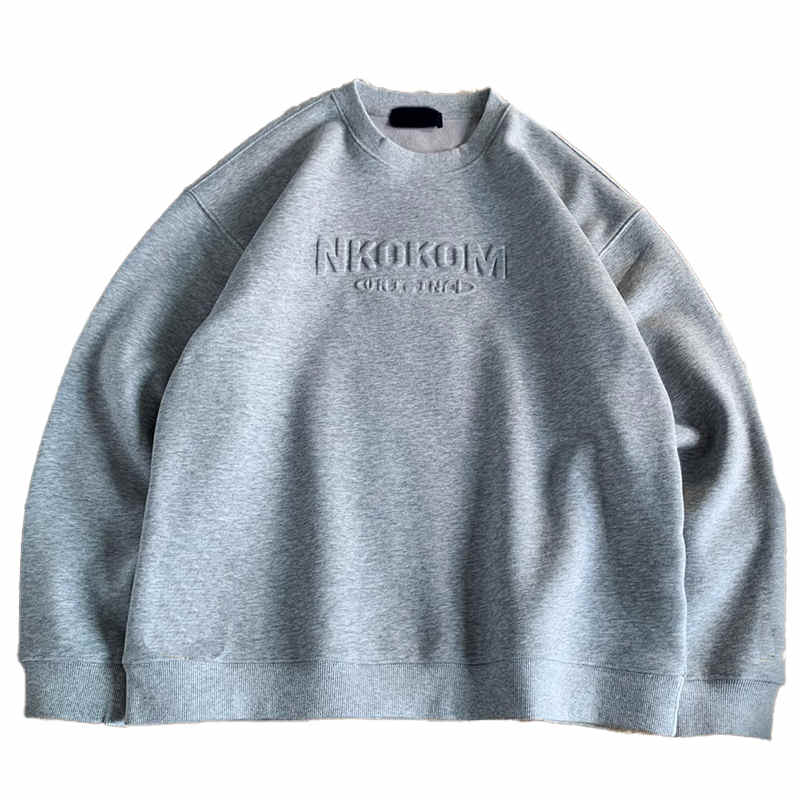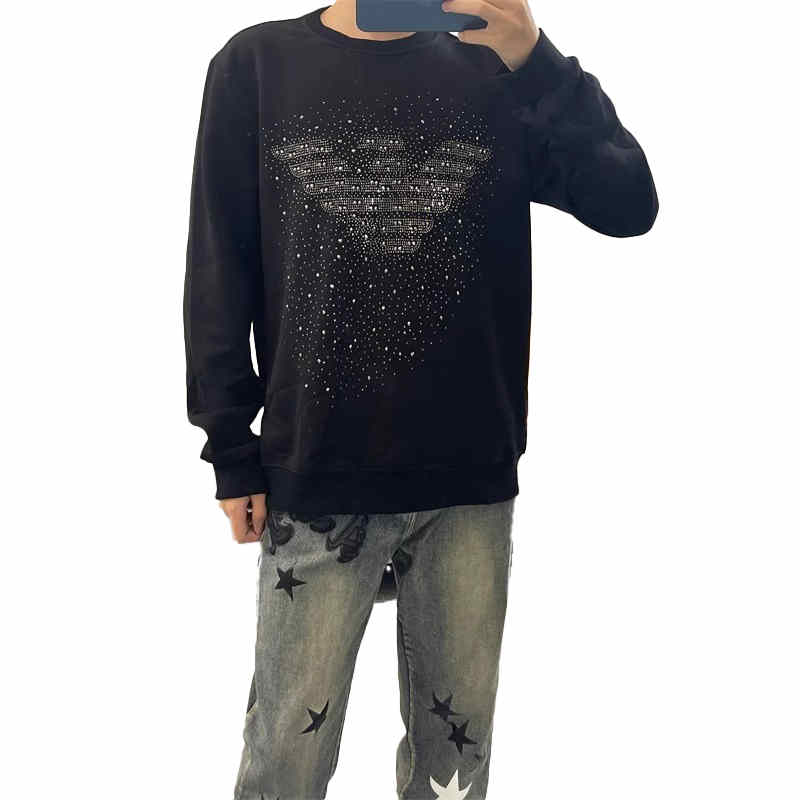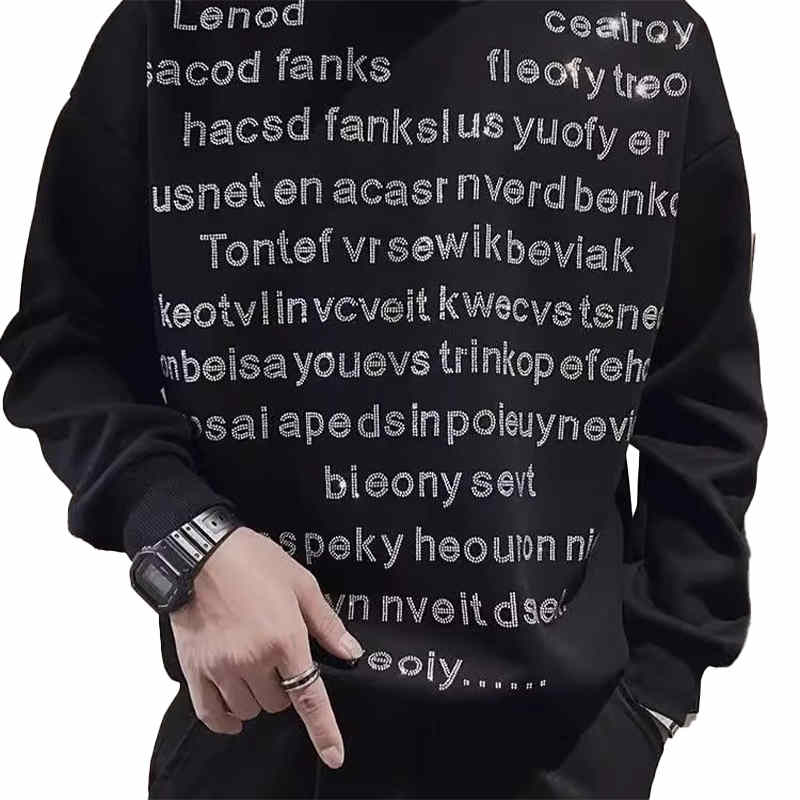
Fast fashion is a common trend today but personal style is still the priority. Custom hoodies with patches are one of the best ways to express your personality. They allow you to create a brand identity or add your individuality among teammates. Besides the regular printing, these hoodies create a possibility for a 3D effect, giving your clothes a permanently different outlook.
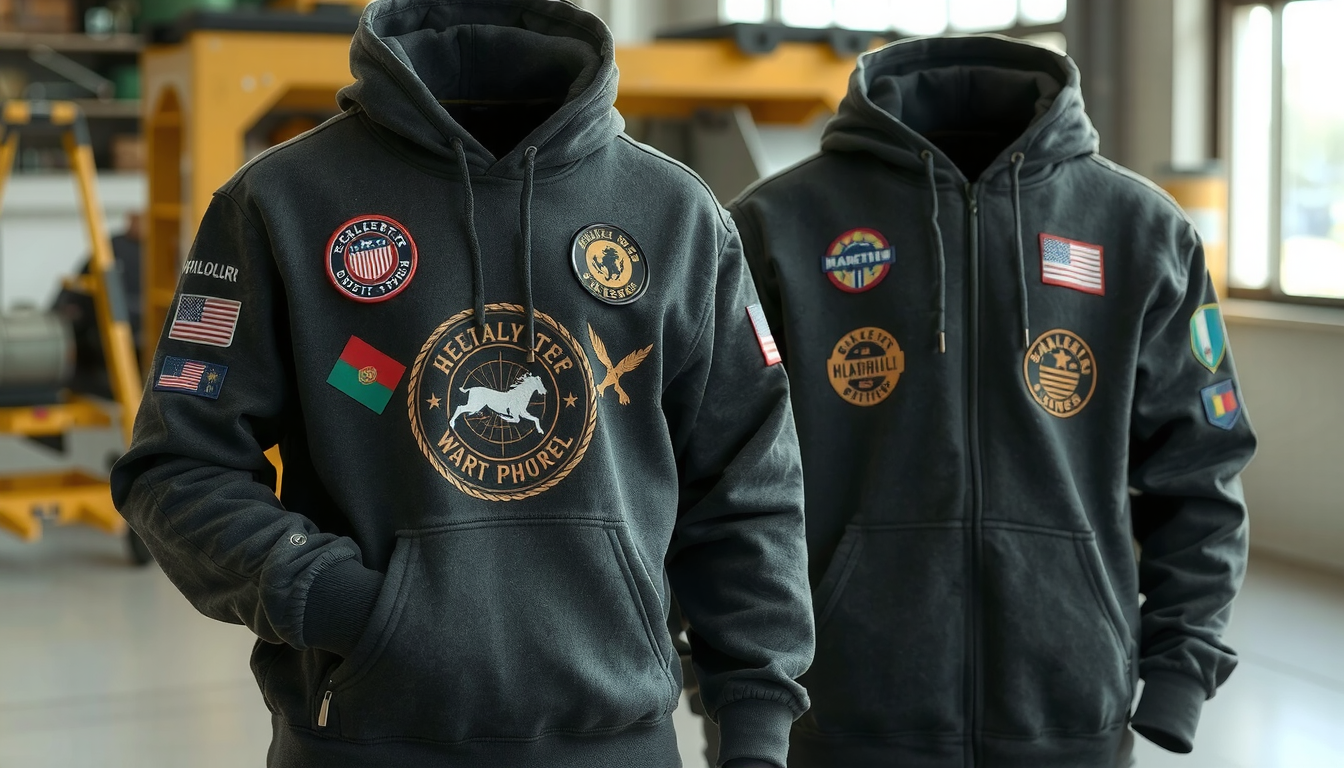
You will find all the information you need in this guide. You will learn everything from the right patch choice to the perfect layout design. We will also talk through the last few steps in creating your hoodie. Making unique clothing is one of the founding stones of every new brand. It is a project we really enjoy at TZStreetwear.
Why Patches? The Unique Appeal Over Printing & Embroidery
Choosing a way to customize hoodies is not an easy decision. Patches are so trendy; interactive, and give a special look and feel. They are not like other methods which seem to be the same. You can actually have a 3D patch that you can see and touch. Your design would look more expensive and have a very good quality as a result.
Instead of looking flat, patches are proud to have their own 3D characteristics. Instead of being just a print, they show texture and add value. You know, you can use the patches on other types of clothing, not just hoodies. Patches can also change your style.
Patches vs. Direct Embroidery vs. Screen Printing
In every clothing decoration method there are advantages. Patches are part of a larger family of clothing techniques. This includes various decoration methods like appliqué and tackle twill. The easiest pick is direct embroidery.
| Feature | Patches | Direct Embroidery | Screen Printing |
|---|---|---|---|
| Aesthetic | Bold, classic, 3D | Premium, integrated | Flat, graphic, colorful |
| Texture | Raised, textured surface | Stitched-in, slight texture | Smooth, part of the fabric |
| Durability | Very high, especially when sewn | High, but can snag | Good, but can crack or fade over time |
| Best For | Logos, bold statements, retro looks | Detailed logos, text, crests | Large graphics, photos, gradients |
| Cost at Low Volume | Moderate | High | Very High (due to setup) |
| Cost at High Volume | Low | Moderate | Very Low |
The combination of patches on custom hoodies is unmatched. No other technique can give you so much strength and distinctive style that is combined at once.
A Comprehensive Look at Patch Types for Your Custom Hoodie
The patch type will completely change the mood of your hoodie. Each material and style conveys a different message. Getting to know these options will help you find the perfect match for your design.
Embroidered Patches: The Classic Choice
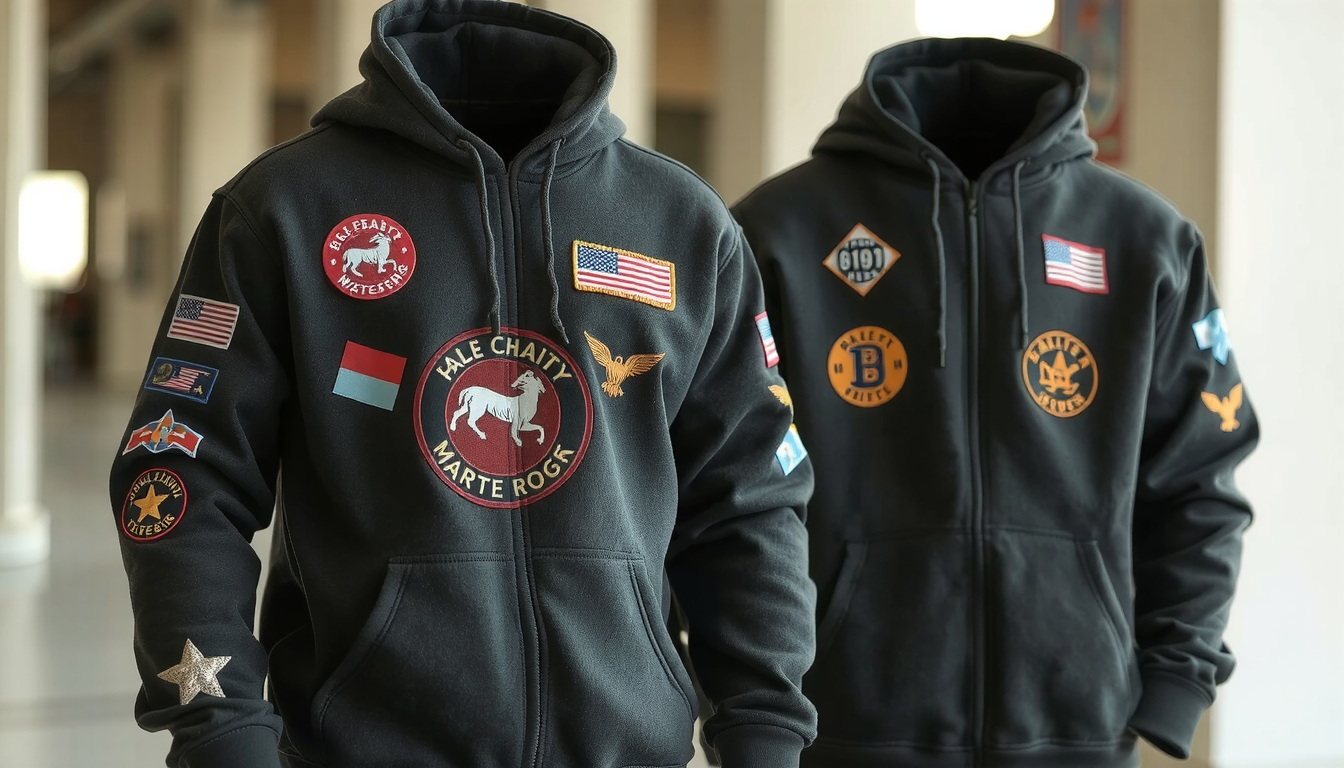
This is the most frequent and classic form of the patch. It creates a design by inserting the thread into the backing. The texture is raised threads that give a high-end classic feel to logos.
- Look & Feel: Traditional, textured, detailed.
- Best for: Company logos, team crests, and designs with clear text.
Chenille Patches: The Varsity & Retro Vibe
Think of old-school letterman jackets. Chenille patches usually come with a carpet-like fuzzy surface. They are very soft. These patches will help you make a bang of nostalgia.
- Look & Feel: Fuzzy, soft, 3D, retro.
- Best for: Single letters, mascots, and simple, large shapes.
Woven Patches: For Ultimate Detail
For designs with the smallest text or tiniest lines a woven patch is the best answer. The woven patches are woven from threads just like labels. They are not stitched on a backing. This enables the above-mentioned detail.
- Look & Feel: Flat, smooth, highly detailed.
- Best for: Complex logos, intricate artwork, and small lettering.
PVC/Silicone Patches: Modern & Durable
PVC or silicone patches are a tough and modern choice. The patches that are made of rubber are waterproof and resist tearing. They add a cutting-edge, straight, and cool appearance. They are usually put on tech or outdoor brands and workwear.
- Look & Feel: Rubbery, modern, sharp, often 3D.
- Best for: Outdoor gear, modern streetwear, and durable branding.
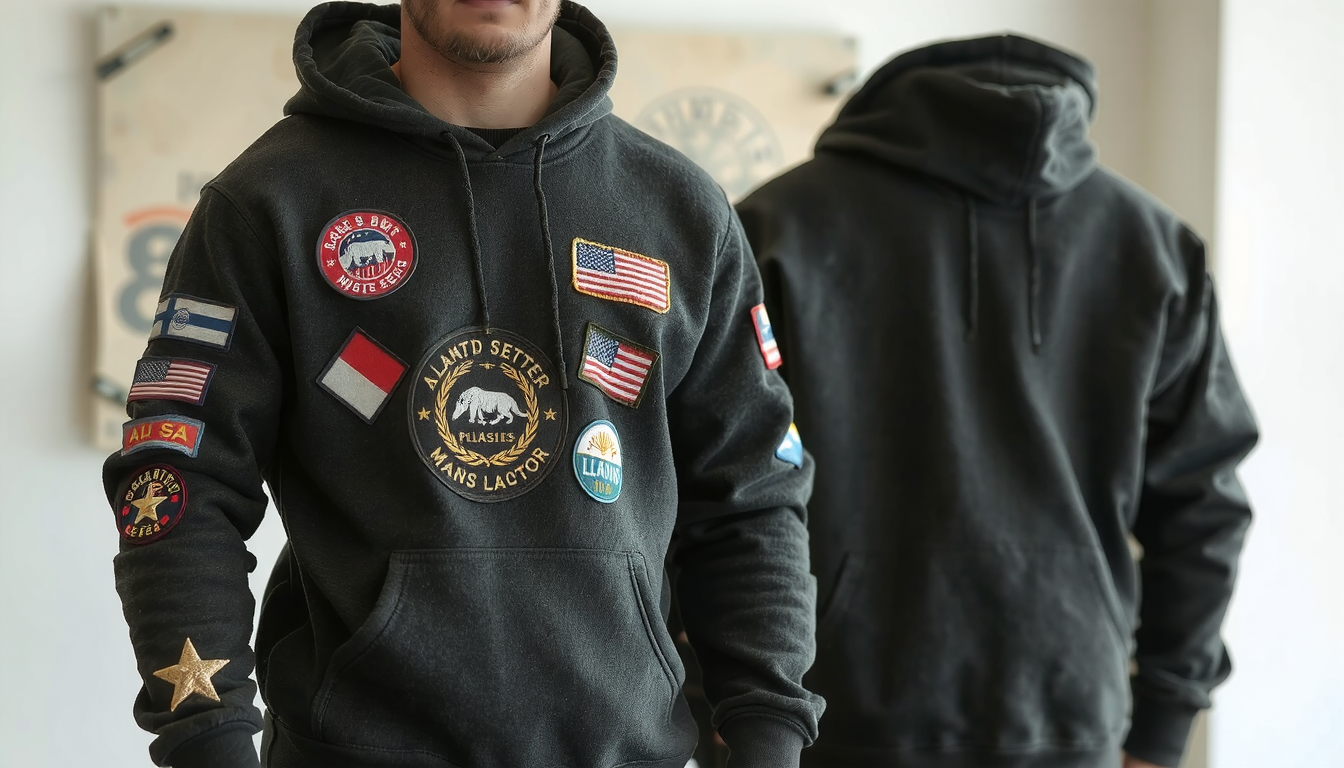
Leather Patches (Real & Faux): A Premium Touch
Leather patches symbolize high quality and strength. You can stamp a logo on them or do it with lasers. They add an unobtrusive branding element that speaks of quality.
- Look & Feel: Sophisticated, rustic, premium.
- Best for: Subtle branding on hems, sleeves, or yokes.
The Art of Design: A Style & Placement Guide for Your Patched Hoodie
Designing a patched hoodie is a piece of cake if you know how to do it. Spare patches are absolutely ineffective in case of poor placement. Making thousands of custom hoodies helped us understand the importance of placement in the design. It makes a plain garment into a conscious design.
Where you put your patches decides the hoodie’s overall look and feel. Think about what you want to say with your design.
Common & Creative Patch Placements
- Left Chest: The classic spot for a main logo. It is professional and always looks good.
- Sleeves (Bicep/Forearm): A great place for secondary logos, icons, or small text.
- Full Back: The perfect canvas for a large, statement piece of art or a bold brand message.
- On the Hood: A unique placement that adds a subtle but creative detail.
- Kangaroo Pocket: An unexpected spot that draws the eye and adds a playful element.
Design Principles for a Cohesive Look
- Balance: Don’t put all your patches on one side of the hoodie. Spread them out to create visual harmony.
- Hierarchy: Decide which patch is the star. Use a larger, main patch for your primary logo. Use smaller patches for secondary details.
- Color Theory: Make sure your patch colors work well with the hoodie’s fabric color. They can either complement it or provide a bold contrast.
- Style Matching: Match the patch style with the hoodie’s style. A chenille patch looks great on a vintage-style hoodie. A PVC patch fits a modern tech fleece. This attention to detail in crafting your brand’s introduction separates amateur work from professional design.
Your Creation Path: DIY vs. Working with a Professional Manufacturer
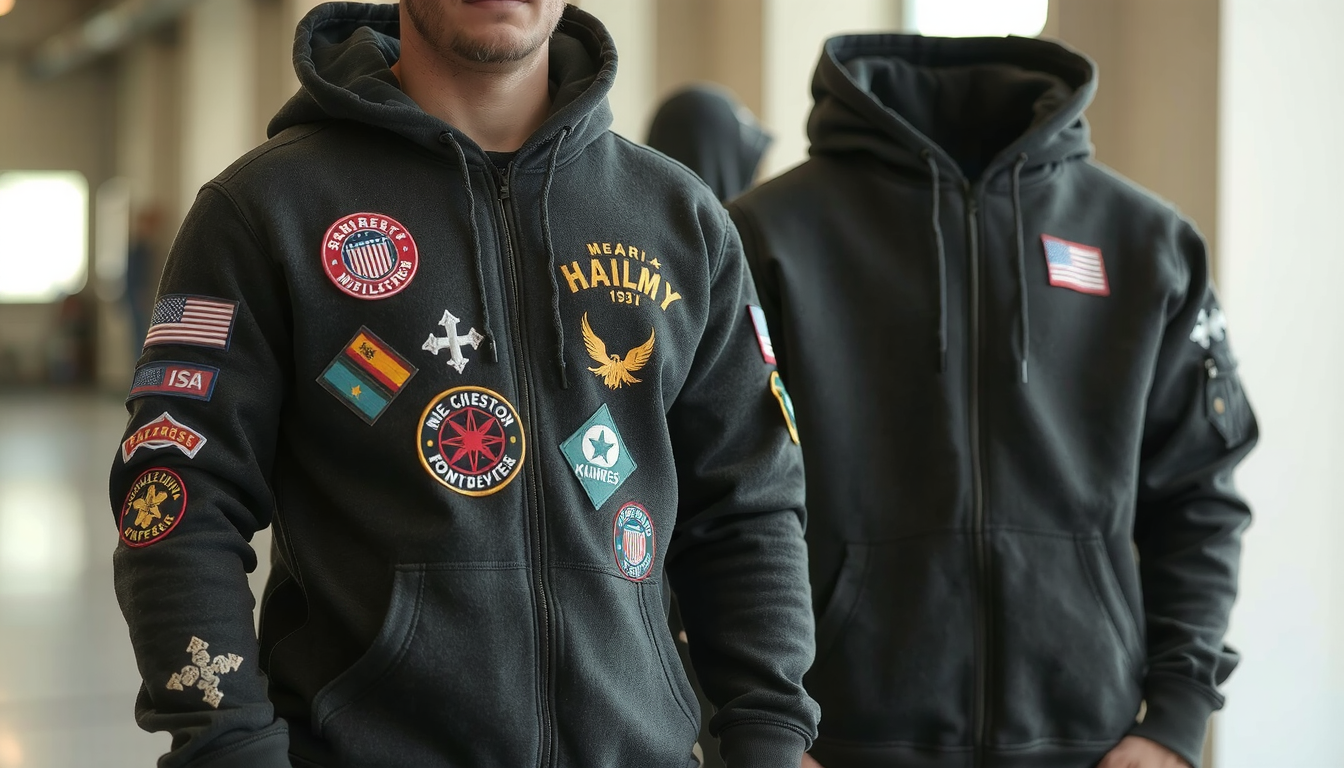
Once you have a design, you need to make it real. You have two main paths. You can do it yourself or work with a professional. The right choice depends on your goals, budget, and how many hoodies you need.
The DIY Route: For One-of-a-Kind Pieces
This path is great for personal projects or making one unique hoodie. It gives you full creative control.
- Gather Your Supplies: You will need a blank hoodie and your patches (iron-on or sew-on). You also need a household iron, a pressing cloth (like a thin towel), and a needle and thread.
- Preparation & Placement: Lay your hoodie on a flat surface. Arrange your patches until you are happy with the layout. Take a picture so you don’t forget it.
- Application (Iron-On): Set your iron to the right temperature for your fabric. This is usually cotton or cotton/poly. Place the patch and cover it with the pressing cloth. Press down firmly with the iron for 15-30 seconds. Do not slide the iron around.
- Reinforcement (Sewing): We strongly suggest adding a few stitches to the corners of every patch. Do this even for iron-on ones. This makes sure your patch will stay on for years through many washes.
The Professional Route: For Quality, Scale, and Brands
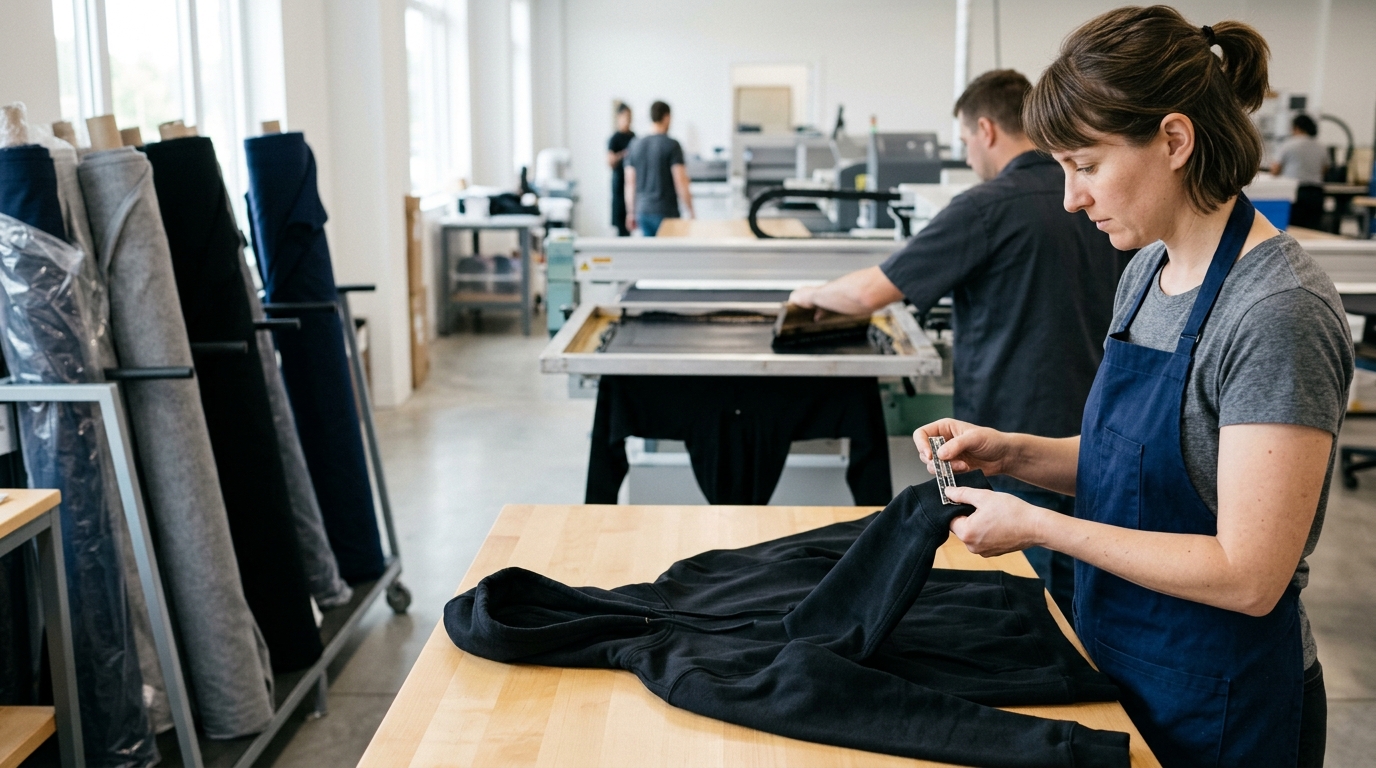
If you are starting a brand or need many hoodies for a team or company, work with a professional. This is the best way to go. It ensures consistency, quality, and a polished final product.
- Finalize Your Design: Have a complete plan. Know your patch types, sizes, colors, and exact placements.
- Prepare Your Artwork: Professionals need clean digital files. For the best results, it is important to start by submitting high-resolution design files. Vector files (like .AI or .EPS) are the industry standard.
- Choose a Partner: Find a manufacturer with experience making custom hoodies with patches. Look at their past work. See if they understand streetwear quality.
- The Consultation & Sampling Process: A good manufacturer will discuss your project with you. Always ask for a physical sample before starting the full production run. This lets you check the quality, colors, and placement in person.
Working with an expert custom hoodie manufacturer makes this whole process smooth. It guarantees a professional result.
Care & Maintenance: Keeping Your Patched Hoodie Looking Great
You have put a lot of effort into your custom hoodie with patches. To make it last, you need to care for it properly. Following a few simple rules will keep it looking fresh for years.
- Washing: Always turn the hoodie inside out before washing. Use a gentle cycle with cold water.
- Drying: Tumble dry on low heat. For best results, hang the hoodie to air dry. High heat can weaken the glue on iron-on patches over time.
- Ironing: Never put a hot iron directly on any patch. If you need to iron the hoodie, do it from the inside of the garment.
Frequently Asked Questions (FAQ) about Custom Hoodies with Patches
Here are answers to some common questions we hear about creating custom hoodies with patches.
What’s the best backing for patches on a hoodie?
Iron-on backing is easy and convenient for DIY projects. However, for the best strength, a sew-on patch is the gold standard. The most secure method is to use an iron-on patch and then add stitches around the edges. This is best for hoodies that will be washed often.
Can I put a patch over a hoodie’s pocket?
Yes, but it needs care. Placing it just above the kangaroo pocket is usually easier. It looks just as good. If you are sewing a patch onto the pocket, be careful not to sew the pocket shut. A professional manufacturer can handle this tricky placement perfectly.
What is the minimum order for custom hoodies with patches?
This depends on your creation path. If you do it yourself, the minimum is just one. For professional services, the minimum order quantity (MOQ) can vary. Some providers offer specialized services for small batches. These often start around 10 to 25 pieces. Larger manufacturers are better for orders of 50 pieces or more.
How much does it cost to add custom patches to a hoodie?
The cost depends on several things. These include the patch’s size, how complex the design is, the patch type, and the total quantity. Chenille and leather patches are often more expensive than embroidered ones. A single custom patch and application might cost anywhere from $5 to over $30. Prices drop as you order more.
Can you design a hoodie with multiple different patch types?
Absolutely! Mixing different patch types is a fantastic way to create a truly unique piece. For example, you could use a large chenille patch on the back. Add a small embroidered logo on the chest and a woven patch on the sleeve. This creates a garment rich with different textures and visual interest.
Ready to Create Your Own Custom Hoodie?
You now have the knowledge to create an amazing custom hoodie with patches. We have covered how to choose the right patch type. We talked about designing a balanced layout. We also discussed choosing between a DIY project and a professional production run.
This level of customization gives you the power to create something that is truly yours. You might be launching a streetwear line, outfitting your team, or just making a single piece. You have the tools to make it happen.
If you are ready to bring a professional, high-quality vision to life, explore the possibilities with TZStreetwear. We are here to help you turn your ideas into reality.