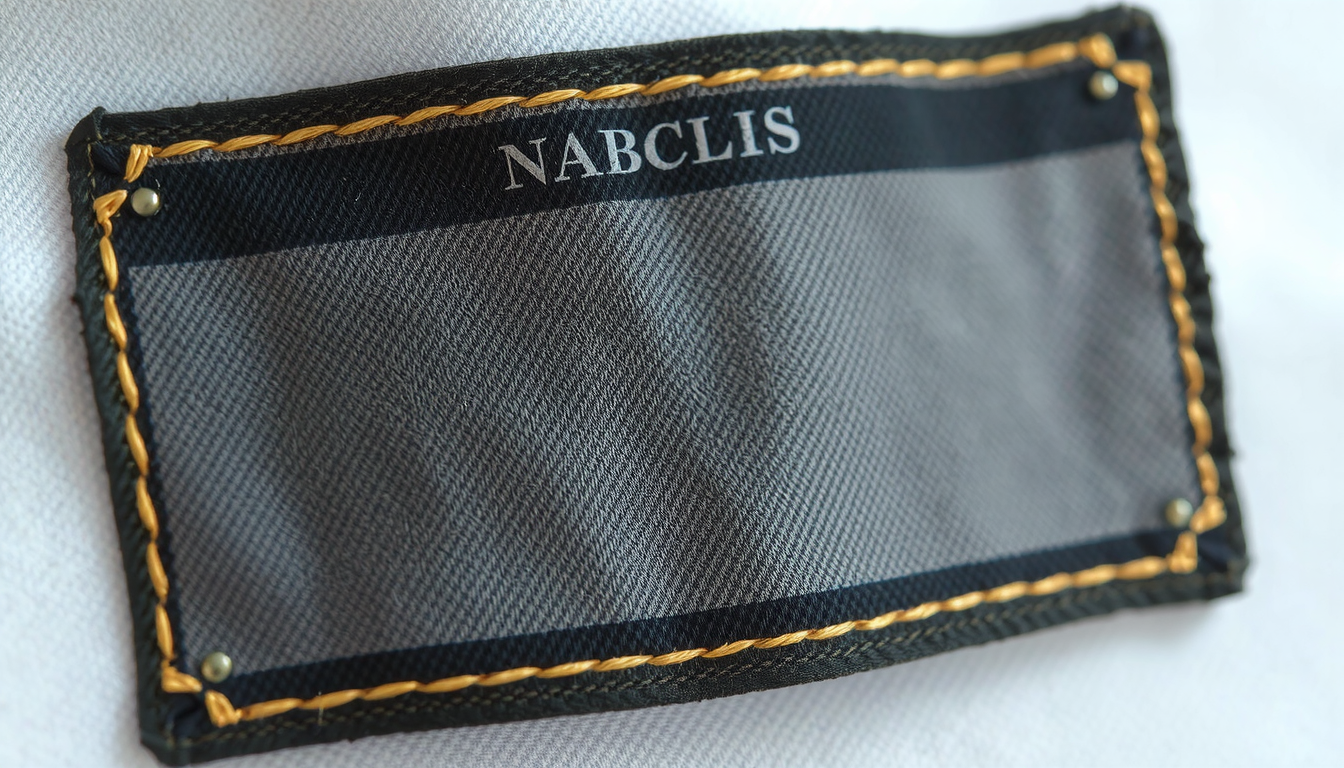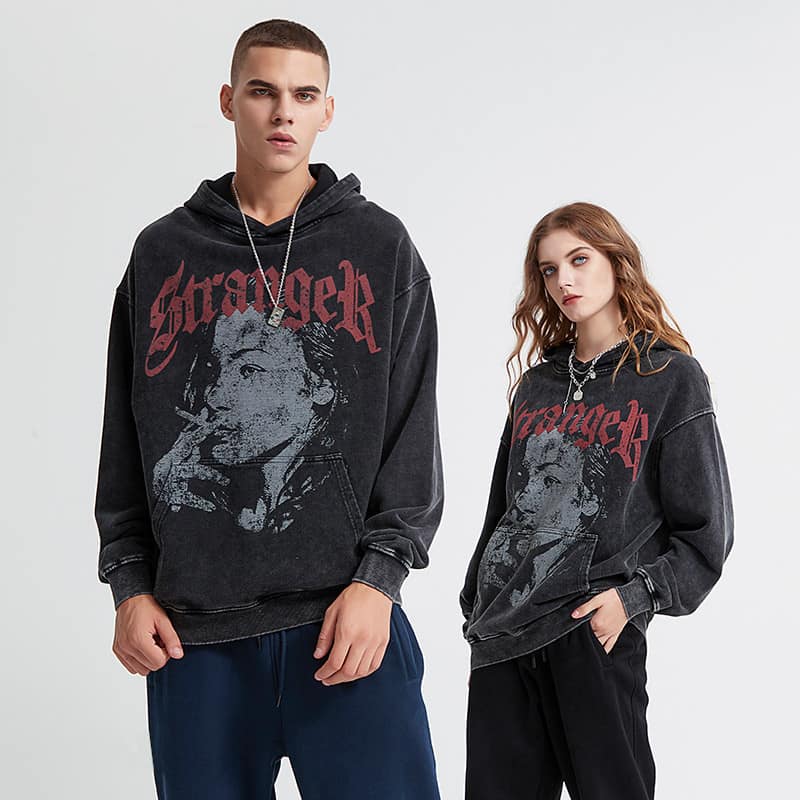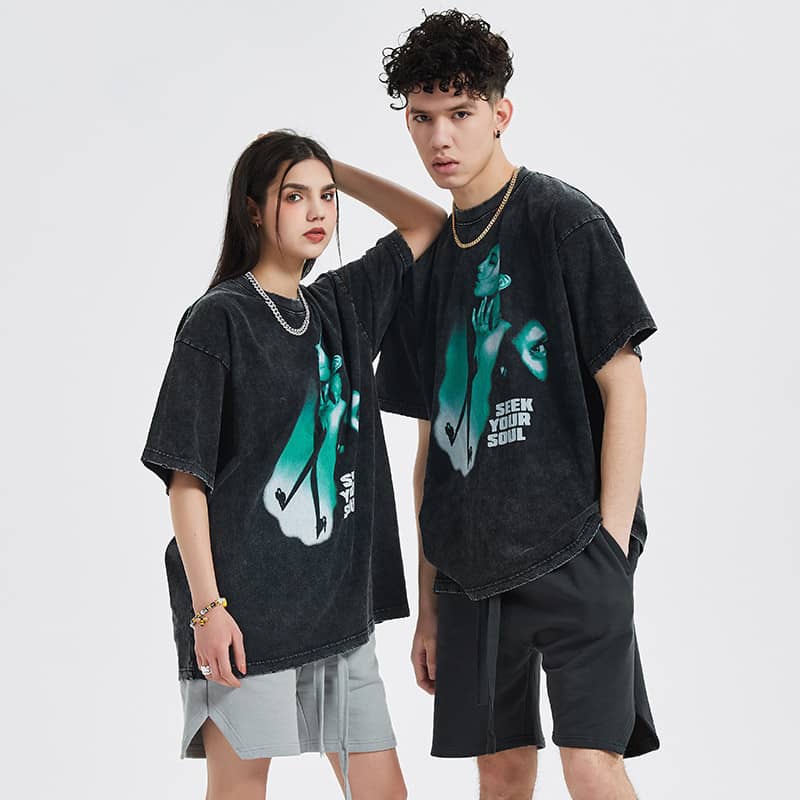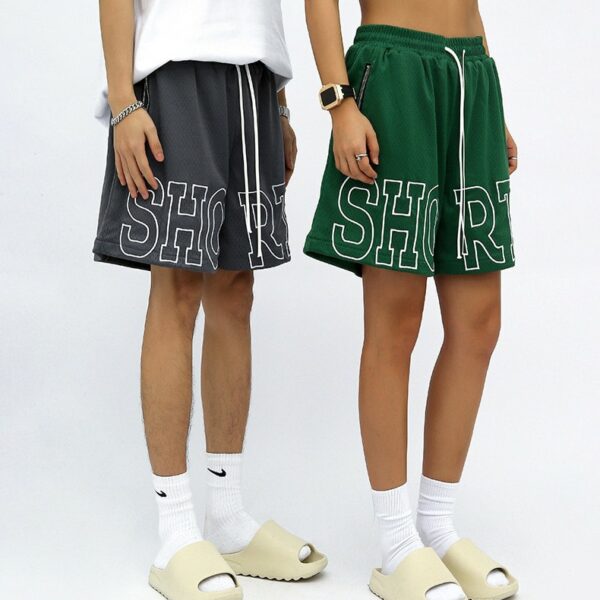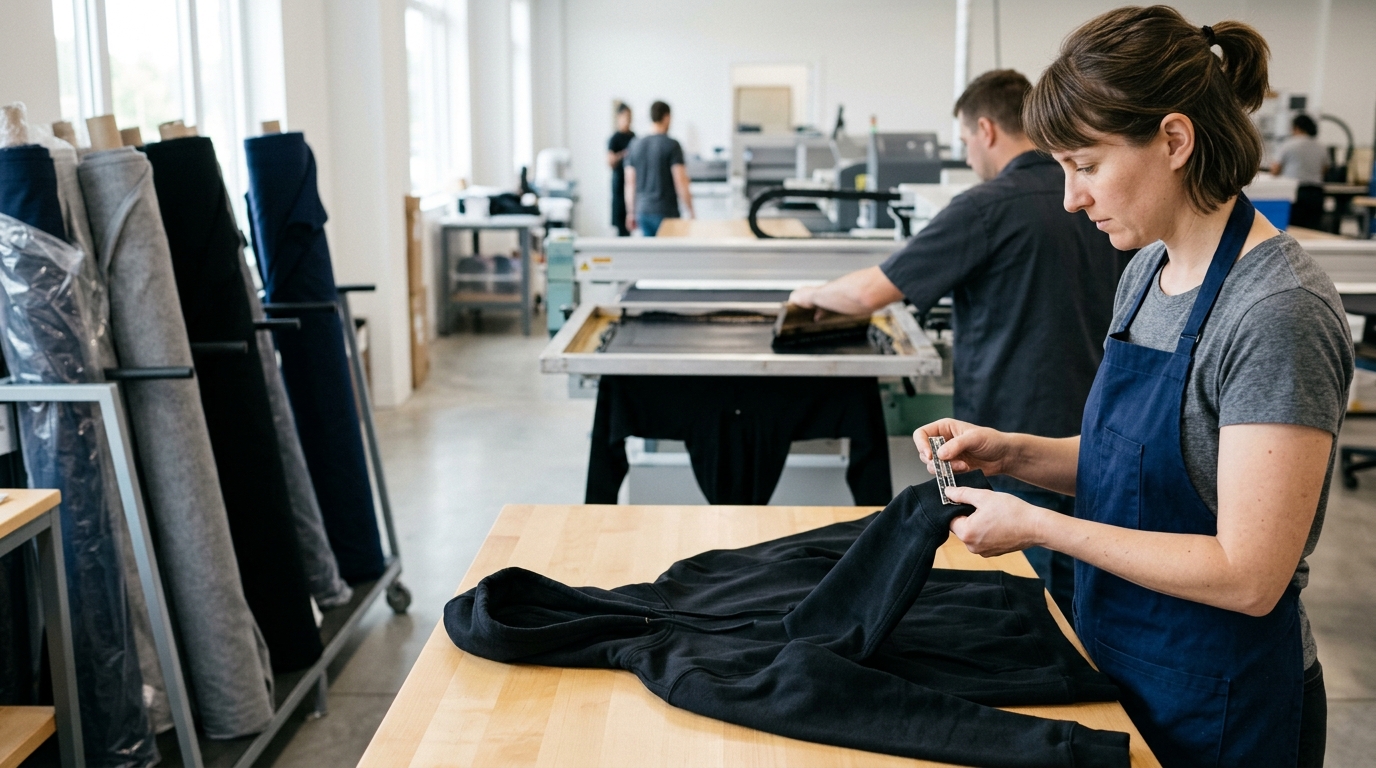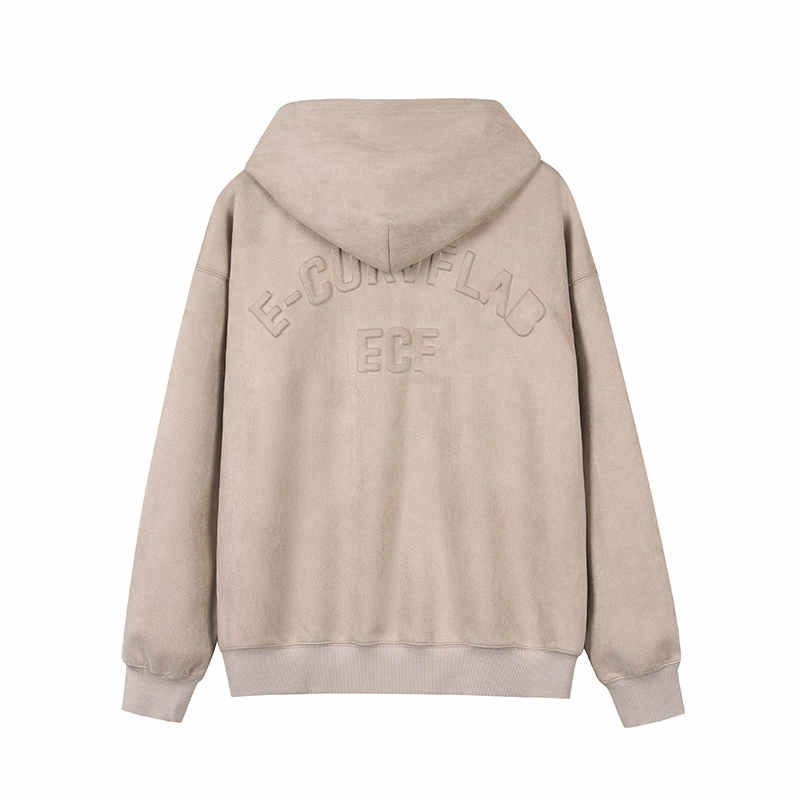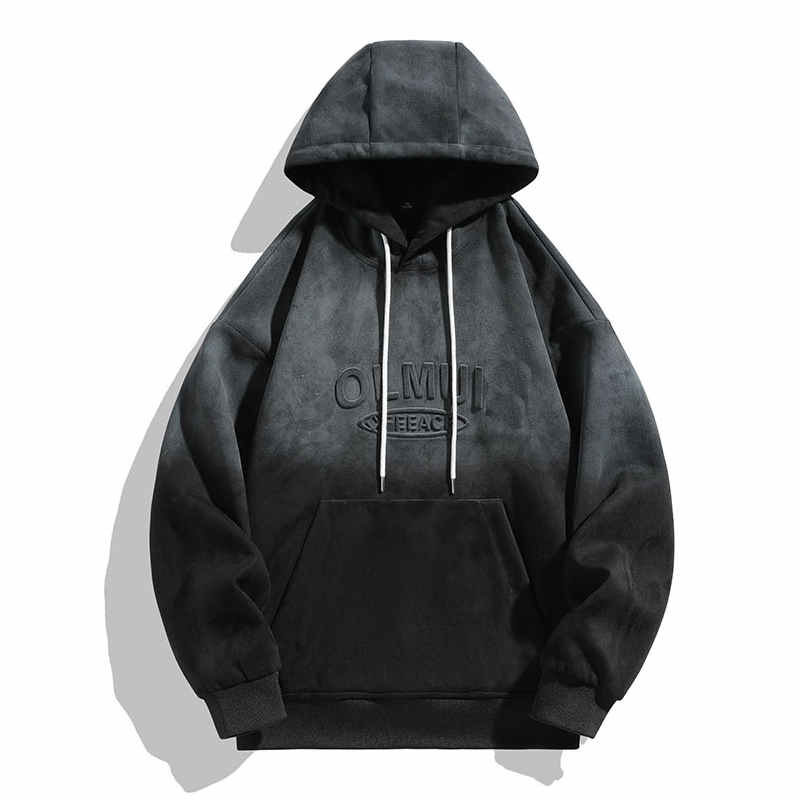
A quality garment only needs a quality label. This last touch is a sign of quality, a start to reestablish your brand, and a gift of knowledge to your customers. Printing cloth labels is a skill that is not only necessary for your startup or clothing label but it is a must if you want your product to be successful no matter what.
An excellent cloth label makes a real difference for your clothes. It converts an ordinary piece of clothing into a full-fledged branded product. You see, your choice speaks of your design sense and your expertise.
This manual is practically a complete guide. We’ll give you an overview of the different types of cloth label printing methods and assort materials in this guide. You will know to select the right choice for your brand and material. You will also learn some designing tricks to make your final product perfect.
Know Your Printing Methods
The choice of a printing method is determinant for what your label will be regarding appearance, feel, persistence, and cost. To make good choices you have to first know each technology. Sometimes, this helps you to be a better communicator with your manufacturing partner. The printing methods are very reliable and each has its own unique plus points.
Screen Printing
- How it goes: With this classic technique, ink is pushed through a fine mesh screen onto the label fabric. Your design is the stencil of the screen. Each color requires a separate screen.
- Best for: A bold and straightforward design of only one or two colors is most suitable. The ideal type of screen printing for streetwear brands and applications where high durability and bright, opaque colors are preferred, especially on dark materials.
- Pros: Extremely durable. Excellent color vibrancy. Cost-effective for medium to large production series.
- Cons: Not the right choice for photorealistic images or gradients. For smaller quantities with multiple colors, the setup costs may be high. To get deeper into the craft, explore the world of Screen Printing.
Thermal Transfer Printing
- How it goes: The technique involves a thermal print head that gets heated to a temperature that melts the ink from a special ribbon. This transfers the ink precisely onto the label material. This is a standard technology for in-house systems.
- Best for: Care and content labels, barcodes, and designs requiring extremely fine, sharp detail. It is the industry’s default choice for words that need to be read easily.
- Pros: Remarkable detail and clarity. Very durable. Economical for variable data like different sizes.
- Cons: Limited color options—usually one color, which is often black. Not suitable for large, solid logos. For further information, there are many suppliers that introduce thermal transfer fabric label printers.
Digital Printing
- How it works: Basically, this method applies ink directly onto the fabric, much like a desktop inkjet printer does. Dye-sublimation, a form of digital printing, uses heat to transfer the ink to a gas. The gas goes into the fabric fibers and results in a permanent print which is soft to the touch.
- Best for: Full-color photographic images work perfectly here. Complex designs with gradients shine here. Ideal for small production runs with low or no minimum order quantities.
- Pros: Unlimited color options. Excellent for showing high detail. No setup fees per color. Great for startups.
- Cons: Can be less cost-effective for larger volumes compared to other processes. Some inks might possess a lower vibrancy when printed on dark fabrics.
Flexographic Printing
- How it goes: This high-speed system uses flexible photopolymer plates mounted around rotating cylinders. The plates pick up ink and transfer the image onto the label material as it flows through the press.
- Best for: Very large production runs—up to tens of thousands of labels—where cost per unit is the main concern. Commonly used for care labels on mass-market apparel.
- Pros: Very high speed. The lowest cost per label at a massive scale. Consistent quality.
- Cons: The plates require a high initial setup cost. Small or medium runs are not economical. Less detail than digital or thermal transfer.
| Printing Method | Best For | Durability | Color Vibrancy | Cost at Scale |
|---|---|---|---|---|
| Screen Printing | Bold graphics, durable branding | High | High | Medium |
| Thermal Transfer | Care instructions, fine text | Very High | Low (Typically single color) | Low to Medium |
| Digital Printing | Photos, complex colors, small runs | Good to High | Very High | High (Best for small runs) |
| Flexographic | Very large runs, simple designs | High | Good | Very Low |
The Silk of Your Imagination: Label Materials
Your label material is as crucial as the printing method. It defines the texture, feel, and overall impression of your brand.
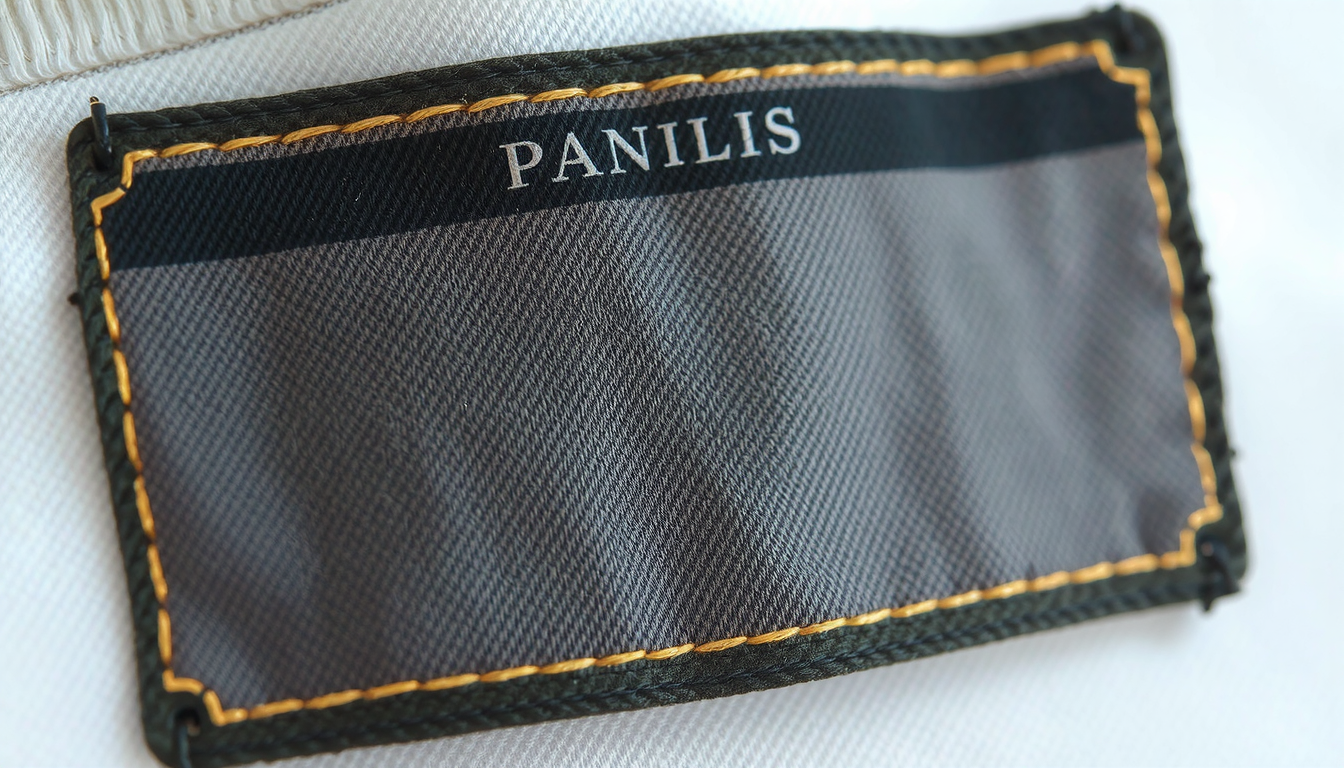
Satin Polyester
- Feel: This satin has a smooth, silky touch along with an elegant sheen. It is skin-friendly.
- Best For: Its use for a wide range of branding labels, from t-shirts to high-end dresses, is a definite asset. Its super smooth surface is an ideal canvas that helps all printing techniques achieve an optimal result.
- Considerations: The edges are heat-cut—ultrasonically sealed—to prevent fraying. This results in a soft, clean finish.
100% Cotton
- Feel: Soft, natural, and breathable, with a matte finish.
- Best For: It’s a good pick for brands whose image is organic, rustic, or eco-friendly. It is a popular option for children’s wear and handmade items.
- Considerations: Cotton cannot be heat-sealed. Its edges must be folded and sewn into a seam to prevent fraying. This makes custom printed cotton labels a deliberate choice for a specific look.
Tyvek
- Feel: Paper-like, lightweight, and slightly crinkly.
- Best For: Law labels on mattresses and furniture, outdoor equipment, and industrial applications. It is incredibly strong, tear-proof, and water-resistant.
- Considerations: Its texture is not typically desired for primary branding labels that sit against the skin. But it is unmatched for purely informational tags.
The Right Choice for Your Brand
Bringing all this information together is key. Choosing the best cloth label printing solution is a strategic decision that supports your entire brand vision. As you learn how to start a brand, you’ll find these small details make a big difference.
Step 1: Assess Volume & Budget
- Startup/Small Batch: Digital printing is your best friend. Since there is no minimum quantity and no color setup fees, you can order exactly what you need. No large upfront investment is necessary.
- Growing Brand: Screen printing offers a great balance. Once you reach volumes of 500-1000+ pieces, it becomes more cost-effective than digital while providing excellent durability.
- Large Scale Production: For mass-market production—10,000+ units—flexography provides the lowest cost per label, making it the first choice among major retailers.
Step 2: Define Brand & Garment
- Luxury/High-End: A digitally printed design on soft satin polyester gives a premium feel. It allows for very skillful branding.
- Streetwear/Durable Goods: A bold, screen-printed logo on sturdy polyester outlasts physical wear and washing. For a premium item like a hoodie, a properly printed satin label adds retail-ready quality.
- Eco-Conscious/Natural: Printed 100% cotton labels are the right choice. They symbolize a natural, and environmentally friendly, brand message perfectly.
Step 3: Consider Design Complexity
- Simple Logo/Text: Screen printing and thermal transfer are efficient. They produce sharp, good quality results for straightforward designs.
- Photorealistic/Gradients: Digital printing is the only method that can faithfully replicate complex images with many colors and photographic effects.
From Idea to Fabric: Label Design
A great label is more than just a logo. It is a combination of branding, compliance, and thoughtful design.
What MUST Be on Your Label?
- Material Composition: The fiber content should be stated clearly. Examples: “100% Cotton,” “50% Polyester / 50% Cotton.”
- Country of Origin: You must provide the name of the country in which the garment was produced. Example: “Made in Vietnam.”
- Care Instructions: Use standard symbols or plain language for washing, drying, and ironing instructions. This assists customers in preserving the garment.
- Manufacturer/Dealer ID: In the USA, products need to have a Registered Identification Number (RN) issued by the FTC, along with the manufacturer’s full name. This is not negotiable and shows professionalism.
Design Best Practices
- Legibility is Key: Opt for clear, sans-serif fonts. Ensure that the font size is readable—usually not smaller than 6-7pt for essential information.
- Color & Contrast: The design must have high contrast with the label material. A light grey print on a white label will be unreadable.
- Keep it Simple: A logo containing much detail may need to be simplified for a small label. What looks beautiful on a computer screen may not translate well when printed 1.5 inches wide.
Common Mistakes to Avoid
From our first-hand experience, we see brands make the same preventable mistakes. Avoid them.
- Scratchy Neck Labels: Avoid stiff, heat-cut polyester neck labels. Instead, opt for soft satin, printed cotton, or a tagless heat transfer to prevent customer irritation.
- Information Overload: Do not try to put your entire brand story on the main label. Use a secondary care label for bulky information. Keep the brand label clean and focused.
- Forgetting Bleed/Safe Zones: Always keep critical text and logos away from the label edges. Assume that at least 1/8th of an inch—3mm—on each side will be lost in the sewing process.
Conclusion: The Final Touch
Your cloth label is the last stitch in your brand’s story. The choice you make is a balance between printing method, material, design, and budget, all guided by your core brand identity. Getting this detail right demonstrates a commitment to quality that customers can both see and feel.
Don’t see it as a footnote; think of it as a crucial ambassador for your brand. For brands seeking a manufacturing partner who understands the nuances of cloth label printing and high-quality garment production, check what we do at TZ Streetwear.
Frequently Asked Questions
What is the most durable method for cloth label printing?
Screen printing is typically recognized as one of the most durable methods. The inks bond tightly with the fabric fibers, so the design is capable of withstanding dozens of washes without significant fading or cracking. For fine-print care instructions, thermal transfer printing is also exceptionally durable.
Can I print full-color photographs on cloth labels?
Yes, but you must use digital printing. This method works like a high-resolution inkjet printer. It is the only technique that can accurately reproduce photorealistic images, complex color gradients, and intricate details on a fabric surface.
How much does custom cloth label printing cost?
Costs vary widely based on the printing method, material, number of colors, and the order quantity. Digital printing can be an affordable option for small runs (under 500 pieces). Screen printing and flexography become far cheaper per unit on large orders of 1,000+ pieces. A simple, one-color label might cost just a few cents per piece at scale, while a complex digital label might be significantly more.
What information is legally required on a clothing label in the USA?
In the United States, the Federal Trade Commission requires most textile garments to have a label that clearly states three things: the fiber content (e.g., 100% Cotton), the country of origin (e.g., Made in USA), and the identity of the manufacturer or dealer via an RN number or full company name. Garments must also have a permanent label with care instructions.