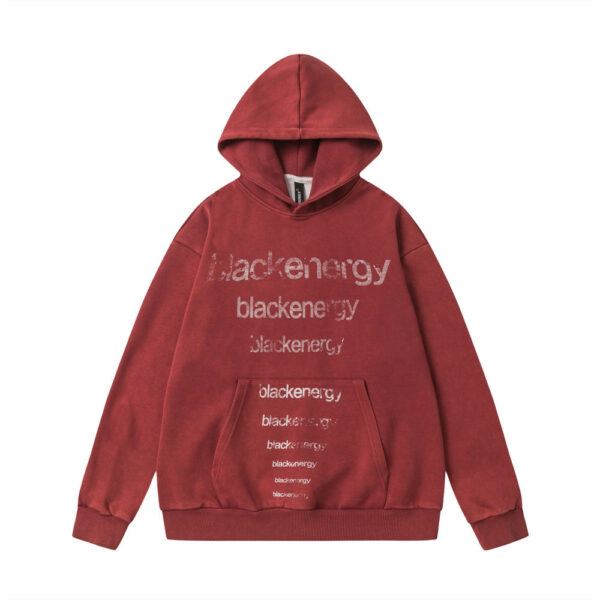
Flat embroidery, also known as flat surface embroidery, is a widely used embroidery technique that creates smooth, non-raised designs on fabrics. As a result, it has grown to be the go to option for many different types of clothing ranging from streetwear and custom apparel. Flat embroidery Unlike 3D or puff, the stitches of flat embroidery rest flush with the fabric, which gives a professional and clean appearance. In this post, I will be unearthing the distinctive features of embroidery flat, the categories of designs it accommodates, the ideal fabrics used for flat embroidery and how you can assess the quality of embroidered goods.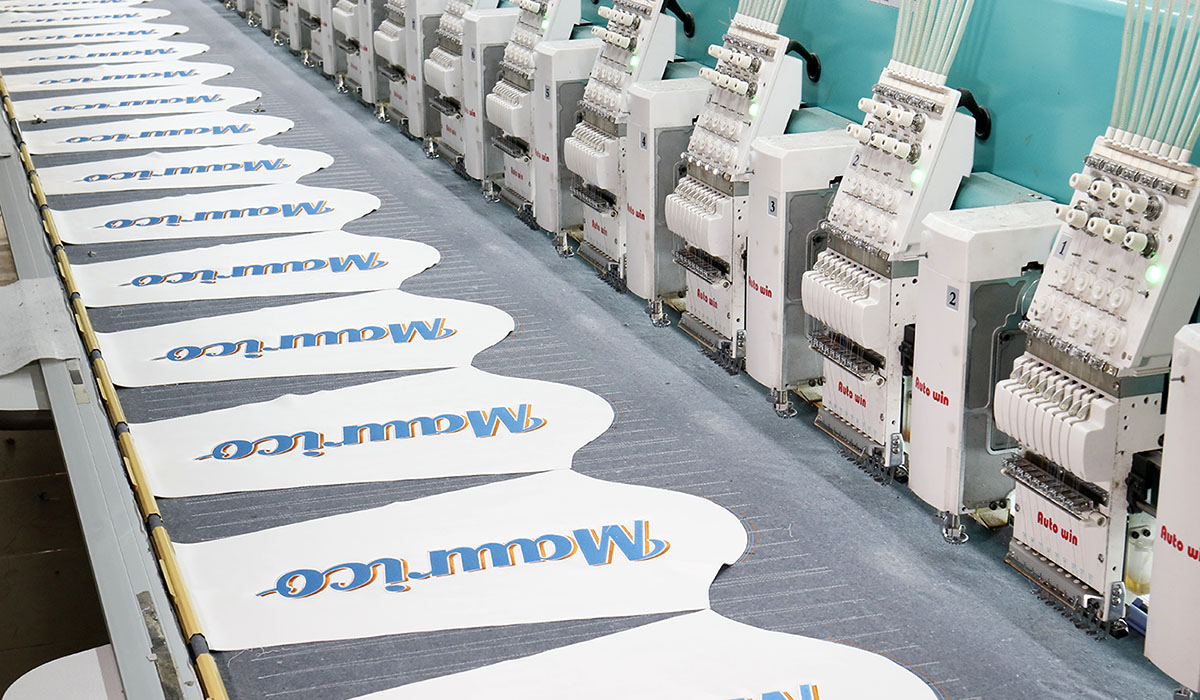
1. Characteristics of Flat Embroidery
Flat embroidery is praised for its tidy, polished look. This is done by sewing down directly on the fabric in a flat way together of straight, satin and fill stitches. The result is an integrated design flush with the fabric surface. Rectangle embroidery These are few important factors of remaining flat. The result is a smooth, well-defined design that sits flush with the fabric surface. Here are a few key characteristics of flat embroidery:
· Precision: Flat embroidery provides you high level of detail and intricate materials You get to follow flat areas, so you can have clean straight edges.
· Durability: Since the stitches lie flat, this type of embroidery is durable, making it suitable for everyday wear and tear.
· Versatility: Flat embroidery is suitable with anything from hoodies, t-shirts, jackets, and pants.
· Cost-effective: Flat embroidery does not require a lot of intricate details, so it is normally on the lower end of the price spectrum compared to something like 3D/raised embroidery (expensive and time-consuming) making this a viable choice for bulk work.
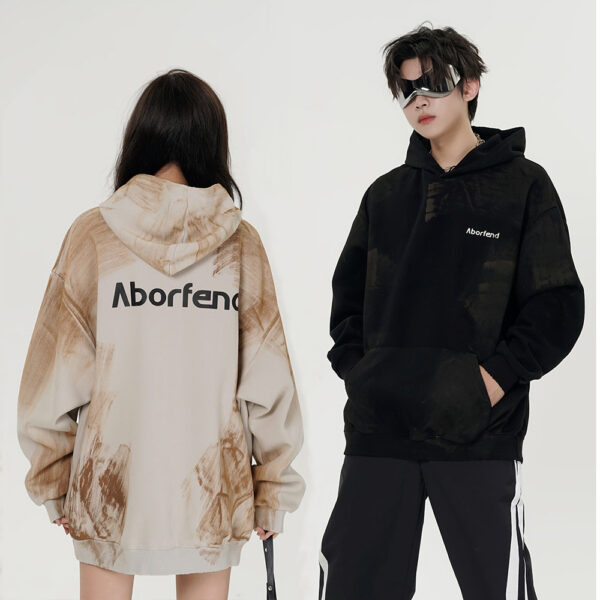
Usually, the flat embroidery is carried out to prepare logos in hoodie manufacturer and any other custom clothing producer like TUOZHEN Streetwear. the flat embroidery technique is often used to create logo designs, branding, or intricate patterns. The flat surface allows the embroidery to blend seamlessly with the garment, offering a polished and professional look.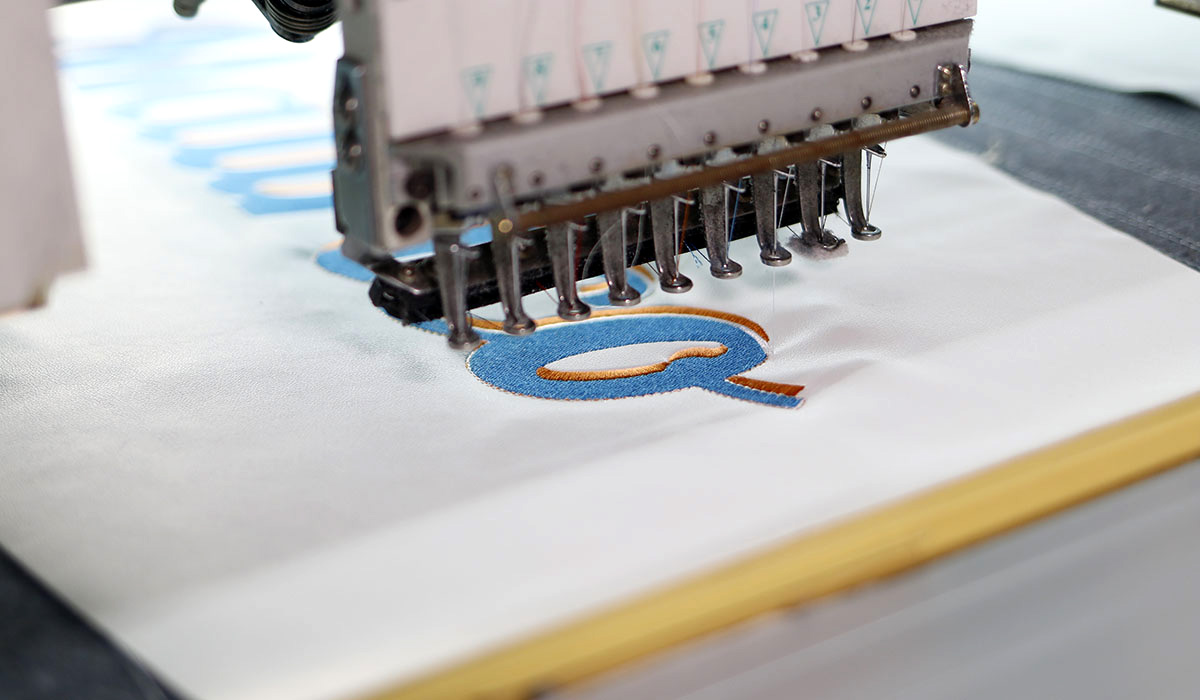
2. Designs Suitable for Flat Embroidery
Flat embroidery is not suitable for all types of designs. There are certain designs which can only be executed perfectly in 3D embroidery because of the dimensions and texture they need. However, flat embroidery excels in the following types of designs:
· Text-based designs: logos or monograms and slogans work great for flat embroidery when they are bold fonts that can be read easily.
· Simple logos and icons: Flat embroidery is also used to stitch company logos on promotional apparel. For example, streetwear brands often place flat embroidery logos on custom men’s jackets and custom men’s t-shirts.
· Geometric shapes: Flat embroidery is also used to the application of clean and sharp lines. Designs like triangles, squares, or other symmetrical patterns retain their clarity when embroidered flat.
· Multicolor designs: Flat embroidery has the ability to use multiple colors within a design, while in the process of avoiding distortion of an image. For instance, a colorful logo embroidered flat on a custom hoodie can maintain its vibrant look over time.
Flat embroidery is an excellent way for businesses who offer private label streetwear manufacturing to insert branding into clothing, these techniques allow the inclusion of branding on garments without disrupting the style or look of the fabric.
3. Best Fabrics for Flat Embroidery
The fabric you are working on will have a big influence on how quality your flat embroider. In order to avoid any puckering or stretching and to be able to pull off a smooth finish, the fabric must be sturdy enough to carry the stitching but pliable enough as to allow so apparent. Below are some of the most suitable fabrics for flat embroidery:
· Cotton and Cotton Blends: These fabrics are the optimal surface for flat embroidery. Since the natural fibers hold stitches, they keep in one piece even after several wears and washes.
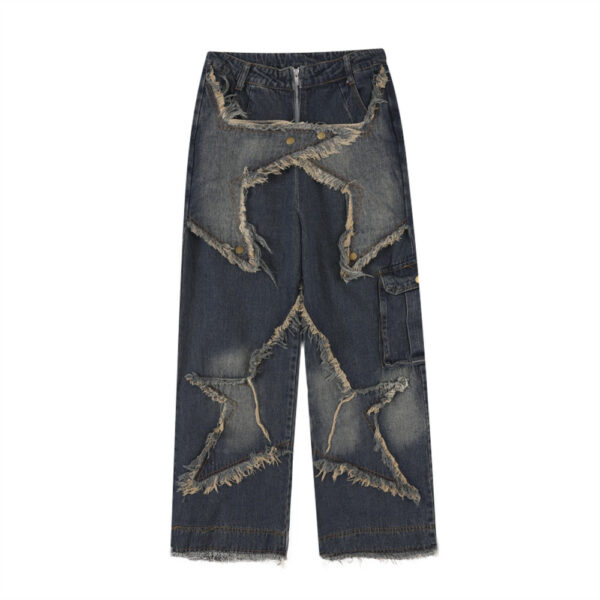
· Denim: Such as denim work best for flat embroidery to make the logo lay evenly.
· Polyester: A popular fabric choice for activewear and outerwear, polyester blends make a perfect candidate for flat embroidery because they are durable.
· Canvas: Great for intricate embroidery, made from heavy duty fabric. Often found in accessories like bags and baseball caps.
· Jersey Knit: Items such as custom men’s pants or sportswear using jersey knit are better suited to flat embroidery so that the design remains smooth and intact.
Should you ever be in the market for a hoodie manufacturer or custom clothing service, it’s important to choose your fabric wisely, as different types of fabrics pair better with flat embroidery than others (as previously noted via TUOZHEN Streetwear). For a more in depth look at selecting fabrics, resources such as Threads Magazine deliver excellent advice about how fabric behaves and how it responds to different sewing techniques.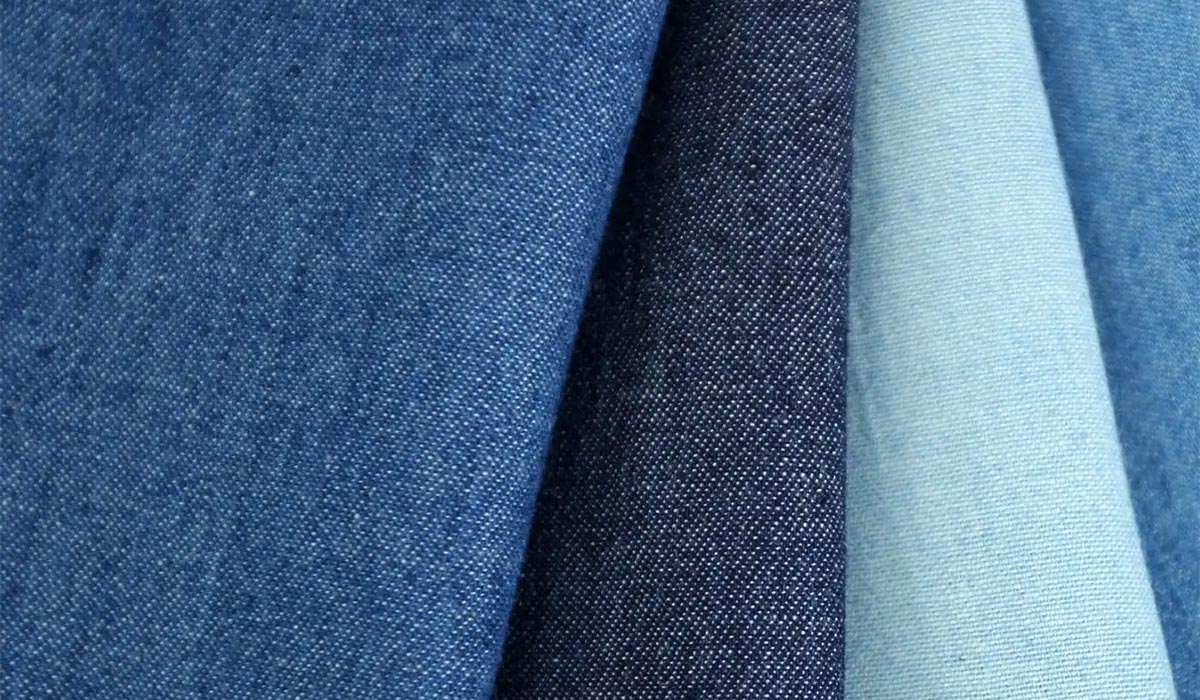
4. Types of Embroidery Techniques: A Comparison Table
To better understand where flat embroidery fits among other embroidery techniques, here’s a comparison table that outlines the main differences between flat embroidery and other popular embroidery methods.
| Embroidery Type | Description | Best Used For | Texture | Cost |
| Flat Embroidery | Smooth, flat stitches that lie flush with fabric. | Logos, monograms, simple designs. | Flat, smooth. | Moderate |
| 3D Puff Embroidery | Uses foam to create raised, 3D designs. | Bold, raised logos, athletic wear. | Raised, textured. | Higher due to labor. |
| Appliqué Embroidery | Pieces of fabric sewn onto the base fabric. | Large, colorful designs, varsity jackets. | Textured, layered. | Moderate to high. |
| Satin Stitch Embroidery | Continuous, shiny stitches for smooth finishes. | Elegant monograms, logos. | Smooth, sleek. | Moderate. |
| Chenille Embroidery | Fluffy yarn used for textured, plush embroidery. | Letterman jackets, school logos. | Soft, textured. | High due to materials. |
This table illustrates that flat embroidery is versatile, cost-effective, and suitable for simple yet precise designs, making it a preferred option for many clothing manufacturers, including those specializing in streetwear.
5. How to Evaluate the Quality of Flat Embroidery on Clothing
When it comes to determining if the flat embroidery is good quality, there are a few main things we must look into regarding stitches or how its interaction to the fabric compute. They include the quality of flat embroidery on garments.
· Even and Consistent Stitches: High-quality flat embroidery should have consistent stitching without gaps, loops, or irregular thread tension.
· Clean Edges: The edges of the design should be sharp and defined. Poor-quality embroidery often has frayed or uneven edges.
· No Puckering: Puckering occurs when the fabric bunches around the embroidery, indicating improper tension or poor backing material. Good flat embroidery will lay smoothly on the fabric.
· Durability: The embroidery should remain intact after multiple washes. If the stitches loosen or threads break, it’s a sign of substandard work.
· Symmetry and Alignment: For designs requiring symmetry, such as logos, the embroidery should be perfectly aligned and centered on the garment.
At TUOZHEN Streetwear are doing our best to give top-quality embroidery so that the crewneck t-shirt, hoodie, or custom mens pants can remain strong in style and durability.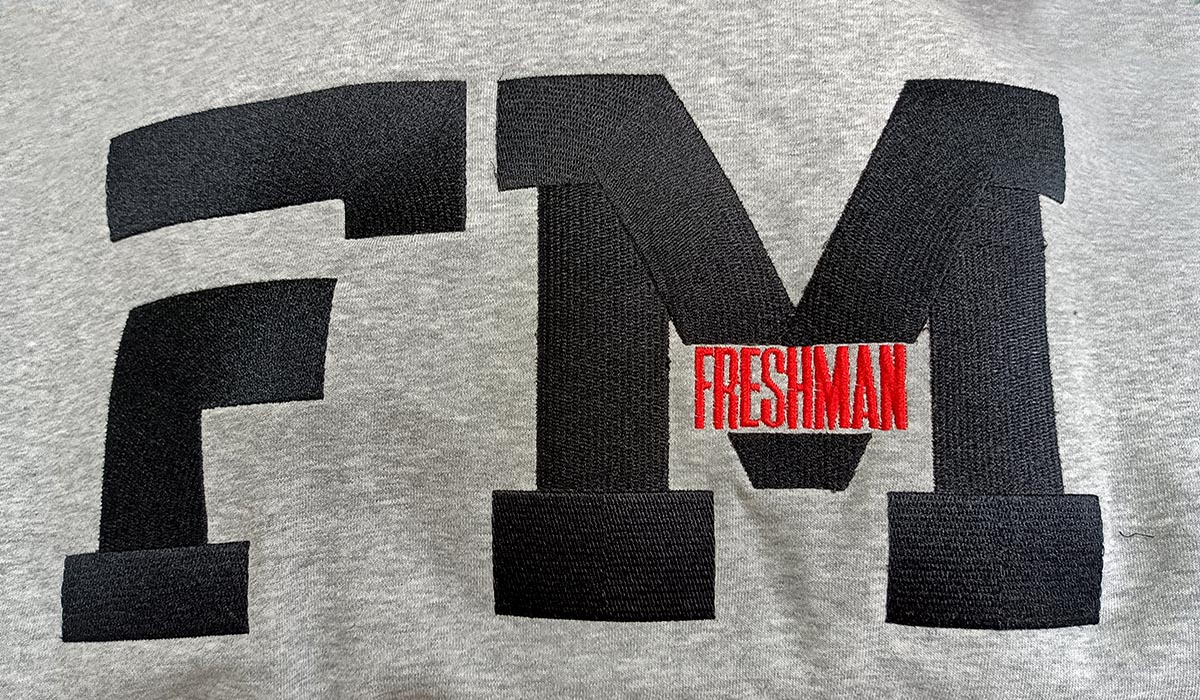
6. The Role of Backing Material in Flat Embroidery
It is necessary to prevent quality deterioration in flat embroidery as it use backing material, which can be used interchangeably with the terms stabilizer or underlay. It provides stability to the fabric during the embroidery process, preventing shifting or stretching that could distort the design. There are typically some different types of backing materials that are used :
· Tear-away backing: A great option for firm fabrics, the tear-away backing is removed after stitching so your work looks polished.
· Cut-away backing: Designed to support stretchier fabrics, cut-away backing gives you a smoother surface for more stability and stays attached to the garment for ongoing support.
· Water-soluble backing: This backing is used for delicate or sheer fabrics and dissolves in water after embroidery.
Using the right backing material is essential for achieving clean and durable results. Bad tension can lead to puckering, inconsistent stitching, or misshapen patterns. At TUOZHEN Streetwear, we take great pride in thorough embroidery every step from selecting the right fabric and backings. For more information on choosing backing materials, Embroidery Library offers comprehensive tutorials on the subject.
7. FAQ: Flat Embroidery
Q1: Can flat embroidery be done on stretch fabrics?
A1: Yes, flat embroidery can be done on stretch fabrics, but it requires proper backing, such as cut-away or tear-away backing, to prevent the fabric from stretching during the embroidery process. In this way, the design stays flat and can never bend or distort over time.
Q2: How long does flat embroidery last?
A2: With proper care, flat embroidery can last as long as the garment itself. Using quality threads, backing materials, and correct washing instructions helps maintain the durability of the embroidery.
Q3: What is the difference between flat embroidery and 3D embroidery?
A3: The main difference is that flat embroidery lies flush with the fabric, creating a smooth surface, while 3D embroidery uses foam under the stitches to create a raised, three-dimensional effect.
Q4: Is flat embroidery more affordable than 3D embroidery?
A4: On the whole, flat embroidery is cheaper since it involves less labor and supplies compared to 3D embroidery. It is there when it comes to bulk orders as well as for people who are working under tight budgets.
Q5: What is the best fabric for flat embroidery?
A5: Flat, medium-weight, natural or synthetic fabrics like cotton, polyester, and denim. They provide the stability needed for crisp, clean designs. More information on fabric choice can be found at Sew Guide.
Conclusion
For streetwear brands, it is a versatile and durable method of customization that produces great looking results that are hard wearing and slick. Flat embroidery is great for a hoodie, t-shirt or custom men’s jacket and can truly make any design look polished. A little careful selection of fabric, design and backing will see your hard graft last for years to come. Get more information on flat embroidery or other customized clothing services by visiting the link and see what we offer at TUOZHEN Streetwear for you to make your designs a reality today!

-600x600.jpg)