The New Frontier of Apparel: What is 3D Printing on Clothes?
Technology and textiles are merging. This creates exciting new possibilities for design innovation. Welcome to the world of 3D printing on clothes—a technique that’s moved beyond mere hype into real, practical applications for creators.
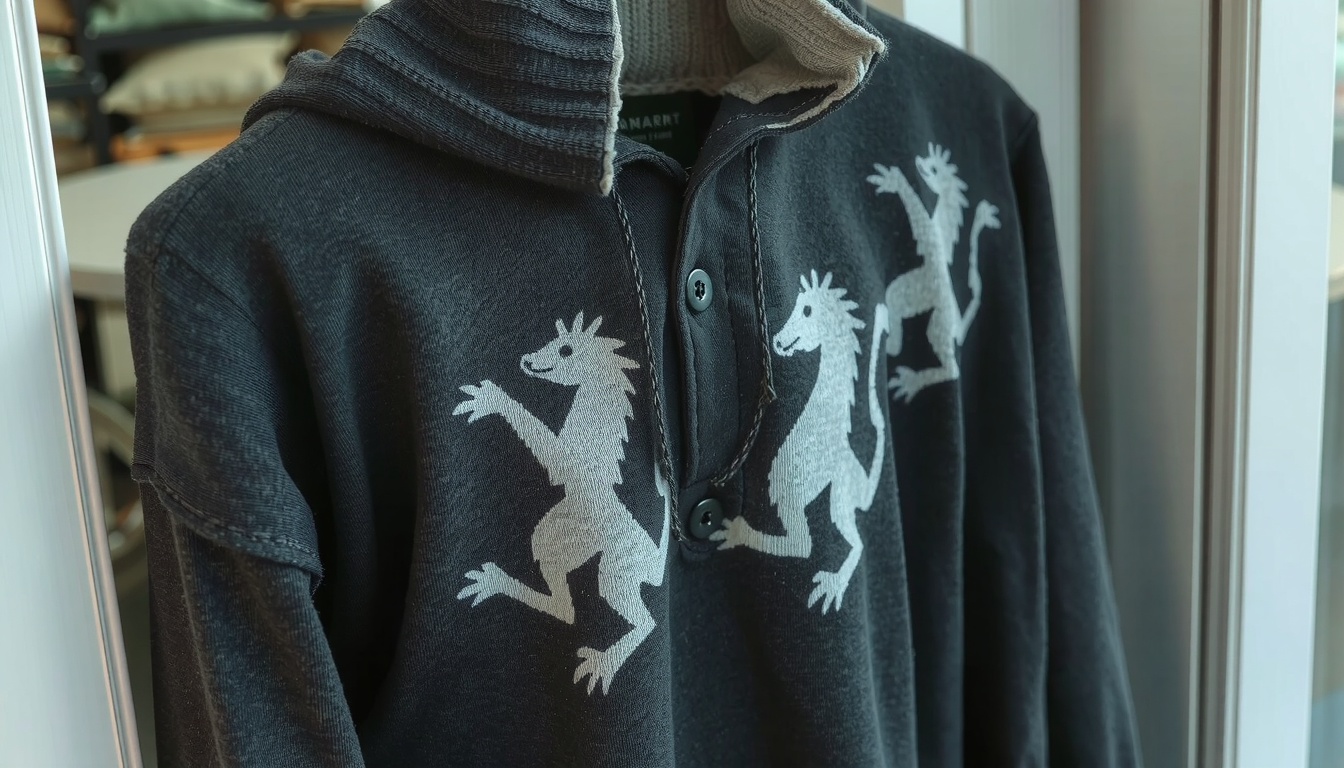
Direct-to-textile 3D printing works by extruding thermoplastic filament directly onto fabric. The result? Raised, flexible, and durable designs that feel completely different from traditional printing methods.
This approach differs fundamentally from creating fully 3D printed garments, which tend to be rigid and unwearable. Instead, we’re enhancing existing textiles. We bond plastic to fabric to create something entirely new. This guide will walk you through everything: the how, the why, and what’s coming next in 3D printing on clothes. You’ll get a practical roadmap from digital design to wearable fashion.
Why 3D Printing on Fabric is a Game-Changer for Fashion
The buzz around 3D printing on fabric isn’t just about novelty. It represents a fundamental shift in what’s possible for apparel design and production. This technology delivers real benefits that tackle major industry challenges, from creative constraints to environmental concerns.
Unmatched Customization and Personalization
Traditional methods hit walls that 3D printing simply doesn’t. You can create intricate geometric patterns, unique surface textures, and structural embellishments that screen printing or embroidery can’t touch. This opens doors to truly custom garments and hyper-personalized branding elements.
Revolutionizing Sustainability in Apparel
Fashion’s environmental impact is a major problem. Additive manufacturing—the core principle behind 3D printing—wastes far less material than traditional cutting methods. You use only what you need for your design.
This technology anchors the sustainable fashion revolution. It enables on-demand production that eliminates waste from unsold inventory. Studies show these methods could save up to 90% of natural resources by using recycled filaments and cutting overproduction.
Accelerating Design and Prototyping
Speed gives designers and brands a competitive edge. 3D printing on clothes lets you rapidly prototype decorative or functional ideas directly onto final fabric. You can test a new logo texture or flexible joint in hours, not weeks. This dramatically speeds up development cycles.
How to 3D Print on Clothes: A Step-by-Step Practical Guide
Moving from concept to finished piece is easier than you might think. We’ve spent countless hours perfecting this process. This guide distills our experience into actionable steps. Forget abstract theory—here’s how you actually achieve high-quality 3D printing on clothes.
Step 1: Choosing Your Materials
Your material choices determine success. The relationship between filament and fabric affects durability, flexibility, and overall quality of your final piece.
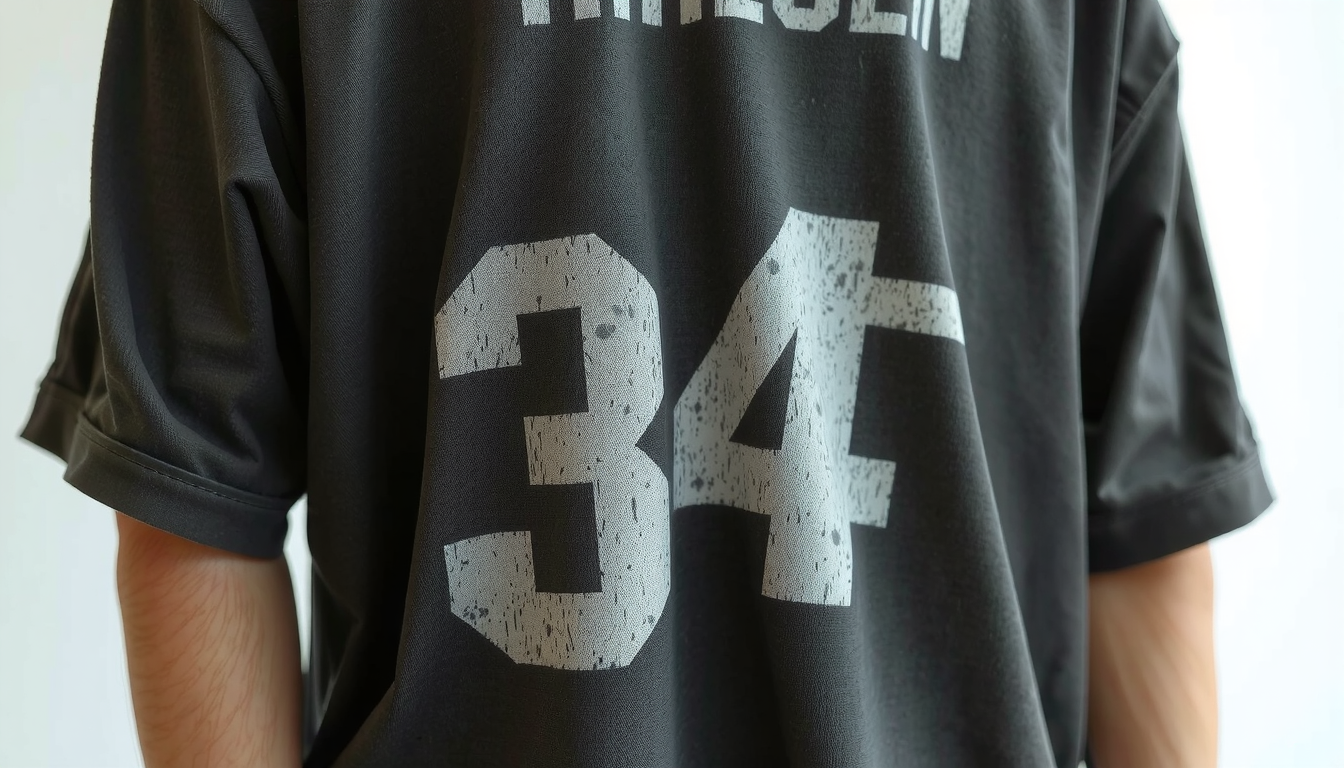
For fabric, choose materials with open weaves that molten plastic can grip. Tulle and power mesh work best because filament can extrude through holes, creating strong mechanical bonds. Stable, non-stretchy cotton or denim also work. Avoid overly stretchy or heat-sensitive fabrics like spandex or thin polyester—they can warp or melt.
For filament, flexibility is essential. Rigid filaments like PLA crack and break as fabric moves. The industry standard is TPU (Thermoplastic Polyurethane)—a flexible, rubber-like material. It’s durable, washable, and moves with your body, making it perfect for wearable applications.
Step 2: Preparing Your Design and Printer
Your 3D model is your blueprint. Start with simple software like Tinkercad for basic shapes and logos. Use professional tools like Fusion 360 or Blender for complex geometries.
The magic happens in slicer software like Cura or PrusaSlicer. Critical settings: tell the printer to print directly onto fabric, not the build plate. A key trick is disabling the first few layers (typically 1-3) in your slicer settings. This prevents the printer from creating a solid base and starts printing at a height just above your fabric. Fine-tune nozzle temperature and print speed for TPU—often printing slower than PLA to ensure proper adhesion.
Step 3: The Printing Process – The “Pause and Place” Technique
Here’s where hands-on work begins. The most reliable method we’ve found is the “Pause and Place” technique.
Start your print normally, but with a small, single-layer raft or skirt printing directly on the build plate. Let the printer complete this thin base layer. This gives you a perfect outline of where your design will print.
Pause the printer. Carefully place your fabric over the printed raft, ensuring it’s flat and taut. Use painter’s tape or clips to secure fabric firmly to the build plate—it can’t shift. Resume the print. The nozzle travels to its starting position and begins extruding TPU directly onto your placed fabric.
Step 4: Pro-Tips for a Perfect Bond
Even with correct technique, you might encounter issues. Here’s troubleshooting based on common problems we’ve faced.
- Problem: Poor adhesion (print peels off easily).
- Solution: Use mesh-like fabric such as tulle. For solid fabrics, slightly increase nozzle temperature (in 5°C increments) to help filament melt into fabric fibers. Ensure proper first layer height calibration to “squish” filament onto textile.
- Problem: Fabric warping or melting under the nozzle.
- Solution: The fabric is too heat-sensitive. Switch to heat-resistant material like cotton or increase print cooling fan speed. Ensure fabric is completely taut—any slack causes lifting and nozzle contact.
- Problem: Final print is too stiff and unwearable.
- Solution: This involves both material and design. Use TPU with lower Shore hardness (like 85A) for maximum flexibility. Design thinner structures or lattice patterns rather than solid plastic blocks.
Beyond the Basics: Creative Applications & Inspiration
Once you’ve mastered the technique, creative possibilities for 3D printing on clothes become immense. It’s a tool for adding value, function, and unique signatures to apparel.
Creating Custom Textures and Embellishments
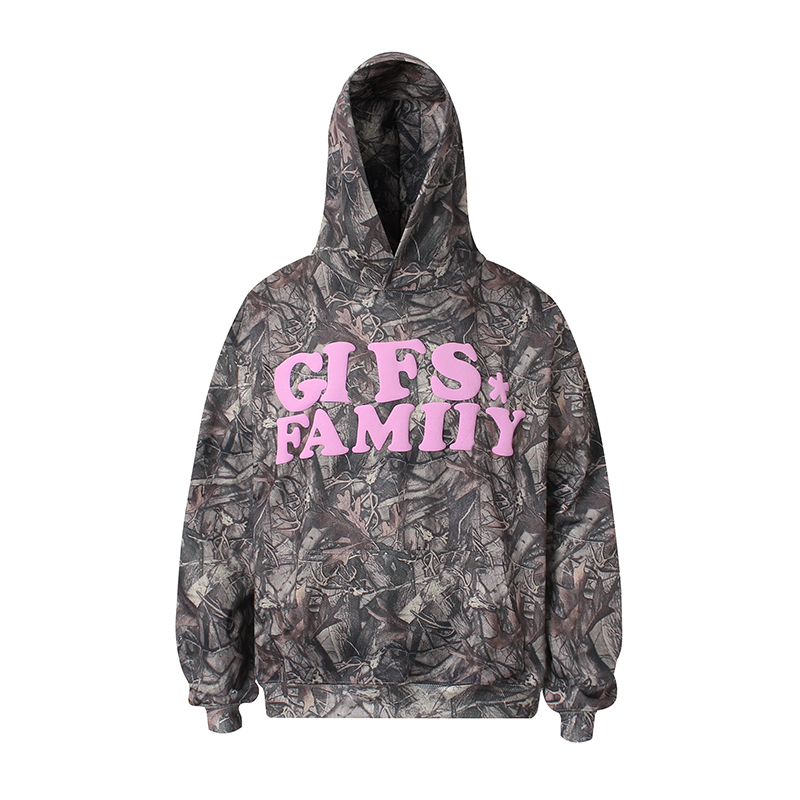
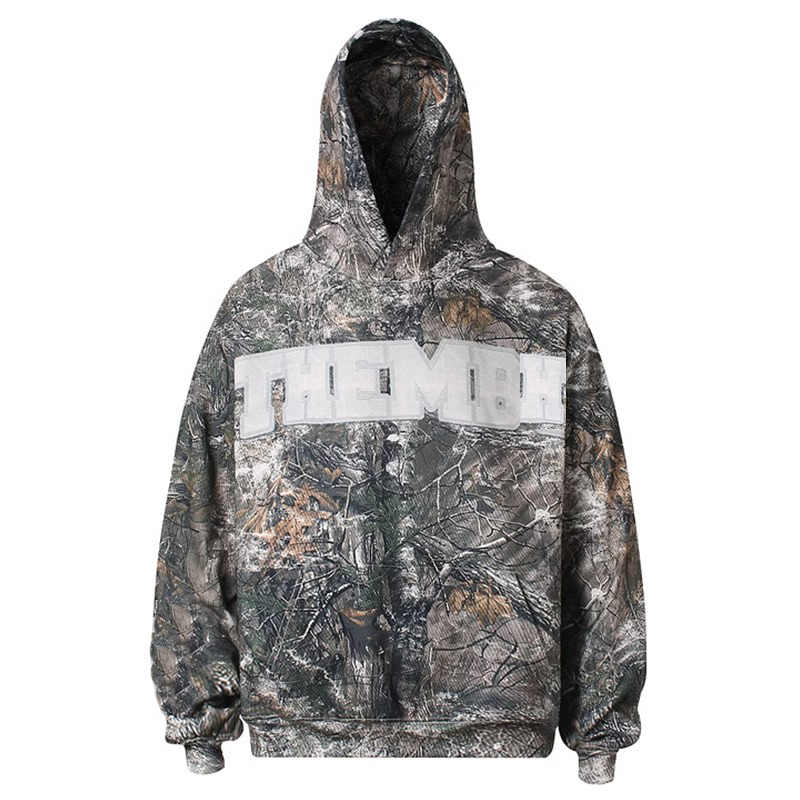
Move beyond flat graphics. Create raised, tactile logos on t-shirts, geometric patterns on jacket sleeves, or functional braille lettering on custom hoodies. This method allows textural detail that sets brands apart.
Functional and Interactive Apparel
3D printing isn’t just decorative. Designers experiment with printing functional components directly onto garments. This includes integrated clasps, flexible joints for sportswear, or protective paneling for performance gear. You merge textile and hardware into single pieces.
Haute Couture and Runway Examples
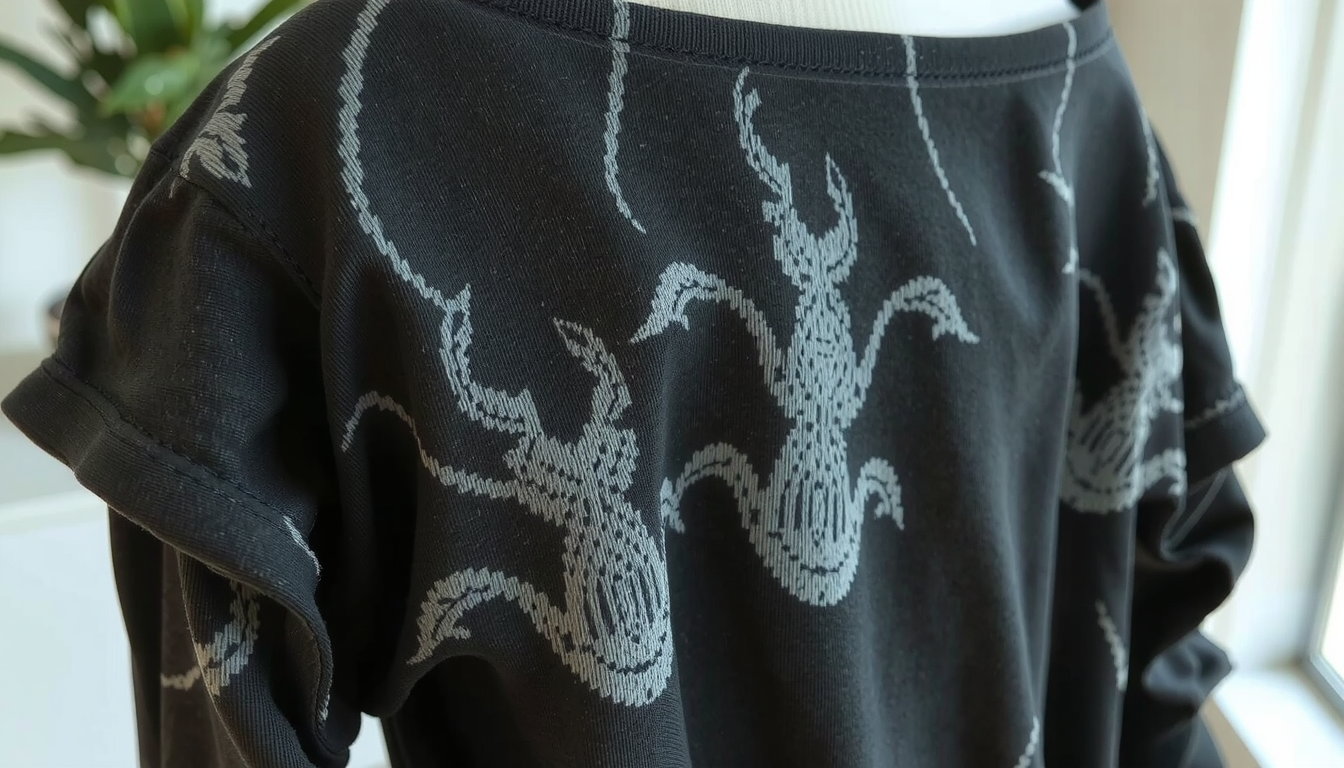
Pioneering designers like Iris van Herpen and Danit Peleg showcase stunning potential of 3D printing in high fashion. Their work demonstrates how this technology creates sculptural, otherworldly garments that behave like fabric. These runway pieces signal broader applications of 3D Printing in Fashion trickling down to more accessible industry levels.
3D Printing vs. Traditional Methods: Where Does It Fit?
To truly leverage 3D printing on clothes, understand where it excels compared to established decoration techniques. It’s not a replacement for everything—it’s a powerful new tool in your arsenal. While traditional screen printing excels at large, flat color designs, 3D printing offers unparalleled textural depth.
Understanding different craft introductions is key to building unique brand identity. Here’s a comparative breakdown:
| Feature | 3D Printing on Fabric | Screen Printing | Embroidery |
|---|---|---|---|
| Complexity/Texture | High (True 3D depth, complex geometries) | Low (2D, flat layers of ink) | Medium (Raised thread, classic texture) |
| Cost per Unit (Low Volume) | Low | High (due to screen setup) | Medium to High |
| Setup Time/Cost | Low (Digital file only) | High (Screen creation, color separation) | Medium (Digitizing fee for design) |
| Durability/Washability | Good (with TPU, requires gentle washing) | Excellent (Ink bonds with fabric) | Excellent (Thread is highly durable) |
| Best For | Textured logos, prototypes, unique patterns, functional parts | Large logos, high-volume runs, simple color graphics | Classic logos, patches, premium branding |
The Future of Wearable Tech: Challenges and What’s Next
While incredibly promising, 3D printing on clothes is still evolving. Several hurdles need addressing before mass adoption.
Current Challenges
Primary challenges today include material limitations, scalability, and washability. While TPU is flexible, achieving natural breathability and drape of fabric remains difficult. Scaling from one-off pieces to large production runs is still slow. Consumers need education on proper care for these hybrid garments to ensure longevity.
Future Innovations
The future looks bright. We’re seeing rapid development in biodegradable and bio-based filaments that improve sustainability. Multi-material printers will allow combining rigid and flexible materials in single prints. As technology matures, the process becomes faster and more reliable. This further blurs lines of how 3D printing is changing the industry.
Conclusion: Weaving Your Brand’s Future with 3D Printing
We’ve journeyed from core concepts of 3D printing on clothes to practical, step-by-step implementation guides. This technique is no longer confined to high-fashion runways or research labs. It’s an accessible, powerful tool for innovative designers, streetwear brands, and creators.
By embracing this technology, you create products with unparalleled texture. You accelerate prototyping and build more sustainable production models. The future of fashion belongs to those willing to experiment. Whether you’re exploring new techniques or seeking manufacturing partners, TZ Streetwear is here to help bring your vision to life.
Frequently Asked Questions (FAQ) about 3D Printing on Clothes
What is the best filament for printing on clothes?
Answer: TPU (Thermoplastic Polyurethane) is the best choice due to its flexibility, durability, and rubber-like properties. These allow prints to move with fabric. Rigid filaments like PLA are unsuitable—they’re brittle and crack when garments flex or move.
Can I wash clothes with 3D printed designs on them?
Answer: Yes, but with care. We recommend hand washing in cold water or gentle machine cycles with garments turned inside out to protect designs. Avoid high heat from dryers—it can soften and deform TPU prints. Always air dry for best results.
Do I need a special 3D printer for printing on fabric?
Answer: No, most standard FDM (Fused Deposition Modeling) desktop 3D printers handle this process. Success depends on technique, like the “pause and place” method, and correct slicer settings for flexible filaments like TPU. You don’t need specialized, expensive hardware.
Is 3D printing on clothes expensive for a small brand?
Answer: The primary upfront cost is the 3D printer itself, which has become very affordable. Material cost per print is extremely low afterward, especially for smaller logos or embellishments. For prototyping and producing small, highly customized batches, it’s significantly more cost-effective than meeting minimum order quantities for many traditional manufacturing methods.
How does the feel of a 3D print on a shirt compare to embroidery?
Answer: The feel is entirely different, offering unique aesthetics. Embroidery has classic, textured feel from thread. 3D prints feel like flexible, raised rubber or soft plastic emblems. They can be engineered smooth, rough, or with specific geometric textures. This provides modern, tactile experiences that embroidery cannot replicate.