Buying your first screen printing machine for clothing is a breakthrough moment for your brand. This decision directly impacts production capacity, print quality, and workflow efficiency. It is indeed a significant investment. The alternatives that you can choose from are simply too many.
This guide removes any ambiguity. We will prepare an effective, uncomplicated roadmap to you for choosing the right equipment. We shall match your machine with your specific business objectives, operational space, and budget.
The process of screen printing continues to sustain the custom apparel industry. It is preferred by most people due to its bright, long-lasting designs and the cheap price that comes with it when printing in bulk. It is one of the most important techniques in garments, the one that delivers bright prints that withstand time. The article on the craft of screen printing will give you an idea about the process.
Manual vs. Automatic: The Two Main Types of Machines
The very first decision for you to make is whether it should be a manual or an automatic machine. The decision is pivotal as it will influence your entire production flow. You have to be aware of the essential differences. Each of them has its own advantages in the clothes printing area.
The Manual Screen Printing Press: Fully Hands-on Processing
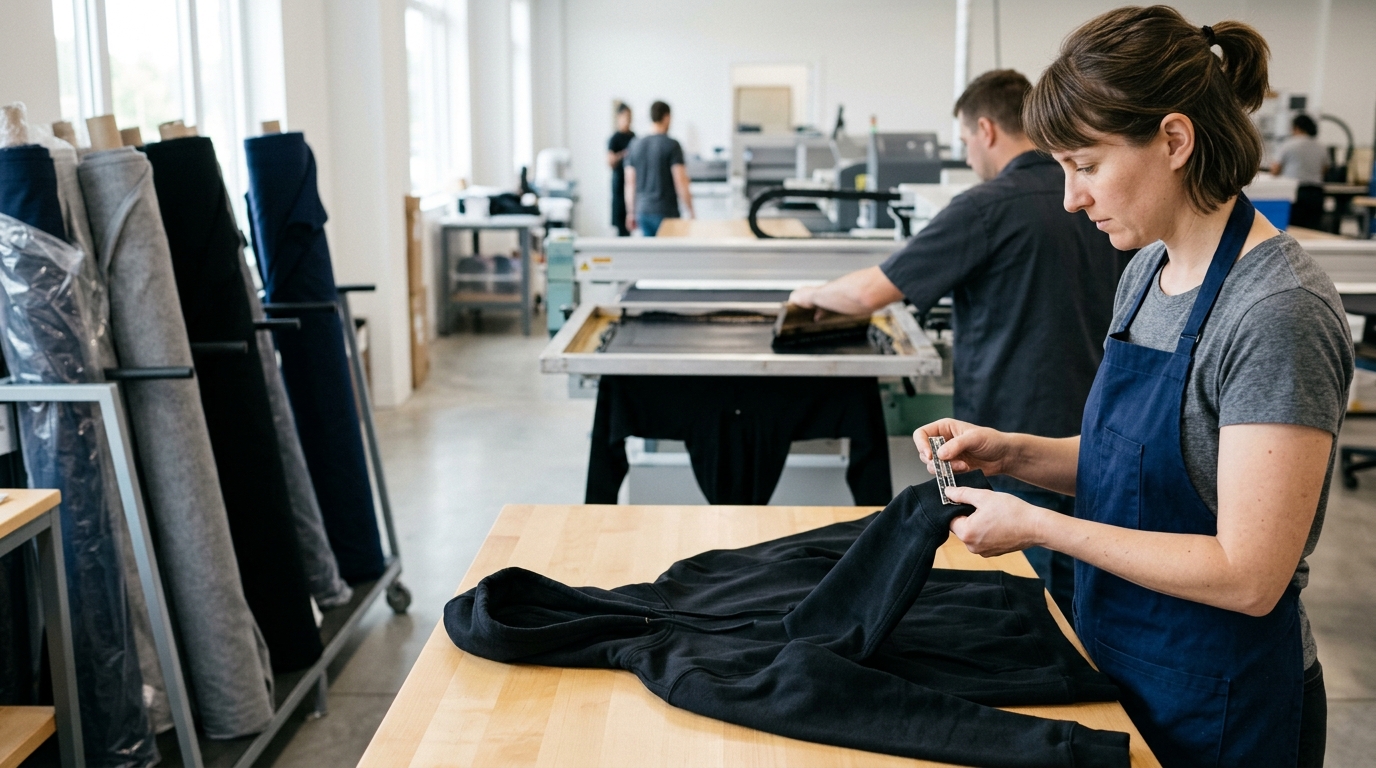
A manual screen print machine for clothing is a machine that operates fully with the help of a mechanic. Lowering each screen manually is involved. You use a squeegee to apply ink. You turn the platens to the next color or station. This model is a choice for most beginners.
Certainly, they are excellent for people who start printing, small-sized custom orders, tight budgets, and small spaces. The design is easier since they are cheaper to begin with.
But the downside is that you will need more manual work and it will be slower. When you have a large order production, no matter how perfect you are, it will completely depend on you to keep 100% consistency.
The Automatic Screen Printing Press: Super High Production
An automatic screen print machine for clothing is just like the locomotive in an engine. The presses have either pneumatic or electrical power to complete the cycle of printing without the operator. They shift the platens and make the squeegee strokes automatically. You leave office work from physical activities of watching, loading shirts, and inspecting the quality of the shirts.
They are the best choice for companies that need speed, precision, and consistency. No worker gets too exhausted, and they are capable of producing hundreds or maybe even thousands of shirts in an hour.
This is an expensive machine that may cost you a lot, it is space that needs additional investments, and even more power. The operation, set-up, and maintenance time are longer than those of manual presses. When operated by only one person, the automatic presses can go to over 1,000 per hour according to statistics from ROQ while manual presses that are average can go to 30-80 pieces.
Features Highlight: Manual vs. Automatic Press
| Feature | Manual Press | Automatic Press |
|---|---|---|
| Ideal For | Startups, Hobbyists, Small Shops | High-Volume Shops, Contract Printers |
| Initial Cost | $ to $$ | $$$$ to $$$$$ |
| Production Speed | Low to Medium | High to Very High |
| Consistency | Operator-dependent | Machine-perfect |
| Space Required | Small / Garage | Commercial / Warehouse |
| Labor | Physically intensive | Supervisory |
Setting Your Course: Choosing An Appropriate Machine for Your Stage
The best screen print machine for clothing is the one that fits your current stage and also allows for expansion. We will seek suggestions by outlining typical business stages in your path.
The Hobbyist with Passion & Startup
You are printing for yourself, an Etsy shop, or local artists in the community. You are low on volume. Your budget is tight. But your creative drive is high. Technically, you need, but would not afford, a small volume of high-quality T-shirts.
In this case, a 4-Color, 1- or 2-Station manual press is the right machine for you. It’s a perfect fit for you that want design flexibility of a startup.
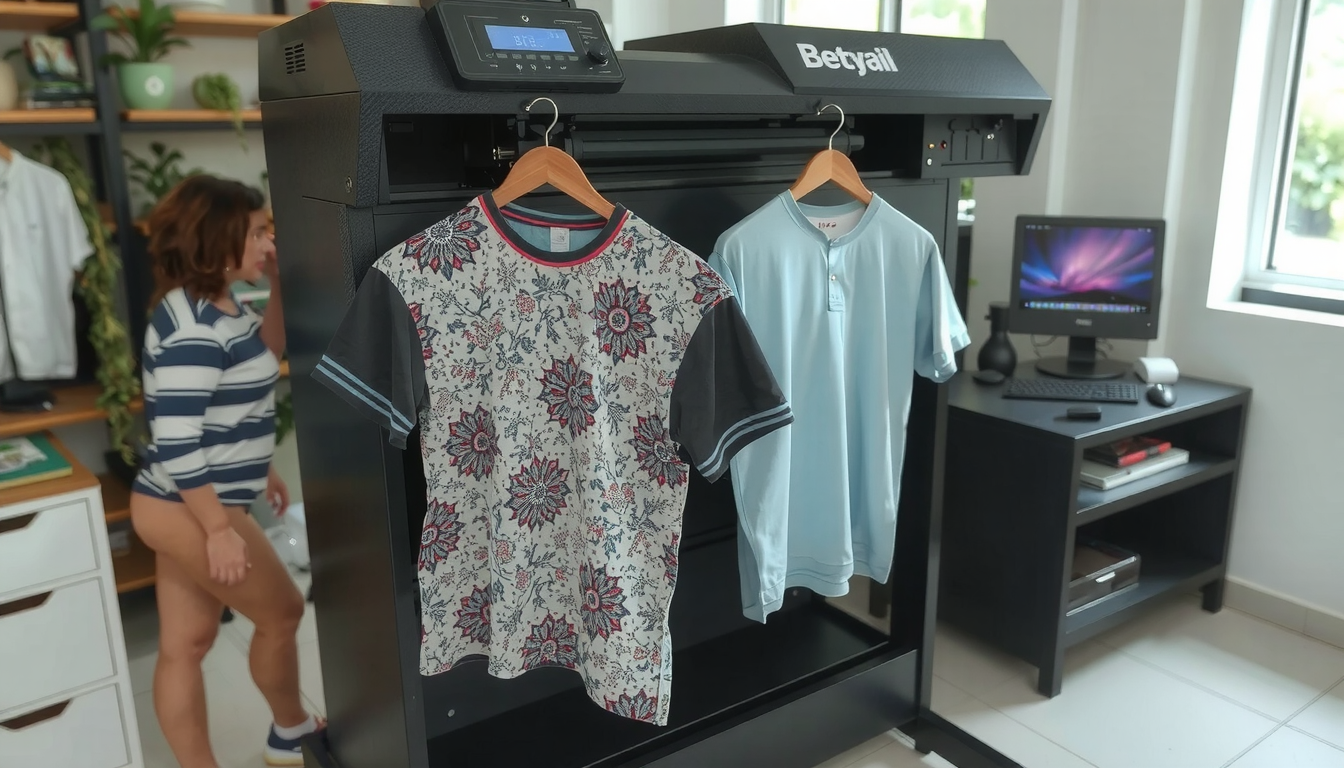
A steel build with a design that does not require any tools for adjustments, reliable registration are the things you should look for. An Amazon decision on the cheapest “all-in-one” kits will not be the right choice. Instead, use a press that will not bend or go out of alignment. Many brands have made a start this way. The important thing is that the first step is to master your technique on a quality and a reliable manual press. The focus here is more on quality control and learning than on speed and other resources. If you are sitting at this life stage, check our guide on how to start a brand and craft introduction which can give you the best context for your business.
The New High-End Print Shop
Your shop has now developed into a mid-tier operation. You now tend to get frequent orders of 50-500 pieces, so your manual press runs all the time. Printing ink is turning into a critical growth limiter. You have been forced to drop good, profitable jobs because of time and ink losses.
At this moment a wise decision has to be made. You may either upgrade to the high-end 6- to 8-Color manual press or skip that and go to an entry-level automatic press.
If you prefer manual, search for the features that will increase efficiency: all-heads-down capability, bearing registration, and strong aluminum platens. In case you consider automatic, you better focus on smaller models. The spike question is: Will the increased output and reduced labor of an automatic press stand the cost of the investment over the period of 12-24 months?
The Massive Supplier
You are a serious enterprise. You sell to corporations, support large gatherings, and partner with retail brands or other clothing lines. Every moment counts. Therefore, the demands you have for maximum output, reliability, and speed are insatiable.
A heavy-duty multi-station automatic screen printing press with 8-12+ colors is a must. Besides being a machine; this is the lifeline of your production line.
Key focus on features like servo-driven indexing, high-speed print heads, dual-indexing for oversized prints, and smooth integration with flash cure units and conveyor dryers. The M&R company is known for textile screen printing equipment of this kind and they are the best.
Important Features to Check
When you compare distinctive models, some technical features are the most key for your daily work and final output. Below are the features you need to observe on any screen print machine for clothing.
Number of Colors and Stations: The Difference
Colors are the print heads numbers. This will decide how many screens (and the colors) your press can hold for one design.
Stations are the platens, or boards, where you place the garments. More stations create a more efficient workflow.
Expert Tip: For the growing stage, adding more stations is often a better investment than adding more colors. A 6-color, 6-station press will allow one person to load, one to print, and one to unload in a continuous, efficient cycle. This significantly increases the output for 1-4 color jobs.
Micro-Registration: Precision Factor Key
Micro-registration is a way of having knobs that let you make small independent adjustments to a screen’s position which can be set up respectively up/down, left/right, and also rotational.
This is an irresistible feature on all professional multi-color works. It is the only way to align each layer of color perfectly with the other ones and therefore end up with a very clear and sharp print. So, don’t even consider buying a press without it.
Platen Size and Material
Most presses include a traditional 16″x16″ platen which works well for most adult t-shirts but later on, you will probably need to print on more items.
Consider looking for special platens for sleeves, youth sizes, tote bags, and hooded sweaters. Aluminum platens are better than wood/MDF in that they are less prone to warping and withstand the heat from flash cure units better. The addition of special platens and methods are required for printing heavier clothing like those from a hoodie manufacturer.
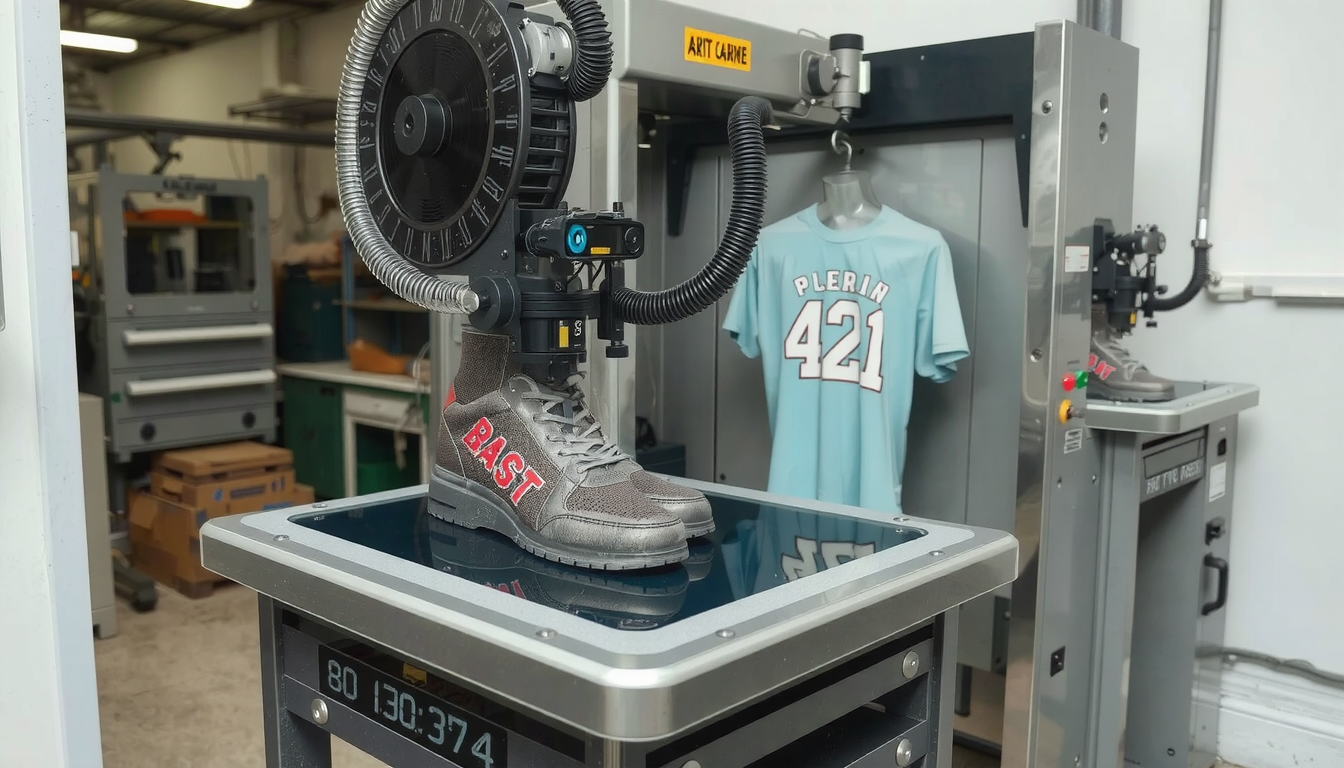
The Hidden Half: Budgeting Your Entire Ecosystem
Instead of spending the entire budget on the printing machine, which is a common mistake, people should first think of the investment they have to make in the hardware. Thus, they automatically come to the conclusion that, for example, a car purchase will require money to pay for gas, insurance, and repairs. The same principle applies to the screen printing setup. A quality screen print machine for clothing is just the beginning.
Here’s a checklist of essential equipment that forms a complete screen printing ecosystem:
- The Press: The key machine as discussed above.
- Exposure Unit: This UV light box is essential for burning your stencil (design) onto the emulsion-coated screen.
- Conveyor Dryer: To get professional results, this is needed. It moves garments on a belt which is run through a heated area that cures the ink correctly, so it won’t wash out.
- Flash Cure Unit: A flash cure is a radiant heater used to partially dry ink between colors on multi-color jobs, preventing colors from smearing into each other.
- Washout Booth: A dedicated backlit booth for washing out thin exposed screens and cleaning or reclaiming used screens, this keeps your workspace clean and helps with waste management.
- Essential Supplies: This includes screens, photo emulsion, a wide range of inks, squeegees, cleaning chemicals, screen tape, and pallet adhesive.
- Ventilation: Often overlooked but critical for health and safety, proper exhaust ventilation is necessary to eliminate fumes from chemicals and the conveyor dryer.
Top Brands and Where to Look
The “best” brand to go with depends on your needs. But numerous manufacturers have created an excellent reputation in the market for quality and reliability. Going with a trusted brand for your screen print machine for clothing will result in better support, quicker parts availability, and a higher resale value.
- M&R: A global industry leader, M&R is known for high-end, innovative automatic presses and hybrid (DTG/screen print) systems. If you’re looking for top-tier production, M&R is a top name in professional textile screen printing equipment.
- ROQ: The European brand features its well-known green high-performance automatic presses. The ROQ automatic screen printing presses are a classic at high-volume shops that congratulate solid engineering and reliability.
- Lawson: Lawson is an American company that has been around for a long time. They can offer a very broad range of equipment. The company is a great resource for all businesses, as Lawson provides a spectrum of premium screen printing machines and solutions, from beginner kits to industrial automatics.
Your Next Step: Bringing Your Vision to Life
Making a decision on what screen print machine for clothing will be used is of a strategic nature. It reduces everything to the single core principle of technology that is the cornerstone of the business vision. This guide can be used as a checklist during your research.
Do not simply purchase the biggest press your budget can afford. Opt for the smartest press according to your actual requirements and your real one-to-two-year growth plan. You are the one responsible for analyzing your options and investing with confidence.
Be it a start from scratch or a process of scaling up, the right equipment is just one part of building a successful apparel business. Our company, TZ Streetwear, has a passion for working with brands and assisting brands in their growth.
Frequently Asked Questions (FAQ)
How much does a beginner screen printing machine for clothing cost?
A good quality 4-color, 1-station manual press from a reputable brand typically costs between $500 and $2,000. Complete starter kits that include a press, a small exposure unit, and basic supplies can range from $2,000 to $5,000.
Can I screen print multi-color designs with a basic machine?
Yes, absolutely. A standard 4-color manual press allows you to print designs with up to four distinct colors. The key to high-quality multi-color work isn’t the machine’s price. It’s ensuring it has precise micro-registration to align the color layers perfectly.
What’s more important: more colors or more stations?
For a growing business, more stations are often more valuable. A 4-color, 4-station press will be significantly faster for producing 1- to 4-color jobs than a 6-color, 2-station press. More stations create a better workflow. They let you load, print, and flash garments in a continuous, efficient cycle.
How much space do I need for a screen printing setup?
A basic manual press setup, including a small washout booth and storage, can fit comfortably in a single-car garage or a large room (approximately 150-200 sq. ft.). An automatic press with a conveyor dryer and supporting equipment requires a dedicated commercial or warehouse space, often 500 sq. ft. at minimum.
Is screen printing still profitable with DTG and DTF?
Yes, very much so. For print runs of about 24 pieces or more of the same design, screen printing is typically more cost-effective per garment than Direct-to-Garment (DTG) or Direct-to-Film (DTF). It remains the undisputed industry standard for large orders due to its superior speed, durability, and lower cost at scale.