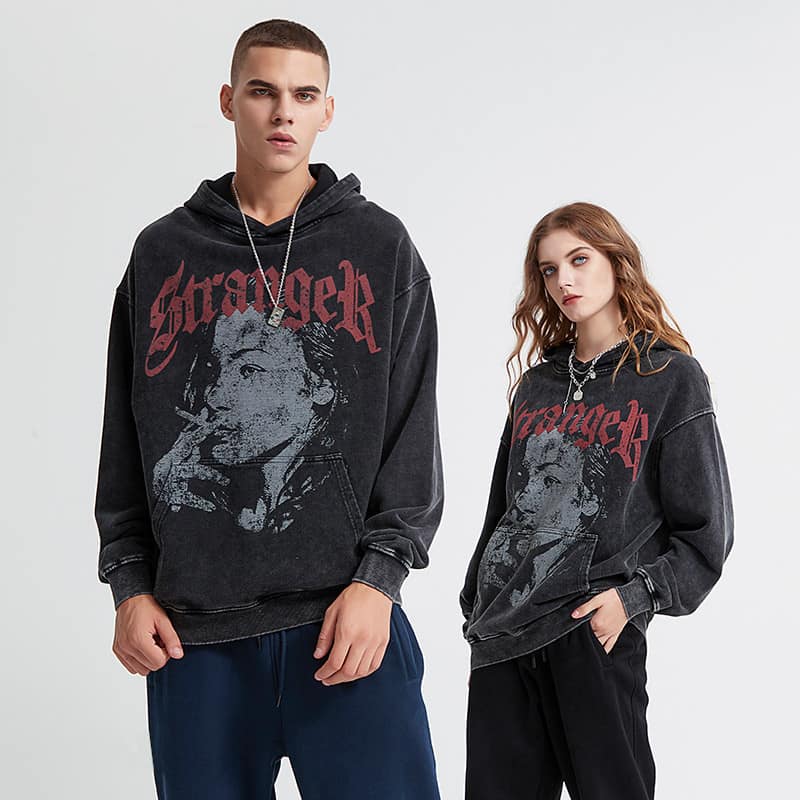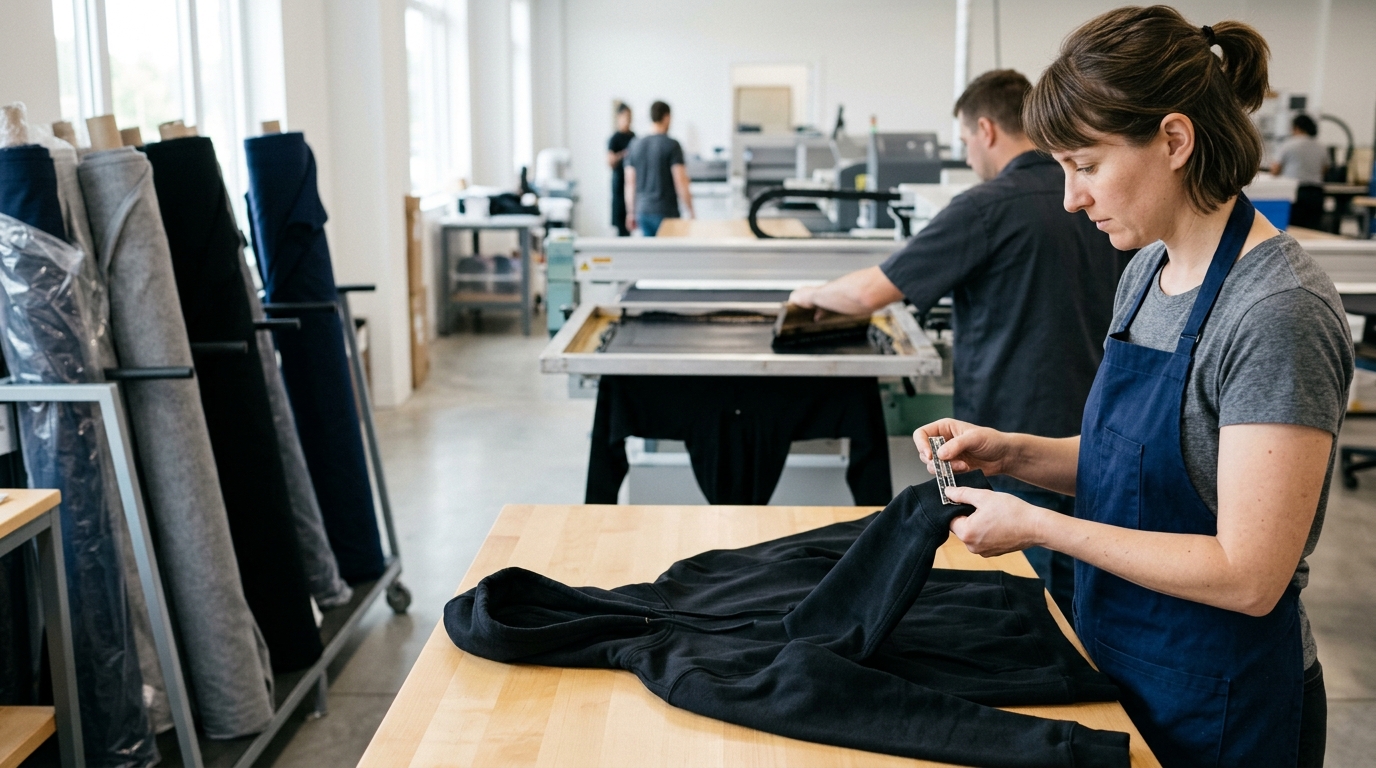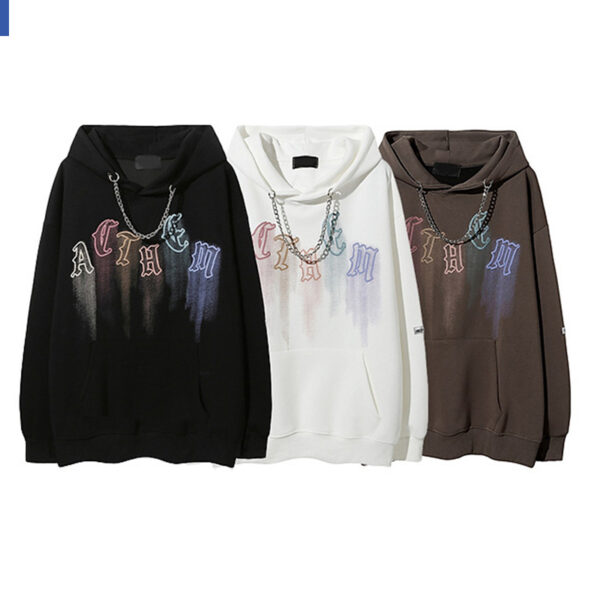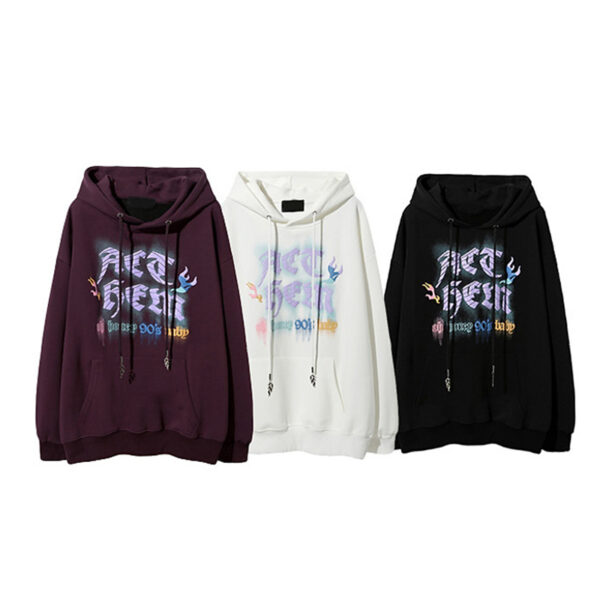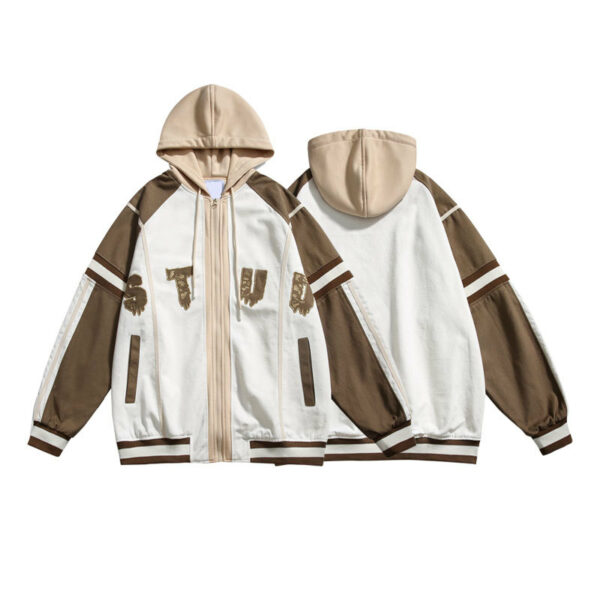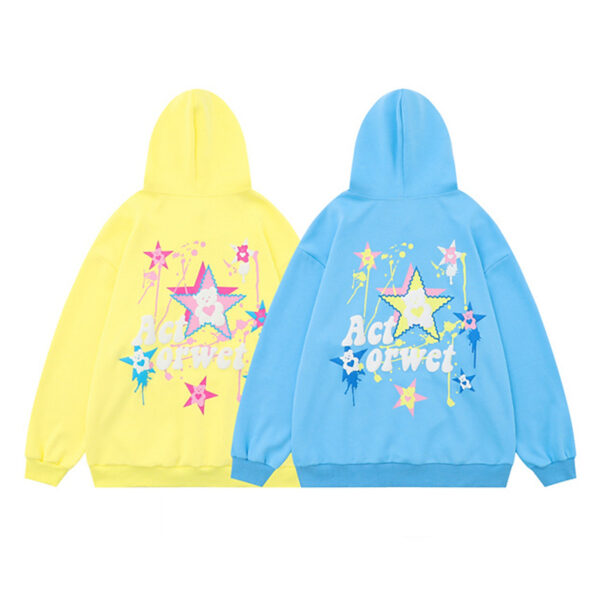
The hoodie is not simply an outfit. It is comfort, it is style, it is your identity. Every year people are captivated by it and it becomes one of the people’s favourite clothing. The “hoodie making” that is, many of the people view it as a cool hobby of expressing their creativity.
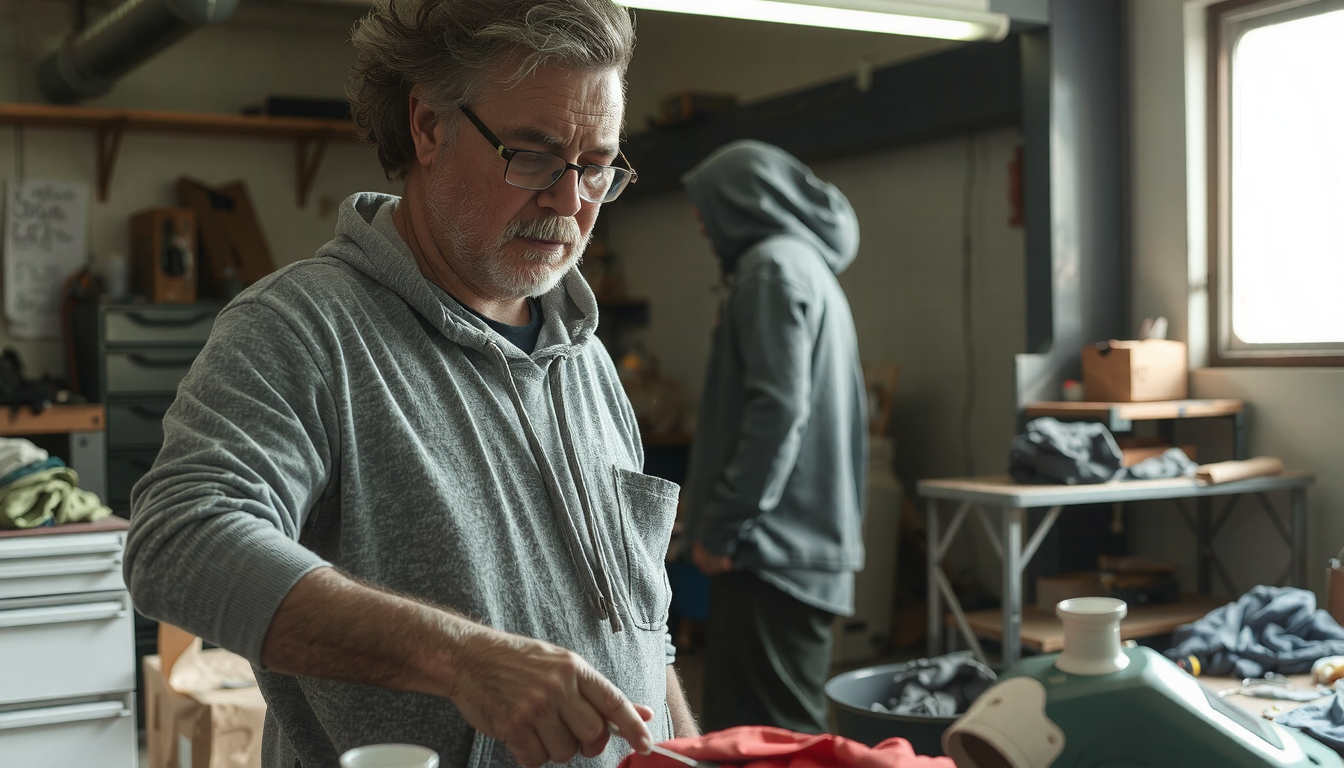
However, it has two different meanings. A sewing hoodie, for instance, could mean sewing the entire hoodie from scratch at home. Or, you might design a custom hoodie and have it made by someone else. This could be for a gift, a team, or a new clothing brand.
The guide is about it both ways. We will walk you through the complete process starting from the idea you may have to the production of a hoodie.
The First Decision: DIY Sewing or Professional Production
Before you actually start, you need to make a decision. You will have to find out your personal goals, estimated budget, and sewing skills which are critical decisions for you to make. This will be your help for making the right decision. Researching every choice is the first step in hoodie making.
The DIY way is preferred by people who love sewing, especially those who want to be in charge of every detail of the project. It is a way you’re the one who comes up with the idea of choosing the fabric, utilizing a pattern, and sewing the hoodie yourself.
The designer method applies to people who want a unique design but they do not plan to sew. This is perfect for brand owners and event planners. Anyone who needs a unique piece can use this path. You create a design and work with someone who makes it for you.
The table below will help you find the best method for your hoodie making project.
| Path | Best For | Required Skills | Pros | Cons |
|---|---|---|---|---|
| DIY Sewing | Hobbyists, full customization | Basic to intermediate sewing | Total control, rewarding project | Time-consuming, needs equipment |
| Professional Production | Brand owners, non-sewers | Basic design, communication | Scalable, less effort, consistent | Less control, minimum orders may apply |
The Crafter Path: Sewing Your Own Hoodie Guide Step by Step
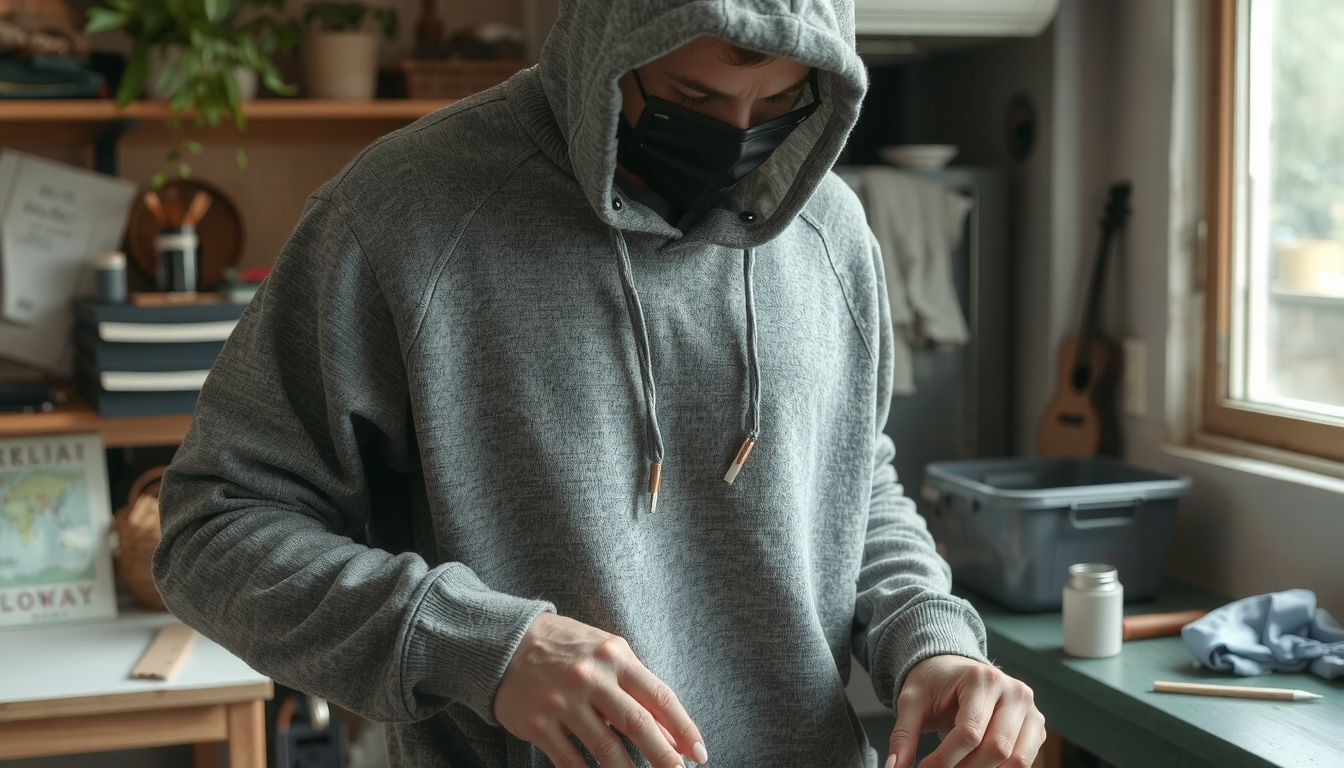
If you’ve chosen the practical way, this guide is for you. Making a hoodie on your own is quite the achievement. You are in control of everything including the fabric and how it fits.
Gathering Your Materials & Tools
First, a good supply of needed items is important. The right kit and materials make everything better.
- Fabric: French Terry is a classic pick. Fleece also works nicely. Cotton or cotton/polyester blends are warm and welcome. You also need Rib Knit fabric for the cuffs and waistband. Be sure to check the fabric’s weight which is measured in GSM (Grams per Square Meter).
- Pattern: There are abundant hoodie sewing patterns online. Some are free. Others come from pattern companies that you have to pay for. Choose a pattern that matches your sewing level.
- Tools: A sewing machine is a must. A serger helps to create clean seams, but it is not obligatory. Use ballpoint needles for knit fabrics. Additionally, you will need matching thread, a pair of sharp fabric scissors, and pins or sewing clips.
The Hoodie Making Process: From Pattern to Ready Product
If you are careful in every single one of these steps, you will be successful. Go through each step slowly.
- Pre-wash Your Fabric: This step is very important. Wash and dry your fabric before cutting. It will keep the fabric from doing that weird thing where it shrinks after you’ve sewn the hoodie.
- Cut Your Pattern Pieces: First put your fabric flat. Then, put pattern pieces on top of it. Follow the indication on the grainlines. Be careful as you cut out each piece.
- Assemble the Body: Begin with sewing the shoulder seams together. In the next step, attach the sleeves to the armholes. This will create the main shape of your hoodie.
- Construct and Attach the Hood & Pocket: First, sew the pieces of the hood together so that they form the hood shape. If you want a kangaroo pocket, stitch it at the front now. The next step is to attach the hood to the neckline.
- Add the Cuffs and Waistband: This can be a tricky task for beginners. Just stretch the rib knit a little when you sew it. Connect it to the sleeve openings and the bottom hem. It adds a snug fit and a more professional look.
- Finishing Touches: Topstitch the seams all around the hood, pocket, and neckline. This gives a clean look. If you have a design with a drawstring, you can either make buttonholes or add grommets to the hood. Just thread it through.
For those who can grasp better through visual pieces, this video tutorial on how to sew a hoodie is very helpful.
The Designer’s Path: Bringing Your Custom Hoodie Idea to Life
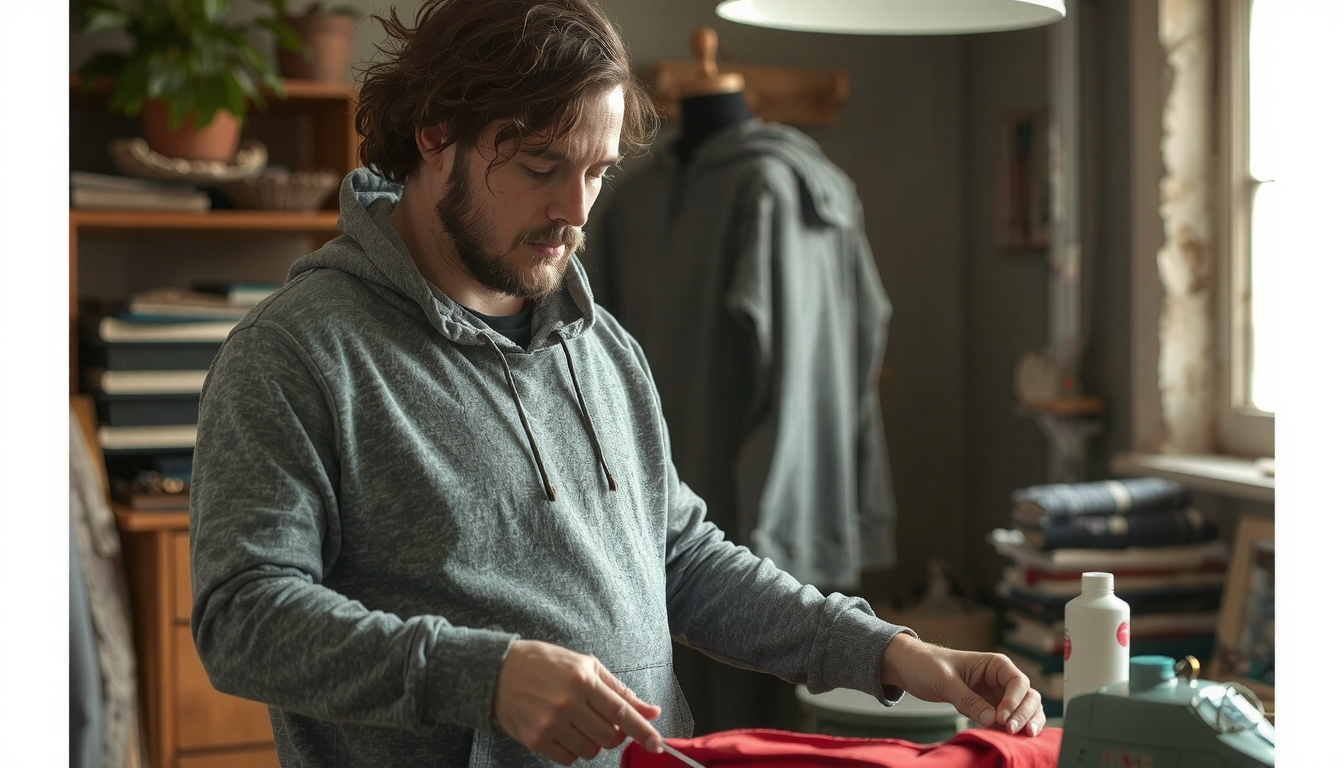
If you’re looking to create a custom hoodie without ever picking up a needle, this section will assist you. This pathway is all about the design aspect and collaborating with someone who will do the manufacturing. It’s a great way to begin your journey in making custom hoodies.
Option 1: For Personal Use or Small Batches (Print-on-Demand)
Print-on-Demand (POD) is the best solution for producing one or two hoodies only. You invent a design and then upload it to a POD website. When people order it, they will print and ship the hoodie to them for you.
This is an excellent solution for gifts or family reunion shirts. You can also use this method to test a design for your future brand. You don’t hold any inventory thus the risk is very low. Learning how to design a hoodie for print-on-demand is easy with online tools. Many services like these let you upload artwork and design your own hoodie online.
Option 2: For Your Brand or Bulk Orders (Working with a Manufacturer)
If you need to order a large number of your hoodies, you can work directly with a producer. This will reduce the cost of every piece. Moreover, you get more options, for example, custom fabric, unique cuts, and branded labels.
In order to deal with a factory, it is necessary to prepare a “tech pack.” This document outlines every aspect of your design. It should include drawings, size, and fabric types. It is essential to find a reliable partner. An experienced custom hoodie manufacturer can assist in sourcing the fabric, sizing, and quality control.
Pro-Level Hoodie Making: A Checklist for Quality
Whether you are sewing a hoodie or ordering it, the chief priority should be maximum quality. These professional tips will work for any kind of hoodie making method.
Fabric Choice is Everything
- Weight (GSM): The term GSM indicates Grams per Square Meter. It refers to the heaviness of fabric. Lightweight is under 300 GSM. Midweight is 300-400 GSM. Heavyweight is 400+ GSM. Luxury streetwear brands often make use of heavy 400-500 GSM fleece, which feels structured.
- Material: 100% cotton is soft and has good air circulation. Cotton and polyester blends are more durable. It holds color better and is less prone to pilling.
Construction Details Matter
- Hood: A 3-panel hood uses three pieces of fabric instead of just two. That makes a better shape that will fit your head comfortably.
- Seams: Overlocked seams are standard. Flatlock seams are flatter. They are often used for a premium, athletic look.
- Drawstrings: Careful consideration of details is important. Flat drawstrings are common. Round drawstrings with metal tips (aglets) can add a high-quality aspect.
Decoration Techniques
- Screen Printing: This technique works the best for bold, simple designs and large orders.
- Embroidery: Stitching a design with thread offers a premium, lasting finish. It’s great when it comes to logos.
- Direct-to-Garment (DTG): This method works like an inkjet printer for fabric. It is perfect for putting intricate, colorful designs on small batches of clothing.
Being aware of these points is helpful when you scale manufacturing. Most of the principles of good production are universal. This applies whether you work with hoodie experts or specialized t-shirt manufacturers.
Conclusion: Your Hoodie Making Journey Starts Now
We have explored the two main paths of hoodie making. You can either feel how great it is to sew a hoodie yourself or go on a journey of creating a design for professional production.
Regardless of the way you choose, success will come from focusing on the quality of the product. Quality fabric and a firm structure lead to a good end product. For those who are making a serious attempt to establish a brand, partnering with experts like TZ Streetwear can turn a brilliant concept into a triumphant product line.
Frequently Asked Questions (FAQ) about Hoodie Making
What is the best fabric for a beginner making a hoodie?
A stable, mid-weight cotton or cotton-blend fleece is the most suitable choice. It’s forgiving and does not stretch too much while sewing. Plus, it is quite easy to find. Do not choose very lightweight or stretchy fabrics for your first project.
How much does it cost to make one custom hoodie?
For a DIY project, costs range from $20-$50. This is dependent on the quality of fabric you choose. Using a Print-on-Demand service, a single custom hoodie will typically cost from $30 to $60. This price includes the blank hoodie, printing, and shipping.
Do I need a serger to sew a hoodie?
No, a serger is not required. It creates a very professional-looking finish on the inside seams. Yet you can succeed with a normal sewing machine. Use a zigzag stitch or a special stretch stitch.
What is a “tech pack” and why is it important?
A tech pack is a thorough plan for your garment. It contains technical sketches, measurements, and fabric details. Additionally, it has decoration notes. It is a prerequisite for working with manufacturers. This way, there is no chance of mistakes and your hoodie is produced just like you want.
Pullover vs. Zip-Up: Which is easier to make for a beginner?
A pullover hoodie is the best option for a beginner. The sewing steps are fewer. It doesn’t need the skills to put in a zipper. Zippers are tricky to work with; they need to be perfectly centered and sewn straight to look professional.