Introduction
Hundreds of thousands of jobs on the other side, and huge employment generation and economic growth contribution; how life changes clothes manufacturers is an issue that at the very center stage in global economy. Globally, the garment sector employs over 60 million workers – with China, Bangladesh and India as eager employers [International Labour Organization] The aforementioned graph above also depicts its global value, the market volume of Apparel was at approximately $1.5 Trillion in 2020 and anticipated to touched close by around$2.25trillion forecasted for FY-2025 showcases a very diverse growth trend hosted with massive Market potential as well future prospects too.
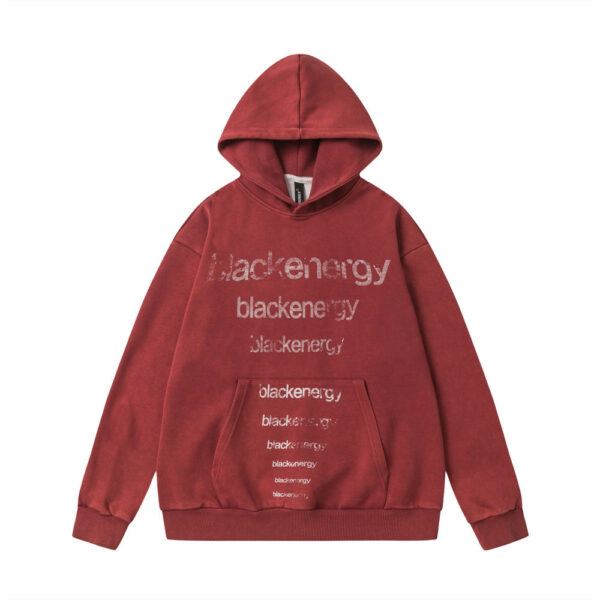
E-comerce and sustainability & ethical manufacturing going onto innovate this market. In this post, we will breakdown an end-to-end series of so stages that are involved in clothes manufacturing and apply a detailed look at each step with the help of a few illustrations by discussing how hoodies manufactured using DTG Printing & Vintage Washing.
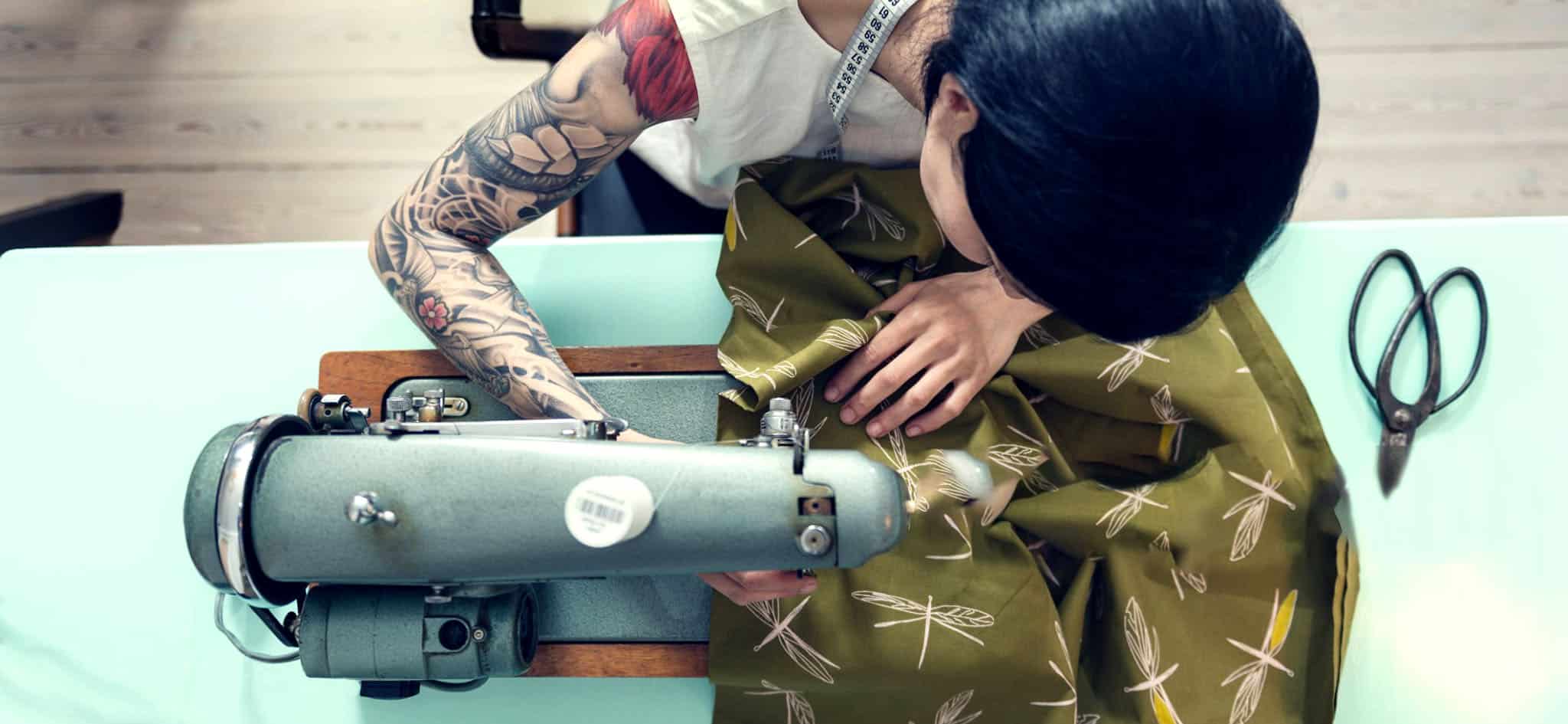
General Clothes Manufacturers Steps for Apparel
Clothing types are versatile, but the overall Clothes Manufacturers process tends to adhere to some core qualities. These include:
- Design and Concept
- Pattern Making
- Fabric Selection and Cutting
- Printing and Embellishments
- Sewing and Assembly
- Finishing Touches
- Quality Control and Inspection
- Packaging and Shipping
Clothes Manufacturers Detailed Explanation of Each Step
Clothes Manufacturers Design and Concept
Design Process Every attire commences with a spark of imagination before it can be turned into an actuality through design. This phase involves:
Trend Analysis
This a roster of some thought-provoking analysis on how the industry is doing in terms of current fashion trends and what consumers seem to like/not want. Also, maintaining your social mounting follow up on the fashion shows and magazines. Google TrendsMake use of Google trends which is a tool to see the most searched for terms related top fashion. To learn more about the latest trends and designs, visit TZStreetwear’s blog.
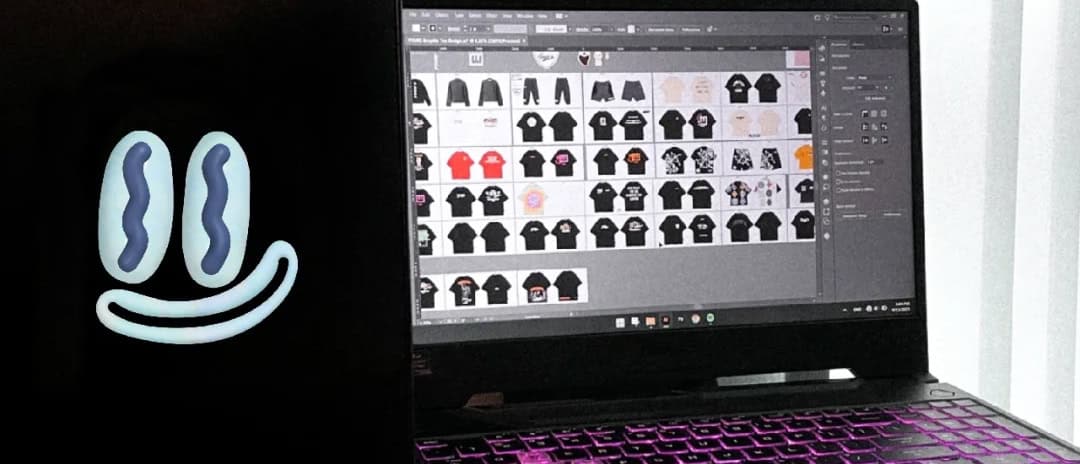
Sketching and Digital Design
Making full sketches and digital mockups with software like Adobe Illustrator or CorelDRAW – thus allowing the designers to experimentation with color and prints of a garment before it is produced.
Material Selection
Selecting fabric & trim suitable to design and drape. From insulation for the chilly days of wintertime to breathable materials when you wear your clothing in summer, choose right. Going to fabric trade shows or partnering with suppliers-brings new and better materials in your way. As for how to choose the material, Go check on TZStreetwear channel cookbook – Material guide.
Prototyping
Developing An Initial Pattern For The Floor Plan To Be Designed And Accuratein This will involve creating a first round sample of a garment that can be tried on and adjusted. Problems related with either design or development can be detected early on through prototyping. Go to TZStreetwear’s manufacturing page for more on the process.
Clothes Manufacturers Pattern Making
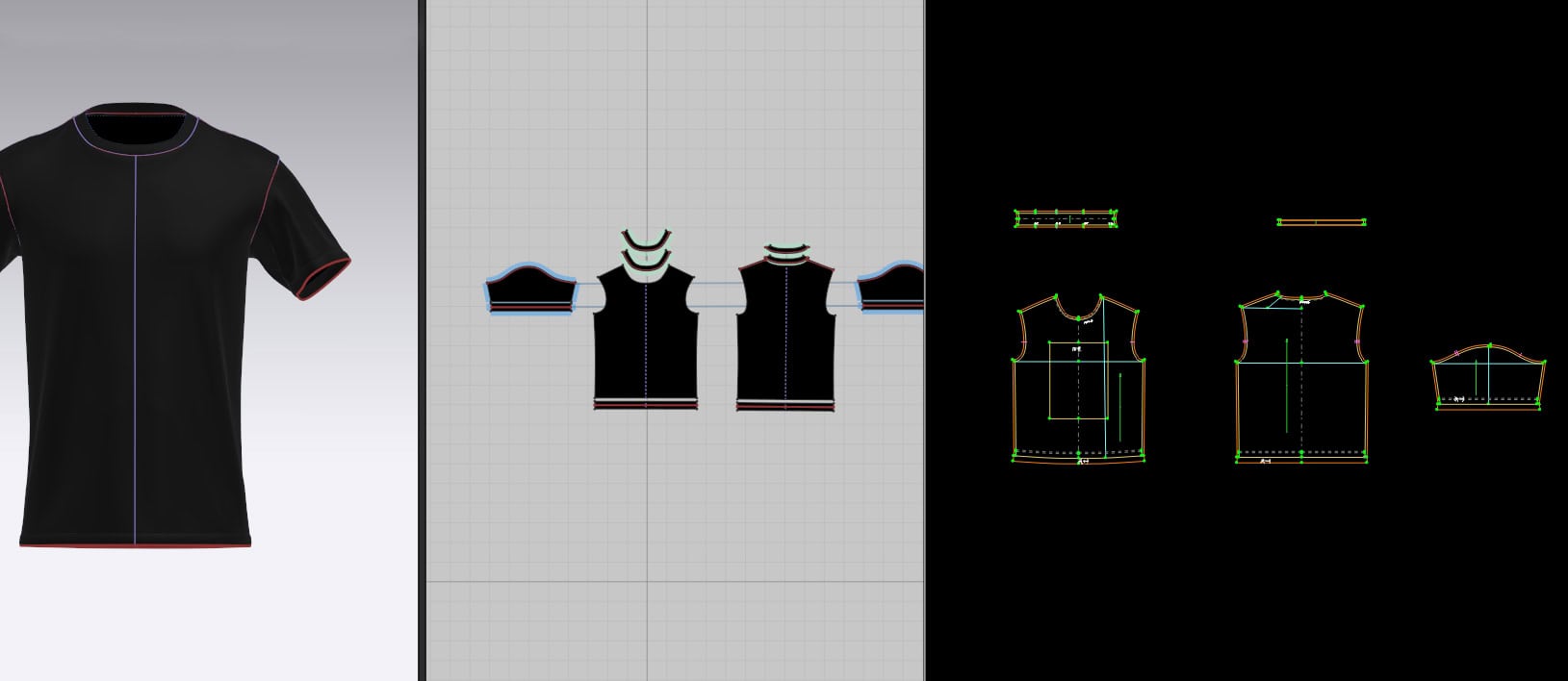
These are the guidelines for clothes manufacturing units or virtual blueprints of apparel which keeps it reproduced perfectly on every unit. This involves:
Creating Patterns
Drafting/Cutting of PatternsThis can be freehand or with CADPattern pieces are sketched on paper, and the process is much more laborious compared to making apparels through manually as opposed to using design software provided by Lectra or Gerber.
Grading
Grading From the Base Pattern : this gives a bombing fluidity of motion and still this garment can be passed around humans with bodies on surrounding them. Grading is simply making each pattern piece larger or smaller EN masse.
Marker Making
Laying out pattern pieces on the fabric to cut back waste. Carved image of every gear that had been visible before they departed for lives spent doing. We highlighted all the way to make fabric utilization, and save COUnt. It can be done manually or under the help of software which will always lay out in most effective way possible.
Clothes Manufacturers Fabric Selection and Cutting
The fabric you choose can make or break how your garment looks and wears. The steps include:
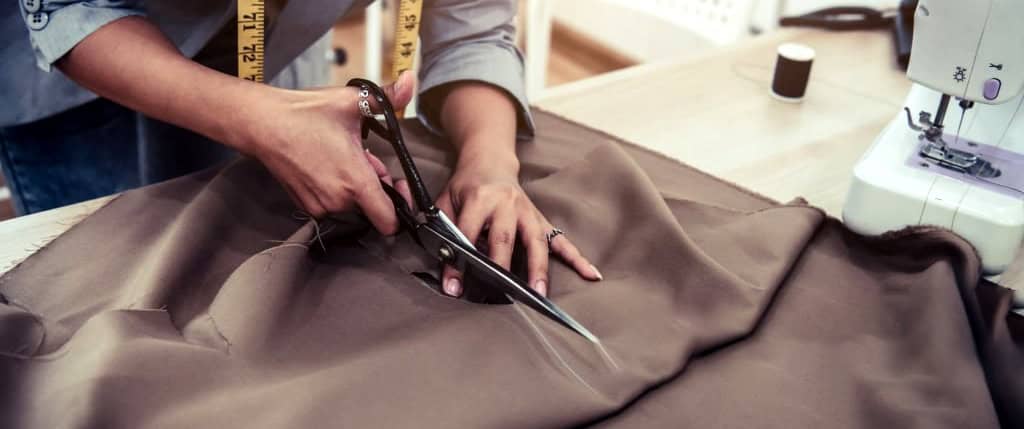
Fabric Selection
Choosing the right fabrics that fit with a particular design you are looking to achieve, function as well in terms of durability and comfort. Consider the drape of the fabric, textures and weight. For helping fabric suppliers to find the most suitable materials, visit TZStreetwear’s hoodie fabric material knowledge page.
Manual or Automated Cutting
An opening pattern is then placed around them according to the fashion consideration and cuts exact pieces from this fabric. Manual cutting (scissors, rotary cutters) vs automatic programming with CNC controlled machinesAutomated cutting process: the fine solution for mass production.
Clothes Manufacturers Printing and Embellishments
Then, throw in a little branding to make it even MORE specific and the brand has become increasingly significant via style. Techniques include:
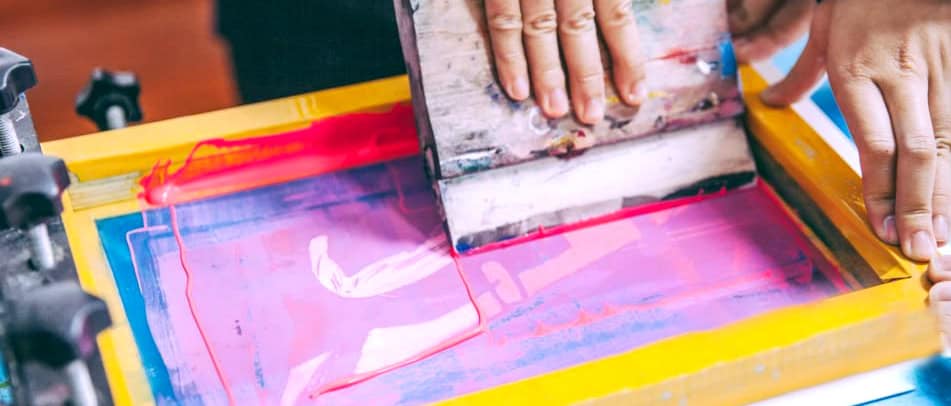
Silk Screen Printing
This is a classic method where ink gets printed onto the fabric through a stencil), or screen. Best for Big Blocky Designs, Low Cost on Production Runs The general process is that you create an image (whatever design or text) on a stencil, this can be called screen printing.It involves creating the desired images from scratch on stencils which are then placed over your material to print onto; ink gets poured out between latter and former layer of media.
DTG Printing
Direct-to-garment printed artwork with vivid colors and rich graphics It is an ideal way for high-complexity designs and low volume production. This way is the process of printers which prints out directly onto a fabric using specialized inkjet technology to create high detailed full color images on garments.
Puff Printing
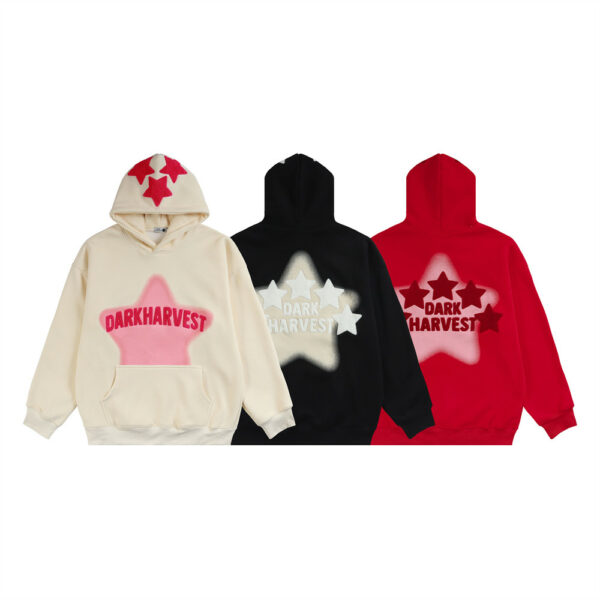
Puff ink screen printing is a type of screen print where the puff additive mixed with the ink. When being heated inch by way of ins and expands on giving that raised or textured effect. The process is what gives the design depth. For further information on puff printing check the website page of a renowned supplier to seek an expert opinion about print clothes manufacturers in Melbourne at TZStreetwear’s puff print hoodie manufacturer page.
Sublimation Printing
The dye is then transferred to polyester fabrics using heat. It also works great for all-over prints and casual colorful collections that last a longer time; Because the dye is actually within the fabric, printing on a 100% polyester performance shirt will last as long of your favorite t-shirt would (this also increases fade-resistance).
Regular Embroidery
Embroidering; logos, type or decoration with embroidery machines. This is what gives the garment its texture and dimension, it adds to how durable it will be as well delivering a clean finish.
3D Embroidery
Stumpwork: a technique that uses foam underneath the stitches of embroidery to provide an extra layer of 3D dimension. It is frequently used with bold, conspicuous branding without a content payload: logos.
Applique Embroidery
Combined with other forms of embroidery, this Imagine a garment that only when it has some colors and textures added to it comes agonisingly alive technique breathes life into even the dullest apron design made from flat fabric.
Chenille Embroidery
Make gently tender plush stitches worked in yarn to give off the authentic woolen feel Often seen on varsity jackets and other articles, it makes for an uncommon hand that can be included right into layout.
Towel Embroidery
Chenille embroidery, made up of discrete loops, which gives rise to a looped pile (the same as that produced by towels). This is a tactic often employed to infuse some texture and dimension, which probably you are well acquainted with when it comes to traditional sports or casual wear.
Clothes Manufacturers Sewing and Assembly
Assembling the garment, to make it whole and stitched avoiding any pieces out of place It includes:
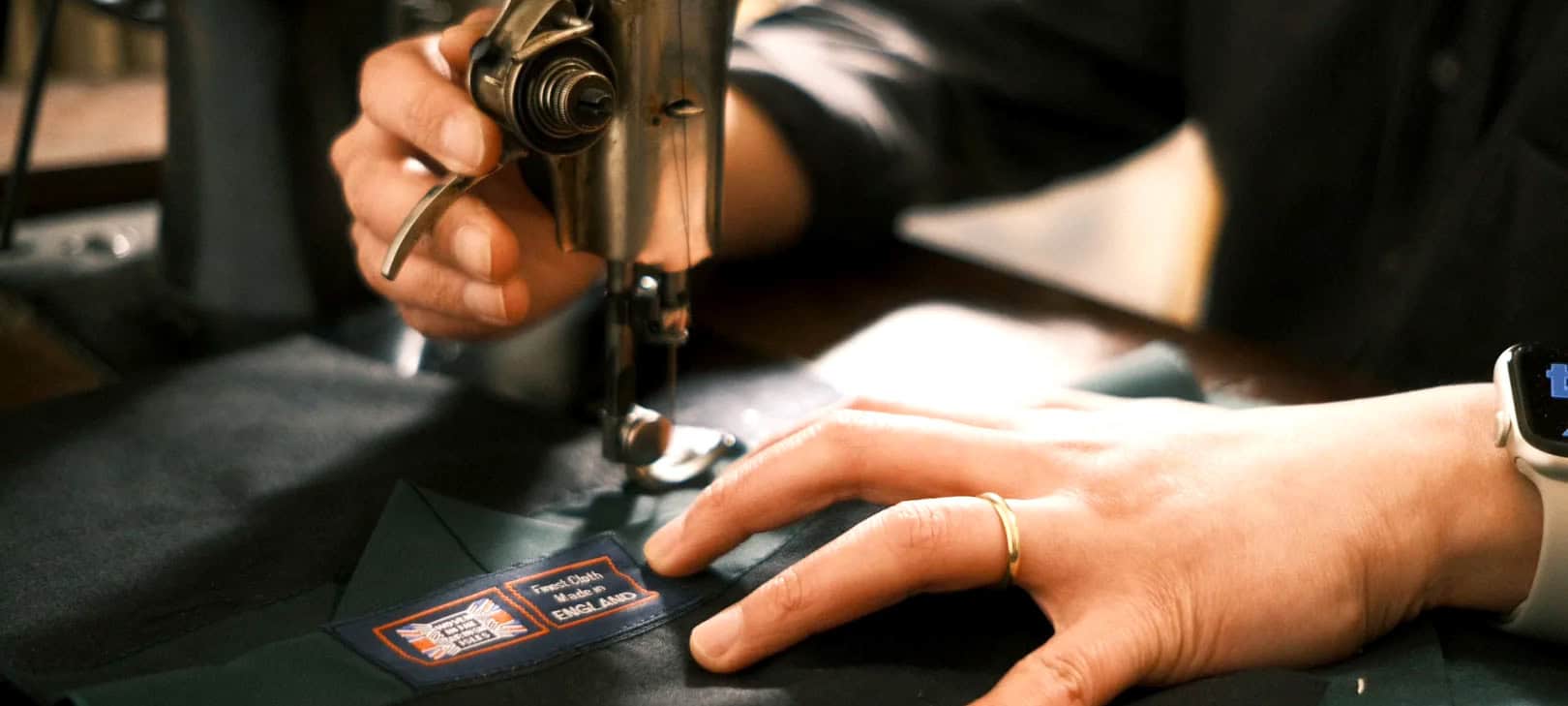
Stitching
Sewing Different Stitches by Hand for Strength and Definitely the Looks Here are common raw stitches – straight type, zig-zag, overlock etc Stitches: A stitch is basically a loop of yarn, there are many stitches for doing different types of finishing so type depends on its usage.
Assembly Line Production
Bunching together fabric pieces efficiently Each worker in the assembly line has his/her expertise, except for providing subjective descriptions every 2″ (5.08 cm)pertaining to being better with zippers or on adding collars! It helped in increasing efficiency and enforcing consistency of the final product.
Adding Accessories
Stitching zippers, buttons, labels more on the same machine. Those are quite crucial I would say for both function and the brand of the jacket Every bike hat is with hand-picked accessories where a style philosophy was paired up for combining look and function. Visit TZStreetwear’s accessories page section for a more elaborate look on clothing accessorires.
Clothes Manufacturers Finishing Touches
Final modifications, and the garment is ready for market. This includes:
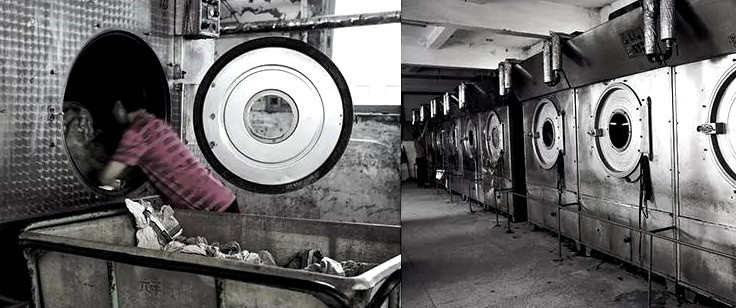
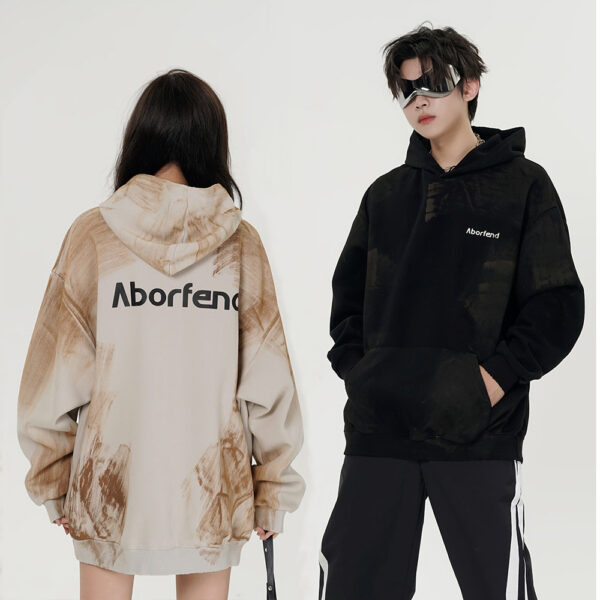
Vintage Washing
Machine or process used to give fabric, a garment its worn look- sometimes just the fashion, some real stink as well. Which usually means rubbing a curve stitched piece onto cement and/or stones to distress the fabric.
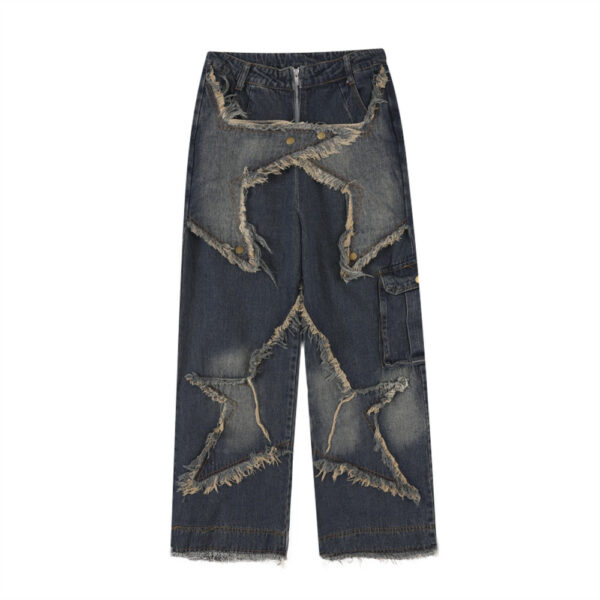
Acid Washing
A chemical process to give a faded, aged appearance Most of them are worked on denim in this form to create a slightly appearance. Neutralizing and rinsing the water-acid solution after soaking in it is then done for Acid-washed denim.
Monkey Wash
A more modern type of massive sandblast is the spray washing, or rather, spray-in where chemicals are sprayed on to a fabric and it would look like you have been wearing them for years! It is then washed and dried to set the effect permanently.
Enzyme Washing
An enzymatic process of dissolving fibers to create a soft hand along with slight distressing. This is a technique we have all seen plenty on denims so it will soft and comfortable.
Tie-Dyeing
A method of dyeing fabric where the material is tied, twisted or folded prior to being dyed. This new fabric It is a cloth that has been dyed all over by applying every other color to it, this then follows with washing and drying.
Trimming Threads
Cleaning up that second rate He used some weasel words to mollify Shostak: “Just getting rid of the extra threads and hanging chad. This will make your lace always looks tidy and neat. Loosely hanging threads are picked off with a small scissors or thread trimmer by workers.
Ironing and Pressing
Pressing also keeps the garment looking nice and continues to make it tidy (preparing for packing). ve Heap products clean creases and create a foundation for seams, clothes are typically blown up.
Adding Final Details
Labels and tags are things that the factory makes to add branding but more importantly washing instruction – these little wash-guide labels can mean a world of difference for how long your garment lasts.
Clothes Manufacturers Quality Control and Inspection
Keeping it in this way so as to each piece of clothes meets up set standards.

Inspection
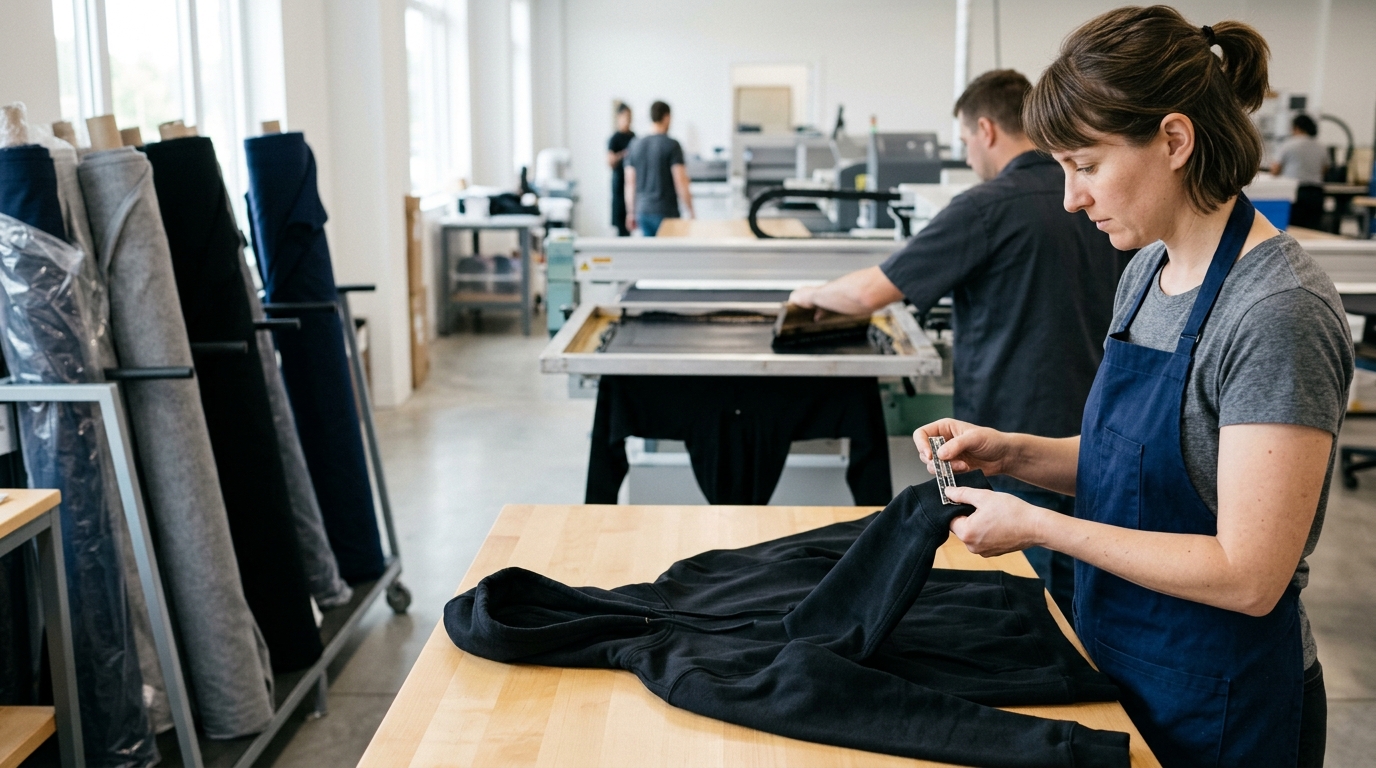
Strap, binding and overall making inspection This can be done throughout production in several stages, so that any issues potentially found early on. Inspectors are searching for frequent deficiencies, well-known inconsistent stitching, off grain designs and fabric defects.
Testing
Gabriel and I wear-tested the durability of a garment in between washes. The testing is to confirm wear conditions and future quality.
Third-Party Audits
Ensures compliance with industry standards and regulations. That is, you allowed a third-party auditor to inspect your processes and product quality. Regular audits check factory conditions, labor practices or environmental impact.
Clothes Manufacturers Packaging and Shipping
Production delivery or retail/consumer.

Packaging
Properly packaging the garments with labels in it and safety measures. This step keeps the clothes very organized and hence do not end up in a huge mess when someone starts removing them trying to find what they desire. Poly bags, hang tags and branded boxes.
Shipping
DHL, UPS or FEDEX/ by air / sea Contact logistics companies for timely and cheaper delivery. The most relevant features are the destination, duration and price affecting how a bunch of perennials is shipped.
Customs Clearance
Services to assist with customs and duties for international orders – the final gate before entering nature of a line, only after customizing can be shipped back to destination country Successful customs clearance is contingent on proper documentation and import requirements being met. You can take a look at TZStreetwear’s production schedule page to find out more.
Example: Manufacturing a Batch Order of Hoodies with DTG Printing and Vintage Washing
To break down these steps a touch further we will perform an example using this final batch order process: DTG on hoodies with vintage washing.
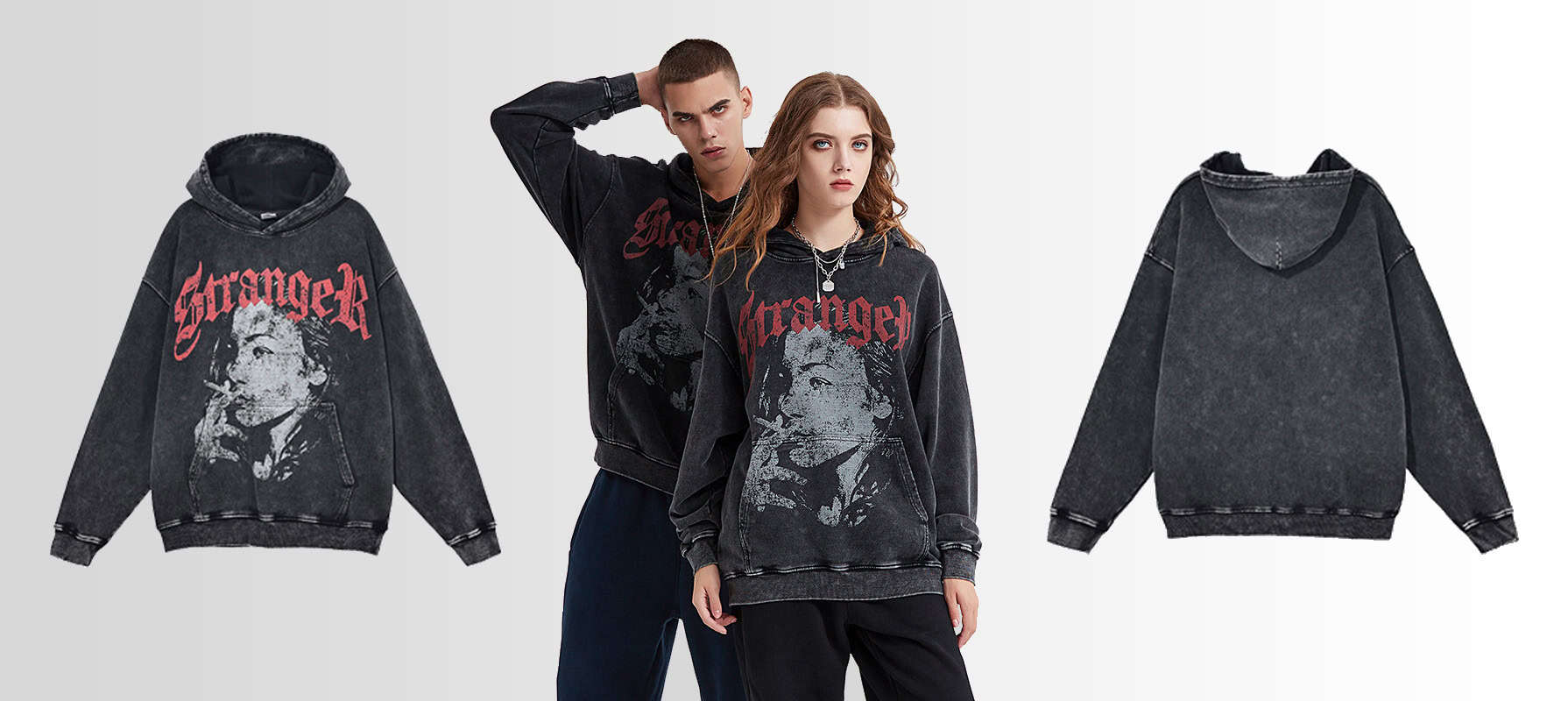
Clothes Manufacturers Detailed Process
Design Concept and Mock-Up
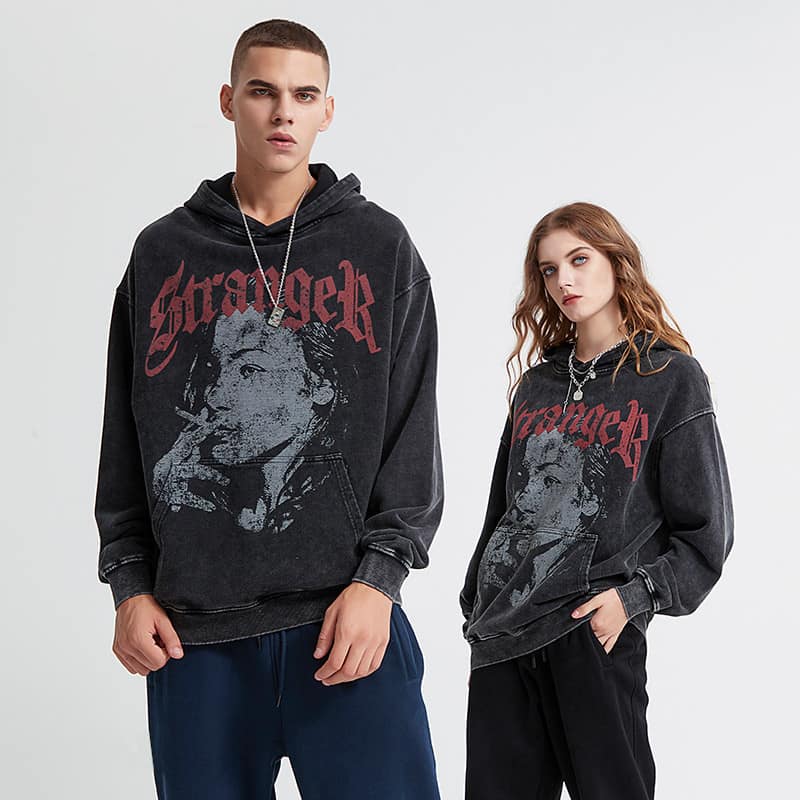
- Design: StreetxDuty hoodie design, antique wash and high definition DTG Printed. Designed the design – turned scanned sketches on human form to use it through graphic softwares and see how will look in hoodie.
- Mock-Up:Build a digital mock up of the hoodie TZStreetwear offer free mock-ups services with your ideas and graphic. A mock-up like this is a tangible reference for the clothes manufacturers and gives them exact design inputs to cater their end.
Collaboration with Manufacturer
- Send Design: Deliver the principles to a reliable carrier including TZStreetwear. The Customer dictates what material, color or size they want rather than being told it. TZStreetwear will review and convert the needs into proposed fabric, design create.
Fabric Selection
- Choose Fabric: Made of 380g fleece cotton material, suitable to original (dusting) advantageously comfortable and delicate. This weight of a hoodie is ideal for the workhorse that you can use as a mid-layer, under (or over) your puffy or shell layer and one which wears nicely.
- Guidance: Tend not to have an idea what material, or textile you must go along with? For now, that’s okay because Tzstreetwear clothes manufacturers will suggest a solution so good for you not to regret on your choices. You name it, and they will give you an example of their products.
Fabric Cutting and DTG Printing
- Cutting: Cutting Pieces of your fabric are cut to separate the pieces that will be printed in DTG and which do not. Automated cutting machines bring about that kind of rigour.
- DTG Printing: Direct to garment printing. High resolution print on selected parts of the fabric. This involves setting up the printer based on your design for DTG and loading ink, making sure that you place fabric rightfully. After printing, the fabric piece will go to a heat set machine ( for fixing the ink and make sure it has good adhesion).
Sewing and Assembly
- Assembly: To stick together at the manufacturing unit only with another famous parts This is run into the body with sleeves and hood.
- Accessories: Make sure that you have the ribbing for cuffs and hem, any brand labels, care lables etc ready to be added as this can slow your process down.
- Sewing: Join all components of the hoodie ensuring that they are in right manner and shape. Employing or repeating this process requires workers with more value (know how to operate other types of sewing machines and complicated techniques)
Finishing Touches
- Details: End sewing my snipping thread, sew on buttons and pull drawstring through. Is only a little thing but also y massively adds to the great and look of your hoodie.
- Quality Control: Examine each hoodie, very cautiously across the board Looking for FlawsEnsuring all of the seams are perfect, and a nice DTG print comes out clean with bright colors.
- Vintage Washing: You can hand wash the heavy hoodies and then vintage washed in order to get that worn out, real feel. This involves the use of stones to wash hoodies and other rugged material from back in time.
- Ironing and Packaging: Have the hoodies ironed properly in order to remove wrinkles if any, and pack them accordingly. Packing the clothes properly will protect them during delivery and they can be delivered in perfect condition.
Packing and Shipping
- Packing: Pack hoodies without spec(i.e pack till carton full) into a 7 ply layer box and seal the box. Cartons should be tagged with size, color and quantities in the carton.
- Shipping: Choose best Mode of delivery (DHL, UPS, FedEx or Air/ocean freight) by applying proper shipping Apply for logistics companies to deliver the product on time with minimum cost.
- Customs Clearance: Finally, anyone who should require directions for delivery estoppel might also be provided with clearance taxation from TZStreetwear. Getting right documents required by the importation regulations.
Taking these steps can prolong the life of our hoodies with design elements such as DTG printing and vintage washing, ensuring we are still able produce high quality products. Reactmore info on the downside, if one of the inevitable issues to fashion clothes manufacturers is long lead times and while this head on with their well thought out array or service offerings as outlined above, clients may struggle a little more when working across different time zones.
Conclusion
Knowing the intricate processes behind each of these categories can help one assess how much skill and attention to detail goes into making them. You can make sure the proper quality of your designs and speed through connecting with skilled clothes manufacturers like TZStreetwear. Be it hoodies, t-shirts, pants or jackets- each and every piece is curated with thorough robust quality checks to satisfy fashionistas across the globe.
This detailed manual serves as a guide map to the designers, brand owners and fashion entrepreneurs by offering practical insights along with actionable steps over how can one even think about dealing in clothes manufacturing. By following these tips and by working with reliable clothes manufacturers, you can turn your fashion business dreams into reality as well be able to establish an excellent market presence.
For more information on clothes manufacturing, visit TZStreetwear’s resources and explore their custom services. If you’re looking to start a brand, check out their guide on how to start a brand and fabric selection. For specific apparel categories, visit their product pages for custom men’s jackets, custom men’s pants, and custom men’s t-shirts. If you have any questions, feel free to contact TZStreetwear.
FAQ
Q1: How to begin your manufacturing journey and create a garment?
- Research and Planning: Know Your Market Trends & Target Audience.
- Design and Concept: Initial drawings of your garment drafted on paper or computer.
- Pattern Making: Make the pattern in CAD software or do it manually.
- Fabric Selection: You can choose this type of fabric for dresses depending on the design you want to make.
- Sample Creation: This is where we have our products fitted to create the perfect fit.
- Select Clothes Manufacturers: I recommend working with TZStreetwear as they are great and trustworthy.
Q2: Picking The Right Fabric For Your Garment?
- Identify Requirements: Why are you getting this garment and in what season? Summer or winter.
- Research Fabrics: Understand various types of fabric and their properties.
- Get Samples: Ask for swatches from suppliers.
- Test Fabrics: Improvement In Texture, Comfort of the samples.
- Consult Experts: TZStreetwear, the Clothes Manufacturers behind our favourite software.
Q3: How to Distinguish the Silk Screen Printing and DTG printing?
- Silk Screen Printing: Often referred to as Silk Screen printing, this method involves a stencil (or screen) that is used deposit ink on the fabric and it works great for anything from designing promotional shirts with mere text layout all the way up to vibrant artwork or large T-shirt orders.
- DTG Printing: DTG (Direct to garment printing) prints the image directly on fabric through an inkjet machine which allows photo-quality full color images and is great for complex designs or small quantities.
Q4: Quality Control in Garment Manufacturing?
- Set Standards: Talk about and ascertain quality standards.
- Inspection Points: Have check points during a manufacturing line.
- Hire Inspectors: Bring in experienced inspectors to locate non-conformances.
- Conduct Tests: Perform such candid durability test like wash and wear.
- Third-Party Audits: Have third-party auditors compile with standards.
Q5: Which Printing Method Should I Use for My Garment?
- Understand Techniques: Learn Methods like the silk screen, DTG and sublimationprinting.
- Assess Design Needs: Determine the complexity and coloring you would require for your design.
- Consult with Experts: Instead of assuming, talk to some seasoned Clothes Manufacturers such as TZStreetwear.
- Sample Testing: Prepared sample tests to match an output using different methods.
- Finalize Choice: just pick one of these whatever agrees with your design or budget.
Q6: How to pattern your garment?
- Start with a Base Pattern: Start from the beginning according to your idea.
- Adjust for Fit: Alter the basic pattern to correspond with measurements and taste/inclinations.
- Use CAD Software: gentle or gerber are the two best systems.
- Create a Prototype: Stitch the pattern to make your own prototype.
- Refine the Pattern: Make any necessary changes as required to perfect.equal communities.
Q7: How To Prepare Garment For Printing And/or Embellishments?
- Choose the Right Fabric: ensure it is great for printing techniques.
- Cut the Fabric: Cut the FabricCut fabric in pieces between parts that will be printed.
- Prepare the Design: Prepare to actually print your design.
- Test Print: This is what you will use to see the design with color and location before printing your project.
- Print and Embellish: Do the final print and also decorate if desired.
Q8: What are the advantages of using ignoring machines in cutting fabrics?
- Precision: The more Automated cutting machines gain precision, the less fabric waste and consistency in quality they achieve.
- Efficiency: You can actually use these machines to cut a volume of cloth quickly, and that will save your time; thus making the production process more convenient.
- Cost-Effective: Automated cutting will be a more budget-friendly option when you factor in the reduction of wastage, and thus also labor costs at scale.
Q9: How can I guarantee that my design translates accurately into the live build?
- Detailed Specifications: Referring back to step one, provide a catalog of the type clothes in this broad category that will fit conceptually and visually based on what is save shown from design specs including digital mock-ups then explaining how you would like specific affects created.
- Collaboration: Work closely with experienced Clothes Manufacturers like TZStreetwear to ensure high-quality results.
- Prototyping: Produce prototypes, assess and iterate as many times before the mass manufacturing stage.
Q10: Completed garments - how do you package them up and ship them out?
- Quality Check: Every garment out is inspected one last time.
- Iron and Fold: Iron the clothes, aid to remove creases then fold them in an organized way
- Package Securely: Deliver those dresses in a sturdy bag or put them into poly bags.
- Label Packages: Include all necessary labels and tags on your package.
- Choose Shipping Method: Choose from Air or Ocean Freight and agents for delivery (DHL, UPS, FedEx). and Schedule for Pickup.
- Customs Clearance: Customs clearance and duty services.



-600x600.jpg)