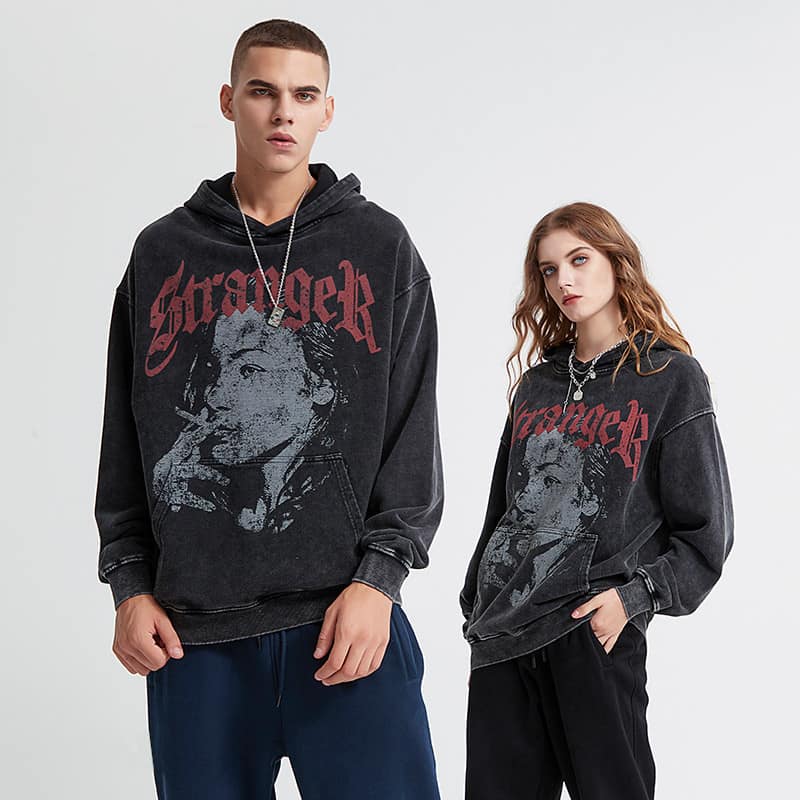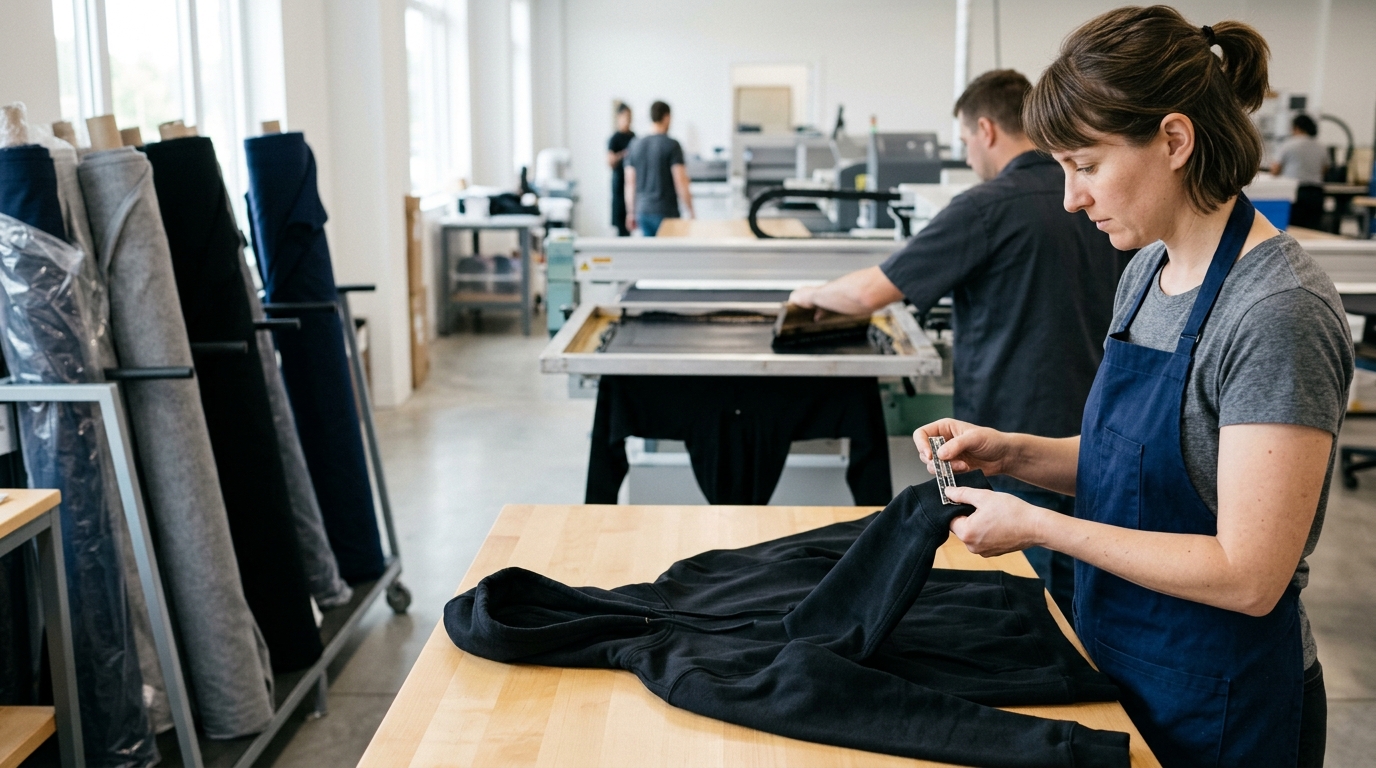
Is your wardrobe about fashion that lasts or just current trends? We’re looking at how many hoodies are just right. This question is about comfort, being in style, and helping the planet. It makes us think deeply.
Transfer Express has an amazing 75 hoodie types to choose from1. You can pick from classic pullovers to zippers and more, featuring brands like Jerzees and Hanes. With hoodies light to heavy, you pick based on your lifestyle, not what’s just in style1.
Prices range from $9 to $33, but what really makes a hoodie stash sustainable1? Dress codes are getting more relaxed in many jobs, welcoming hoodies. Yet, we must think about the environment when picking our clothes, not just how many we have.
Key Takeaways
- The wide range of hoodie styles lets you find what best suits you, personally and professionally1.
- It’s key to know how your number of hoodies affects the environment, advancing sustainable fashion.
- Changing dress codes hint at more acceptance of casual wear, like hoodies, at work2.
- Choosing the perfect hoodie amount balances your lifestyle, job’s dress code, and ethical fashion.
- Being thoughtful about what we own and how we care for it helps the planet and supports sustainable fashion.
Our goal is to help you build a hoodie collection that’s lasting, stylish, and kind to Earth. Let’s explore how to craft a wardrobe that matches your beliefs, looks great, and is eco-friendly.
Understanding Your Wardrobe and Fashion Consumption
To combine style with caring for the planet, we need to see how our clothing choices affect the environment. The facts show that we urgently need to switch to sustainable fashion. This is a must-do for a healthier planet.
The Impact of Fashion on Carbon Footprint
The fashion sector plays a big role in global carbon emissions. But we can start to fix this with our decisions. Just by keeping our clothes longer, say nine months more, we can cut their carbon footprint by a quarter3. This simple step can lead to big changes, cutting down the industry’s carbon emissions. And while some countries like the USA and the UK have high fashion-related carbon footprints, others like India and Brazil show us lower numbers3. This shows the different ways countries handle fashion and its impacts3.
Current Trends in Clothing Longevity and Waste
In America, about 17 million tons of textiles are tossed every year. Shockingly, 65% of this is thrown out within a year of buying it3. This practice not only worsens the carbon footprint but also shows we need to keep our clothes longer. An interesting idea, like not buying clothes for 90 days, can help change our shopping habits4. Lee Mildon joked, “People seldom notice old clothes if you wear a big smile.”4 This tells us that clothes matter less than the joy we share when wearing them.
It’s important for us, especially if we are fashion leaders or brand owners, to create a space where eco-friendly fashion is the standard. Moving forward, we should lead efforts that make clothes last longer, reduce waste, and greatly decrease our fashion carbon footprint.
How Many Hoodies Should I Own?
We often end up with too many clothes but keep wearing our favorites. The 80/20 wardrobe rule helps solve this. It means we should keep clothes we really wear and get rid of the rest. This idea leads to a minimalist wardrobe that truly fits our lives.
The 80/20 rule means we use 20% of our clothes 80% of the time.
Thinking about this rule can change how we view our hoodies. Hoodies are essential but we might have too many. Let’s figure out how to apply this rule to them.
Applying the 80/20 Wardrobe Rule to Hoodies
First, look at your hoodies and why you have them. Are they for sports, casual days, or work? If they’re just taking space, it might be time to let them go. Thinking this way helps us choose what we really need.
Since hoodies came around in 1930 in New York, they’ve become a key item for many. Thanks to Champion, they’ve changed a lot and fit into many lifestyles5.
Assessing Your Lifestyle and Hoodie Use
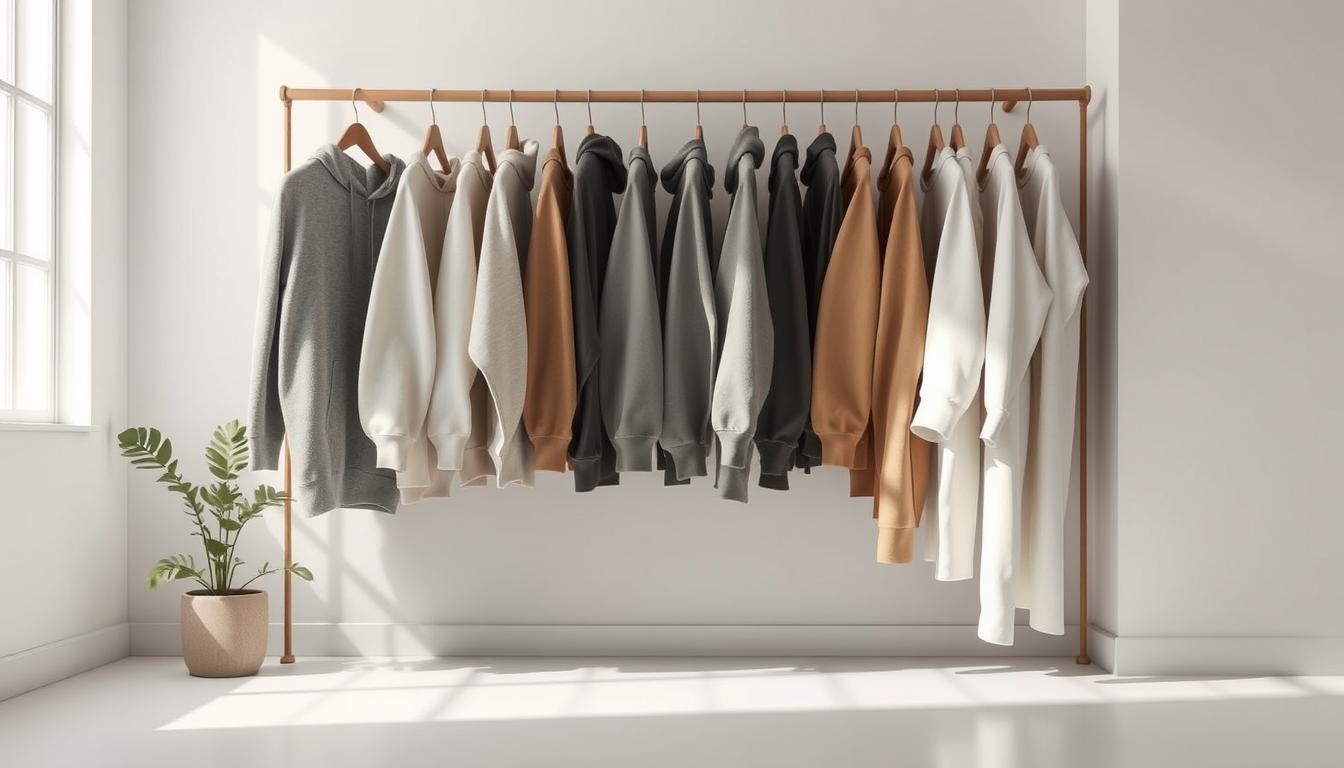
Think about how you live to decide how many hoodies you need. Your daily life, the weather where you live, and how often you do laundry matter. If you’re in a cold place, you might need more hoodies. And if you wear them for both workouts and going out, choose ones that work for both.
- Thinking about the weather makes sure your clothes fit the season.
- Knowing if a hoodie fits your life helps decide if you should keep it.
- Wearing some hoodies more than others shows what you really like.
Considering these ideas, we can make smarter choices. This not only saves money but also means we love everything in our closet. And it greatly reduces clutter and stress3.
We do more than just clear space; we create a wardrobe that matches our needs. This approach helps us buy clothes wisely and live more simply3.
Cultural Factors Influencing Wardrobe Choices
In the world of fashion, culture deeply influences what we wear. It shapes our choice of clothes and affects fashion trends worldwide. This, in turn, impacts our planet’s health due to the carbon footprint of our clothes. Ethical and fair distribution of fashion is key for the future of our industry.
Hoodies have moved beyond sportswear to become icons in hip-hop and streetwear. By the ’70s, artists in these communities fully adopted them. This shows how culture keeps influencing fashion choices today6.
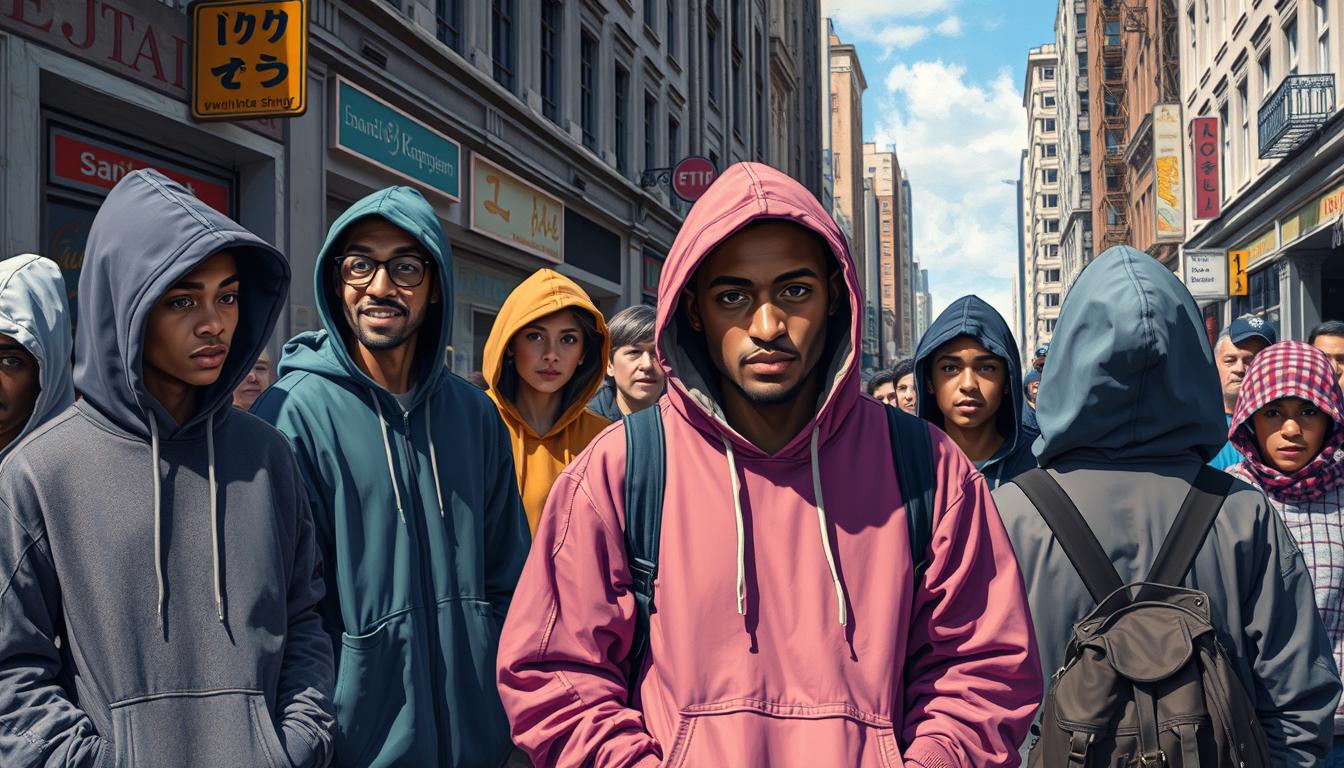
Choosing a hoodie color or fit says a lot about society and the individual. Bright colors are linked to outgoing personalities, while muted tones suggest reservedness. Similarly, how a hoodie fits can hint at someone’s love for comfort or detail6.
| Color | Personality Perception | Cultural Association |
|---|---|---|
| Black | Minimalism | Global, Urbane |
| Green | Freshness | Environmental Consciousness |
| Bright Pastels | Happiness, Outgoing | Youthful, Trendy |
| Beige and Blues | Classic, Conservative | Stability, Reliability |
In places like Delhi NCR, what people wear reflects their culture and lifestyle. This influences how individuals see one another based on their clothing6. It links to the bigger picture of global fashion’s impact on the environment. We, as fashion leaders, must encourage sustainable and fair practices. This way, we help build a greener world through better clothing choices.
Reducing Environmental Impact Through Conscious Ownership
In the fashion world today, we face serious challenges but also see great opportunities. As a Certified B Corp and carbon-neutral company, Gallant Inc. is dedicated to sustainable practices. We believe even small changes can lead to big benefits. For instance, buying one second-hand item instead of new each year can cut 5.7 billion pounds of CO2e7. This fact highlights the huge positive impact of choosing second-hand clothing.
Buying Second-Hand Hoodies Versus New
Fashion leaders and brand owners make choices that affect our planet’s future every day. Picking second-hand hoodies over new ones cuts demand for fresh materials. It also backs a circular economy, slashing global emissions by 39%8. Partnering with brands like Happy Earth Apparel and PANGAIA, we push for selecting pre-loved items. This approach reduces our carbon footprint and supports fashion that cares about our planet.
Proper Care and Maintenance to Extend Hoodie Life
But buying sustainably is just the start; we must also look after our clothes responsibly. About half of fashion’s carbon impact comes from how we care for garments7. Caring for hoodies, like washing in cold water and hanging them to dry, can make them last longer. Learning to mend can give a beloved hoodie new life, aligning with our innovative and skilled approach. We aim to create more than hoodies; we’re building lasting legacies, one stitch at a time.
FAQ
What are wardrobe essentials for a sustainable closet?
For a sustainable closet, focus on timeless pieces. Quality hoodies, versatile tops, and durable bottoms are key. Adding layering items allows for mixing and matching. Choose items with timeless designs and quality craftsmanship. This way, they stay in style and last longer, cutting down the need to buy new clothes often.
How do I determine the optimal number of hoodies for my personal style?
To find the right number of hoodies, think about your daily life, where you live, and what events you dress for. Use the 80/20 rule to keep only the hoodies you wear most. This helps you have a collection that fits your style and needs without excess.
Can you explain the hoodie collection size I should aim for to maintain fashion sustainability?
Aim for a small collection of hoodies that are high-quality and versatile. A smaller, quality collection helps with sustainability. It reduces waste and the demand for new products. Plus, it ensures you have hoodies that fit your daily life and style.
How does fashion impact my carbon footprint and the environment?
Fashion impacts your carbon footprint through its resource-heavy production and the quick change of trends. By choosing sustainable practices, like buying less and choosing durable items, you help the environment. Supporting eco-friendly brands is also a key step.
What are the current trends in clothing longevity and waste reduction?
Current trends include shopping second-hand, upcycling, and focusing on quality, not quantity. Brands are using sustainable materials and methods more often. This helps clothes last longer and reduces waste.
How does the 80/20 wardrobe rule apply to buying and wearing hoodies?
The 80/20 rule shows we mostly wear a small part of our clothes. By knowing which hoodies you wear most, you can keep your wardrobe simple. This makes your collection minimal yet useful.
What should I consider when assessing my lifestyle and the number of hoodies I need?
Consider your daily tasks, work setting, local weather, and what feels comfortable to determine how many hoodies you need. A small, top-quality collection suited to your life is better than lots of seldom-worn hoodies.
Why should we consider carbon footprint per capita in relation to global fashion consumption?
It’s vital to consider carbon footprint per person to see the global imbalance in fashion buying. This prompts fashion leaders to push for sustainable and fair practices. It helps everyone think about the environment when making fashion choices.
How does conscious ownership of hoodies reduce our environmental impact?
Being mindful about hoodies means buying quality items, taking good care of them, and sometimes choosing second-hand. These steps make clothes last longer. They reduce the resources needed and cut down on waste and pollution from fast fashion.
Are there benefits to buying second-hand hoodies instead of new ones?
Yes, getting second-hand hoodies saves resources, lowers pollution, and eases landfill stress. It’s a green option that lets you update your look responsibly, without boosting new production demands.
What are the best practices for proper care and maintenance to extend the life of my hoodies?
To keep your hoodies longer, wash them in cold water and try not to use the dryer. Handle stains right away, and fix any tears or damage quickly. This keeps them looking good and supports sustainable fashion by reducing the need for new items.