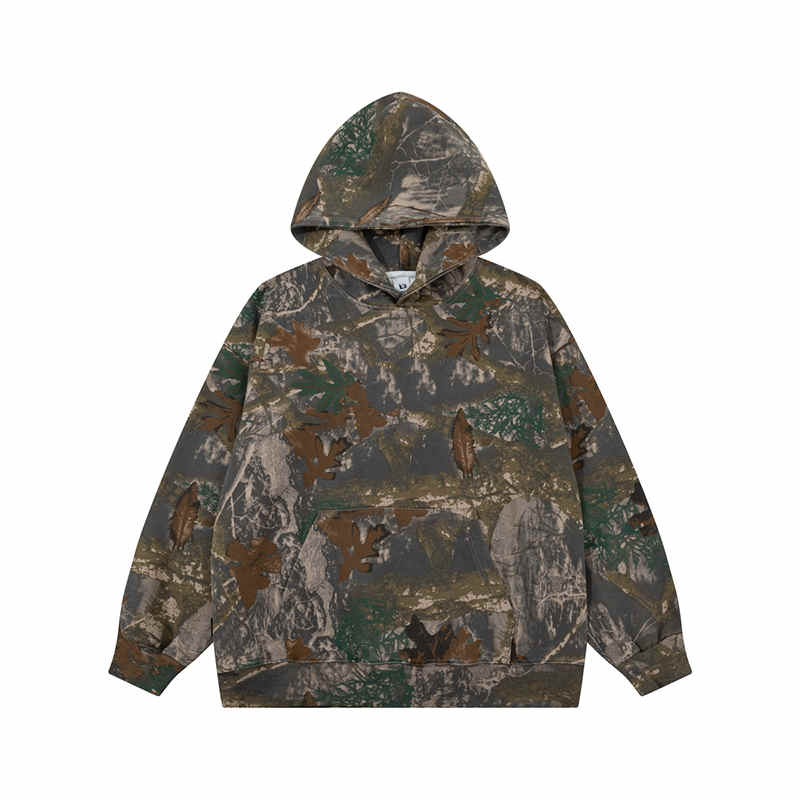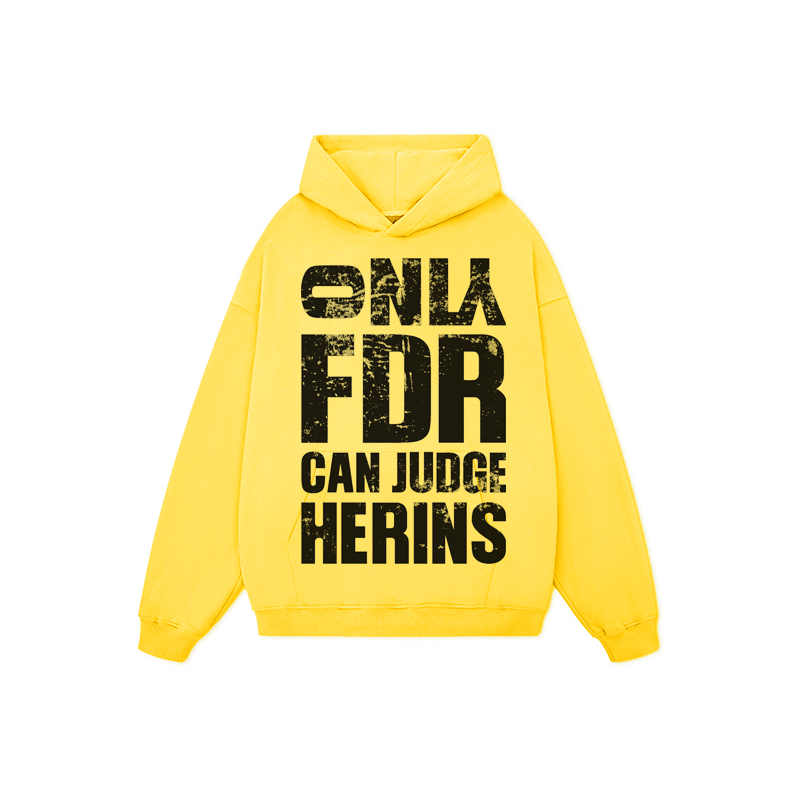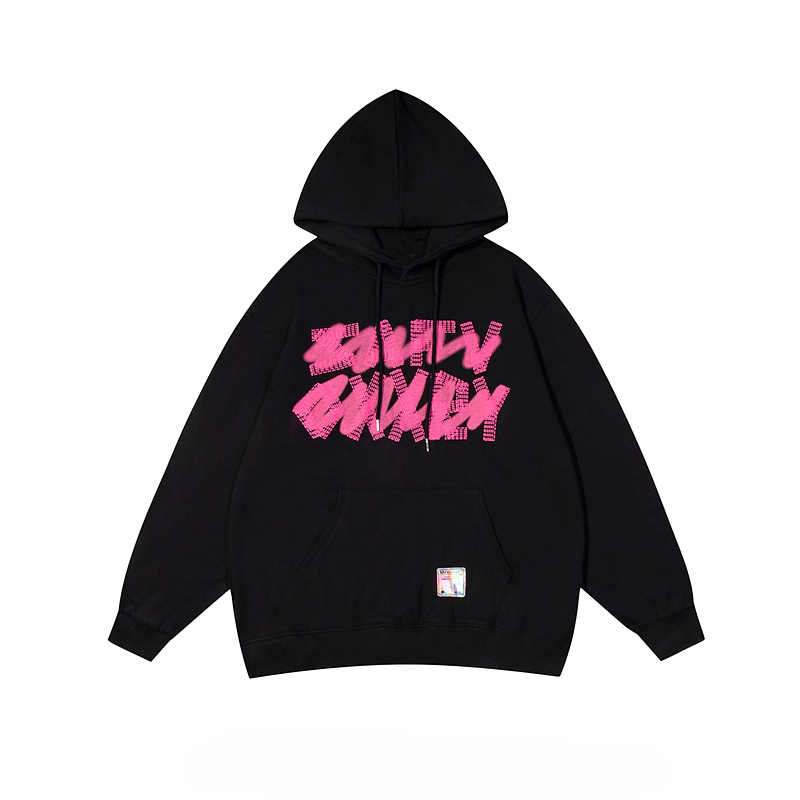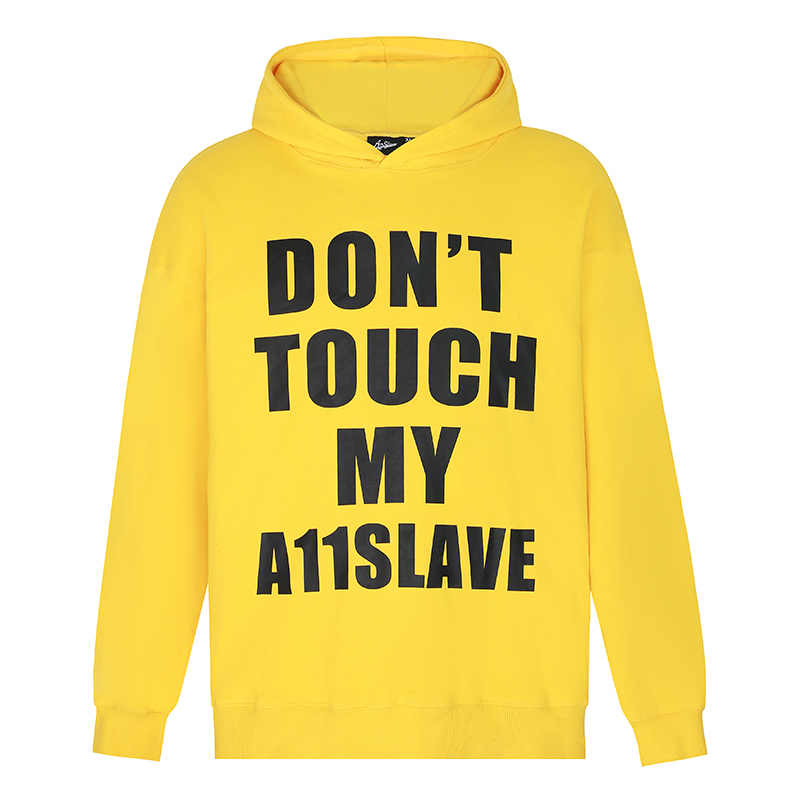
Ever tried finding the perfect hoodie but ended up empty-handed? Imagine making the ultimate hoodie with your own hands. This beginner’s guide dives into the fun and the challenges of making your own hoodie. Whether you want to show off a custom design, or enjoy the feel of something you made, we’re here to help you explore the world of fabric, patterns, and stitches.
Making a DIY hoodie might cost between $25 to $60, depending on the fabric you choose1. If sewing sounds complicated, don’t worry. Our guide will explain everything from fabric stretch to fit adjustments, even for a specific chest size1. We’ll support you through every step of the sewing process.
Key Takeaways:
- Knowing your costs can help manage your budget, with fabric type playing a big role1.
- Being prepared is key – have about 2 1/2 yards of the right fabric and all necessary materials ready1.
- Getting the right size is important – make sure the pattern fits, and look for other sizes if needed1.
- Sewing requires skill – from printing patterns to attaching bands and sewing pockets, every step is important1.
- Custom touches, like an eyelet for drawstrings, let you make the hoodie uniquely yours2.
- Using quality fabrics, like medium-weight merino wool, can make your hoodie stand out2.
- Choose patterns that are easy for beginners and quick to download, like the Sol Hoodie2.
Join us on this creative journey, and let’s build confidence and comfort, one hoodie at a time. Embrace your inner creator and let’s make something special together!
Choosing the Right Fabric and Materials
We get how important it is to pick the right fabric for hoodies. It affects how comfy and useful the final hoodie will be. Our goal is to help you pick the best materials. We want your hoodie to match your vision perfectly.
Testing Fabric Stretchability for Optimal Comfort
Finding comfy fabrics means looking for ones that stretch well. Jersey knit is a great choice. It stretches more than sweatshirt knit34. This makes the hoodie fit better and move with you, which is key whether you’re active or just hanging out.
Material List: From Fleece to Fastenings
- Cotton: Chosen for its ability to breathe and soak up moisture4.
- Fleece: Offers cozy warmth, perfect for the cold34.
- Nylon: Strong and resists wear, great for drawstrings45.
- Wool: Durable, repels water, and keeps you warm in winter35.
- Polyester: Holds color and is best for sports because it wicks away moisture45.
- French Terry: Great for all seasons with its breathability and able to absorb water34.
The Role of Fabric Weight in Hoodie Creation
| Fabric Type | Season | GSM (Grams per Square Meter) |
|---|---|---|
| Lightweight Fabrics | Summer | 200-250 GSM5 |
| Mid-weight Fabrics | Spring/Autumn | 250-300 GSM5 |
| Heavyweight Fabrics | Winter | 350-400 GSM5 |
Choosing the best materials is key. It shapes how your hoodie looks and feels. By thinking about these points, your hoodies will not just look good. They’ll also work well in any setting.
Decoding Hoodie Patterns and Sizing
Starting to make your own hoodie means learning about patterns and sizing. Many people begin by finding PDF patterns online. These patterns allow for customizing and making sure the hoodie fits just right.
But remember, not all patterns will fit you right away. You might need to change them to get the perfect fit6. This usually means making the pattern larger or smaller. To do this, you’ll use rulers and markers to match personal measurements6.
Getting better at sewing takes a lot of practice. Following our main guide’s advice means sewing often, aiming for precision each time6. Before using your final fabric, always sew a test piece with the adjusted pattern to check the size6.
PDF patterns are great because they offer:
- Instant access to many designs and styles.
- The option to print them over and over for different sizes.
- The chance to change sizes easily on your computer.
Careful attention to spec charts helps make a better hoodie7. These charts show the required measurements for each size, ensuring the hoodie looks as intended7. They include instructions for changing pattern sizes from XS all the way to XXL7.
This approach not only ensures a great fit but also that the hoodie meets size standards8. For example, a 38-inch chest is usually a medium, important for making hoodies for everyone8.
| Tool | Use |
|---|---|
| Rulers and fabric markers | Mark and grade pattern sizes |
| Chalk and scissors | Adjust and cut fabric |
| Design curve rulers | Refine curves on pattern pieces |
Using the right methods and tools makes hoodie creation much easier. For anyone sewing, understanding how body measurements relate to garment sizes is key to success.
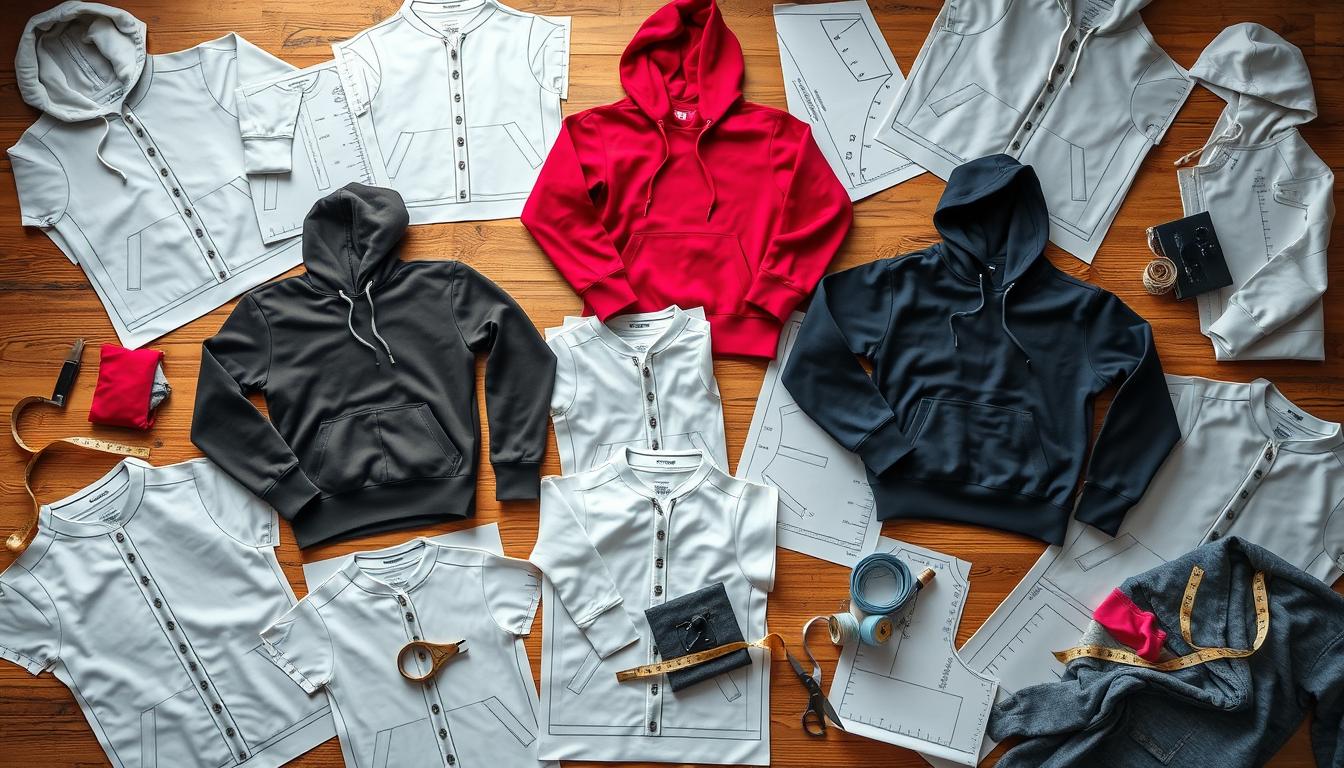
How to Create a Hoodie: Step-by-Step Sewing Instructions
Let’s start your hoodie project with clear directions. You’ll learn to make pockets and cuffs. These steps turn fabric into a trendy hoodie.
Transferring Your Pattern to Fabric
First, spread your fabric on a flat surface. Place your pattern pieces on it, making sure they match the fabric’s stretch. You have 14 steps to follow9. Mark your fabric carefully for easy sewing later on.
Mastering the Art of Sewing Pockets and Cuffs
For great pockets and cuffs, pick the right fabric and measure everything accurately. Use a straight stitch for strong seams9. Align pockets carefully, they add both style and function.
When hemming sleeves, fold the edge over twice. This gives a neat look9.
The Finer Details: Attaching Hoods and Bands
Attaching the hood and bands is the last step. Sew the hood pieces 2 cm from the edge9. Use overlocking on the seams for a clean finish9. Follow the specific instructions for your transfer paper when adding designs9.
| Fabric Part | Quantity | Detail |
|---|---|---|
| Hood | 2 fabric pieces | Sewn around 2 cm edge |
| Sleeves | 2 pieces | Sewn together, hemmed with 2 cm edge |
| Pockets | Optional | Align carefully with front pieces |
Customizing Your Hoodie for a Personal Touch
Fashion is all about showing who you are, and that’s why making your own personalized hoodie is so exciting. It lets you turn a basic hoodie into a powerful form of self-expression.
Choosing to add custom hoodie decorations is not just fun but also a chance to learn new skills. You can use DTG printing for detailed, colorful designs on various fabrics. Or pick dye sublimation for polyester hoodies to get cool wraparound prints10.
Why pick something off the shelf when you can make it uniquely yours? Add thumbhole cuffs for comfort, or use a vivid label to show off your brand11. Transforming a plain hoodie into a zip-up can make it both more versatile and more stylish.
- Look into companies like Dimona Tee, Monster Digital, and SwiftPOD for your printing needs10.
- Save up to 20% on making your hoodies with Printify Premium’s discount10.
- Try out different designs without worrying about big orders, thanks to no minimum order limits10.
The fabric you choose affects your hoodie’s look and feel. Loopback Jersey, for example, changes based on the color, giving your hoodie a unique edge11.
| Feature | Description | Impact |
|---|---|---|
| DTG Printing | Works on cotton and mixed fabrics | High detail and color vibrancy10 |
| Dye Sublimation | Best for polyester with all-over-print | Comprehensive design coverage10 |
| Print Areas | Includes sleeves, front, back, and hood | Maximizes space for customization11 |
Turning your hoodie into a piece of art not only shows your style but also lets you be innovative in fashion.
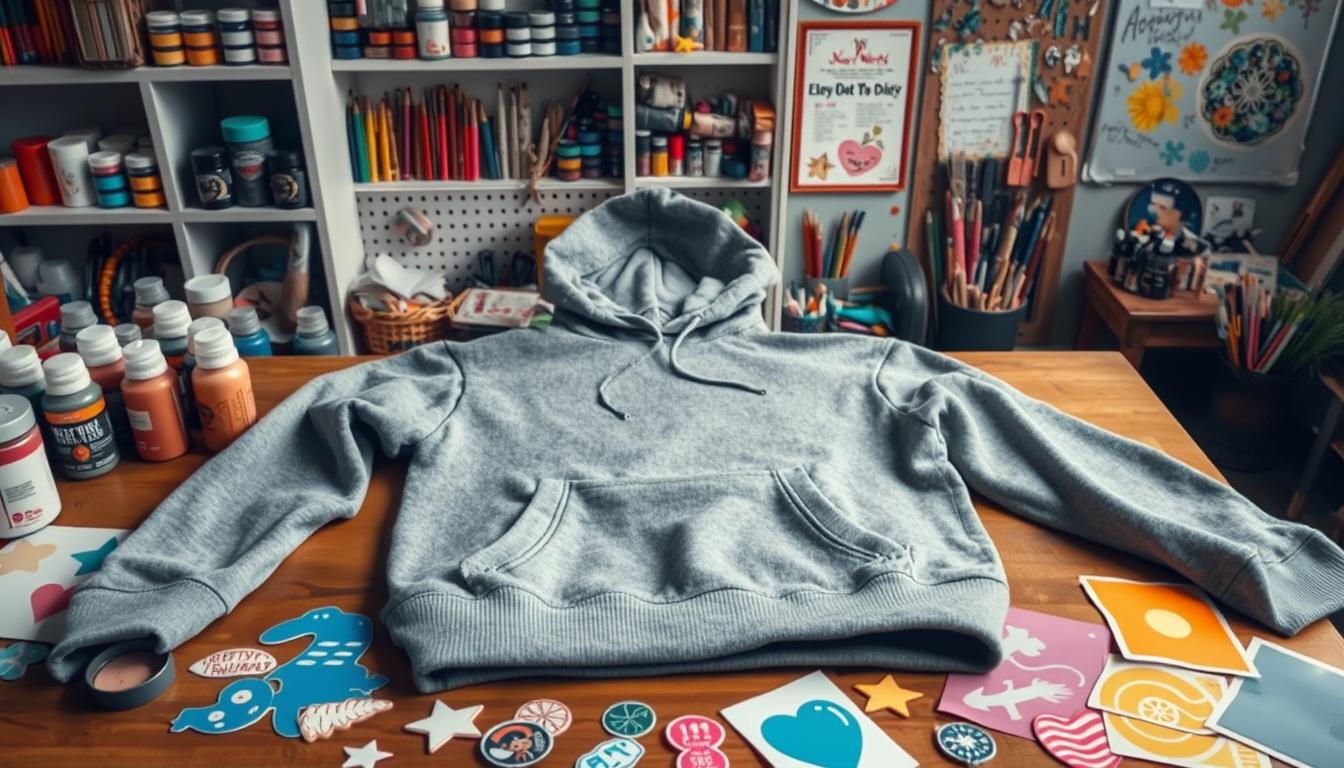
Adding the Finishing Touches to Your DIY Hoodie
We’re nearly done! Completing your DIY hoodie means adding a few last details. These touches improve both function and style. By focusing on these aspects, your hoodie will not only look amazing but also last a long time.
Installations: Grommets, Eyelets, and Drawstrings
Putting in hoodie grommets makes your piece look top-notch. Grommets create strong eyelets for your drawstrings, adding durability and style. Let’s start on this rewarding project:
- Mark where to put grommets on the hood with washable markers or chalk. These tools help with accuracy.
- Cut small holes and strengthen them with interfacing to avoid stretching.
- Put the grommet pieces together, making sure they fit the fabric tightly.
- Thread your drawstrings through, using a safety pin or bodkin to help.
This method is a great way to use nine sewing skills learned from making a lined hoodie12. It makes your DIY projects both fun and educational.
Handling Hem Band and Zipper Attachments
Adding a zipper correctly offers a neat, working closure for hoodies. To fit a zipper, adjust its length to match your hoodie and your height12.
To finish up nicely, follow these steps:
- Place the zipper tape along your hoodie’s front opening.
- Pin it down, spreading any extra fabric evenly.
- Sew near the zipper teeth with a zipper foot, removing pins as you go.
- Check that the zipper works smoothly without gathering the fabric.
It’s also key to attach the hem band well. It completes the bottom of your hoodie, ensuring it’s comfortable and fits snugly. Match the hem band pieces to the body pieces before sewing them. Use a stretch stitch for better flexibility and strength12.
Adding these last details to your hoodie is about more than just wearability. It’s about mastering skills that improve your garment’s look and lifespan. Well done on upgrading your sewing skills—your custom DIY hoodie is ready to be shown off!
Conclusion
We are ending this guide, reflecting on the journey of DIY fashion. It shows power for everyone who tries making their custom hoodie. The right mix of cotton and polyester ensures your hoodie is soft and easy to take care of13. Adding fleece brings extra warmth, making your hoodie comfy for anywhere1314. You can choose between light fabrics for layering or thick ones for cold days outside. This way, your hoodie is not just cool but also useful.
Next, adding your special touch with sharp graphics or logos makes your hoodie pop13. You can pick from direct-to-garment or sublimation printing to get bright and clear designs14. Working with a pro designer lifts your hoodie’s look, matching your dream and making sewing more enjoyable1315.
Finishing your homemade hoodie feels rewarding. Every perfect stitch and chosen detail shows your hard work and talent. Thanks to top-notch materials and options from TuoZhen, you achieve greatness with your project15. Let’s enjoy DIY fashion – a place where our ideas meet excellent support, leading to unique clothes. Let’s share our enthusiasm and inspire others. We all can make amazing things.
FAQ
What is the best fabric for a DIY hoodie?
Choose fabrics with at least 10% stretch like fleece knit for comfort. Fabric weight is important too. Heavier fleece is warm, while lighter jersey is breathable.
How much fabric do I need to make a hoodie?
You’ll need about 2 1/2 yards of fabric for a standard hoodie. This can change based on the size and your design changes.
Where can I find sewing patterns for hoodies?
Many online resources offer hoodie patterns. Beginners should try downloadable PDF patterns, such as the free Conroe Sweatshirt pattern, which come in various sizes.
How do I customize the fit of a hoodie pattern?
Adjust the pattern size up or down if needed. You can also buy patterns with detailed instructions for a better fit.
How do I begin sewing my hoodie once the fabric is cut?
First, attach pockets if you want them, then sew on the sleeves, cuffs, and bottom band. Be sure to pin and stitch carefully. Look up video guides or written instructions for help.
How can I add a personal touch to my DIY hoodie?
Make your hoodie unique by adding thumbhole cuffs or a drawstring cowl. You can also turn a pullover into a zip-up. Online tutorials can show you how.
What finishing touches can enhance my homemade hoodie?
Add grommets or eyelets for drawstrings, a zipper, and make sure the hem band is aligned. These steps improve your hoodie’s look and function.
Can I install hardware like grommets or eyelets myself?
Yes, with an eyelet kit and a mallet, you can add grommets or eyelets yourself. They make your hoodie look professional and strengthen drawstring areas.
Are there any special techniques for attaching a zipper to my hoodie?
Make sure the zipper fits right, and shorten it with pliers if you need. Use a zipper foot for sewing it on for a neat finish. Attach it straight to look professional.
What if I want to make a hoodie as part of my fashion line?
Creating a hoodie can be a great part of your fashion line. Use quality materials and unique designs to show your brand’s style and attract your audience.