
Embarking on the Journey of Fashion Design
One must blend creativity with technical expertise to create garments that are both visually stunning and functional. This article explores the multifaceted process of designing clothes, from initial sketches to final production, highlighting the essential tools and skills needed to bring your unique vision to life.
Understanding the Fundamentals of Fashion Design
Understanding the fundamentals of fashion design is crucial, including recognizing the role of creativity and staying updated with trends. We’ll delve into the step-by-step process of sketching, choosing the right fabrics, and mastering techniques like pattern making and sewing.
Insights for Designers
Whether you’re a budding designer or seasoned professional, this guide offers insights to help you succeed in the competitive world of fashion.
Recognizing Fashion Design Basics

Introduction to Fashion Design
When embarking on the journey of haute couture, it’s vital to realize the essential ideas that underpin the industry. As a designer, you must be able to blend creativity with technical expertise to produce garments that are both visually pleasing and practical. The process of developing clothing is multifaceted, incorporating a series of skills from sketching to material option and garment building and construction.
The Role of Creativity and Vision
At the heart of haute couture lies imagination. Your ability to visualize special and innovative styles will set you apart in the competitive globe of fashion. Growing a solid feeling of design and staying educated about current fads are crucial. However, your individual vision and creativity should constantly drive your layouts, guaranteeing they are distinctive and reflective of your brand identity.
Recognizing the Fashion Design Process
The fashion style process can be broken down into numerous essential phases:
| Stage | Summary |
|---|---|
| Research study and Inspiration | Gathering ideas and motivation from numerous resources such as art, culture, and nature. |
| Concept Development | Developing initial illustrations and mood boards to imagine your ideas. |
| Design and Sketching | Refining your illustrations right into in-depth styles and technological drawings. |
| Textile Selection | Selecting proper fabrics and materials that align with your layout vision. |
| Pattern Making | Developing patterns based on your layouts for garment construction. |
| Sample Making | Developing prototypes to test the fit and look of your styles. |
| Last Production | Producing the final garment, guaranteeing quality and adherence to your design. |
Significance of Technical Skills
While imagination is critical, grasping technical abilities is equally vital. Understanding garment construction, pattern production, and embroidery techniques will certainly enable you to bring your layouts to life successfully. These skills ensure that your productions are not only aesthetically attractive but likewise wearable and long lasting.
Remaining Updated with Fashion Trends
The apparel industry is ever-evolving, with fads altering rapidly. Staying updated with the most recent trends, fashion shows, and industry information is necessary. This expertise will aid you produce designs that matter and enticing to your target market. Nevertheless, while patterns are essential, maintaining your special style and identity is vital for long-term success.
Verdict
In summary, comprehending the basics of fashion design entails a mix of creativity, technological abilities, and market knowledge. By understanding these principles, you will certainly be well-equipped to start your journey as a designer and produce garments that stand apart in the affordable globe of fashion.
Necessary Tools and Materials for Clothing Design
Creating garments calls for a mix of creative thinking and practical skills, sustained by the right tools and products. As you get started on your trip to create spectacular garments, it is crucial to outfit yourself with fundamentals that will improve your procedure and enhance your layouts.
Laying out Tools
An effective layout typically starts with a sketch. Invest in top quality sketchbooks and a variety of pencils, varying from tough to soft leads, to enable specific and expressive illustrations. Think about using tinted pencils or markers to add vibrancy and information to your illustrations. Digital attracting tablets can likewise be a valuable possession for those who favor producing layouts digitally.
Measuring and Cutting Instruments
Accurate dimensions are essential in apparel style. A trustworthy measuring tape, in addition to a clear ruler and a French contour, will assist you attain specific dimensions. For reducing textiles, buy sharp textile scissors and a rotary cutter. These tools guarantee tidy cuts and help keep the honesty of your textile.
Embroidery Equipment
A sturdy stitching machine is a cornerstone of any kind of apparel developer’s toolkit. Choose an equipment that fits your skill degree and the intricacy of your jobs. Additionally, important hand-sewing tools such as needles, threads, and thimbles are crucial for intricate information and completing touches.
Fabrics and Textiles
The choice of fabrics can make or break a layout. Acquaint yourself with different kinds of fabrics and their homes. Cotton, silk, woollen, and artificial blends each offer special characteristics that can affect the drape, appearance, and convenience of your productions. Always maintain a selection of swatches accessible to try out combinations and discover the ideal match for your layouts.
Outfit Forms and Mannequins
To imagine and fine-tune your styles in 3 dimensions, an outfit kind or mannequin is invaluable. These devices permit you to curtain textiles, check fit, and make necessary adjustments before finalizing your garment. Choose an outfit form that matches your target dimension variety to make certain precision.
By constructing these vital tools and products, you lay a strong foundation for your clothes style undertakings. With the ideal sources at your disposal, you can concentrate on releasing your imagination and bringing your style visions to life.
Step-by-Step Process of Sketching Your Designs

1. Gathering Inspiration
Before you begin mapping out, it’s necessary to gather motivation from numerous sources. This can consist of fashion publications, on the internet systems like Pinterest, and also nature. The even more diverse your sources, the much more distinct your layouts will be.
2. Comprehending Body Proportions
Among the basic elements of mapping out apparel designs is understanding body proportions. This makes sure that your designs will certainly look sensible and can be appropriately customized. Below’s an easy malfunction:
| Body Part | Proportion |
|---|---|
| Head | 1/8 of overall elevation |
| Torso | 3/8 of overall elevation |
| Legs | 4/8 of complete elevation |
3. Developing a Basic Silhouette
Begin your sketch with a fundamental shape of the human body. This is commonly referred to as a "croquis." The croquis functions as the structure upon which you will construct your garments styles. It’s advisable to keep multiple duplicates of your croquis for different layout ideas.
4. Including Details to Your Sketch
When the basic shape is in place, start adding information to your sketch. This includes the neck line, sleeves, hemline, and various other aspects that define your layout. Pay attention to the percentages and guarantee that all components are balanced.
5. Incorporating Textures and Patterns
To make your illustrations more realistic, incorporate appearances and patterns. Usage various shading techniques to represent different textiles like silk, denim, or woollen. This will give a clearer photo of just how the last garment will look.
6. Annotating Your Sketch
Finally, annotate your illustration with crucial details such as material types, shades, and any kind of special features like zippers or switches. This will certainly make it much easier to communicate your vision to others, whether they are staff member or prospective customers.
IV. Choosing Fabrics and Textiles for Your Creations
Understanding Fabric Types
When creating clothing, the selection of fabric is vital as it significantly influences the final appearance, feel, and capability of your garment. There are various kinds of fabrics, each with distinct features. Cotton is breathable and flexible, making it perfect for day-to-day wear. Silk, recognized for its extravagant feel and sheen, is excellent for evening wear and official outfit. Wool offers heat and is suitable for winter garments, while synthetic fabrics like polyester and nylon are long lasting and usually utilized in activewear.
Thinking About Fabric Properties
Each fabric has details properties that can influence your design. For instance, the weight of the material can figure out just how the garment drapes and its general framework. Light-weight fabrics like chiffon are ventilated and flowy, while heavyweight materials like denim give structure and form. The stretchability of the material is also essential; fabrics with elastane or spandex enable even more activity and are perfect for equipped garments.
Matching Fabric to Design
When selecting textiles for your developments, it’s vital to match the textile to the design’s purpose and style. For a summertime outfit, you may select a light, breathable material like linen or cotton. For a formal dress, you could go with glamorous fabrics like silk or satin. Constantly take into consideration the end use the garment and the convenience of the wearer.
Checking Out Fabric Patterns and Colors
The pattern and shade of the fabric can considerably impact the visual appeal of your style. Solid colors offer a tidy, timeless appearance, while patterns such as florals, stripes, or checks can include interest and personality. When picking shades, think about the period, existing fashion patterns, and the choices of your target audience.
Sourcing Quality Fabrics
Locating high-quality materials is important for developing resilient and attractive garments. Visit local textile stores, go to textile exhibition, or explore online textile merchants. Always request textile swatches prior to making a bulk purchase to make sure the fabric meets your assumptions in regards to color, structure, and quality.
Evaluating and Experimentation
Prior to committing to a fabric, it’s advisable to check it by developing a small model or sample garment. This allows you to see exactly how the material behaves during cutting, sewing, and putting on. Evaluating ensures that the material is suitable for your style and assists you prevent expensive errors.
Techniques for Bringing Your Clothing Designs to Life
Pattern Making
One of the essential techniques in bringing your clothes designs to life is pattern making. This includes producing a layout where the components of a garment are mapped onto material prior to being removed and put together. Comprehending the different kinds of patterns, such as flat patterns and draping, is important. Flat pattern making entails attracting the layout theoretically, while curtaining involves organizing textile on a dress type to produce the layout.
Cutting and Sewing
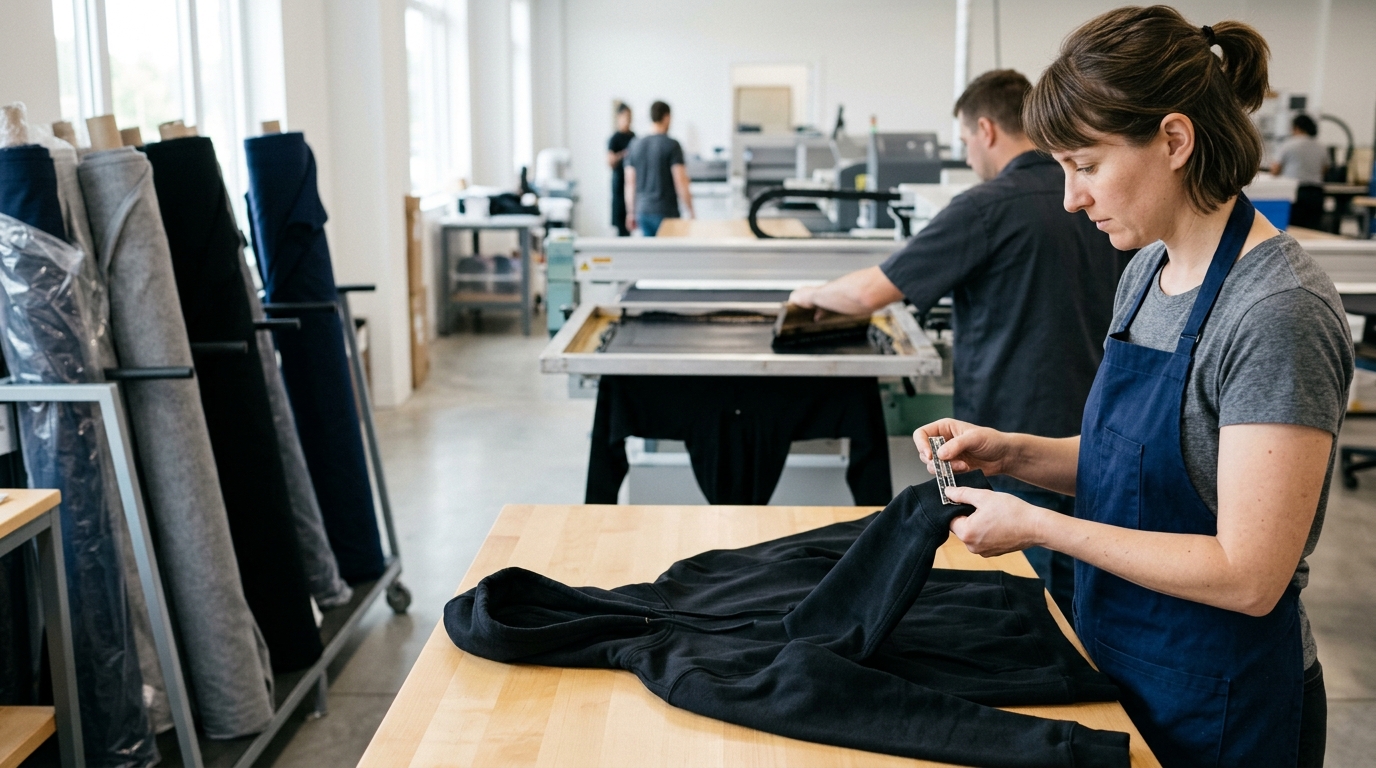
When your patterns prepare, the following action is reducing the textile according to the patterns. Accuracy in reducing makes certain that the pieces fit with each other flawlessly. After reducing, embroidery is the following vital action. Mastering different stitching methods, such as straight stitching, zigzag sewing, and serging, is essential for building garments. Utilizing a top notch embroidery device can significantly impact the coating of your styles.
Suitable and Adjustments
After stitching the preliminary pieces together, fitting the garment on a design or outfit type is needed to guarantee it fits as meant. This action may include making changes to the seams, hems, and other components of the garment. Methods like dart adjustment and alleviate modifications are usually made use of to fine-tune the fit.
Completing Touches
The complements can make or damage the last look of your garment. This consists of adding switches, zippers, and various other attachments, as well as strategies like hemming, topstitching, and pushing. Attention to detail in these last steps makes sure a specialist and sleek appearance.
Quality assurance
Prior to your garment is full, a complete quality control check is crucial. This involves checking all joints, hems, and finishes to ensure there are no issues. Making sure that all components of the garment are securely affixed which the textile has no flaws is essential for supplying a top notch product.
| Strategy | Description |
|---|---|
| Pattern Making | Producing layouts for garment components |
| Cutting | Precision cutting of material according to patterns |
| Sewing | Constructing garments using different stitching techniques |
| Fitting | Changing the garment to guarantee correct fit |
| Completing Touches | Adding fastenings and last details |
| High quality Control | Inspecting the garment for defects and guaranteeing top quality |
FAQs on Designing Clothes
What are the basic steps in the fashion design process?
The fashion design process involves several key stages: Research and Inspiration, Concept Development, Design and Sketching, Fabric Selection, Pattern Making, Sample Making, and Final Production. Each stage plays a crucial role in bringing your clothing designs to life.
How important is creativity in fashion design?
Creativity is at the heart of fashion design. Your ability to envision unique and innovative designs will set you apart in the competitive world of fashion. While staying informed about current trends is important, your personal vision and creativity should always drive your designs.
What tools do I need to start designing clothes?
Essential tools for clothing design include sketching tools (sketchbooks, pencils, digital drawing tablets), measuring and cutting instruments (tape measure, fabric scissors, rotary cutter), sewing equipment (sewing machine, needles, threads), and dress forms or mannequins for fitting and adjustments.
How do I choose the right fabric for my designs?
Choosing the right fabric involves understanding different fabric types (cotton, silk, wool, synthetic blends), considering fabric properties (weight, stretchability), matching the fabric to your design’s purpose, and exploring fabric patterns and colors. Testing fabrics by creating prototypes can also help ensure suitability.
What are the key techniques for bringing my clothing designs to life?
Key techniques include Pattern Making (creating templates for garment parts), Cutting (precision cutting of fabric), Sewing (constructing garments), Fitting (adjusting the garment for proper fit), Finishing Touches (adding fastenings and final details), and Quality Control (inspecting the garment for defects).
Why is understanding body proportions important in sketching designs?
Understanding body proportions ensures that your designs will look realistic and can be properly tailored. This fundamental aspect of sketching helps in creating balanced and well-proportioned garments.
How can I stay updated with the latest fashion trends?
Staying updated with the latest fashion trends involves following fashion shows, reading industry news, and keeping an eye on fashion magazines and online platforms. This knowledge helps you create designs that are relevant and appealing to your target audience.
What should I include in my sketches to make them more detailed and realistic?
To make your sketches more detailed and realistic, incorporate textures and patterns, use shading techniques to represent different fabrics, and annotate your sketch with important details like fabric types, colors, and special features such as zippers or buttons.
How can I ensure the quality of my final garment?
Ensuring the quality of your final garment involves thorough quality control checks. Inspect all seams, hems, and finishes to ensure there are no defects. Make sure all parts of the garment are securely attached, and the fabric has no flaws. Attention to detail is crucial for delivering a high-quality product.
What are the benefits of using dress forms or mannequins in clothing design?
Dress forms or mannequins are invaluable for visualizing and refining your designs in three dimensions. They allow you to drape fabrics, check fit, and make necessary adjustments before finalizing your garment, ensuring accuracy and a better final product.