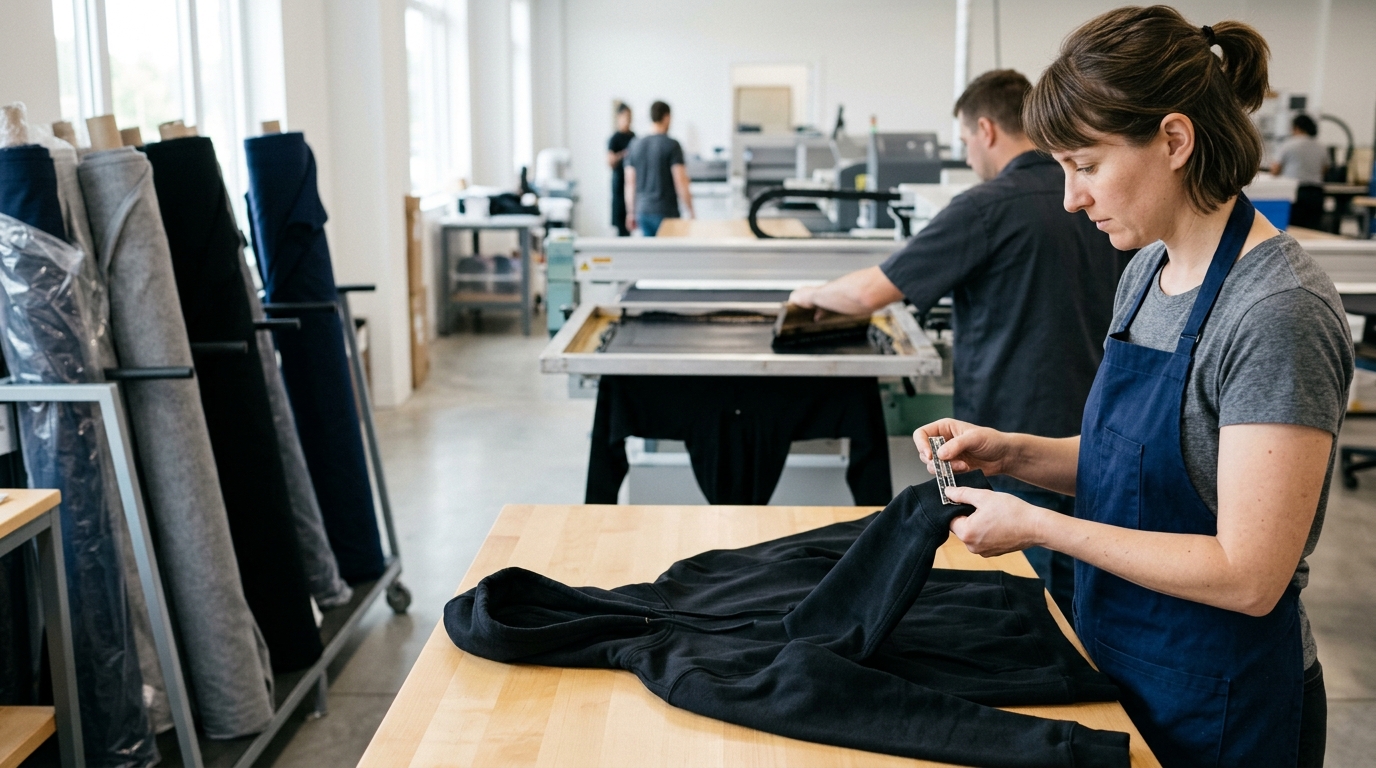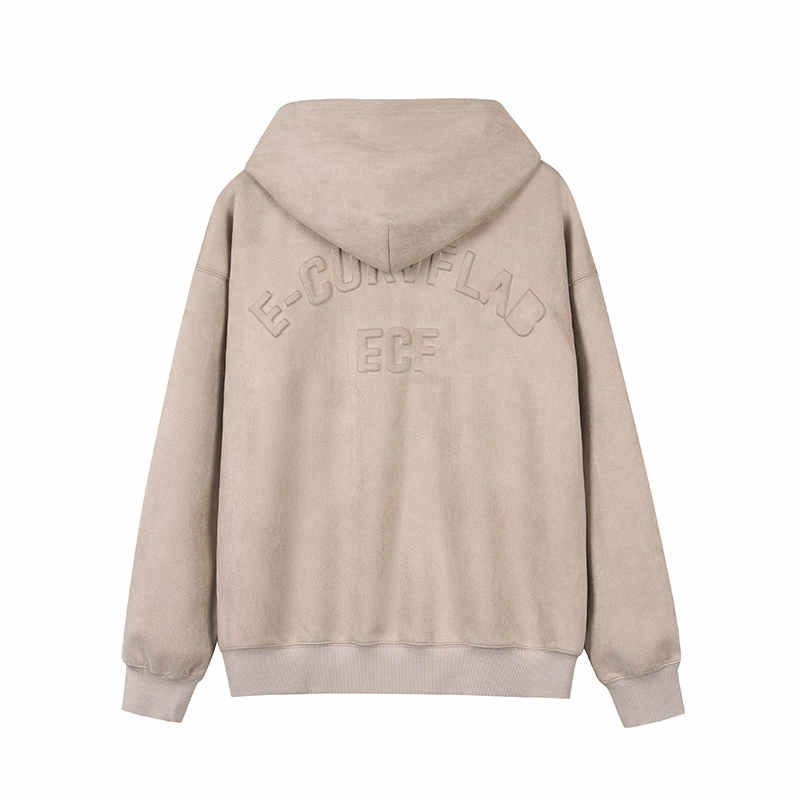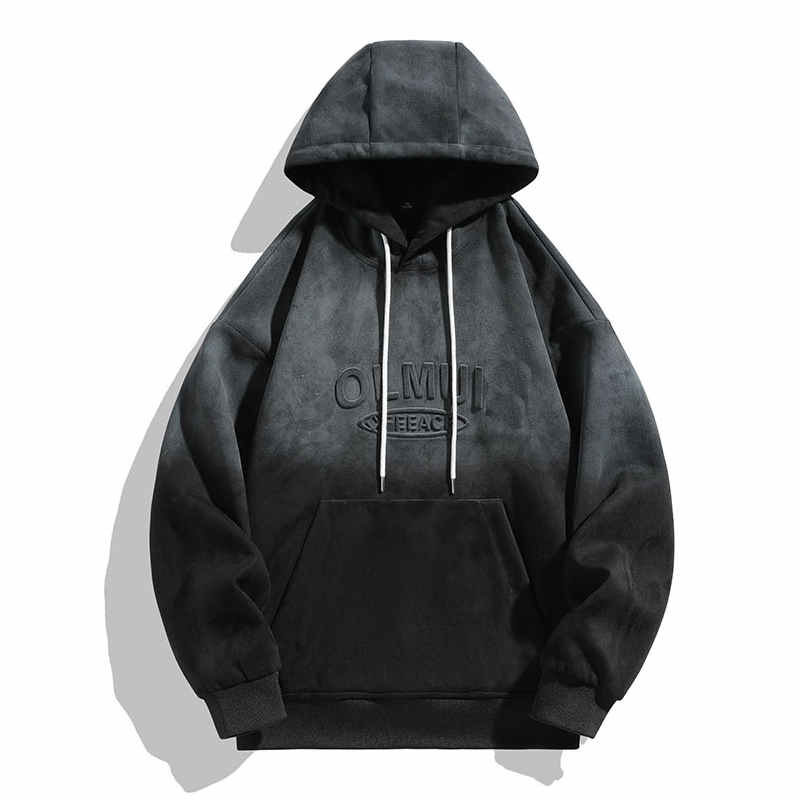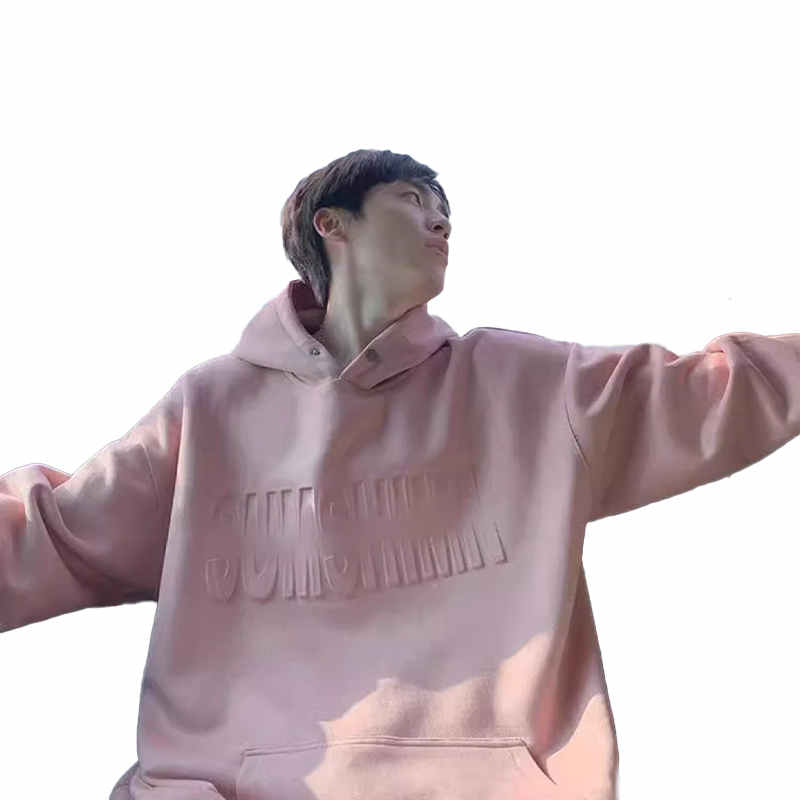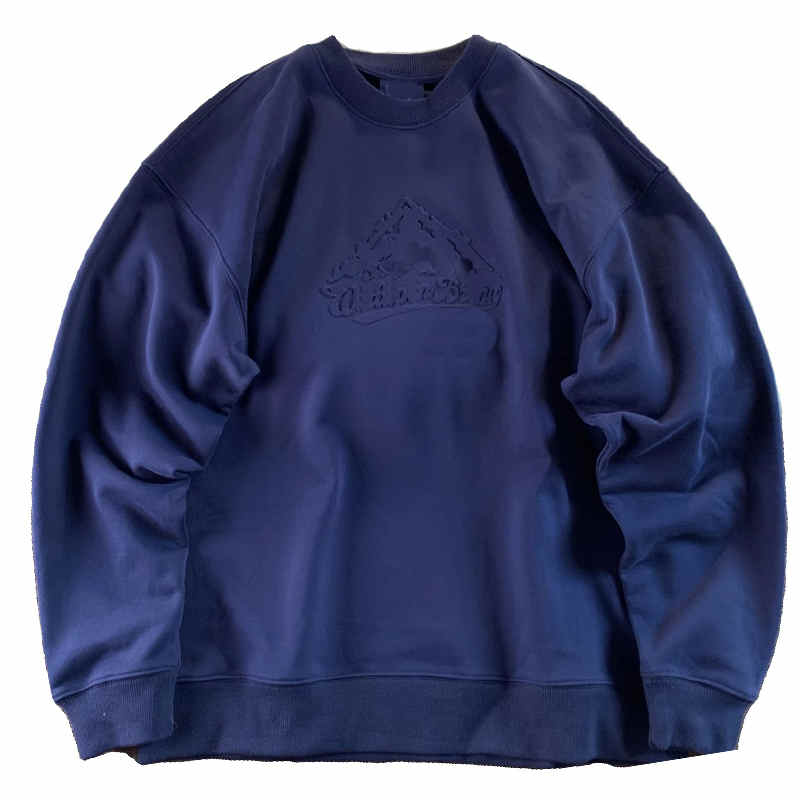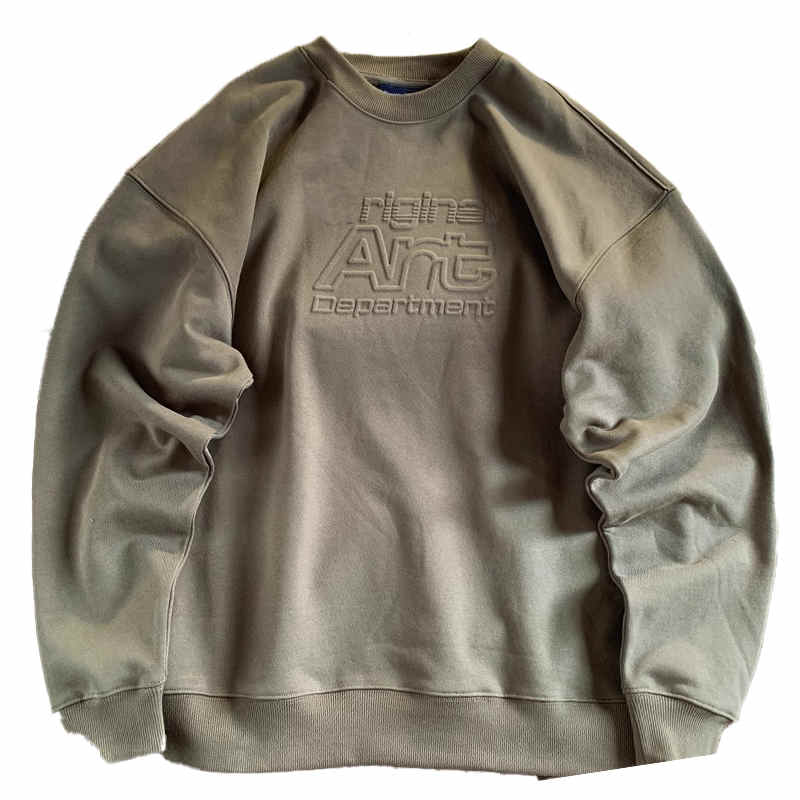
Streetwear clothing manufacturers convert tech packs into finished garments through four production models: cut-and-sew, OEM, ODM, and private label, each suited to different brand stages and budgets. Roughly 70%[1] of new streetwear brands fail their first production run on fabric GSM accuracy, print durability after 30 washes, or stitch-per-inch consistency.
Private label MOQs start around 30–50 pieces, while cut-and-sew typically requires 100–300 pieces per colorway, making supplier vetting on five concrete metrics non-negotiable before placing bulk orders.
At Tuozhen, working with emerging labels since 2013, we’ve seen the same pattern: brands that vet suppliers on five concrete metrics, MOQ flexibility, fabric sourcing transparency, sampling turnaround, in-house printing, and social compliance audits, ship on time and reorder. Those who skip the vetting eat the loss.
Quick Takeaways
- Choose private label (30-50 MOQ) under $5,000[2] capital; cut-and-sew needs 100-300 pieces per colorway.
- Vet suppliers on five metrics: MOQ flexibility, fabric transparency, sampling speed, in-house printing, compliance audits.
- Specify 380-500 GSM in tech packs for premium heavyweight hoodies and fleece garments.
- Test print durability across 30 wash cycles before approving bulk production orders.
- Include GSM, stitch count, and Pantone codes in every tech pack to prevent defects.
What Streetwear Clothing Manufacturers Actually Do
Streetwear clothing manufacturers turn your sketches and tech packs into finished garments. They handle four main production models: Cut-and-sew (sewing from raw fabric to your specs), OEM (you bring the design, they produce it), ODM (they offer ready designs you tweak and brand), and private label (you slap your logo on existing blanks). Each model fits a different stage of brand growth.
If you’re launching with under $5,000[3] in startup capital, private label or blank-stock customization is the realistic entry point, MOQs sit around 30,50 pieces per style. Cut-and-sew, the gold standard for original streetwear, usually demands 100,300 pieces per colorway and a tech pack that includes GSM (grams per square meter, a fabric weight measure), stitch count.
And Pantone codes.
A serious factory should cover the full chain in-house or through trusted sub-suppliers:
- Pattern-making and grading across sizes XS–3XL
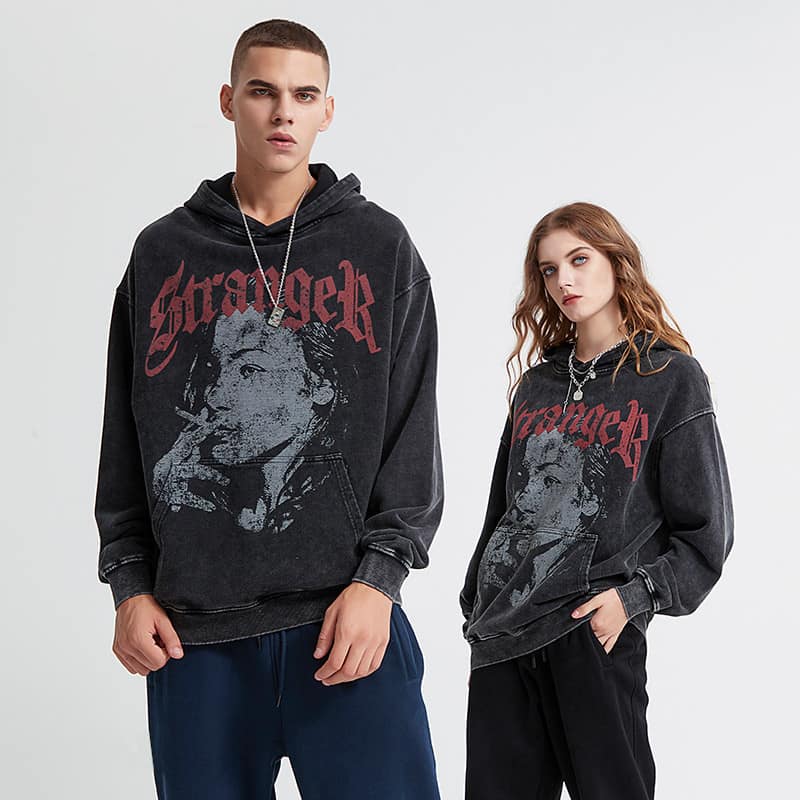
- Fabric sourcing — French terry, heavyweight fleece (380–500 GSM is standard for premium hoodies), brushed cotton
- Decoration — screen printing, plastisol vs. Water-based ink, puff print, 3D embroidery, sublimation, DTG
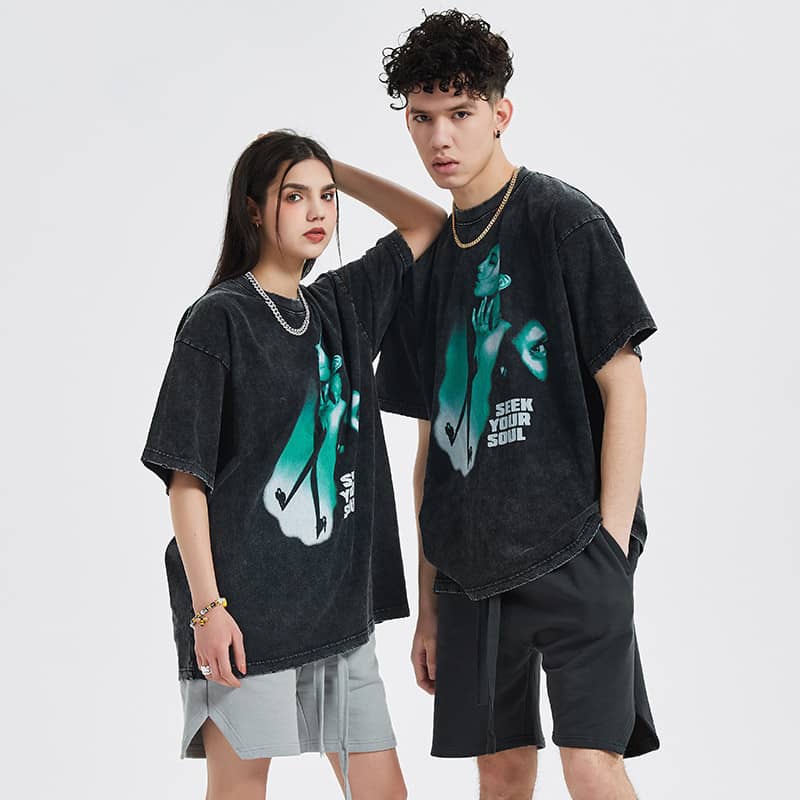
- Garment washes — enzyme, stone, pigment, acid wash for that vintage finish
- Trims and packaging — woven labels, hangtags, polybags, custom inner neck prints
According to Statista’s apparel market data, global streetwear sits inside a approximately $1.79[4] trillion apparel sector.
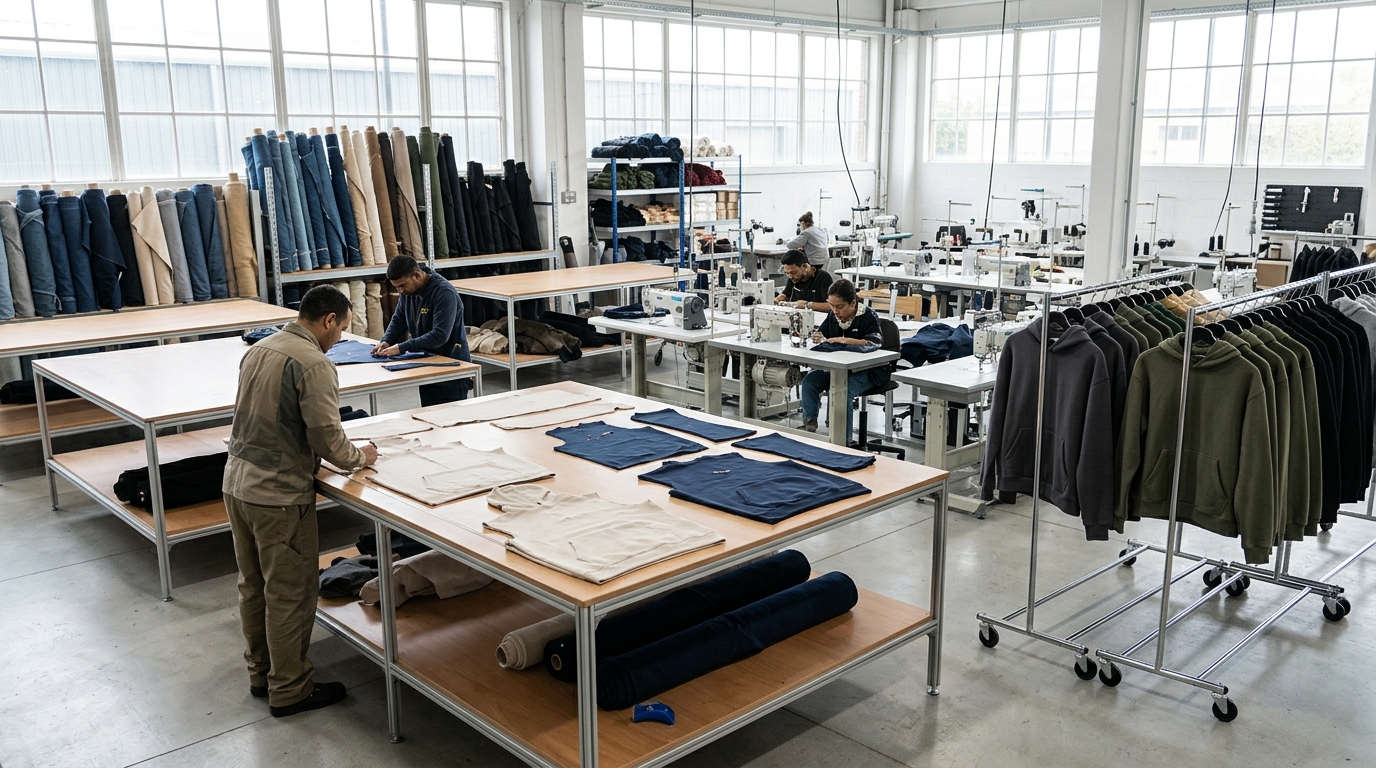
And the factories serving it range from 20-person workshops to 2,000-worker compounds. At Tuozhen, we run an in-house hoodie and T-shirt line in China where the same facility handles pattern cutting, 500 GSM fleece milling.
And embroidery, useful context when you read our hoodie manufacturer test breakdowns later in this guide.
How to Choose the Right Streetwear Manufacturer for Your Brand
Quick answer: Match the factory to where your brand actually sits, not the other way around. A brand still in the sampling stage needs a workshop willing to take on runs of 30 to 50 pieces and around 2 or 3 rounds of samples.
Now a brand that’s scaling, doing 500 or more units per style, really needs a factory that keeps pattern-making, cutting, sewing, printing.
And quality checks all under one roof. Honestly, picking a big industrial plant with a 2,000-piece minimum when you only need 100 hoodies is the fastest way to torch approximately $8,000[5] on stock that just sits there.
Match factory tier to your stage
- Sampling / pre-launch (0-100 units): small studios, minimum order around 30 to 50, sample cost roughly $35[6]-55 per hoodie
- Small batch (100-500 units): mid-size streetwear clothing manufacturers, minimum order of 50-100 per color, lead time runs 30 to 45 days
- Scaling (500-5,000+ units): fully integrated factories that own their knit mills, minimum order around 100-300, priced FOB (free on board, meaning shipping from the port)
Product complexity changes the math completely. A 480 GSM heavyweight loopback hoodie with a garment-dyed finish needs a factory that actually runs enzyme washing and tumble dryers. Not every workshop has these on site.
Acid-washed tees basically demand a wash house partner, so ask to see it in person. Reactive dye versus pigment dye affects how the fabric feels and shifts cost by 15-approximately 20%[7].
10 vetting questions before signing
- What is your exact minimum order, both per color and per size?
- Which fabric mill supplies your fleece? If they refuse to say, that’s a red flag.
- Can you share recent client references in my price tier?
- Do you hold WRAP, BSCI, or SA8000 certification, which are basically ethical factory audits? (See WRAP standards)
- What’s the sample-to-bulk consistency rate?
- Who actually handles print, embroidery, and wash, in-house or outsourced?
- What’s your defect rate and how is rework billed?
- Payment terms, 30/70 or 50/50?
- How are shrinkage and GSM (the fabric weight) tolerances written into the contract?
- Can I get a pre-production sample, basically a final approval piece, before bulk cutting starts?
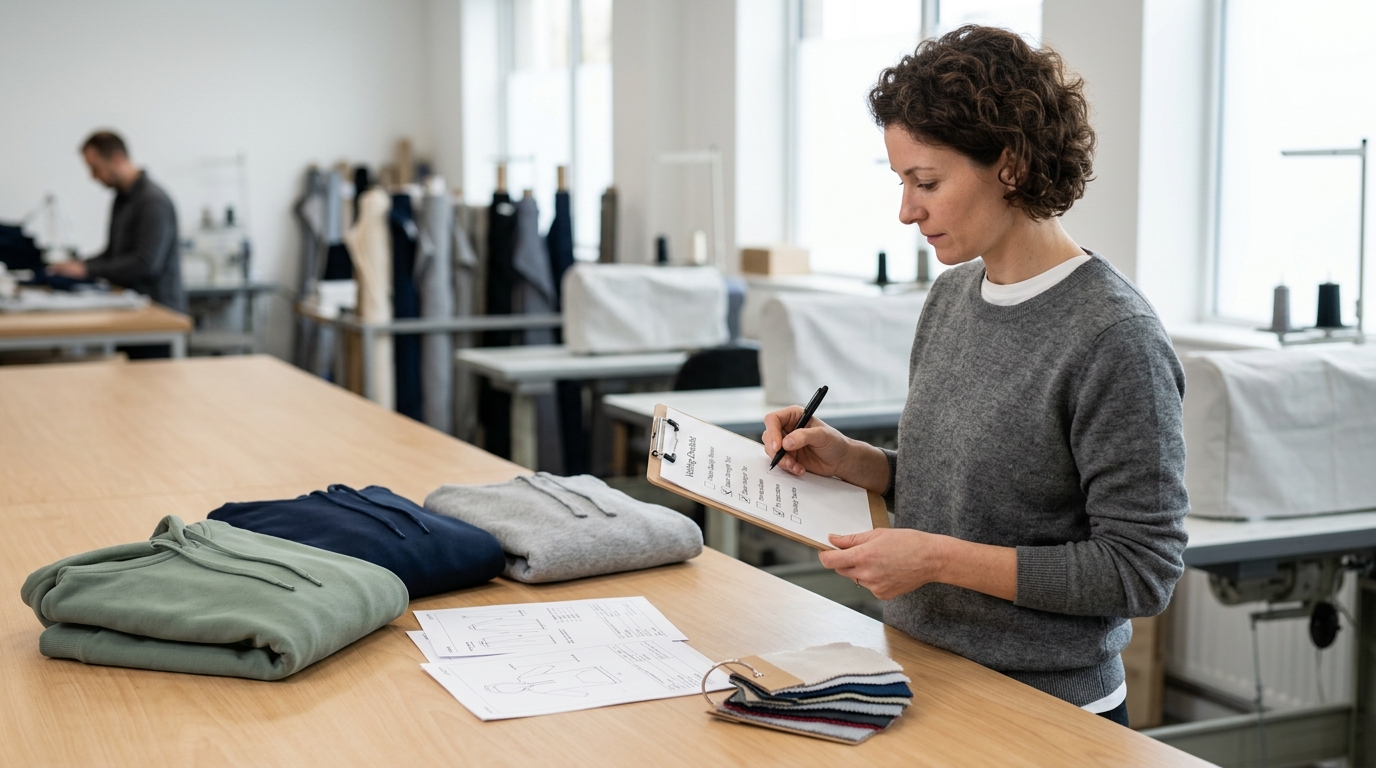
Red flags: vague answers like “depends on the order”, a refusal to name fabric mills, sample prices below approximately $20[8] for heavyweight pieces, and no written review of your tech pack. For a deeper look at sample vetting, check our hoodie manufacturer test breakdown.
At Tuozhen, we actually route sampling brands and 5,000-unit scaling brands onto different production lines for this exact reason. Mixing them wrecks margins on both sides.
Top Streetwear Manufacturing Regions Compared
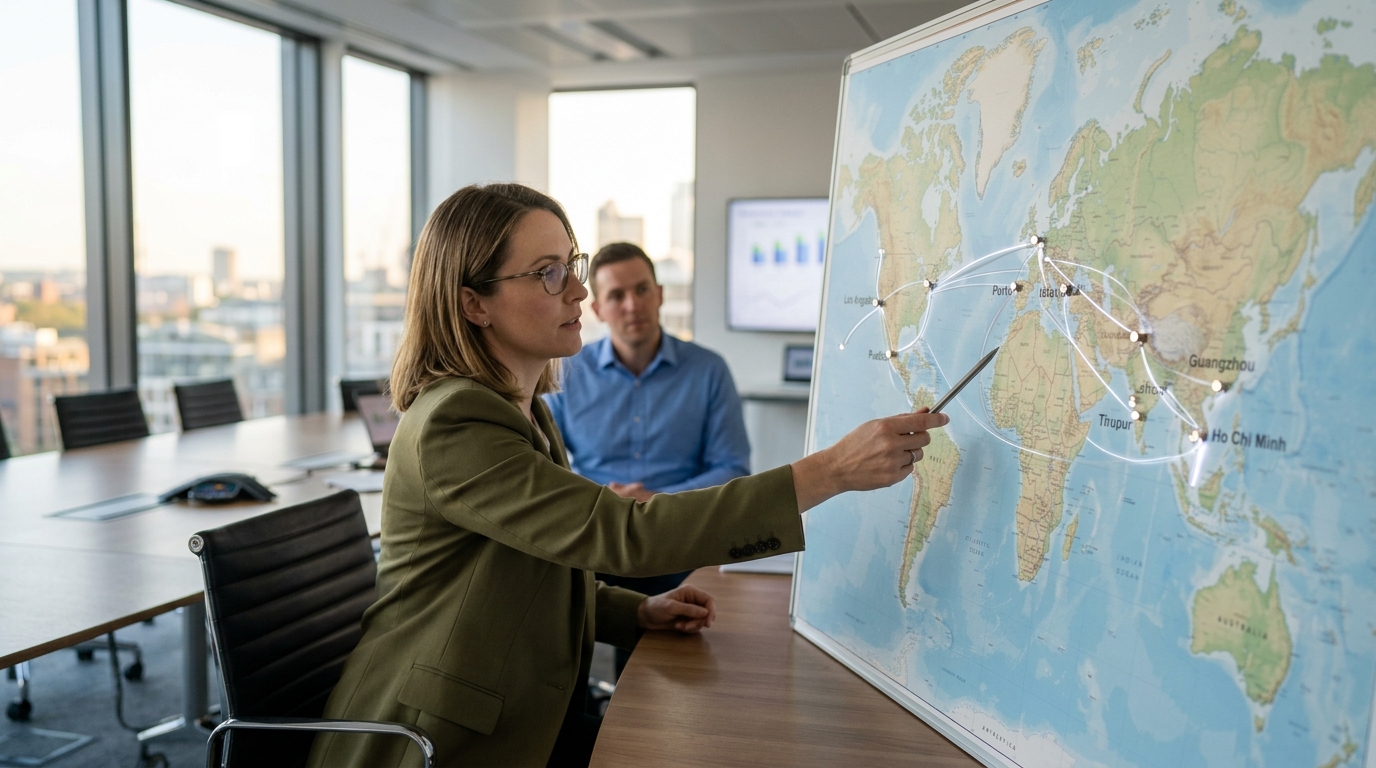
So here’s the thing, no single country is going to be the perfect winner for every single need you have. China is really strong when you need heavy fleece and full tech packs done quickly.
Portugal does amazing work with garment-dyeing and premium knitwear. And for basic hoodies at a low price, Pakistan is often the leader.
You should pick based on your fabric weight, how many pieces you need to order at a minimum, and what your final cost will be, not just by who has the best reputation.
| Region | Typical MOQ | Lead Time | Price/Hoodie (FOB) | Specialty | Trade-off |
|---|---|---|---|---|---|
| China (Guangzhou/Dongguan) | 50–300 | 30–45 days | approximately $14[9]–approximately $28 | 450gsm+ fleece, full-package OEM, screen printing | Section 301 tariffs add approximately 7.5%[10]+ duty to US |
| Pakistan (Sialkot/Lahore) | 100–500 | 45–60 days | approximately $8[1]–approximately $16 | Basic fleece, blanks, embroidery | Heavyweight fabric sourcing inconsistent |
| India (Tirupur/Ludhiana) | 200–500 | 50–70 days | approximately $9[2]–approximately $18 | Cotton jersey, organic GOTS, knitwear | Fleece weight rarely exceeds 380gsm |
| Portugal (Porto) | 100–300 | 40–55 days | approximately $28[3]–approximately $55 | Garment dye, pigment wash, premium knit | 2x China price; EU duty-free helps EU brands only |
| Turkey (Istanbul) | 150–500 | 35–50 days | approximately $18[4]–approximately $32 | Cotton blends, fast EU shipping | Lira volatility shifts quotes monthly |
| Vietnam (Ho Chi Minh) | 500–1000 | 45–60 days | approximately $12[5]–approximately $22 | Activewear, technical fabrics | High MOQ kills small brands |
| Mexico (Puebla) | 300–500 | 25–35 days | approximately $16[6]–approximately $26 | Nearshoring for US, USMCA duty-free | Limited fabric mills; many import from Asia |
| USA (LA) | 50–200 | 20–30 days | approximately $32[7]–approximately $60 | Cut-and-sew, garment dye, “Made in USA” | Labor cost = 4x Asia |
Let’s talk shipping, because it’s a real cost. For a 500-unit hoodie order, getting it from Guangzhou to Los Angeles will run you roughly $1,200[8] to approximately $1,800 by sea, and that takes about 30 days.
If you go by air, you’re looking at maybe approximately $4[9] to approximately $6 per kilogram, but it gets there in 5 to 7 days. From Portugal over to New York, the sea freight for that same amount is about $900[10].
Just so you know, Tuozhen ships from Guangdong. That means if you’re a US client, you have to factor in the approximately 7.5%[1] Section 301 duty on cotton apparel. It’s really important to check the USTR Section 301 tariff list before you finalize any retail pricing.
If you want to get into the nitty-gritty and compare specific factories, especially among Chinese streetwear clothing manufacturers, you should look at our hoodie manufacturer test results. We went through 12 different suppliers and checked things like stitch density, how accurate the GSM weight was.
And how much the fabric shrank after washing.
Real MOQs, Pricing, and Lead Times You Should Expect
Quick answer: Plan on samples costing approximately $60[2] to approximately $250 each. Minimum order quantities for production sit at 50 to 300 units if you’re going with a small boutique cut-and-sew shop, 500 or more for mid-tier factories, and 1000 or higher for premium mills that make custom fabric for you.
From the moment your tech pack (the technical blueprint of the garment) gets approved to the day finished goods land at your door, expect 8 to 14 weeks when working with streetwear clothing manufacturers that handle heavyweight fleece.
Sample pricing climbs with how complicated the garment is. A plain blank tee sample sits around $60[3] to approximately $90.
But a cut-and-sew hoodie with custom panels, embroidery, and woven labels can run approximately $180[4] to approximately $250. Most factories also charge for 2 to 3 rounds of revisions before you sign off on bulk production.
Per-unit pricing in bulk splits hard between blanks and full cut-and-sew. Blanks made from stock fabric with a screen print run approximately $8[5] to approximately $18 FOB, which means the price at the factory’s port before shipping.
Full cut-and-sew using custom heavyweight French terry (a thicker, looped knit fabric), garment dye, and trims runs approximately $28[6] to approximately $55 FOB. Sometimes higher for boxy oversized cuts that waste fabric when the pattern pieces are laid out for cutting.
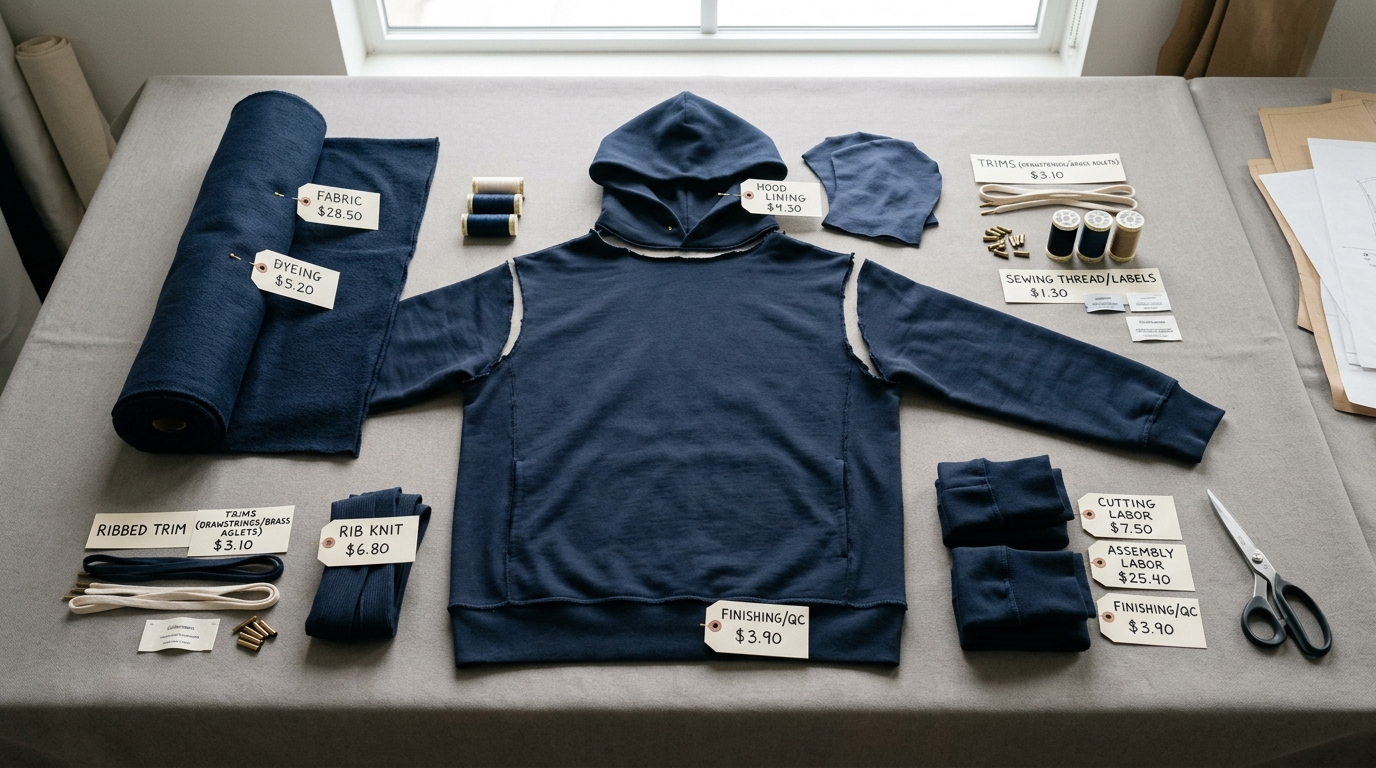
Cost breakdown: 400gsm heavyweight hoodie (300-unit run)
| Cost component | Per unit (USD) | Share |
|---|---|---|
| 400gsm cotton-poly French terry (1.8 yds) | approximately $11.50[7] | approximately 34%[8] |
| Cut, sew, and finishing labor | approximately $9.80[9] | approximately 29%[10] |
| Trims (drawcord, tipped tape, woven label, hangtag) | approximately $2.40[1] | approximately 7%[2] |
| Print or embroidery (3-color chest + sleeve) | approximately $3.60[3] | approximately 11%[4] |
| Garment wash / pigment dye | approximately $2.10[5] | approximately 6%[6] |
| Factory margin + QC | approximately $4.40[7] | approximately 13%[8] |
| Total FOB | approximately $33.80[9] | approximately 100%[10] |
On top of that, add 8 to approximately 15% for freight depending on current container rates. Then add duty, which is approximately 16.5%[1] for cotton knits entering the US under HTS 6110.20 (the tariff code for that product category).
At Tuozhen we usually quote 14 days for sampling and 45 to 60 days for production on runs of 300 to 800 units of 400gsm+ hoodies. Check our hoodie manufacturer test breakdown for the actual fabric weight and stitch-density numbers we pulled from lab tests.
One trap to watch for. Factories quoting under $20[2] FOB on a 400gsm hoodie are almost always using 320gsm fabric and just labeling it heavyweight. Ask for the actual GSM test report (a lab document proving fabric weight) before you sign the proforma invoice.
OEM vs ODM vs Private Label for Streetwear Brands
Quick answer: Private label is the fastest and cheapest option, but it really kills any originality you might have. OEM, which is basically cut-and-sew from your tech pack, is where your actual brand identity gets to live.
And ODM is full co-development with the factory, which is generally only useful once you have repeat orders that justify all that research and development time.
Here’s the practical breakdown that most streetwear clothing manufacturers won’t actually spell out for you:
| Model | What you supply | Typical MOQ | Unit cost (hoodie) | IP ownership |
|---|---|---|---|---|
| Private Label | Logo and label art on a stock blank piece | 30–100 | approximately $14[3]–approximately $22 | The design belongs to the factory. You only own the print itself. |
| OEM (cut-and-sew) | Tech pack, fabric specifications, trims, and patterns | 100–300 | approximately $28[4]–approximately $55 | You own both the design and the pattern files. |
| ODM | A mood board or brief, and the factory develops it | 300–500 | approximately $22[5]–approximately $40 | Shared or held by the factory, so really read the contract. |
The graduation path that most indie brands generally follow goes something like this. They drop one private-label capsule to fund the brand initially, then reinvest the margin into a 200-unit OEM run with custom fabric weight and their own proprietary trims.
Then they negotiate ODM only on staple pieces where the factory’s pattern library actually does beat what they could do themselves. Skipping straight to ODM without any sales data is honestly how brands end up paying for development work they can’t sell through.
One IP trap to really watch out for: when you’re doing ODM, ask in writing whether the pattern is exclusive to you or shared across the factory’s whole catalog. The WIPO industrial design framework does protect original silhouettes, but only if you actually registered them yourself, not the factory.
At Tuozhen we run OEM cut-and-sew for most of our clients, and we only quote ODM when a customer commits to a 12-month repeat order.
That’s because that’s basically the threshold where shared development cost actually pencils out and makes sense. And for a deeper teardown of how a hoodie actually gets built piece-by-piece and checked against what was expected at each level, see our hoodie manufacturer test.
9 Reputable Streetwear Clothing Manufacturers Worth Contacting
This list is sorted by Typical MOQ, from lowest to highest, not by which is the best. Each factory is actually the best in its own particular area. So you should match the row to where your brand is right now, not just go by the name.
| Manufacturer | Location | MOQ (per style) | Specialty | Best for |
|---|---|---|---|---|
| Good Clothing Co. | Fall River, MA, USA | 30 | Small-batch ethical cut-and-sew, SA8000-aligned labor practices | US ethical launches, sample-to-50 runs |
| Royal Apparel | New York, USA | 72 (blanks); 144 custom | USA-grown organic cotton blanks, GOTS-certified options | Print-on-blank brands needing “Made in USA” |
| Tuozhen | Guangdong, China | 100 | 460–500 gsm heavyweight fleece hoodies, puff print, garment dye | Heavyweight hoodie drops, mid-tier streetwear |
| Groovecolor | Dongguan, China | 100–200 | Premium heavyweight cut-and-sew, full tech-pack OEM | Brands chasing Fear of God-tier construction |
| Lisbon-based EU partner (e.g., AITEX-audited Portuguese factories) | Portugal | 150 | EU compliance, fast 4-week lead times to UK/DE | EU brands avoiding import duties |
| Nofal Apparel | Sialkot, Pakistan | 200 | Fleece basics, woven shorts, competitive on cotton | Budget-conscious launches under $12[6] FOB |
| Scrod Industries | Karachi, Pakistan | 200 | Knitwear, jerseys, embroidered tracksuits | Sports-streetwear crossover lines |
| Baagh Enterprises | Pakistan | 250 | Acid wash, garment dye, vintage finishes | Washed/distressed aesthetic brands |
| Novex Apparel | Pakistan | 300 | Activewear-streetwear hybrids, technical fabrics | Performance-leaning streetwear |
| Alanic Wholesale | USA/India (hybrid) | 50 (private label only) | Stock-program private label, no custom cut-and-sew | Logo-on-blank dropshippers |
Let me give you one honest note here. In my experience, Groovecolor does a slightly better job with really detailed finishing, like hand-distressing and complex paneling.
But Tuozhen is the one that really delivers on heavyweight fleece consistency, especially at those 100-unit MOQs. We actually publish our gsm test results in our hoodie manufacturer tests.
So what should you do before you send any money? Always ask for three references and a video tour of the factory.
Common Mistakes and Scams When Sourcing Streetwear Factories
Quick answer: Most sourcing disasters trace back to six predictable traps. There’s the bait-and-switch on fabric weights, the ghost factories hiding on Alibaba, and the quality drop between samples and bulk orders.
Then you have hidden trim and freight costs, wire transfer fraud, and outright design theft. All six are actually preventable if you use third-party inspections, escrow payments, and sealed counter-samples.
The six traps that drain new streetwear brands
- Fabric weight downgrade. Say you approved a 380 gsm French terry sample. The bulk shows up at 340 gsm. That 40 gsm gap is basically a approximately 10%[7] material saving for the factory, and a hoodie that feels noticeably thinner on the body. Always demand a sealed counter-sample with a fabric weight tag stitched into it.
- Ghost factories. A lot of Alibaba listings are actually trading companies pretending to be factories. Ask for the business license (营业执照). Then match it to the bank account name, and request a live video walk-through of the cutting room and the stitching lines.
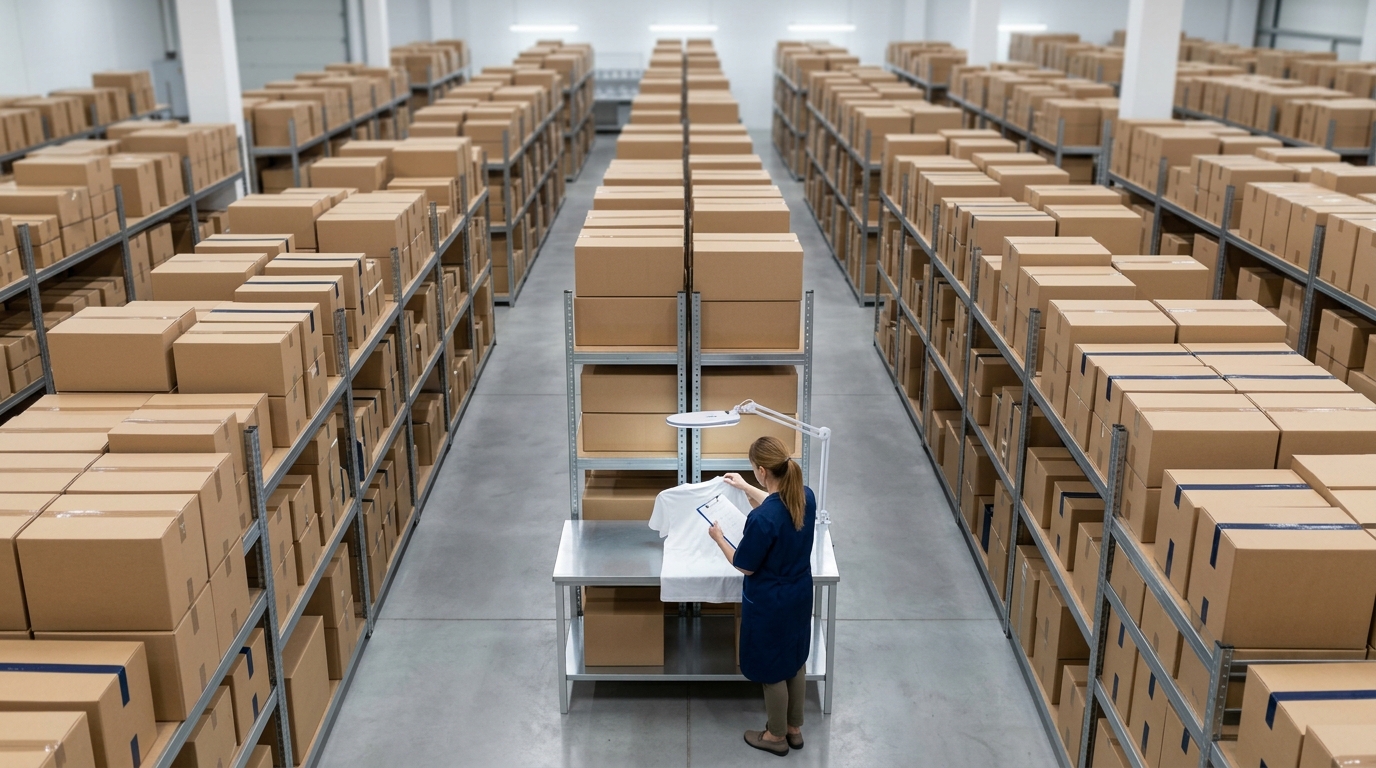
- Sample-to-bulk drop. Golden samples get sewn by the A-team. Bulk production gets handed to the trainees. Lock quality down with an QIMA or Intertek AQL 2.5 inspection before you wire the final balance payment.
- Hidden costs. The quoted FOB price rarely covers woven labels, hangtags, polybags, cartons, or duties. US importers pay approximately 16.5%[8] duty on cotton knit hoodies under HTS 6110.20, so budget that upfront through the USITC tariff database.
- Wire fraud. Email-intercepted “updated bank details” cost apparel buyers millions every year, according to FBI IC3 reports. Use Alibaba Trade Assurance escrow for your first orders. Always verify any bank change by phone.
- IP theft. Your graphic suddenly shows up on AliExpress. Register an NNN agreement (Non-disclosure, Non-use, Non-circumvention) under Chinese law before you send any tech packs over.
Honestly, one protective habit beats all of the above. Order a pre-production sample, then seal two counter-samples in tamper-evident bags. Keep one yourself and send one back to the factory. Disputes end in approximately 24 hours[9].
For deeper vetting workflows when picking streetwear clothing manufacturers, take a look at our Hoodie Manufacturer Test framework. Tuozhen uses it internally on every new fabric mill we onboard.
Building a Long-Term Partnership With Your Manufacturer
Quick answer: After 3,5 successful purchase orders with consistent payment, most streetwear clothing manufacturers will renegotiate terms, lower MOQs by 20,approximately 30%[10], extend net-30 payment instead of 50/50 deposits.
And reserve production slots before peak season. Becoming a priority client typically takes 12,18 months of disciplined orders, not a single big PO.
What to negotiate after PO #3
- Payment terms: Shift from 50% deposit / 50% before shipping to 30/70, then net-30 after delivery. Trade credit insurance from Coface or Euler Hermes can underwrite this for the factory.
- MOQ reductions: Bundle 3–4 styles to hit fabric minimums instead of per-style MOQs.
- Fabric exclusivity: Custom-developed knits (e.g., a 480 GSM brushed loopback) can be locked to your brand for 6–12 months in exchange for a usage commitment of 800–approximately 1,500 kg[1].
- Slot reservation: Book Q4 (holiday drop) production by April. Factory calendars fill 4–5 months ahead, and Chinese New Year freezes output for 3–4 weeks every February.
Joint development, factory visits, and the agent question
Joint product development is the real unlock. Once a factory trusts your sell-through, their pattern team will co-develop blocks, source trims through their network, and absorb sampling costs. At Tuozhen, repeat clients moving past 1,500 units/year typically get 2,3 free sampling rounds folded into the next bulk order.
Visit the factory once you cross approximately $50K[2] in cumulative orders. A two-day audit, walking the cutting room, meeting your dedicated merchandiser, reviewing the QC log, does more for the relationship than 50 emails.
If you can’t travel, a sourcing agent adds 5,approximately 8%[3] on top of FOB but handles inspections; direct communication saves margin but demands a English-fluent merchandiser on the factory side. Pick one model and commit, switching mid-season breaks accountability.
For a deeper look at what a real factory test cycle looks like, see our Hoodie Manufacturer Test breakdown.
References
- [1]groovecolor.com
- [2]hongyuapparel.com/streetwear-manufacturer/
- [3]qyoure.com/streetwear-manufacturer/
- [4]clothingproducer.com/best-streetwear-manufacturers/
- [5]bommestudio.com/streetwear-clothing-manufacturers
- [6]nofalapparel.com/9-best-streetwear-manufacturers/
- [7]reddit.com/r/streetwearstartup/comments/1i27aro/my_proven_and_tested_guide_to…
- [8]instagram.com/addictionentps/
- [9]youtube.com/watch
- [10]hermin.com/cate-custom-streetwear-manufacturing-services.html