Introduction
It is a popular way to express creativity in today era. Market size of the global fashion industry in 2022, growth in coming years Market size and forecast for the worldwide. The apparel industry is a lucrative business, though fashion trends keep changing. But great design alone is not enough to make a line successful. The transition of a design to an actual product is one of the most crucial and complicated phases.
In America alone, there are more than 25K clothing manufacturing companies—even China who makes over 50B garments per year is producing that large of a number. These numbers reveal that the sector of apparel manufacturing has evolved into a very mature and viewable environment. From design to production, this article gives a full breakdown of how you can get your clothing designs made so that the product and vision in your head become wearable.
Step 1: From Inspiration to Design
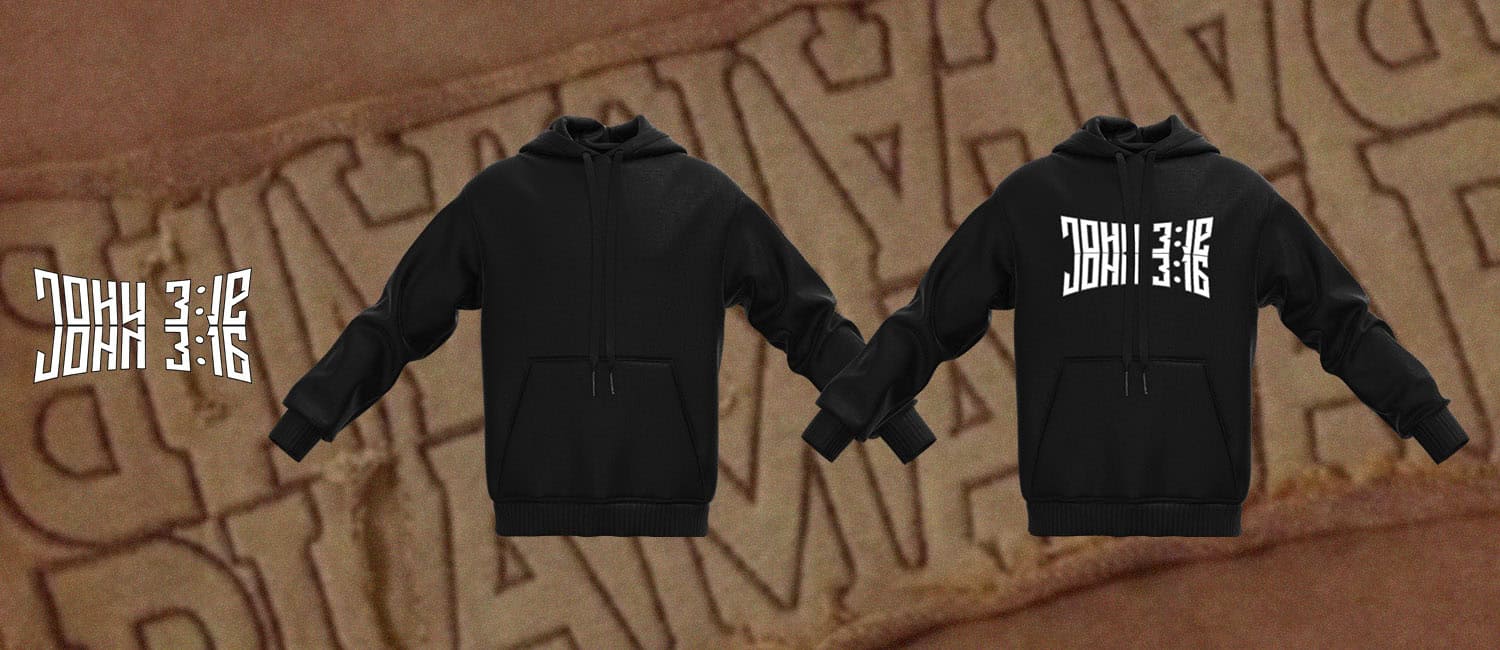
- Finding Inspiration
- Trend Analysis and Market Research: In order to capture inspiration, we need to know what is trendy in current market. Fashion Magazines and Popular Culture AnalysisMarket Research Sites like WGSN and Fashion Snoops offer in-depth trend reports that can help you innovate ahead of your competitors.
- Utilizing Social Media Platforms: Pinterest, Instagram and other social media platforms are filled with innovative ideas as well as trends. Find unique design elements and style inspiration on these platforms. Track the trends by following major designers and fashion houses, to get an idea about what hits the market and your demographics.
- Design Sketches
- Hand Sketching and Digital Design Tools (Adobe Illustrator, CorelDRAW, Photoshop): Creating design sketches is a crucial step. While hand sketching is traditional and can bring a personal touch, digital tools like Adobe Illustrator, CorelDRAW, and Photoshop can enhance precision and efficiency. These tools also make it easier to modify designs and share them with manufacturers. Utilize features such as layers and grids to ensure your designs are accurate and detailed.
Establishing Design Style and Brand Identity: This will be your Design Style Be it minimalist, avant-garde or streetwear the style of your brand must be congruent across all possible permutations to establish a visual vernacular. Develop a colour palette, fabric swatches and design inspirations that closely mirror your brand to set the right tone. The mood board will act as a visual reference for you in your design journey.
Step 2: Choosing the Right Garment Technique
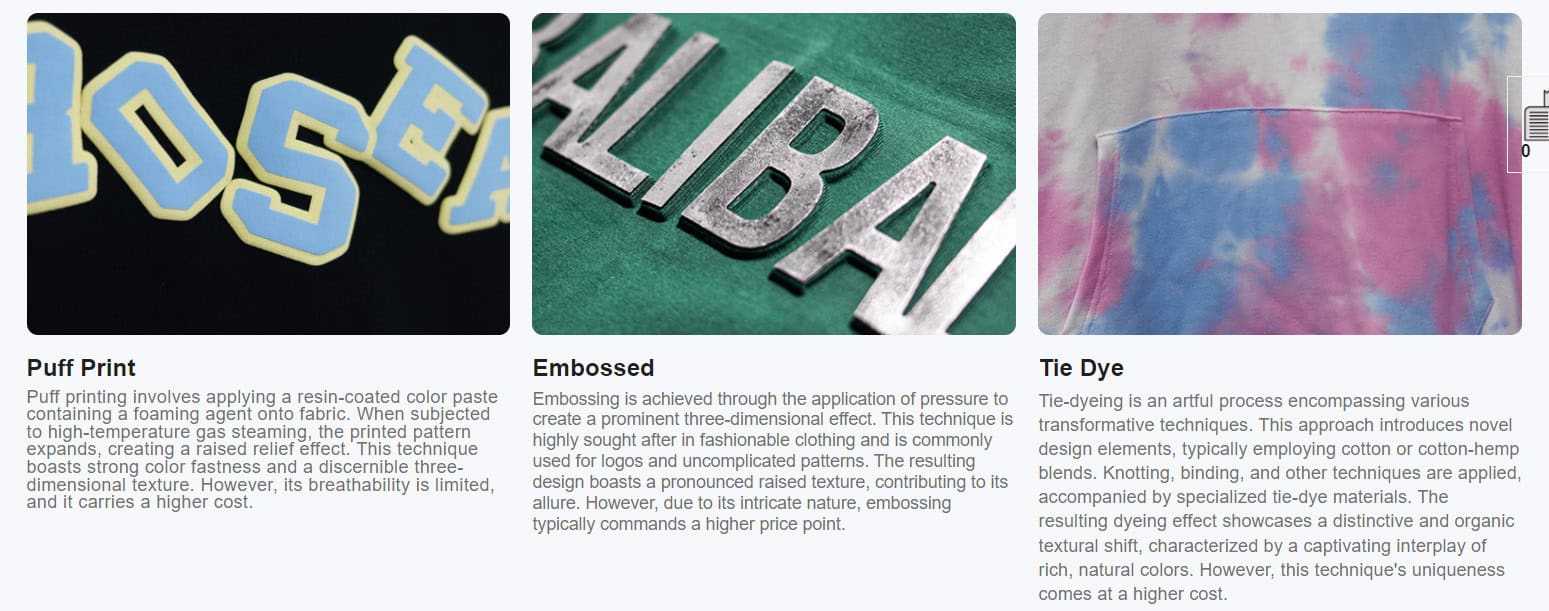
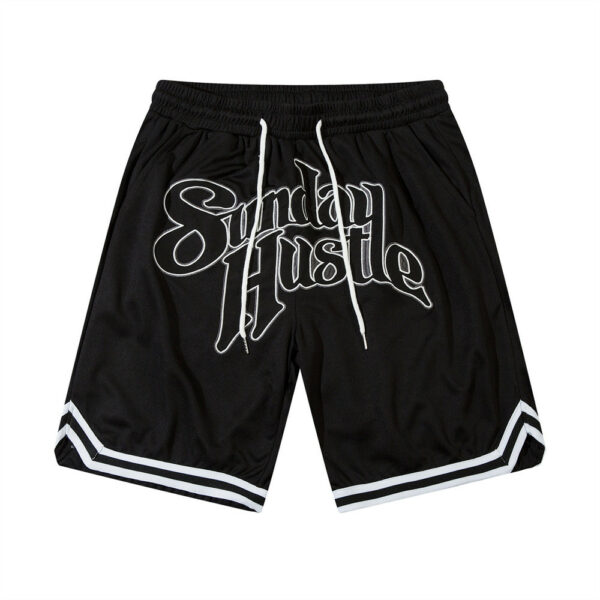
- Embroidery for Letter Designs: If your design includes letters, embroidery is an excellent technique. It adds texture and a 3D effect to your garments, making the designs stand out. Embroidery is also durable, as the threads are sewn directly into the fabric, ensuring longevity even after multiple washes. Consider using embroidery software like Wilcom or Hatch to digitize your designs before sending them to the manufacturer.
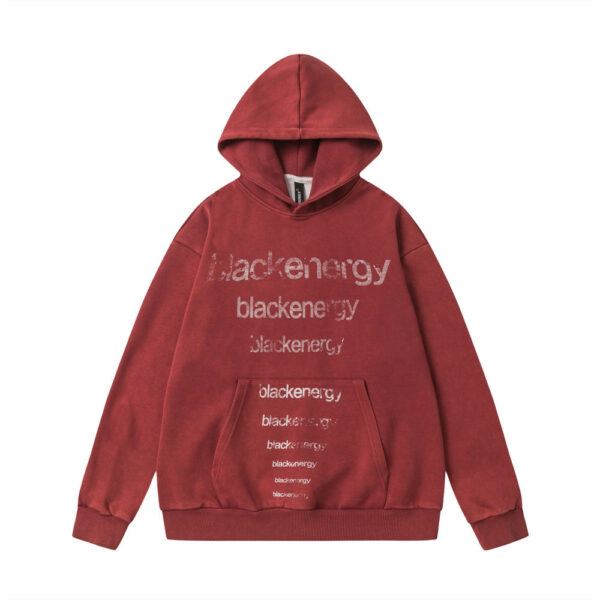
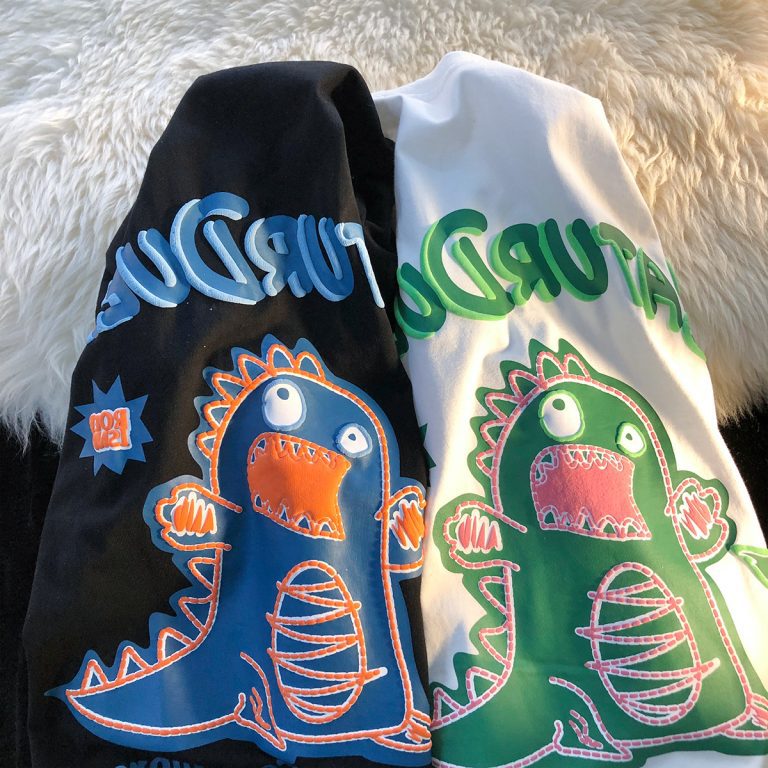
- Screen Printing for Image Designs: Screen print for image designs Ideal for bulk production, cost effective and provides a range of colors and durability. Screen printing is the process where a stencil (or screen) is made and used to deposit layers of ink on to a print surface. It can help with many different kinds of fabrics as a popular choice for things like t-shirts., hoodies, and other apparel. First, you will need a screen printing kit (screens, ink, squeegee and exposure unit).
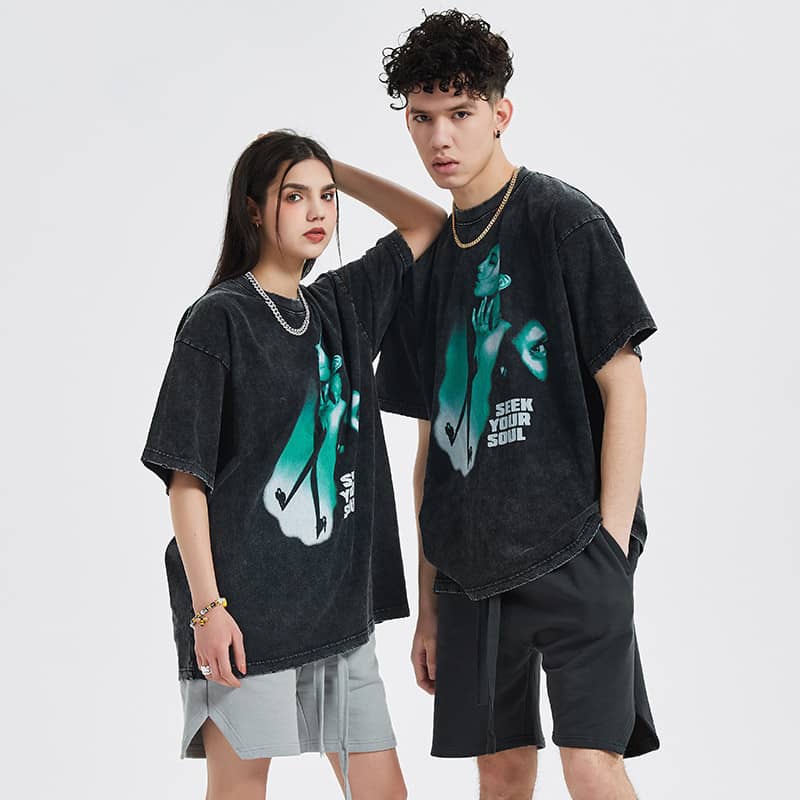
- DTG (Direct to Garment) for Gradient or Multi-Color Photos: DTG is perfect for complex designs with gradients and multiple colors. This technique can print high-resolution images directly onto the fabric, capturing every detail of your design. DTG is especially suitable for small orders or one-off designs as it doesn’t require screens or plates, making it a cost-effective option for short runs. Ensure you have a high-quality DTG printer like the Epson SureColor F2100.
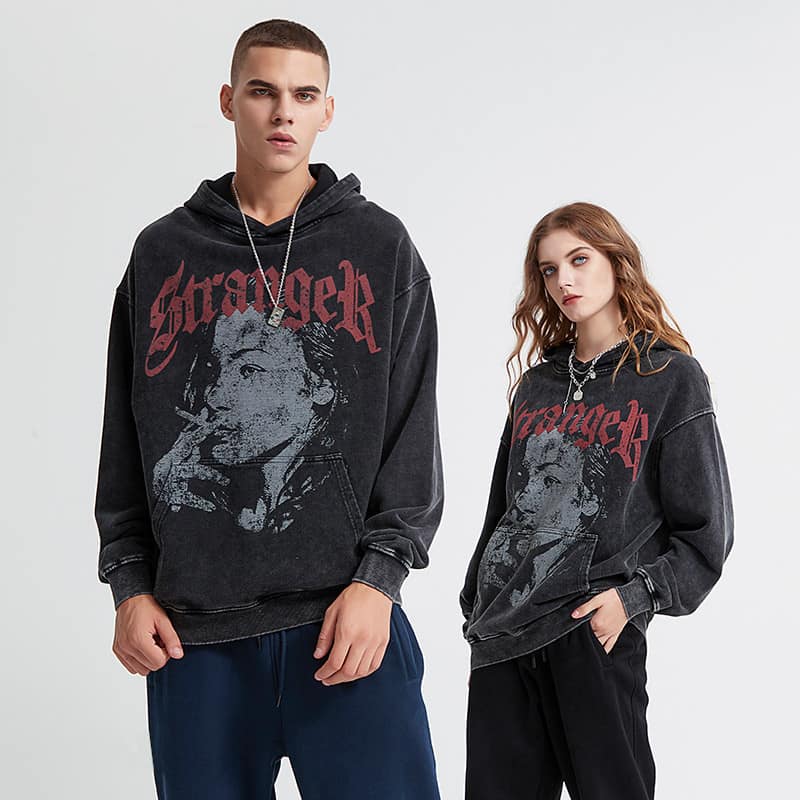
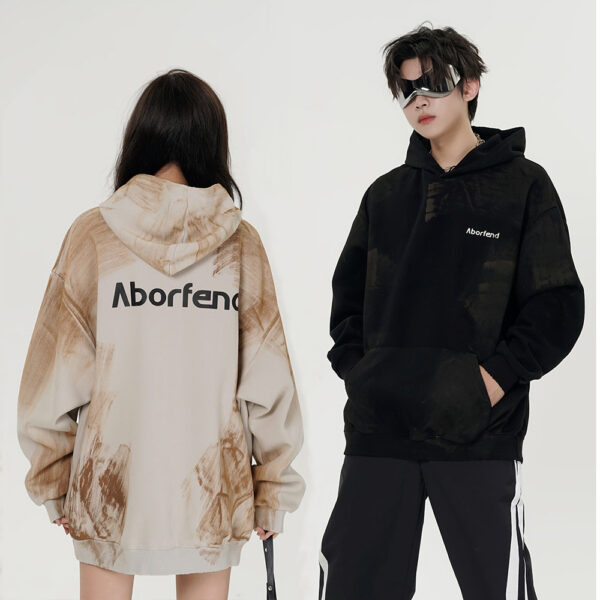
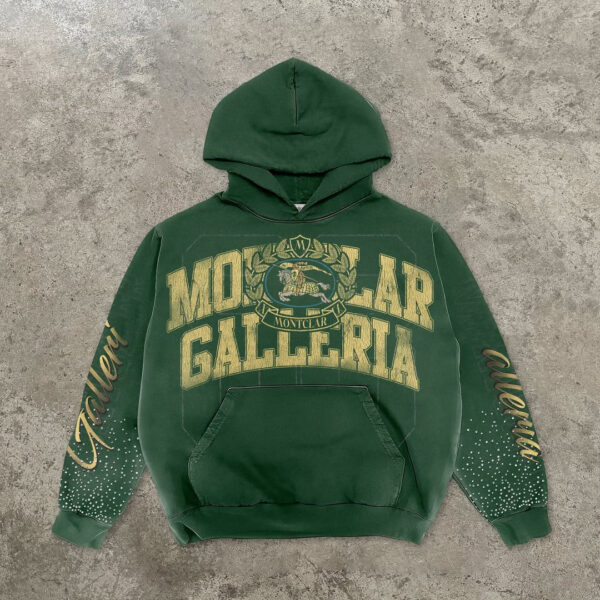
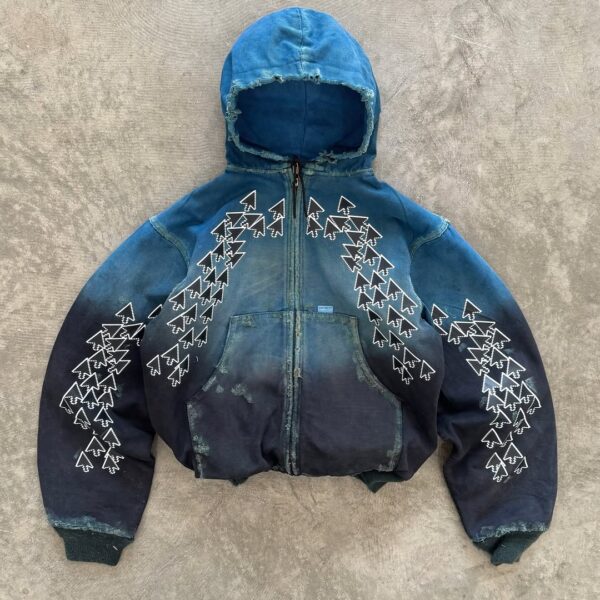
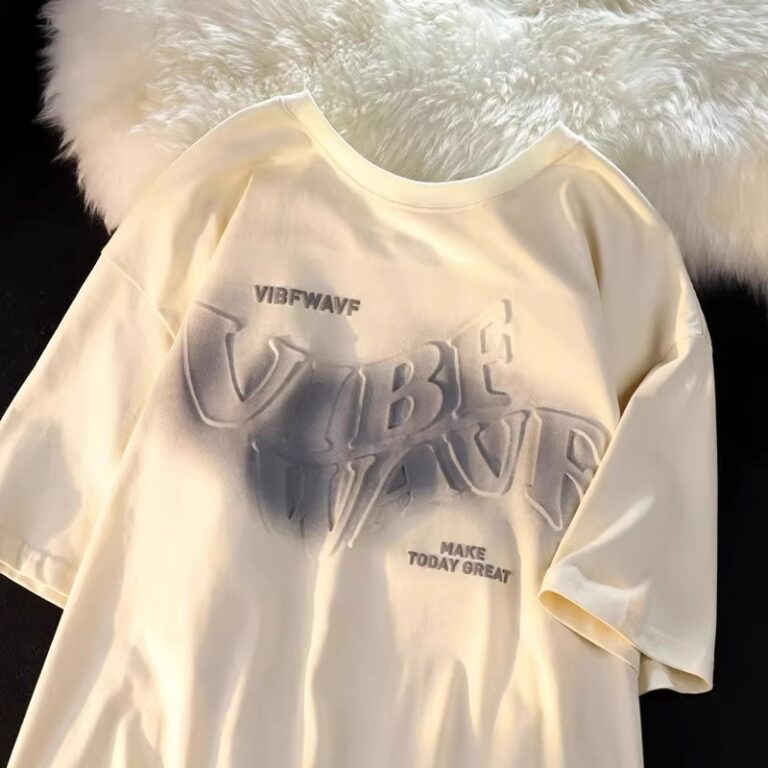
- Vintage Wash Techniques for Streetwear Designs: Adding vintage wash techniques can give your streetwear designs a retro, worn-in look that’s popular in urban fashion. This process involves pre-washing the garments with enzymes or stones to soften the fabric and create a distressed look. Vintage wash can add a unique, individualistic character to each piece, making your clothing line stand out. You can achieve this effect by using a commercial washing machine and specific chemicals like cellulase enzymes.
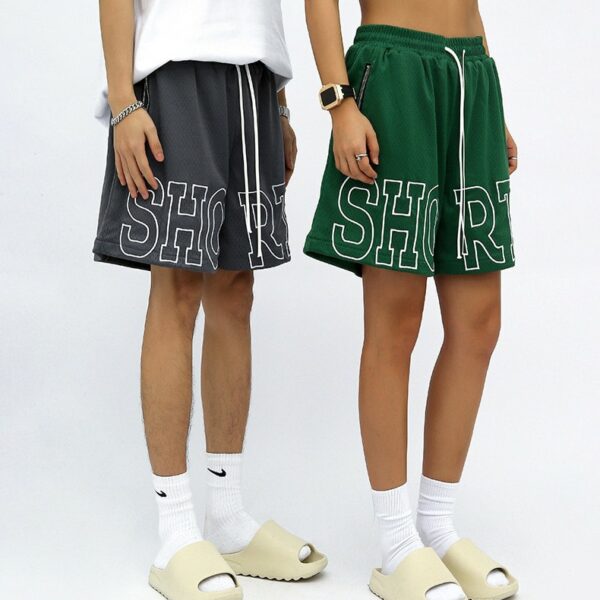
- Heat Transfer Vinyl for Customization: Heat transfer vinyl (HTV) is another versatile technique, particularly useful for custom or personalized designs. HTV involves cutting designs from colored vinyl sheets and then using heat to transfer the design onto the fabric. This method is perfect for producing custom names, numbers, and logos on sportswear and promotional apparel. Use a vinyl cutter like the Silhouette Cameo 4 and a heat press machine to apply the designs.
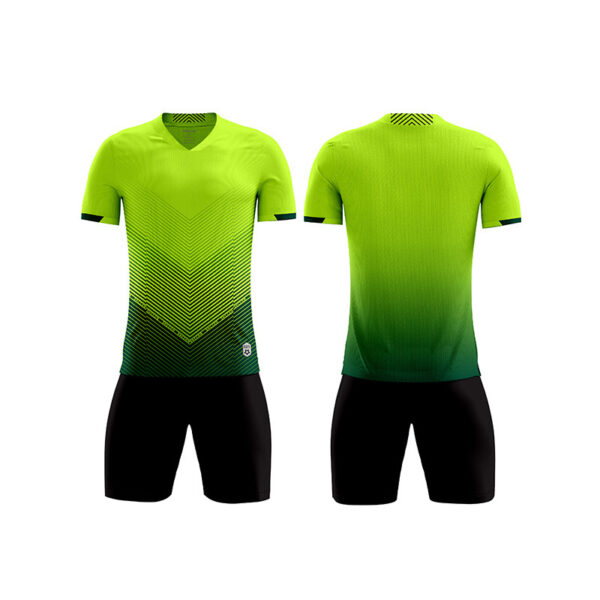
- Sublimation Printing for Polyester Fabrics: Sublimate is a popular all-over method that can be suited for polyester fabric. The process is all about applying heat so the dye will form a molecular bond with your fabric and create an almost unbreakable, vibrant print that won’t ever fade or crack. To print full-coverage on jerseys, leggings or swimwear sublimation is perfect. Ensure you have a sublimation printer like the Sawgrass Virtuoso SG500 and use sublimation paper and ink for best results.
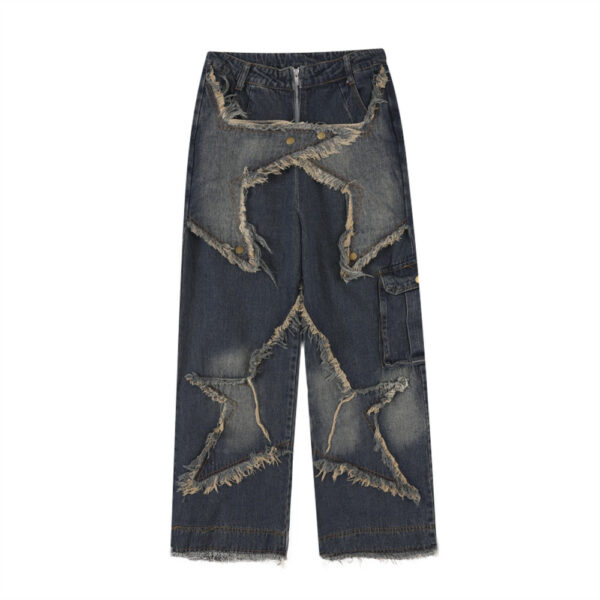
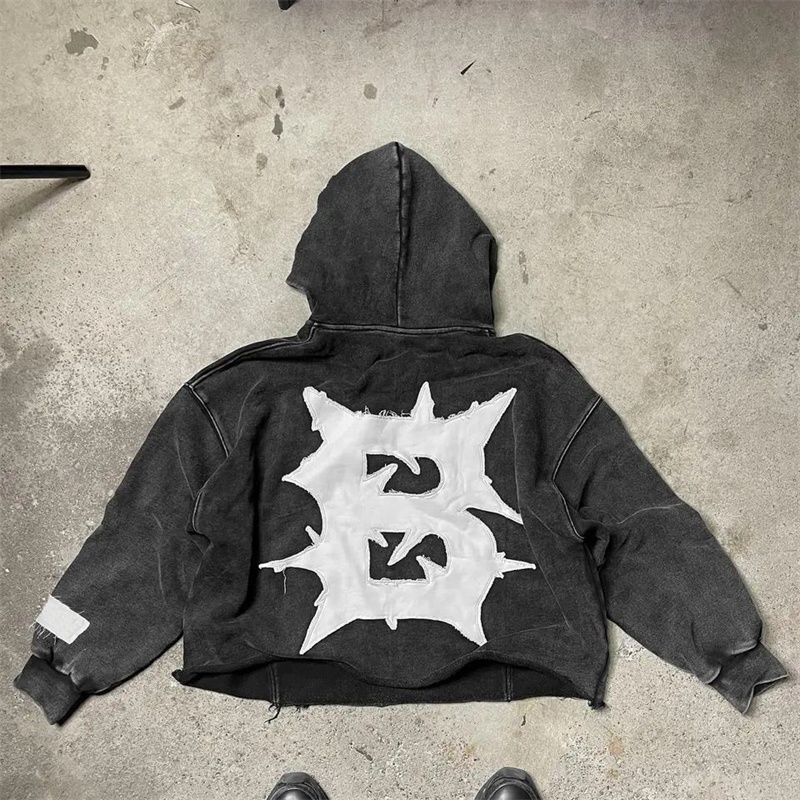
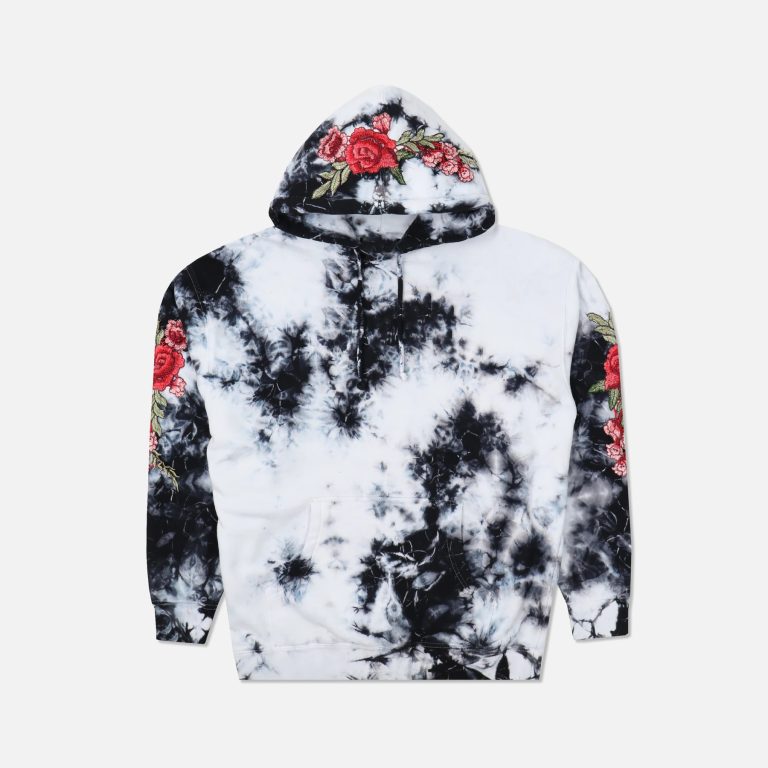
- Appliqué for Textured Designs: Appliqué is also sewing fabric parts onto another piece of cloth to create patterns as well. This method can give your clothes some dimension and complexity which makes you standing out from the crowd. It is frequently found in high fashion and couture designs including well-established designers known for their expensive pieces. The only materials you need are an embroidery machine with appliqué features, and different kinds of material that will make up your design.
- Laser Cutting for Precision: Laser cutting is the simultaneous modern practice that uses lasers to cut fabric near precise. It is great for creating complex patterns and designs that would be time-consuming to perform by hand. Fabricarium is compatible with laser cutting systems for pattern extraction as well to add detailed engraving. If you are unable to make the cut with standard tools, use something like a laser cutting machine (the Epilog Laser Fusion Pro is one such tool).
If you are unsure which technique suits your design, you can send your design to tzstreetwear.com for a free consultation to help you choose the best technique.
Step 3: Creating a Tech Pack
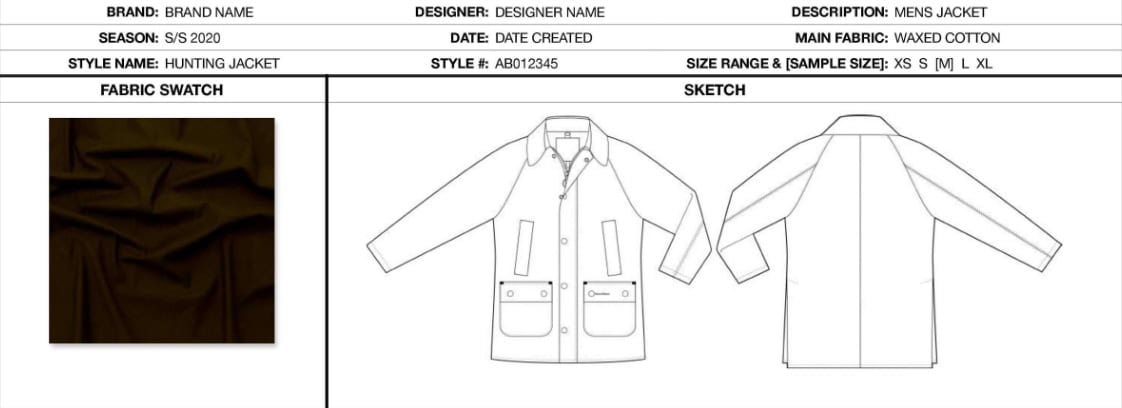
- Components of a Tech Pack
- Design Sketches and Specifications: A thorough tech pack includes detailed design sketches and specifications.Detailing all the components of your designs. The front image and back of the item, details up close, any particular style features. Illustrate precise drawings and markup with examples of the different building blocks using something like Adobe Illustrator, for example.
- Fabric Selection and Color Matching: Specify the type of fabric and color options. Include fabric swatches and Pantone color codes to ensure consistency. Detail the fabric composition, weight, and any finishes that are required. Platforms like Pantone Connect can help you find and match color standards accurately.
- Measurements and Patterns: Provide accurate measurements and patterns to guide the manufacturing process. This should include a detailed size chart and grading rules to ensure consistency across different sizes. Software like Gerber AccuMark or Optitex can help you create precise patterns and grading.
- Purpose of a Tech Pack
- Ensuring Consistency in Production: A detailed tech pack helps manufacturers to comprehend the exact design requirements thus ensuring that uniformity is maintained in production. It works as a guide for the production team so that it makes errors less likely to happen, or understanding work what needs to be done properly.
- Enhancing Communication with Manufacturers: A detailed tech pack results in decreased miscommunication, and a more efficient communication process between you and your manufacturer. This provides a blueprint to answer any questions or problems that come up during production.
Step 4: Finding a Manufacturer
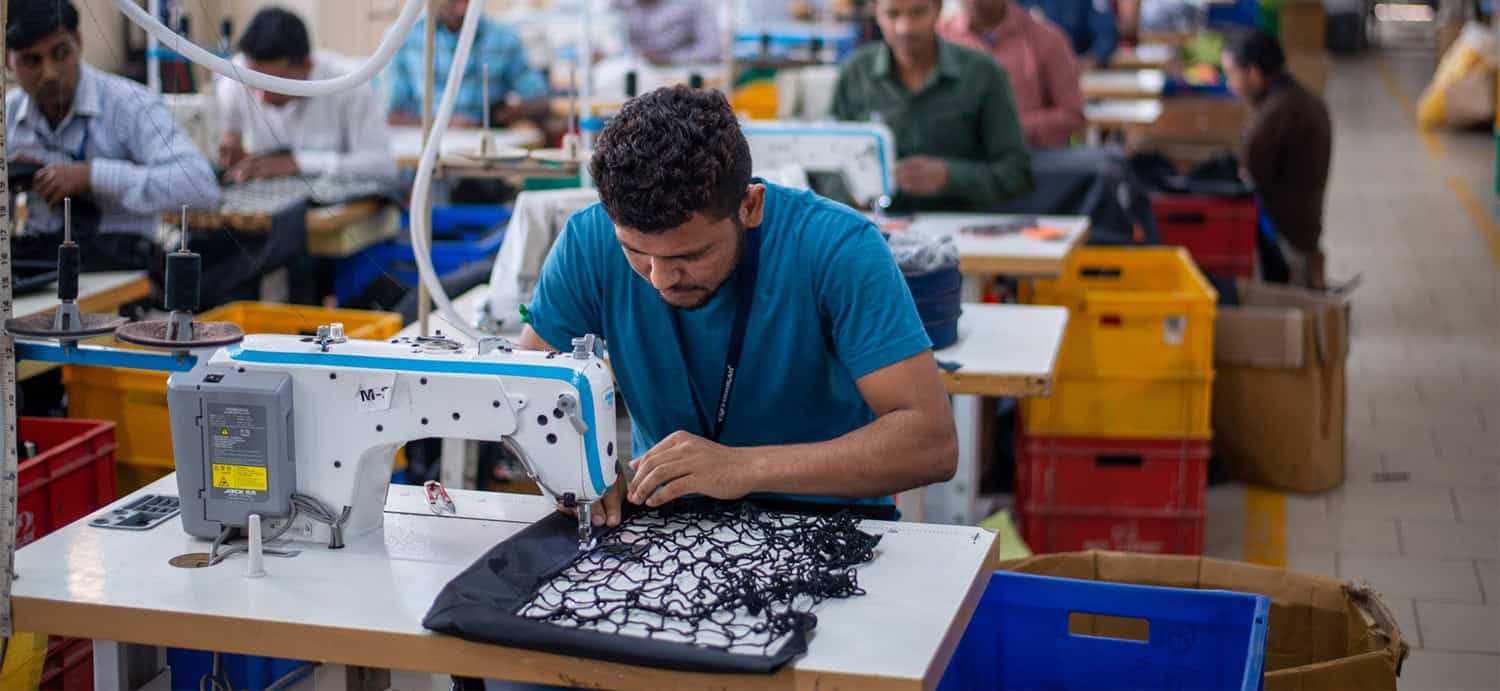
- Local vs. Overseas Manufacturers
- Pros and Cons: Local manufacturers offer easier communication and shorter production cycles, while overseas manufacturers generally offer lower costs but might have communication and logistical challenges. Local production can also provide greater flexibility and faster turnaround times, which can be crucial for responding to market trends. Consider the cost, quality, and reliability when choosing between local and overseas manufacturers.
- How to Decide: Consider factors like budget, production volume, and delivery timelines when deciding between local and overseas manufacturers. Also, consider the environmental impact and ethical practices of the manufacturers you choose. Certifications like WRAP (Worldwide Responsible Accredited Production) can indicate ethical manufacturing practices.
- Ways to Find Manufacturers
- Online Directories (Techpacker, Oberlo): For manufacturers to get listed in platforms like Techpacker or any online directories that provide a decent visibility & easy comparison of the service. Such platforms usually have reviews and ratings so that you are able to learn firsthand, what the experience has been for past clients of a particular provider. Make a list with few selected manufacturers and analyze their abilities, references from old clients.
- Industry Meetings and Trade Shows: Attending industry meetings and trade shows allows you to meet manufacturers in person and assess their capabilities and reputation. Events like MAGIC in Las Vegas and Première Vision in Paris are excellent opportunities to network with manufacturers. Take notes and collect business cards for follow-up.
- Google Search and Professional Forums (Reddit, Quora): Use Google search and forums to find manufacturer recommendations and user reviews. Joining fashion industry groups on LinkedIn and Facebook can also provide valuable insights and contacts. Participate in discussions and ask for recommendations from industry peers.
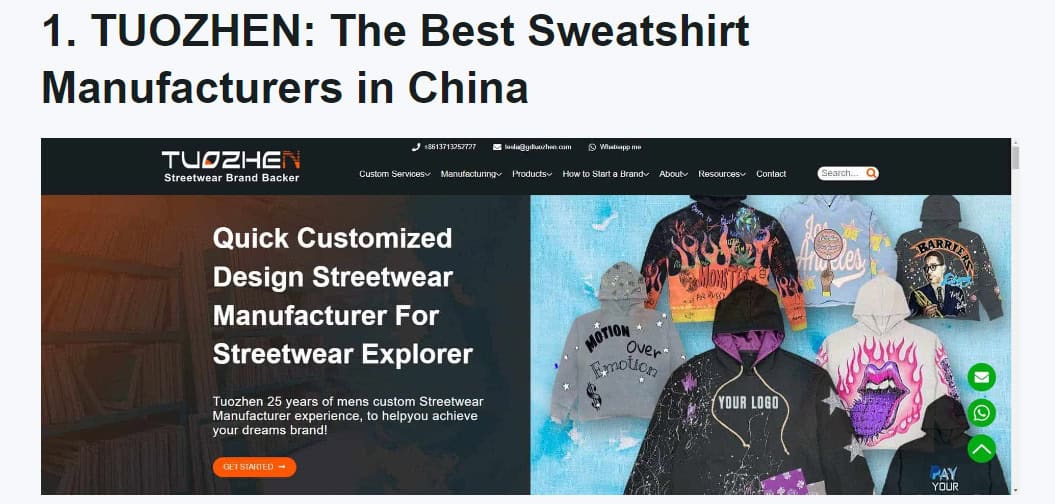
- Recommended Manufacturer Lists
Step 5: Contacting Manufacturers
- Initial Contact
- How to Write the First Email: While writing email to the manufacturers be brief, clear and concise. Introduce Your Brand, Describe What You Want and Get Into the Details regarding Minimum order quantities Production timelines Research Samples cost etc. Adding a tech pack in detail with your email can help manufacturers to know better what you have asked for.Begin the email by briefly stating who you are, and what your brand is. Under which you have to describe only that what type of products do you want to create & featuring a style, materials and quantity etc… Do some research and ask them questions in this area to make sure they can really deliver what you need. Include your tech pack for review.
- Key Questions to Ask: Minimum order quantities, production cycles, sample fees, production capacity, and quality control processes. Also, inquire about lead times, payment terms, and any additional services they may offer, such as pattern making or logistics support.
- Sample Production
- Importance and Purpose: Sample production is crucial as it allows you to see the physical product and make necessary adjustments. It’s an opportunity to test the design, fit, and fabric quality before committing to a full production run. Use the sample to evaluate the manufacturer’s craftsmanship and attention to detail.
- Sample Modifications and Final Approval: Review sample and Final Approval Once you receive the copy, take time to review it in detail so that if any changes are necessary as samples they can be made before obtaining final approval. Be sure to check for the quality of stitching, fabric feel/color and if it fits properly through out. If the sample meets your needs, give production safety.
Step 6: Preparing for Production
- Finalizing Orders
- Confirming Order Quantities and Production Details: Ensure that you have agreed upon all production details, including quantities, timelines, and costs, with your manufacturer. It’s important to have a written contract that outlines all terms and conditions to avoid any misunderstandings later on. Specify the payment schedule and delivery terms clearly in the contract.
- Quality Control
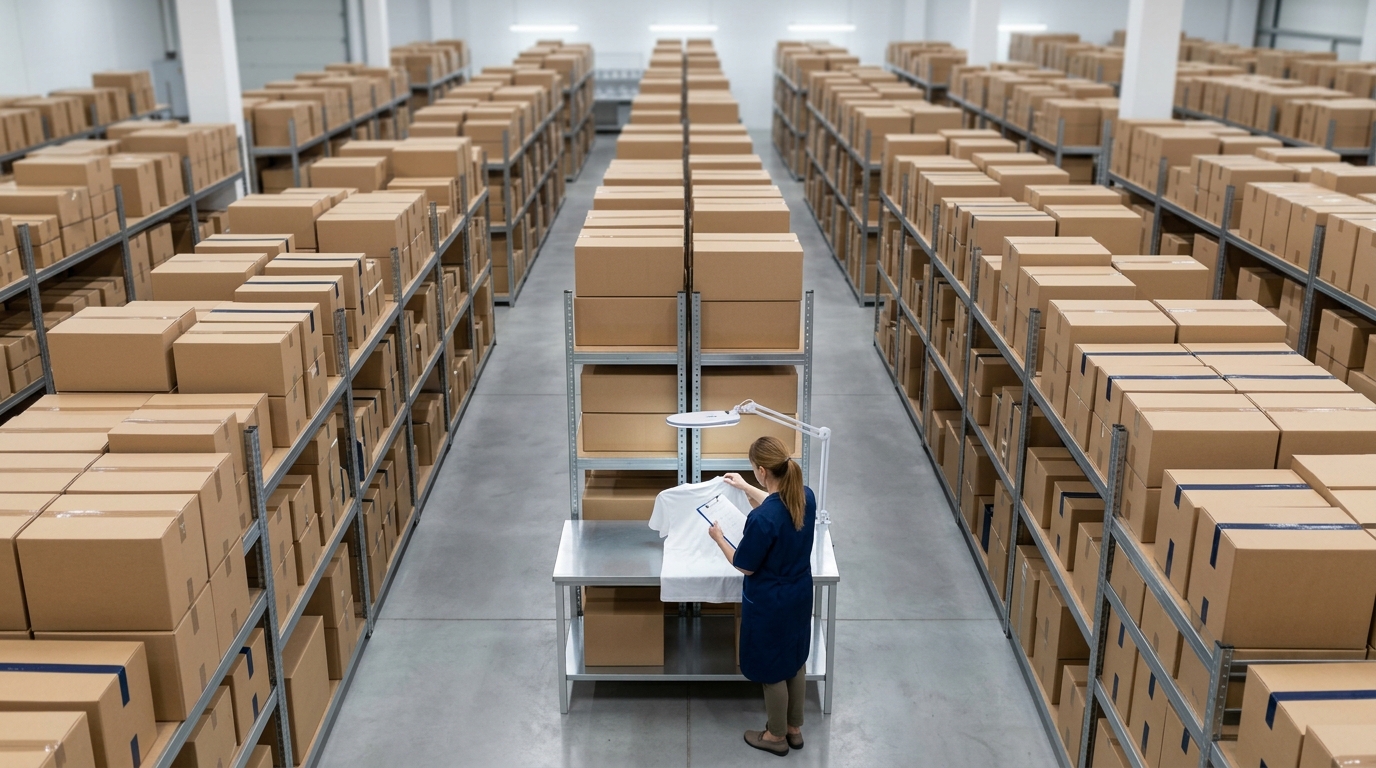
- Inspecting Each Batch of Products: Implement strict quality control standards to inspect each batch of products. This helps in maintaining the consistency and quality of your clothing line. Consider hiring a third-party quality control service to conduct inspections if you are working with an overseas manufacturer. Develop a checklist that includes key quality indicators such as fabric consistency, stitching, and labeling.
- Handling Issues During Production: Establish a protocol for addressing any issues that arise during production to minimize disruptions and ensure timely delivery. Regular communication with your manufacturer can help identify and resolve problems quickly. Set up a system for logging and tracking issues to ensure they are addressed promptly.
For a detailed guide on the production process, refer to our Production Schedule page.
Step 7: Branding and Marketing
-600x600.jpg)
- Building Your Brand
- Brand Story and Visual Identity: Other places in which you would be well-served spending time are creating a brand story that is resonate with your target audience, as also focusing on establishing the look and feel of what defines Abrar’s The essence. This not only keeps you aligned with your brands mission, vision and values that should also resonate deeply with your target audience. Develop a powerful brand story that sets your product apart in the crowded market and resonates emotionally with customers. Leverage the Approach of a Storytelling Style to Ensure Personification and Recollection of your Brand.
- Logo Design and Packaging: Design an attractive logo and packaging that enhances your brand’s appeal and helps it stand out in the market. Consider eco-friendly packaging options to align with sustainability trends and appeal to environmentally conscious consumers. Use design tools like Canva or Adobe Spark for creating eye-catching visuals.
- Marketing Your Brand
- Social Media Marketing: Promote your brand through Instagram, Facebook and TikTok. Share great articles/posts that demonstrate your work and relate to people. Show behind-the-scenes of your design & production life on things like Instagram Stories and Reels. Plan your content calendar in advance and use scheduling tools like Buffer or Hootsuite.
- Collaborations and Influencer Marketing: Partner with fashion influencers and bloggers to increase your brand’s visibility and credibility. Influencer marketing can help you reach a larger audience and generate buzz around your products. Consider offering exclusive discount codes or giveaways to boost engagement. Use platforms like AspireIQ or Influencity to find and manage influencer collaborations.
For more information on starting a brand, check out our How to Start a Brand page.
Step 8: Selling and Distribution
- Online Sales
- Creating an E-commerce Website (Shopify): Build your own e-commerce website using platforms like Shopify. This allows you to control your brand’s presentation and customer experience. Make sure your website is mobile-friendly, easy to navigate, and includes high-quality product images and detailed descriptions. Utilize Shopify’s built-in SEO tools to optimize your site for search engines.
- Leveraging Marketplace Platforms (Amazon, Etsy): Expand your reach by selling on popular marketplaces like Amazon and Etsy, which can drive more traffic and sales. These platforms also offer built-in marketing tools and fulfillment services to help you manage orders and logistics. Create compelling product listings with clear photos and descriptions to attract buyers.
- Offline Distribution
- Collaborating with Retailers: Work with retailers both in your country and overseas to expand the reach of your products on the market. This is a bit self-explanatory but approach retailers that have similar aesthetics with the items you make,target audience etc. This might include flexible terms or consignment deals that make it easier for retailers to take on your product. Prepare a professional line sheet and lookbook to present to potential retail partners.
Participating in Fashion Trade Shows: Get on the path of your fashion business through trade shows; attend the various events to exhibit products, meet industry authorities and potential buyers and partners. Exposure Trade shows are a good practice to be at the cutting edge of what is happening and how consumers respond. Prepare an engaging booth display and promotional materials to stand out at the event.
Conclusion
Creating your clothes designs is not an easy journey. Correct planning and execution is necessary for every aspect of the entire cycle starting from initial inspiration & design to final production L& marketing. With this guide, hopefully you will be able to navigate the fashion industry and start selling your creative products. Visit tzstreetwear.com for additional design help and resources to make your dream home become a reality.
FAQ: Common Questions on How to Get Your Clothing Designs Made
1.How to Make Your Own Clothing Website?
To get your clothing designs made, start with creating detailed sketches and a tech pack, choose the appropriate garment technique, find a reliable manufacturer, and ensure quality control throughout the production process.
2.How to get your fashion designs made?
Similar to getting clothing designs made, ensure your fashion designs are detailed, consider unique garment techniques like embroidery or laser cutting, find a reputable manufacturer, and oversee production to maintain quality. is.
3.How to get my clothing designs made?
Begin with thorough market research and trend analysis, create a detailed tech pack, select the right production techniques, and partner with a reliable manufacturer to bring your clothing designs to life.
4.How to get my clothing designs manufactured?
To get your clothing designs manufactured, draft a detailed tech pack, choose a manufacturing partner that aligns with your quality and ethical standards, and manage the production process to ensure consistency and quality.
5.How do I get my clothing designs manufactured?
Start by creating a tech pack that outlines every detail of your design, select a suitable manufacturer based on their capabilities and reviews, and maintain clear communication to ensure your design specifications are met.
6.How to design clothes and get them manufactured?
Design clothes by first sketching your ideas and creating a tech pack, choose the appropriate manufacturing techniques, find a reliable manufacturer, and manage the production to ensure the final product meets your expectations.
7.How to get clothing designs made?
Follow a step-by-step process from initial design and creating a tech pack to selecting garment techniques, finding a manufacturer, and overseeing the production to get your clothing designs made.
8.What is the minimum order quantity (MOQ) for most manufacturers?
The MOQ varies by manufacturer but typically ranges from 50 to 500 pieces per design.
9.How long does it take to produce a clothing line?
Production timelines can vary but generally take 4-8 weeks from finalizing designs to receiving the finished products.
10.What are the key elements of a tech pack?
A tech pack should include design sketches, fabric details, color swatches, measurements, and any special instructions for the manufacturer.
11.How much does it cost to get clothing designs manufactured?
The cost can vary widely depending on factors like the complexity of the design, type of fabric, production technique, and quantity. It’s important to get detailed quotes from manufacturers before proceeding.
12.Can I get samples before committing to a full production run?
Yes, most manufacturers offer sample production which allows you to review the quality and make any necessary adjustments before starting full production.
13.How do I ensure the quality of my clothing designs?
Implement strict quality control standards, conduct thorough inspections of samples and production batches, and maintain clear communication with your manufacturer to address any issues promptly.
14.What should I look for in a clothing manufacturer?
Consider factors such as their experience, capabilities, minimum order quantities, lead times, quality control processes, and reviews from other clients.
15.How can I market my clothing brand effectively?
Utilize social media platforms, collaborate with influencers, attend trade shows, and build a compelling brand story to connect with your audience and stand out in the market.
16.Unique Designs and High Quality
- Emphasis on Design and Material Selection: We use high-quality materials to ensure that every product meets high standards. Our experienced design team is dedicated to creating innovative and stylish clothing that stands out in the market.
- Showcasing Success Stories and Customer Reviews: Displaying success stories and customer reviews to highlight our reliability and expertise. Positive feedback from satisfied clients can build trust and attract new customers.
17.Customer Support and Flexible Services
- Providing End-to-End Services: We offer comprehensive services, helping clients from design to production. Our team is available to assist with every step of the process, ensuring a smooth and efficient experience.
- Flexible Order Handling and Quick Response: We can handle orders of any size and respond quickly to customer needs. Whether you need a small batch for a limited edition or a large order for a major launch, we can accommodate your requirements.
18.Eco-Friendly and Sustainable Development
- Commitment to Environmental Protection: We are committed to using eco-friendly materials and sustainable production processes. Our goal is to reduce the environmental impact of our operations and promote sustainability in the fashion industry.
- Using Eco-Friendly Materials and Production Processes: By using eco-friendly materials and improving production processes, we reduce environmental impact. Our sustainable practices not only benefit the environment but also appeal to eco-conscious consumers.
For more information on our unique services and environmental commitment, visit our About Us page.
With this detailed guide and the advantages of tzstreetwear.com, we hope to help you successfully turn your designs into reality and build your unique brand.