Introduction
Clothing websites are essential for launching an online presence. A substantial online existence will increase the scope of your brand and are likely giving it more power to drive sales in our digital age. If you just launched a new fashion line or if your existing brand is growing by the day, learning how to create an make a clothing website definitely among the things that you need on your list.
In this step by step guide, I will show you the exact process from defining your brand to getting set-up on Shopify, all while taking care of SEO and marketing for your website. With this guide when the end comes you have every piece of equipment available and all knowledge in hand to launch a stellar clothing website.
There are a major phases in developing any clothing website. Every stage is necessary to make sure your site looks like an exquisite piece of web designs as well as it loads quickly and full-fill all the best SEO practices. This guide starts with how to choose the right product categories and create high-quality images/video content, through registering a domain name all way up until selecting most decent clothing website builder. Read on to find out all about it and begin the adventure of forming a prosperous online clothing line.
Step 1: Define Your Brand

Mission, Vision, and Values
This is where your brand’s mission, vision and values all come into play as a part of what makes your clothing line unique. These are the elements that contribute to creating your brand identity and telling WHY you do what you do.
- Mission: This should describe your brand and what it seeks to accomplish. For example, “Offer high-quality, sustainable fashion that enables people to look good in their unique way.
- Vision: What is the long term fate for your brand & Vision Like, “To be the number one in sustainable fashion globally.”
- Values: Specify the list of principles on which your brand is based. Such as “Sustainability, Creativity, Inclusivity.”
Brand Story
Build a Brand Story that speaks to your customer audience Tell us the inspiration of your brand, how you get here and what makes different clothes that anybody could posses. A good way to do so is ensuring that your brand story resonates with and builds connections among customers.
When you make a clothing website, it is very important that your mission, vision and values are transmitted by the website itself. That will even serve to build trust with and loyalty from your customers. Telling your brand story on the website is another thing which can set you apart, making sure that a special place among competitive market.
Step 2: Choose Your Product Categories
Identify Your Niche
Which items of clothing do you plan to sell? Just make sure your decision corresponds with the image of your brand and its followers. There are several categories the beer can fall in.
- Fashion Trends: Keep up to date with emerging fashion trends as followers who are interested in the latest fashion looks, this will get a lot of attention.
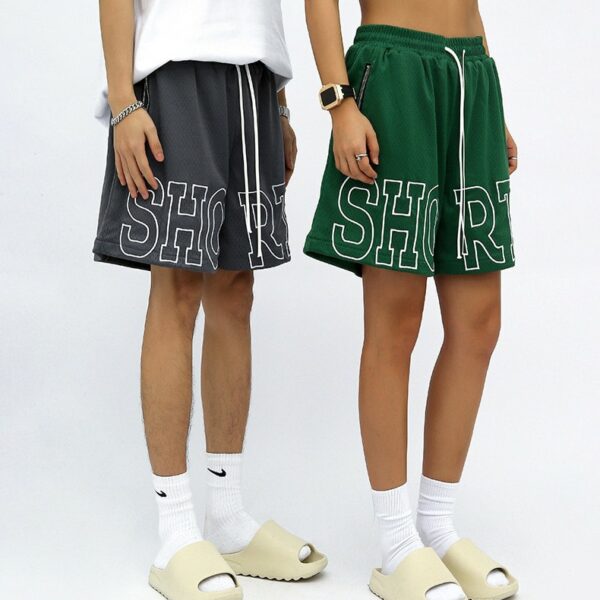
- Casual Wear: Provide easy and relaxed everyday clothing.
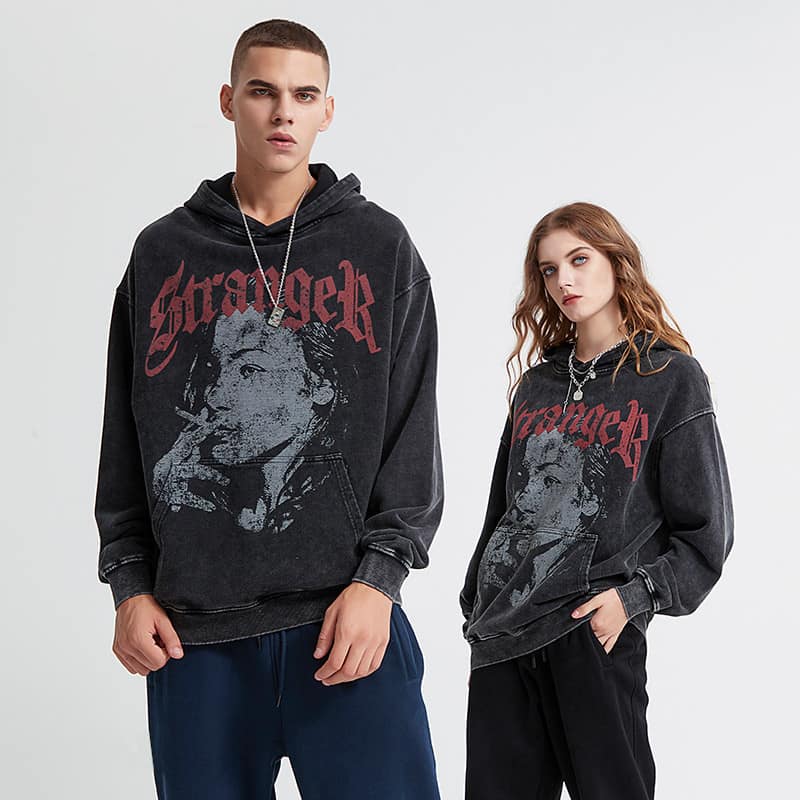
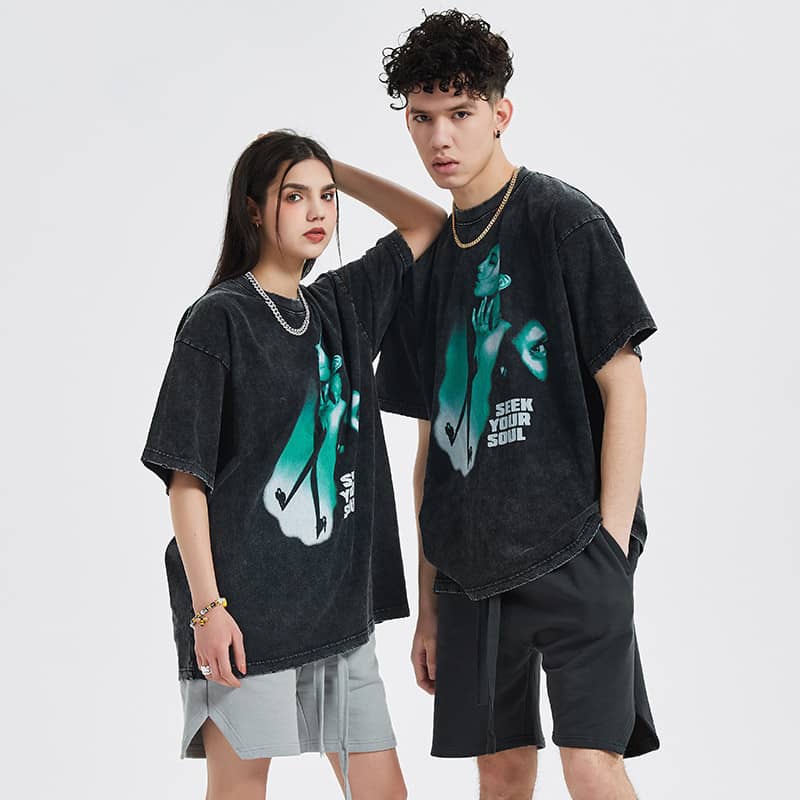
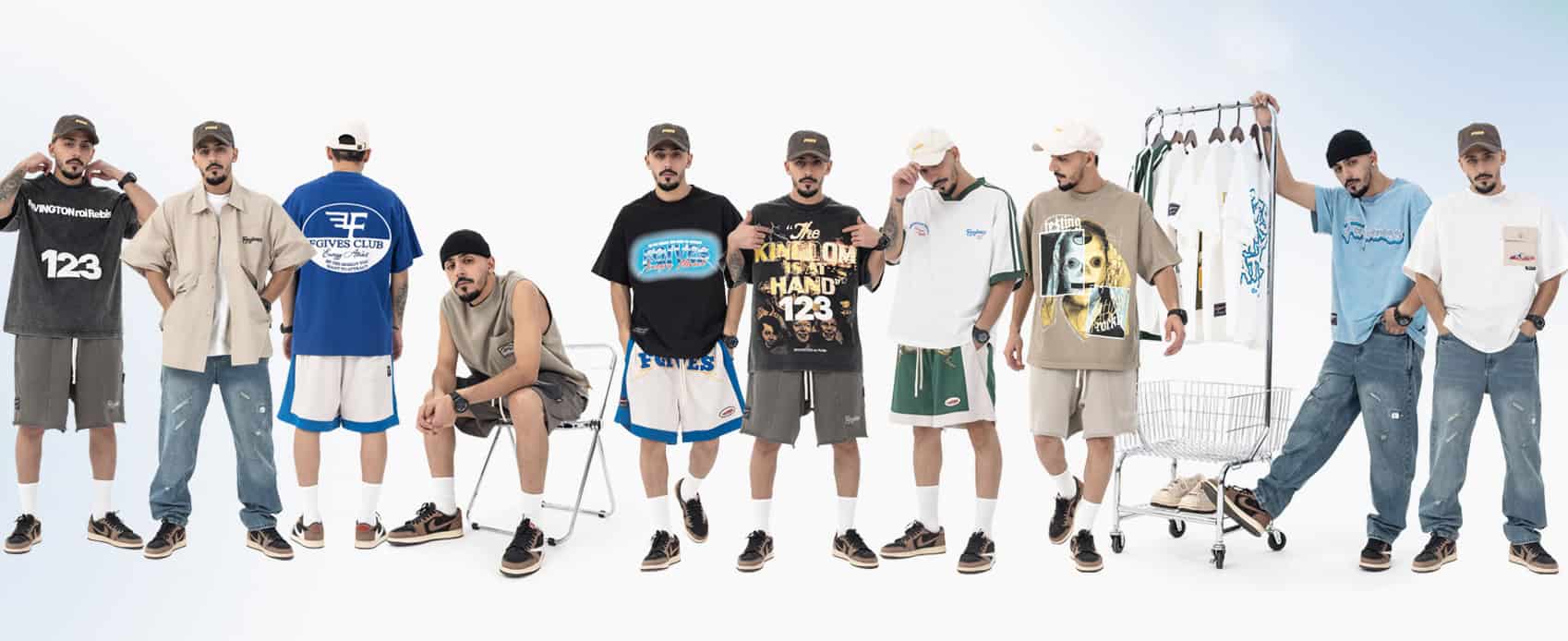
- Streetwear: Cater to the streetwear culture with edgy, urban styles.
Market Research
Proper planning is necessary and especially, research the market carefully as to which segments are in demand. Scout through the market to find areas your brand can fit and analyze what your competitors are doing. Being aware of your target group will help you take decisions in terms of what to sell and at what price. Such research is vital as it guides your product strategy and marketing efforts while create a clothing website.
Step 3: Prepare Product Photos and Videos

High-Quality Images
Hire a professional photographer to photograph your clothing. High-quality images establish credibility and draw customers in. Be sure your photos show how the clothes sit, what they are made of etc Tall, detailed and truly revealing images that show garment details in more than one point of view can greatly compliment how customers shop for you.
Engaging Videos
Engage your audience who are looking to learn how to style and use of you clothing line through creating videos that showcase various wardrobe layouts, product features or even the story behind your brand. They make the shopping experience better and raise conversions. When you build a clothing website you can use videos to make the browsing more engaging, detailed and narrative process so that people are better educated on your products before purchasing.
Step 4: Register a Domain Name
Choose a Relevant Domain
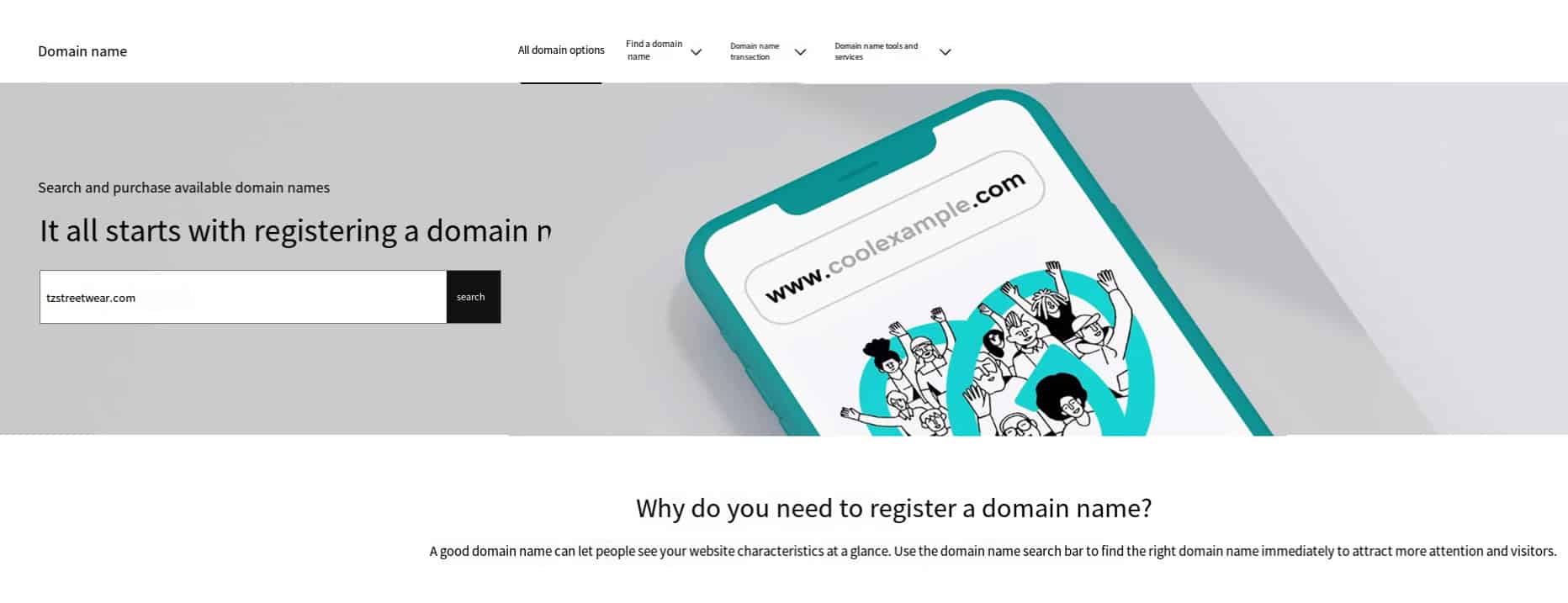
Select a domain name that closely matches your brand name. A .com domain is preferred for its credibility and recognition. Use a domain registration service such as Shopify, Google Domains, or GoDaddy.
Tips for Choosing a Domain
- Keep it short and memorable.
- Name that can be spelled or pronounced easily.
- Avoid numbers and hyphens.
- Use keywords of your brand if possible.
Booking a domain name in advance is your first step of building up your online presence and it could be make or break for this reason. When make a clothing website for selling clothing online, the importance of an appropriate and catchy domain name is significant both in terms of branding and SEO. It not only help customers locate your business, but also remember it.
Step 5: Choose a Website Builder

Why Shopify?
Shopify is a user-friendly platform that enables you to create an ecommerce store efficiently with no technical background. It comes with a variety of features such as customisable themes, built-in payment processing and comprehensive support. Try Shopify free for 14 days.
Shopify Provides No Experience Needed Clothing Website Builder It has user-friendly interface and full-detailed tutorials to help you get your store setup. Shopify also offers tons of fashion brand-specific themes that make it easy to create a beautiful online store and give you the professional look your business deserves.
Step 6: Set Up Your Domain and Enable CDN
DNS Settings
Set up your domain to direct it to your Shopify shop via the DNS settings. This action requires you to update the DNS records that were provided by your domain registrar. Configuring DNS properly will make it so that your domain points to your website and when people visit our site they end up on there seamlessly.
Enable CDN
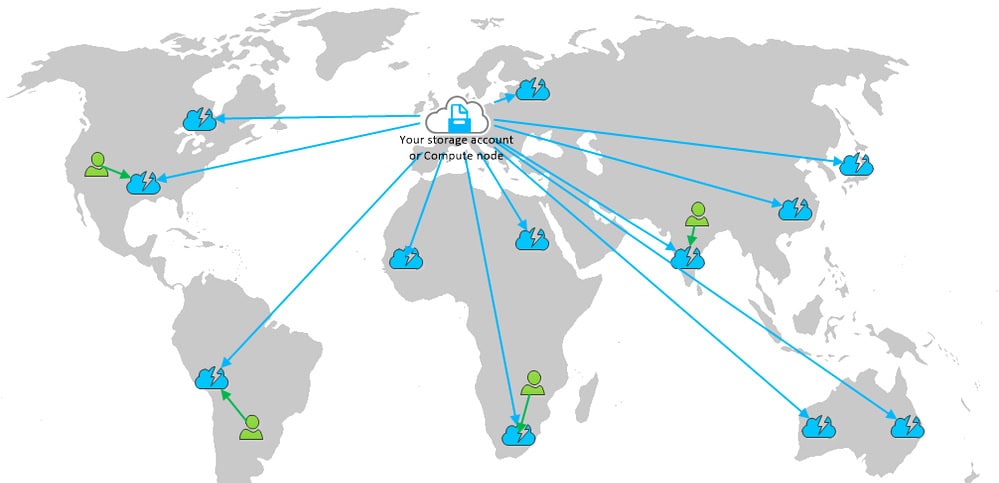
Enlist the help of a Content Delivery Network (CDN) to speed up your website and make it more efficient. CDN services to make sure that your site loads fast from anywhere in the world (Included with Shopify) A CDN is used to distribute your content across servers all over the world which decreases load times and works well for user experience.
Step 7: Build Your Shopify Store
Shopify Setup Steps
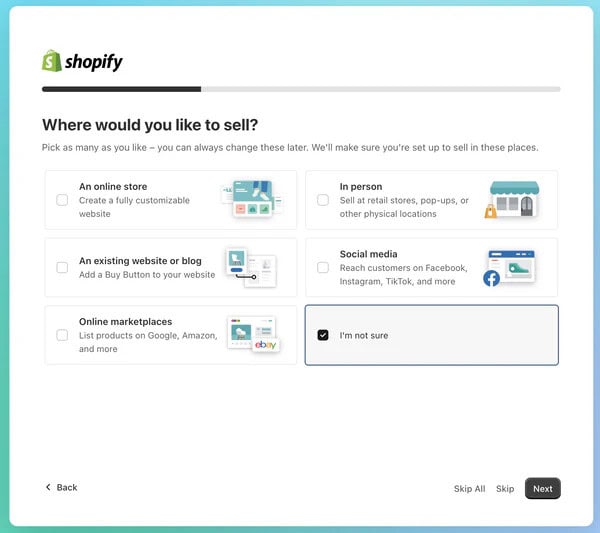
1.Create Your Shopify Account
- Go to Shopify and click on “Start free trial.”
- Fill in the Email, Password and Store Name.
- Follow guides to create your store.
2.Add Basic Site Information
- In the Shopify admin, go to Settings > General.
- Add your store name, legal business name, address and contact information.
- Select Your Time Zone, Currency & Other Prefs.
3.Choose Your Theme
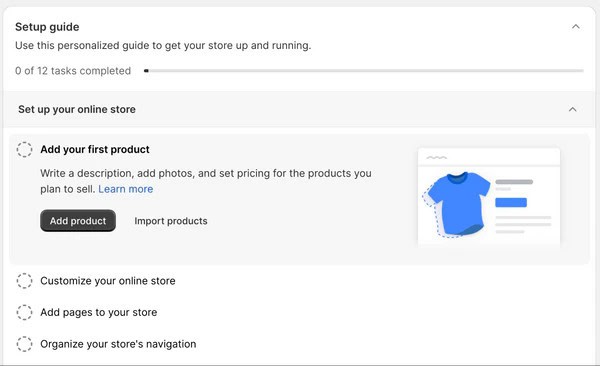
- In Shopify admin, Click on Online Store > Themes.
- Click on Explore free themes or Visit Theme Store for paid options.
- Select the theme that fits your brand by clicking “Add” to install.
- The ability to adjust colors, fonts and layouts makes it a supportive ally in matching your brand.
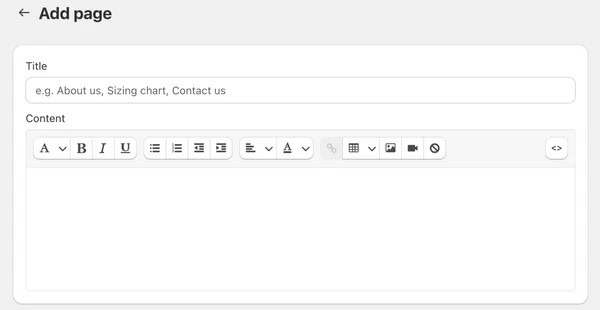
4.Add Pages
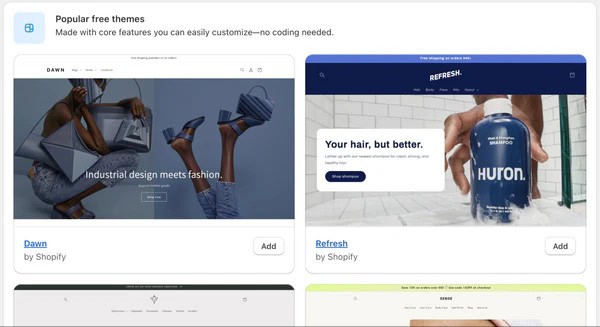
- Go to Online Store > Pages in the Shopify admin.
- Click “Add page” and create essential pages such as:
- Home: Show Case trending products and lastest round-ups.
- About Us: Tell us about your brand, and mission/vision/values.
- Contact: Offer contact details and route the form.
- FAQ: Frequently Asked Questions.
- Policy Pages: Shipping, Returns Privacy Policy, Terms of Service.
- You can with each page by changing copy and images for perWalking through a forest is done asthinking of you.
5.Add Products
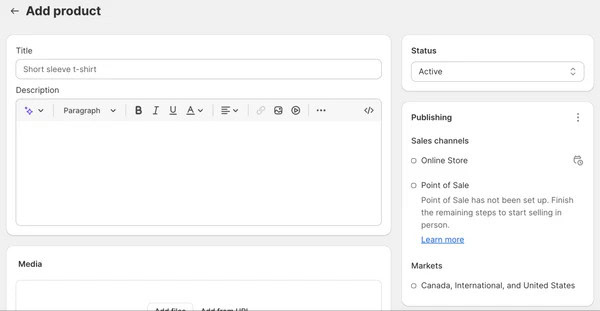
- In Shopify admin, click on Products > All products.
- Click “Product” and fill in the details as follows:
- Title and Description: Create an interesting description with more keywords.
- Images: Use high-resolution photos of the product in different view points.
- Pricing: Price and Compare at price (if required).
- Inventory: SKUs, Barcode, and Inventory Quantity.
- Shipping: Weight and other shipping details.
- Variants: Color, Size etc bulk variations.
- Categorize products into collections so that shopping is a breeze.
6.Set Up Payment Methods
- Navigate to Settings > Payments in the Shopify admin.
- Shopify Payments, More payment gateways or integrate with Paypal.
- Fill in Your Banking Details for Payments.
7.Set Up Shipping
- Settings > Shipping and delivery.
- Offer free shipping or determine your zones and rates, whatever fits best for how you do business.
- Set up the approapriate pack slips & labels;
8.Customize Checkout Settings
- Go to Settings > Checkout.
- Adapt checkout process, customer accounts, form options & Order Receipts.
9.Preview and Publish
- To get an idea of what your store looks like on different devices, click Preview in the Shopify admin.
- Functionalities to verify : Product browsing. Add To Cart & and Checkout Indices for all the features.
- Adjust wherever needed.
- Once you are satisfied with the content, click on “Publish” and your post will go live.
When make a clothing website, each of these steps is important. Shopify – Shopify is great for beginners and experts alike with user-friendly interface, apps store along excellent support. The platform is so flexible that you can tailor your store to suit perfectly with the branding of tree brand.
Step 8: Optimize Your Website

SEO Best Practices
Get your website optimized for search engines to show up higher in searches, attracting organic traffic. Areas to concentrate on include:
- Keyword Research: Workshop some potential keywords for your product pages and blog posts which are most relevant to you.
- On-Page SEO: Title, Meta Description, Heading & Image Alt Tag Optimization.
- Content Creation: Regular contents that add value to the lives of your followers on a regular basis.
- Technical SEO: Fast loading, mobile-friendly and well-structured website.
If you are build a clothing website seo will be crucial for improved web presence. These tips will help draw more leads to your business and increase the opportunity for success!
Product Descriptions
You will also need to write compelling product descriptions that provide a full description of the features and benefits of each specific item. Optimize for SEO with natural keyword usage, These high-quality descriptions boost your SEO, and they are also an informative resource for customers to make informed purchasing decisions!
Step 9: Promote Your Website
Google Ads
Launch Google Ads campaigns to bring relevant traffic on-site Find high-converting keywords on Google keyword planner and bid accordingly on your campaigns. By targeting exclusively a certain demographic or search term, Google Ads can help you reach more people and make it easier selling to them.
Social Media Marketing
Promote your clothing line using social media platform Engage by sharing mix content, running ads, and interacting with your Followers. Add links to your online store in the profile of social media if you are an influencer. Branding exposure & organic site traffic via Social Media Marketing.
Email Marketing
Start with an Email List: Regular newsletters are key to your making sure customers know about new products, promotions and the face behind those inboxes! Measure results of your campaigns, and automate email sendings through tools. Email marketing then keeps customers engaged and coming back for more.
Conclusion
But to build a clothing website, it takes some planning and optimization. Use this guide to create a sophisticated and functional online store that will attract customers, turn clicks into sales. Read more resources and supportVisit TZStreetwear’s guide to starting a fashion brandVisit TZStreetwear’s Guide To Improve E-commerce Site
There are a lot of factors to take into account when you make a clothing website: from understanding who your brand is and how it can be perceived by potential customers in search results. If you have the proper tools and a solid strategy in place, this can be an attainable digital goal that will align with your ideal buyer persona. These steps are applicable no matter if you use Shopify to clothing website builder or another site builder for clothes.
So, to create a clothing website that breaks through and becomes original you must focus on every detail from brand definition to search engines optimization. Use the best tools and tactics to establish your brand well online, sell more clothes, be better at selling kids clothing than other sellers from their vast experience in this field. This guide shows you how to get started or improve if your website is live already, with handy tips and tricks that will help create an online store for clothing that attracts visitors.
Take these steps and focus on quality, so you can have a clothing website that does not only feature your products but also tells about your company as a story and brand. With this ground-up approach, you can rest comfortably knowing that your website will shine in an oversaturated market and keep streams of customers with sustainable growth for your fashion brand.
FAQ
How to Make Your Own Clothing Website?
To make your own clothing website, follow these steps:
- Define Your Brand:
- Define your mission, vision and values.
- Develop a Rich Brand Story.
- Choose Product Categories:
- Find out what space you occupy (e. g – fashion trends, casual wear, streetwear).
- Market research to measure demand.
- Prepare Visual Content:
- Invest in premium product photos and videos.
- Register a Domain Name:
- Pick a domain that corresponds to your brand name.
- Services Shopify Google Domains GoDaddy.
- Select a Website Builder:
- Use Shopify for its many features and user-friendly interface.
- Set Up Your Domain and Enable CDN:
- Still using a dig cmd-line to help understand it: Aside from the configuration changes in your DNS set up, for even more improved performance you may want enable CDN.
- Build Your Store:
- Register in Shopify and customize the theme.
- Create your pages, or posters and add products along with payment methods.
- Shopify change checkout settings and publish your site.
- Optimize for SEO:
- Do Keyword research and On Page Elements Optimization.
- Publish great content on a regular basis.
- Promote Your Website:
- Drive Traffic To Your Site With Google Ads, Social Media And Email Marketing.
- Define Your Brand:
How Much Does It Cost to Make an Online Clothing Brand?
The cost to make an online clothing brand can vary widely depending on several factors:
- Domain Registration:
- About $10 to $50 per year.
- Website Builder:
- Flat Fee per MonthShopify$29 – $299.
- Design and Development:
- Pricing for theme customisations and developments varies.
- Prices for professional design are generally $500 to in excess of $5000.
- Photography and Videos:
- Even if you are hiring someone to take photographs of the product it cost ~$20 -200 per item that will be included for each listing.
- Production costs are dependent on the complexity and length of a video.
- Marketing:
- PricingMarketing BudgetStart from $500 to skyrocket 0+ ads promotions.
- Miscellaneous:
- Extra charges for apps, plugins and integrations.
Ultimately, setting up an online clothing brand could range from $1000 to upwards of over $10,000 depending on how large and professional your setup is.
How Do I Start My Own Clothing Brand?
In order to establish a clothing brand of your own, the following measures are mandatory.
- Research and Planning:
- define your ideal audience and USP (unique selling proposition).
- Brand Development:
- Establish your brand mission, vision and values – What is it that can make you unique to market.
- A Powerful Brand Narrative.
- Product Development:
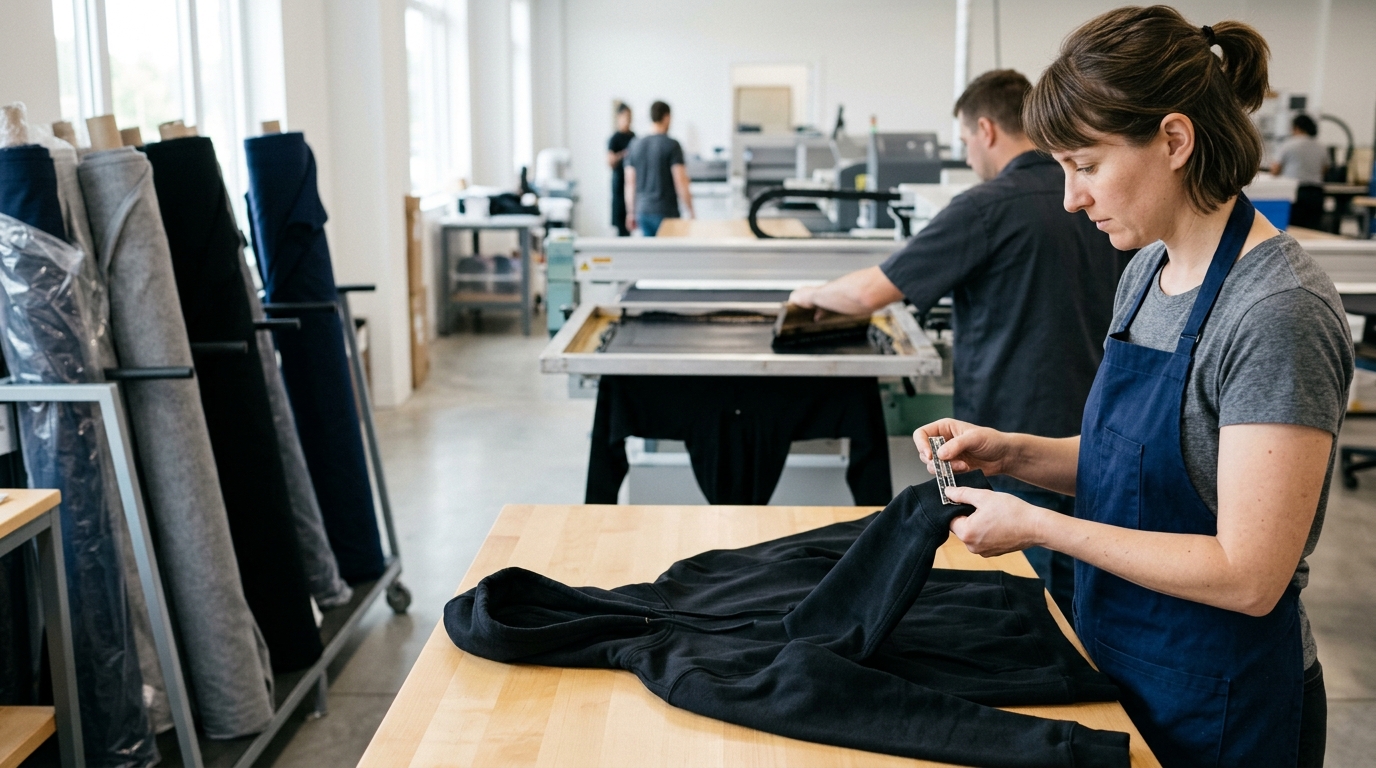
- Create a Specific Line of Clothing and Develop Prototypes.
- Source materials and manufacturers.
- Legal and Business Setup:
- First off, get your business registered and brand trademarked.
- Get a separate business bank account.
- Website Creation:
- Sign up for a domain and Select Site Builder e.g. Shopify.
- Create an online store, your way. Build it from the ground up.
- Marketing and Launch:
- Create A Marketing Plan & Promotional Material.
- Get your website up and start selling.
How Do I Create a Fashion Design Website?
Steps to create a fashion design website:
- Define Your Purpose:
- Decide whether the site is for your personal portfolio, brand, or an ecommerce store.
- Choose a Platform:
- Use a website builder like Shopify, WordPress, or Squarespace.
- Register a Domain Name:
- Choose a relevant domain name that reflects your brand.
- Select a Design Theme:
- Pick a theme that showcases your fashion designs and it easy to navigate.
- Create Key Pages:
- The composition of an About page, Portfolio or Lookbook (if you have one), a Blog & Contact
- Add Visual Content:
- Use high-resolution images and videos of your designs.
- Optimize for SEO:
- Incorporate relevant keywords, image optimization and post engaging content.
- Promote Your Website:
- Social Media, Email Marketing and Collaborations-driven traffic.