Introduction
Overview of the Significance of Garment Making
The construction of clothes has been a central human activity for as much and along with fulfilling practical needs, has shared cultural identity in the form outward expressions of self. Garment making has come a long way from ancient hand-weaving techniques to modern automated factories. The evolution is similar to what becomes of technology, fashion trends and social norms. Thanks to the tools and knowledge available today, individuals and small businesses can also create high-quality clothing.
Brief Summary of the Garment Production Process
The process of making garments involves several key steps: designing the garment, selecting appropriate fabrics, creating patterns, cutting the fabric, sewing and assembling the pieces, adding trims and accessories, fitting and adjusting the garment, and finally, approving the sample for bulk production. Each step requires careful planning and execution to ensure the final product meets quality standards and customer expectations.
Designing Your Desired Garment Styles
Determining Garment Styles
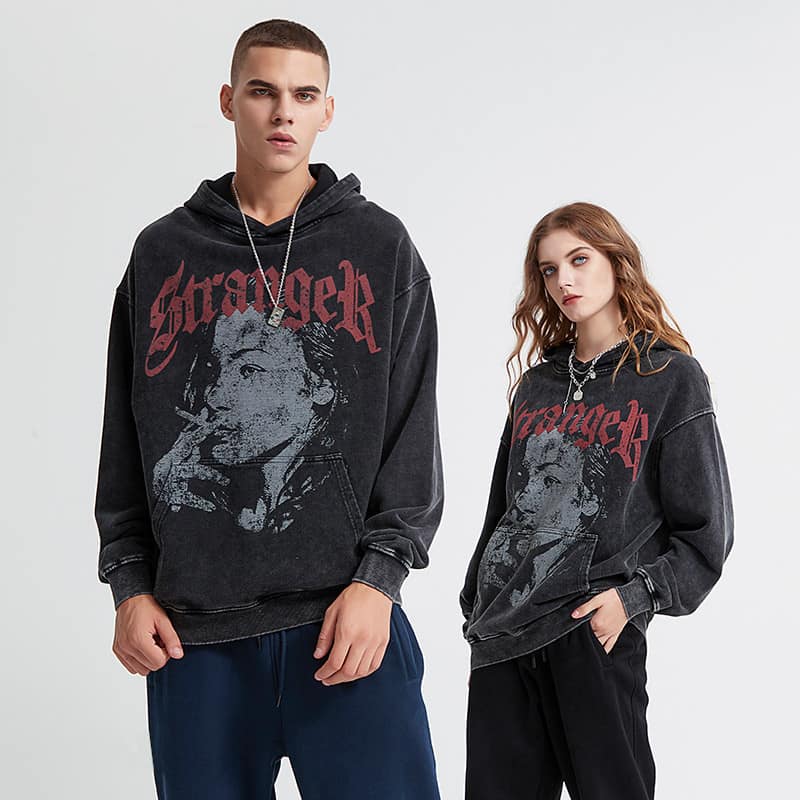
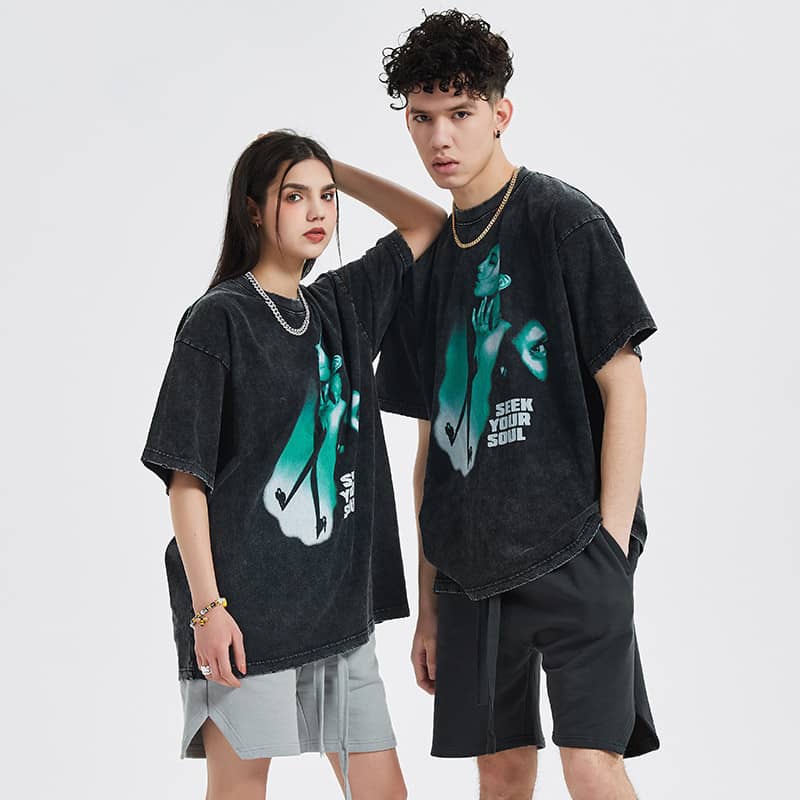
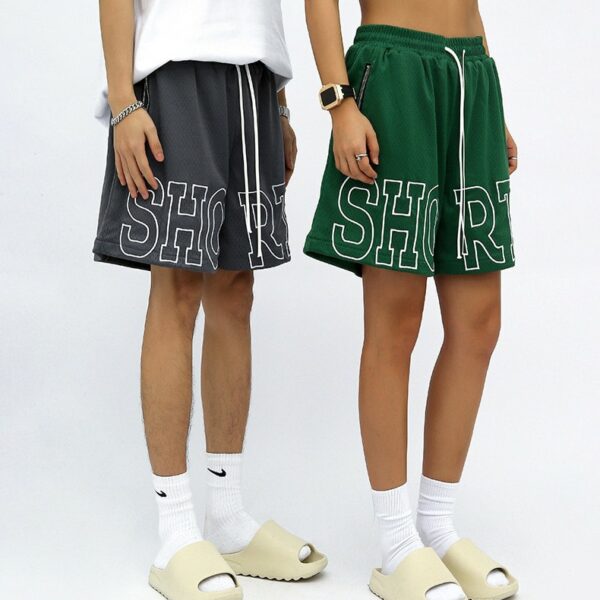
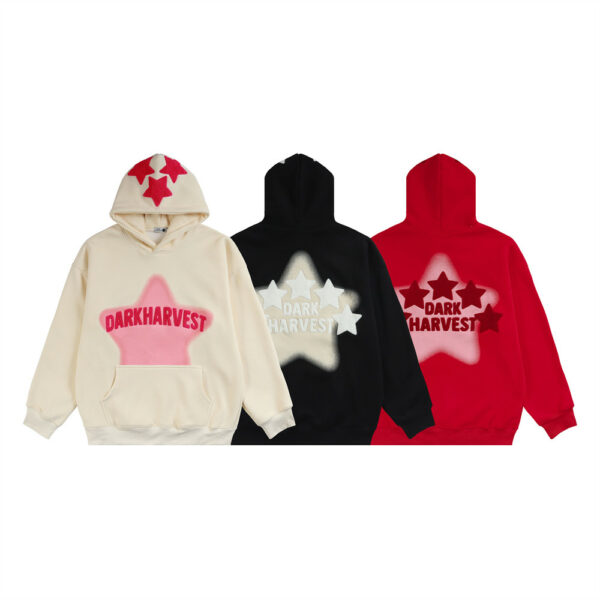
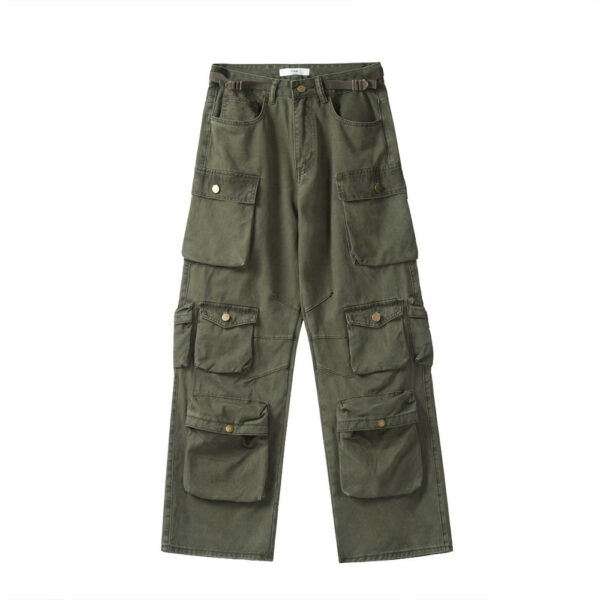
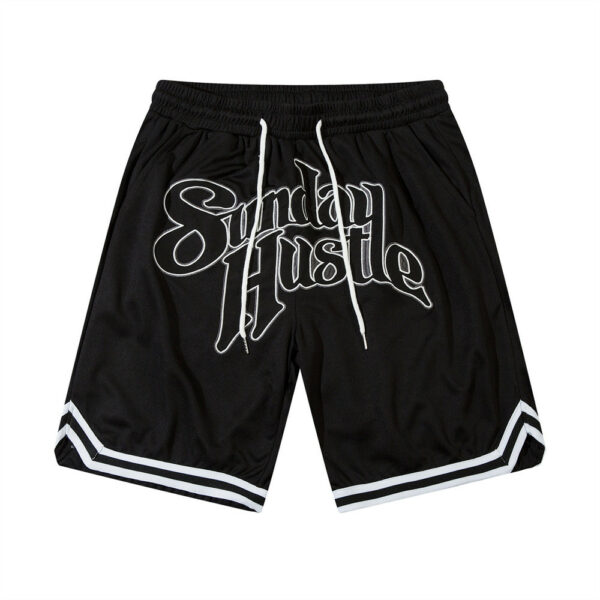
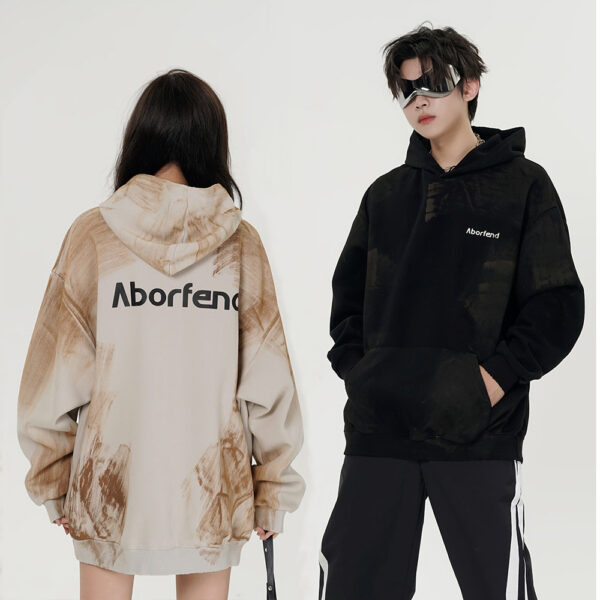
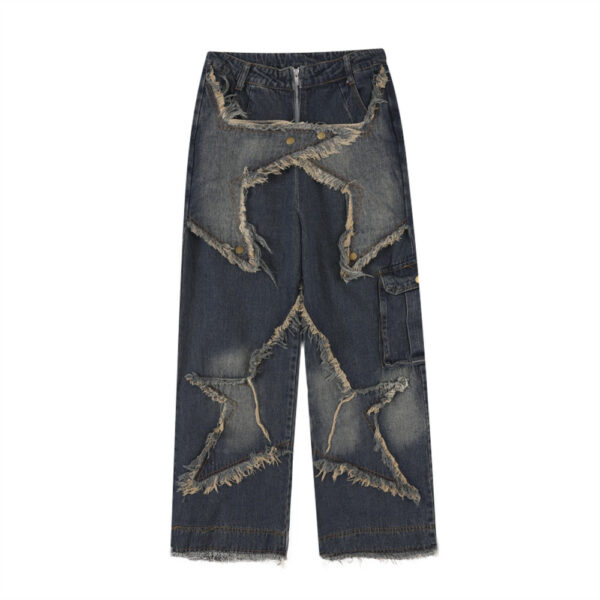
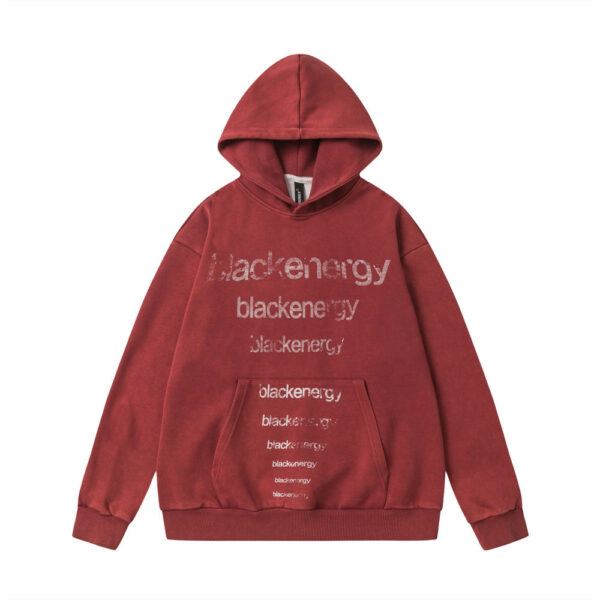
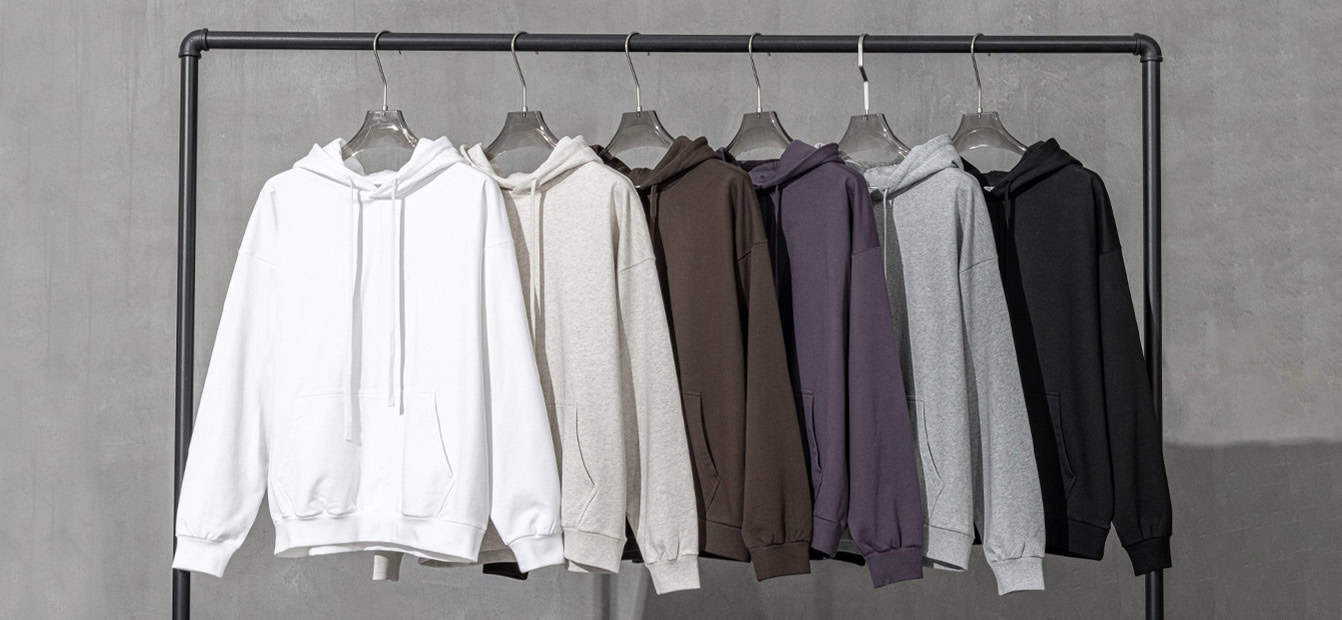
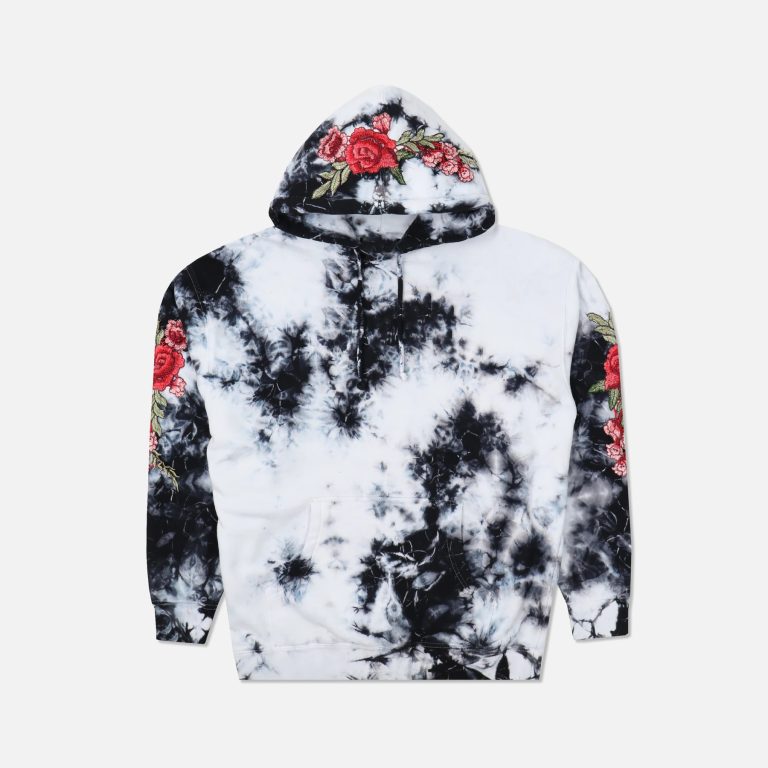
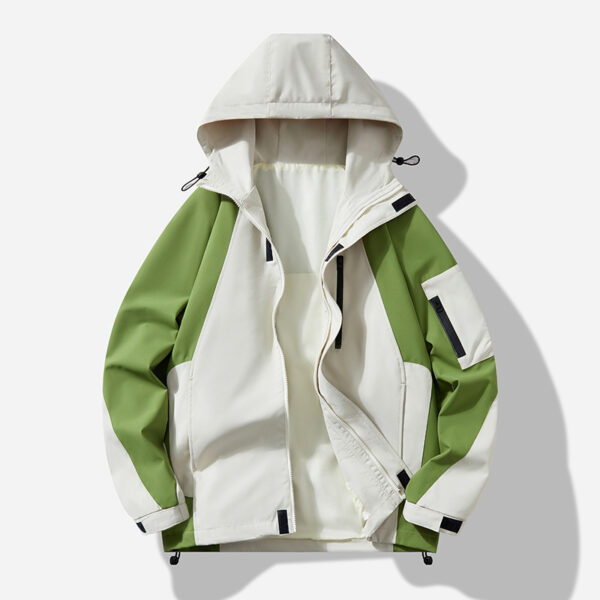
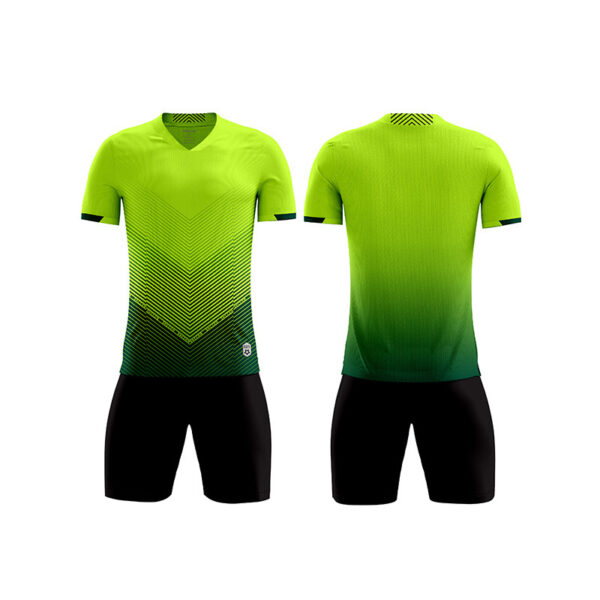
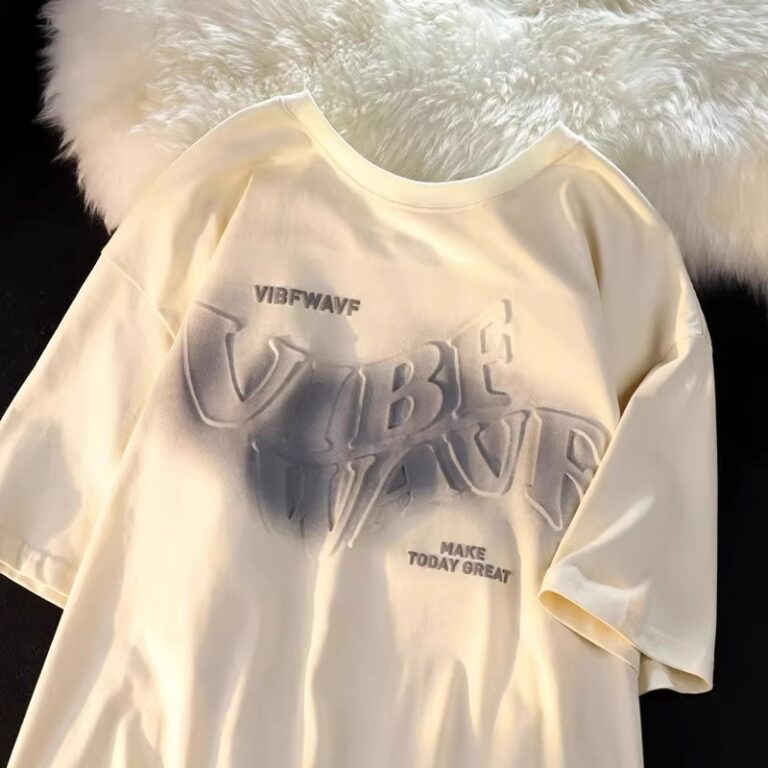
The very first thing in garment making is that at we have to decide for what type of apparel we want to make. Common options include hoodies, sweatpants and T-shirts as well shorts, jackets, vests sweaters and pants. Decide a Style – Keeping in mind your target customer demographics and the current trends. This will you a place to start, from looking at what are the current popular styles in the market and help you gauge demand.
Practical Tip: Collaging images, fabric swatches and design sketches – mood board to visualize your thoughts and keep you centered on what they should look like. Pinterest or Adobe Spark are great resources to search and collect your inspirations on new designs.
Learn more about how to start your brand with our guide.
Creating Mock-Up Visuals
To get the most from our imagination, it helps us to think of how we can help people see what we mean with out ideas. With software tools such as Adobe Photoshop (PS), CorelDRAW (CDR) and Clo Standalone OnlineAuth 3DCLO, you could gather highly detailed mock-ups of your garments. These mock-ups are basically the visual prototypes of what you and your team was though in your mind, these helps you to understand design better.
Practical Tip: Use CLO Standalone OnlineAuth (3DCLO) to create 3D models of your garments. This software allows you to simulate how different fabrics will drape and fit, helping you make more informed design decisions.
Using free mockup service of the tzstreetwear.com to see designs for ourselves and iterate on them.
Explore our products for inspiration.
Detailing Design Elements
The next step is to finalize the details of your design. This includes deciding on elements such as cuffs, collars, pocket placements, and other design specifics. Pay attention to how these elements will affect the overall look and functionality of the garment.
Practical Tip: Sketch out a technical drawing of the garment with measurements and construction notes before you start sewing-it will save you time in the long run! They are very important to get your design message across for pattern makers and manufacturers.
Using design tools to create detailed blueprints or hand draw.
Selecting Appropriate Fabrics Based on Garment Types
Importance of Fabric Selection
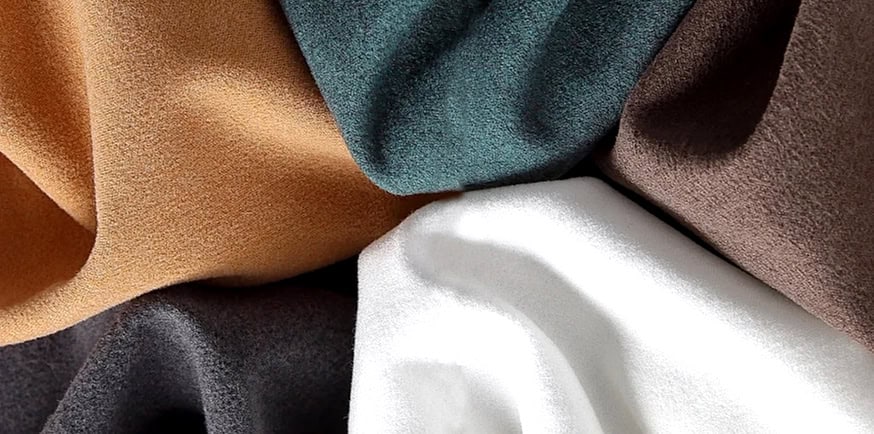
The fabric chosen is one of the most vital choices in making a Garment, because it can determine how comfortable and long lasting your end product will be. The right fabric can enhance the design, while the wrong fabric can compromise the garment’s functionality and appeal.
Practical Tip: With different materials, order fabric swatches from suppliers to check the feeling of their texture, weight and drape. This will ensure that you make smarter decisions.
Visit our fabric selection guide for detailed information.
Fabric Recommendations for Different Garments
Hoodies, Sweatpants, Shorts, T-shirts: With 100% Cotton materials which allow for breathability and comfort. There are two options for the finish, a brushed (similar to flannel) version that is softer and warmer or unbrushed regular cotton.
Jackets, Coats, Down Jackets: Outerwear items are best made out of strong durable fabrics that can withstand all types of weather such as polyester or nylon. They are known for great insulation and weatherproof construction.
Baseball Jackets: These items of clothing often are combinations that help in function and sometimes owning to the style- Baseball Jackets. With a blend of wool or polyester construction, these sweaters are cozy and comfy to wear while PU leather sleeves add durability with a touch of modern slickness.
Learn more about hoodie fabrics in our hoodie fabric material knowledge introduction.
Choosing the Right Garment Manufacturing Techniques
Embroidery
The patterns on the clothes are made with a bit of text through embroidery. It includes stitching the different designs on fabric using embroidery machines.
Practical Tip: To ensure longevity and a seamless look, be sure to use threads that are high quality along with colors matching or closely complementary of your fabric.
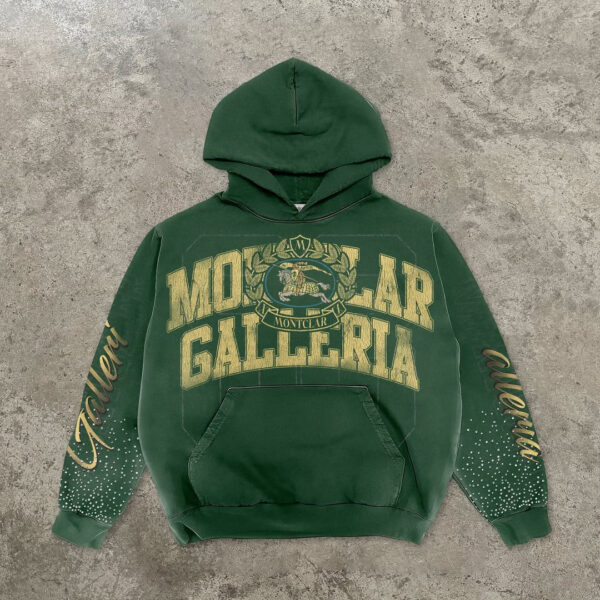
Screen Printing
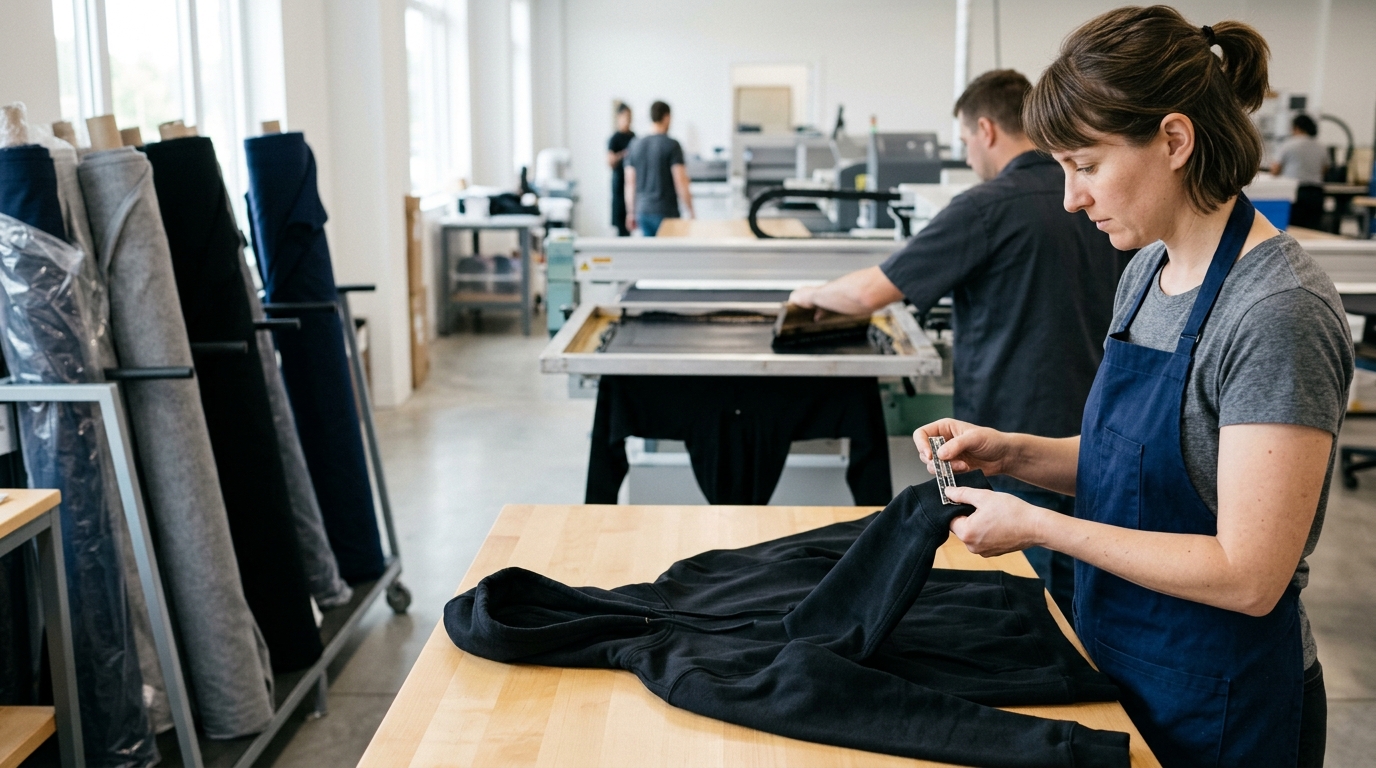
One of the most common methods to use when it comes to applying designs onto fabric is screen printing, especially for mass production. This is the one where you make a stencil and use it to print layers of ink onto fabric.
Practical Tip: For a more environmentally friendly and softer touch, water-based inks. For multi-color designs, you need to offset your screens correctly.
Digital Printing
Digital printing uses digital technology to print high-precision designs directly onto the fabric. This technique is ideal for small-batch customization and complex designs.
Practical Tip: Prepare the fabrics to facilitate ink absorption as well as wash fastness Take test prints of small order sample to confirm the color.
Heat Transfer Printing
Sublimation is a type of heat transfer printing that involves using pressure and heat to adhere designs onto fabric. This and other techniques can be applied onto different materials.
Practical Tip: Use a heat press machine to ensure even pressure and temperature for consistent results.
Flocking
Flocking refers to the process of depositing many small fiber particles onto a surface, but not limit to what handle their length is. It also can make prints velvet touch feeling This is often utilised in a decorative manner.
Practical Tip: Apply an adhesive layer before flocking to ensure the fibers adhere properly to the fabric.
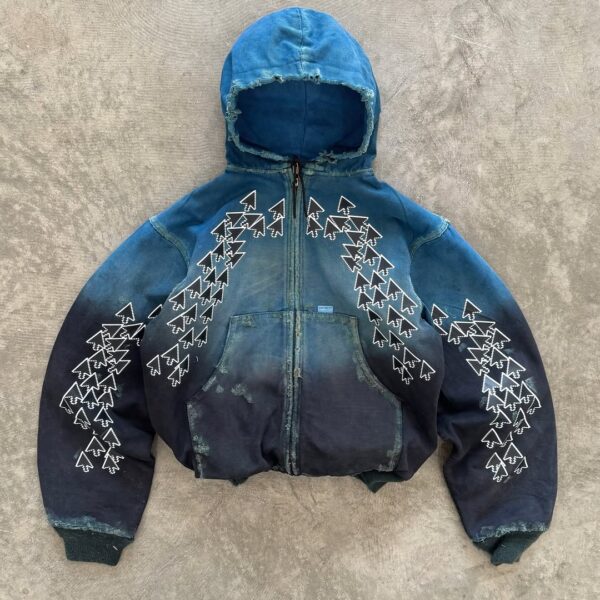
Garment Washing
Garment washing treatments can give fabrics unique textures and appearances. Common techniques include stone washing, acid washing, and enzyme washing.
Practical Tip: Test wash small fabric samples to see how they react to the treatment and achieve the desired look.
Hand Painting
One of a kind pieces on garments can be created by hand painting. Great for customized or limited-run products.
Practical Tip: Use fabric paints and fixatives to ensure the longevity of the designs. Heat set the paint to make it washable.
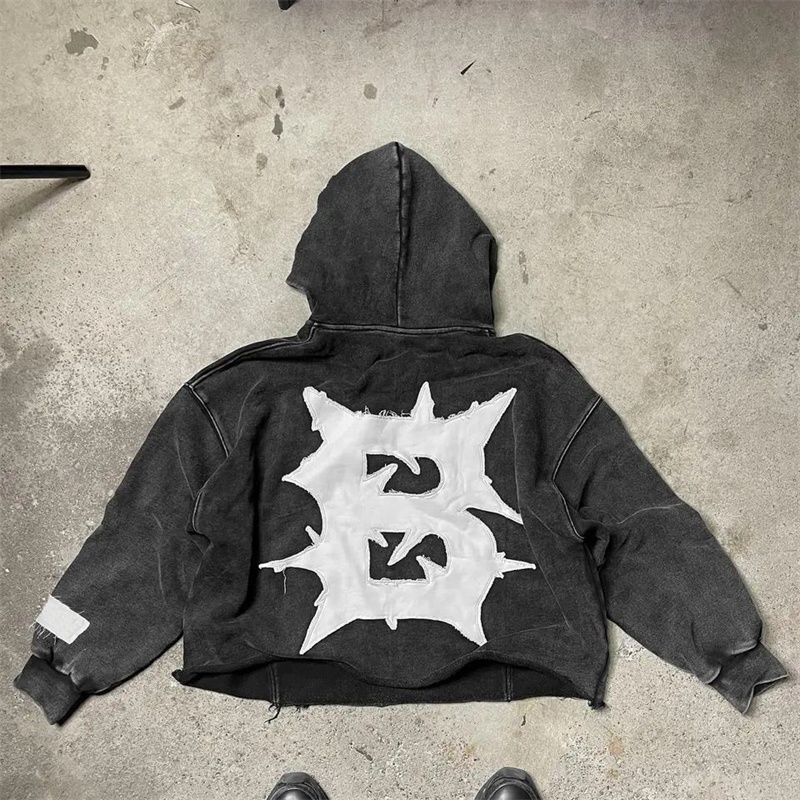
Patchwork
A patchwork of different fabrics can tie in a variety of colours and designs to mesh, This one is something that you typically see on more casual or artistic garments.
Practical Tip: Use fabrics with similar weights and textures to ensure the patches lay flat and evenly.
Heat Pressing
Heat pressing is the process of infusing designs or motifs onto fabric utilizing heat and pressure. This is a technique that professional crafters often employ when adding rhinestones, foil and vinyl designs to their projects.
Practical Tip: Use the manufacturer’s recommended heat and pressure settings for your fabric or any embellishments.
Laser Cutting
Laser cutting is a high-precision laser technology that cuts fabric into any of kind shape and pattern. This is best for designs with a lot of fine detail and that are intricate.
Practical Tip: Use laser safe fabrics and optimize your cut settings to prevent burning or scorching.
You can find here a comprehensive introduction to these techniques by craft introduction.
Choosing the Right Size Standards and Making Patterns

Selecting Size Standards
Using the correct size standards is key to making sure your garments meet the needs of your target market. There are a number of common size standards (including US, European and Asian sizes) but each has its own measurements that define the sizing.
Practical Tip: Develop a sizing guide from the selected size standard, be sure to include measurements for major areas like chest, waist, hips and inseam.
Importance of Pattern Making
Pattern making is the process of creating templates for each part of the garment. Accurate patterns are crucial for ensuring consistent sizing and fit.
Practical Tip: Draft in pattern making software or by traditional method using accurate and detailed pattern. Please clearly mark each pattern piece so that you’ll not get confused during cutting and sewing.
Pattern Making Steps
Use a basic block in the target measurements as a starting point.
Using the block pattern change/make to suit your design, this may mean adding or removing items.
Trace the final pattern on either paper or digital to easily copy.
Garment Parts and Pattern Transfer in Drawing.
Fabric Cutting
Cutting Tools
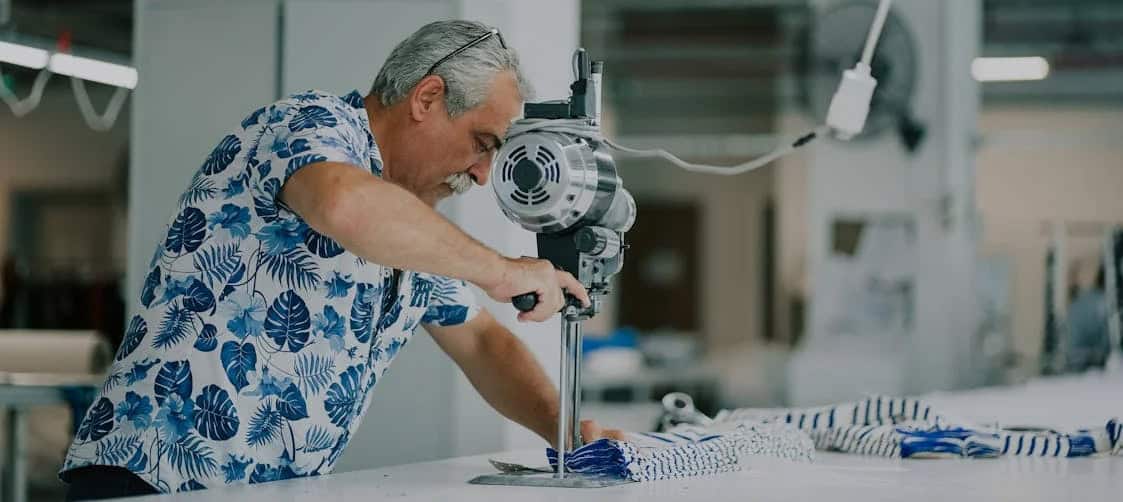
The quality of your cutting tools can significantly impact the accuracy and efficiency of the fabric cutting process. Essential tools include fabric scissors, rotary cutters, and cutting mats.
Practical Tip: Keep your cutting tools sharp and clean to ensure precise cuts. Use pattern weights to hold the fabric in place while cutting.
Cutting Techniques
Proper cutting techniques are essential for ensuring that fabric pieces align correctly during assembly. Common techniques include single-layer cutting and stack cutting.
Practical Tip: Follow the grainline of the fabric to prevent distortion. Use clear rulers and grid mats to ensure straight and even cuts.
Cutting Process
Lay the fabric flat on a cutting surface, ensuring it is smooth and wrinkle-free.
Lay the pattern pieces on your fabric in a way that you align them with the grainline and use as much of it up.
Pin or weight your pattern pieces wherever you can.
Directly cut out the pattern pieces according to marked shapes.
Cutting according to grainlines on patterns in order to make the most out of fabric.
Sewing and Assembling the Garments
Sewing Techniques
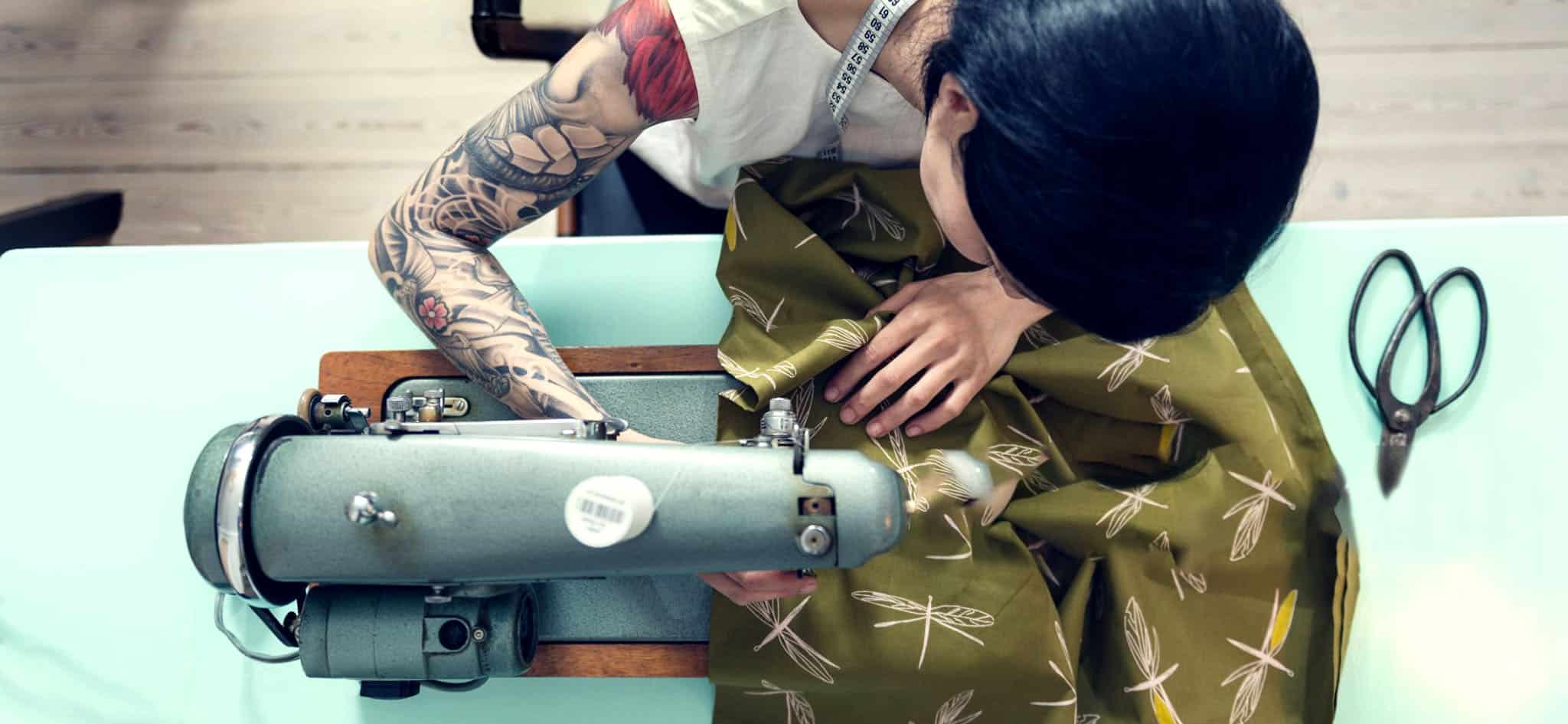
Different garments and fabrics call for different sewing techniques. Basic techniques include straight stitch, zigzag and overlocking.
Practical Tip: It is a good idea to practice using your sewing skills prior to working on the garment by practicing on scrap fabric Alter the crimping and lines long good manners by material type.
Adding Trims and Accessories
Trims and accessories are the complements add-on in garment functionality, or aesthetic value. Many of the extras added are logical upgrades zippers, drawstrings, buttons, labels and decorative trims.
Practical Tip: To sew trims and accessories on choose threads that are similar to or contrast with the colour of your item. Check that all zippers and buttons are firmly attached.
Visit our page on garment accessories for more details.
Assembly Process
Assembly refers to sewing cut fabric pieces together which creates the garment that you’ll wear. This is a very delicate and gentle step.
Practical Tip: Pin or clip the binding down to hold it in place while you sew. Work in an order that you slides from big seams to small features.
Joining the Pattern Pieces and Sew them.
Creating Samples and Fitting
-600x600.jpg)
Sample Making Steps
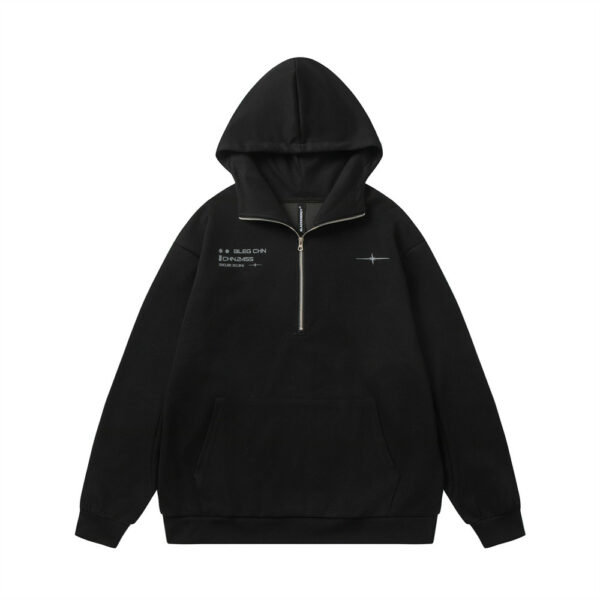
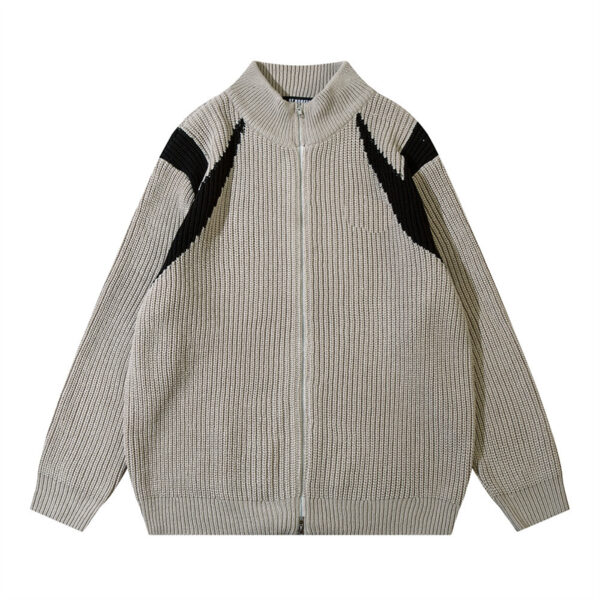
Generating a Counter Top is I believe the first stage in making the little bit of clothing. With a sample, you can have an idea how the design transfer into real life and do changes accordingly.
Practical Tip: Have a mini-test (the same materials & rough techniques as the big one) This will be true to what the final garment looks like.
Model Fitting
Trying samples on models also gives you the chance to assess how well your garment fits and has been made. A necessary step to identify potential areas for adjustment.
Practical Tip: Take copious notes and measurements at this fitting to help steer your adjustments next time. This way you can observe how the garment moves and fits in different positions during your usual daily movement.
Adjustments and Modifications
Adjust pattern based on fit results; and create sample Modifications often include length changes, shaping size adjustments and design details.
Practical Tip: Work them on gradually, make samples as per the above and test until you have a sample that answers all your questions & concerns.
If it does not fit according to the fitting, adjest as requeired–make sure final product meets expectations.
Sample Approval and Bulk Production
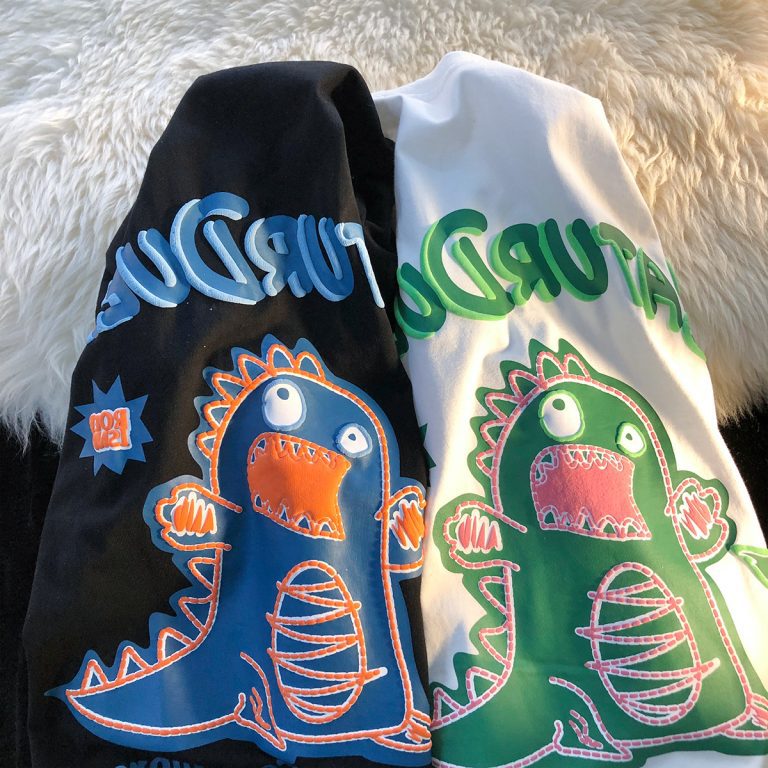
Sample Approval
If you are happy with the sample, then it is signed off for mass production. This includes, The design model is detailed from the sketch and pattern to fit needed for manufacturers.
Practical Tip: Produce a fully detailed tech pack with approved sample, pattern measurements and construction details. This will be a point of reference for the production team.
Steps for Bulk Production
Fabric Purchase: Acquire suitable fabrics based on order requirements. Ensure you order enough fabric to cover potential defects and production errors.
Cutting: Perform large-scale cutting following approved patterns. Use automated cutting machines for efficiency and precision.
Applying Techniques: Execute chosen manufacturing techniques, such as embroidery or printing, on the cut fabric pieces.
Sewing: Conduct bulk sewing and assembly of garments. Implement quality control checks at each stage to ensure consistency.
Final Processing: Add trims and accessories, ensuring they are securely attached and meet quality standards.
Quality Control: Conduct thorough quality checks at each production stage to identify and address any issues. Use a checklist to ensure all aspects of the garment meet your standards.
Ironing and Packaging: Perform final ironing to remove wrinkles and ensure the garments are presentable. Package the garments according to your branding and shipping requirements.
Discover our production process here.
Conclusion
Garment Making The process of making garments is a long drawn one, which involves many steps, each requires the attention to detailing and content execution. From designing and fabric selection to pattern drafting, cutting, sewing & final quality checks the process play a significant role in producing good grade garments
An evocative nudge for the reader to either sew her own or heed help over a professional service. Sewing your own clothes is a satisfying experience, but if you have yet to try it may well just seem impenetrably complex.
Why Choose Tuozhen Garments as Your Manufacturer?
One of the most important things to consider when it comes down to garment production is choosing the right manufacturer. Here are some reasons to choose Tuozhen Garments:
Comprehensive Services: From initial design and mock-up creation to final production and quality control, Tuozhen Garments offers a one-stop solution for all your garment manufacturing needs. Check out our custom services.
Expertise and Experience: With years of experience in the garment industry, we provide professional support and high-quality products. Learn more about our story.
Advanced Technology: We utilize the latest technologies and techniques, including 3DCLO for mock-ups and laser cutting for precision. Our innovative approaches ensure efficient and sustainable production.
Quality Assurance: Our strict quality control processes ensure that each garment meets the highest standards. Visit our page on quality control and supply chain management for more information.
Competitive Pricing: We offer transparent pricing with no hidden costs, helping you manage your budget effectively. For a detailed breakdown, see our price explanation.
Customization Options: Whether you need custom hoodies, T-shirts, or jackets, we provide extensive customization options to meet your specific requirements. Explore our custom hoodie manufacturing and other product categories.
Excellent Customer Support: Our dedicated support team is available to assist you at every step of the process. Contact us here.
Sustainability and Ethics: We are committed to sustainable and ethical practices in our manufacturing processes, ensuring a positive impact on the environment and society.
Understanding and mastering each detail in the garment-making process allows you to create high-quality garments and enjoy the creative journey. Choosing tzstreetwear.com helps you realize your garment dreams, offering end-to-end service so you can focus on creativity and enjoy the process.
FAQ: Frequently Asked Questions
Q1: How are clothes produced?
Garments are a created by plans to shading choices, texture determination and trimmings use, innovation choice patterns development cutting designing sewing inspecting, finishing. Theres a lot of skills ont to know on each step and techniques that you need in order to produce the final product up holding quality standards. Learn more about the production process.
Q2: How clothes are made?
To create clothes, the fabric is chosen, a pattern for size will be created and based cutting of fabrics completed as per patterns likewise sewing the pieces with trims / accessory to sew them together at last doing quality check before finalising your product. For detailed guidance, refer to our how-to guides.
Q3: How clothes are manufactured?
Clothes are manufactured in factories where the production process is streamlined for efficiency and quality. This includes automated cutting, sewing, and finishing processes. Quality control is a critical part of manufacturing to ensure the garments meet the desired standards.
Q4: How clothes is made?
Cloth making which include design, pattern creation,fabric cutting, sewing and final finishing. All of these steps are vital in making sure that the garment fits properly, is well styled and will last long.
Q5: How clothes made?
Clothes are made by transforming raw materials like fabrics into wearable garments through processes like cutting, sewing, and finishing. Detailed steps are provided in our how-to guides.
Q6: How do people make clothes?
To manufacture apparel, the procedure depends on different factors when selecting suitable fabrics it subjected to design and cut also with additional accessories added like buttons or zippers after already sewing pieces. Small batches can be sewn up at home by individuals with basic sewing skills while larger production are available through professional manufacturing services.
Q7: How is clothing produced?
Clothing is produced in a structured process that involves designing, selecting materials, pattern making, cutting, sewing, and finishing. Factories use specialized machinery and skilled labor to produce clothing efficiently. Visit our manufacturing page for more details.
Q8: How the clothes are made?
Clothes are made through a series of coordinated steps starting from design and fabric selection to cutting, sewing, and finishing. Each step is essential for ensuring the garment meets the desired quality and fit standards.