Transferring a creative design onto clothing is fun and very interesting. With your creativity, you can make an unusual and incredible design. However, to turn that idea into something that can be worn might seem challenging.
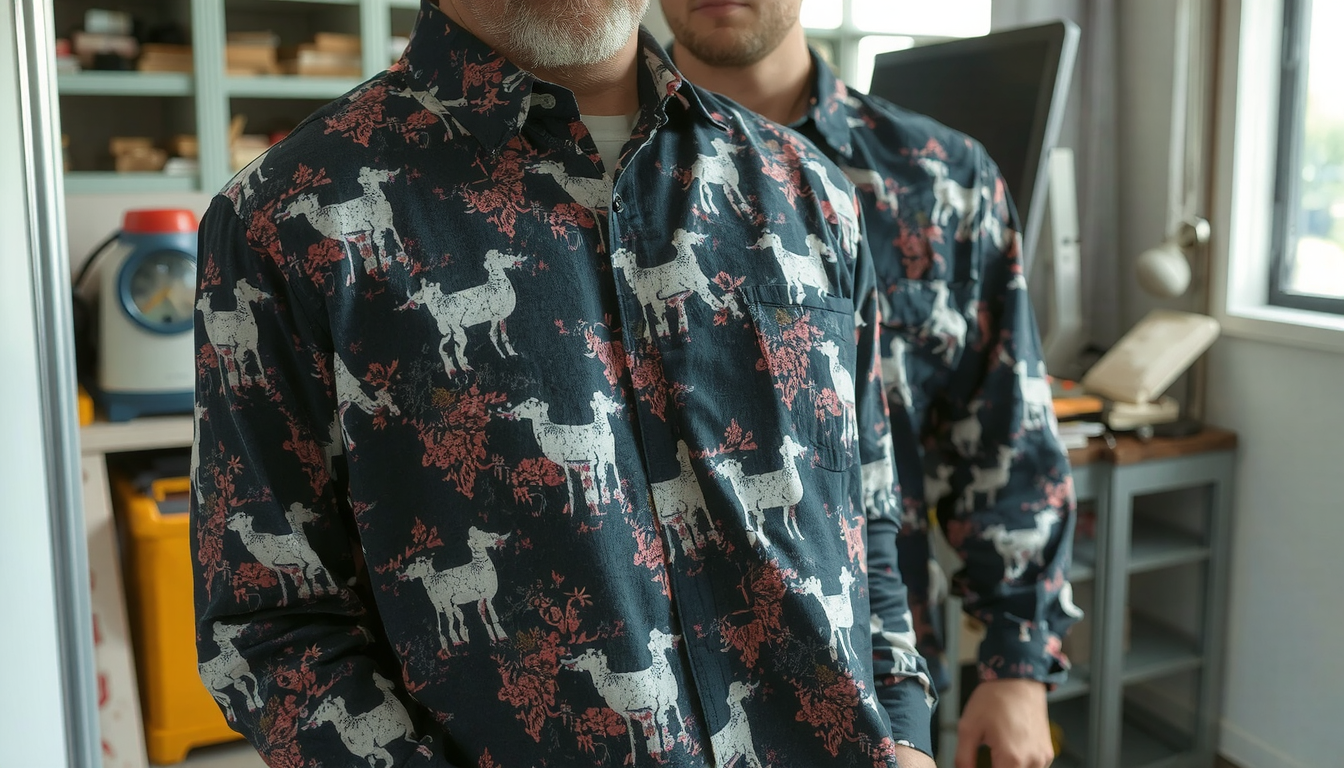
Choosing the right fabric printing method is the most important initial step. This decision has a significant impact on your final product’s appearance, feel, cost, and lifespan. Being able to do it right will get you the professional product you, and your customers will be very happy with.
We will go through the steps and explain the technique to you, leaving nothing out. You will get a step-wise guidance to help you decide. Additionally, you will also receive advice that will help your project succeed from start to finish.
The Main Ways to Print on Clothes
Here is a very brief overview of the most popular printing techniques for clothes. This summary will be your first step in learning the various options before we explain in-depth.
- Screen Printing: This is primarily adopted by most industries for printing large orders with simple designs. It utilizes thick inks to create extremely strong and clear prints.
- Direct-to-Garment (DTG): Imagine this process as an inkjet printer for clothing. It is the best choice for multi-color designs with images such as pictures. It also makes small-scale printing easy.
- Direct-to-Film (DTF): This is one of the newest heat transfer methods that have come on board. This transfer technique is very adaptive and can be used on various types of fabrics.
- Dye Sublimation: This is the method used mainly for full prints on 100% polyester garments. The ink is absorbed into the material. It feels no different from the original fabric.
- Heat Transfer Vinyl (HTV): This is a good option for simple texts, logos, and numbers. Imagine it on sports jerseys. You cut out a design from vinyl and apply heat to paste it on the shirt.
A Deep Dive: Comparing Printing Methods
Learning the details of each method is the basic step to determining which is more suitable for your brand or project. Let’s discuss the features of various printing techniques for clothes.
Screen Printing: The Industry Workhorse
How It Works
Screen printing involves the use of a mesh screen which is stretched over a frame. A stencil of your design gets made on the screen. Ink is pushed through the open parts of the stencil onto the shirt using a squeegee. Each color in your design needs its own screen.
Best For
This method is very effective when it comes to printing simple designs that have a few colors. It is also the right choice for bulk orders of t-shirts, hoodies, and tote bags. It’s perfect for branding, events, or staff uniforms.
Feel & Durability
The print feels slightly raised, especially with thick plastisol inks. When done right, screen prints last for an unbelievably long time. They can often outlast the shirt itself. The colors are bold and bright.
Key Considerations
The setup process requires both time and money to realize. This is why screen printing works best for orders of 100 or more pieces. The setup cost gets spread across the large quantity. This brings down the per-item price to a very low level.
Direct-to-Garment: For Photorealistic Detail
How It Works
Direct-to-Garment (DTG) printing looks and acts like a regular office printer, but for fabric. The printer uses a special water-based ink that is sprayed right onto the clothing. As the fibers of the clothes are soaked with the ink, you can use almost any color you want and draw detailed patterns.
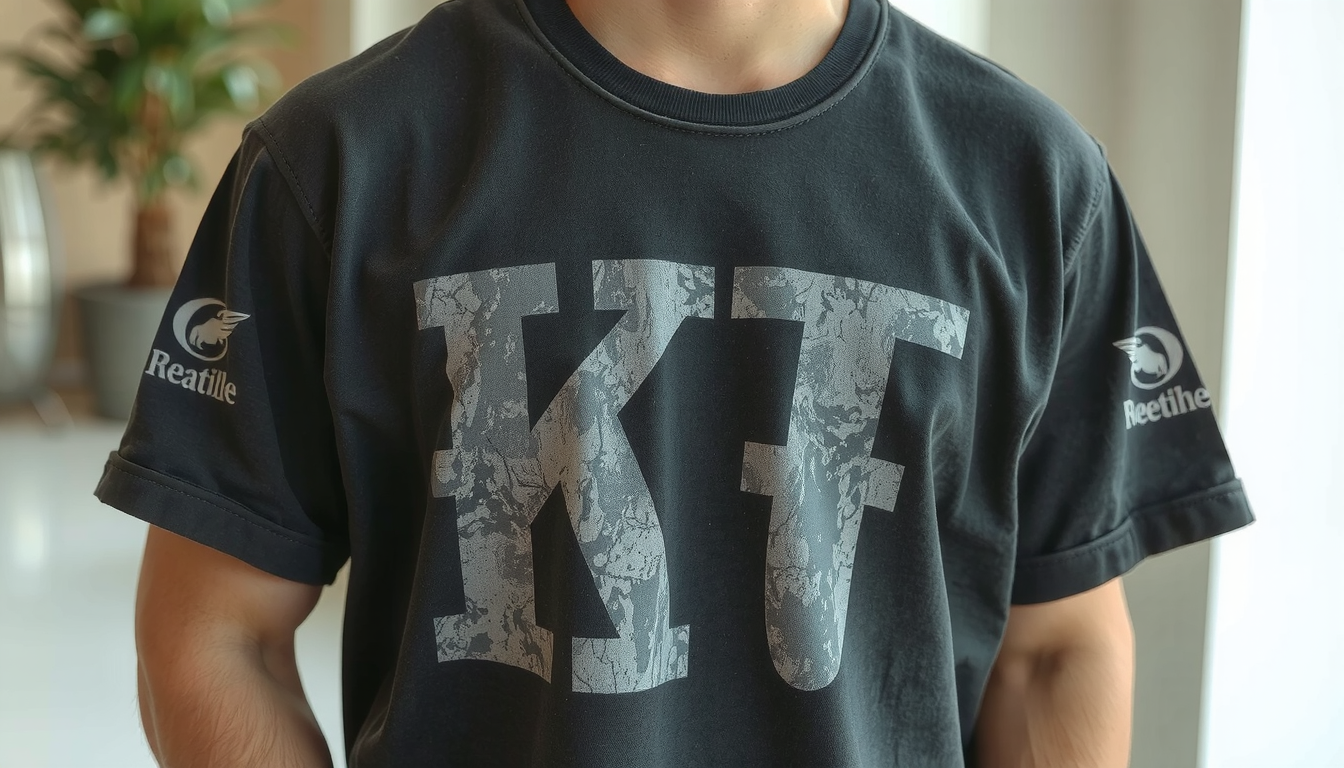
Best For
Using DTG is the best-organized way to go for complex, colorful designs like photo prints or detailed artworks. Furthermore, it’s mainly for small batches or even single items which is the reason the print-on-demand services love it. For more info, you can check out these 6 Types of Shirt Printing Methods & How They Work.
Feel & Durability
Since the ink soaks into the fabric, the print feels very soft and breathable. This works especially well on light-colored shirts. On dark clothes, you need a white base layer. This can add a slight feel. The print lasts well but may fade gently after many washes.
Key Considerations
DTG works best with fabrics that consist of 100% cotton. Some cotton blends can also be used, but the results are not so vibrant as with pure cotton.
Direct-to-Film: The Versatile Newcomer
How It Works
Direct-to-Film (DTF) is an innovative process for heat transfers. In the first step, the design is printed onto a special film. A powder adhesive is applied to the ink’s back. Then the film is placed on the shirt and pressed with heat. This transfers the design from the film to the fabric.
Best For
DTF is versatile and can handle a full-color spectrum. It is applicable to various fabric types including cotton, polyester, and blends – that makes it a good option for sportswear and other items where DTG cannot work.
Feel & Durability
The print is the top layer of the fabric, with a smooth and slightly plastic feel that you can feel with your hand. At the same time, it is highly flexible and durable. It is resistant to cracking and peeling very well.
Key Considerations
Though it is good for the feel, it is not breathable like DTG or sublimation prints. When Picking the Best Method for Your Brand, think about the fact that DTF gives you a good compromise on bright color production and adaptability to materials.
Dye Sublimation: For All-Over Prints
How It Works
Dye sublimation is an exceptional procedure where solid ink is turned into gas using heat. This gas then bonds with the polyester’s shirt threads forever. The ink itself becomes part of the fabric.
Best For
This technique is the right one to go for when you want to make bright, all-over prints that cover the entire shirt. It is common to see it in activewear, jerseys, and other technical clothes made of polyester.
Feel & Durability
The print has no feel at all; you cannot identify the ink on the fabric as it is mixed in the fibers. The result is a permanent one. It will never break, peel, or discolor.
Key Considerations
Sublimation works only when there is a high polyester content in the fabric. This means the fabric needs to be ideally 100% polyester. It also has to be performed on light-colored shirts. This is because the ink being see-through will not appear on dark fabrics.
The Ultimate Decision Matrix
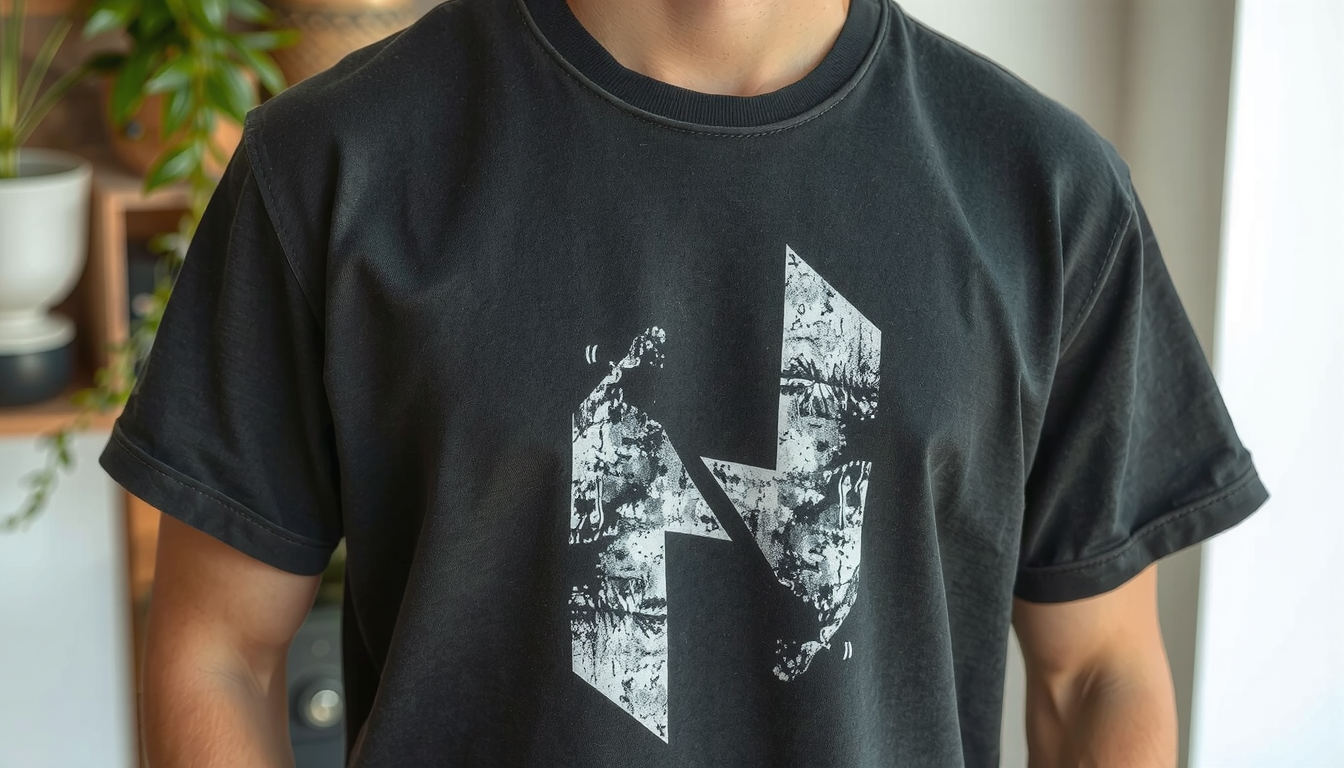
Selecting the method of clothing printing may not be an overly complicated task. By using this grid you can compare the techniques and align them to your project’s priorities.
| Printing Method | Best for Order Size | Design Complexity | Fabric Compatibility | Print Feel | Durability | Cost Profile |
|---|---|---|---|---|---|---|
| Screen Printing | 50+ (best at 100+) | Simple graphics, few colors | Very good on cotton & blends | Slightly raised layer | Excellent, can outlast garment | High setup, low per-item |
| DTG | 1-50 | Photos, unlimited colors | Best on 100% cotton | Soft, breathable | Good, can fade gently over time | No setup, consistent per-item |
| DTF | 1-100+ | Detailed, unlimited colors | Very versatile (all fabrics) | Smooth, flexible layer | Excellent, resists cracking | Moderate setup, consistent per-item |
| Dye Sublimation | 1-100+ | All-over prints, full color | Polyester only (light colors) | No feel at all | Permanent, will not fade or peel | No setup, consistent per-item |
From Design File to Finished Garment
Good quality t-shirt printing starts with a good design file. The most critical step in preparing your artwork is to prepare it correctly. This not only avoids issues but also ensures the final product looks professional. Below are the secrets of the trade for you.
Step 1: Vector vs. Raster Files
First, you have to get acquainted with two types of image files. Vector images (such as AI, EPS, or SVG) are made of curves and lines. They do not lose their clarity regardless of their size, which makes them excellent for logos and graphics of this kind.
Raster files (like PNG or JPG) are made of tiny dots called pixels. They are used in photos and detailed images. A raster image will become pixelated if you try to make it larger.
Step 2: Nail Your Resolution
We have seen clients send a small graphic from their website and be disappointed by the blurry result. Images taken from the web are usually 72 DPI (dots per inch), which is too low for printing.
For sharp prints, you need to ensure that the resolution of your artwork is at least 300 DPI at the final print size. This is the professional standard for any type of clothing printing. Always start your design with this resolution in mind.
Step 3: Understand Color Modes
Colors on your monitor (RGB – Red, Green, Blue) appear different from colors printed with ink (CMYK – Cyan, Magenta, Yellow, Black). Your printer will turn your RGB file into CMYK. This can result in a slight color shift.
For screen printing, many brands use the Pantone Matching System (PMS). This system uses exact color codes, which ensures that the ink will be the same every time.
Step 4: Communicate with Your Printer
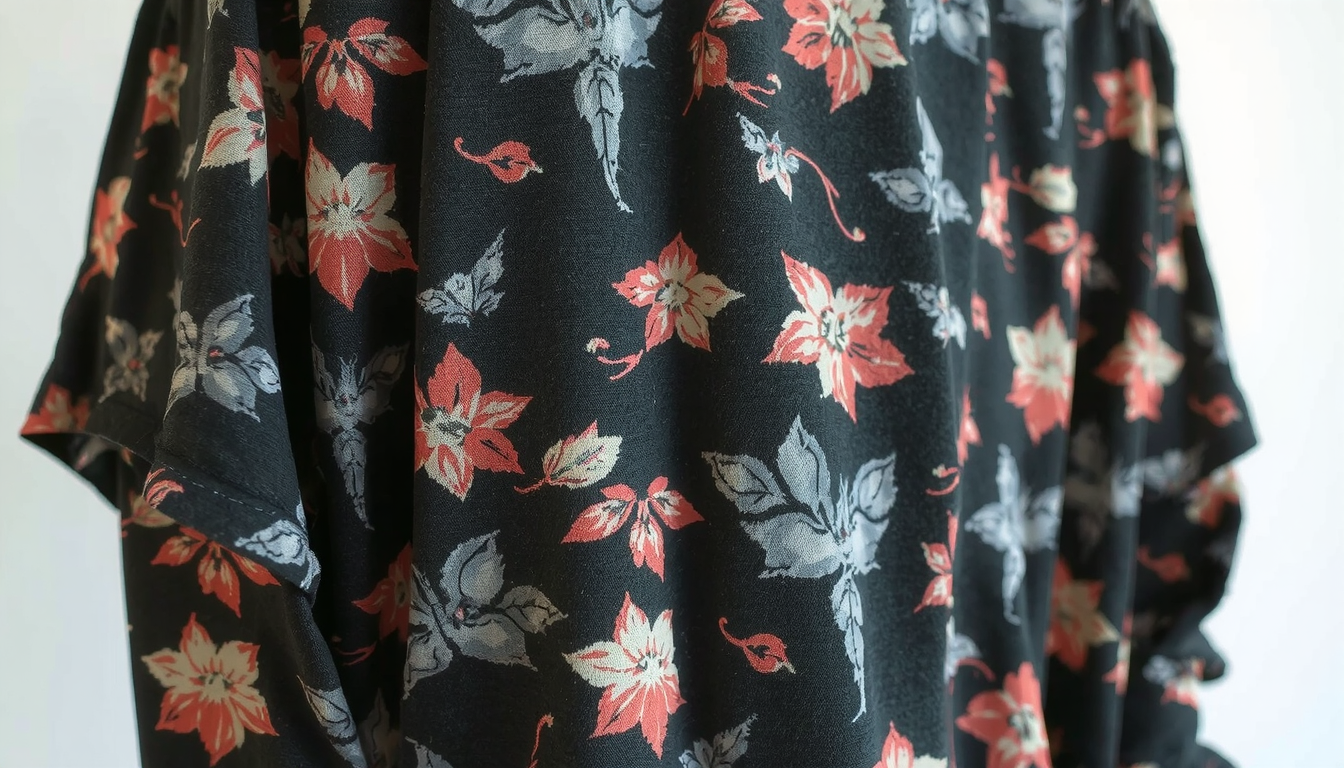
Your printer should get clear instructions. A good “tech pack” or email should include a mockup that shows the design on the shirt. Include the exact print size (like “10 inches wide”) and any color codes (like PMS numbers). Always ask to see a digital proof or physical sample before starting a large production run.
If you are working on a full collection, understanding these details is a key part of the process. You can learn more in our guide on how to start a brand and craft introduction.
Key Considerations for Your Project
Aside from the printing method, other factors can also affect the final success of your project.
The Sustainability Factor
The eco-friendliness of the printing process is a growing trend. DTG printing runs on water-based inks. These are widely acknowledged as the preferable choice over the plastisol inks which some screen printing uses.
Digital techniques like DTG and sublimation are also known as some of the most ecological and effective ways of transferring patterns. They consume less water and create less waste than the older methods. This is a trend that is increasing in the textile industry.
Choosing the Right Partner
Working with an experienced manufacturer is different from using a simple print shop. A true partner offers expertise in both the printing process and the shirts themselves.
They can advise on the best way to print on specific items and ensure high quality control. For complex items like hoodies, working with a specialist like a custom hoodie manufacturer ensures the print and the shirt work together perfectly for a premium result.
Your Vision, Printed: Let’s Get Started
You now have the expert knowledge to make smart decisions about how to print on clothes. The best method always depends on your unique design, your order quantity, and the fabric you choose. You can now confidently select the right technique to bring your vision to life.
By matching your project to the right process, you ensure a high-quality product that looks professional and lasts.
Now that you have this knowledge, you’re ready to take the next step. Explore how TZ Streetwear can bring your vision to life with expert printing and manufacturing.
Frequently Asked Questions
What is the most durable method to print on clothes?
Generally, screen printing and dye sublimation are the most durable. Screen-printed designs with quality ink can last for years. Sublimation prints become part of the fabric itself and will not crack or peel. But they only work on polyester.
Can I print a single t-shirt affordably?
Yes. Direct-to-Garment (DTG) is the most cost-effective method for one full-color design. For simple, single-color text or logos, Heat Transfer Vinyl (HTV) is also a great option for a single shirt.
How much does it cost to print on clothes?
The cost to print on clothes varies widely. It depends on the method, quantity, and design complexity. A single DTG shirt might cost $20-$30. A large run of 100+ screen-printed shirts could be as low as $5-$10 per shirt. Always get a custom quote for your project.
What’s the difference between DTG and DTF printing?
The main difference is how the ink gets applied. DTG prints ink directly onto the shirt. This is best for 100% cotton and offers a soft feel. DTF prints onto special film that gets heat-pressed onto the shirt. This makes it work better for different fabrics like polyester and blends.
What file format is best for t-shirt printing?
For designs with clear lines and solid colors like logos, a vector file (AI, EPS, SVG) is best. It can be scaled without losing quality. For photos or highly detailed images, you need a high-resolution (300 DPI) raster file (PNG with clear background or PSD).