Deciding how to print on clothing is a serious decision for every brand or creator. Choosing wrong mainly means your product’s quality, costs, and customers’ perspective will be bad. If you make the right decision, your designs can be both beautiful and durable.
Wearing a design on a t-shirt or hoodie is easy. You just have to identify the way. Do not worry; we will only present the most common techniques used for today by professionals. That is, Screen Printing, Direct-to-Garment (DTG), Direct-to-Film (DTF), and Heat Transfer Vinyl (HTV). By following this guide, you will be able to systematically analyze and choose the ideal printing method for your project.
At a Glance: Comparing Clothing Printing Methods
If you are in a hurry, this table will help you as it identifies the main techniques to print on clothing. With its insights, you will quickly identify the method you need before the detailed explanations of each.
| Method | Best For | Durability | Feel on Fabric | Cost-Effectiveness |
|---|---|---|---|---|
| Screen Printing | Bulk orders (50+), simple designs with few colors | Very High | Slightly thick, sits on top of fabric | Very high for bulk orders |
| Direct-to-Garment (DTG) | Photos, complex multi-color designs, small orders | Good | Very soft, ink soaks into fabric | High for single items or small runs |
| Direct-to-Film (DTF) | Versatile designs on various fabrics (cotton, poly) | High | Smooth and flexible, sits on fabric | Good for small to medium runs |
| Heat Transfer Vinyl (HTV) | Names, numbers, simple logos, single-color graphics | Good | Smooth, plastic-like layer on fabric | High for one-offs and simple designs |
A Deep Dive into How to Print on Clothing: 4 Key Techniques
When the method is known, technology is easier to deal with. Therefore, we present you the best selling four techniques of printing clothing.
Screen Printing: The Gold Standard for Bulk Orders
How It Works: Screen printing is a stencil method, which uses a screen to apply ink to fabric. Each color in your design needs its own screen. The printer pushes thick ink through the screen one color at a time. They build the design layer by layer. The garment is then heated to cure the ink. This makes it permanent.
- Pros:
- Very durable and long-lasting prints.
- Bright, vivid colors, especially on dark garments.
- The cheapest method for large orders.
- Cons:
- Not great for very complex or photo designs.
- Setup is costly and slow. This makes it expensive for small orders.
- Each color adds to the cost and complexity.
Best For: Brand merchandise, event t-shirts, uniforms, and any project with a large quantity and a simple, bold design.
Direct-to-Garment (DTG): Best for Detailed, Full-Color Designs
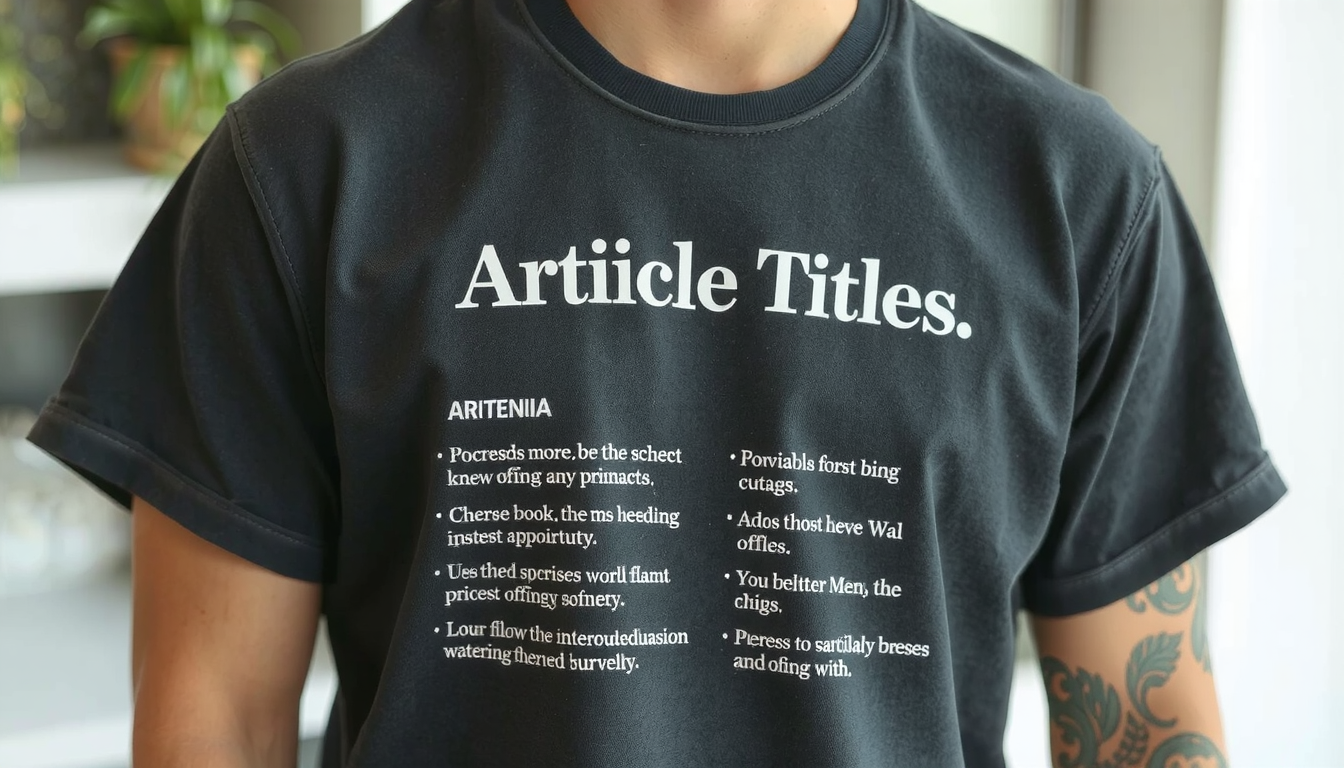
How It Works: DTG printing is the same as printing from an office printer but for clothes. A special DTG printer presses water-based inks directly onto the fabric. The inks then soak into the material. For dark shirts, a white base layer is printed first to make the colors pop. To learn more about what DTG basically uses, visit this link.
- Pros:
- Prints unlimited colors. Perfect for photos and gradients.
- The ink feels soft and breathable on the shirt.
- No setup costs. Great for single items or small batches.
- Cons:
- Works best on 100% cotton garments.
- Prints can be less bright on dark-colored fabrics.
- Not as cheap as screen printing for large quantities.
Best For: Online stores using print-on-demand, artists selling detailed designs, and anyone needing a custom t-shirt with a photo on it.
Direct-to-Film (DTF): The Versatile Newcomer
How It Works: DTF printing is a newer method that combines the best of other techniques. First, the design is printed onto a special transfer film. A powder adhesive is applied to the back of the ink. Then, the film is placed on the garment and pressed with heat. The heat transfers the ink and adhesive to the fabric. This creates a sharp and durable design.
- Pros:
- Works on many fabrics, including cotton, polyester, and blends.
- Makes bright, sharp, and full-color designs.
- More durable than DTG and feels flexible to the touch.
- Cons:
- The print sits on top of the fabric. Not as breathable as DTG.
- The process involves more steps than DTG.
Best For: Small to medium-sized orders that need full-color designs on various fabric types, like sportswear or workwear.
Heat Transfer Vinyl (HTV): Ideal for Simple Graphics and Text
How It Works: This method uses a machine that cuts your design out of a sheet of colored vinyl. Any extra vinyl is removed by hand. This leaves just the design. The vinyl is then placed on the garment and applied using a heat press. This is one of the most popular textile printing techniques for simple customization.
- Pros:
- Great for simple shapes, letters, and numbers.
- Creates a sharp, solid look.
- Can be applied to many different types of fabrics.
- Cons:
- Not good for detailed or multi-color designs.
- Each color must be cut and applied separately.
- The print can feel thick and is not breathable.
Best For: Customizing sports jerseys with names and numbers, creating one-off slogan t-shirts, and applying simple logos to hats or bags.
How to Choose the Right Print Method for Your Project: A Decision Framework
Knowing the options is one thing. Picking the right one is another. From our experience helping hundreds of brands launch, the choice of printing on clothing always comes down to these four factors.
Factor 1: Your Design’s Complexity and Colors
Is your design a simple, one-color logo or a full-color photo? For simple graphics with one to four solid colors, screen printing is a great choice. It makes bold, bright results.
If your design has many colors, gradients, or fine details like a painting, DTG is your best option. It can recreate the design with precision, just like a paper printer.
Factor 2: Your Order Quantity
How many items do you need? For bulk orders of 50 or more, screen printing is almost always the cheapest per item. This is because the high setup costs are spread across many garments.
For small orders, one-offs, or print-on-demand, DTG or DTF is the way to go. They have no real setup costs. The price per item stays the same whether you order one or twenty. Printing just a few shirts with screen printing would be very expensive.
Factor 3: Your Garment’s Fabric
What is your clothing made of? This is a key question. DTG printing gives the best results on 100% cotton. The water-based inks bond perfectly with cotton fibers.
For polyester, nylon, or blended fabrics, DTF is a much better choice. It works on almost anything. Screen printing is also versatile, but may need special inks for synthetic fabrics. Sublimation is another option just for light-colored polyester. The ink turns into a gas and dyes the fabric.
Factor 4: Desired Durability and Feel
How do you want the print to feel and last? Screen prints are the champions of durability. They can last for years with proper care. The ink creates a thick, solid layer on the fabric.
DTG prints are very soft because the ink becomes part of the fabric. They are durable but may fade slightly faster than screen prints over many washes. DTF prints feel smooth and flexible. They sit on top of the garment. They offer great durability and stretchiness.
Beyond the Print: A Pro’s Checklist for Perfect Results
A great print starts long before the ink hits the fabric. To avoid costly mistakes and ensure your final product is perfect, follow this checklist. This is a key step in learning how to print on clothing effectively.
-
Artwork File Prep: The quality of your file matters most. For screen printing, use vector files (AI, EPS, SVG). These can be scaled to any size without losing quality. For DTG and DTF, use a high-resolution raster file (PNG, TIFF) at 300 DPI (dots per inch). A transparent background PNG is best.
-
Color Matching (Pantone vs. CMYK): Screen printing can use Pantone (PMS) inks. These are pre-mixed to a precise color formula. This ensures perfect color consistency. DTG printers use a CMYK process (Cyan, Magenta, Yellow, Black) to mix colors. Slight variations can occur.
-
Choosing the Right Garment: The garment itself is half the battle. A cheap, thin t-shirt will result in a poor-quality print. Investing in a better blank will make your final product look and feel premium. Consider those used by a professional custom hoodie manufacturer.
-
The Importance of a Mockup: Always ask your printer for a digital mockup. This shows you how the design’s size and placement will look on the garment before production starts. It’s your last chance to make changes. For creators just getting started, our guide on how to start a brand offers more foundational tips.
Partnering for Success: Finding the Right Clothing Manufacturer
The right printing partner is just as important as the right method. A good manufacturer will guide you. They help you avoid problems and achieve the best results for your apparel printing project.
Look for a partner with clear communication, transparent pricing, and a strong portfolio of past work. They should be able to advise you on which printing method is best for your specific design and budget. It is helpful to gain insights into the various printing types to understand what a potential partner should offer.
At TZ Streetwear, we pride ourselves on being more than just printers. We are partners dedicated to bringing your creative vision to life with quality and care.
FAQ: Your Questions on Printing on Clothing Answered
Here are quick answers to some of the most common questions we hear about how to print on clothing.
What is the most durable method to print on clothing?
Screen printing is generally the most durable method. The thick ink layers create a strong bond with the fabric. This holds up well to washing and wearing. DTF prints are also very durable and resist cracking and peeling.
Can I print a photograph on a t-shirt?
Yes, absolutely. The best method for printing photos or other highly detailed images is Direct-to-Garment (DTG). It works like an inkjet printer for fabric. This allows for millions of colors and smooth gradients.
What is the most affordable way to print on clothing for a small order?
For small orders of fewer than 20 items, DTG or DTF printing is usually the most affordable. These methods do not have the expensive setup costs of screen printing. This makes them perfect for one-offs or small batches.
Does the type of fabric matter for printing?
Yes, the fabric is very important. DTG printing needs high-cotton content garments to look its best. DTF and screen printing are more versatile. They can work on cotton, polyester, and blends. Screen printing may need different inks though.
How do I prepare my design file for printing?
For the best results, your design file should be high-resolution. At least 300 DPI at the final print size. For DTG or DTF, a PNG file with a transparent background is ideal. For screen printing, a vector file (.AI or .EPS) is preferred. This ensures clean lines at any size.