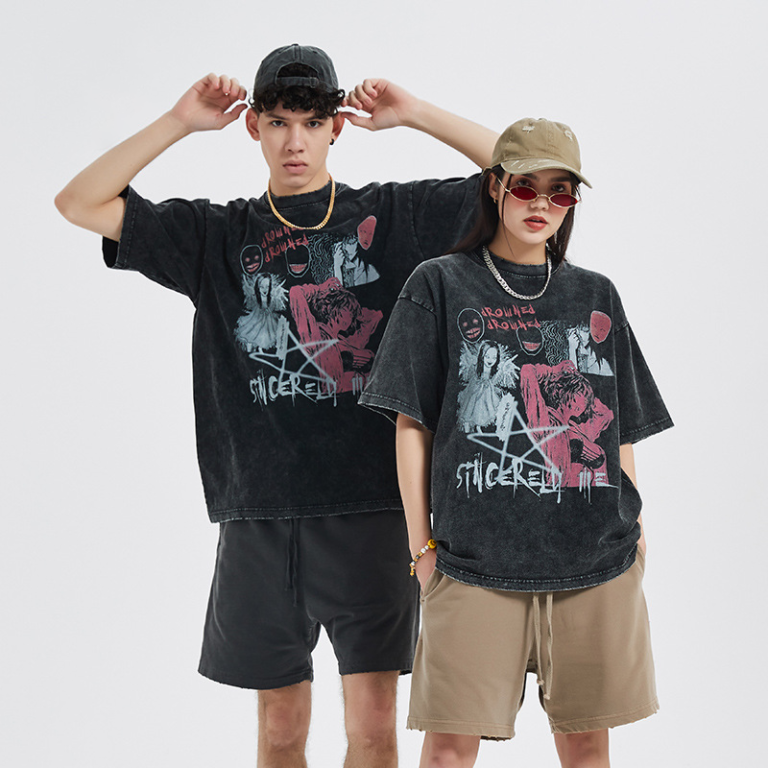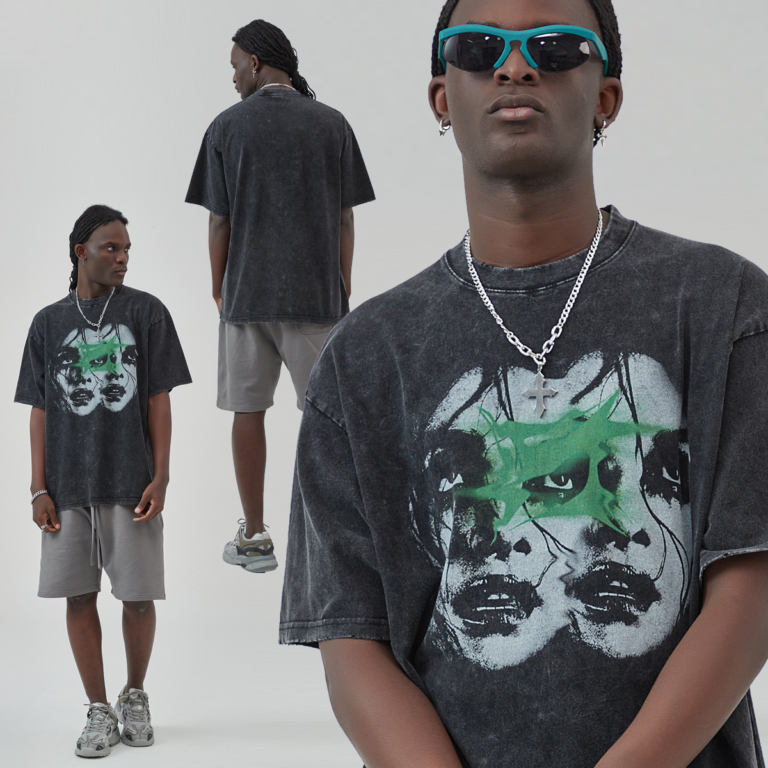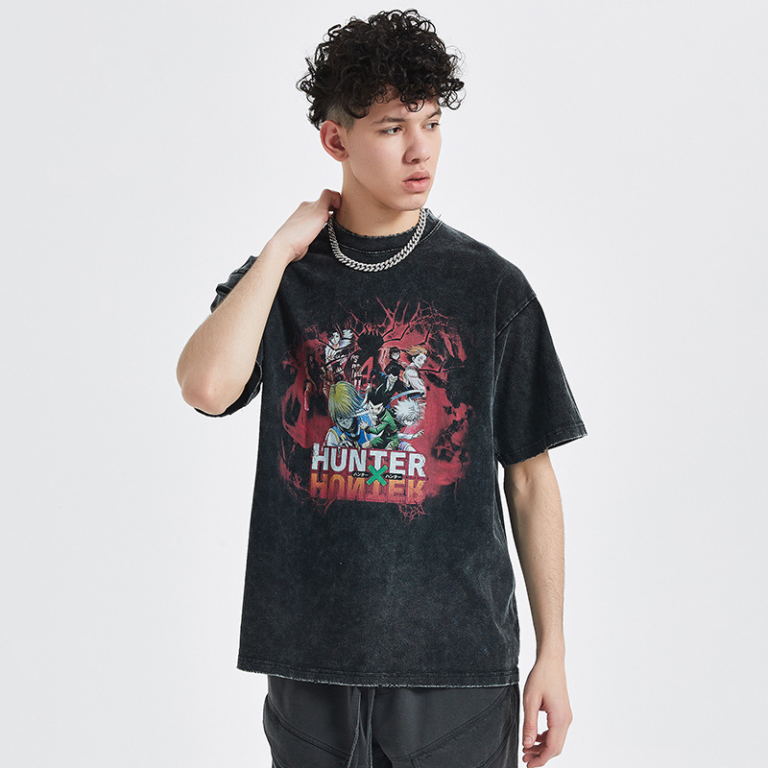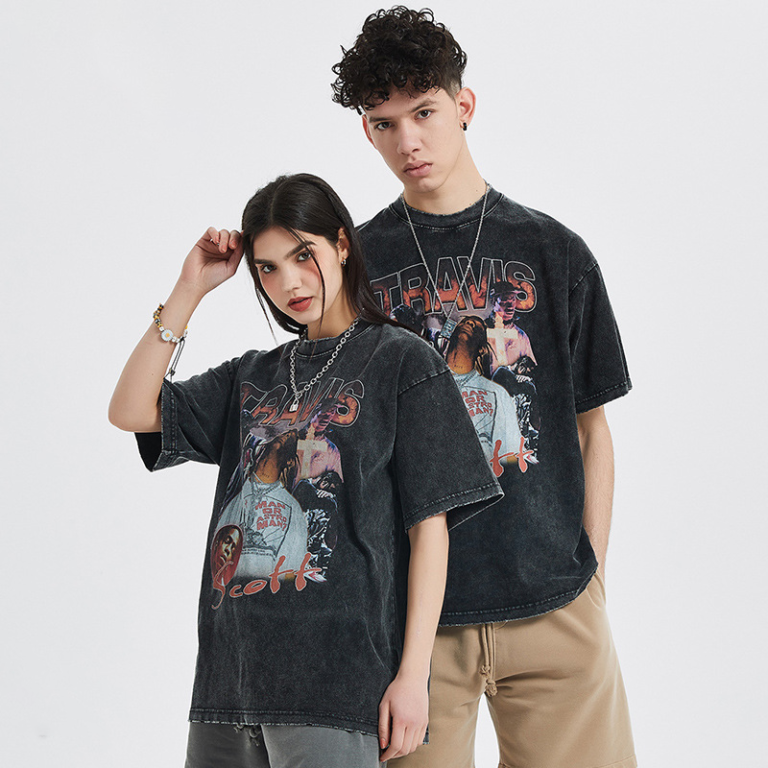
First Things First: What Do You Want to Create?
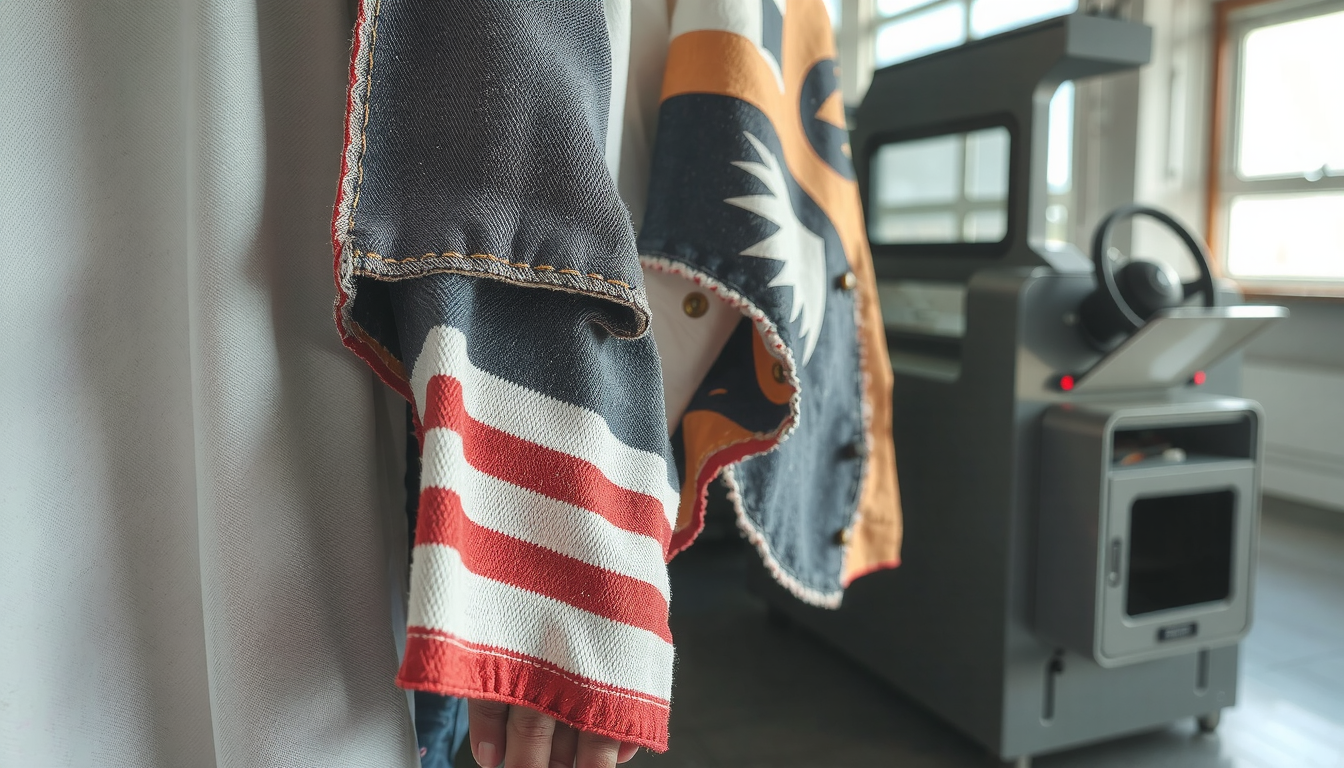
Printing onto cloth is now easier than ever possible. This process is available to both a home crafter and a startup owner and is practically within your reach. But before going to technical details, it’s essential to clarify your goal. The method that works best is entirely dependent on the result you want to achieve.
The first step is to ask yourself the essential questions. Do you want to make a personalized t-shirt to give to a friend? Or do you plan to have a small supply of tote bags for your new Etsy shop?
Think about your choice of fabric. Let’s say you want to make cotton shirts which will have a different approach in comparison to polyester banners or delicate silk scarves. Moreover, consider your design. Is your design a simple one-colored text? Or is it a full-color complex image? By answering these questions, you can determine the appropriate printing technique.
DIY Methods: How to Print onto Cloth at Home
Different methods allow you to print onto cloth using the materials you probably already have. These methods are great for personal projects, prototypes, experiments, and won’t require a hefty initial investment.
Method 1: The Freezer Paper & Inkjet Printer Method
This classic DIY technique uses freezer paper to give fabric the stiffness needed for a standard home inkjet printer. We’ve used this countless times for one-off projects. It’s surprisingly effective for custom fabric patches or quilt squares.
Here’s our recommended step-by-step process:
- Prepare Your Fabric: Start with smooth, light-colored natural fiber fabric like 100% cotton. Iron it completely flat to remove wrinkles.
- Adhere the Freezer Paper: Cut freezer paper to your desired size (like 8.5×11″ or A4). Place it shiny-side-down onto your fabric. Iron with a hot, dry iron until it adheres securely. The heat melts the wax coating just enough to bond it to the cloth.
- Trim to Size: Use a rotary cutter or sharp scissors to trim the fabric to the exact dimensions of the freezer paper. This ensures smooth feeding into your printer.
- Printer Settings: In your computer’s print dialog, adjust the settings. We suggest using “Best Photo” or “High Quality” setting. This ensures the printer uses enough ink for a vibrant, saturated image.
- Print Your Design: Feed the fabric sheet into your printer’s manual feed tray. Make sure it will print on the fabric side.
- Set the Ink: Let the ink dry for a few minutes once printed. Gently peel off the freezer paper backing. To make the print more permanent, heat-set the design. Iron it with a hot, dry iron for 2-3 minutes.
This technique is widely loved in the crafting community. The Graphics Fairy provides an excellent tutorial with helpful visuals on this popular technique.
Method 2: Iron-On Transfer Paper
Iron-on transfer paper is probably the easiest way you can transfer a design to a garment. You print your design on the special paper using your inkjet printer, and then with the heat, you transfer it to the fabric.
Be sure to purchase the right type of paper for your project:
- Transfers for Light Fabrics: These are transparent. Any white in your design will show as the color of the fabric.
- Transfers for Dark Fabrics: These have an opaque white background. The entire design, including white areas, will be transferred.
Pro Tip: Always remember to mirror your image in your photo editing software before printing. This is especially important if it includes text. Otherwise, it will appear backward on your final product.
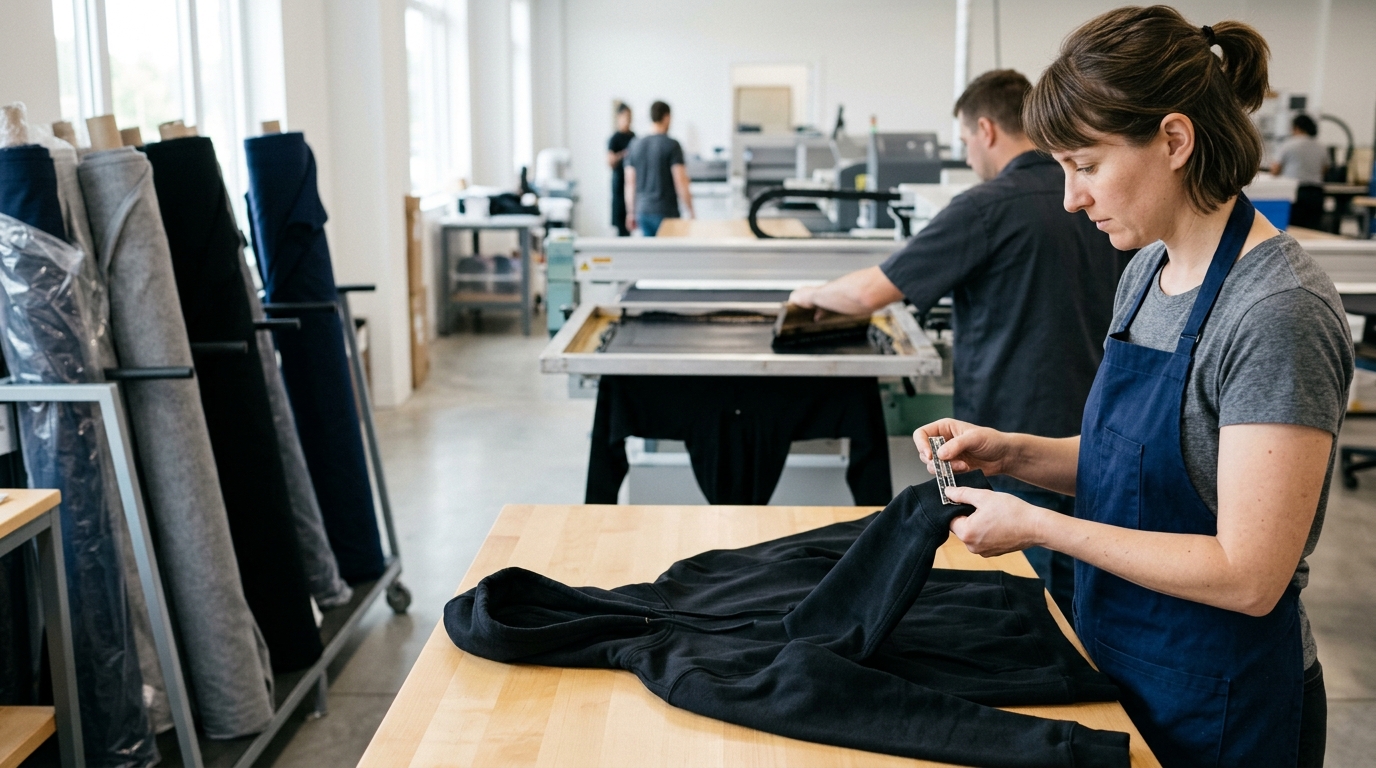
Professional Textile Printing: Scaling Up Your Designs
When you require higher volumes, tougher durability, or a more professional quality, it’s time to look beyond DIY. Professional textile printing is a historic craft that has evolved into several high-tech methods. Each has unique strengths.
Screen Printing
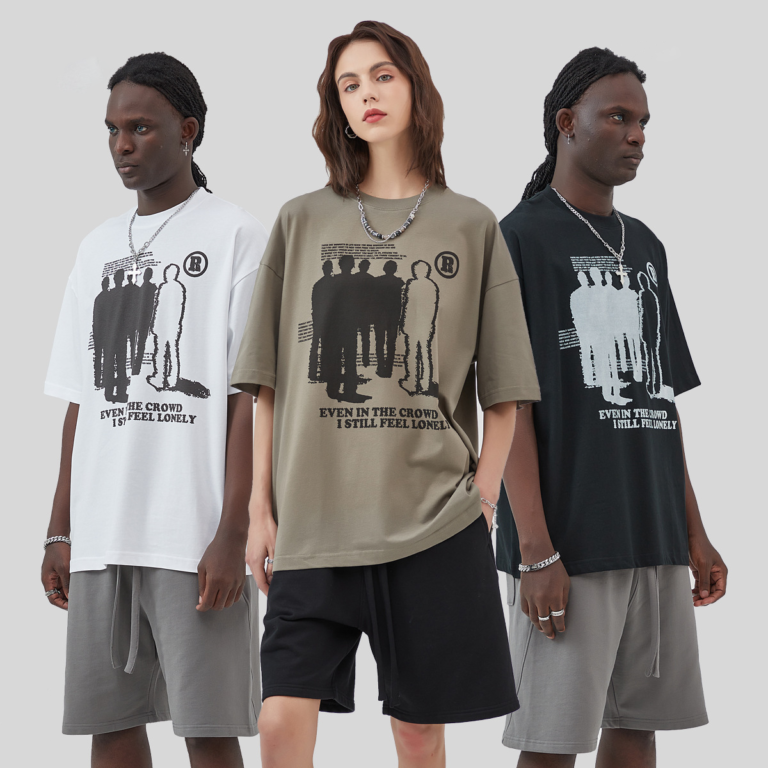
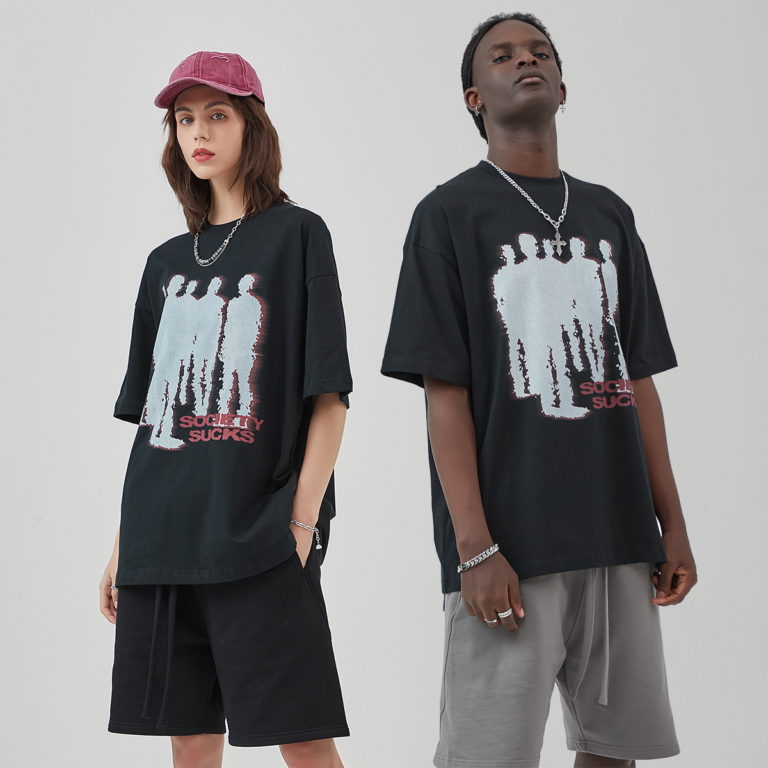
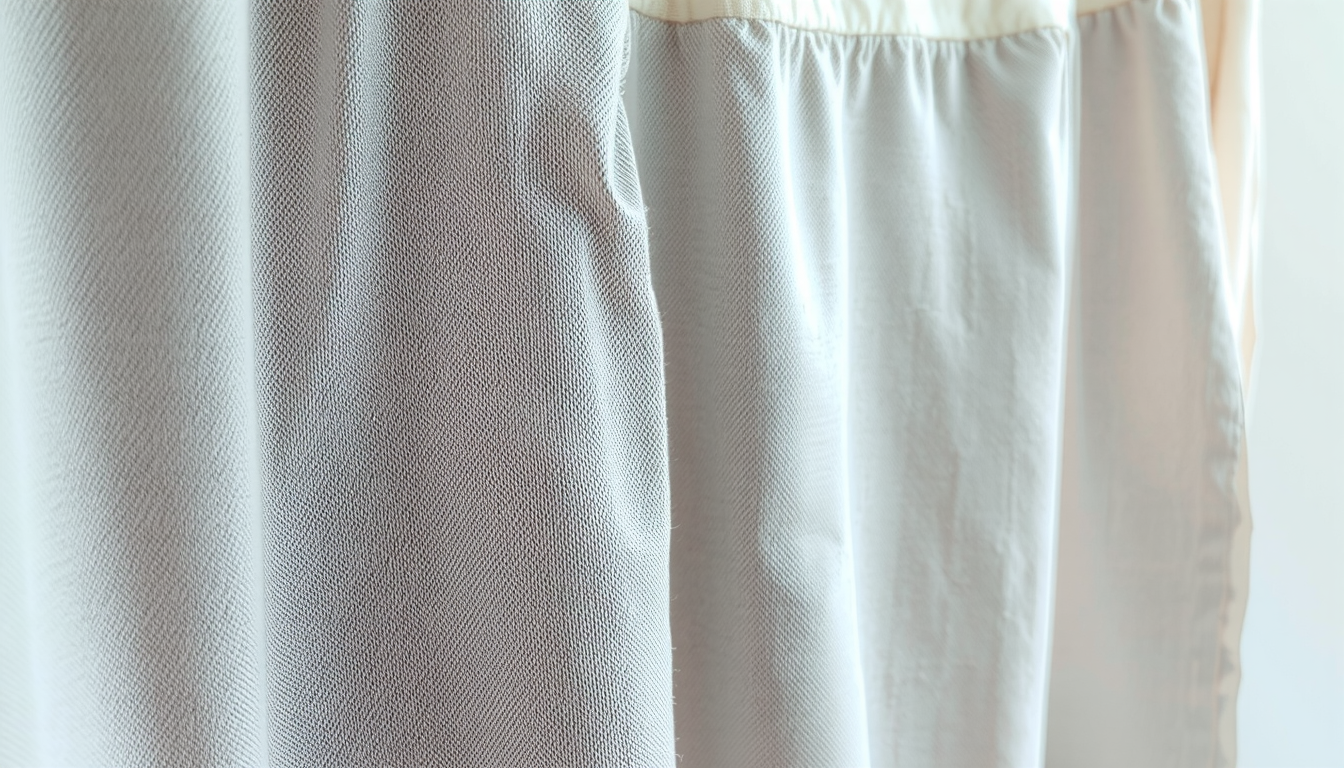
Screen printing involves creating a stencil (a “screen”) and pushing ink through it directly onto the fabric. Each color in a design requires a separate screen. This makes it ideal for designs with a limited color palette.
It’s the go-to method for bold, vibrant graphics. Think band merchandise, company logos on t-shirts, and event apparel. The major advantage is cost-effectiveness at high volumes. The price per item drops significantly as quantity increases. For a deeper dive into this classic technique, explore our guide to professional screen printing.
Direct-to-Garment (DTG) Printing
Think of Direct-to-Garment (DTG) as an advanced inkjet printer for clothes. A specialized print head applies water-based inks directly onto the fabric. The ink then soaks into the fibers.
This method is perfect for highly detailed, full-color designs. This includes photographs and intricate illustrations. Because there are no screen setup costs, DTG is economical for small batches and even one-off custom prints. The resulting print has a very soft feel. It becomes part of the fabric itself.
Dye Sublimation
Dye sublimation is a unique process where heat and pressure turn special ink into a gas. This gas then permeates and bonds directly with the fabric fibers on a molecular level.
The key thing to know is that this method is primarily for synthetic fabrics. It works beautifully on 100% polyester or high-polyester blends. The result is a permanent, vibrant print that has zero feel and will never crack or peel. It’s the top choice for all-over prints, custom sportswear, lanyards, and banners.
Digital Fabric Printing
This is a broader category that includes DTG but also refers to printing designs onto huge rolls of fabric before they are cut and sewn. This allows brands and designers to create unique textiles from the scratch.
It’s a game changer for fashion designers who want to produce their patterns. So, digital printing on fabric is revolutionizing the design process for it is giving the designers amazing freedom to create bespoke products.
Which Method Is Right for You? A Head-to-Head Comparison
Choosing a printing solution for fabric is not easy due to various factors. Thus, we have separated the key factors for the methods listed in this comparison table for you.
| Method | Best For | Feel on Fabric | Durability | Cost per Item (Low vs. High Volume) | Key Fabric Type |
|---|---|---|---|---|---|
| Freezer Paper (DIY) | One-off crafts, quilting, personal projects | Soft, minimal feel | Low (fades with washing) | Low / Not Applicable | Light-colored natural fibers (cotton) |
| Iron-On (DIY) | Quick custom tees, gifts, simple graphics | Can be a stiff film on top | Low to Medium (can crack over time) | Low / Not Applicable | Cotton, Poly-blends |
| Screen Printing | Large batches (25+), bold graphics, logos | Thick, slightly raised ink layer | Very High | High / Very Low | Cotton, Blends, most fabrics |
| DTG Printing | Full-color photos, complex designs, small batches | Very soft, breathable | High | Medium / High | Primarily cotton |
| Dye Sublimation | All-over prints, sportswear, vibrant colors | Zero feel (ink is in the fiber) | Extremely High (will not fade) | Medium / Medium | Polyester & high-poly blends |
For a single detailed picture on a cotton tee, DTG is the best choice, while for 100 hoodies with a 2-color logo, Screen Printing is more cost-effective. This decision is crucial for the final product’s hand feel, particularly with items like custom hoodies, where comfort is important. For more information on material selection, refer to a hoodie manufacturer.
From Hobby to Business: Main Steps to Print onto Cloth Professionally
To move from a kitchen table project to standing in a store, there are some crucial steps to be taken. From our experience, you will save a lot of time and money, if you start with the right artwork and the right partnerships.
Preparing Your Artwork for a Printer
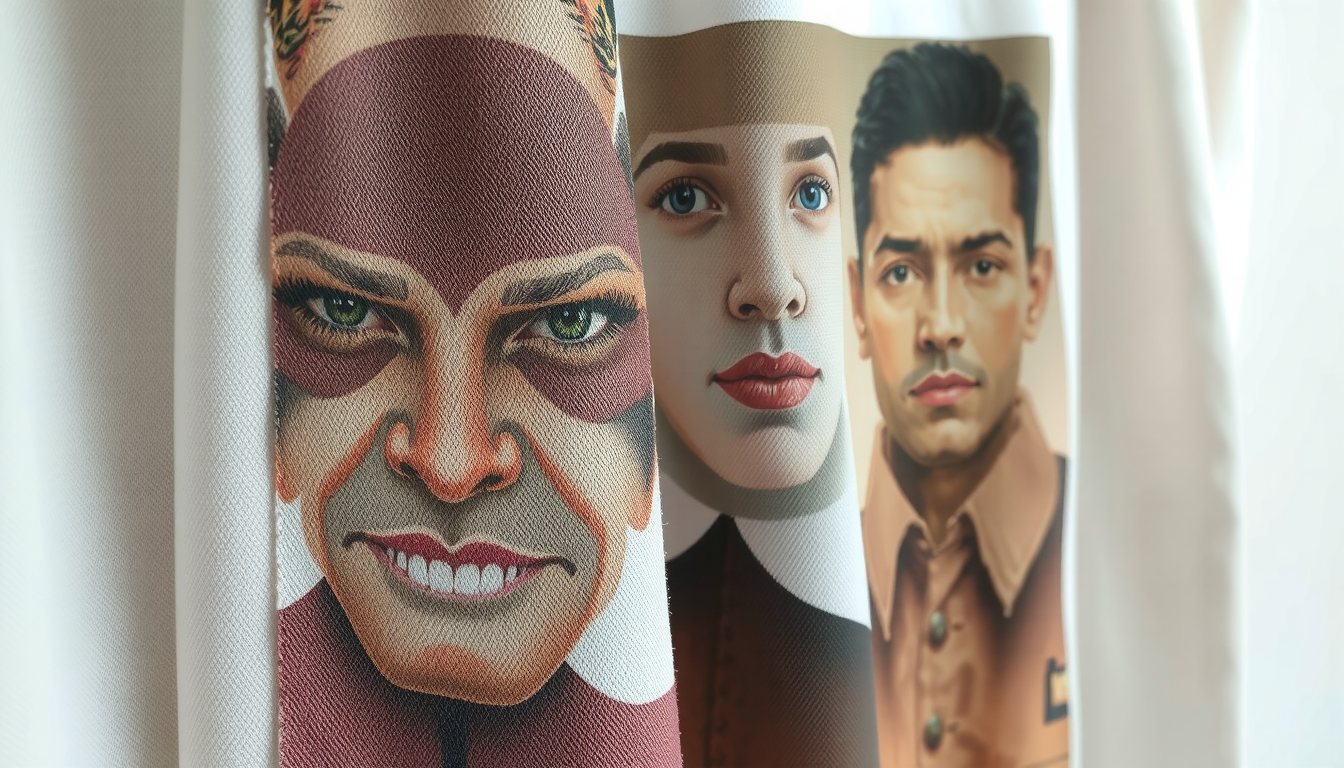
A stately idea can get ruined due to a bad-quality file. Quality is integral in art for printers to perform well.
- Vector vs. Raster: Vector files (AI, EPS, SVG) are made using mathematical lines and are thus infinitely scalable. This makes them perfect for graphic designs like logos and text. Raster files (JPG, PNG, TIFF) on the other hand are made up of pixels and should be created at the correct size and resolution.
- Resolution: For any raster art, you need to provide a file that is at least 300 DPI (dots per inch) at the final print size. Anything less will look blurry and pixelated when printed.
- Color Mode: Your computer screen uses RGB (Red, Green, Blue) light to display color. Professional printers use CMYK (Cyan, Magenta, Yellow, Black) ink. Always convert your files to CMYK mode for the most accurate color representation.
Finding the Right Printing Partner
You can either choose a local print shop or an online print-on-demand (POD) service. Local shops provide you with hands-on help and quick turnarounds. You can also choose the POD services which can take care of the printing and shipping for you. However, our most important advice is to always order a sample first no matter what choice you go for. Don’t ever commit to a large batch unless you’ve seen and touched the end product.
Understanding the Craft and Building Your Brand
Remember that the method you use to print on cloth is just one element of your product. The quality of the garment blank, the strength of your design, and the consistency of your production are what actually make the brand. Therefore, deciding on your printing techniques is a substantial step. For the entire title, check our guide on the craft introduction for starting a brand.
Your Next Steps in Fabric Printing
We have run the entire scope of things, from just simple DIY projects to professional production. The best way to print onto cloth can solely be determined by your project’s objectives, allocated budget, and target quality.
For enjoyment and experimentation, DIY approaches such as iron-on transfers can be instantaneously rewarding. When it comes to the best quality and mass production, technologies such as DTG and screen printing would be your finest partners.
You are now equipped with the foundational knowledge to create your vision on fabric, whether you plan to produce a single, custom pillow or you want to launch a whole new clothing line. For more insights on streetwear design and manufacturing visit us at TZ Streetwear.
Frequently Asked Questions
What is the easiest way to print on cloth at home?
For beginners, using iron-on transfer paper is the most straightforward method. It requires a standard inkjet printer and a household iron. Specific papers are readily available for both light and dark fabrics, making it very accessible.
Can I use my regular inkjet printer to print directly on fabric?
Yes, by using the freezer paper method. You iron the shiny side of freezer paper onto a piece of fabric. This creates a stable, paper-like sheet that can be fed through most home inkjet printers. Remember to heat-set the ink with a hot, dry iron afterward to improve washability.
What’s the main difference between DTG and screen printing?
The key difference is complexity versus volume. Screen printing uses thick inks and physical stencils, making it highly cost-effective for large quantities of simple, bold designs (like logos). DTG uses a digital inkjet process, which is perfect for complex, multi-color designs like photographs. It’s more economical for small batches or single items.
How do I make my custom print washable?
Heat-setting is the crucial step for durability. For DIY methods, this means pressing the finished print with a hot, dry iron for several minutes. Professional methods use large conveyor dryers or heat presses to cure the ink, chemically bonding it to the fabric fibers. This process makes the design resistant to fading and flaking in the wash.
Why can’t I use sublimation printing on a 100% cotton shirt?
The dye sublimation process works at a molecular level. The ink, when heated, turns into a gas that needs to bond with polymer (i.e., plastic) fibers. Cotton is a natural fiber and lacks these polymers. So the ink has nothing to permanently attach to and will wash out almost completely. This is why sublimation is exclusively for polyester or high-polyester blend fabrics.