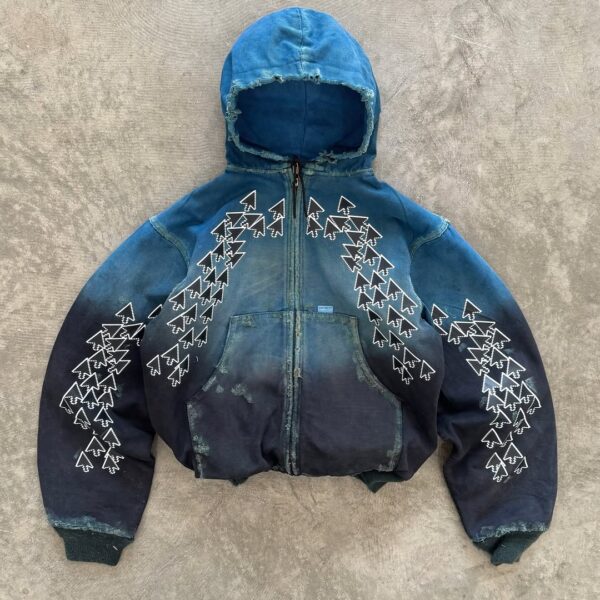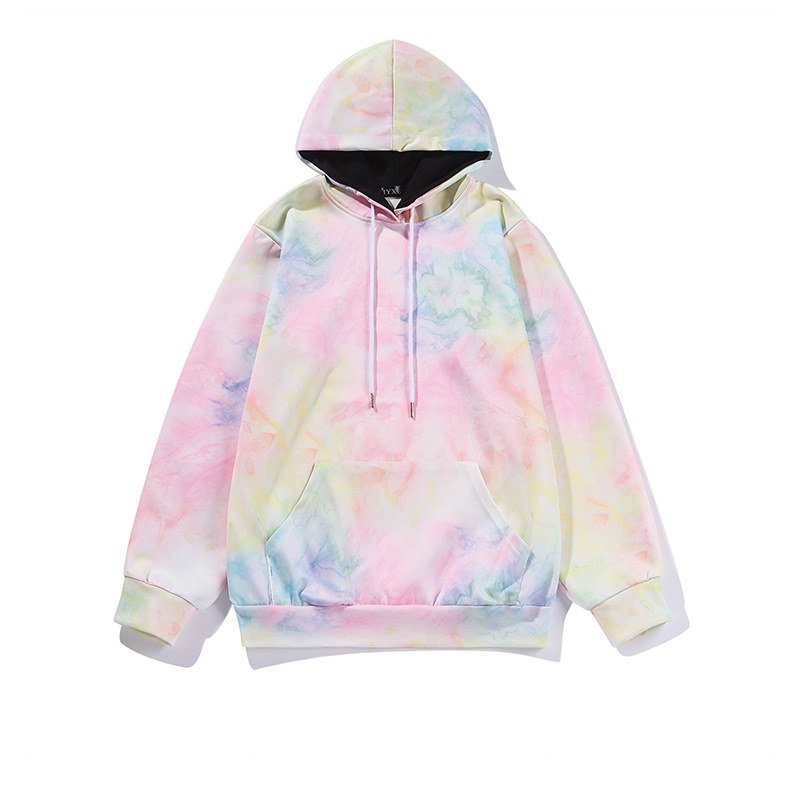
First things first: What is Print on Demand Clothing?
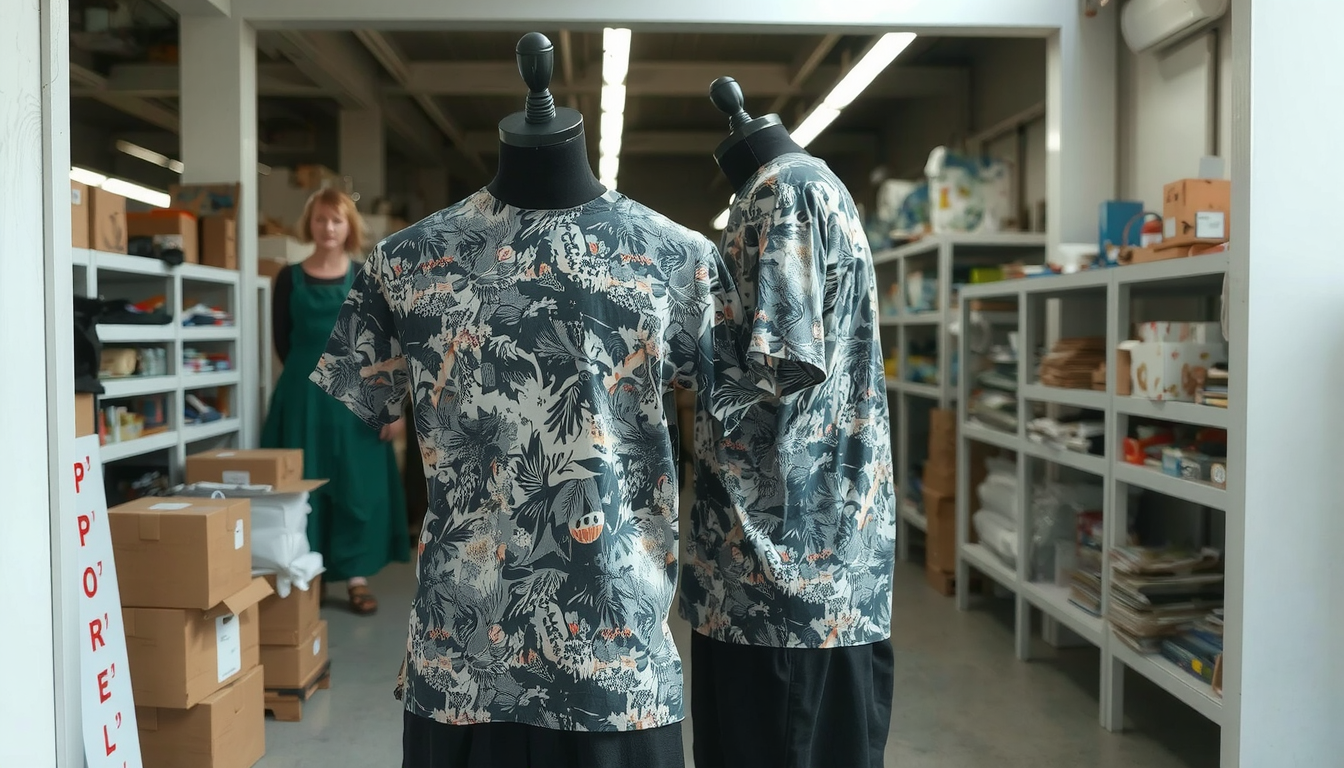
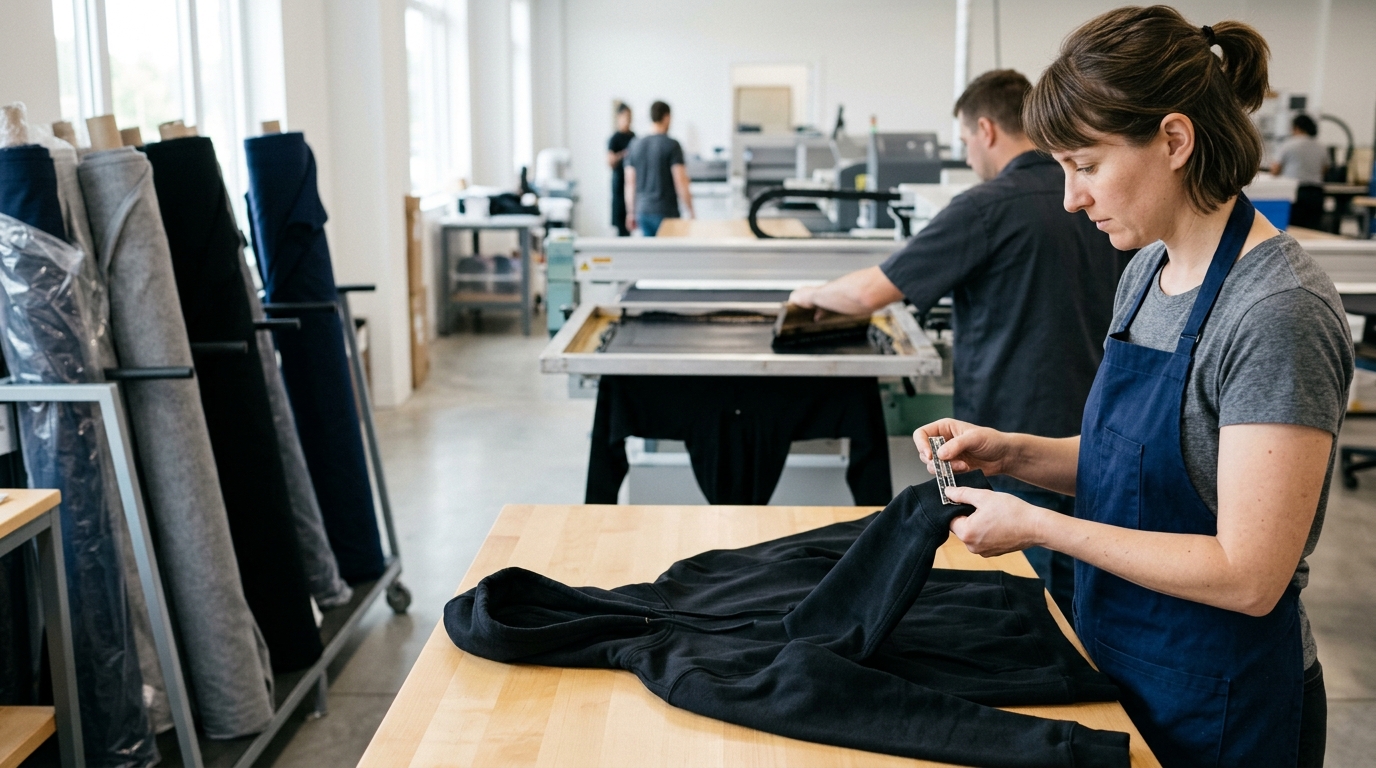
Print on demand clothing is a business model. It allows you to sell custom clothes on the internet for free. You create the designs. A partner firm does everything else.
The procedure is straightforward. You cooperate with a print on demand (POD) company. They only print, pack, and ship your clothes after a customer buys them from your online store. Thus, you never have to buy or stock any items yourself.
This model is a fantastic approach to the clothing business. Here are the main reasons:
- No inventory investment
- Low start-up risk
- A large selection of products
- Focus on design and promotion
The Main Process: How a POD Business Works
Understanding the steps makes the establishment of a print on demand clothing business feel more real. The steps can be outlined as follows.
-
Step 1: You Create Your Design & Select Products
You design your artwork and select which blank items to sell such as t-shirts, hoodies or hats. -
Step 2: You Set Up Your Online Store
You create a storefront on a platform like Shopify or Etsy. Customers can find and buy your products from there. -
Step 3: You Connect Your Store to a POD Partner
You link your store with the chosen POD company using an app that is built for it. This automates the whole procedure. -
Step 4: A Customer Places an Order from Your Store
Someone buys a t-shirt with your own design from your online store and pays you the retail price. -
Step 5: The Order is Sent to Your POD Partner
Your store sends the order information to your partner instantly, so you do not have to do anything. -
Step 6: Your Partner Prints, Packs, and Ships the Clothing
The partner company prints your design on the blank garment, packages it, and sends it directly to your customer.

- Step 7: You Keep the Profit
The POD partner will charge you for the blank product and their service. The difference between what the customer paid you and what you paid the partner is yours to keep.
More Than the Logo: Building a Real Brand
Many people begin their journey by selling print on demand clothing; very few, however, manage to create a brand. The company is more than just a logo on a shirt. It is a story, a feeling, and a promise to your customers. This is how you create a business that lasts.
What You Sell Is Your True Self
Everyone can just go online and put a humorous graphic on a t-shirt. A true brand, on the other hand, is shaped by identity. It is perceived through the products it offers which are believed to belong to a certain culture or a viewpoint. The customers are buying the product and the identity that you have created.
Finding Your Niche and Voice
It is impossible to appeal to all people. The most powerful brands are those which cater to a particular group, that is, they are very specific about their niche. For instance, yours could be the retro video-games fans, the minimalist city dwellers, or the people who adore hiking.
Upon identifying the target market, you can start creating a brand voice. It can be funny and sarcastic. It can be only inspirational and serious. Your voice should be reflected on your website, social media, and product descriptions.
The Brand Story
Your story is the thing that connects you to your audience. What was the reason why you started this brand? What is your faith? What is your mission? People like to stand behind brands which are for something. When you share your values, you create trust and loyalty. If you want to know more about this issue, you should check our guide on how to craft a brand introduction.
Design as Your Story
The designs should be a visual part of your brand’s story. They have to go beyond just random cool graphics. You should have a design that stands for your brand’s identity. All the items should make you feel like you are in the same creative universe. At TZ Streetwear, we think that every piece should carry brand core values.

Tools Selection: Important Printing Types
The printing method that is used significantly influences the quality of your print on demand clothing. Familiarity with the different types allows you to choose the best materials and printing companies for your business.
The Quality of the Prints Is Different
Different fabrics and designs are better served by different techniques. Knowing the advantages and disadvantages of each will help you to deliver the product that your customers will love.
| Printing Method | How It Works | Best For (Fabric) | Pros | Cons |
|---|---|---|---|---|
| Direct-to-Garment (DTG) | Ink is sprayed directly onto the fabric like a paper printer. | 100% Cotton | Great for complex, colorful designs. Soft feel. | Not ideal for polyester. Can have less vibrance on dark colors. |
| Direct-to-Film (DTF) | The design is printed on a special film, then heat-pressed onto the garment. | Cotton, Polyester, Blends | Very bright colors on any fabric. Lasts long. | Print can feel like a layer on top of the fabric. |
| Dye-Sublimation | Ink turns into a gas and fuses into the fabric fibers. | 100% Polyester | Creates permanent, all-over prints that never crack or peel. | Only works on light-colored synthetic fabrics. |
| Embroidery | Designs are stitched into the fabric with thread. | Heavier fabrics like hats, polos, hoodies. | Premium, textured look. Very durable. | Not appropriate for complex, colorful images. Higher cost. |
Your Launch Checklist: From Partners to a Sale
The very act of getting your store up and running may be feeling unobtainable. We have compiled a simple checklist from our experience to show you through the most crucial steps. If you follow this plan, you will be able to avoid most common mistakes.
Step 1: Picking and Vetting a POD Partner
Your partner is the most significant constituent of your print on demand clothing business. You need to consider their product catalog, print quality reviews, average shipping times, and how to easily connect your store. Other platforms have different strengths. For example, some like PODpartner are a one-stop-shop offering various solutions. Alternatively, platforms such as Merchize can be more focused on specific niches or low-cost blanks.
Step 2: The Order of The Sample
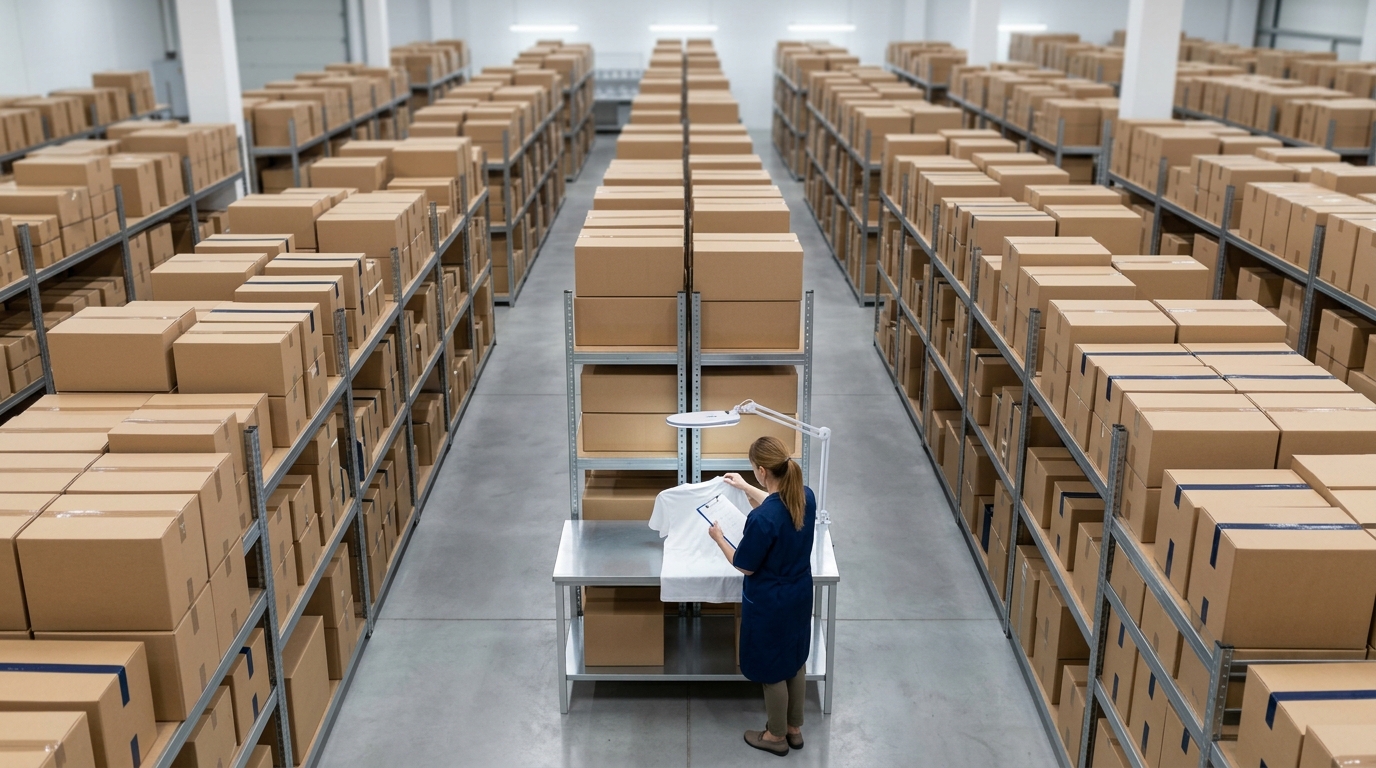
This is a mandatory step. You must order product samples before you can list them. There is no better way to investigate what your customers will get. We always recommend that you should request samples from your top 2-3 preferred partners to compare them side by side.
After the sample products you ordered arrive check the following:
* Print Quality: Are the colors accurate? Are the lines sharp?
* Garment Quality: Did the fabric feel good? Is the stitching neat?
* Wash Durability: What does the shirt and print look like after several washes?
* Packaging: Is it packed securely and professionally?

Step 3: Fine-tuning Your Branding Options
Instead of just being a POD seller, you should look, and feel, like a real brand via custom branding. Numerous partners provide branding alternatives like custom neck labels, hang tags, and branded package inserts.
These small things bring huge changes to the customers’ experience. They show that you care about quality and your brand looks professional. Services like Tapstitch are doing make these tasks easy for new brands.
Step 4: Figuring Out Your Profit Margins
You need to be aware of your finances to be successful. You can calculate your profit per product by using the following simple formula:
(Your Retail Price – Partner’s Product Cost – Platform Fees) = Your Profit
Choose a retail price bringing a healthy profit margin. Do not forget to budget your spending for other things like marketing and design software.
Taking it a notch higher: Gradation from POD
Really, print on demand clothing is the best place for you to start. If anything, it may not be the only phase you go through. As your brand develops, you might notice that greater control and higher profit margins are essential. At this point, you may evolve to custom manufacturing.
Here are the indicators of moving past the elementary POD level:
- Your sales numbers are consistently high (for instance, 50+ sales of one design each month).
- You want to lower your cost-per-item to increase profits.
- You need fully custom garments with unique cuts, dyes, or fabrics that POD doesn’t offer.
- You want complete control over quality and branding from start to finish.
While at this juncture, engaging a specialist like a custom hoodie manufacturer can propel your brand to the next level.
Frequently asked questions on Print on Demand Clothing
How much money is required to kick start a POD clothing business?
Starting a POD business is easy due to the low level of investment. The major expenses are your e-commerce platform subscription (e.g., Shopify, starting from $29 a month), costs for ordering samples (around $50-$150), and any budget that you set for marketing. You only pay for a product after you have sold it.
Is it feasible to realize good returns through print on demand clothing?
Of course, on the condition that it’s not just about cool designs. Success, however, hinges on making a stronger brand, pinpointing the right niche, and marketing skills. Itemized profits on each product are lower than those of bulk inventories and hence building a customer base and achieving sustained sales are critical to a good income.
Is there a difference between print on demand and dropshipping?
Print on demand is a sub-type of dropshipping. In dropshipping mode, you sell products that are already made by another company. In contrast to print on demand, where the order is empty, and your design is added to it later. POD is all about product customization.
What are the top-selling print on demand clothing products?
Some classics will never shake off the popularity contest. Standard unisex T-shirts, heavyweight pullovers, and crew neck sweatshirts are usually the best-selling items. These are products that all people can relate to and they are simple to create designs for. For a specific segment, such niche products like crop tops, joggers, or hats can also gain huge success.
How can I keep my clothing designs safe from being imitated by others?
This can become an issue in e-commerce, yet you can still avoid it. At the law level, you can copyright your unique designs. On the practical side, the strongest protection comes from building a brand that is robust enough that consumers want the real deal from you and not a counterfeit. Some of the other tactics could be: watermarks on your product images and services to help with takedown notices if you find direct copies.