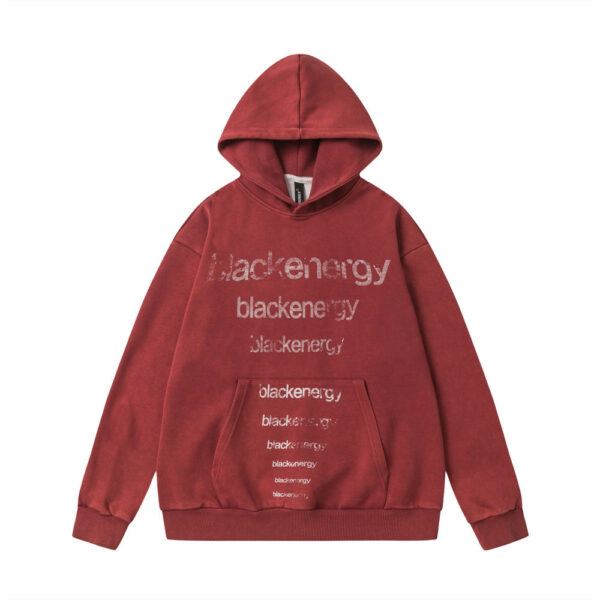
Do you need peculiar t-shirts for an event, a special gift, or promotion of your brand? You are very right to be here. The process of finding local printing services for clothes can be like looking for a needle in a haystack. But it doesn’t have to be.
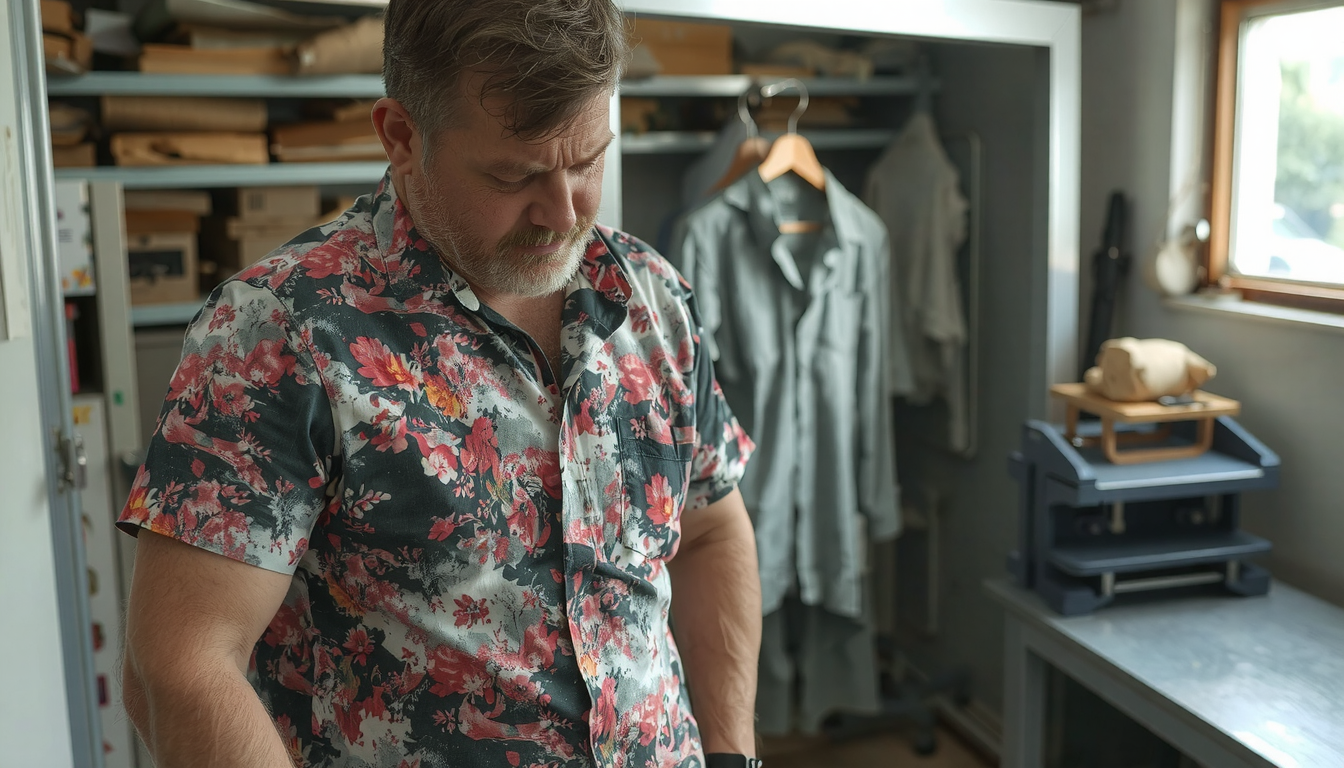
We have put together a guideline for you to find the best local services available for printing on clothes near me. You will also be shown how to choose the print method that is best suited to your project. Moreover, we will help you set your design so that you achieve a perfect outcome every time. Let us roll.
The Most Effective Strategies for Locating Local Clothes Printing Services
To find a good printer, you need to do more than just a quick search. Making a plan to search out the best printing houses in your area is crucial. The use of keywords and checking their previous work will lead you to an excellent partner for your customized clothing line requirements.
Effective Search Strategies
If you want to find something, first you need to strategize. Use phrases that are related to your projects. In such a way, you will reach the right audience.
- Go through your search string, if you need shirts for your group, “screen printing for bands near me” is a good one.
- Use expressions like “DTG shirt printing in [Your City]” for complete, colorful designs.
- In case you are in a rush, search for “same day t-shirt printing” to find the shops that offer quick service.
Analyzing Prospective Shops
After gathering a list of the shops, the next thing is to survey them. Noting down would help you not to fall into such mistakes in the future.
- Help of Online Reviews: Browse, look and read at Google, Yelp and Facebook. Issues that customers faced recently must be read, what they have to say about their experience. Look out for remarks about quality and service.
- Look at Their Work: A print house should display its portfolio on its website. You should check if the images or gallery are available. Does what they did in the past match the quality and style you want?
- Call and Ask Questions: Making a phone call is a very significant step. Your inquiries will provide you with valuable information about their customer service and knowledge. Finding a cordial and helpful person on the phone is a good indicator.
You’ll Have to Print Right for Your Needs
The “best” way to print on clothes also depends on your project. The design, the quantity of the items you need, and your budget all play a key role. Learning about the different printing techniques helps you to make the best decision. Often, the selection of a local clothes printing service comes down to the equipment and technologies they have.
Printing is Common
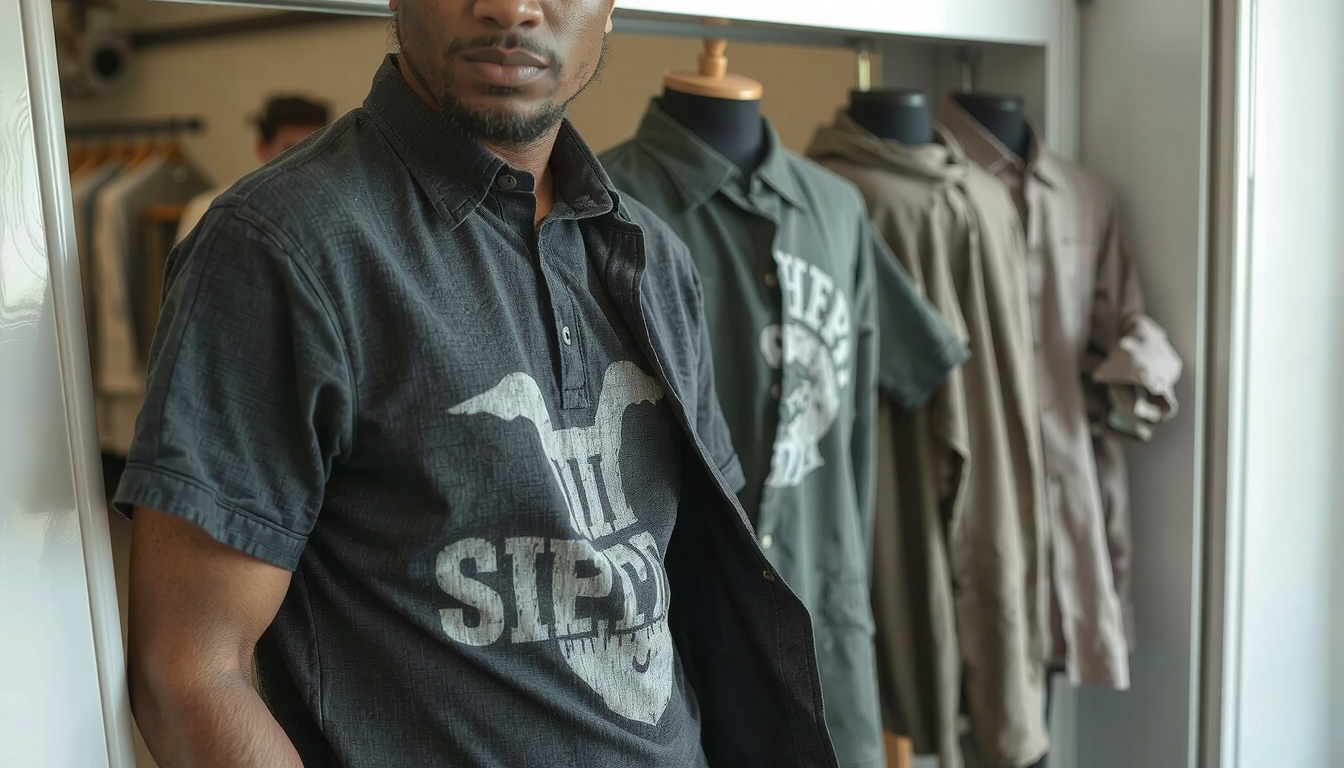
All the print methods have good sides. Here is a simple layout of the most common techniques that you’ll find available.
- Screen Printing: The traditional way to go for t-shirt printers is to use screen printing. With it, screens are used to push ink onto the fabric. It’s the best for larger orders and simple designs with one or several colors. The results are bright and strong.
- Direct-to-Garment (DTG): Direct-to-garment printing can be thought of as an inkjet printer for textile materials. It sprays ink directly onto the garment. DTG is the ideal method for running one-off items or small orders. Most importantly, it can print highly detailed images, like photographs, multi-color designs.
- Direct-to-Film (DTF): DTF is a more advanced method that is flexible. Your design is first printed onto a special film. Later, it is heat-pressed onto your clothing. You can use almost any type of DTF, including cotton, polyester and blends. DTF is now offered by Custom T-Shirts & Wraps in Miami in most of the major stores due to its perfect and colorful sharpness.
- Heat Transfer Vinyl (HTV): The printing process uses heat and vinyl to create graphics. A cutting machine creates shapes out of a vinyl sheet, which a heat press then applies to the garment. HTV is usually used for plain text, figures, or one-color logos, which many sports teams use.
- Embroidery: This isn’t printing, but a widely used form of clothing decoration. Embroidery stitches a design with thread, which means that a logo is not printed but sewn directly into the fabric. It gives a more textured and professional look, so it is ideal for items such as caps and jackets.
The Comparison of Different Printing Methods
A comparison table below that highlights the pros and cons of the most widely used methods. Just input some details about your project, and it will tell you the best option.
| Feature | Screen Printing | Direct-to-Garment (DTG) | Direct-to-Film (DTF) | Heat Transfer Vinyl (HTV) |
|---|---|---|---|---|
| Best for Quantity | Large orders (24+) | Single items or small runs | Small to large orders | Single items or small runs |
| Design Complexity | Simple (few colors) | Very complex, photos | Complex, full-color | Simple, text & logos |
| Cost (Low Volume) | High per item | Low per item | Medium per item | Medium per item |
| Cost (High Volume) | Very low per item | High per item | Medium per item | High per item |
| Durability | Excellent | Very Good | Excellent | Good |
| Feel on Fabric | Can be thick | Soft, breathable | Smooth, flexible | Layer on top |
Further Your Knowledge of the Craft
As you think of launching your clothing brand, learning these methods and techniques is the first step. You should bear in mind that knowing how different prints are made helps you design better products. You can dive deeper into the craft introduction to uncover the solid baseline of knowledge.
Your Guide to Pre-Printing: A Step-by-Step Approach
So you want to get a good print? Don’t worry. You just need to tick the checkbox. As you follow the simple checklist, you will be going through the right process step by step. This approach will keep you from the usual mistakes and makes it easy to work with local printers. This is the main secret to a successful print on clothes.
Step 1: Finalize Your Design
The design is the core feature of the product. Good files make good prints.
Printers prefer vector files that are made of points and lines and can be managed in any size without distortion. The common vector formats are .AI, .EPS, and .SVG. If a vector file cannot be submitted, a high-quality raster file can be submitted that consists of pixels, e.g. a photograph. Save your design as a .PNG file with a transparent background, and it has to be at least 300 DPI (dots per inch) at the size you want to be printed.
Step 2: Choose Your Clothing
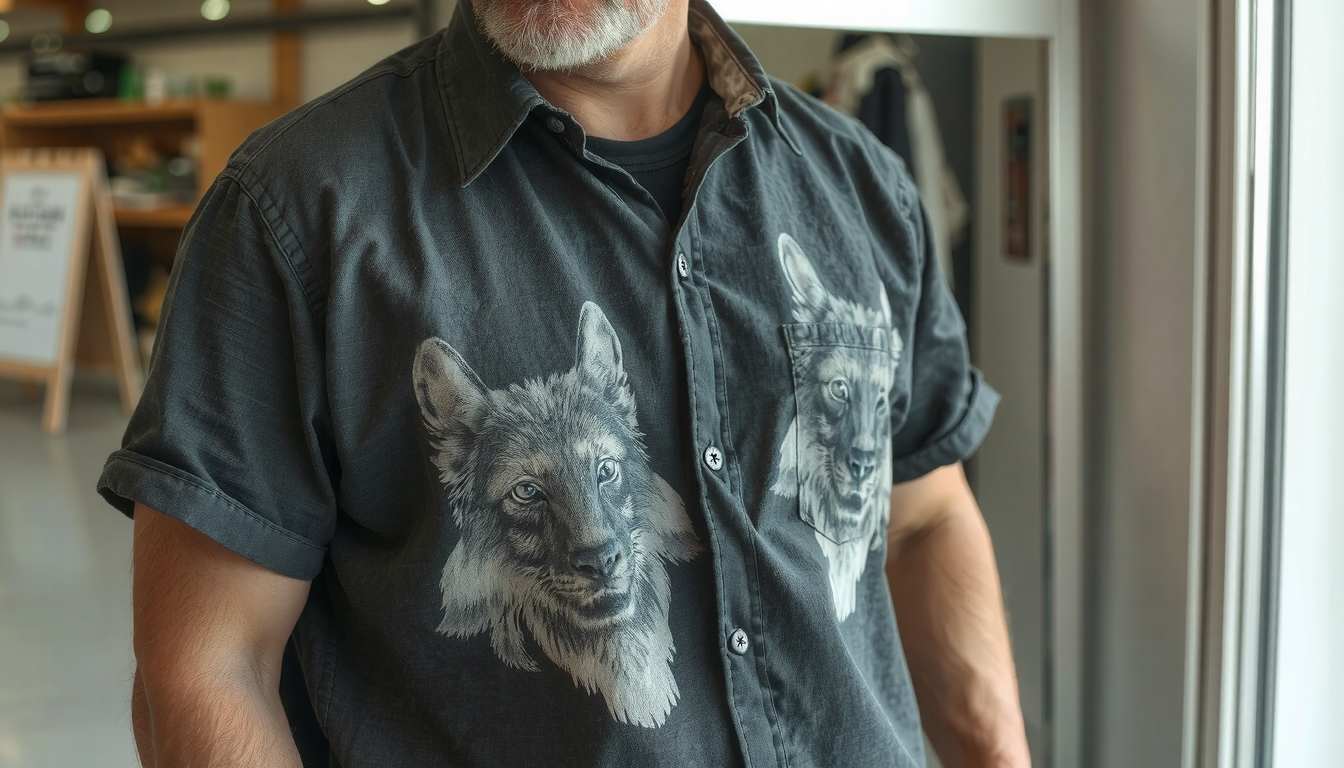
The selected apparel of clothing has a great impact on the final design and model. This is the right time to think about the fabric. Is it better to go with 100% cotton or a polyester blend for performance?
Think as well about the brand, color, and fit. The majority of the print shops can provide clothes for you through their suppliers. Ask them for a catalog. Some shops might let you bring your own clothing, but first, ask.
Step 3: Get a Clear Quote
Don’t ever step into a project without a clear quote. A broken-down view of all expenses will help you a lot.
Key questions should be lined up for you to ask: What is the overall cost for the order? Are there any setup fees? What would the price be per shirt if I ordered 24, 48, or 100? What would the estimated turnaround time be? For screen printing, setup fees are to be expected from $20-$50 per screen, which is, of course, per color in your design. However, DTG printing usually has no setup fees.
Step 4: Give the Preview the Green Light
The printer will first send you a digital proof, or what is known as a mock-up. This document will show you what your design will look like on the clothes.
Examine it thoroughly. Check for any spelling mistakes. Make sure the colors, size, and placement of the design are as you want them. Once you give the nod to the mock-up, the printer will commence to work. You have only this one last chance to make the suggested changes.
Calculation of the Cost, Production Time and Order Minimums
Regarding costs, time limits, and the lowest orders, people ask the most questions. Practicing these factors will lead you to a service for printing on clothes near me with a proper budget and timelines.
What Causes the Price to Change?
The final amount you will pay for your customized garments is dependent on several variables.
- Different Clothing: A normal t-shirt sells cheaper than a premium hoodie or jacket.
- Color Count: With screen printing, additional colors mean additional screens and higher setup costs.
- Positional Prints: Printing on the front and back will cost more than just the front.
- The Overall Number of Items: Plenty of items results in lower costs, in particular with screen printing.
How Long Before I Get My Clothes Printed?
Turnaround time may differ. A standard request normally takes about 5 to 10 business days. This time is given to the shop for ordering clothes and scheduling the work.
If you want it faster, many shops have rush services for an extra charge. Some companies are constructed to be speedy in their delivery. They will, in fact, offer services such as same-day service for teams and individuals, which is the answer for those who run at the last minute.
“No Minimum” vs. Bulk Orders
It is not necessary for every project to have a number of shirts.
DTG and DTF printing are the most appropriate for the “no minimum” orders. Thus, you may request one piece only. This option is convenient for gifts or trying a new design. There are also local printers, such as Same Day Custom T-Shirts & Screen Printing in Miami, Florida, who have no minimums as one of their main characteristics.
Screen printing is designed for larger runs. It becomes a lot more affordable per item in your order when you hit a threshold of usually at least 24 pieces. A great example would be with teams, events, or companies.
Beyond T-Shirts: Expanding Your Custom Clothes Options
Custom printing is not just limited to t-shirts. You can implement your design on a range of different clothes. It is one of the best ways to promote a clothing line or make personalized items for your team or company. Thinking outside the box with the t-shirt approach brings a lot of creative miracles.
Popular Items for Custom Printing
Here are some popular items to consider customizing:
- Hoodies & Sweatshirts
- Hats & Beanies
- Tote Bags
- Tank Tops
- Polos
- Jackets
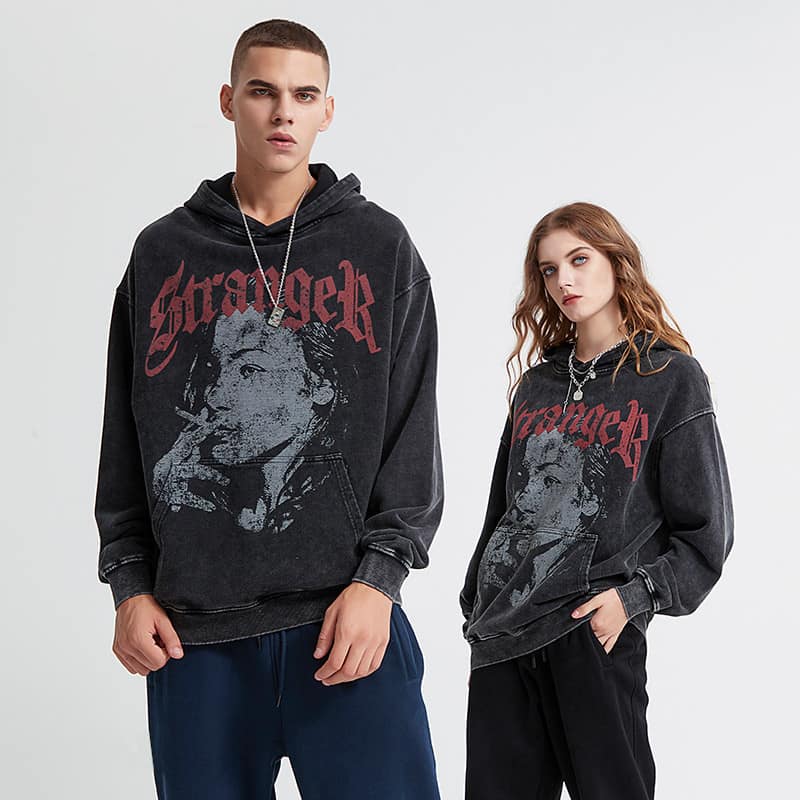
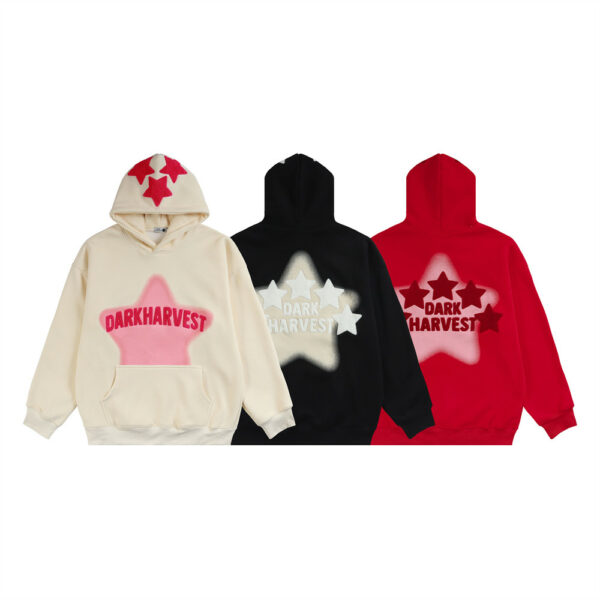
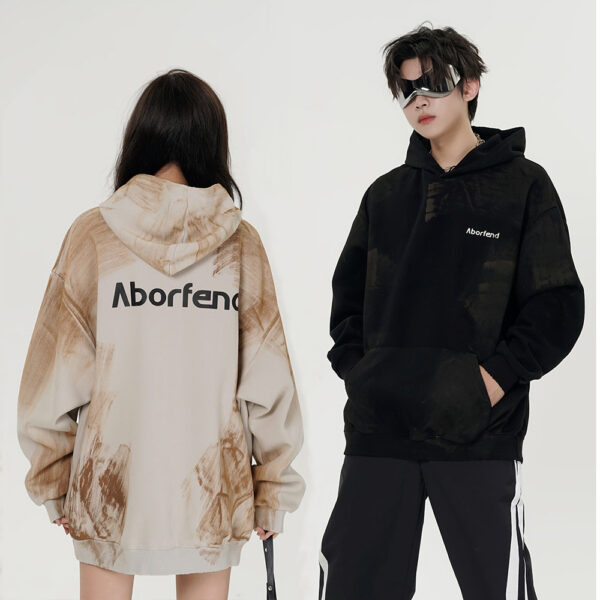
A unique hoodies line can be built through creating a unique line of them. In order for your products to be of the best quality, consider the expert services of a custom hoodie manufacturer. They will assist you with fabric choices, fit, and complex designs.
FAQ: Your Questions About Printing on Clothes, Answered
Here are some answers to those frequently asked questions which people ask the custom clothers.
1. What is the cheapest way to get a single shirt printed?
For a single, custom shirt, Direct-to-Garment (DTG) printing is almost always the most affordable and effective option. This is especially true for designs that have many colors or fine details, like a photograph.
2. Can I bring my own clothes to a print shop?
This depends on the shop’s policy. Some shops allow it, but they might charge a higher printing fee. They also might not guarantee the print’s quality or strength on a piece they did not provide. It is always best to call and ask first.
3. How long will the print on my custom shirt last?
Strength varies by the print method used. Screen prints are very strong, and with the right care, they can last for many years. High-quality DTG and DTF prints also have a long life. They may, however, need to handle 50 or more washes before they start to show any fading.
4. What’s the difference between finding printing on clothes near me and using a big online-only company?
A local shop provides personal, face-to-face service. You will have the opportunity to see and feel samples of clothes. No shipping costs will be incurred if you happen to pick up your order. Local shops can also provide faster service because of the shorter turnaround times. The online companies may have a wider choice of items available but they are not as personal, and they do not provide immediate local expert support.
5. How do I make sure that the colors in my design print correctly?
If you have them, the best way to get accurate colors is to provide your printer with Pantone (PMS) color codes. If not, be aware that the colors you see on your screen (which use an RGB color model) might appear a bit different when they are printed on the fabric (which uses a CMYK ink process). Always approve the digital mock-up, and for large orders, ask if a physical sample is possible.
Your Partner in Custom Clothes
Finding the right local printer is about matching the best print method, budget, and timeline to your specific project. With the right information, you can confidently choose a partner to bring your ideas to life. This guide gives you the tools to find a great shop for printing on clothes near me.
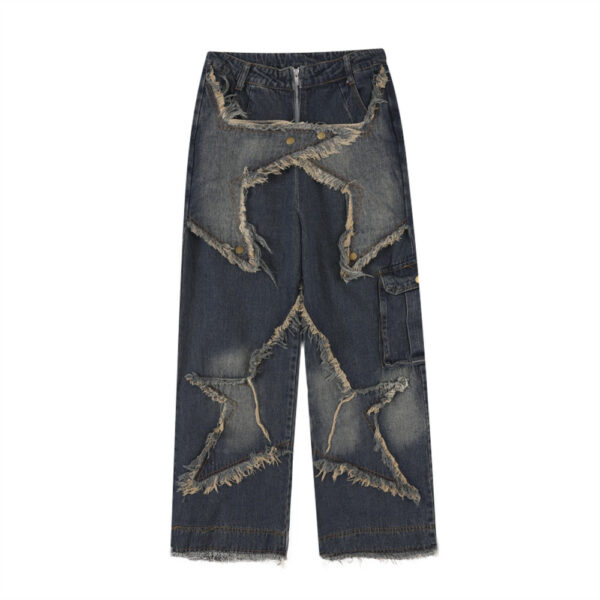
Whether you are just starting or ready to grow your brand, making smart choices is key. At TZ Streetwear, we are passionate about helping creators bring their visions to life with quality and expertise.

-600x600.jpg)