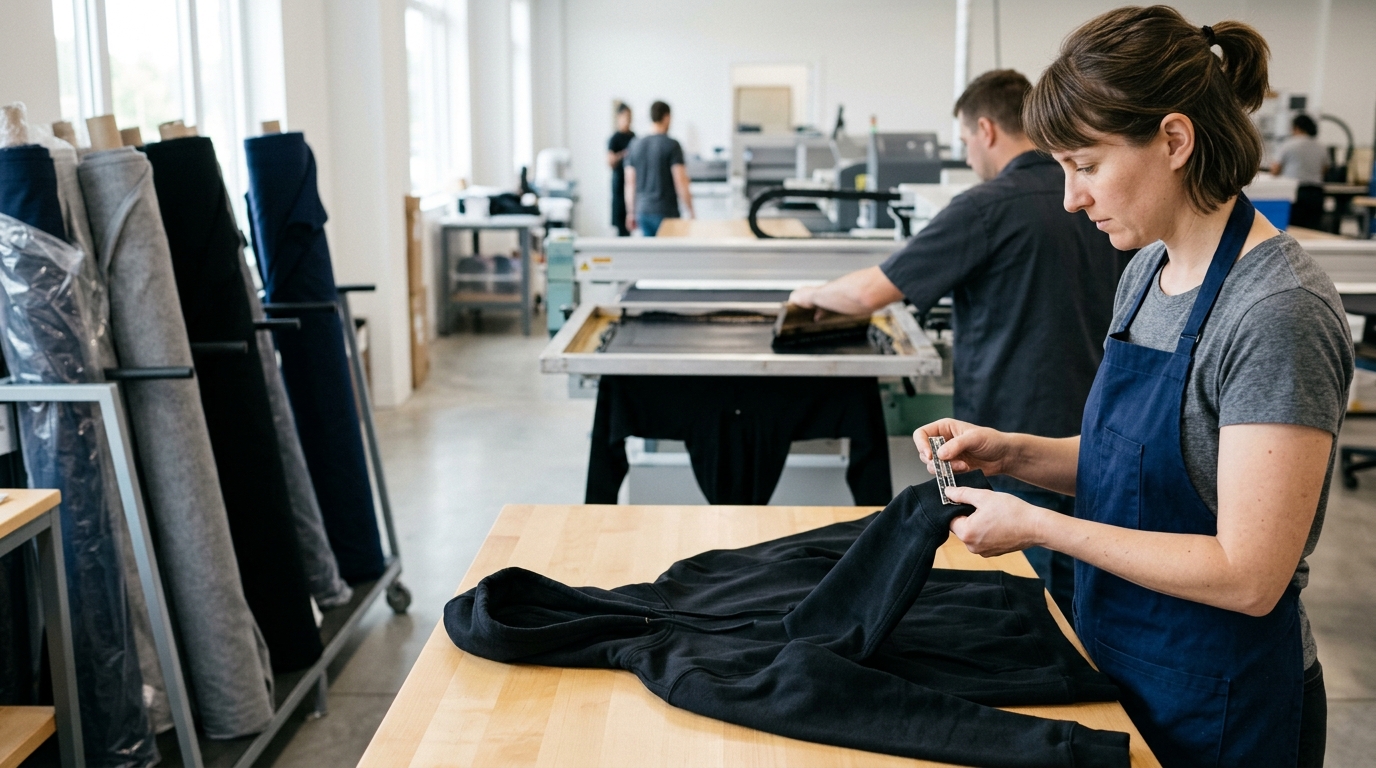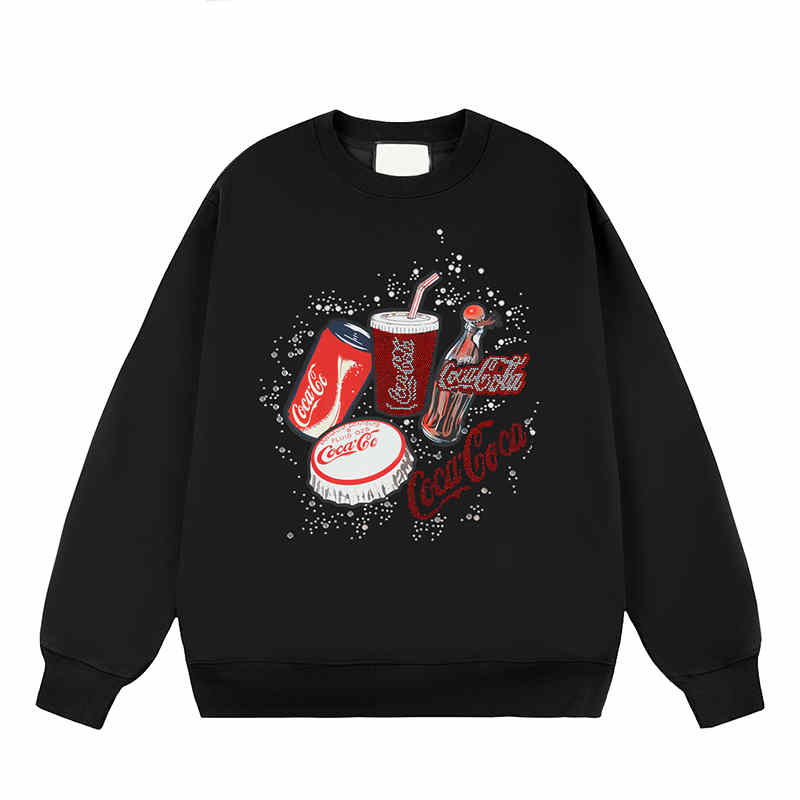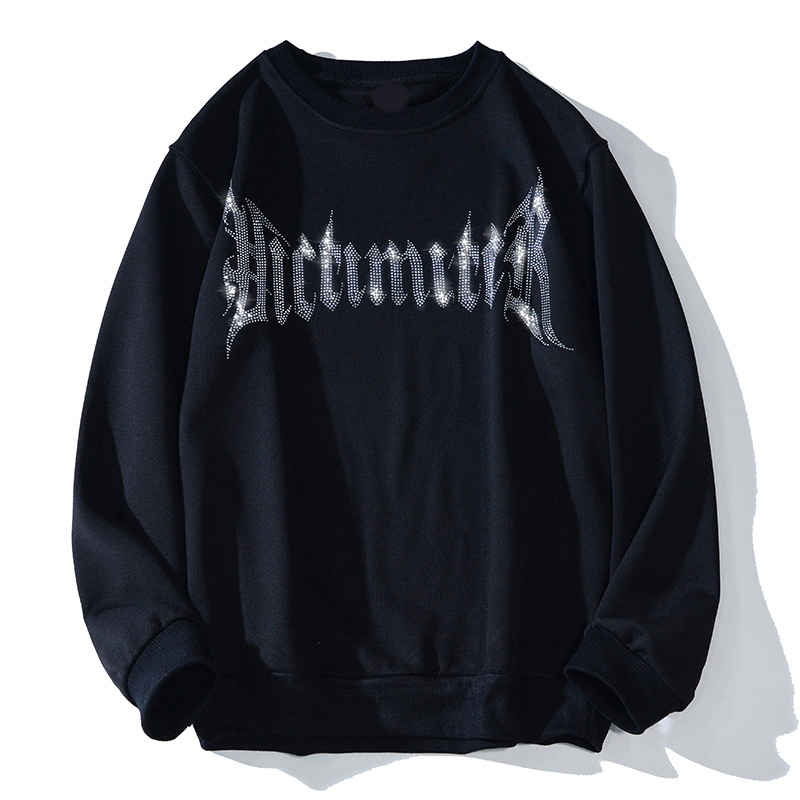
You are searching for “custom clothing printing near me” because of your exhausting need for great clothes. This guide will be your roadmap to finding local solutions.
We will show you how to find local printers. We will also tell you what to look for. This guide works for business, events, or personal use.
We will cover print methods, local shops, and design prep.
Step 1: How to Find Local Printers
The first most important aspect is that of identifying the local printer, the place where you can print your clothes. You have to know where to look. The right tools when used will cut your search time.
Using Digital Tools for Your Search
These tools help you find local custom apparel printing.
- Google Maps: This works best. Search for “screen printing,” “custom t-shirts,” and “embroidery.” These words give you more choices.
- Local Directories: Websites like Yelp and Thumbtack list local shops. Your local Chamber of Commerce site also helps. They list reviewed printers.
- Social Media: Look on Instagram and Facebook. Search for local printers by name. Check photos they are tagged in. This shows real customer work.
What to Look for in Listings
When you see printer lists, look for key details. Good business pages show their services clearly. For example, some providers like Instant Imprints San Antonio, TX | Custom T-Shirts, Embroidery … list everything they offer.
Also, check turnaround times. If you need your order fast, this matters a lot. Finding good custom clothing printing near me often comes down to speed and quality.
Step 2: Choosing the Right Printing Method
The right print method makes a great final product. It depends on your design and how many items you need. It also depends on the feel you want. Knowing these options helps you talk with printers.
DTG vs. Screen Printing vs. Embroidery
These are the three main ways to customize clothes. Each one has strengths. Picking the right one prevents mistakes. It also saves money. A local expert in custom clothing printing can guide you.
We made a table to help you compare them.
| Feature | Direct-to-Garment (DTG) | Screen Printing | Embroidery |
|---|---|---|---|
| Best For | Complex, multi-color designs; photos; small orders. | Large orders (24+); simple logos with few colors. | Professional look; logos on polos, hats, jackets. |
| Feel | Soft, ink goes into the fabric. | Thicker ink layer on top of the fabric. | Textured, raised, and durable stitching. |
| Cost | Good for single items or small batches. | Low cost for bulk orders; has a setup cost. | Higher per-item cost; priced by stitch count. |
| Durability | Good, but can fade with many washes. | Excellent, very durable and long-lasting. | Extremely durable, often outlasts the garment. |
When to Use Heat Transfer Vinyl (HTV)
Heat Transfer Vinyl, or HTV, is another good choice. It works great for simple names and numbers on sports jerseys. It is also good for one-of-a-kind funny shirts. HTV uses heat and pressure.
If you are starting a brand, these basic methods matter a lot. You can learn more about choosing the right craft for your brand introduction.
Step 3: Checking Your Local Print Shop
Once you find options for custom clothing printing near me, you need to check them out. A good choice means no bad surprises.
Based on our experience, here are key questions to ask. Use this checklist before you order. It helps you avoid poor quality, hidden fees, and missed deadlines.
Your Pre-Order Checklist
- Review Their Work & Samples: Do they have clear photos of past work? Ask if you can see a real sample. Quality you can see is a good sign.
- Read Recent Reviews: Look for reviews about communication, quality, and speed. What do other customers say?
- Ask About Minimum Orders: Ask if they have a minimum order. This matters for small projects. Many shops like Local Custom T-Shirts & Screen Printing Hesperi… offer no minimums. This is a big plus.
- Confirm Delivery Times: Get a firm delivery date. Does “same-day” mean by end of day or within 24 hours? Clear timing is key.
- Understand the Proof Process: A proof is a digital preview of your design on the shirt. Ask if you will get one to approve first. This step is a must.
- Ask About Clothing Options: What clothing brands do they use? Can you bring your own clothes for them to print on?
- Get a Clear Quote: Your price quote should be detailed. Make sure it lists setup fees and cost for each item. This prevents surprise costs later.
Local vs. Online: Making Your Choice
You can pick among a local store and a large online organization. Both have their advantages. Your project size and needs are the main factors for deciding the right one.
The Benefits of Local Service
A local custom clothing printing service offers a personal touch.
- You can talk to them face-to-face.
- It is easy to see and touch real samples.
- They may offer faster service for small, simple orders.
- You support a business in your community.
Many people need their items very fast. Services that focus on speed, like Local Custom T-Shirts & Screen Printing Victorville…, build their business around this need.
When to Choose Online Companies
An online custom company can be better for some projects.
- Special Items: For unique items like high-end hoodies, a specialized custom hoodie manufacturer may have better fabric and style options.
- Scale & Same Quality: For big orders for a brand, a company can give you the same quality on every item. The price per shirt may also be lower.
- Full Service: Many online companies like TZ Streetwear handle everything. They source, make, print, and finish the clothes. This is great for new brand owners.
The global custom t-shirt printing market is worth billions. It keeps growing. This shows a strong need for both local and online printing services.
Step 4: Getting Your Design Ready for Print
A great print starts with a great design file. Preparing your art correctly helps avoid problems. It saves time and makes sure the final product looks right.
Quick Tips for Print-Ready Art
- Vector is Best: For logos and text, use vector files. These file types (.AI, .EPS, .SVG) can be made any size without losing quality.
- High-Quality Images: If you use an image file (.PNG, .PSD), make sure it is high quality. It should be at least 300 DPI at the size you want to print.
- Clear Background: For a logo that stands alone, save the file with a clear background. This prevents a white box from printing around your design.
- Outline Fonts: To avoid font problems, turn all text into shapes. This is called “outlining fonts.”
Conclusion: Making Your Choice with Confidence
Finding the best custom clothing printing near me is a clear process. You need to find local shops, check their work, pick the right print method, and prepare your design.
Whether you pick a local printer for speed or an online maker for special items, you are ready. You have the tools to find the perfect partner for your custom clothing needs.
Frequently Asked Questions (FAQ) about Custom Clothing Printing
How much does it cost to get a custom shirt printed?
Costs change a lot. They depend on the print method, number of shirts, shirt type, and design. A single DTG shirt may cost $20-$30. A large screen-printed order could be under $10 per shirt. Always ask for a detailed quote first.
What is the fastest way to get custom clothing printing near me?
Direct-to-Garment (DTG) printing at a local shop is usually fastest. This works best for one or a few items. Some shops offer same-day service. You should call them first to see if they have time for your order.
Can I bring my own shirt to be printed?
Some local print shops let you do this. However, many do not. They cannot promise good print quality on a shirt they did not provide. They prefer to use their own tested clothes. Always ask the shop first.
What’s the difference between screen printing and digital printing (DTG)?
Screen printing uses stencils to push ink onto fabric. It works great for big orders with simple designs. Digital printing (DTG) works like a paper printer but for clothes. It is perfect for detailed, colorful designs on small orders.
Is there a minimum order for custom clothing?
This depends on the printer and method. DTG and Heat Transfer Vinyl often have no minimum order. Screen printing almost always needs a minimum, like 12 or 24 shirts. This is because it takes work to set up.