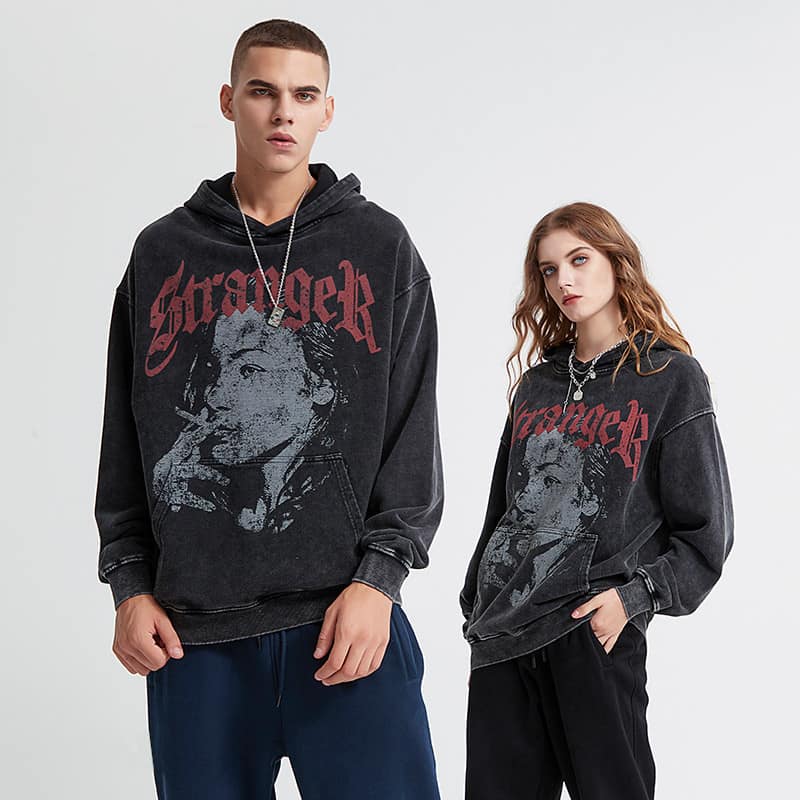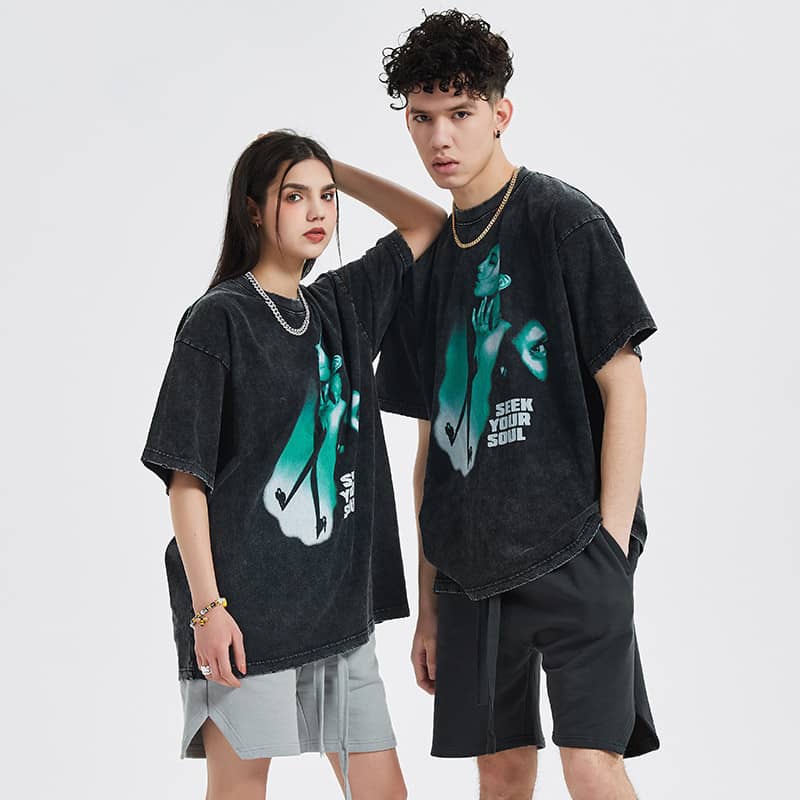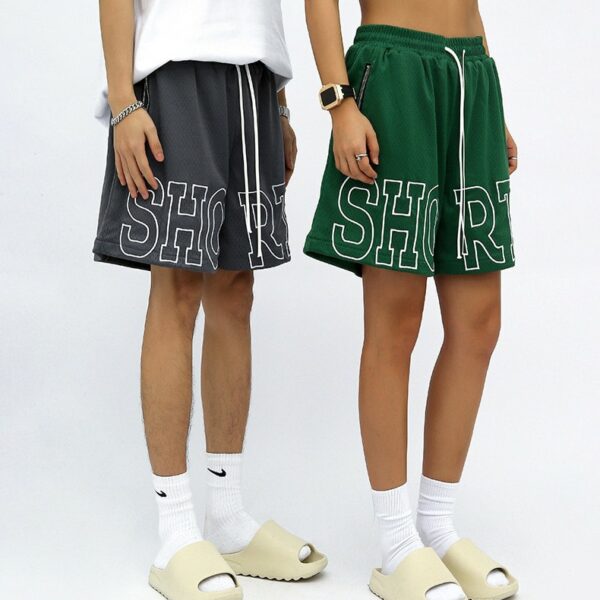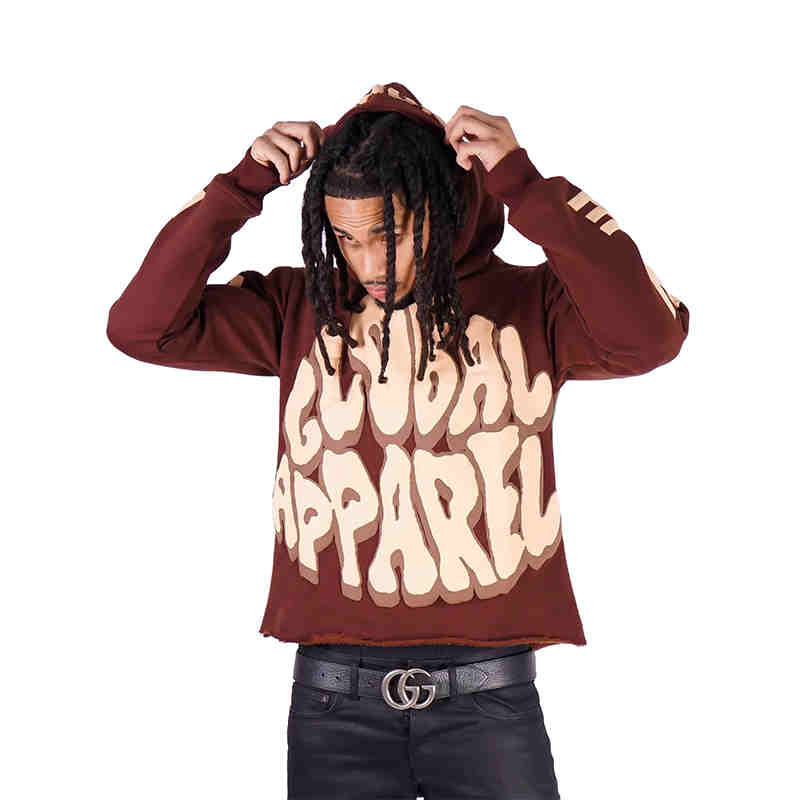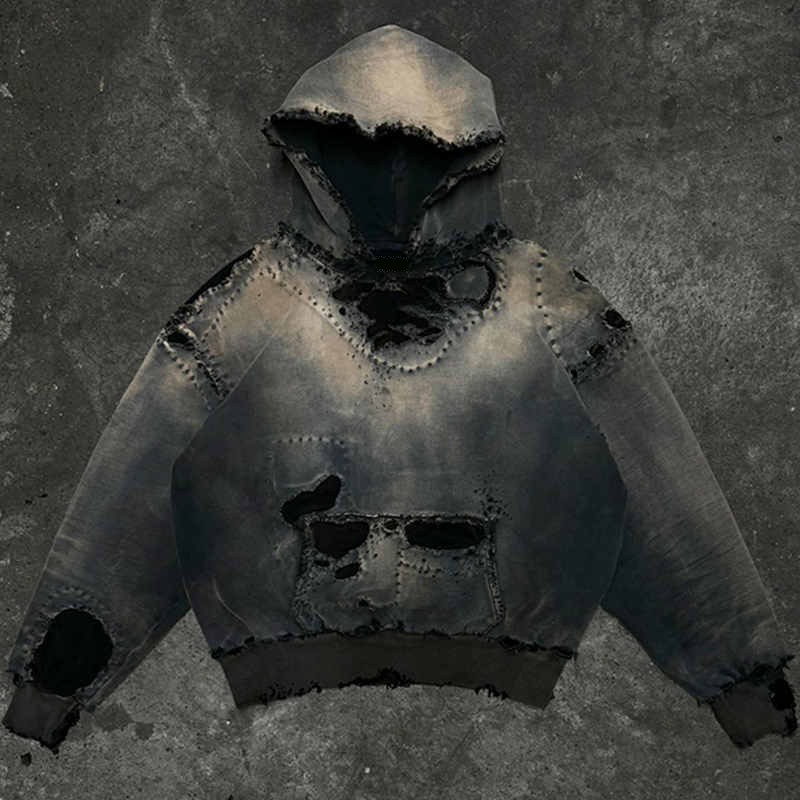
On-demand printing for clothing is a business model where you sell custom clothes. The clothes are only printed after a customer buys them. This means you don’t need to buy or store any products ahead of time. It’s a great way for artists, designers, and new business owners to start a clothing line. You don’t risk much money this way.

The market for this business is growing very fast. Recently published show signs of promising market trends. The global print on demand market was worth over $8.9 billion in 2024. It will grow by more than 23% each year.
This guide will show you everything you need to know. We will cover how on-demand printing works. We will also share expert tips to help you build a successful clothing brand from scratch.
How On-Demand Printing for Clothing Actually Works
The process might seem hard, but it’s quite simple for you. The on-demand printing model handles the tough parts. This lets you focus on making great designs and marketing your brand.
Here is how the whole process works, from your store to your customer’s door.
- You Set Up Your Store: First, you pick an online store platform like Shopify or Etsy. Then, you connect it to a print on demand (POD) partner company.
- You Create a Product: You upload your unique design. You put it on a digital picture of a t-shirt, hoodie, or other product from your partner’s list.
- A Customer Places an Order: A customer finds your product online. They love your design and buy it from your store.
- Order is Sent to the POD Partner: Your online store sends the order details to your printing partner automatically. This includes the design, product type, size, color, and shipping address.
- The Partner Prints & Ships: The partner company takes a blank piece of clothing and prints your design on it. They package it and ship it straight to your customer.
- You Get Paid: Your customer pays you the full price. The POD partner charges you for the blank product and shipping. The money left over is your profit.
Is the POD Model Right for Your Brand?
On-demand printing clothing is a great chance, but it’s not perfect for everyone. You need to understand both the good and bad parts. This will help you decide if it’s right for your new clothing brand.
We made a simple table to show the pros and cons. This will help you see if the benefits are better than the challenges for your goals.
| Pros of On-Demand Printing | Cons of On-Demand Printing |
|---|---|
| No Inventory, Low Risk: You only pay for what you sell. You don’t risk money on products that don’t sell. | Lower Profit Margins: The cost for one item is higher than buying many at once. This means you make less profit per sale. |
| Endless Testing: You can test hundreds of designs and products without paying money upfront. | Less Control Over Quality: You don’t see every item before it ships. You have to trust your partner’s quality control. |
| Wide Product Variety: You can offer many items like t-shirts, hats, and bags from day one. | Longer Delivery Times: Items are printed when ordered. They take longer to reach customers than pre-made goods. |
| Simple Logistics: You never have to worry about packing boxes, printing labels, or going to the post office. | Complex Shipping Costs: Shipping fees can change based on the provider, product, and where your customer lives. |
| Global Reach: Many partners have printing places around the world. This makes it easy to sell to anyone, anywhere. | Branding Limits: Custom options like tags and packaging can be limited or cost extra. This makes it harder to stand out. |

Beyond the Basics: Strategic Product Selection
Many people think on-demand printing is just putting a design on a t-shirt. To build a real brand, you need to think more carefully. The products you choose show your brand’s identity and quality. This is how you stand out in a crowded market.
Choosing Clothes That Match Your Brand
Your brand has a personality. Is it tough and strong, or soft and eco-friendly? The blank clothing you choose should match that feel. A streetwear brand needs different clothes than a yoga clothing brand. Think about who your customer is and what they would want to wear. This focus on a specific group is key for the rise of independent clothing brands using POD.
The Power of Premium Blanks
Never choose a product based only on price. A cheap, scratchy t-shirt will make customers unhappy and lead to bad reviews. A high-quality, soft piece of clothing makes your design look better. It also lets you charge a higher price. Customers can feel the difference. They will come back for more if they love the quality.
Branding Your On-Demand Clothing
To build a memorable brand, you need more than just a printed design. Many POD partners offer branding options that add a professional touch. These can include:
- Custom Neck Labels: A printed label inside the shirt with your logo instead of the maker’s tag.
- Hang Tags: Branded tags that hang from the clothing, just like in a retail store.
- Custom Packaging: Branded mailer bags or boxes that create a special unboxing experience.
- Pack-in Inserts: Small flyers or thank you cards with your brand’s message.
Creating a Matching Collection
Don’t just sell random items. Think like a real fashion brand and create collections. Group products by a theme, color story, or design style. This makes your store look more professional. It also encourages customers to buy multiple items. Developing this brand identity is a basic step. For more help with this process, check out our guide on how to craft your brand introduction.
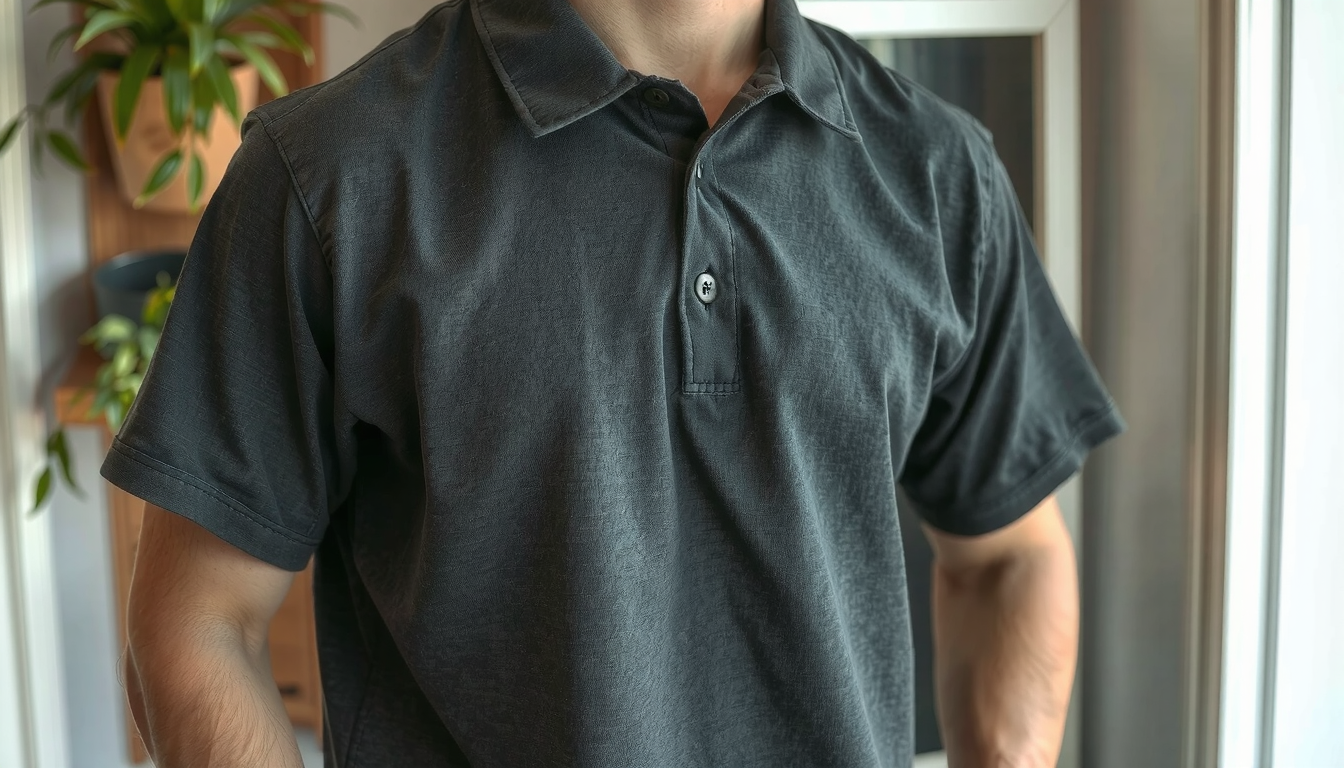
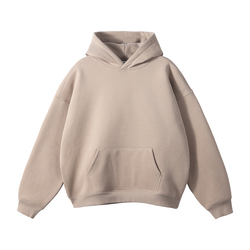
We’ve found that for a premium streetwear feel, a hoodie’s weight matters a lot. Anything under 350 GSM can feel flimsy. That’s why when finding a custom hoodie manufacturer, we always focus on fabric weight and feel, even in a POD context.
A Founder’s Guide to Quality, Shipping, and Profit
Success in on-demand printing clothing goes beyond great designs. You need to manage the practical side of the business. This means focusing on quality control, understanding shipping, and pricing your products to make money. These are areas where many new founders make mistakes.
The Golden Rule: Always Order Samples
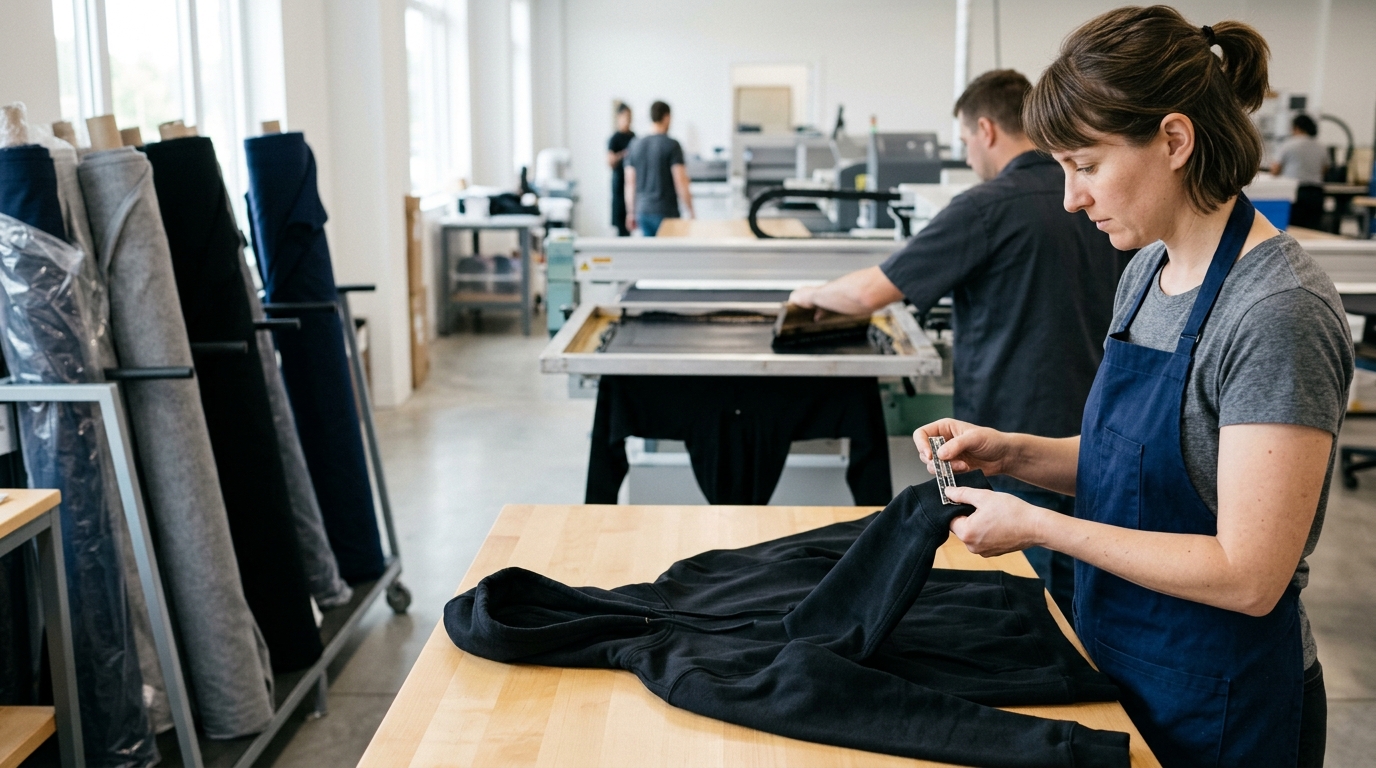
Before you list a single product for sale, you must order samples. This is the only way to know what your customer will get. We suggest ordering the same design on a t-shirt from at least three different POD providers to compare.
When your samples arrive, check them carefully:
* Print Brightness: Are the colors bright and correct, or do they look faded?
* Print Feel: Is the print soft and part of the fabric, or is it thick, stiff, and plastic-like?
* Clothing Quality: Check the stitching, fabric softness, and overall build. Does it feel strong?
* The Wash Test: Wash the shirt. Does the print crack, peel, or fade after just one wash?
This hands-on testing is the most important step for protecting your brand’s reputation.
Understanding Shipping Costs & Times
Shipping is a major part of the on-demand printing clothing business. Your POD partner handles the work, but you need to understand how it affects your customers and your profit. Shipping costs are often based on the product type, the customer’s location, and where the printing facility is located.
Be honest with your customers about shipping times. Since items are printed when ordered, they won’t ship as fast as a product from Amazon. Clearly state the estimated production and shipping times on your product pages. This helps manage what customers expect.
How to Price Your Clothing for Profit
Pricing can be tricky. You need to cover all your costs and still make money. The clothing segment is the largest part of the POD market. This is driven by consumer preferences for original goods and fashionable clothing. This means good pricing is essential to compete.
Here is a simple formula to get you started:
Remember to include every cost. This includes the price of the blank clothing, the printing fee, shipping, and any fees your online store platform charges on each sale.
Your 5-Step Action Plan to Launch
Ready to start? Here is a clear, five-step plan to take you from an idea to a live on-demand printing clothing store. Follow these steps to launch your brand with confidence.
- Step 1: Define Your Niche & Audience
Don’t try to sell to everyone. Decide exactly who your ideal customer is. Are they skaters, book lovers, or dog owners? Understanding your niche will guide all your design and marketing choices. - Step 2: Create Your Designs
Make unique artwork that your target audience will love. Your designs are the heart of your brand. Make sure they are high-quality and stand out from competitors. - Step 3: Choose Your POD Partner & Online Store Platform
Research different on-demand printing companies. Compare them based on product quality, selection, pricing, and how well they work with online store platforms like Shopify, Etsy, or WooCommerce. - Step 4: Build Your Store & Add Products
Set up your online store. Create high-quality mockups that show your designs on the actual products. Write clear and exciting product descriptions that tell customers why they should buy. - Step 5: Market Your Brand
Just because you build it doesn’t mean people will come. Promote your new brand on social media, through content marketing, or with paid ads. Get your products in front of your target audience.
Conclusion: The Future is On-Demand
On-demand printing for clothing offers a flexible and low-risk way to enter the clothing market. It removes the biggest barriers for new business owners: inventory and investment.
Success isn’t automatic. It requires focusing on building a strong brand, demanding high quality, and making smart business choices. This technology is a tool, but your vision and strategy are what will make your brand succeed. As experts in streetwear manufacturing and brand building, we at TZ Streetwear believe that a strategic approach is key to success.
Frequently Asked Questions (FAQ)
1. What is the best printing method for on-demand t-shirts?
For most on-demand clothing, Direct-to-Garment (DTG) is the standard. It’s excellent for detailed, multi-color designs on cotton clothes. For polyester sportswear, sublimation is used. For simpler, bold graphics or logos, Direct-to-Film (DTF) is a growing and strong alternative. The “best” method depends on your design’s detail and the clothing’s fabric.
2. Can I make good money with on-demand printing?
Yes, but it requires a solid strategy. Profit margins per item are lower than with bulk inventory. Success depends on strong branding, unique designs that can sell for a higher price, and good marketing to get enough sales. It is a real business model, not a way to get rich quick.
3. Do I need to register a business to sell on-demand clothing?
This depends on your local laws and how many sales you expect. In many places, you can start as a sole proprietor. As your business grows, forming an LLC or another business type is often a good idea for legal protection and tax reasons. We suggest talking to a legal or financial expert.
4. Can I sell on-demand printed clothing on platforms like Etsy or Amazon?
Absolutely. Many top on-demand printing partners connect directly with major marketplaces like Etsy, Amazon, and eBay. This lets you list your products where customers are already shopping, in addition to selling on your own website.
5. How do I handle customer returns with a POD service?
Return policies are usually set by your POD partner. They will typically handle returns or reprints for mistakes they made, like a bad print or damaged item. However, for returns because a customer chose the wrong size or changed their mind, you must set your own policy. Many brands state that because items are custom-printed, returns are only for quality issues. It is very important to make your return policy clear on your website.