With the increasing awareness of people in this world more and more are figuring out if the products that they use in day to day life is sustainable or eco-friendly. The organic cotton and conventional cotton debate has raised a lot of fuzz in the fashion world. So, what is organic cotton exactly? Why is it better than regular cotton? What does organic cotton fabric care and maintenance look like? How do we Know what genuine 100% organic cotton fabric is? This article will explore the answers to these questions.
1.What is Organic Cotton?
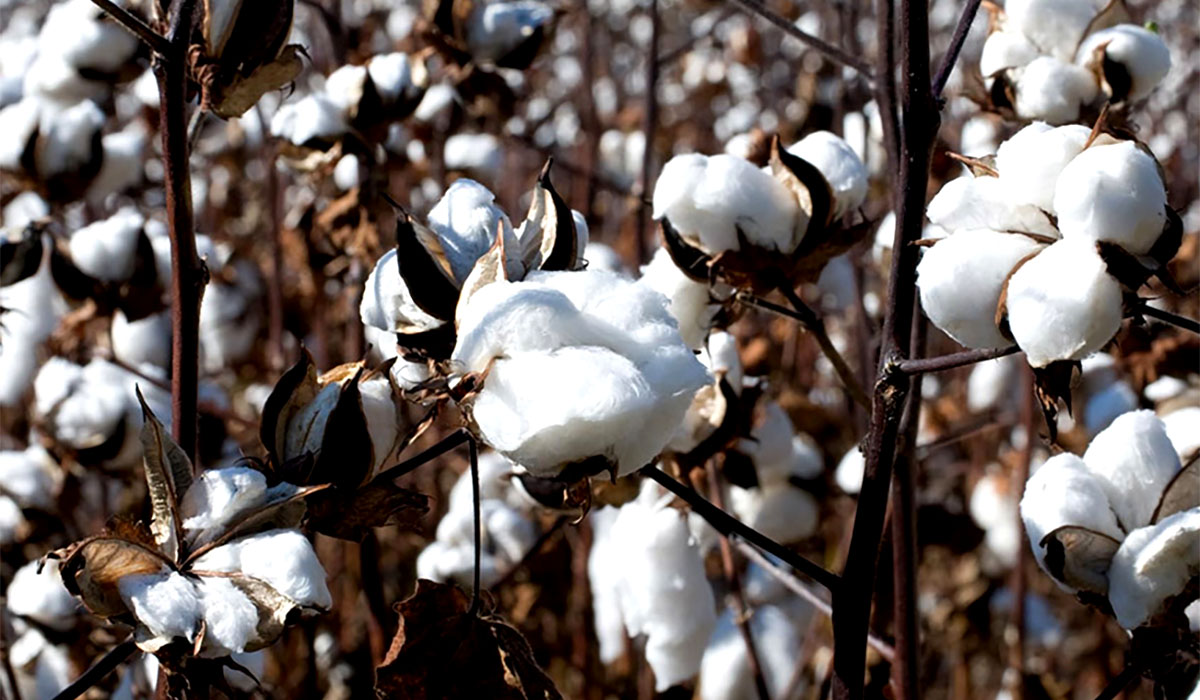
Organic cotton is grown using organic farming methods.This means it is cultivated without synthetic pesticides, chemical fertilizers, or genetically modified organisms (GMOs), following principles of ecological and sustainable development. Cotton cultivation in the traditional way causes environmental damage and requires a large amount of harmful chemicals; organic cotton fabric adopts a biological pest control method such as crop rotation to maintain soil fertility and manage pests. Plus, organic cotton is grown according to rigorous guidelines and must be certified by organizations like the Global Organic Textile Standard (GOTS).
By contrast, conventional cotton farming enlists high levels of synthetic pesticides and fertilisers to boost short-term yields that are detrimental to environment and human health. These chemicals leak into the soil, water and air and can result in illness for nearby residents as well as farmers. In addition, the conventional cotton production is frequently reliant on a great deal of water causing further environmental stress. On the other hand, organic natural cotton fabric derived especially from organic sources is manufactured more sustainably.
2.The Advantages of Organic Cotton
Summary In comparison to regular cotton, organic cotton provides the following environmental, health and quality advantages:
Environmental Sustainability
Organic cotton farming doesn’t use chemical fertilizers and pesticides preventing pollution ofthe soil, water sources and the air. In addition, organic agriculture supports the sustainable management of water and also decreases unnecessary wastage. As a result, organic natural cotton fabric has a much smaller ecological footprint compared to conventional cotton fabric.
Protects Farmers’ Health
Traditional cotton farming uses harmful chemicals that pose health risks for farmers and nearby communities, putting them at risk of pesticide poisoning. However, organic cotton farming protects workers by not using harmful chemicals, making it a healthier choice for everyone involved in the production process.
Higher Quality Fibers
100% organic cotton fabric feels so soft and comfortable to touch, it is stronger than conventional cotton fibers because they are not broken down by the chemical process. These high-quality fibers make products like organic cotton fleece fabric and organic knit cotton fabric more durable and less prone to wear and tear after repeated washing. This level of quality has made organic baby fabric cloth a big favorite when it comes to the textiles used for baby clothes and blankets because nowadays the parents are more concious when it comes to their babies chothing, they want to make sure what touches teir babys skin is soft safe and above all natural.
Reduces Carbon Footprint
Since organic cotton farming does not rely on fossil-fuel-based fertilizers and pesticides, it results in significantly lower carbon emissions. This is in addition to the effect that practices like crop rotation provide in sequester carbon through organic farming, which translates into decreased greenhouse gas emissions. Similarly, the choice of 100% organic cotton fabric for garment production further aids in reducing the fashion industry’s total carbon footprint.
Better for Sensitive Skin
Because organic cotton fabric is free from chemical residues, it is an ideal choice for babies and people with sensitive skin. Products made from organic baby fabric are particularly gentle and safe for delicate skin, providing comfort without the risk of irritation. Conventional cotton products may contain chemicals from production, which can irritate the skin and trigger allergic reactions.
3.How to Care for Organic Cotton
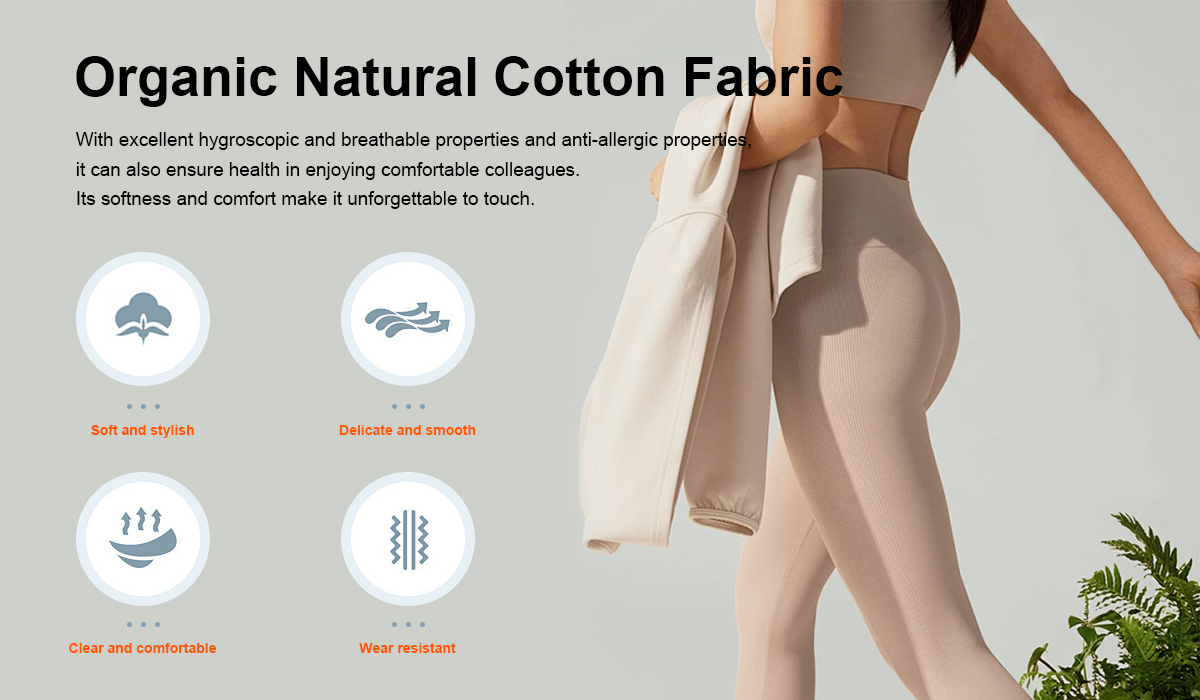
The organic cotton fabric is unique and more durable than regular cotton but following proper care protocol ensures both texture and softness preservation. The following are the basic guidelines for washing and caring for your organic cotton items:
Use Mild Detergents
When washing organic cotton fabric, opt for mild, fragrance-free, and phosphate-free detergents that are environmentally friendly. Stay away from harsh detergents with strong bleaching agents, because they can harm the fibers and make organic cotton fleece fabric and other garments less soft.
Wash at Low Temperatures
Organic cotton products should be washed in cold water at no more than 30°C, or on low temperature setting. Hot, high heat may shrink the fibers or misshape them, and causing your garments to not fit comfortably or lose their shape, particularly for those made with organic knit cotton fabric clothing.
Avoid Excessive Scrubbing or Squeezing
Although organic cotton is durable, but of course we do not recommend an overzealous scrubbing or wringing to extend the lifespan of the fabric. When using a washing machine, select a gentle cycle. This ensures that delicate items like organic baby fabric retain their softness.
Air Dry
Organic cotton items are better air-dried than put in the dryer. The fibers harden when they are exposed to high heat from dryers which can interfere the softness of the material. Dry the items by hanging them or laying them flat and never let it dry in direct sunlight for too long as this could lead to discolouration.
Iron on Low Heat
If ironing is necessary, use a low-heat setting. However, frequent ironing is not recommended as high heat may weaken the cotton fibers over time. For fabrics like organic cotton fleece fabric, which are typically thicker, minimal ironing is needed.
4.How to Identify Organic Cotton
Organic cotton is priced at a premium as opposed to regular cotton, primarily because of its eco-friendly attributes and health benefits leading to an increase in sales of fake products. Here are some ways to identify genuine 100% organic cotton fabric:
Look for Certifications
How to find pure organic cotton fabric The most trustworthy method of identifying a genuine textile made from organic cotton is by searching for its certification insignias. GOTS: The Global Organic Textile Standard grantResults the most reputed singular certification for organic textiles out there. Products that carry the GOTS label meet strict criteria not only in the cultivation of cotton but also throughout the entire production process. This is a certification one must maintain when choosing to purchase organic knit cotton fabric, or any other organic textile.
Feel and Smell
The fibres of organic cotton fabric usually feel softer and smoother than regular cotton. Organic cotton products should not be overly chemically fragrant as a result. If a cotton product feels rough or has a strong chemical smell, it probably isn’t organic.
Durability Test
As organic cotton fabric is long-lasting. You can assess the product’s quality by how well it holds up after several washes. If the fabric shows peeling or fading, then it might not be real 100% organic cotton fabric.
Color and Dyes
Many Organic cotton products are dyed with natural and low-impact dyes, meaning that colors may be muted. A product whose colours look too lively and bright probably has been dye using synthetic chemicals, something contrary to organic principles. This is especially the case for items like organic baby fabric, where natural dyes are valued because of their low effect on the skin.
Conclusion
The increasing popularity of organic cotton is a product of consumer demand for better quality and greener products part of the wider appropriation as sustainable fashion and environmental-friendly lifestyles. Organic cotton fabric has been found to be more sustainable compared to conventional cotton on a number of factors including environmental impact, improvements in health and comfort. By following proper care guidelines, you can extend the lifespan of organic cotton fleece fabric and other garments. When purchasing, always be sure to look for certification labels and assess the quality of the product to avoid counterfeits. Choosing organic cotton contributes to a more sustainable and healthy world for both consumers and the planet.