From Idea to Fabric: Your Journey into Cloth Printing Starts Here
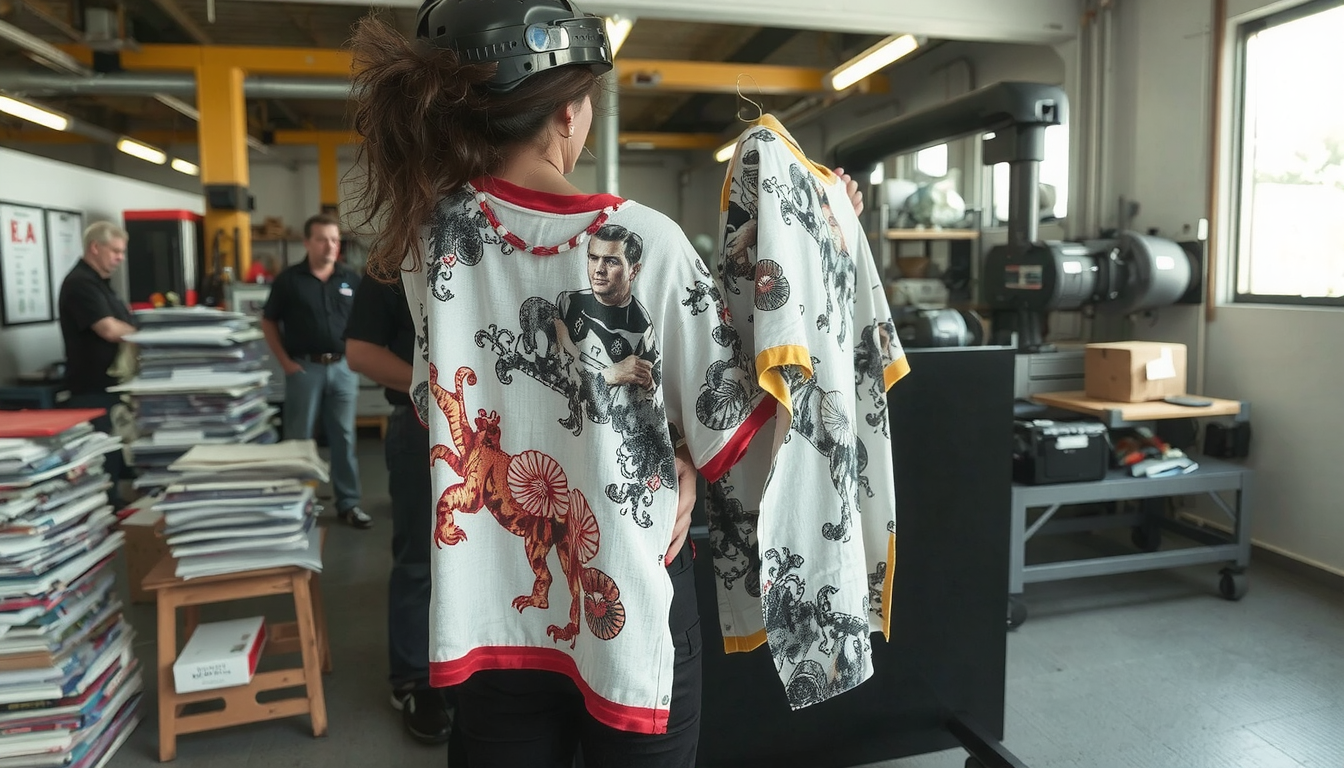
Got a fabulous idea for a t-shirt? Maybe you want a unique bag. Or perhaps you dream of a unique piece of fabric. The process to print on cloth turns your digital designs into real, wearable art. It gives you the opportunity to put images, logos, or any patterns onto fabric.
This guide is your whole roadmap. We will provide you with all the necessary information. Are you a DIY crafter? Are you a future brand owner? You can always rely on us.
Here is what you will learn:
* The steps to printing on cloth at home with simple tools.
* The primary types of professional printing techniques.
* The procedure for picking the best technique for your project.
* Tips from professionals for getting incredible results.
Getting Started: How to Print on Cloth at Home (The DIY Method)
The fastest way to get into printing on cloth at home is by using transfer paper. It is compatible with your inkjet printer. This is a fun and cost-effective way to produce a single piece. You can try out your ideas beforehand and decide if you want to make a larger batch. This is a perfect initiation for any custom fabric project.
What You’ll Need
- An inkjet printer
- Iron-on transfer paper (be sure to choose the right type for light or dark fabric)
- Your cloth item (for example, a cotton t-shirt or tote bag)
- A home iron (without steam)
- A hard, flat surface (not an ironing board)
- Parchment paper (usually included in the kit)
Step-by-Step Guide to Printing with Transfer Paper
-
Create Your Design. Use any design software to make your art. Are you printing on light-colored fabric? In this case, you must mirror the image. This means you flip it horizontally. For dark fabric paper, you do not need to mirror it.
-
Print Your Design. Load the transfer paper into your inkjet printer. Make sure you print on the correct side. The instructions that come with the paper will tell you which side this is.
-
Prepare Your Fabric. Lay your t-shirt or cloth on a hard, heat-safe surface. An ironing board is too soft and won’t work well. Iron the fabric first to get rid of all wrinkles.
-
Iron the Transfer. Place the printed transfer paper face down on your fabric. Set your iron to the temperature the paper’s instructions specify. This is normally a high cotton setting with no steam. Press down firmly. Move the iron over the entire design for the right amount of time. We recommend applying even, heavy pressure.
-
Peel the Backing. This is the most important step. Some papers are “hot peel” and some are “cold peel.” Hot peel means you take off the paper backing right away while it is still hot. Cold peel means you must wait for it to cool down completely. The paper feels stiff at first, but peeling it reveals your design on the cloth.
Common DIY Problems and How to Avoid Them
- Cracking After Washing: This usually happens if you do not use enough heat or pressure. Ensure that you press firmly with the iron for the full time needed.
- Faded Colors: It is possible that your printer settings might be too low. Choose a “high quality” or “photo” setting for your printout to get the best colors.
- Peeling Design: Always wash the item inside out in cold water. Avoid high heat in the dryer. By doing so, you will make your DIY print on cloth last much longer.
Level Up: An Overview of Professional Printing Techniques
Do you need higher quality, more durability, or larger quantities? You will turn to professional printers. The methods they use have been developed over time, building on the long and varied history of textile printing. These techniques yield better results for businesses and serious projects.
For a more in-depth exploration of these professional methods and more, check out our comprehensive craft introduction guide.
Direct-to-Garment (DTG) Printing
Consider DTG as a huge inkjet printer just for clothes. It sprays special water-based ink directly onto the fabric, where the ink soaks into the fibers.
DTG is ideal for intricate designs that have several colors, like a photograph. It has a soft feel and is suitable for small orders or even just one custom shirt. It works best on natural fabrics, such as 100% cotton.
Screen Printing (Silkscreen)
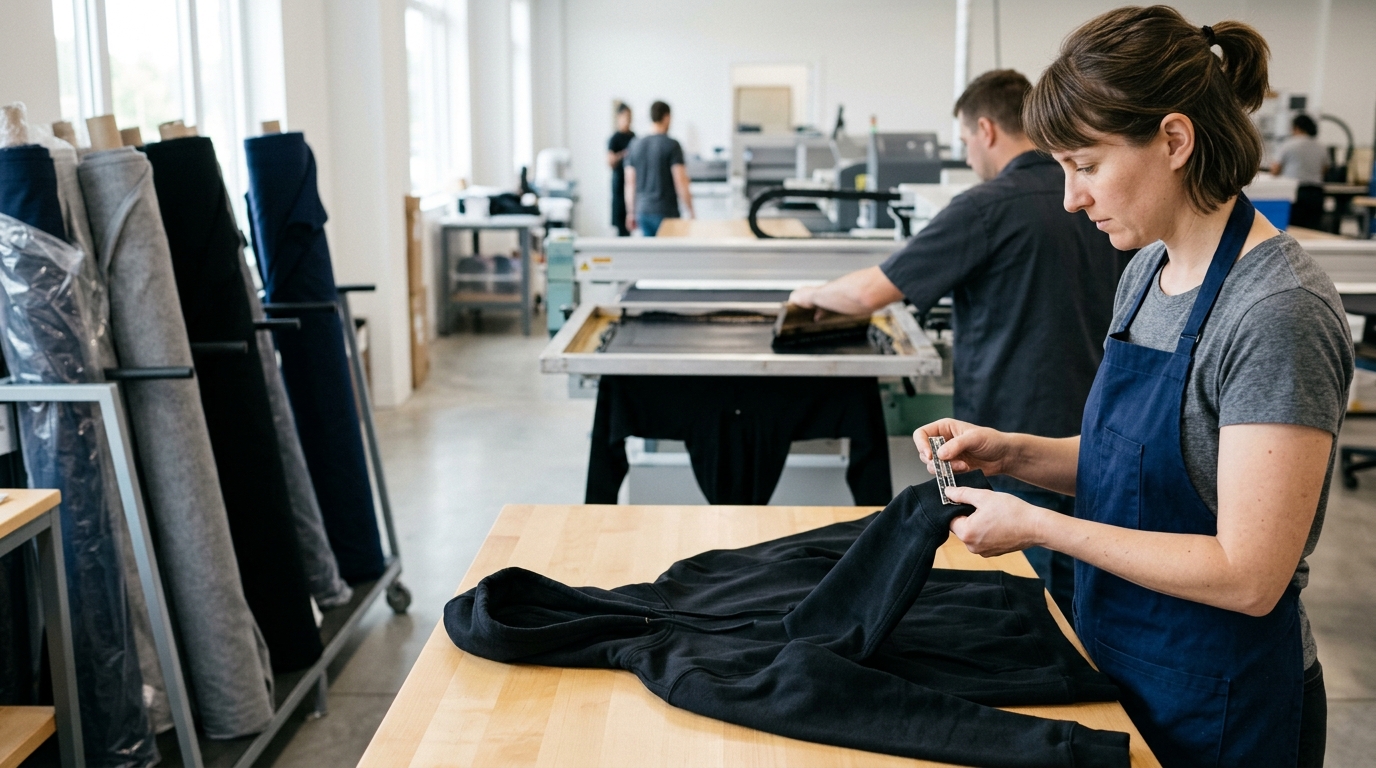
Screen printing is a classic and very popular method. It uses a stencil, known as a screen, to apply a thick coating of ink onto a cloth. A separate screen is needed for each color in the design.
This method is very durable and cost-effective for large orders (usually 25 items or more). The colors are bright and pop, making it the top choice for simple logos and designs on team uniforms, company shirts, and brand merchandise.
Dye Sublimation
Dye sublimation is a unique process where heat transforms solid ink directly into a gas. This gas then bonds with the fabric fibers, becoming a permanent part of the material.
This method can only be used on synthetic fabrics like polyester. The result is a print that you cannot feel at all. It will never crack, peel, or fade. It is the ultimate choice for all-over prints on sportswear, leggings, and jerseys.
Direct-to-Film (DTF) Transfers
DTF is a cool and newly developed technique. First, the design is printed on a special film. Then, the film is placed on the garment, and a heat press transfers the design onto the cloth.
DTF is super adaptable and works on many types of fabric, including cotton, polyester, and blends. The prints are brilliant, stretchy, and durable, which makes it a fantastic all-around option.
Which Cloth Printing Method is Right for You? A Practical Comparison
Choosing the right way to print on cloth can feel confusing, but it all depends on your project. What are you making? How many do you need? What is your budget? Answering these questions will help you select the best option.
We created this table to make your decision easier. It compares the key features of each printing method. When you are done, we suggest you read more about choosing the right printing technology for your needs.
Comparison Table: Print on Cloth Methods at a Glance
| Method | Best For | Fabric Type | Durability | Feel on Fabric | Cost (Per Piece) |
|---|---|---|---|---|---|
| DIY Transfer | One-off fun projects, prototypes | Cotton/Blends | Low-Medium | Noticeable film | Very Low |
| DTG | Detailed photos, low-volume orders | Cotton, Natural Fibers | Medium-High | Soft, breathable | Medium |
| Screen Print | Bulk orders (25+), simple logos | Most Fabrics | Very High | Slightly raised | Low (in bulk) |
| Sublimation | All-over prints, sportswear | 100% Polyester | Highest | No feel at all | High |
| DTF | Vibrant designs on various fabrics | Versatile (Cotton, Poly, etc.) | High | Soft but distinct layer | Medium-High |
Project Examples: Let’s Choose Your Method
Let’s look at a few common projects. This will show you how this works in the real world.
Example 1: “I’m making 50 hoodies for my new streetwear brand.”
Our Recommendation: Screen Printing. For 50 pieces with a simple logo, screen printing offers the best mix of high durability and low cost per item. If your design has many colors, DTF would be a strong alternative.
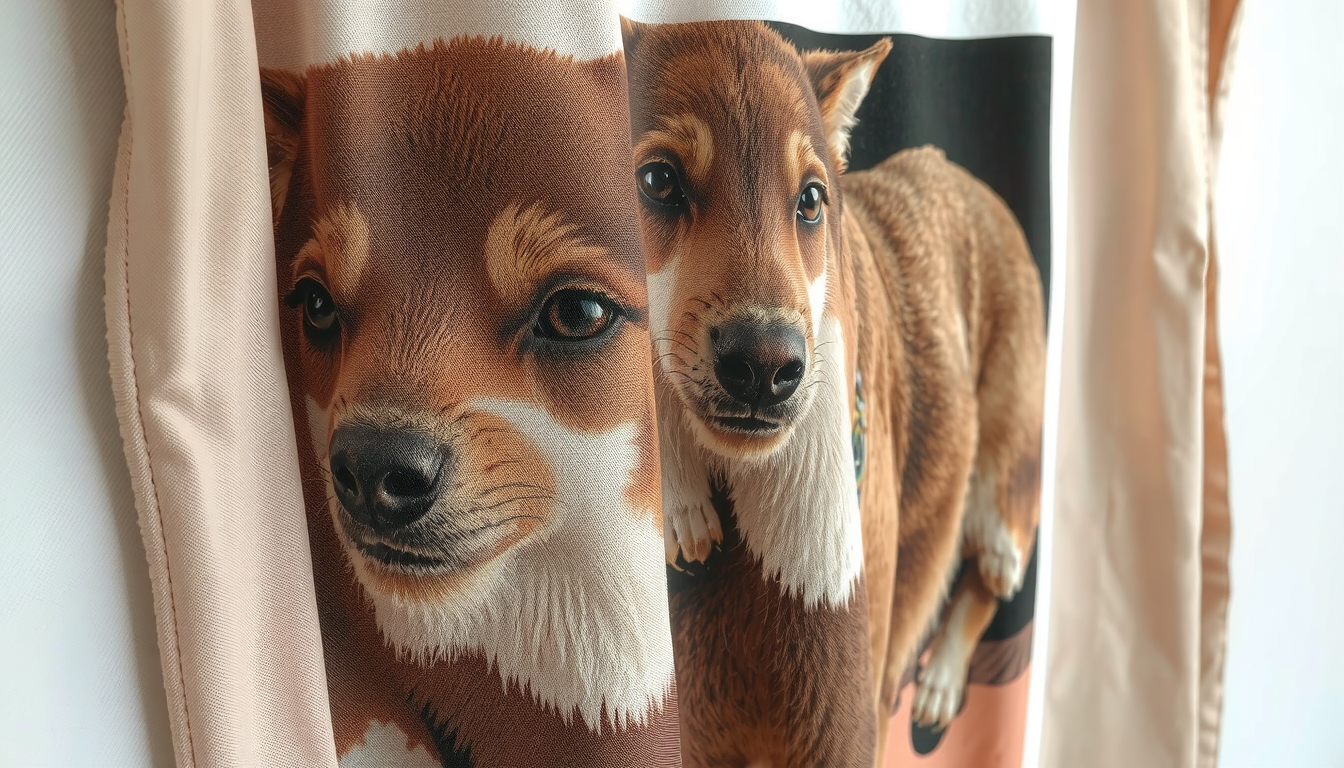
Example 2: “I want to print a single t-shirt with a photo of my dog.”
Our Recommendation: DTG. It is the best option for printing a single, detailed photograph with a soft feel. Want to try it yourself for fun? The DIY iron-on transfer method is your most budget-friendly option.
Example 3: “I need custom-printed athletic leggings with a wild pattern.”
Our Recommendation: Dye Sublimation. This is the only method that can produce a vibrant, all-over print on polyester leggings. The design will stretch with the fabric and won’t fade from sweat or washing.
From Design to Reality: Partnering with a Professional Printer
Is your idea ready for professional quality? You will need to find a printing partner. Choosing the right service is as critical as choosing the right printing technique.
What to Look For in a Printing Service
Look for a partner who can meet your specific needs. Here are a few things to check:
- Minimum Order Quantity (MOQ): Some printers require large orders, while others do not. The rise of new technology has made it easier to find services that support the flexibility of digital fabric printing with no minimum order.
- Fabric & Garment Selection: Do they offer the specific shirt, hoodie, or fabric type you want?
- Print Quality & Proofs: Request to see samples of their work. A good printer will provide a digital proof, which is a preview image for you to approve before they print your full order.
- Turnaround Time: How long will it take to get your finished products?
- Customer Support: A good partner will answer your questions and guide you through the process.
Bringing Your Vision to Life
To get the best results from a professional printer, you need to provide them with excellent artwork. We consistently advise our clients to prepare a high-resolution file. This means the image should be at least 300 DPI (dots per inch) at the size you want it printed.
It is also helpful to know the difference between file types. A vector file (like .AI or .EPS) is best for logos because it can be resized without losing quality. A raster file (like .JPG or .PNG) is used for photos. Always ask for a digital proof to ensure your design looks perfect before production begins.
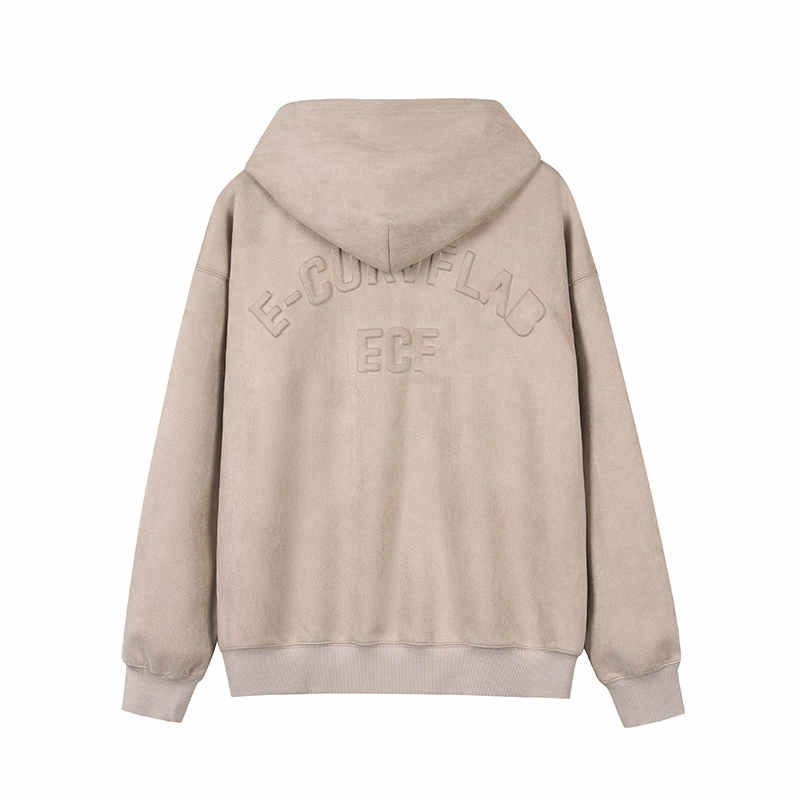
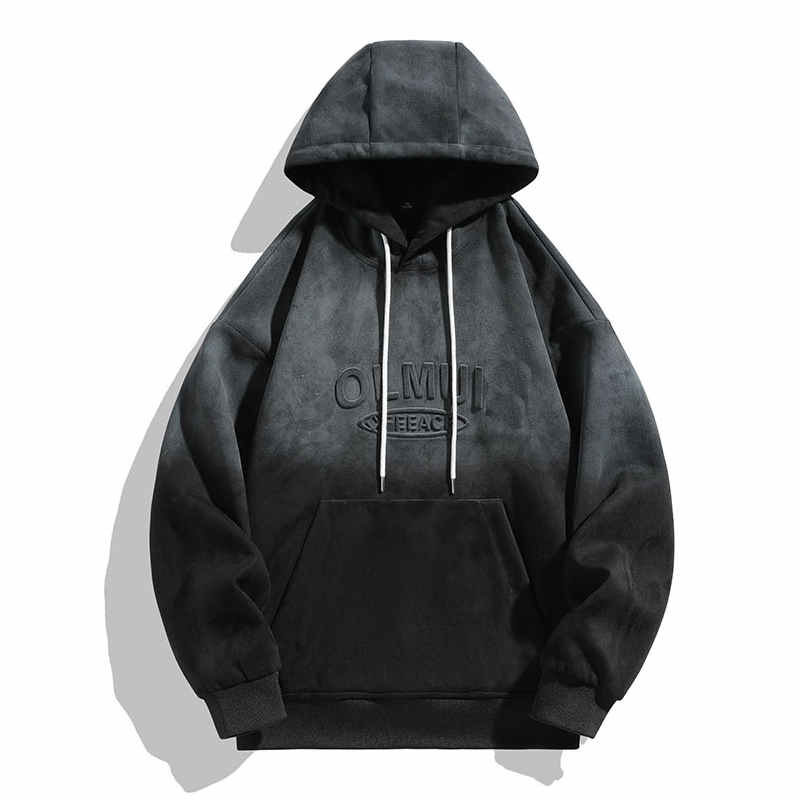
When you’re ready to create high-quality apparel like custom hoodies, partnering with an experienced manufacturer is key. We specialize in bringing brand visions to life. Explore our custom hoodie manufacturing services to get started.
Your Creative Journey with Fabric Printing
You can go from a simple home craft to launching a full apparel line. The ability to print on cloth opens up a world of creative options. The best method always depends on your goal, your budget, and the final look you want to achieve.
We hope this guide has given you the confidence to start your next project. The power to create custom fabric is now in your hands.
Whether you’re starting a brand or a weekend project, the world of fabric printing is at your fingertips. For more inspiration and streetwear insights, explore TZ Streetwear.
Frequently Asked Questions (FAQ) about Printing on Cloth
What is the most durable method to print on cloth?
For long life and many washes, screen printing and dye sublimation are the most durable. Screen printing ink cures and forms a strong bond on top of the fabric. Sublimation ink becomes a part of the polyester fibers themselves, so it cannot crack or peel.
Can I print on dark-colored cloth?
Yes! Professional methods like screen printing and DTG handle dark fabrics easily. They print a layer of white ink first, called an underbase, and then add the colors. This makes your design bright and visible. For DIY projects, you must buy special “transfer paper for dark fabrics,” which has a white background built in.
What’s the main difference between DTG and screen printing?
The biggest difference is how they work and what they are best for. DTG is like a paper printer for shirts and is perfect for complex, colorful designs in small numbers. Screen printing uses stencils and is better for simpler designs with fewer colors in large numbers (25 or more), making it cheaper per shirt in bulk.
How do I make my printed design last longer?
To protect any printed garment, always wash it inside out. Use cold water and a gentle soap. You can tumble dry on a low setting, but hanging it to dry is even better. Never use bleach or iron directly over the printed area.
Is it expensive to print a single custom t-shirt?
It doesn’t have to be. For a single, high-quality shirt, using a DTG printing service is a great choice, usually costing between $20 and $40. For the cheapest option, you can use a DIY iron-on transfer paper kit at home for just a few dollars.