Printing on cloth is an amazing way of transforming your household fabrics into pieces of art, your branding or even just to express yourself. Irrefutably, it is still a great tool for one to graphic one’s designs on textiles, especially in the case of making personal gifts like custom t-shirts, and also in introducing one’s design in an entire fashion line.
Fabric printing has its two main streams. You can find accessible DIY (=do it yourself) systems for home projects, on the one hand. Then, on the other hand, there are industrial automation systems for manufacturing. This guide will be your one-stop reference. You can decide on the technique, fabric, and design method that best satisfies you. Textile printing, which is printing on fabrics, has a long and rich history before it gets to the few modern techniques we are going to visit.
First Things First: What Do You Want? Choose between Business and DIY
The first step is to make a decision about your project size and purpose. This important choice will impact decisions regarding all the aspects of using a printing method on fabrics.
DIY Printing is a good option for those who like hobbies, craft, and anyone alike who create single items such as personalized gifts. In case of Initial Finance, it is much cheaper than printing single items. It is a direct and imaginative process. You may fill in all the design freely. However, they are generally less robust and, being in small quantity, they often don’t function well.
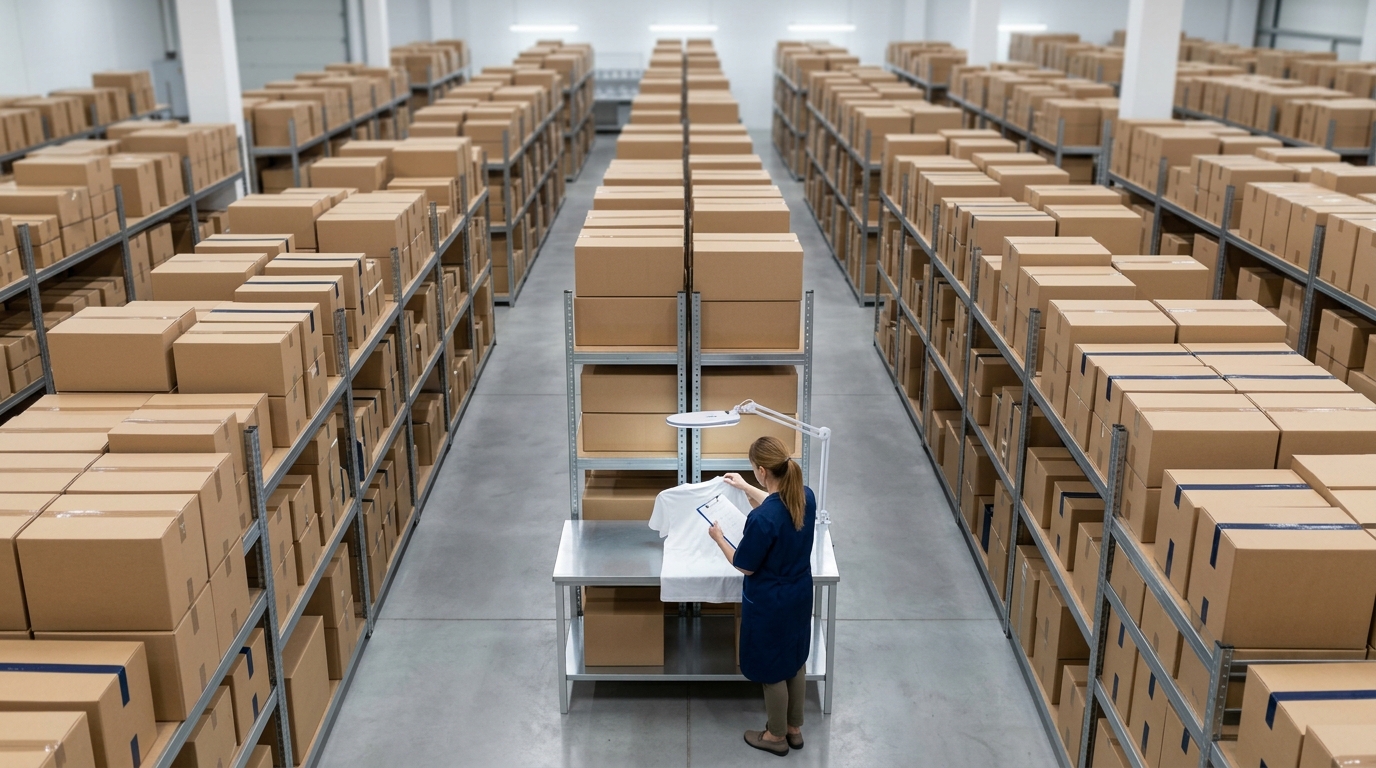
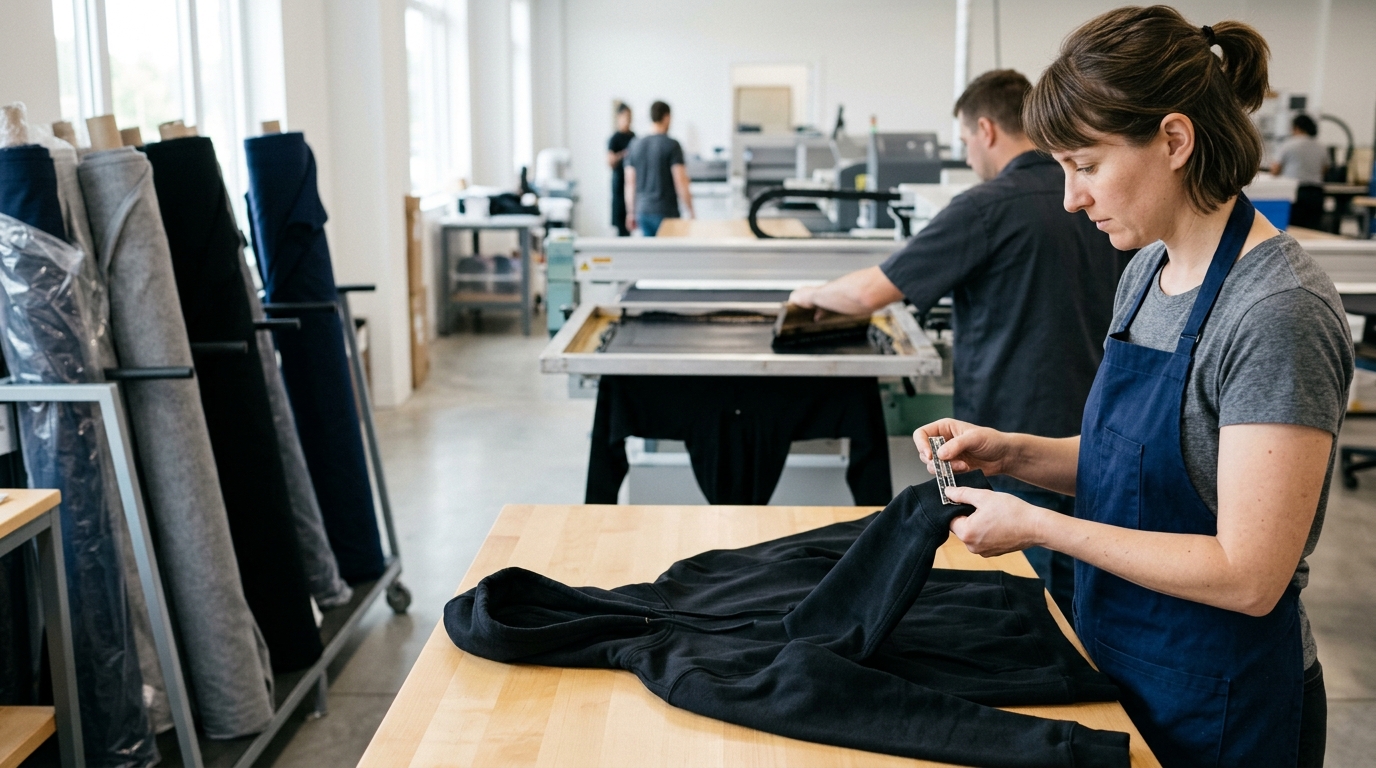
Professional Printing is a pathway not only for small and start-up clothing brands e.g. TZ Streetwear but also for businesses that need a lot of promotional devices or clothes in bulk. Yes, indeed there are more initial costs but, in turn, the price-per-item (in bulk) gets lower by a lot. This route is the only one that offers you the same quality, durability, and scalability needed for your business.
The Foundation: How to Choose the Right Fabric
Cotton Printouts: Traditional & Absorbent
- Best for: DTG, Screen Printing.
- Why: These are the fabric types most appropriate for the water-based inks of DTG which are obtained through absorption. Therefore, the DTG process is ideal for 100% cotton as its composition is free from twisted fibers.
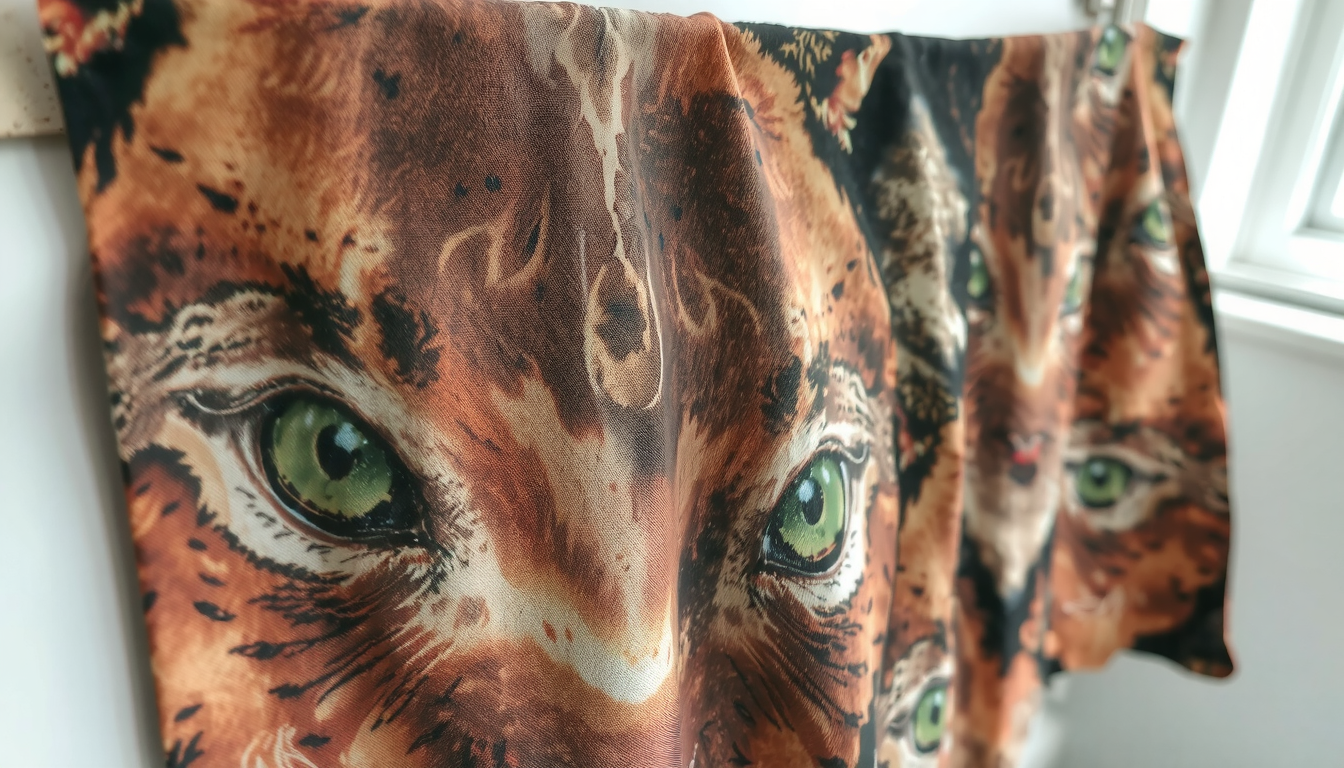
Polyester Clothing: Key Option to Dye Sublimation & Heat Transfer
- Best for: Dye Sublimation, Heat Transfer.
- Why: The sublimation process of the dye is a chemical reaction involving a polymer (polyester) fiber. The image obtained using ink on the fabric will not properly bond with cotton which could cause a faded effect.
Blend Fabrics (Cotton/Polyester)
- Best for: Screen Printing and Heat Transfer. Can also be used for DTG and sublimation with some considerations.
- Considerations: A greater amount of cotton content (60/40 cotton/poly) in case of DTG printing makes it more successful. In that case, the printed image will adhere only to the polyester fibers. As a result, there could be a cool “vintage” or “heathered” effect. A higher amount of polyester means more vivid printing.
Fabric Weave and Color Matter Too!
- Weave: A fine, smooth, and tight-weaved textile like poplin or a fine jersey is more suitable for complicated graphics than coarse, open-weaved canvas.
- Color: DTG, or screen-printing, in case of dark garments usually includes printing a white underbase layer first. The purpose is to enhance the colors of the design; however, it can increase the cost and the final product could be a little bit thicker.
Preparing Your Design for Flawless Printing
An ideal print design should be owned by an ideal digital file. A couple of technical basics are very important in guaranteeing that a file is well prepared and your product finally corresponds with your vision.
Vector vs. Raster: What’s the Diff?
- Vector (AI, EPS, SVG): This is a file format composed of mathematical paths. It is the best choice for logos, text, and solid graphics that can be scaled to any size without losing quality. The most suitable format in that case will be for screen printing.
- Raster (PNG, JPG, PSD): PNG is made up of pixels. The best use for this format is in photos and complex images with many colors and gradients. For this reason it could be a good format for DTG printing.
Resolution and File Setup
A file that is set to print at 300 DPI (dots per inch) or higher is a must for clear and professional results. Anything lower than that might either turn out pixelated or blurry.
In the case of DTG printing the design should be saved in PNG format with the transparent background. This would prevent the printer from consistently printing a solid white or black box around the artwork.
From Idea to Apparel: Partnering with a Manufacturer
When a brand is ready to grow from a single product to a full collection, it is time for a professional manufacturer. They are the partners who provide expertise, ensure the quality, make the equipment available and offer access to materials that are needed to launch a product.
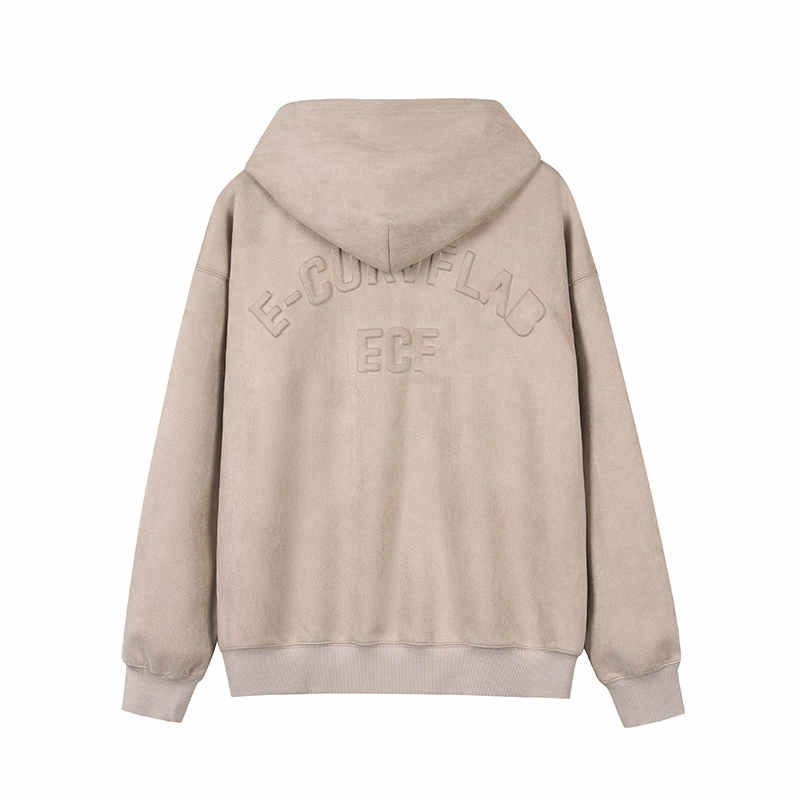
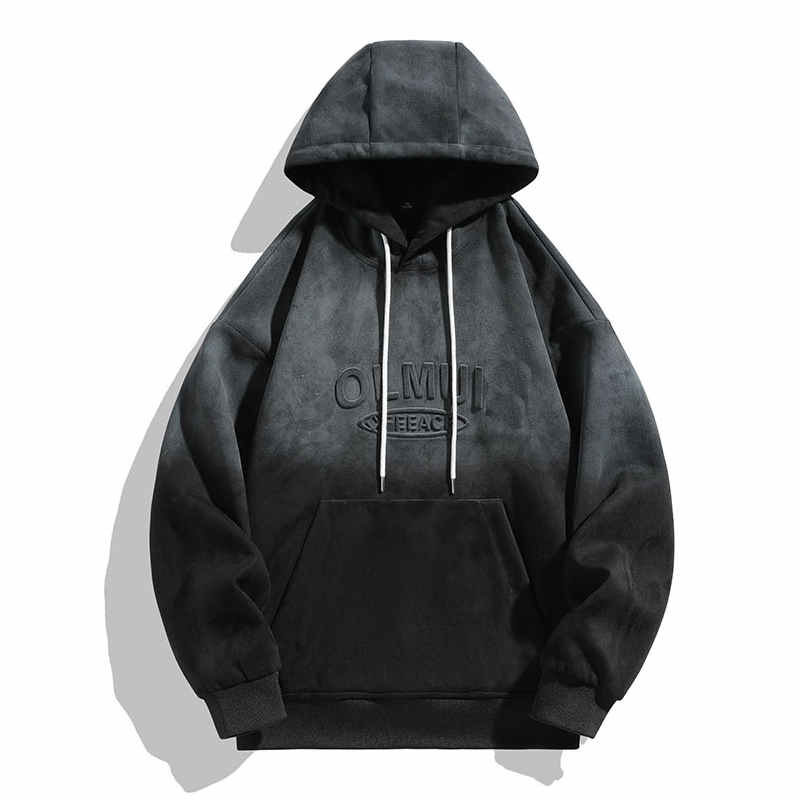
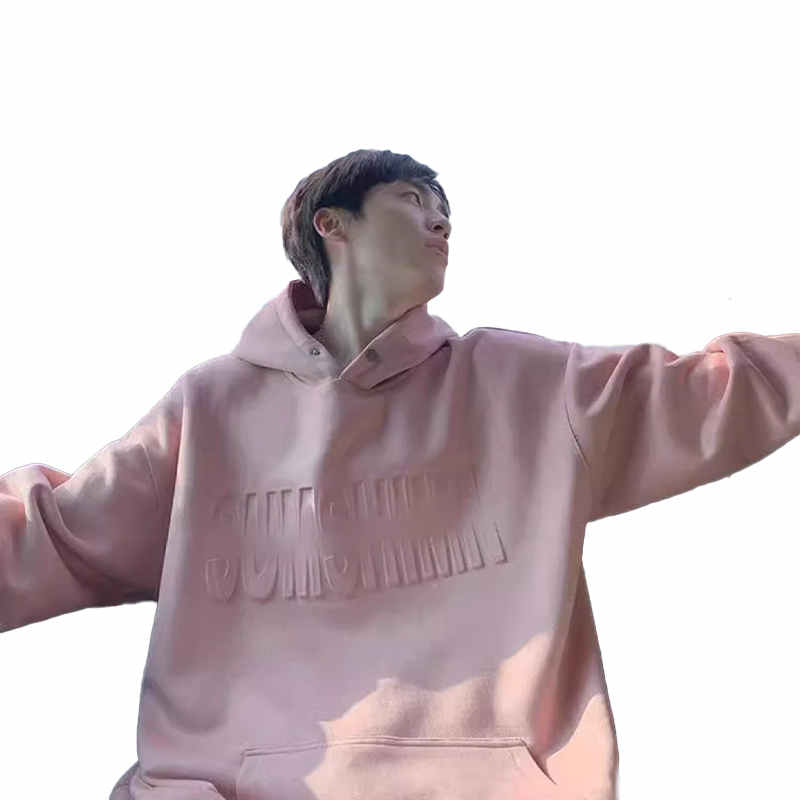
If you’re just starting out, look for a partner with low minimum order quantities and experience in the printing method you choose. Excellent communication is important. If you need a specialized item, work with an expert, such as a dedicated hoodie manufacturer, to ensure you get the exact fit, fabric, and print quality you envision.
Conclusion: Your Journey in Cloth Printing Starts Now
We have taken a tour through the stages of printing on cloth from the DIY phase to professional production. The most fitting way is not a one-size-fits-all. It is the one that correlates with the design, fabric, and the ultimate goal of the specific project in the most precise way.
Whether you will use a template with paint or send a file for DTG printing, you now have the basic knowledge to create your art on fabric.
Frequently Asked Questions (FAQ) about Printing on Cloth
What is the most durable method for printing on cloth?
Dye sublimation on polyester and professional screen printing are the two best methods given their capacity of maximum longevity. The sublimated ink literally is the fabric. Thus, there is nothing to crack or peel. A properly cured high-quality screen print can last for years of washing and wear too.