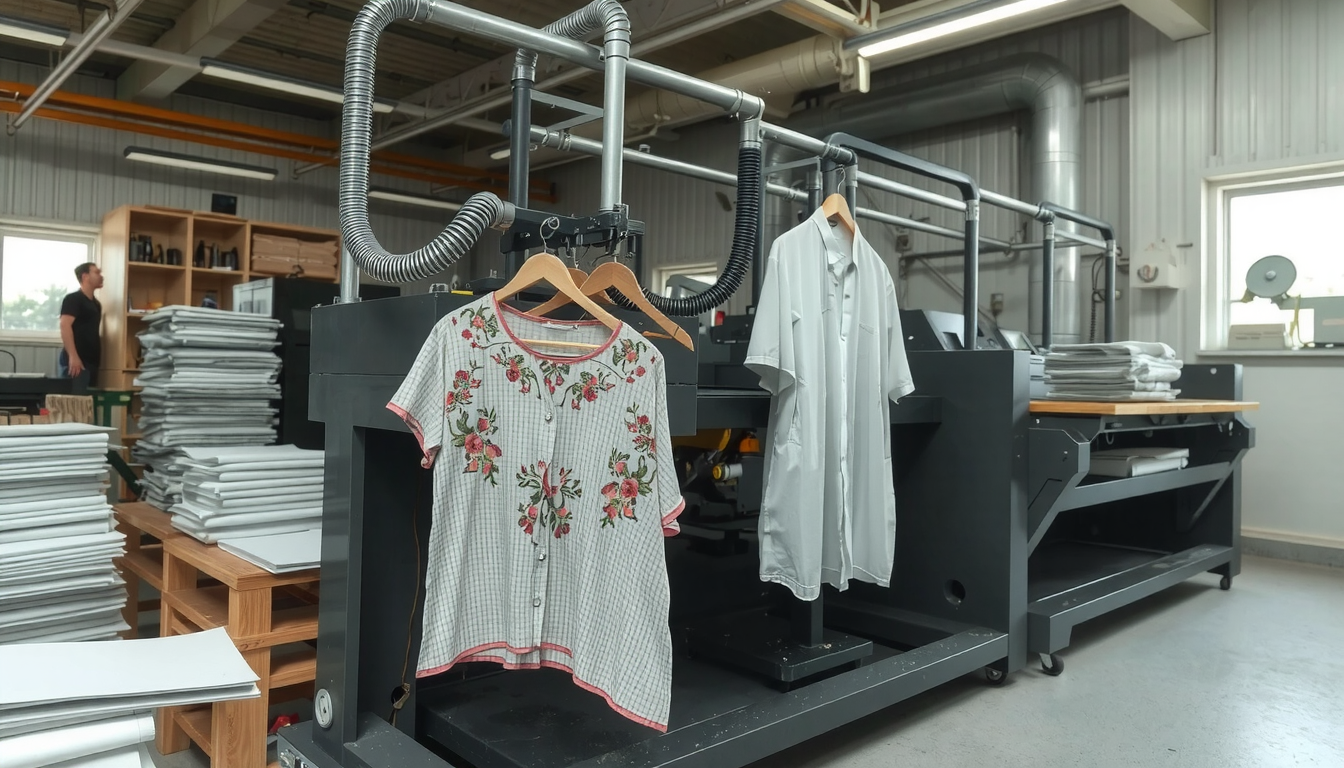
Are you searching for a t-shirt printing machine? You’re entering an exciting, fast-growing industry. The first thing to know is that there’s no single “one-size-fits-all” machine. Instead, several different technologies exist, each designed for a particular purpose.
Your selection will depend on what you want to achieve. Are you a hobbyist making gifts for friends? An entrepreneur launching a new brand? Or an established business ready to scale up? This guide covers the main options—Direct-to-Garment (DTG), Direct-to-Film (DTF), Screen Printing, and Heat Press methods. We will assist you in identifying the machine that best corresponds to your needs.
The Main Types of Machines: An Overview
The first step is to understand the core technologies. Each method has a unique process, different costs, and works best for specific applications. The choice you make will determine your production capabilities and the quality of the garment.
Direct-to-Garment (DTG) Printing
A DTG printer works like a specialized inkjet printer, applying ink directly onto a fabric. It creates high-detail, full-color prints with an incredibly soft feel. The ink gets absorbed directly by the fibers.
- Best for: Photorealistic images, designs with many colors or gradients, print-on-demand services, and small production runs.
- Pros: Exceptional detail, unlimited colors, soft-to-the-touch prints, and quick setup for single items. Modern advancements have led to reliable desktop DTG technology that simplifies printing.
- Cons: It requires a higher initial investment, is slower for bulk orders, and works best on 100% cotton or high-cotton blend garments. Dark fabrics require a pre-treatment step.
Direct-to-Film (DTF) Printing
DTF printing creates designs on special transfer film. Adhesive powder is applied to wet ink and then melted. The entire design is then transferred to the garment using a heat press. This has become a very popular machine for printing clothes for small businesses.
- Best for: Bright and long-lasting prints on a wide range of materials, including cotton, polyester, blends, and even hard surfaces.
- Pros: Great versatility across fabric types, stretchy and durable prints, and brilliant colors, especially on dark fabrics.
- Cons: The print has a slightly raised feel compared to DTG. The process involves multiple steps (print, powder, cure, press).
Screen Printing Machines
This is the traditional, time-tested method for apparel decoration. Screen printing uses a stencil (a “screen”) to push ink through a mesh onto the garment, one color at a time. Each color in a design needs its own screen.
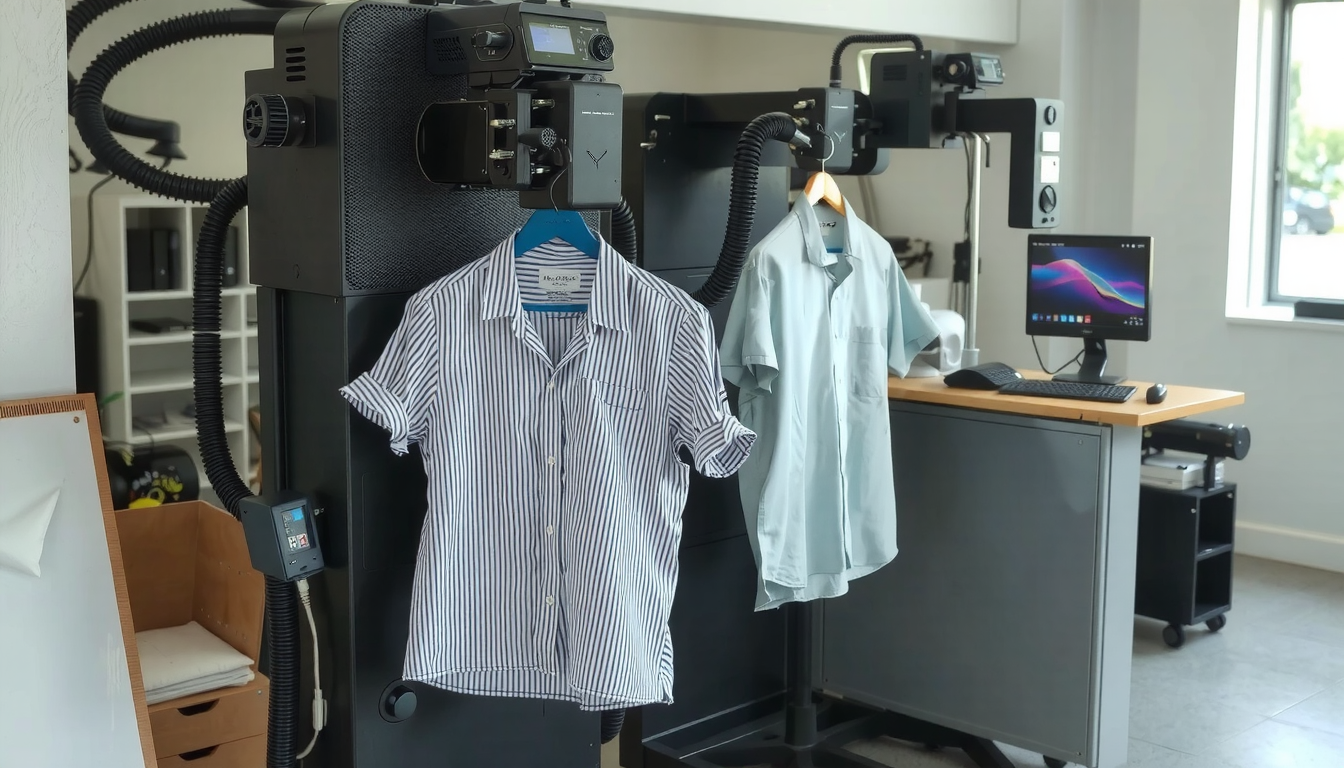
- Best for: Large bulk orders (typically 50+ units), simple designs with a limited number of colors, and achieving maximum color vibrancy.
- Pros: Extremely cost-effective at high volumes, highly durable prints, and produces the most vibrant colors on dark fabrics. For professional results, consider expert screen printing services.
- Cons: High setup costs and time per design, not practical for single items or very small batches, and struggles with photorealistic images.
Heat Press Machines (Vinyl and Sublimation)
A heat press is a versatile machine for printing clothes that applies heat and pressure to transfer designs from a medium onto garments. It works with two main methods:
- Heat Transfer Vinyl (HTV): A design gets cut from colored vinyl sheets, then pressed onto shirts. It works best for simple text, numbers, and basic shapes.
- Sublimation: A design prints with special ink onto sublimation paper. When heated, the ink becomes gas and permanently dyes polyester fibers. It’s perfect for full-color, photo-quality prints on light-colored, 100% polyester fabrics.
- Pros: Low initial investment, easy for beginners to learn, and great for one-off custom items. A heat press t shirt printing machine is often the starting point for many businesses.
- Cons: Can be time-consuming per item, vinyl has a distinct layer-on-top feel, and sublimation is limited to polyester fabrics.
At a Glance: Comparing Cloth Printing Machines
Here is a side-by-side comparison of key features for each type of machine for printing clothes. This simplifies your choice.
| Feature | DTG Printer | DTF Printer | Screen Printing Press | Heat Press (Vinyl/Sub) |
|---|---|---|---|---|
| Initial Investment | High | Medium to High | Medium to Very High | Low |
| Print Feel | Very Soft | Slightly Raised | Thick Layer | Varies (Raised/None) |
| Best for Volume | Single Items / Small Batches | Small to Medium Batches | Large Batches (50+) | Single Items / Small Batches |
| Color Complexity | Excellent for Photos | Excellent for Photos | Best for Few Colors | Good (Sub) / Limited (Vinyl) |
| Fabric Compatibility | Cotton / High-Cotton Blends | Most Fabrics | Most Fabrics | Polyester (Sub) / Most (Vinyl) |
| Ease of Use | Moderate | Moderate | Steep Learning Curve | Easy |
Which Machine is Right for YOU?
Let’s move beyond specs and be practical. Based on our experience, we can recommend the best machine for printing clothes for your specific situation.
Scenario 1: The Hobbyist or DIY Enthusiast
Your goal is making fun, custom items for yourself, family, or as gifts. You need something affordable and easy to start with.
We typically recommend starting with a quality heat press and vinyl cutter (like a Cricut or Silhouette). This setup has the lowest barrier to entry. It’s incredibly versatile for simple graphics. The skills you learn are fundamental to all apparel decoration.
Scenario 2: The Startup Brand or Etsy Seller
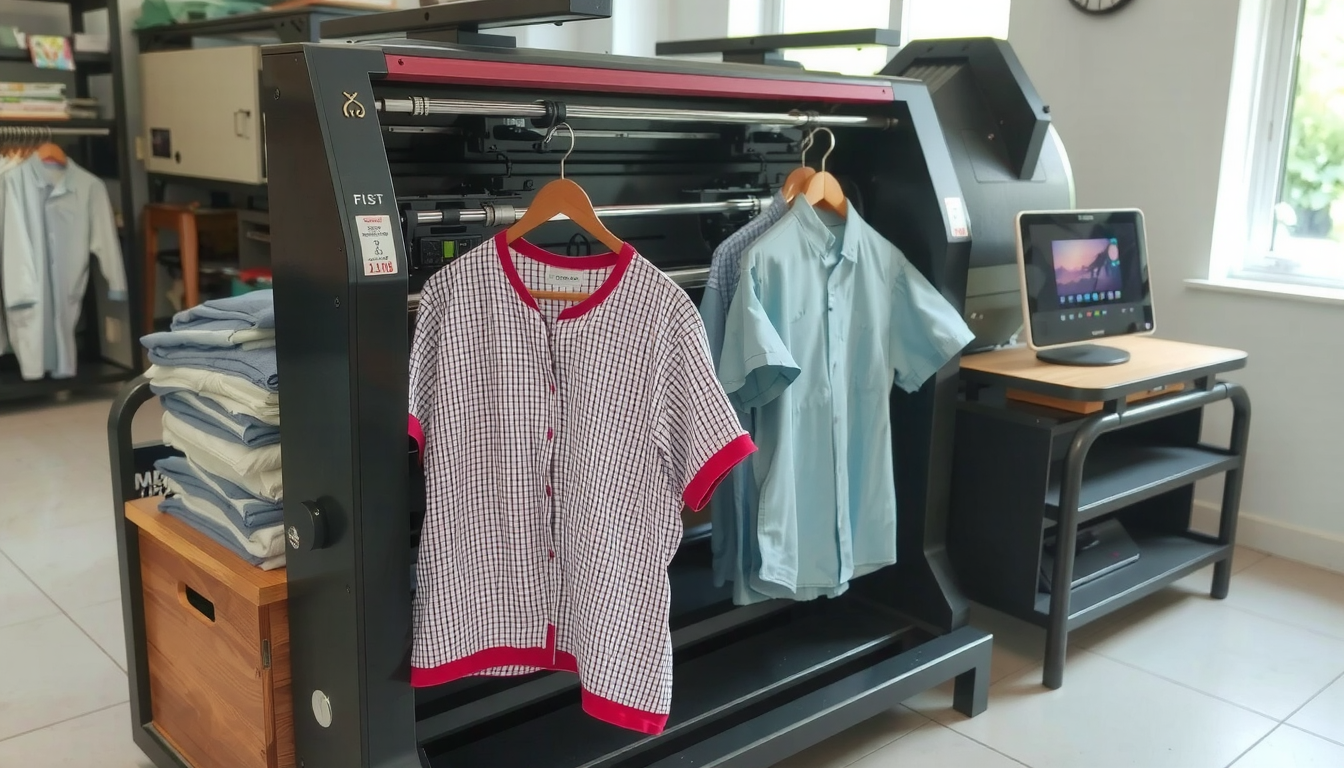
You’re serious about quality and want to sell professional-grade apparel with complex, multi-color designs. You need flexibility to print one-offs or small batches without massive setup costs.
Here, a desktop DTG printer or a complete DTF printing system works best. DTF offers more fabric versatility and durability. DTG provides the softest feel on cotton. This is a critical step in your journey as you start a brand.
Scenario 3: High-Volume Production
You’re an established business printing hundreds or thousands of shirts. Your primary concerns are speed, efficiency, and the lowest possible cost per print.
For this scale, an automatic screen printing press is the industry standard. For high-volume digital needs, industrial-grade DTG or DTF systems offer a powerful alternative. The exclusive range of Digital textile printers eliminates screen setup time.
Beyond the Printer: Your Complete Setup
Remember, the machine for printing clothes is just one piece of the puzzle. From years of running a print shop, we know beginners often overlook supporting equipment and supplies needed for a smooth workflow.
A complete setup includes:
* Essential Hardware: A powerful computer with professional design software (Adobe Creative Suite, CorelDRAW), a high-quality heat press (essential for curing DTG/DTF and for all heat transfers), and proper ventilation for fumes.
* Essential Supplies: The correct inks for your printer, high-quality films, vinyl, or screens, pre-treatment solution for DTG, and quality blank garments. Sourcing reliable blanks is crucial. Consider working with a dedicated hoodie manufacturer for premium final products.
The global custom t-shirt printing market should reach over $10 billion by 2028. This highlights a growing demand for quality apparel. A professional setup is key to capturing part of that market.
Outsourcing vs. In-House Printing
Is buying a machine for printing clothes always the right move? Not necessarily. It’s a classic build-versus-buy decision that depends on your business stage.
-
When to Outsource:
- You’re testing a business idea and want to minimize financial risk.
- You need a printing method you can’t facilitate (e.g., complex embroidery).
- You want to focus 100% on design, branding, and marketing.
-
When to Buy:
- Your order volume makes in-house printing cheaper per unit.
- You need complete control over quality and turnaround times.
- You want to offer same-day or rush services to local customers.
If you decide outsourcing is the right first step, working with an experienced partner is key. They’ll help bring your vision to life. At TZ Streetwear, we provide comprehensive manufacturing solutions.
FAQ: Your Questions Answered
Here are answers to common questions we get about choosing a machine for printing clothes.
What is the best machine for a beginner?
For most beginners, a heat press machine combined with a vinyl cutter offers the lowest entry cost and easiest learning curve. It’s perfect for simple text and graphic designs on t-shirts and hoodies. It’s also a fantastic way to learn apparel customization fundamentals.
How much does a t-shirt printing machine cost?
Costs vary widely by technology and scale. A hobbyist heat press can be $200-$500. A starter DTF or desktop DTG printer for a small business can range from $3,000 to $15,000. Industrial machines for large-scale production can easily cost $20,000 to over $250,000.
Which printing method is the most durable?
When done correctly, both screen printing and high-quality DTF prints are extremely durable. They can often outlast the garment itself. Sublimation is also permanent because it dyes fabric fibers. However, this method is limited to light-colored polyester materials.
Can I print on dark clothes like black hoodies?
Yes, but the method is critical. Screen printing is traditionally the gold standard for vibrant prints on dark apparel. Modern DTG and DTF printing also handle dark garments exceptionally well, but they require a layer of white ink printed first as an underbase. This adds a step and cost to the process.
Do I need a separate heat press if I buy a DTG printer?
Yes, almost certainly. While the DTG machine handles the printing, the water-based ink must be cured with heat to become permanent and washable. A quality heat press is absolutely essential equipment for both DTG and DTF printing workflows.

-600x600.jpg)