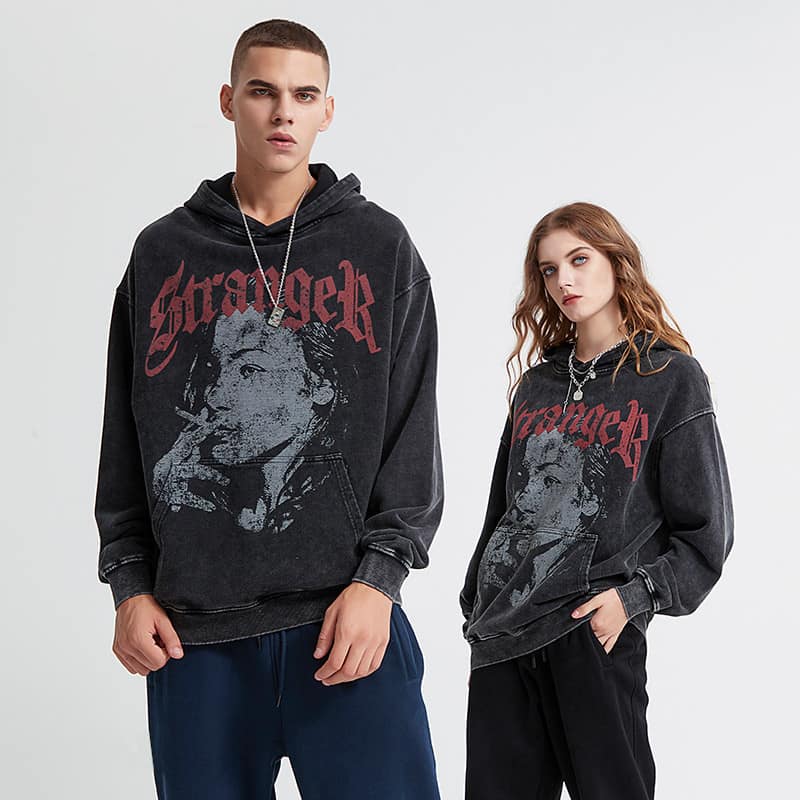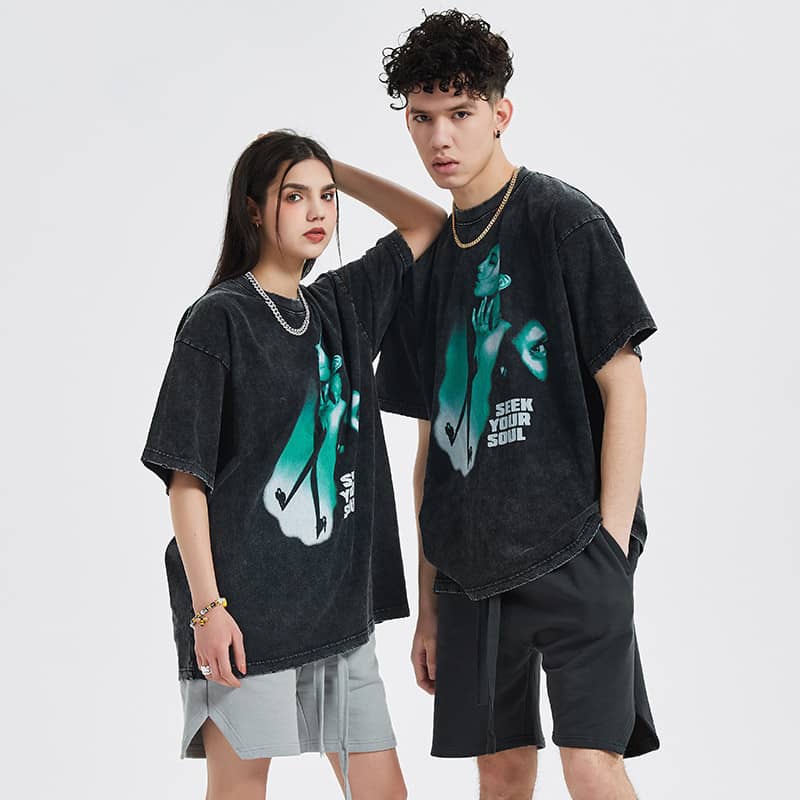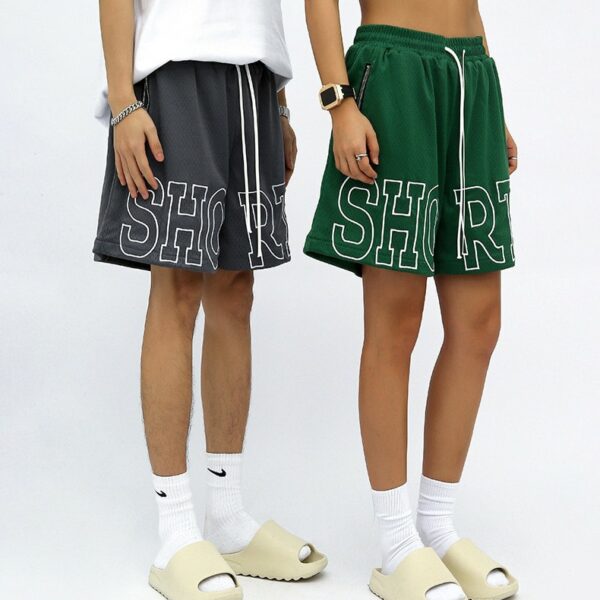
More than just an item of clothing, streetwear speaks to a cultural shift. What we wear communicates our relationship with the world. Streetwear has its beginnings in skate, surf and hip-hop’s culture in the 80s and the 90s. Its growth from a small subculture to a dominant style in the world of fashion is phenomenal.
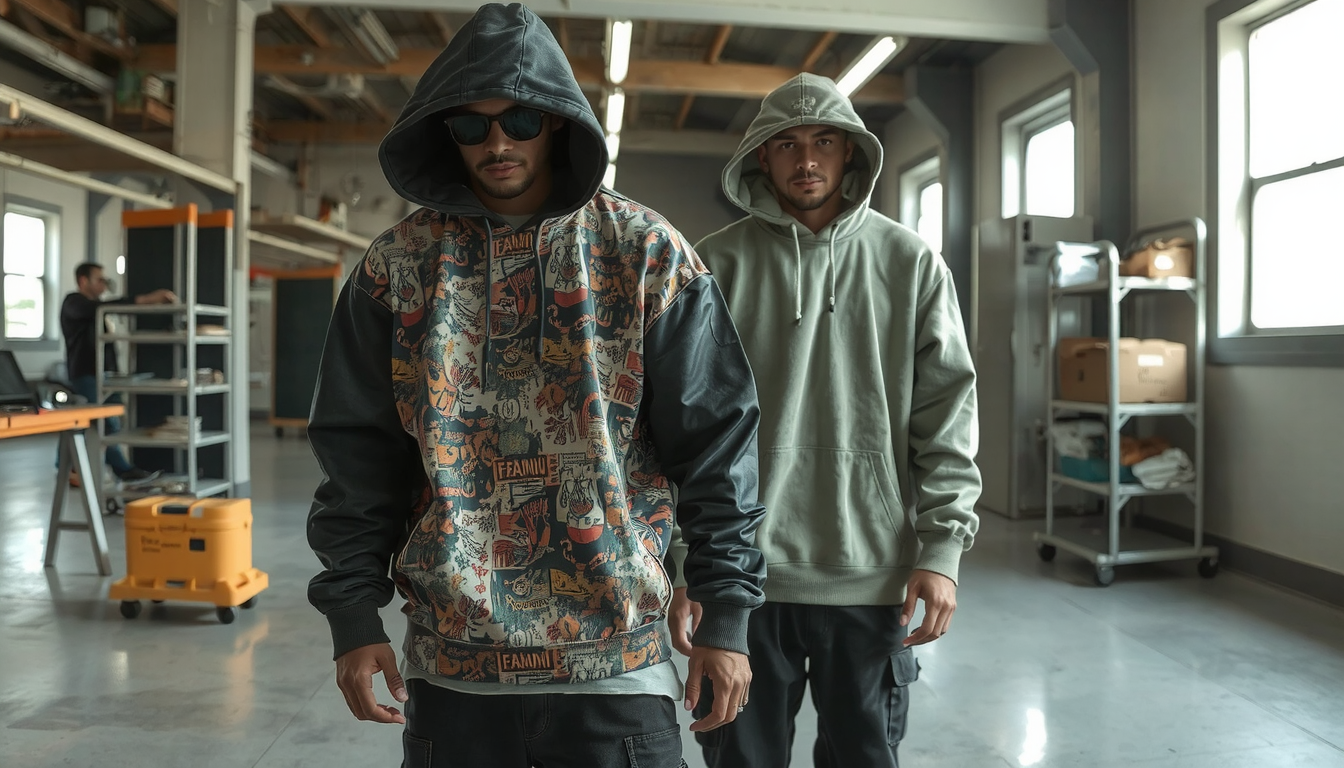
Through this text, you will be guided in all the necessary details. You will learn all about streetwear culture’s historical roots and major ideas, modern hip-hop, and the like. You will also be shown how to create a good wardrobe. Your unique style will be developed. Hypothetically, we might do this even by designing your own streetwear clothing.
The DNA of Streetwear: More Than Just Clothes
To really get to the bottom of streetwear, we need to discuss the context of its history. The message on the clothes speaks about the community, creativity, and the self. It is not about the logos which the streetwear culture is using, but what these logos are standing for.
The Cultural Melting Pot
Streetwear is a compilation of cultures and ideas that stand for different vibes. Each of them gives their own unique addition to this style.
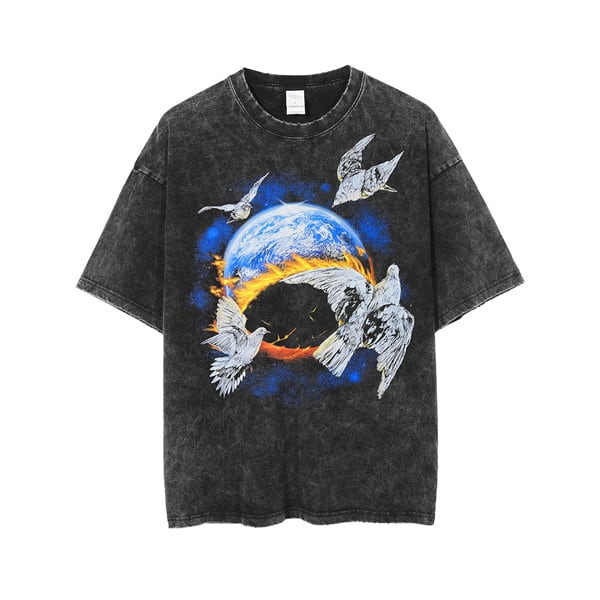
- Skate & Surf Culture: Very often, this brought up a need for clothes that are both comfortable and durable. Graphic t-shirts, tough pants, and incredibly easy to wear hoodies are the answer to this problem.
- Hip-Hop: The early years of hip-hop explained that logos and brands could be cool. The combination of sportswear and luxury created a totally different street fashion style.
- Japanese Street Fashion: The streets of Tokyo introduced a priority on proper design and the superior quality of materials. So, streetwear got new silhouettes and very detailed craftsmanship because of this influence.
- Punk & DIY Spirit: The punk era is the one that brings a sense of do-it-yourself. It was about mixed styles and an aversion to consumerism.
Key Ideas: Exclusivity, Authenticity, and Community
Streetwear is an idea that is based on a few fundamental things. The primary element is “Hype,” which is generated by limited quantity releases of the product. For example, these limited edition releases are typically referred to as “drops.” The result is that customers perceive the products as being unique and scarce.
Furthermore, the brands emphasize the community they build. An example can be STAPLE – STREETWEAR, the brand that started with a t-shirt and turned it into a cultural statement. It connected people through their common interest. Clothing in this way becomes a magical object.
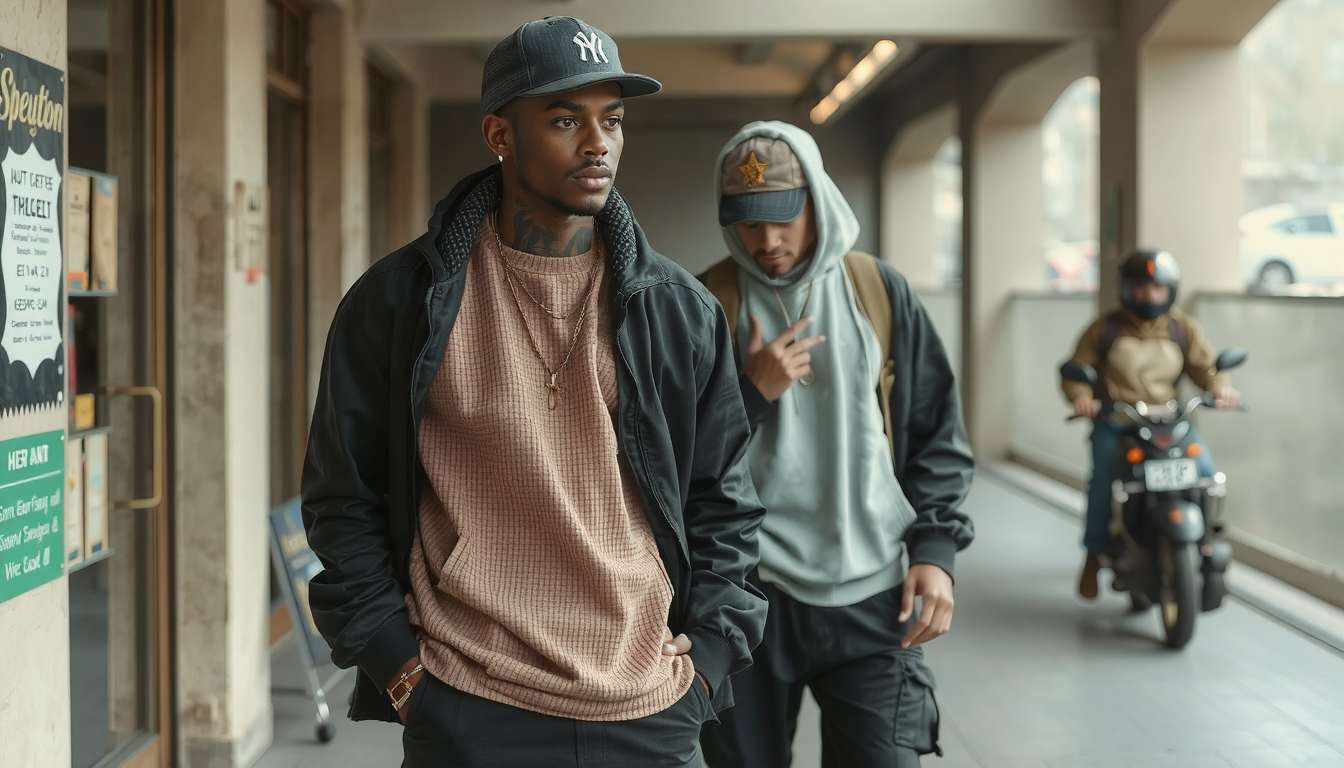
Building Your Basic Streetwear Wardrobe
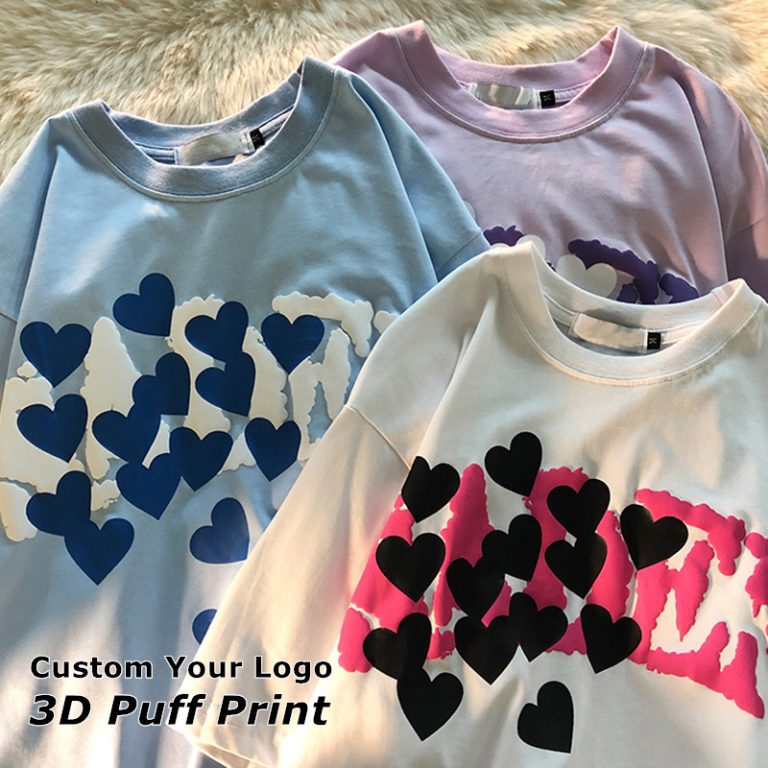
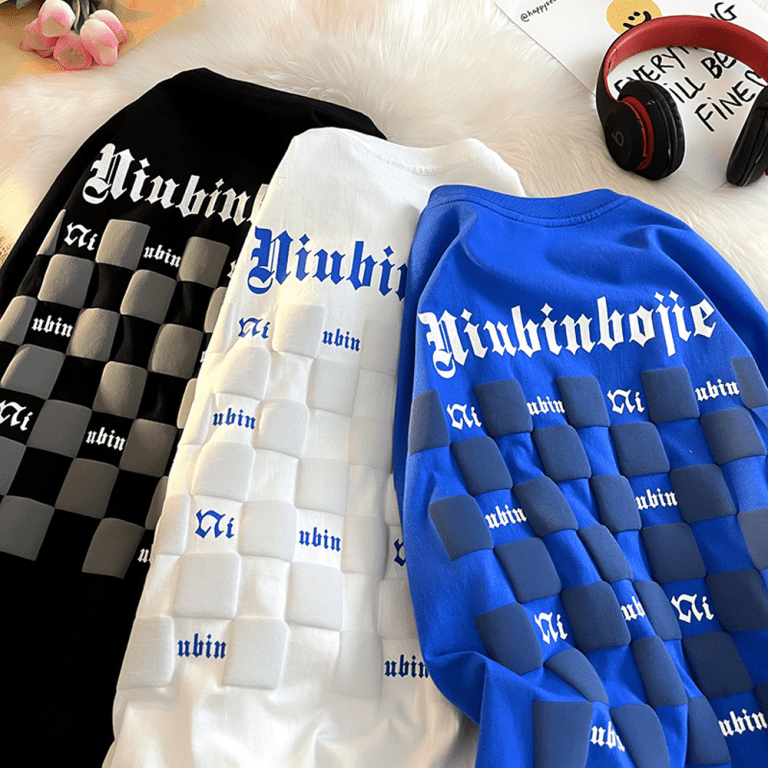
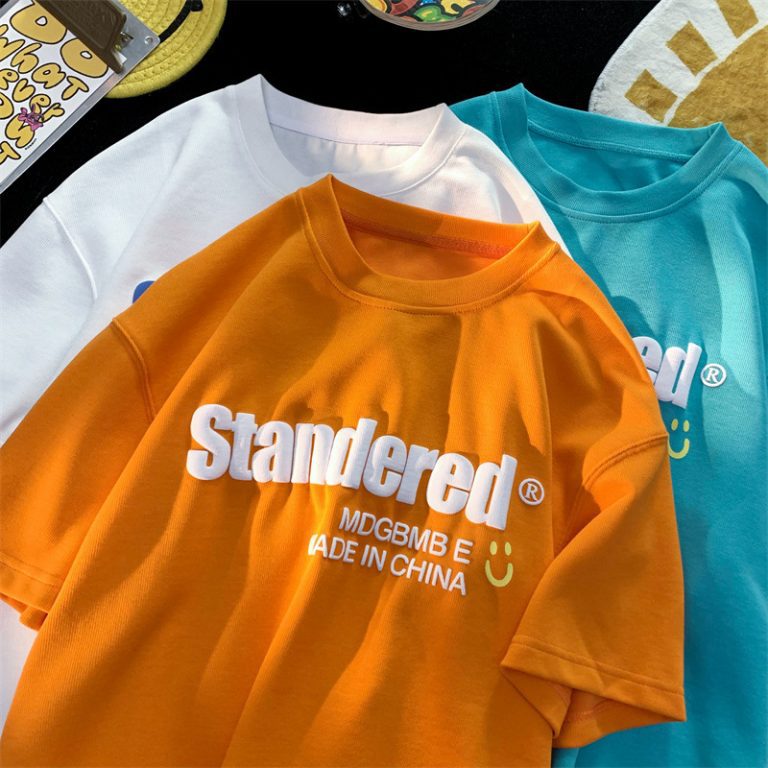
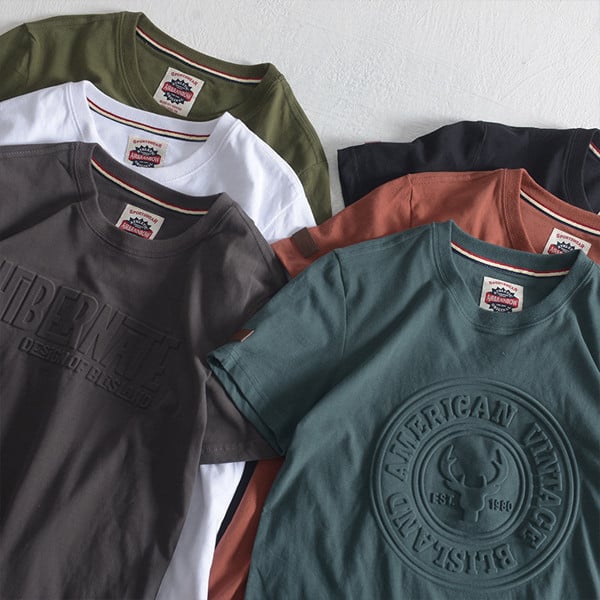
The foundation of a great streetwear collection is based on the few essential pieces. These clothes are the versatile ones from which you can build an array of outfits based on them. The comfort and the style they offer make them the must-haves you do not even have to think about before choosing what to wear.
| Category | Essential Item | Why It’s a Staple |
|---|---|---|
| Tops | The Graphic T-Shirt | The best way to show your personality and interests. |
| The Hoodie | An icon of streetwear, offering comfort and style. | |
| The Crewneck Sweatshirt | A clean, simple piece perfect for layering. | |
| Bottoms | Cargo Pants/Utility Pants | Practical, comfortable, and adds a functional look. |
| Quality Denim | A timeless choice, from relaxed fit to a cleaner cut. | |
| Sweatpants/Joggers | Athletic wear that has become a daily must-have. | |
| Outerwear & Accessories | The Bomber/Varsity Jacket | A classic jacket style that fits almost any look. |
| Sneakers | The true soul of any streetwear outfit. | |
| Headwear | Beanies, snapbacks, or bucket hats complete the look. |
An extra note from the fashionista side: A quality oversized hoodie with a well-fitted cargo and a classic sneaker will be a great combo. This look would be suitable for almost any casual event, being it a picnic or a movie night. That outfit always looks right.
Beyond Buying: How to Develop Your Personal Streetwear Style
The second step is finding the right pieces to own. However, the artistic part of it is in how you mix and match things together. A personal style that is well defined and designed is what you want to achieve.
Master Your Shape
The clothes shape rating, or silhouette, of your outfit is very crucial. The key is to make the right balance.
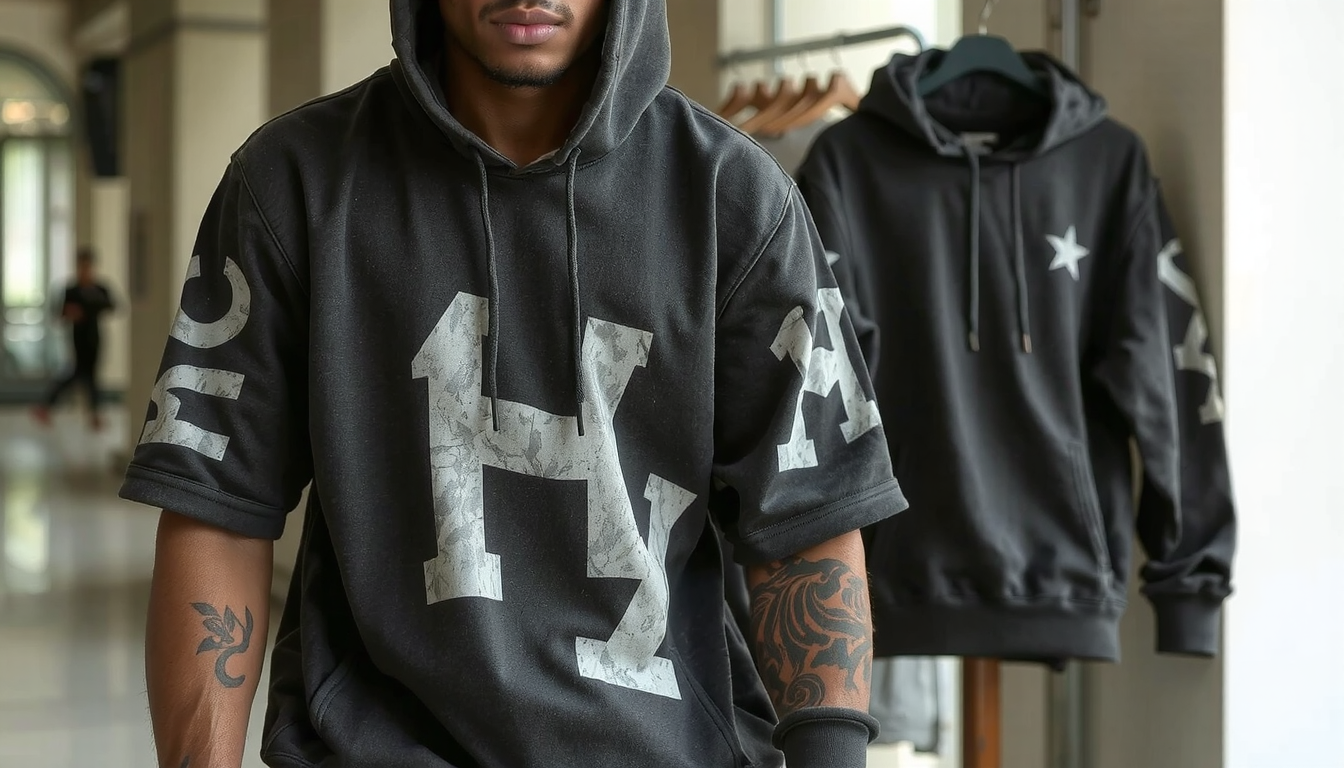
- You can try wearing an oversized top, such as a big hoodie, and more fitted bottoms, such as slim-fit jeans together.
- Or wide-leg pants with a shorter or fitted jacket can be worn. This also balances it out differently.
- By using such tricks, you can form an artistic and conscious look.
The Holding Art of Layering
Layering is a technique that creates shape and gives texture to your outfits and is also functional because it allows you to move from one weather condition to another easily. Simple layering tricks include putting on an open button-up shirt over a graphic tee. You can also use a hoodie under a denim or bomber jacket. This will create a more complex visual for your clothing.
High/Low Mixing
Having a closet that is full of expensive items is not a must-have for you to be fashionable. The significance of mixing high-end “grail” pieces alongside affordable basics is a key thing to learn. For example, a coveted pair of kicks worn with a basic tee also makes a statement. This makes it seem as if your style is both prescriptive and individual.
Finding Your Niche
Streetwear is very multifaceted and includes a lot of other styles. Find the one you feel connected with the most after trying out the different subcultures. If it pleases you, you can go for techwear, which entails a futuristic and functional material choice. Or gorpacore outfits that are sports and hiking gear-inspired.
Finding your own distinctive style should be your starting point. Streetwear is no longer only about you being a consumer, but also about you being a creator who gets involved in the streetwear clothing industry. An example of a brand is Urban Monkey® | Streetwear Clothing Brand which highlights the point of having a clear vision, skate-inspired that can clearly define the identity of a brand.
From Consumer to Creator: A Look into Streetwear Production
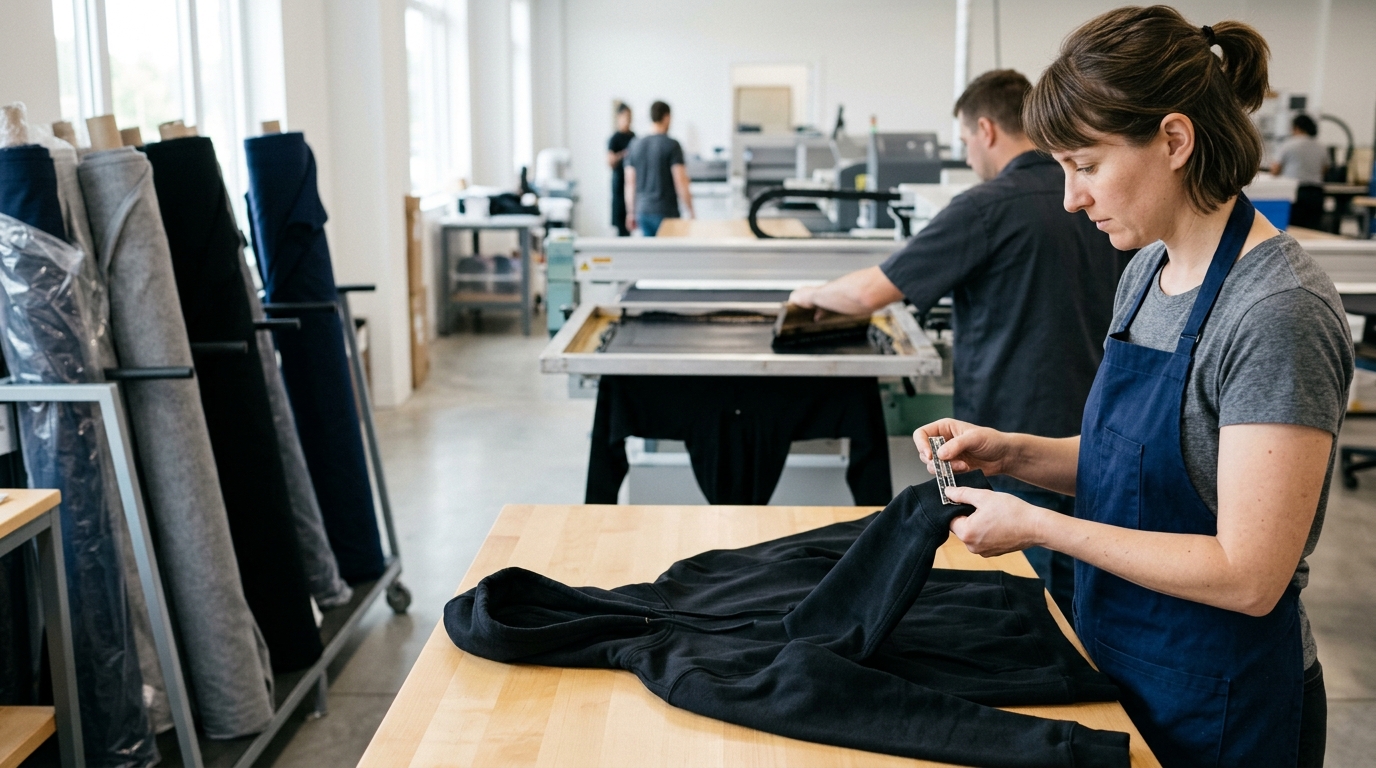
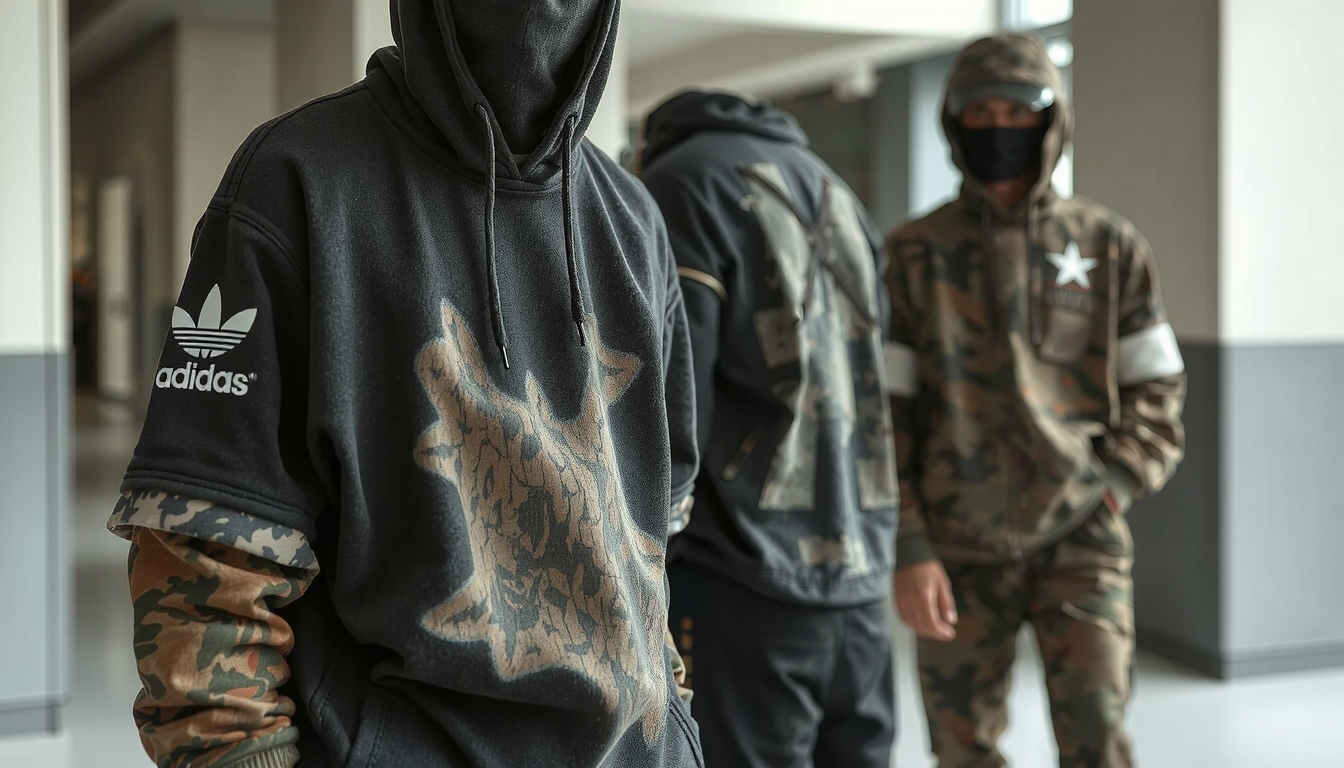
Did you ever consider coming up with your own brand? The shift from a fan of a product to a producer of it is vast. That’s why building your foundation which is the knowledge of how streetwear is produced, is necessary. Below is a quick preview of the manufacturing process for streetwear apparel.
The Idea: Your Brand’s Identity
A good venture is always launched by a brilliant concept. What is your core idea? Who is your target audience? The particular identity of your brand will impact every decision you make from the design of your clothes to your graphics.
The Canvas: Choosing Quality Blanks and Fabrics
A cloth material is the basic foundation of quality clothing. Damaged, or out-of-shape fabric will always be a problem for anyone who has good design ideas. The great brands are always comfortable in their quality, durable, and well-constructed garments. This is the exact point of tapping the right t-shirt manufacturers to get the desired quality and consistency.
The Signature Piece: Customization and Detail
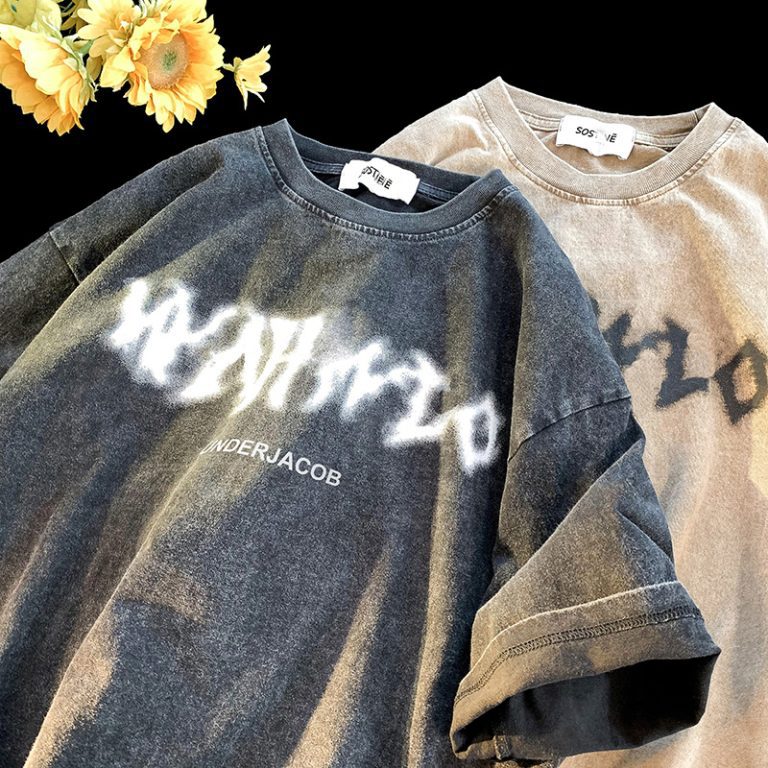
Custom features are what give a brand its individuality. Anything like embroidery, fabric washes, zippers, buttons, etc. You know that in this high-demand world, people are looking for apparel that fits their personality, custom clothes.
The hoodie is frequently the item associated with the brand. It is an excellent place to exhibit special features. A custom hoodie manufacturer which is conversant with all the details will permit a new brand to have the best in terms of literally everything. These aspects are what will make them exceptional.
The Final Word: Streetwear is What You Make It
We have gone through the history of streetwear clothing and the processes related to making it and how to build a wardrobe. Besides that, we have gone through the steps in making a personal style. We even took a peek into the realm of production. The very core of streetwear lies in self-expression.
This is about your story being told through the things that you wear. This is about the group of people you function with. Through resources such as TZ Streetwear which allows you to nurture your creativity be it in the talent or business either play as a connector to put you in the streetwear path.
Frequently Asked Questions (FAQ) about Streetwear Clothing
What is the difference between streetwear and urban wear?
Although the two terms are often confused, they have different beginnings. “Streetwear” comes from specific subcultures like skate, surf, and punk. It often involves a global community and limited “drops.” “Urban wear” is a wider term associated with the fashion of metropolises. It has strong ties to R&B and hip-hop music culture in the 1990s and 2000s.
Can you wear streetwear if you’re older?
Yes, certainly. Streetwear isn’t a boundary for age, it’s a mindset. The main target is to invest in high-quality, well-tailored essentials. Forget about fast fashion trends, think about clever, clean, and premium hoodies, sneakers, and quality denim. Great style does not age.
How do I find good quality streetwear clothing?
At times, it is not always the logo that you should focus on. Look out for heavyweight cotton in the fabric tag. This means it is a good quality sign for tees and hoodies. Check the stitching and see if it is sturdy and professionally done. Additionally, reading reviews concerning the fitting and durability of a product will be beneficial if you want to make a reasonable decision.
What are some timeless streetwear pieces that never go out of style?
Timeless, classic streetwear items that will never become obsolete include a black or grey hoodie and a white graphic t-shirt. You could also add the most recognized pair of sneakers. The addition of dark, relaxed-fit denim and a versatile bomber completes your outfit. That is the perfect mix to start with.
What makes streetwear so expensive?
There can be several factors that influence the value of streetwear clothes. To make them, businesses may employ elaborate designs or lavish materials. Generally, the products are sold in limited quantities “drops.” This means more is spent on each piece. Also, the brand’s image or “hype” carries great weight. Artists collaborating with other brands or luxury models is another factor that raises prices.