It appears to be quite an easy way to choose a t-shirt until you come across all the options. What alternative can you have as the only confusion is the comparison of the best fabrics? You need a fast answer without wasting your time to search for a T-shirt materials ranking. Here we are to assist.
Still, be honest with yourself: no one fabric can be “best” for all of you. The suitable option is dictated by your needs. Is it the main reason for you to be comfortable the whole day? Or maybe it is more important for you to have a lasting shirt? Are you planning to work out? Or do you want to print a design on it?
This article aims to help you to have the best match. We will classify T-shirt fabrics, giving the most important factors. These are softness, strength, breathability, wrinkle resistance, and their suitability for printing. Let’s head to the perfect fabric.
The Rankings of the Different T-Shirt Materials
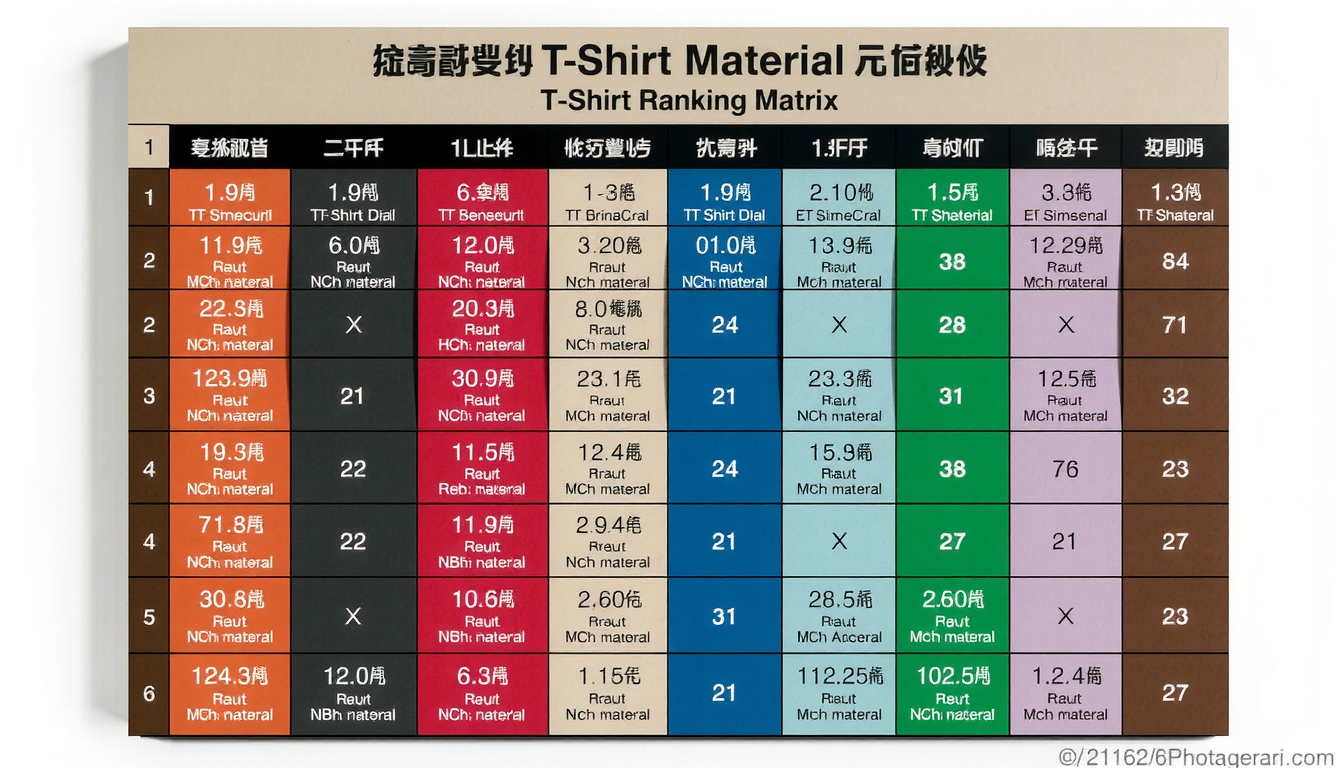
You can find this chart, where you will find a quick answer of what you need to look at first. This ranking of t shirt material helps you to make fast comparisons between all the popular fabrics. Look at it to check the qualities of each material easily.
| Fabric Type | Softness (1-5) | Durability (1-5) | Breathability (1-5) | Wrinkle Resistance (1-5) | Best For |
|---|---|---|---|---|---|
| 100% Combed/Ringspun Cotton | 4 | 3 | 5 | 2 | Everyday Wear, Premium Brands |
| 100% Polyester | 2 | 5 | 3 | 5 | Activewear, Team Sports |
| 50/50 Cotton/Poly Blend | 3 | 4 | 3 | 4 | All-Purpose, Workwear |
| Tri-Blend (Cotton/Poly/Rayon) | 5 | 3 | 4 | 3 | Fashion, Retail, Premium Feel |
A Closer Examination of the Top T-Shirt Fabrics
Having a quick overview is good, but now let’s take a deep look. We will analyze why each fabric took its position. Knowing the particulars will facilitate the choice of the most suitable t-shirt fabric.
100% Cotton: The Timeless Option
Cotton is indeed the number one natural fiber for T-shirts. This is because of its good quality and it is mostly used around the world, but the quality really varies. Basic cotton is the cheapest but it can be rough.
If you want a softer texture, you would better use ringspun cotton. This technology spins and makes cotton fibers thinner. This permits the creation of a much smoother yarn. Combed cotton advances this method; it makes use of a cleaner and thicker cotton to get a super-soft, high-end fabric.
Pros: Cotton is very breathable, which is great for people with sensitive skin. Additionally, it is a natural fiber that takes prints well.
Cons: It can be easily shrunk and wrinkled. In addition, it is capable of absorbing moisture and keeping it. This fact makes it unsuitable for heavy workouts.
Picture your most beloved, soft, worn-in concert tee you ever had, I mean the high-quality cotton has this exact feel. The high-quality cotton is akin to wearing nothing because of its comfort.
100% Polyester: The Durable Champion
Polyester is a man-made fiber that is super-strong and durable. It is a true workhorse in the clothing industry. This strength is the main reason for it being suited for clothing that needs to withstand extensive usage.
Pros: This fabric is long-lasting. It has great resistance to wrinkles and shrinking. It keeps its color indestructible wash after wash. The feature that stands out the most is the wicking of moisture. It helps the body dry.
Cons: Polyester does not breathe as well as cotton. It can feel slick or fake. In some cases, it can hold smells more than natural fibers.
With a smooth and occasionally slick feeling, it presents a clear stretch. This fabric won’t absorb the sweat as cotton does. In contrast, the minor moisture that gets through helps in drying. This is the reason it has become a favorite for gym clothing and team jerseys.
Cotton/Polyester Blends: The Blend that Brings No Regrets
Fabric blends, commonly 50/50 (50% cotton, 50% polyester) or 60/40, are aimed to provide you the best characteristics of both fibers. This cotton, polyester, and blends comparison explains how they give the best of both worlds. This is why they appear in the bestsellers of t-shirt materials for universal use.
Pros: A blend is usually softer than 100% polyester. It is also more durable and more wrinkle resistant than 100% cotton. Plus, they have a much lower shrink rate than pure cotton shirts.
Cons: They do not breathe as well, compared to 100% cotton. This can be a decisive factor in very hot weather conditions.
These mixed fabrics feel soft but tough. They contain cotton for ease of wear and polyester for low maintenance. Therefore, they make a great all-around pick.
Tri-Blends: The Ultimate Super Softness
In the T-shirt market, tri-blends are the luxuries. These shirts consist of three materials: cotton for including softness and breathability, polyester for ensuring durability and shape, and rayon for a silky feel and amazing drape.
Rayon is a man-made fiber that comes from natural sources. It adds a ultra-soft feel to the fabric. According to this guide understanding T-shirt fabric options, tri-blends are famed for their premium feel, super softness.
Pros: They are lightweight, soft to the touch, and drape well. They are unique since they have a slightly blended look, which is trendy nowadays.
Cons: Tri-blends tend to be expensive. They are more fragile and require higher printing skills to get a perfect print.
A tri-blend tee feels like an old friend, soft, light, and perfectly draped. The very first day you wear it, you feel it like a shirt you have owned and loved for years. It’s airy, light, and drapes beautifully.
Matching T-Shirt Material to Your Needs: A Real-Life Guide
The material to make the best t-shirt depends on the task it is to do. Let’s match the different fabrics and real situations to help you in decision-making.
For Daily Comfort: Combed Cotton or Tri-Blend
The most important aspects of a shirt to live in are softness and breathing space. A good-quality combed and ringspun cotton tee has a nice weight. If you want the ultimate feel with a modern drape you should go for a tri-blend which is the next level of comfort.
For Working Out: 100% Polyester or High-Poly Blend
While working out, you need a shirt that goes well with you. Sweaty feelings wouldn’t be a problem anymore – just like you, 100% polyester is wicking. It stays cool and dry. Another choice that can replace that may be a blend with a high percentage of polyester such as 65% or more. This blend will provide a bit more softness and still perform.
For Custom Printing & Branding: Cotton/Poly Blends or 100% Cotton
The fabric is your canvas when you are creating custom clothing. 100% cotton is brilliant for direct-to-garment (DTG) printing as it soaks the ink for a clear and bright image. For the screen printing method, a cotton/poly blend is a well-known choice due to the fact that it gets the job done and adds a cool, vintage effect to the printed items. To have your design, and fabric be in sync, every brand has to improve its teamwork with skilled t-shirt manufacturers.
For a Premium Streetwear Brand: Heavy Cotton or Tri-Blends
The feel is as important as the look when it comes to fashion. A top streetwear label needs to be made from the material that feels exclusive. Heavy cotton is a tough and structured feel that is very much on trend in modern streetwear. For a soft, fashion-forward look, a tri-blend offers a premium drape and feel that justifies a higher price.
Beyond Fabric Type: What Else Makes a Quality T-Shirt?
Besides material, a good t-shirt is also made of other elements. There are two other things that have a huge impact on the t-shirt fabric ranking and the quality of a shirt.
Fabric Weight (GSM)
GSM stands for grams per square meter. It is a measurement of the thickness or density of the fabric. Usually, a higher GSM indicates a heavier and tougher t-shirt.
- Light (<160 GSM): Thin and airy, perfect for summer or layering.
- Medium (160-200 GSM): The sweet spot for most standard, high-quality T-shirts.
- Heavy (>200 GSM): Thick, tough, and structured. Popular for work clothes and streetwear.
How Well It’s Made
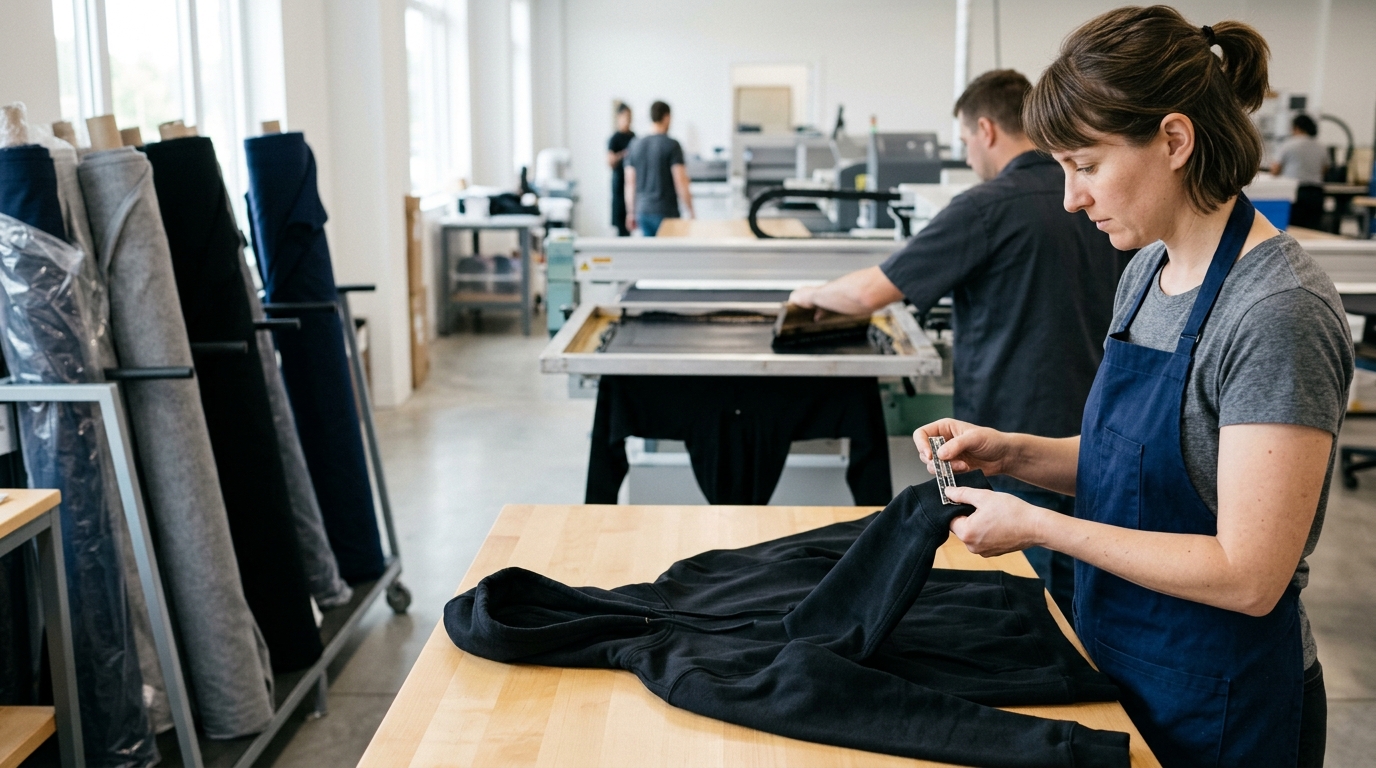
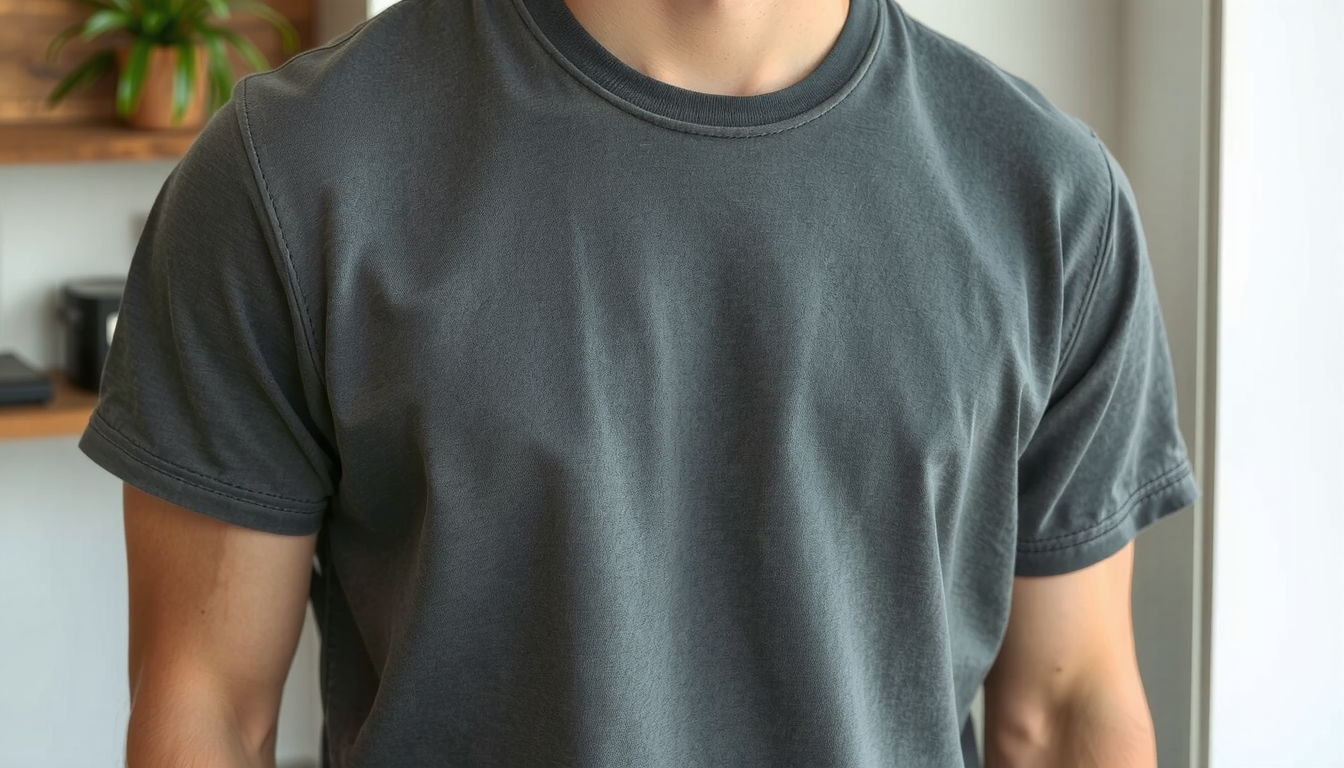
Even the fanciest fabric can look bad if the stitching is poor. It’s crucial to check the detailing. Look for nice, straight stitches, mainly around the collar, sleeves, and bottom. Holding well to a good fit is a major factor that shows the care which has been given in making the shirt. This is the reason why any custom clothing project will be efficient only by working with a reliable partner. Whether you need t-shirts or if you are looking for a custom hoodie manufacturer, the secret of the quality product is in the construction techniques.
Conclusion: Your Ideal T-Shirt Is Waiting
We started by asking how to choose the best T-shirt. Now you are aware of the answer: your needs. In T-shirt material ranking, there isn’t a final winner. But you can find the material that is just right for you.
To sum up: for the purest comfort, choose combed cotton or a tri-blend; for durability and athleticism, go with polyester; for a perfect combo, grab a cotton/poly blend. With this knowledge, you are able to make a confident decision on the next T-shirt buy or custom clothing project.
Common Queries
What is the softest T-shirt material?
Tri-blends are typically the softest due to the rayon inclusion. The airy touch and the silky feel are the main benefits of this fabric. The second choice, depending on the taste of someone who prefers a 100% natural fiber, is high-quality combed and ringspun cottons like Pima or Supima.
What is the toughest T-shirt material?
The toughest fabric is 100% polyester. It has the capacity to the best against shrinking, stretching, and wrinkles. A cotton/polyester blend is the next best option. It delivers way more toughness than pure cotton yet it still retains some of its softness.
Will a 100% cotton T-shirt shrink?
The answer is yes, and a 100% cotton one is likely to shrink, particularly if the washing is done in hot water and the drying on a high heat setting. To prevent shrinking, it’s better to use T-shirts labeled as “pre-shrunk.” They should always be washed in cold water and tumbled on low or they’re best hung to dry.
Is polyester a bad material for T-shirts?
Absolutely not. Even though they don’t breathe as well as cotton, polyester is the champion in athletic wear. It zooms moisture from the skin and is very resilient. It’s about using the right type of fabric for the specific activity.
What’s the primary distinction between a poly-cotton blend and a tri-blend?
A poly-cotton blend brings together two fibers (cotton and polyester) therefore making the T-shirt comfy and tough. A tri-blend is the rayon fiber that adds the third fiber. Rayon is the main difference. It is this very soft and hangs differently compared to a traditional cotton tee.