Introduction: Navigating the Fashion Design Process
Understanding the fashion design process is crucial for anyone looking to enter the industry. The worldwide market for clothing is estimated as $1.5 trillion by Statista and is expected to grow up to the value of $2.25 trillion in 2025; This attests to the great potential of the fashion industry and large competition. A uniform procedure for fashion design process helps with converting an idea into a readymade product. From Concept to Distribution takes Lean, Creative and Technical Expertise.
Sixty-seven percent of fashion executives in a survey by McKinsey & Company believed that an orderly and well-defined design process is very or critically important for the success of their brand. Read on to discover the ten phases of fashion design process, tailored with tips and hints for designers at each stage.
Stage 1: Research and Trend Analysis
Importance of Research
- Foundational Research: Research is the foundation of any successful design project. This includes observation of the zeitgeist, figuring out what people like today and carefully studying other creatives. First, you should subscribe to trend forecasting services like WGSN and Trendstop. They help guide us on various next trends, colors and styles.
- Historical Fashion: Exploring historical fashion can provide inspiration and context for new designs. Visit libraries, museums, and online archives to study different eras of fashion.
- Cultural Influences: This includes observation of the zeitgeist, figuring out what people like today and carefully studying other creatives. First, you should subscribe to trend forecasting services like WGSN and Trendstop. They help guide us on various next trends, colors and styles.
Common Questions and Solutions
Q: How can I stay updated with the latest fashion trends?
A: Use trend forecasting services, follow fashion blogs and social media influencers, and attend fashion shows and industry events. Regularly visit websites like Vogue, Harper’s Bazaar, and the Business of Fashion for updates.
Q: What are the best resources for studying historical fashion?
A: libraries, online archives (Vogue Runway ftw), museums and books on fashion history. The Costume Institute at the Metropolitan Museum of Art and Victoria and Albert Museums’ online collections are both great resources for detailed historical fashion information.
Stage 2: Inspiration and Concept Development
Gathering Inspiration
- Sources of Inspiration: Inspiration can come from various sources such as art, nature, urban environments, and personal experiences. It makes sense to gather inspiration in an organised way by making mood boards. Digital mood boards can be made using something like Pinterest or Adobe Spark, and physical ones could involve magazines scraps, fabric swatches, photos.
- Concept Development: Creating a unique concept that presents to the brand. It takes some brainstorming and creativity. Think about the narrative you wish to convey through your collection and whether or not it captures the essence of what your brand stands for in values as well as aesthetics.
Common Questions and Solutions
Q: How can I create a cohesive mood board?
- A: Start making an inspiration board with images, colors, textures and/or patterns pulled from your theme. You can use digital tools like Pinterest as well, alongside some physical collages. Sort them out in an order that resembles the mood and ensemble of your collection
Q: What should I do if I’m struggling with concept development?
- A: Take a break and revisit your research, seek feedback from peers, and explore new sources of inspiration. Sometimes stepping away and looking at your project from a different perspective can spark new ideas.
Stage 3: Initial Sketching and Ideation
Sketching Techniques
- Initial Sketches: Sketching is the first step in bringing your concepts to life. Start with rough sketches to quickly capture your ideas. Whether you prefer hand-drawing or using digital tools like Adobe Illustrator and Procreate, the goal is to visualize your designs.
- Collaboration: Work with team members to polish your sketches. By sharing your thoughts with others, you garner feedback and make much better designs. The first drawings are no supposed to be finessed, they exist as a tool for searching and prototyping your ideas.
Common Questions and Solutions
Q: Should I use digital tools for sketching?
- A: There are good things about both hand sketches and digital. For the printed cartoon, it makes easy to edit them and improve further where as in hand drawing may take time with more mechanical copying. Try both and see which one suits your best.
Q: How do I improve my sketching skills?
- A: To practice every week, sign up for courses and study the anatomy and basic knowledge of clothing. It is also important to know how you are doing! These can be bolstered by online tutorials, art classes or even just fashion illustration books.
- Learn more about sketching and ideation
Stage 4: Material Exploration and Fabric Selection
Selecting Materials
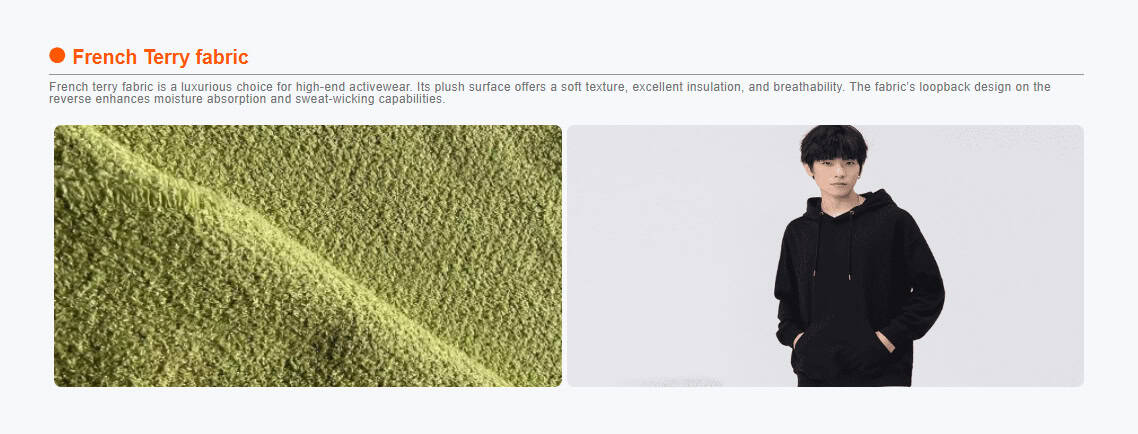
- Material Selection: Different types of materials can give you different final effects so this is very important to chose the right type of material for your exhibits. Identify materials appropriate to the design concept Think about the texture, drape, sustainability and longevity of a fabric. Ask for fabric samples from your suppliers to check the quality of it.
- Sustainability: Evaluate the sustainability of different fabrics. Sustainable materials like organic cotton, recycled polyester, and Tencel are becoming increasingly popular. Working with suppliers to source high-quality, sustainable fabrics can enhance your brand’s appeal.
How to Determine Fabric Quality
- Visual and Tactile Inspection: Check for any irregularities that can be seen or felt, like uneven weaving or discoloration. Touch the fabric to see if it is soft or coarse and how heavy or light each type of material seems.
- Durability Tests: measure the ability of a fabric to resist being ripped, Tensile (stretch) testing, and Abrasion resistance. If the cloth is good quality, it will not lose shape even after you have washed and worn the piece multiple times.
- Color Fastness: Check if the color of fabric does not bleed or fade after wash Wash Test: As a final test, you can do the wash velvet fabric in warm water to analyze how it will respond under this type of condition.
- Supplier Certification: Work with suppliers who are sourcing a certified range of fabric(al) such as OEKO-TEX and GOTS, this helps them to be sure about the quality.
Common Questions and Solutions
Q: How do I choose the right fabric for my design?
- A: Consider the drape, texture, durability, and sustainability of the fabric. Request samples and conduct fabric tests. Look at how the fabric behaves in different conditions and how it complements your design.
- Explore fabric selection tips
Q: Where can I find sustainable fabric suppliers?
- A: Research online directories, attend textile trade shows, and network with other designers for recommendations. Websites like Source My Garment and Common Objective provide resources for finding sustainable suppliers.
Stage 5: Technical Design and Specification Development
Creating Technical Sketches
- Technical Sketches: Technical sketches, or flats, are detailed drawings that show every aspect of your design. These are the sketches used to illustrate proprietary technical specs, like accurate measurements and any seam-stitching. Prompt and precise production requires a fully developed tech pack. All specifications which contains fabric types, trimsand construction details.
- Tech Pack Development: Detail-oriented specs to accurately communicate with manufacturers. Reduce mistakes and miscommunication during production. Create accurate technical sketches and tech packs through tools such as Adobe Illustrator.
Common Questions and Solutions
Q: What should be included in a tech pack?
A: Technical designs, exact specs and measurements for the garment are included. Fabrics that will be used description of trims, finishes or any other decorative elements.Must include instructions on every style you’re manufacturing A tech pack is like a building blueprint for your garment that guarantees consistency across production.
Q: How can I ensure my tech pack is accurate?
A: Double-check measurements, clear language and good visuals. If necessary, work with a technical designer to make sure all details are Ph accurate and clear.
Stage 6: Prototype Development and Fitting
Developing Prototypes
- Prototype Creation: Creating prototypes allows you to see how your designs translate into physical garments. Start with a basic prototype to visualize the design. Conduct fitting sessions with models to refine the fit and functionality. Make necessary adjustments based on feedback and testing.
- Iterative Process: Keep iterating until you are happy with it. Prototyping is a trial-and-error process that helps detect and fix glitches before manufacturing any product in an enormous number. Test ground in these sessions and experiment with various materials and build methods.
Common Questions and Solutions
Q: How can I improve the fit of my prototypes?
- A: Conduct multiple fitting sessions, gather feedback from fit models, and make necessary adjustments to the patterns. Pay attention to how the garment moves and fits on the body, and make refinements accordingly.
Q: What should I do if my prototype doesn’t meet expectations?
- A: Identify the issues, make revisions, and create a new prototype. Consider consulting with an experienced tailor or pattern maker to address complex fitting problems.
Stage 7: Finding a Clothing Manufacturer
Evaluating Manufacturers
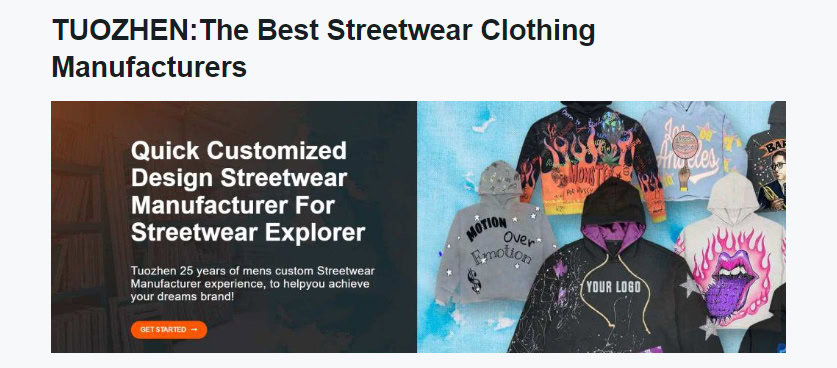
- Manufacturer Research: Finding the right manufacturer is crucial for bringing your designs to life. Research potential manufacturers and evaluate them based on quality, cost, and reliability. Collaborate with manufacturers like tzstreetwear.com to produce high-quality samples.
- Quality and Reliability: Ensure the manufacturer can meet production requirements and deadlines. If you are able to, visit their premises and ask clients for references. Production depends on straightforward communication and good relationship with your manufacturers.
How to Assess Manufacturing Quality
- Sample Evaluation: Request samples of their previous work. Examine the stitching, seams, and overall construction quality.
- Factory Visit: If possible, visit the manufacturing facility to inspect their machinery, processes, and working conditions.
- Certifications: Check if the manufacturer has relevant certifications, such as ISO standards, which indicate adherence to quality management systems.
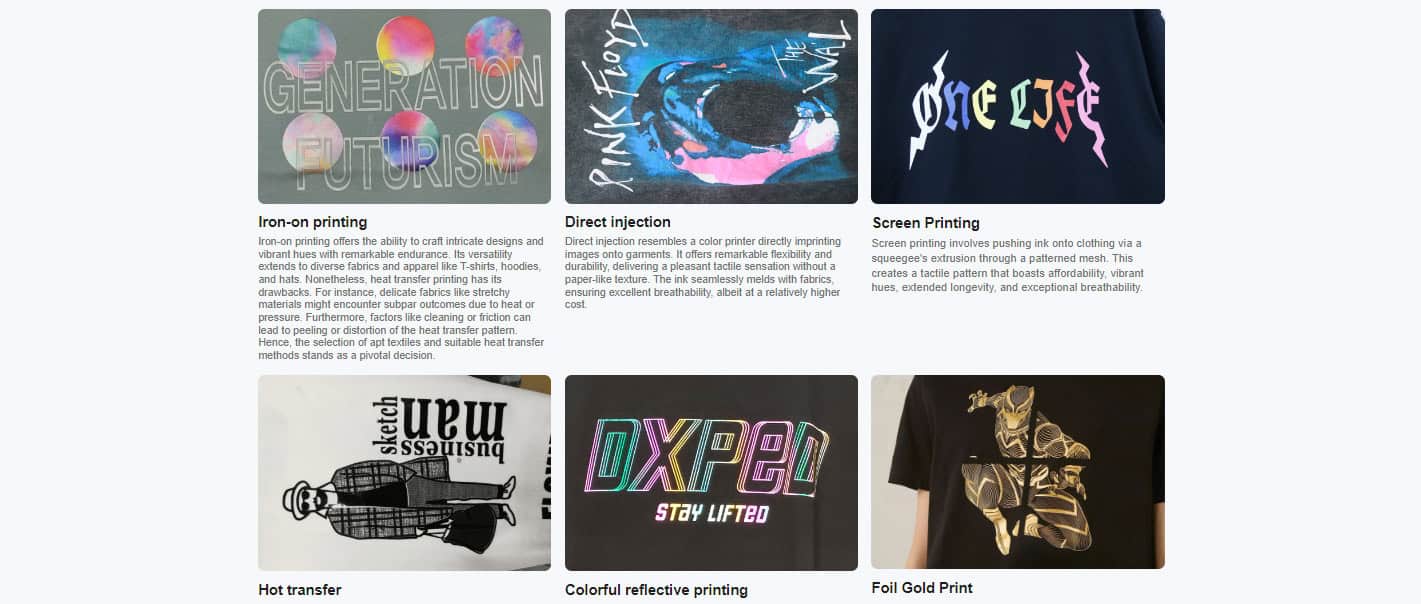
- Specialty Processes: Evaluate their capability in specialty processes like printing, embroidery, and washing. Ensure they use high-quality materials and techniques.
Common Questions and Solutions
Q: How do I choose the right manufacturer?
- A: Consider their expertise, production capacity, quality control measures, and communication skills. Request samples and visit their facility if possible. Look for manufacturers who specialize in the types of garments you design.
- Find the best streetwear clothing manufacturers
- Find the best clothing manufacturers for startups
Q: What are the risks of working with overseas manufacturers?
- A: Language barriers, longer lead times, and potential quality control issues. Mitigate risks by establishing clear communication and regular quality checks. Conduct thorough research on potential manufacturers using search engines like Google.
Importance of Sample Approval Before Bulk Orders
It is essential to provide samples so that before placing substantial orders you can be assured of the manufacturer meeting your quality standards. This step helps to:
- Check with the manufacturer to see if they can create garment as per your specification.
- Look for any materials, construction or fit issues that you can improve.
- Modify the design to ensure trouble-free productionisation.
Stage 8: Final Design Approval and Production Planning
Planning Production
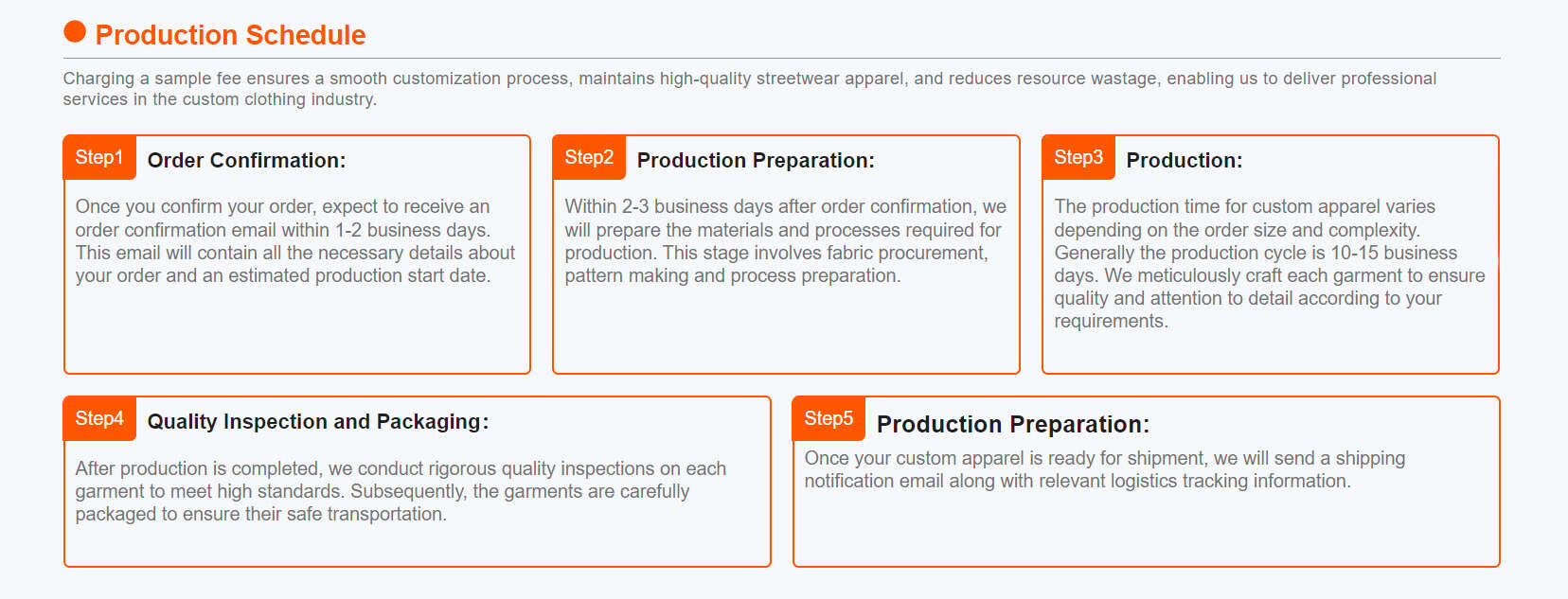
- Production Planning: Once your design is finalized, it’s time to plan the production. Review the final design and ensure all details are correct. Create a detailed production timeline and logistics plan. Coordinate with your manufacturer to ensure smooth execution.
- Logistics and Coordination: Consider production capacity, lead-time, shipping logistics etc. Good production planning will help prevent delays and ensure the timely delivery of your goods to market.
Common Questions and Solutions
Q: How can I streamline the production planning process?
- A: Set up a timeline on project management software and keep all stakeholders in the loop. For example: Trello, Asana, Slack (To keep task and deadline under good tracking.)
- Understand production scheduling
Q: What should I do if production delays occur?
A: Make contingency plans, ensure your customers are aware and work closely with the manufacturer to address any issues fast. Proactivity and open communication go a long way toward dulling that edge, when delay happens.
Stage 9: Mass Production and Quality Assurance
Overseeing Production
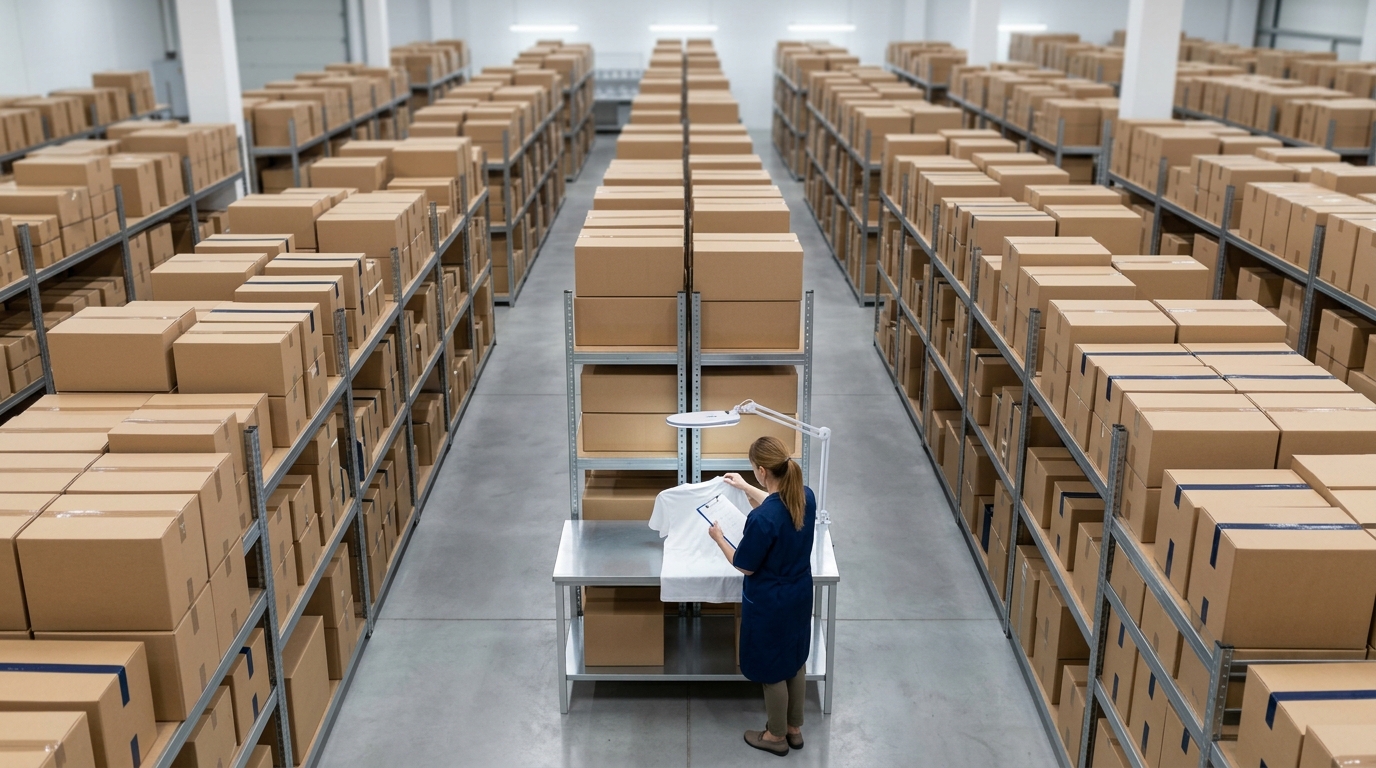
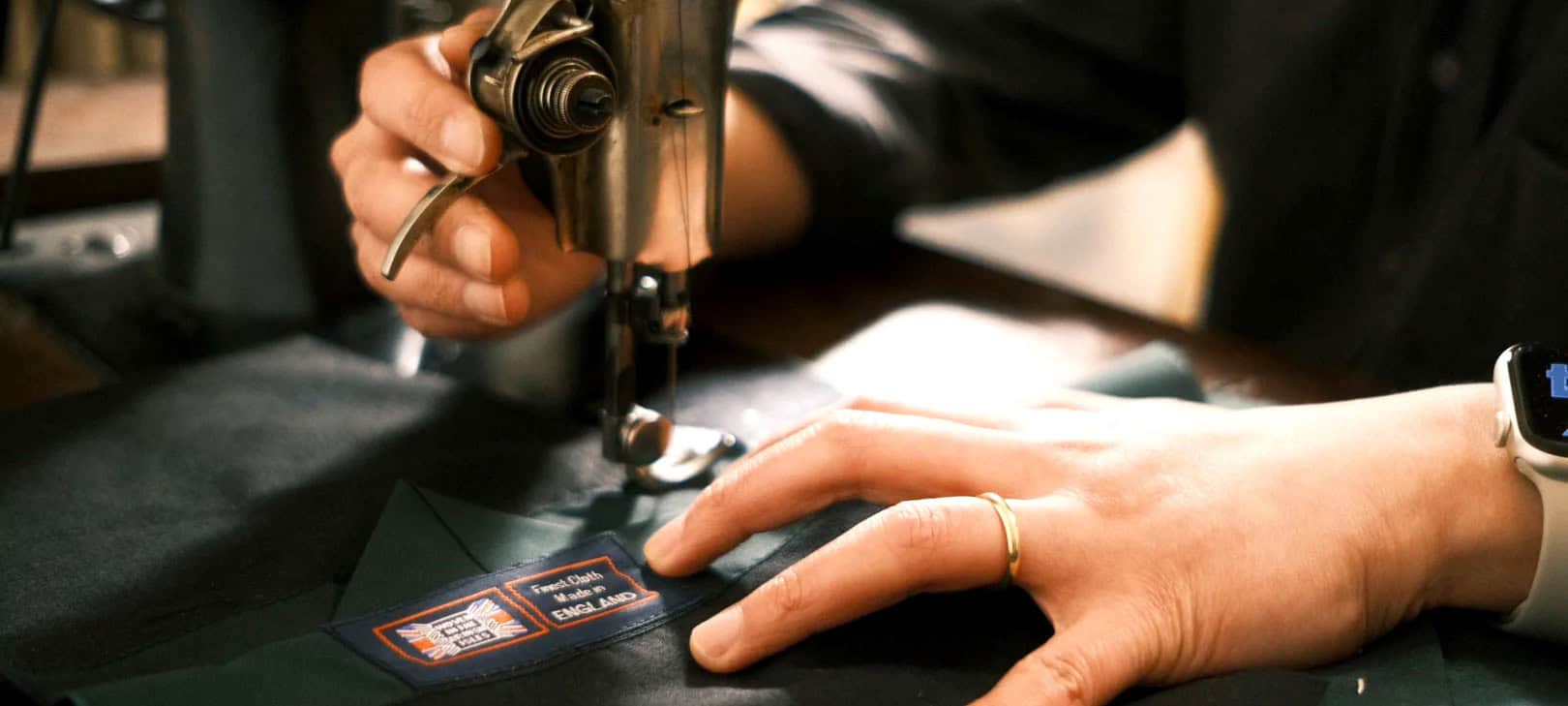
- Mass Production: Selecting a clothing manufacturer for bulk production is a critical step. Supervision of mass production includes quality checks at regular intervals to make sure the garments are up to standard. Rigorous quality assurance protocols are a must for consistency.
- Quality Control: Production Challenges and Consistency based on the Quality Control Monitor production regularly and create a quality control list to ensure all garments are made with the same level of care.
Common Questions and Solutions
Q: How can I ensure quality during mass production?
- A: Conduct regular quality inspections, use a quality control checklist, and establish clear quality standards with your manufacturer.
Q: What are common production challenges and how can they be addressed?
- A: Issues include fabric defects, sizing inconsistencies, and delayed timelines. Address these by maintaining open communication and having a quality assurance team in place.
Stage 10: Distribution and Market Launch
Developing Distribution Strategy
- Distribution Strategy: Deriving from the marketing plan development, you craft a distribution strategy in order to access your defined target market. Work with retailers and online stores to get your products out there.
- Marketing and Launch: Utilize social media marketing, influencer partnerships, PR campaigns, and launch events to create excitement and drive sales. A well-executed marketing plan can help your collection stand out in a competitive market.
Common Questions and Solutions
Q: How can I effectively distribute my products?
- A: Through a combination of direct-to-consumer sales, through marketplaces like Amazon and Walmart.com for specific products, as well as partnering with traditional retailers who already have synergy selling similar goods. Create a robust logistics strategy for deliveries run on-time.
- Explore distribution strategies
Q: What are effective marketing strategies for a fashion launch?
- A: Utilize social media marketing, influencer partnerships, PR campaigns, and launch events to create excitement and drive sales.
Conclusion: Embracing Innovation and Continuous Improvement
- Continuous Learning: The importance of continuous learning and adaptation in the fashion industry cannot be overstated. The field of fashion design is constantly evolving, and staying updated with the latest trends and technologies is crucial.
- Innovation and Sustainability: Designers should embrace innovation and sustainability. Adopting sustainable practices and innovative techniques can ensure that their fashion design process remains relevant and effective in the long term.
Additional Resources
- Further Learning: Recommended books, articles, and online courses can provide deeper insights into the fashion design process.
- Tools and Software: Utilizing the right tools and software can significantly enhance the efficiency and accuracy of your design process.
- Networking: Joining networks and communities for fashion designers can offer valuable support and opportunities for collaboration.
- Resources for fashion designers
(FAQ) about the Fashion Design Process
1. How do I start the fashion design process?
Answer: Starting the fashion design process involves several key steps:
- Research: Do your market research about prevailing fashion trends, consumer demands and historical contexts. Go-to resources are fashion magazines, trend forecasting services (such as WGSN), and attending catwalk shows.
- Mood Boards: When you find things that inspire you, create a mood board to gather and sort them all. This may be images, materials and colors that should match the project vision you are developing.
- Initial Sketches: Create early sketches to flesh out what it is you are working on. Draw fine art details with your hand or using a digital tool as adobe illustrator/procreate.
- Material Selection: Choose materials that complement your design. Consider factors such as texture, drape, and sustainability.
Prototype Development: Create prototypes to test your designs. This allows you to make necessary adjustments before moving on to mass production.
2. What is a tech pack and why is it important?
Answer: A tech pack is a complete set of documents that serve as the base for your garment, making sure you get consistency and precision in production. It typically includes:
- Technical Sketches: Detailed drawings of the garment from multiple angles.
- Measurements: Exact measurements for each part of the garment.
- Fabric Details: Information on the types of fabrics used.
- Trims and Accessories: Details about buttons, zippers, and other accessories.
- Construction Details: Instructions on how the garment should be constructed.
- Colorways: Color options for the garment.
Tech pack – It helps to communicate the design effectively between designers and manufacturers, thus preventing a lot of errors which in turn makes sure that you get exactly what was originally on paper.
3. How can I ensure the quality of the fabrics I choose?
Answer: Ensuring fabric quality involves several steps:
- Visual and Tactile Inspection: Examine the fabric for any visible defects such as uneven weaving, etc. Touch the fabric to determine how it feels in terms of texture and weight.
- Durability Tests: Stitch adhesion, Seam strength & Stretch recovery properties of the fabric. Fabrics of good quality should not lose shape nor get worn out easily.
- Color Fastness: Wash tests can be applied to ensure that the fabric color resistance is not changed.
Supplier Certifications: Partner with suppliers that offer certified fabrics (OEKO-TEX, GOTS-certified materials.) These certifications guarantee that the fabrics adhere to strict quality and sustainability guidelines.
4. What steps should I take to find a reliable clothing manufacturer?
Answer: Finding a reliable clothing manufacturer involves:
- Research: Find manufacturers with good reviews Engage through search engines, industry directories and fashion networks.
- Samples: Request samples of their previous work to evaluate their quality.
- Facility Visits: Visit the facility, if possible to review their machinery and working conditions.
- Certifications: Look for certifications like ISO standards, which can reflect quality managements systems adherence.
Expertise: Make sure the manufacturer you choose has experience in making the type of clothes that you design and can meet your production needs.
5. How do I assess the quality of manufacturing processes like printing, embroidery, and washing?
Answer: To Measure Performance of Manufacturing Processes:
- Evaluate Samples: Request samples of their previous work, focusing on printing, embroidery, and washing techniques. Examine the precision and durability of these processes.
- Facility Inspection: Visit the manufacturing facility to observe their machinery and processes in action.
- Material Quality: Ensure they use high-quality materials and techniques. For example, screen printing should have vibrant, long-lasting colors, while embroidery should be neat and durable.
Specialization: Look for manufacturers who specialize in the specific processes you require, as they are more likely to deliver high-quality results.
6. Why is it important to create prototypes before mass production?
Answer: Creating prototypes before mass production is crucial for several reasons:
- Visualize the Design: Prototypes allow you to see how your designs translate into physical garments.
- Identify Issues: You can identify and resolve issues with fit, construction, and materials before committing to large orders.
- Make Adjustments: Based on feedback, you can make necessary adjustments to the design or production process.
Quality Assurance: Prototypes help ensure that the final product meets your quality and design standards, reducing the risk of costly errors during mass production.
7. What should I include in my production planning?
Answer: Effective production planning should include:
- Production Timeline: Develop a detailed timeline that outlines each stage of the production process, from material sourcing to final inspection.
- Logistics Coordination: Coordinate with your manufacturer to ensure smooth logistics, including transportation and delivery schedules.
- Capacity Planning: Ensure you understand the production capacity of your manufacturer to meet your order quantities and deadlines.
- Contingency Plans: Plan for potential delays and have backup solutions ready.
Budgeting: Allocate a budget for each stage of production, including material costs, labor, and shipping.
8. How can I ensure quality during mass production?
Answer: Ensuring quality during mass production involves:
- Quality Assurance Protocols: Implement rigorous quality assurance protocols, including regular inspections at various stages of production.
- Quality Control Checklist: Use a detailed quality control checklist to ensure all garments meet your standards.
- Clear Standards: Establish clear quality standards with your manufacturer, specifying acceptable tolerances for measurements, construction, and materials.
Regular Communication: Maintain open and regular communication with your manufacturer to address any issues promptly.
9. What strategies can I use to effectively distribute my products?
Answer: Effective distribution strategies include:
- Direct-to-Consumer Sales: Sell directly to consumers through your own online store or pop-up shops.
- Online Marketplaces: List your products on popular online marketplaces like Amazon or Etsy to reach a broader audience.
- Retail Partnerships: Partner with retail stores to carry your products.
- Logistics Plan: Develop a strong logistics plan to ensure timely delivery, including warehousing, shipping, and fulfillment services.
Marketing and Promotion: Use targeted marketing and promotional campaigns to drive sales and create brand awareness.
10. How do I create a successful marketing strategy for a fashion launch?
Answer: A successful marketing strategy for a fashion launch should include:
- Social Media Marketing: Utilize platforms like Instagram, Facebook, and TikTok to showcase your collection, engage with followers, and create buzz.
- Influencer Partnerships: Collaborate with influencers to promote your products and reach their followers.
- PR Campaigns: Launch PR campaigns to get media coverage in fashion magazines, blogs, and other publications.
- Launch Events: Host launch events, whether virtual or in-person, to generate excitement and attract attention.
- Email Marketing: Use email marketing to keep your audience informed about the launch, special offers, and new arrivals.
Content Creation: Create engaging content such as lookbooks, behind-the-scenes videos, and styling tips to attract and retain customers.