DTG, or direct-to-garment printing, is a digital method where inks are applied directly to a textile product. It’s comparable to an inkjet printer, but for clothes instead of paper. This technology disrupts the whole landscape of textile printing, allowing for the easy creation of full-color, photo-quality graphics. There are no expensive equipment investments, and you don’t need to worry about the huge minimum orders required with traditional printing.
Print-on-demand entrepreneurs, clothing brands, and designers rely on DTG. This technique can handle the finest details, producing prints that are very smooth to the touch. This guide will be your manual to everything you need to know. You will understand the process and receive valuable design ideas for dtg printing your clothes. At TZ Streetwear, we apply the latest printing techniques to reproduce a brand’s vision. Find additional information about our approach at https://www.tzstreetwear.com/.
The Functioning of the DTG Printing Process: A Comprehensive Guide
Understanding how a digital file becomes wearable art makes the process less of a mystery. Each step is crucial for the final quality of dtg printing clothes. The principle is easy, but the physical execution requires knowledge and special tools.
As industry professionals explain, the DTG printing process has multiple stages, and each one guarantees intensive and lasting results.
-
Digital File Preparation: The very first thing is your design. Your digital files must be of the best quality. We use PNG files with transparent backgrounds, which is very handy as this way your design prints without a colored box surrounding it.
-
Garment Pre-treatment: The garment is sprayed with a special pre-treatment liquid before the printing process. Then it’s heat-pressed. This step is absolutely necessary, especially for dark clothing. It levels the substrate and flattens loose fibers. The chemical treatment helps the ink bond to the fabric for maximum brightness and wash resistance.
-
Printing Technology: The pre-treated fabric goes onto the printer’s platen. The printer head moves over the material, spraying tiny droplets of CMYK inks (Cyan, Magenta, Yellow, Black) plus white water-based inks. This makes a perfect replica of your digital design. For dark garments, a first layer of white ink is applied as an underbase. This additional layer allows the colored inks to appear vibrant and opaque.
-
Ink Curing Step: After printing is done, the garment is transferred quickly to a large heat press or tunnel dryer. The fabric is heated to a certain temperature for a set period. The curing process begins as water evaporates from the ink. What is left behind is the pigment, which bonds to the cotton fibers, making the garment durable and ready to be worn.
DTG vs. Screen Printing: Which is Right for You?
Selecting the right decoration method is one of the most important things for your clothing project. DTG printing clothes comes with unique features. Screen printing, however, has its own benefits, especially for large orders. Both present high-grade results, but they cater to very different requirements.
In screen printing, each color of the design is separately applied through a “screen” (mesh stencil). Ink is forced through this opening onto the garment. In contrast, DTG printing uses a digital file to print a design comprised of all colors at once. With its digital nature, DTG offers higher definition than conventional printing methods. It brings out the clearest details and the best gradients.
Here’s a side-by-side comparison to help you decide:
| Feature | DTG Printing | Screen Printing |
|---|---|---|
| Best For | Complex, multi-color designs, photos, small orders, and print-on-demand. | Simple, 1-4 color designs, large bulk orders (24+ pieces), and bold graphics. |
| Color Vibrancy | Excellent on light garments. Very good on dark garments with an underbase. | Excellent on all garment colors. Inks are exceptionally opaque and vibrant. |
| Feel of Print | Soft, breathable, as ink soaks into the fabric fibers. Barely noticeable on light tees. | A thicker layer of ink sits on top of the fabric. Can be felt by hand. |
| Cost-Effectiveness | Highly cost-effective for single items and small runs due to no setup fees. | Cost-prohibitive for small runs but becomes very cheap per item on large orders. |
| Setup Time | Minimal. Simply load the digital file and the garment. | Significant. Requires creating a screen for each color, which is time-consuming. |
| Durability | Good to excellent. A properly cured print can last dozens of washes. | Highly durable. The thick ink layer is very resistant to wear and washing. |
If your project has detailed, colorful artwork or you just need a few items, dtg printing clothes is a clear choice. On the other hand, for projects with more straightforward designs and huge quantities, you might explore the advantages of screen printing.
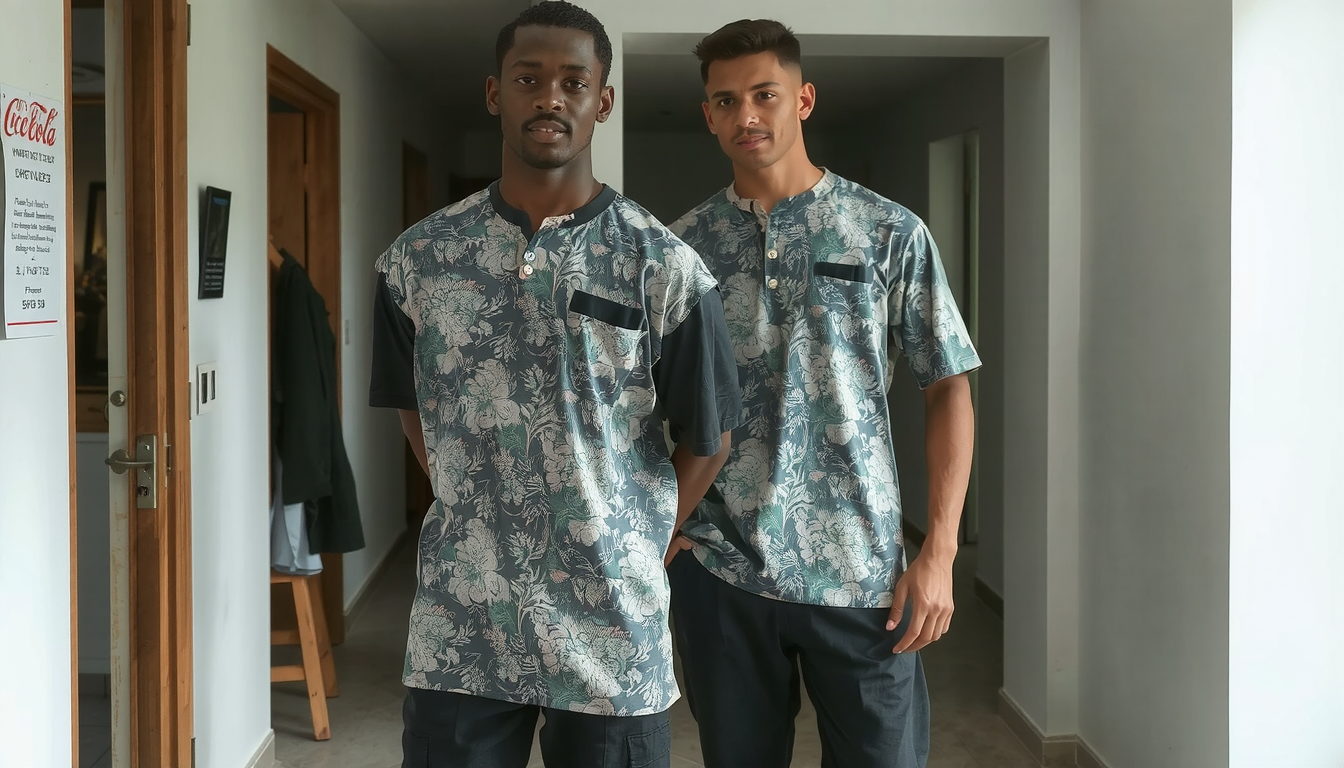
Making it Happen: Professional Design Tips for Stunning DTG Prints
The quality of a final printed garment is an indicator of the source file’s quality and the design choices made. As experts in dtg printing clothes, we frequently observe what works well and what doesn’t. Following this guidance will save you time and help you achieve excellent results.
File Format and Resolution are Non-Negotiable
This is a core part of every successful print. Artwork must be submitted as a PNG file with a transparent background. This way, the printer does not print a solid white or black box behind your design.
Resolution is equally important. To get the sharpest print possible, create your file at 300 DPI (Dots Per Inch) at the exact size you want it printed on the garment. Low-resolution images will turn out pixelated and blurry.
Understanding Color: RGB vs. CMYK
Computer monitors use RGB (Red, Green, Blue) to display colors. DTG printers use CMYK (Cyan, Magenta, Yellow, Black) plus White ink, so slight color deviations can occur between your screen and the final print.
Highly luminous, neon, or “electric” RGB colors are outside the CMYK range. This makes them appear a bit less saturated when printed. Professional print partners use customized color profiles adjusted to minimize this deviation. Nevertheless, it is an important factor to consider during the design process.
The Secrets to Great Prints on Dark Garments
A white ink underbase is a must when printing on dark fabric. This layer is printed first, directly onto the pre-treated fabric. The underbase acts as a “white canvas” for your colorful design to print on top, which makes your colors pop.
Be careful with designs that have semi-transparent or “glowing” effects. The printer’s software decides how much white underbase to print. Faded edges or distressed textures can sometimes create a “halo” of white ink or look different than intended. To get the best results, use solid colors. Create distressed effects with sharp, solid speckles instead of soft, blurry fades.
Selecting the Right Garment is Half the Battle
The fabric of the garment is the canvas for your art. DTG inks are water-based and designed to adhere to natural fibers. 100% ringspun cotton is the top material for the cleanest and most vibrant prints. The smooth, tight weave of ringspun cotton forms the ideal surface for your desired output.
DTG printing clothes made from cotton/polyester blends is possible, though the results may vary. The ink will not bond to the polyester fibers, producing a more faded or “vintage” look, which can be a desired aesthetic. Therefore, it is vital to set clear expectations. Understanding these technical details is key when you’re ready to start a brand and explore craft introductions.
The Truth About Durability: How to Keep Your DTG Printed Clothes for Long
One of the most frequently asked questions is how long a DTG print lasts. High-quality, professionally produced DTG prints are surprisingly strong. When you receive a garment from us, the print should feel smooth and integrated into the fabric, not like a tough sticker.
With the right care, quality prints on quality garments can survive many washes without major cracking or fading. The key is following simple care instructions to protect the ink and fabric.
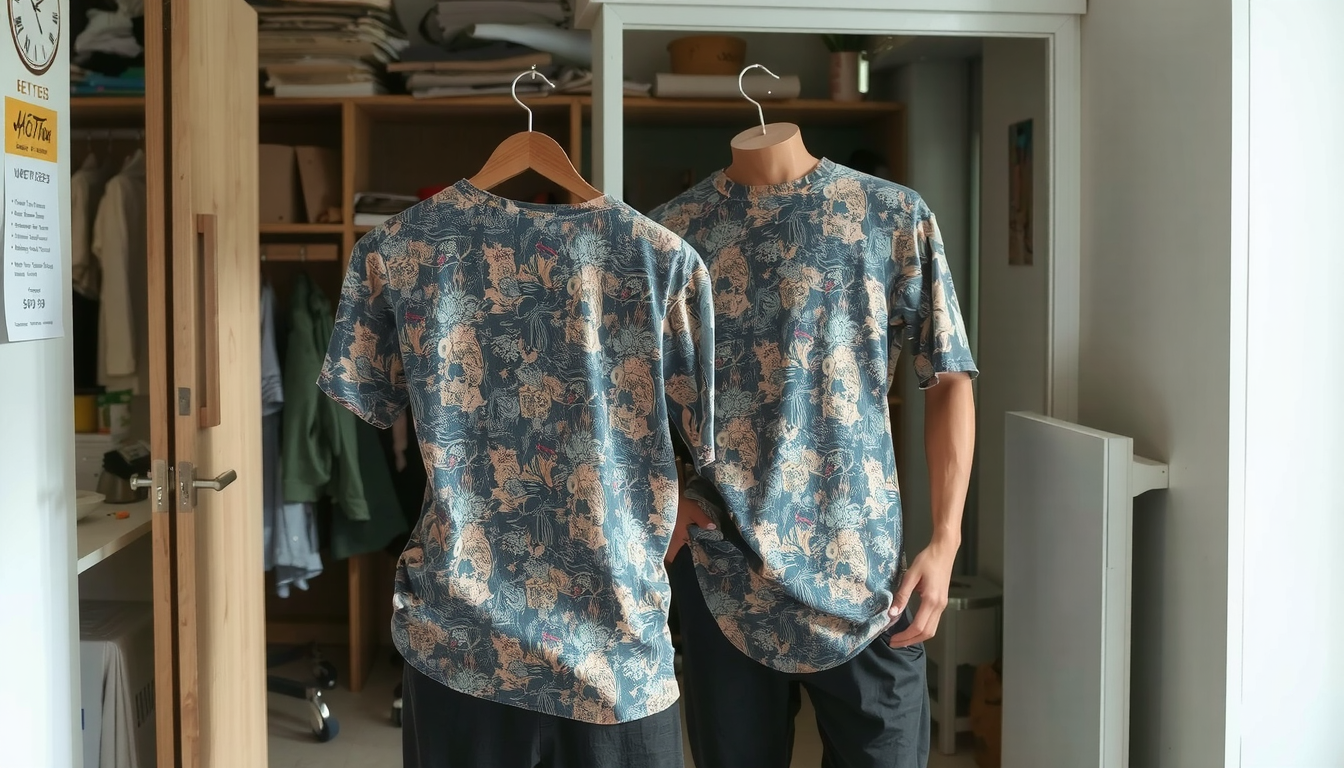
The First 24 Hours: The “No-Wash” Rule
After curing, the ink needs about 24 hours to completely set and finalize its bond with the fabric fibers. We strongly recommend that you wait at least 24 hours before the first wash. This is key to the garment’s durability.
Washing and Drying Best Practices
To give your dtg printing clothes the longest life, treat them with extra care:
- Do: Turn the garment inside out before you wash it. This will protect the print from friction from other garments.
- Do: Use cold water and a delicate wash cycle.
- Do: Use mild, phosphate-free detergent.
- Don’t: Use bleach, harsh detergents, or fabric softeners. These chemicals can degrade water-based inks over time.
- Don’t: Tumble dry on high heat. The best method is to hang dry. If you must use a dryer, use the lowest heat setting.
- Don’t: Iron directly on the printed area. If you need to iron the garment, turn it inside out and use low heat.
What Factors Impact a DTG Print’s Lifespan?
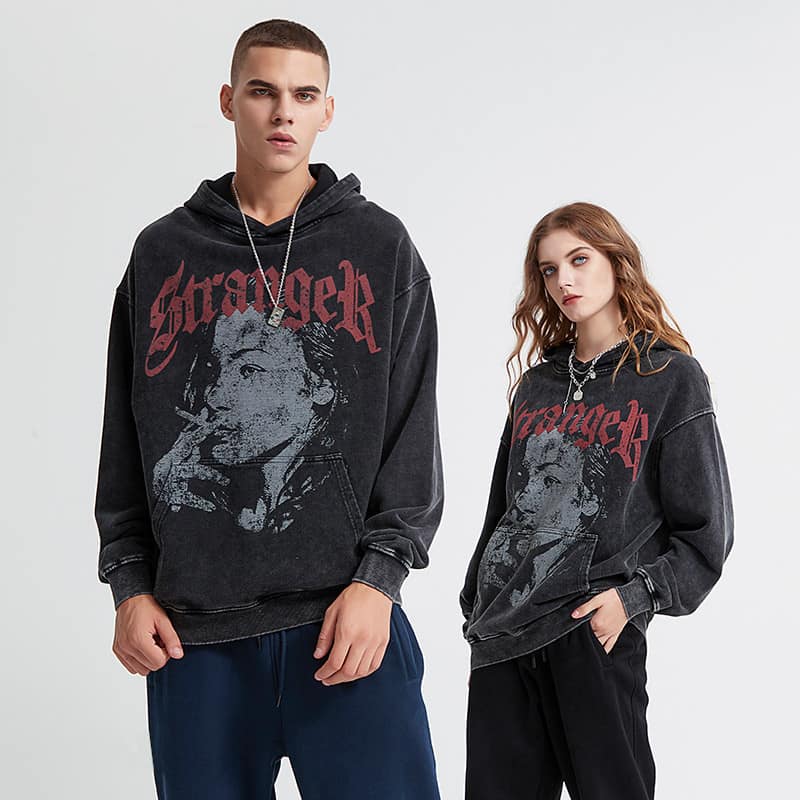
Longevity is not only about washing but also about the quality of the blank garment, correct pre-treatment application, ink quality, and the precision of the curing process. Under-cured prints wash out quickly, whereas over-cured ones might scorch the fabric. This is a big concern for popular items such as custom hoodies, where durability is key. You can find high-quality blanks from a dedicated hoodie manufacturer.
Common Questions (FAQ) about DTG Printing Clothes
1. Is DTG printing expensive?
It depends on the quantity. For single items or small batches (typically under 24 pieces), DTG is often more cost-effective than screen printing because there are no per-color setup fees. For large bulk orders, screen printing becomes cheaper per item.
2. Can you print on any color of clothing?
Yes, DTG can print on any clothing color, including black and other darks. Dark garments require a white ink underbase printed first. This makes the colors on top appear vibrant and solid. This extra step can slightly increase costs compared to printing on white or light-colored shirts.
3. How does a DTG print feel on a shirt?
A key DTG benefit is the soft feel. Water-based inks soak into fabric fibers rather than sitting on top like thick plastic. On light-colored garments, prints are often barely noticeable to the touch and offer excellent breathability.
4. What is the best material for DTG printing clothes?
DTG works best on natural fibers. For the most vibrant, sharp, and durable results, 100% ringspun cotton is the industry gold standard. Cotton blends (like 50/50 cotton/polyester) can be printed on, but the print may have a slightly more faded or “vintage” look as ink doesn’t bond as well to polyester fibers.
5. Is DTG printing an eco-friendly choice?
In general, DTG is considered less harmful to the environment than some traditional methods. The process uses non-toxic, eco-friendly water-based inks that are safe for people and the planet. In addition, the print-on-demand model enabled by DTG reduces potential waste from overproduction.



-600x600.jpg)