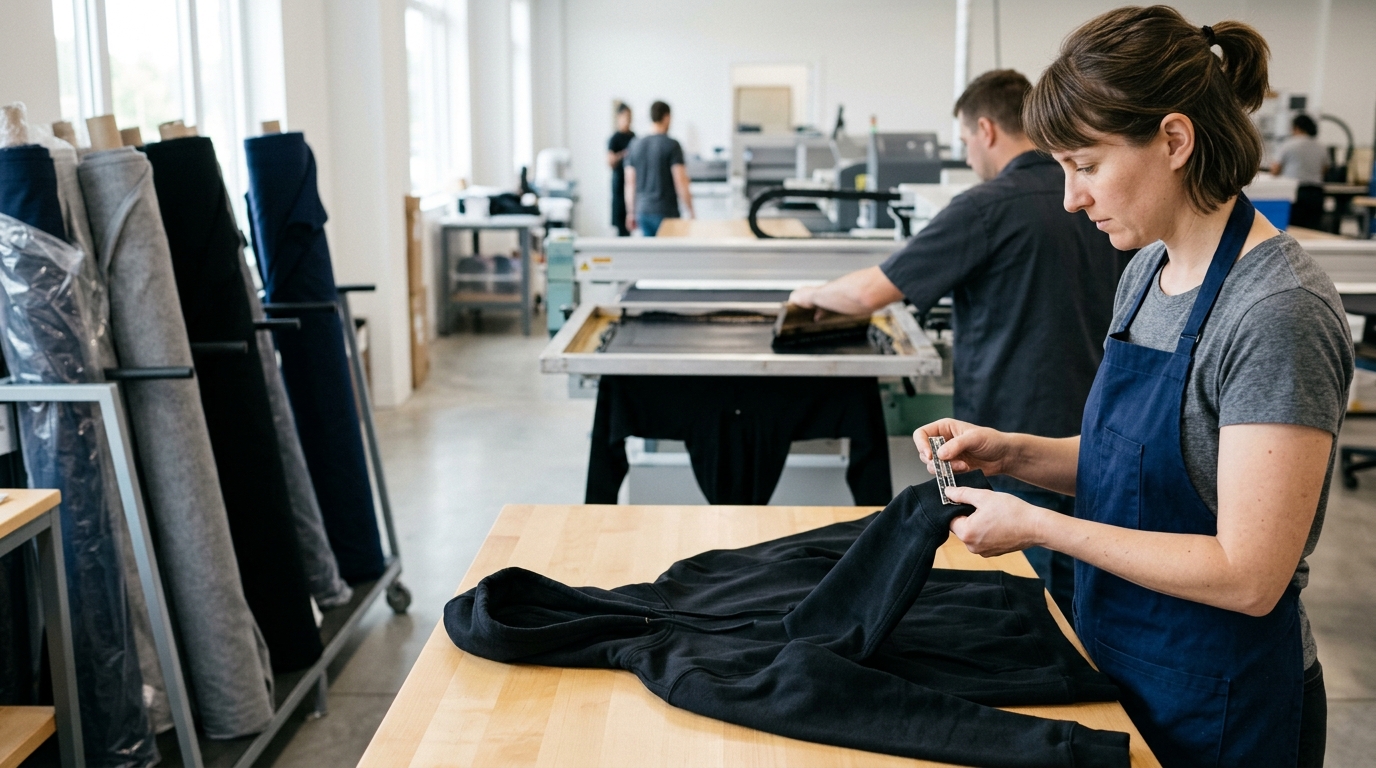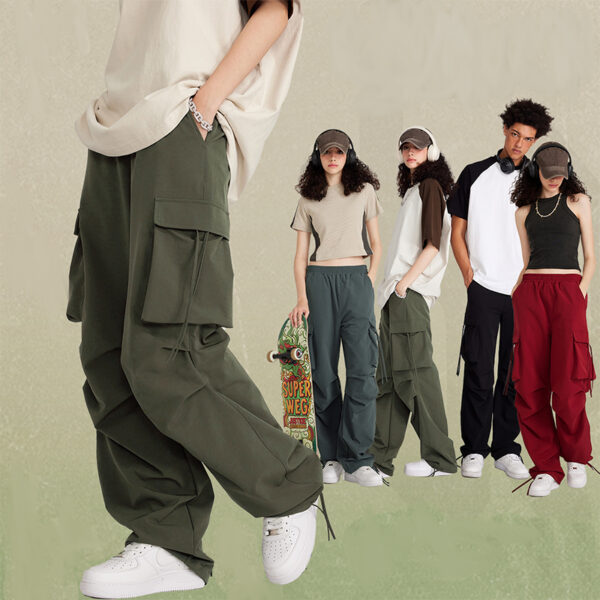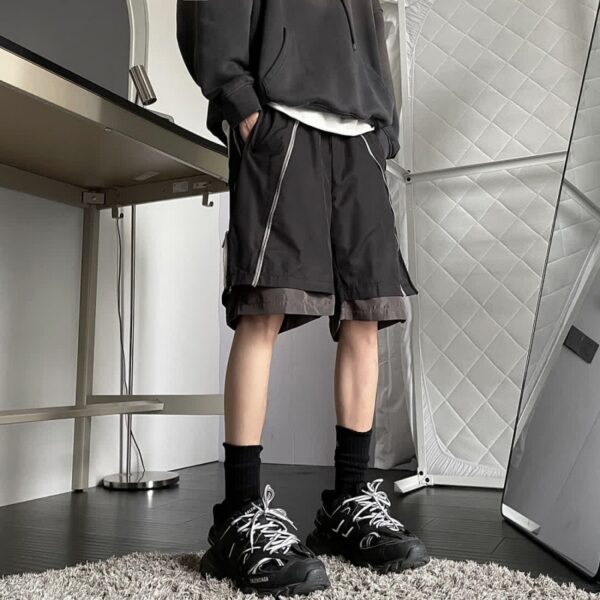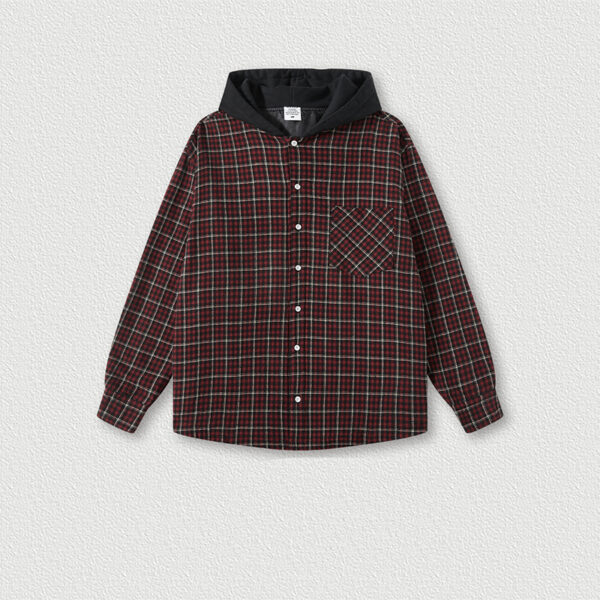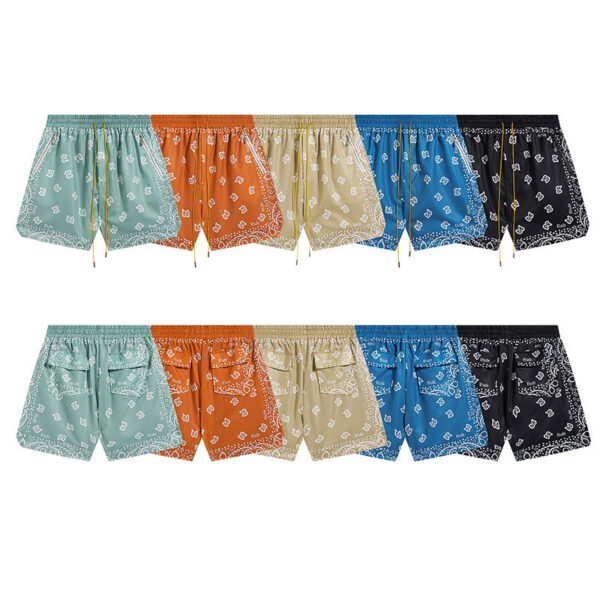
Creating your own print clothing is a smart and great way to showcase your style. You get to use your ideas and make it a reality on any item of clothing like t-shirts, hoodies, or bags. This even works if you want to plan a business, make team gear, or design something just for you.
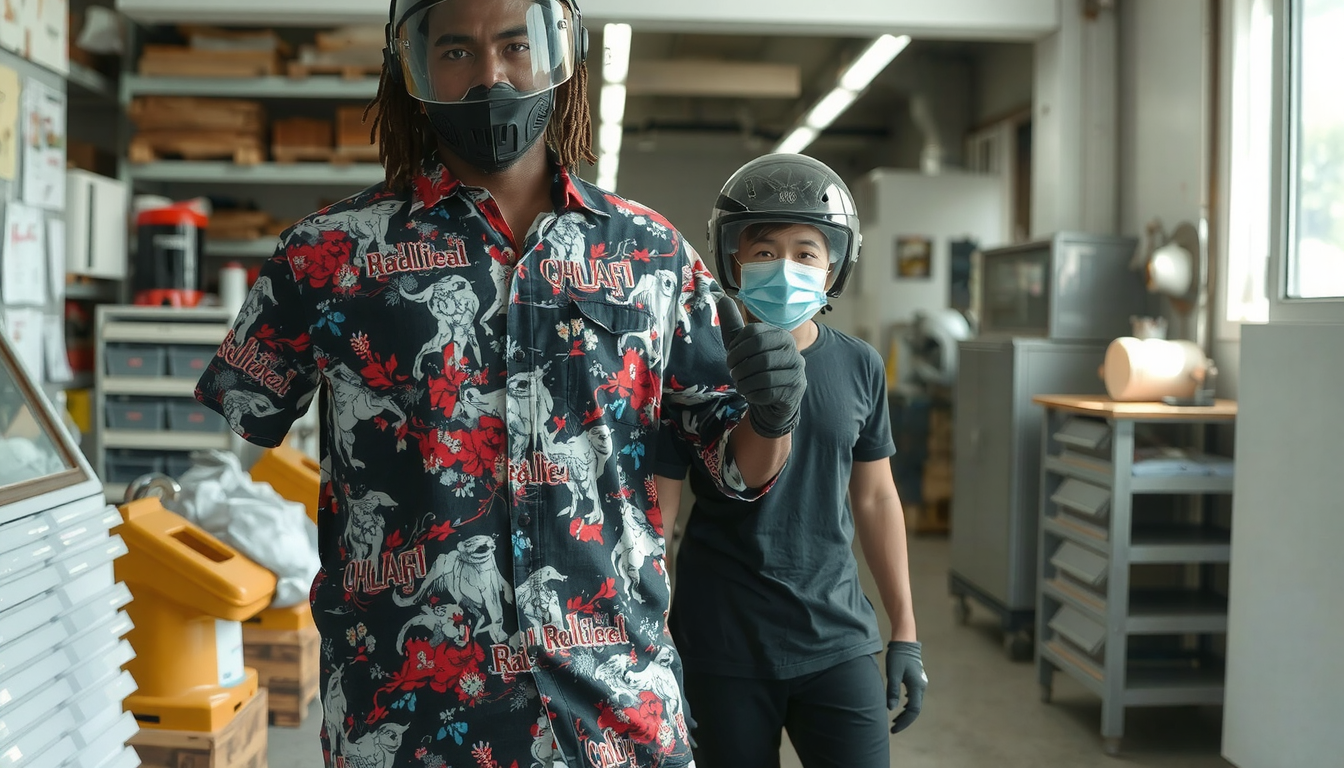
Clothing with prints is not just a piece of clothing with a logo. It is a space for your art to be on. It is also a great resource for someone who has a message to convey. We at TZ Streetwear, the clothing manufacturers we represent, are pros in this regard. We fully embrace this process.
In this guide, you will learn everything about it. We will teach you how to do different prints and achieve the best quality. We will help you with the design process. We will also let you know the right method that will make your ideas a reality.
What Are the Main Types of Printed Clothing?
The first thing you picture when you hear the term printed clothes is probably t-shirts. But, there are a lot more options. You can place your graphic designs on numerous other clothing types.
Here is a list containing some of the items people can add their own designs to:
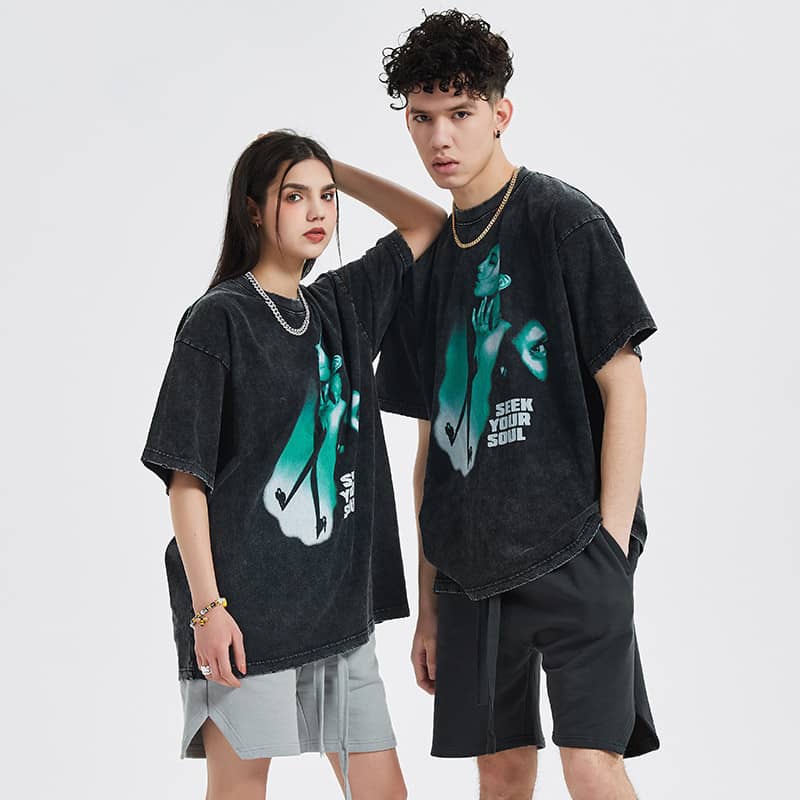
- T-Shirts & Tank Tops: These pieces are the most popular options for starters. Everyone wears them, and they are good for many occasions.
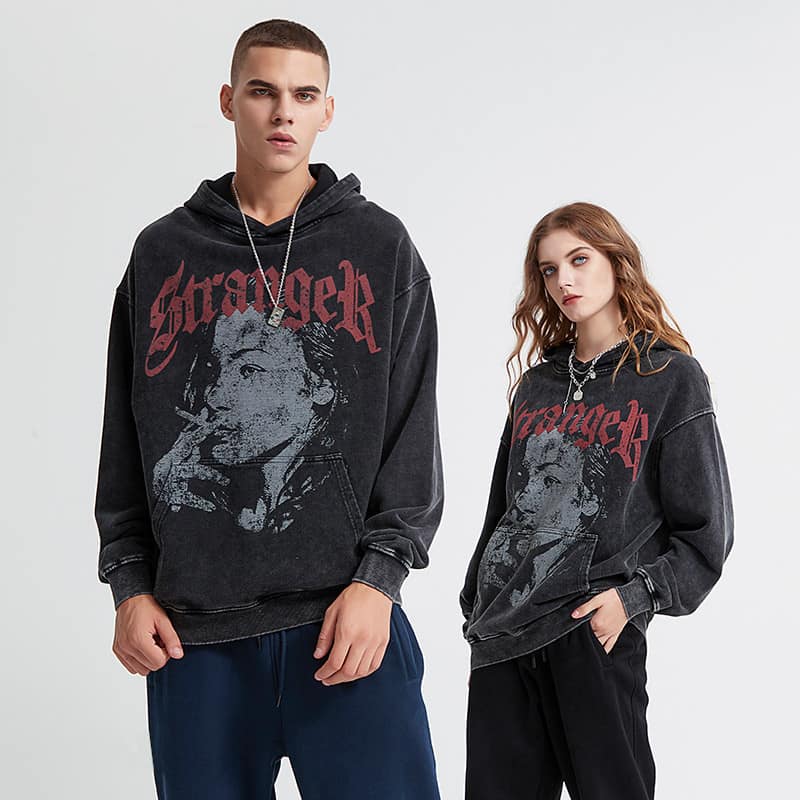
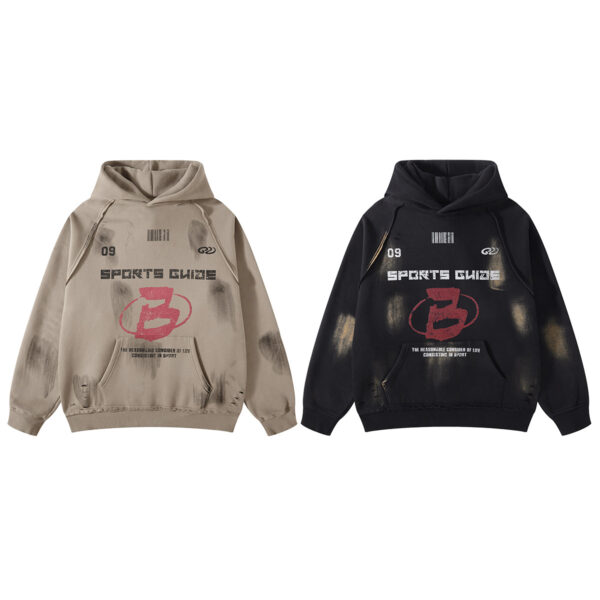
- Hoodies & Sweatshirts: These designs appear to be making a statement and are felt to be expensive. A good suggestion is to work with a special custom hoodie manufacturer for the best quality, especially if you are planning to sell high-end items.
- Hats & Caps: Hats are usually personalized by embroidering. Yet, you can also use patches besides printing right on them for difference.
- Tote Bags & Other Items: Customizing is, and should not be, just for clothing. A custom-tote bag, bandana, or a similar gadget can serve as a promotional item or even a product line as an alternative.
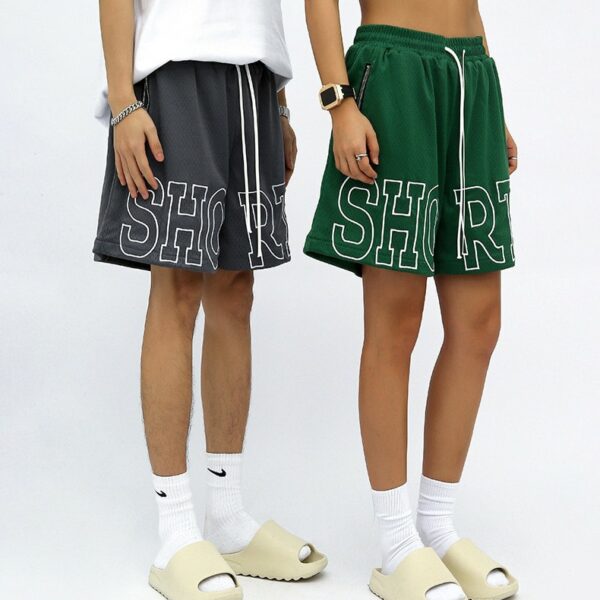
- Sports & Athletic Wear: Polyester is a common material used for specialized sportswear. These garments require a particular printing technique to maintain their quality and durability.
Choosing Your Method: A Deep Look at Clothing Printing Ways
The selection of printing is vital for the result delivery. The style you choose depends on your design, how many pieces you need, and the material used. Selecting the best method should not be excluded from the measures to be taken to ensure that the professional and durable look of your printed clothes becomes a reality.
Learning about these printing crafts and introductions is the first step to a professional product. Each method has its own advantages. Thus, we’ll try and compare the available options.
| Printing Method | How It Works | Best For… | Feel on Fabric | How Long It Lasts | Cost |
|---|---|---|---|---|---|
| Screen Printing | Pushes ink through a mesh screen onto fabric, one color at a time. | Large orders (50+), simple designs with little colors (like logos). | Ink sits on top of the fabric. It can feel thick but bright. | Very High | Really good for large batches. Small orders have high setup cost. |
| Direct-to-Garment (DTG) | A unique printer that uses water-based ink that is sprayed directly onto the fabric. | Small quantities, photos, and detailed designs with multiple colors. | Very soft. The ink becomes part of the fabric. Hardly any difference on feel. | High | Suitable for single items or smaller runs. Increased costs for larger quantities. |
| Heat Transfer | A special design that is printed on paper and is transferred to fabric by the use of heat and pressure. | It is mostly used to add names and numbers on jerseys, simple graphics on different materials. | A thin layer lies on the fabric. It can feel like a plastic sheet. | Medium | It’s good for one-offs and small orders with simple graphics. |
| Dye-Sublimation | It is the process of using heat to change the ink into gas which in turn bonds the ink with the polyester fibers. | All-over print on light-colored, 100% polyester cloth (like sportswear) are the best uses. | There is no feel. The design becomes one with the fabric. | Very High | Could be more costly, but worth it for specific full-bleed print jobs. |
Screen Printing
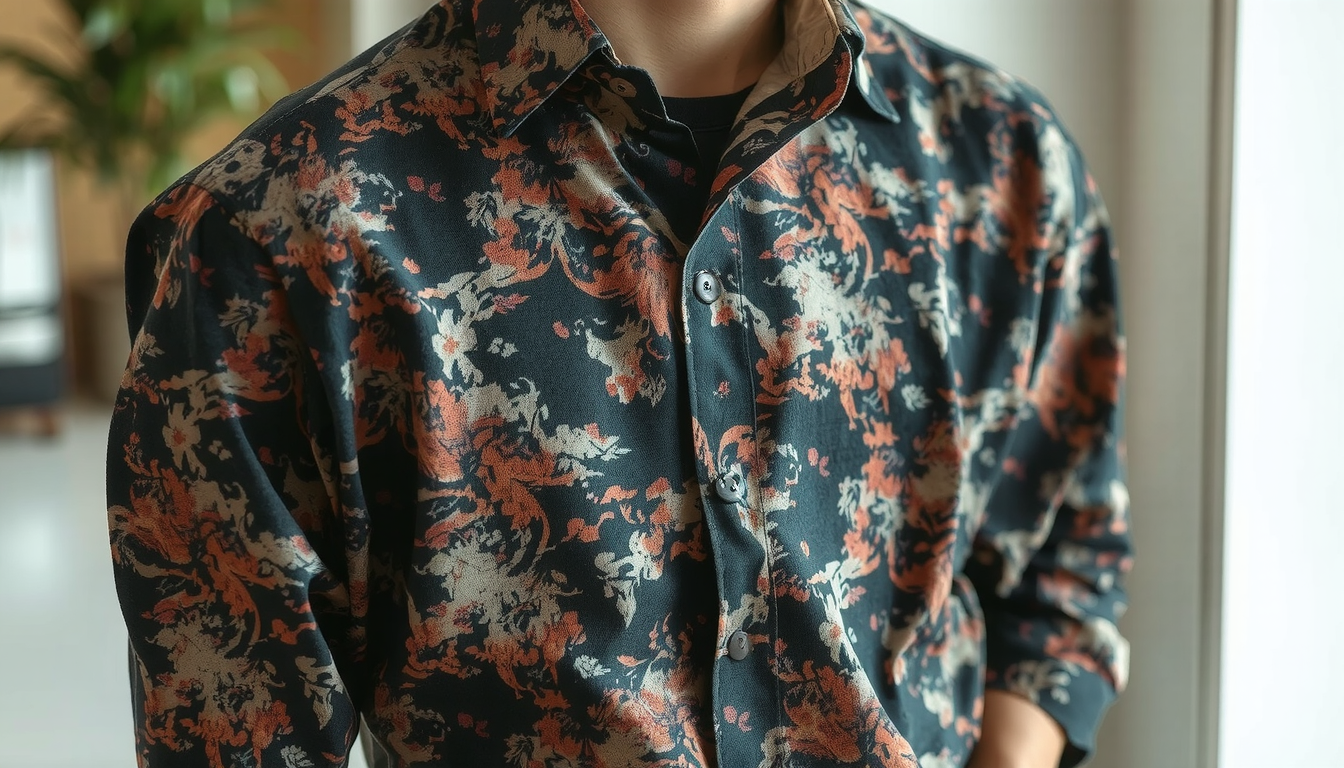
Screen printing is a traditional and trustworthy way of doing things. Making a stencil, or screen, of each color for your design clip-art is how it operates. Then, ink is pushed from the screen to the clothes. Result: strong, bright prints. For bulk printed t-shirts with simple art, this technique is just the best.
Direct-to-Garment (DTG)
Using a regular office printer would compare to DTG printing as using one for clothes. The printer simply uses the fabric to put the ink. The best use of this way is complex art with tones or gradients of many colors such as a photo. Also, it’s a good option for small batches or one custom shirt.
Heat Transfer
In heat transfer, you will print a design on a special transfer vinyl or paper material. The design will then be cut out and placed on the clothing using a heat press. It is a great way for adding names and numbers to team jerseys, but also for using simple logos on hard-to-print materials.
Dye-Sublimation
Dye-sublimation is a process that can only be done on polyester materials and it is quite interesting. The ink is heated to the point where it turns into gas. As the gas combines itself with the fabric, the print has no feel and it won’t crack or peel ever. It is the best option for all-over prints on active wear.
From Idea to Clothes: A Simple Guide to Perfect Prints
Good results come only after a very good start which means that you have to plan your design very well. Your choices on the materials to use will also help with the decision-making process. Following these tips will help you avoid common mistakes and make your clothing look as you dreamed.
Getting Your Design File Right
The quality of your print file directly affects the quality of the final product.
- Vector vs. Raster: Vector files (like AI or EPS) are best for logos and simple graphics. You can resize them without losing quality. Raster files (like PNG or PSD) are made of pixels and are used for photos.
- Resolution and DPI: For raster files, always use the “300 DPI at full size” rule. This means your image has enough detail to print clearly. A low-resolution file will look blurry.
- Color Profiles: While RGB (Red, Green, Blue) is used by computers light to present color, printers work with CMYK (Cyan, Magenta, Yellow, Black) ink. Thus, when you design in CMYK, you will find it easier to match printed colors to those displayed on screen.
Choosing the Right Fabric
The fabric you choose affects both the print and how the clothes feel.
- 100% Cotton: This is the best fabric for DTG printing. It soaks up the ink well, making vibrant and soft prints.
- Polyester & Blends: These are needed for dye-sublimation. For other methods, a blend can make colors look less bright than on 100% cotton.
- Fabric Weight (GSM): GSM stands for Grams per Square Meter. A higher GSM means the fabric is heavier and often feels more premium.
Our experience is that the smoothness of the 100% ringspun cotton, along with the vibrant DTG print, creates a premium feel as compared to an ordinary heavy cotton shirt. This holds true whether the GSM count is similar or not. The surface of the ringspun cotton is smoother, and it enables sharper print results.
Print Placement and Sizing
The position of your design has almost as much importance as the design itself.
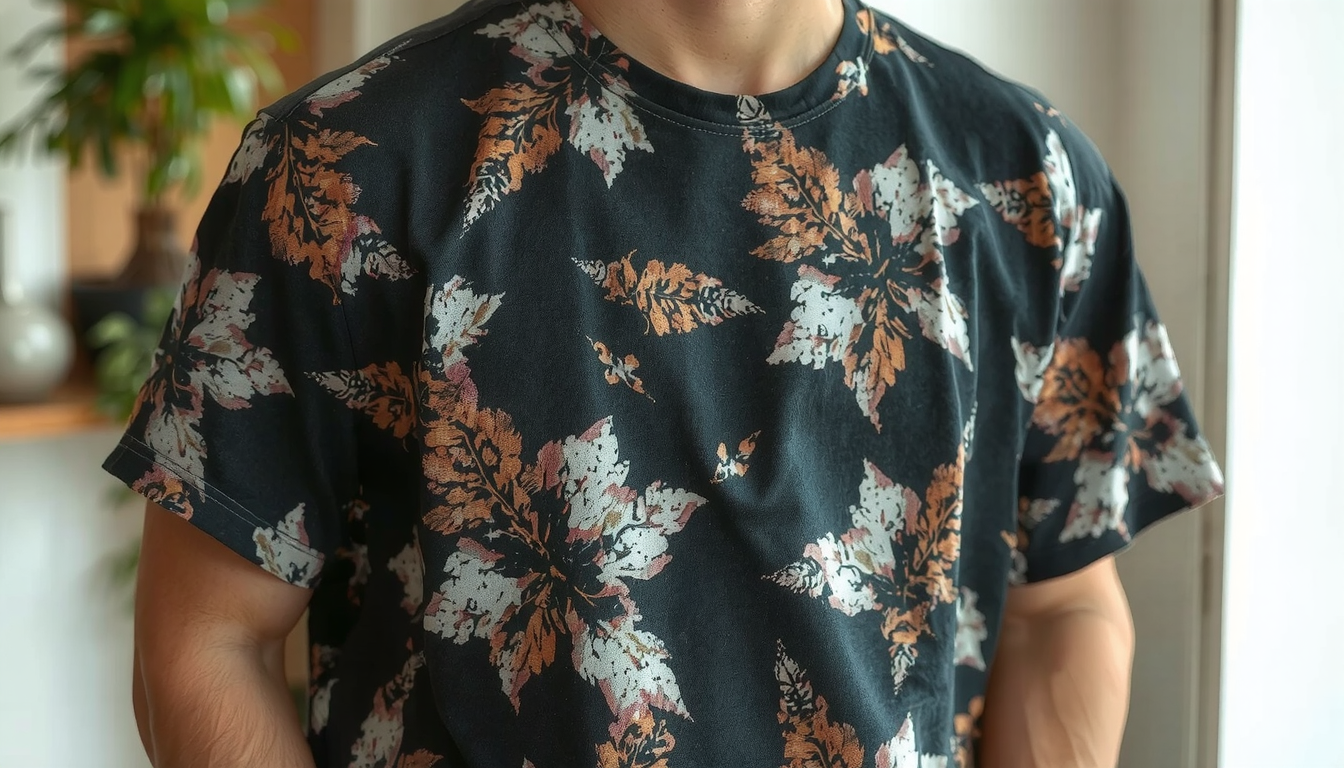
- Standard Placements: The common locations are Center Chest, Left Chest (over the heart), Full Back, and the Sleeve.
- Sizing Your Design: A design that looks great on a Large shirt may be too big for an Extra Small. Always think about scaling your graphic for different sizes. This ensures it looks balanced on all of them.
Where to Get Your Clothing Printed: Good and Bad Points
After you have the design, the next move is to find a partner who will make the clothes. There are several options in the market each having its own pros. In order to select the right one, you need to consider your project size, budget, and of course, goals.
Local Print Shops
At a local shop, you receive personal service. In most cases, you can see and touch different fabric samples before making an order.
- Good Points: These are face-to-face discussions, supporting local businesses, and checking the quality of the product.
- Bad Points: Their prices might be more than online competitors, the selection of clothes might be limited, and the choice of print methods might also be underwhelming.
Large Online Services
Many major online websites specialize in clothes with custom branding. They operate on a large scale and have tons of inventory. For huge companies, Company logo apparel services are usually used for the bulk order of company logo clothes and other items.
- Good Points: Buyers can get good deals thanks to larger ordering capabilities and there is plenty of clothing to choose from. Navigating their online design tools is utterly comfortable.
- Bad Points: The service can be less personal and there can be quality control problems with some orders.
Print-on-Demand (POD) & Dropshipping
This setup is ideal for artists and beginning businesses. You link your shop to a network that will print and ship the goods for you.
- Good Points: No need to buy or hold inventory, no upfront costs, and you can focus on design and marketing. Drop shipping platforms like Art of Where specialize in this model for creative entrepreneurs.
- Bad Points: The item sold will have lower margins. There’s less power over production quality and dispatch times available. Many T-shirt & apparel printing services include both bulk and no-minimum options.
Long-Lasting Prints: How to Care for Your Printed Clothing
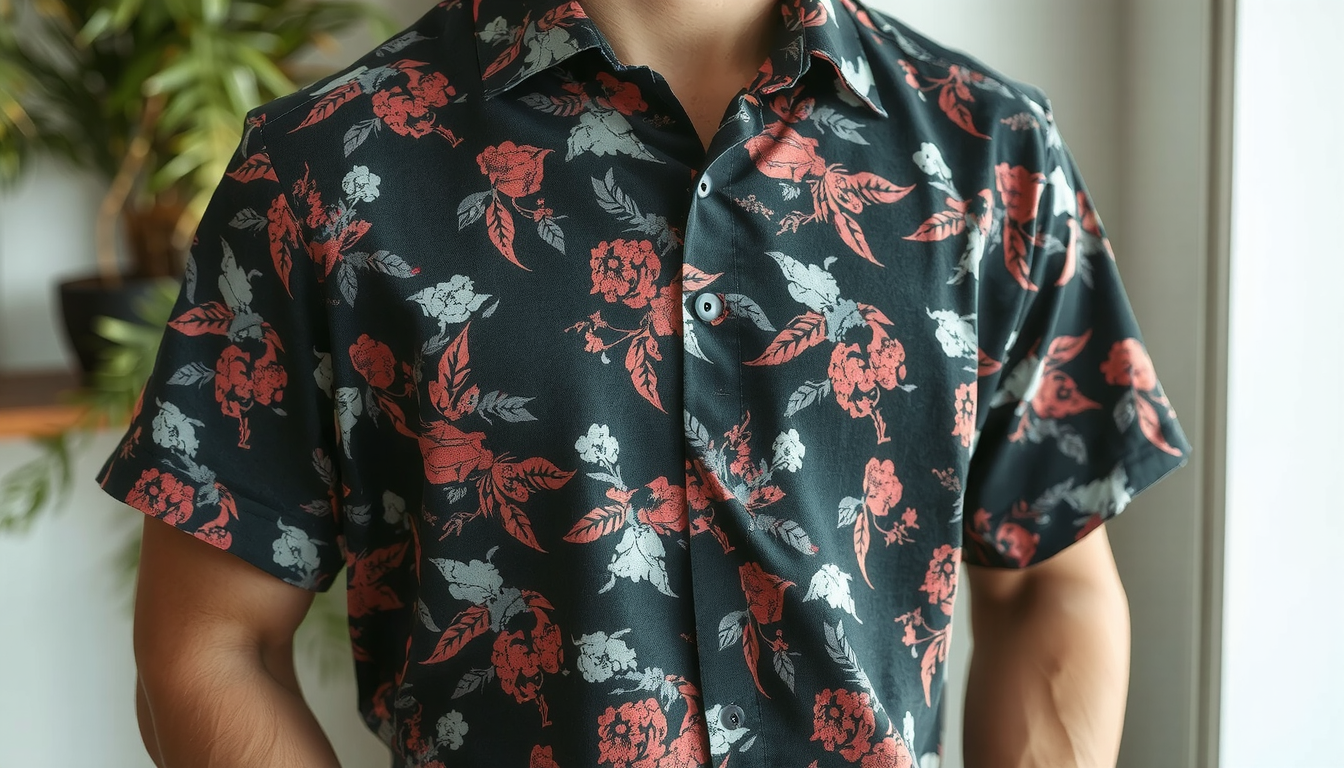
To maintain your specially printed garments in good shape for a long period of time, quality maintenance is the key factor. A number of simple rules will ensure your investment is well protected. Your clothes will keep their prints bright.
We put a lot of emphasis on a rule to hold off the washing for 24-48 hours after the first wearing of the newly printed clothes. It is vital that the ink cures and sets into the fabric securely.
- Washing: Always flip the clothes before washing. Use cold water with a mild detergent.
- Drying: The best way to dry clothes is to use the hanging method. If you must use a dryer, try tumbling it on the lowest setting.
- Ironing: Avoid ironing directly on the printed area. If you really need to iron the garment, turn it inside out and use a low setting.
Conclusion: Your Journey in Printed Clothes Starts Now
Now that you have acquired the knowledge to make incredible printed clothing, it’s time to dive into it. We have discussed the process of selecting the right printing method; we have included how to make a perfect design file and choose the best fabric. You have also mastered the way to take care of your clothes and make them last longer.
The process of creating quality apparel is both rewarding and easier than ever before. Tools are at your disposal whether it’s a brand, an event, or a personal expression. Turn your creativity into a real product that you and others can wear and share, Right Now.
Common Questions about Printed Clothing
Which is the strongest printing method for t-shirts?
Normally, screen printing is the strongest choice if the designs comprise fewer colors. The layers of the ink are thick and they adhere very well to the fabric. For designs with full color or photographs, high quality DTG, as well as dye-sublimation (when applied to polyester) are all very robust, if they are well-cared for.
Is it possible to print a photo on a shirt?
Of course. The Direct-to-Garment (DTG) printing is the ideal option for printing pictures. This method is just like a fabric inkjet printer. Thus, it can output millions of colors and fine detail to produce a high-quality image that is realistic.
What would it cost me to get a t-shirt printed?
The cost for one shirt is highest with screen printing because of setup fees for each color. The most affordable approach for a one-off print is to use a service with DTG printing. Such typically cost around $20 to $40 depending on the shirt and design.
What is the difference between printed clothing and embroidered clothing?
Printed clothing utilizes ink or dye to convey a pattern on the surface of a piece of fabric. Meanwhile, embroidery implements thread to stitch a pattern into the fabric. Printing would be ideal for big, intricate designs or full-color graphics while embroidery works well for logos and text, giving a textured and premium feel to the item.
How do I make sure the colors in my design look right on the final printed clothing?
To achieve color accuracy, create your design in a CMYK color profile if possible, as this is what most printers use. Always ask for a digital mockup from your printer to approve before production. For large orders, ordering one physical sample is the best way to guarantee your colors look perfect.