Introduction: The Attractive Charm of the Historical Era
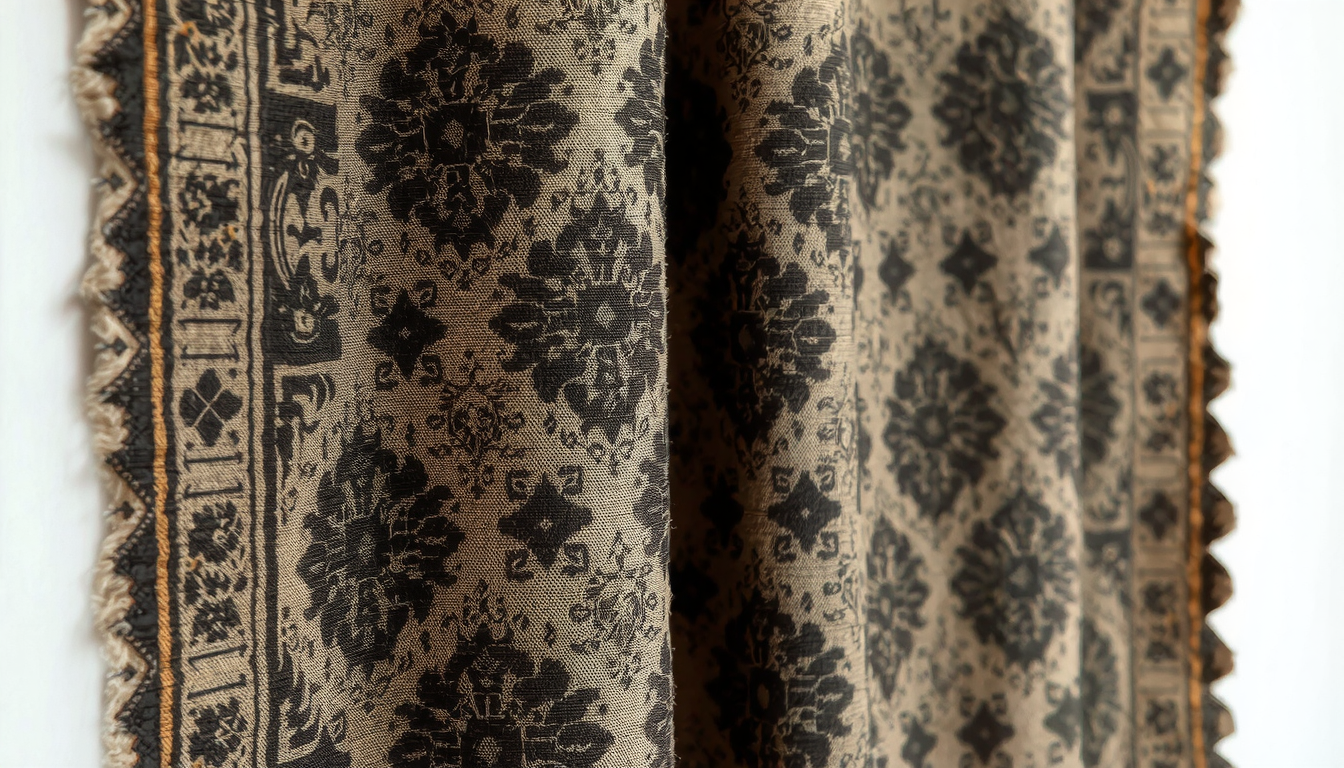
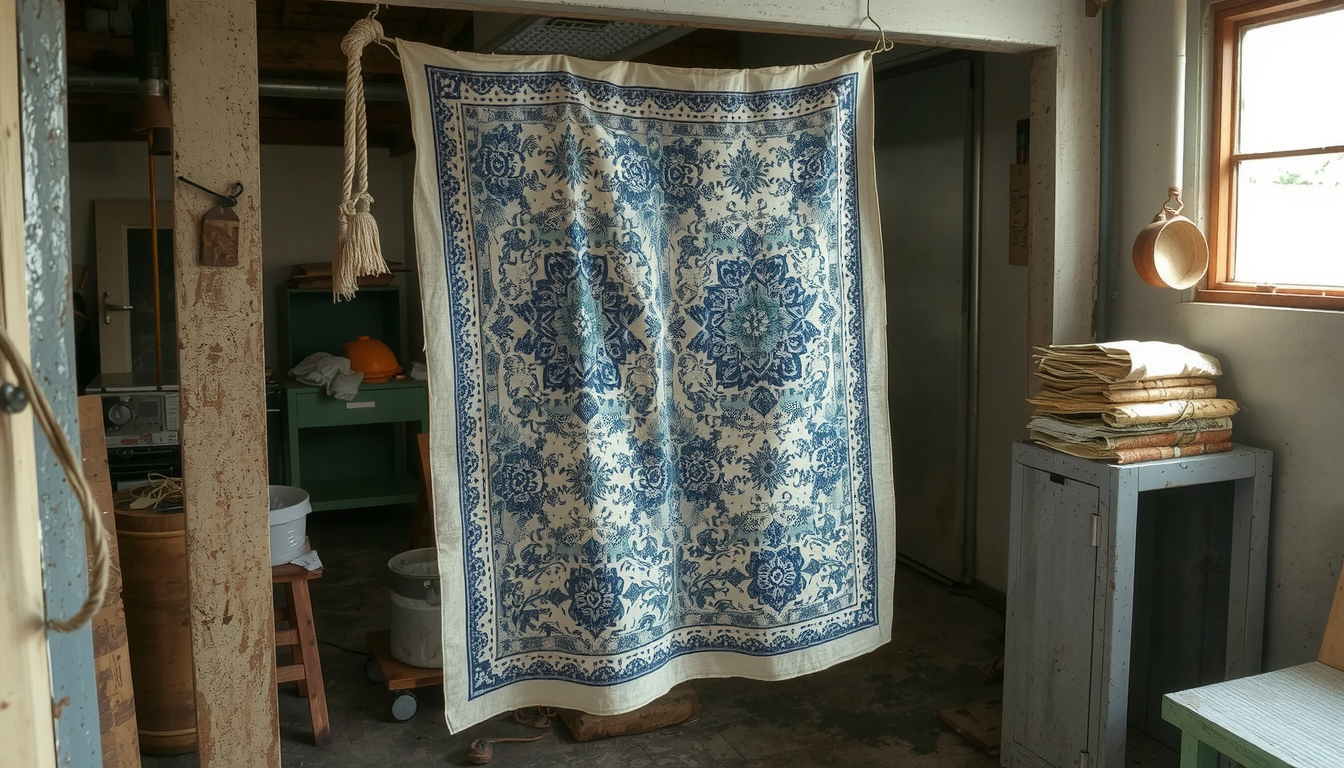
The block print cloth is ornamented by the traditional stamping technique. Artisans are responsible for the creation of patterns using hand-carved wooden blocks on the fabric. The human touch is evident in every piece of it. It tells the feelings of its maker through its very fibers.
The fabric fascinates people for a number of reasons. The most outstanding is the distinctiveness of the imperfections. It also tells of the long history it has had. It is a symbol of skilled craftsmanship, thus, the direct connection. The slight differences in pattern and color are not mistakes but rather hand-held process signatures. This fact transforms each meter of block print cloth into something completely different from the other.
The possibilities are not limited at all. It can be used for asymmetric bohemian dresses or crisp collared shirts, or it is also effective in home textiles, such as curtains and tablecloths. This guide will take you through the entire fascinating journey of this textile. If you want to explore different textile techniques, it is essential to have a basic knowledge of them first. Visit our craft introduction for more information.
The Historical Overview of Block Printing
Block printing tells a story of global arts, trade, and tradition. The earliest pointers in this direction found their way to China, about 220 AD. They printed patterns on silk using that technique. The process gradually disseminated along the ancient trade routes, which led it to various cultural categories.
In India, the technique turned out to be a real hit. It was introduced in the 12th century. Block printing was integral to the textiles, and its importance was especially notable in Rajasthan and Gujarat. The artisans drew intricate designs from the surrounding environment, the architecture, and local parables. They consequently invented block print cloth as a colorful language of cultural identity.
A considerable number of the whole villages took on the task. They taught the new generation the skills and the personal designs. According to The History and Cultural Significance of Block Printing, this was a way of life that involved community activities, rituals, and ceremonies. It was then that it was finally recognized as one of the treasured craft forms. The tactile, rich history is visible in every piece of hand-blocked fabric.
The Craft of the Human Hand
Gaining knowledge in block print cloth production reveals the extraordinary skill behind creating every single pattern. The procedure is the sequence of movement between the art and the precise work. For centuries it has stayed the same.
This method is a classic embodiment of the slow craft idea. It totally differs from machine-based textile production. The path From illustration to block to cotton entails five steps, each requiring a master craftsman.
-
The Design & Block Carving: A design is made, which is drawn on paper. It then gets transferred to a block of wood, often a smooth one made from teak or sheesham. The artisan carefully carves away the negative space. This leaves the raised pattern. Multi-color designs need a separate block for each individual color.
-
Fabric Preparation: The base fabric is typically cotton or silk. It gets washed to remove starches and impurities. It may be bleached or naturally sun-bleached to create a clean canvas. This ensures the dyes absorb evenly and brilliantly.
-
Color Mixing: A master dyer mixes dyes, either natural or synthetic. This is an art itself. Achieving the perfect hue requires an expert eye and deep knowledge of how colors react with fabric.
-
The Printing Process: The prepared fabric stretches tightly over a long printing table. The artisan dips a carved block into the dye tray and taps off excess. They firmly press it onto the cloth with practiced precision. This process repeats, carefully aligning each stamp to create a seamless pattern. The sound of the block hitting the table creates the steady rhythm of the printing workshop.
-
Curing and Finishing: The printed fabric is dried, generally in the sun, thus, setting the dyes. Ultimately, the block print cloth is washed to remove any residual dye and is pressed. The process of finishing ensures permanent prints and the fabric is soft and ready for use.
Block Print vs. Screen Print
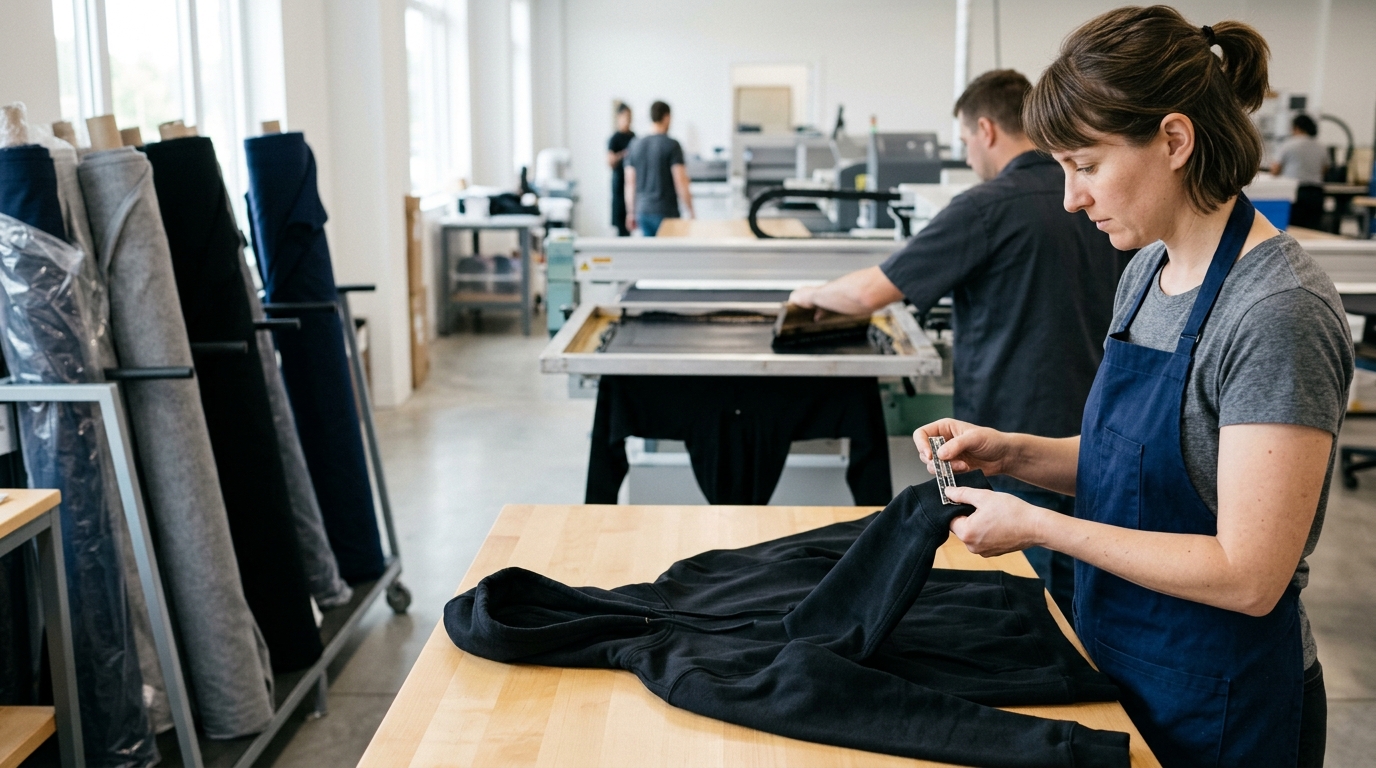
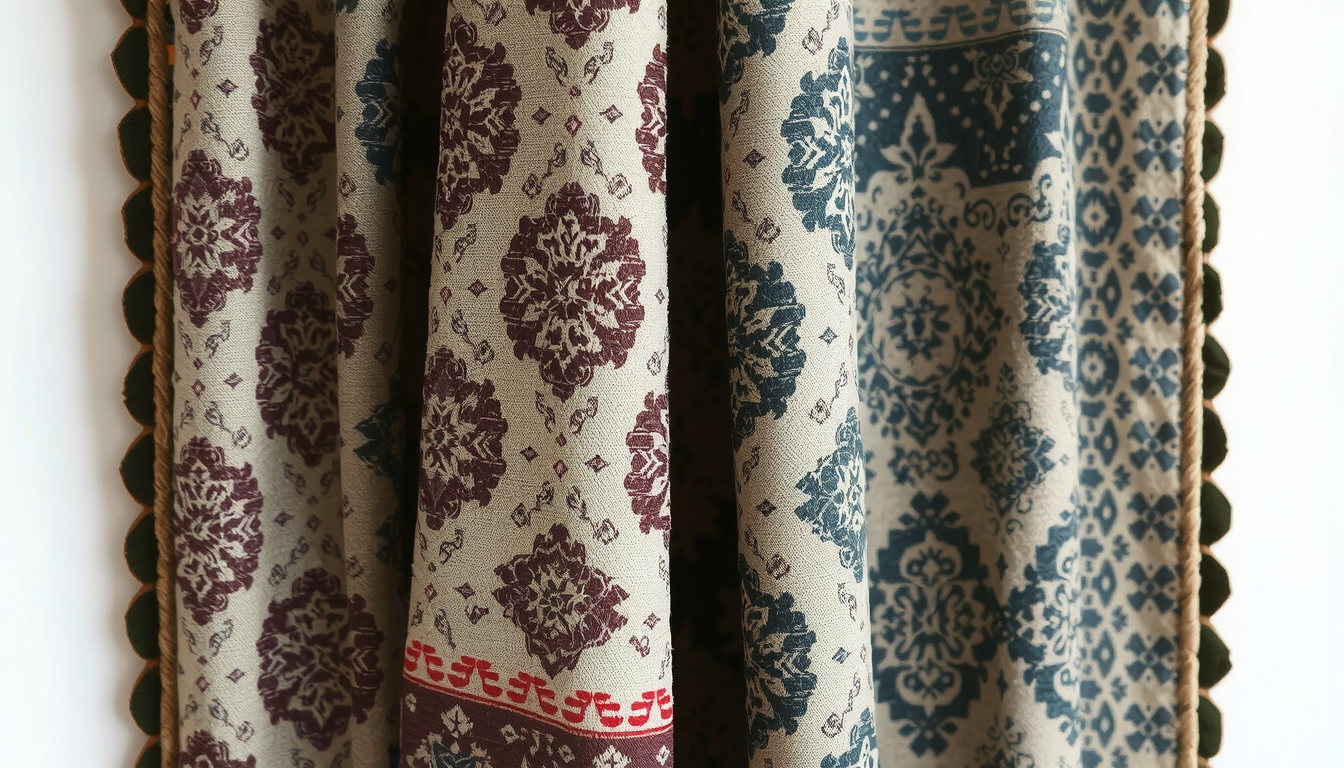
When choosing between block printing and screen printing, the determinant will be whether you want it for a specific purpose, the size, or the appearance. Both printing systems can be used to apply graphics on fabric, yet the methods and the expectations are not the same. A brand or an artisan should know these differences very well.
Here is a table clarifying which method you should choose:
| Feature | Block Printing | Screen Printing |
|---|---|---|
| Aesthetic | Look handmade, slight differences, “perfectly imperfect” | Lines so sharp, and fills consistent and solid |
| Scalability/Speed | The process is methodical and slow, so it is best for small artisan runs | The process is fast and efficient which is the primary reason for mass production |
| Cost per Unit | High labor cost by unit, initial investment is low | High initial investment (screens), but less per unit cost large runs |
| Consistency | Every single piece is different; variations are part of the charm | High consistency; nearly all prints look alike |
| Best For | Artisanal products, unique pieces, slow fashion, home decor | Branded merchandise, graphic tees, large-scale fabric production |
If you are thinking of mass production, exploring other methods like screen printing is a great idea. Screen printing machines provide speed but lack the personal touch which only hand-blocking offers. Nevertheless, for true creativity, there is no substitute for block print cloth.
Quality Buying Guide
The major factor in determining whether to invest in high-quality block print cloth or its machine-made copies is the telling of their authentic marks. As someone who has dealt with tons of both, I can say it is the smallest details that differ. Here are the signs that the experts consider.
-
Scan for “Perfect Imperfections”: The authentic hand-blocked fabric cannot be without flaws. Be it slight variations in color depth or a few misalignments in the pattern. If there is a print that is homogenous and perfect, then it must be a digital or machine-made textile.
-
Feel the Fabric: The traditional block printing method mainly utilizes natural fibers like cotton, silk, or linen. The fabric should feel soft and breathable. The print itself shouldn’t feel like a stiff, plastic layer sitting on top. The dye should feel integrated into the fibers.
-
Check the Reverse Side: Turn the fabric over. An authentic block print often shows a faint, ghost-like impression of the pattern on the back. This happens where the dye has bled through slightly. Digital and rotary screen prints are typically one-sided, with a stark white or undyed reverse.
-
Assess the Dye Saturation: The colors on quality block print cloth should look rich and deeply saturated. They appear to be part of the fabric itself, not just a surface application. This shows quality dyes and a proper curing process.
Bring Block Print Back
It is obvious that the status quo of block print fabrics as fashion items or decorations is indisputable. With the patterns of their choice, they can be both classic and contemporary.
In Your Wardrobe
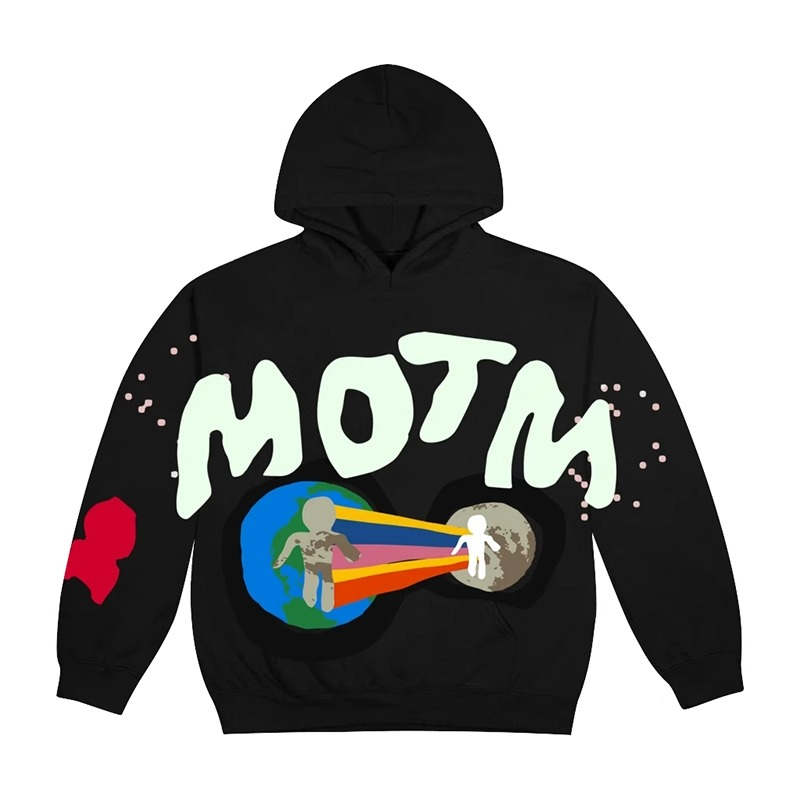
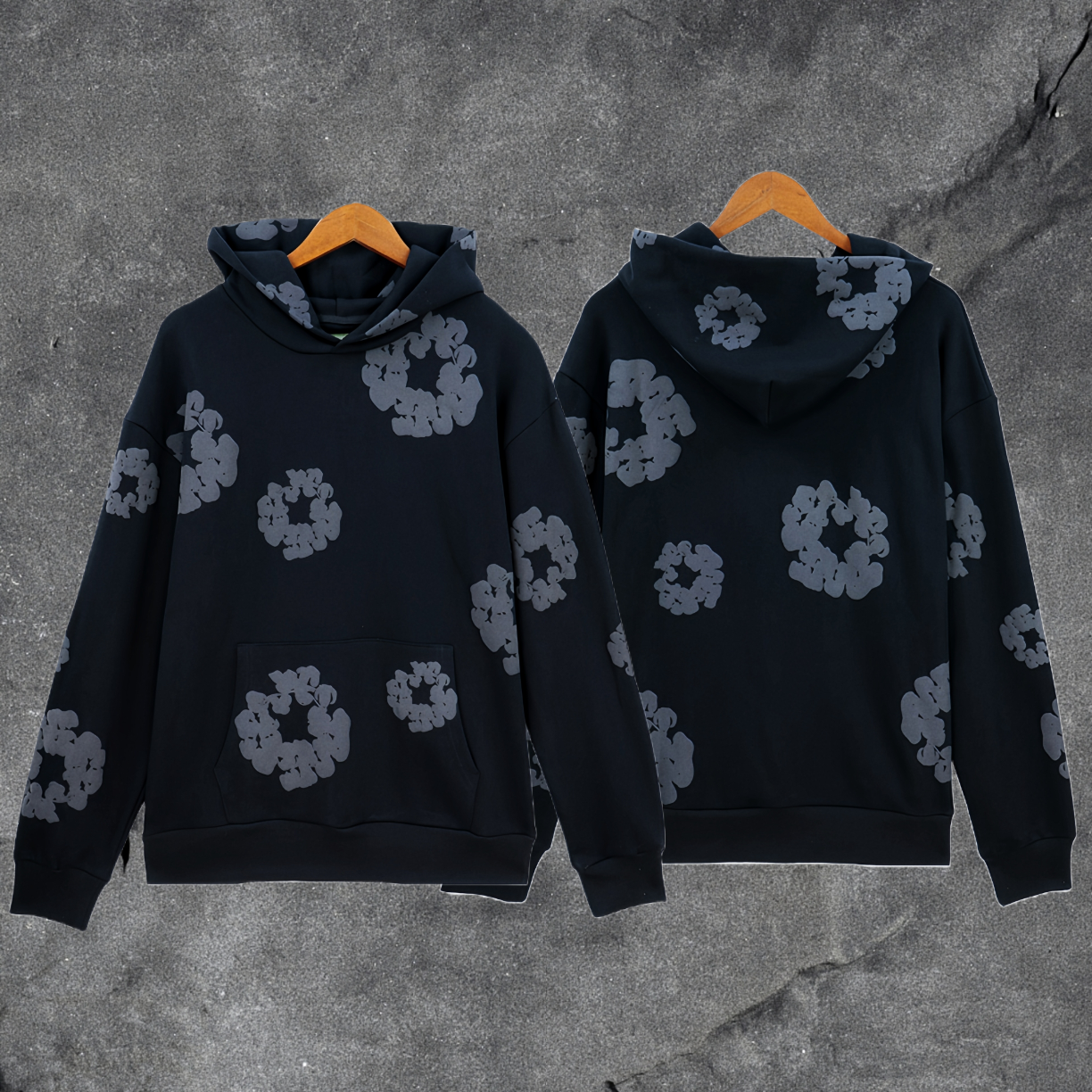
Block printed textiles are perfect for dresses, blouses, and scarves. They offer a touch of artisanal elegance. But their potential extends into modern streetwear. Imagine a unique hoodie with block-printed panels or a bomber jacket with a custom hand-blocked lining. Partnering with a skilled hoodie manufacturer could indeed make such a distinct design a reality. This combines the old-world art with the new-world style.
In Your Home
In home decor block printed cloth is a wonderful choice because it can be used to add color, texture, and personality. It is an amazing choice for cushions, table cloths, curtains, or as a piece of wall art. If you are a beginner using it, start out on a small scale. A simple table runner, or a set of hand-blocked napkins would make a nice, handmade addition to your space.
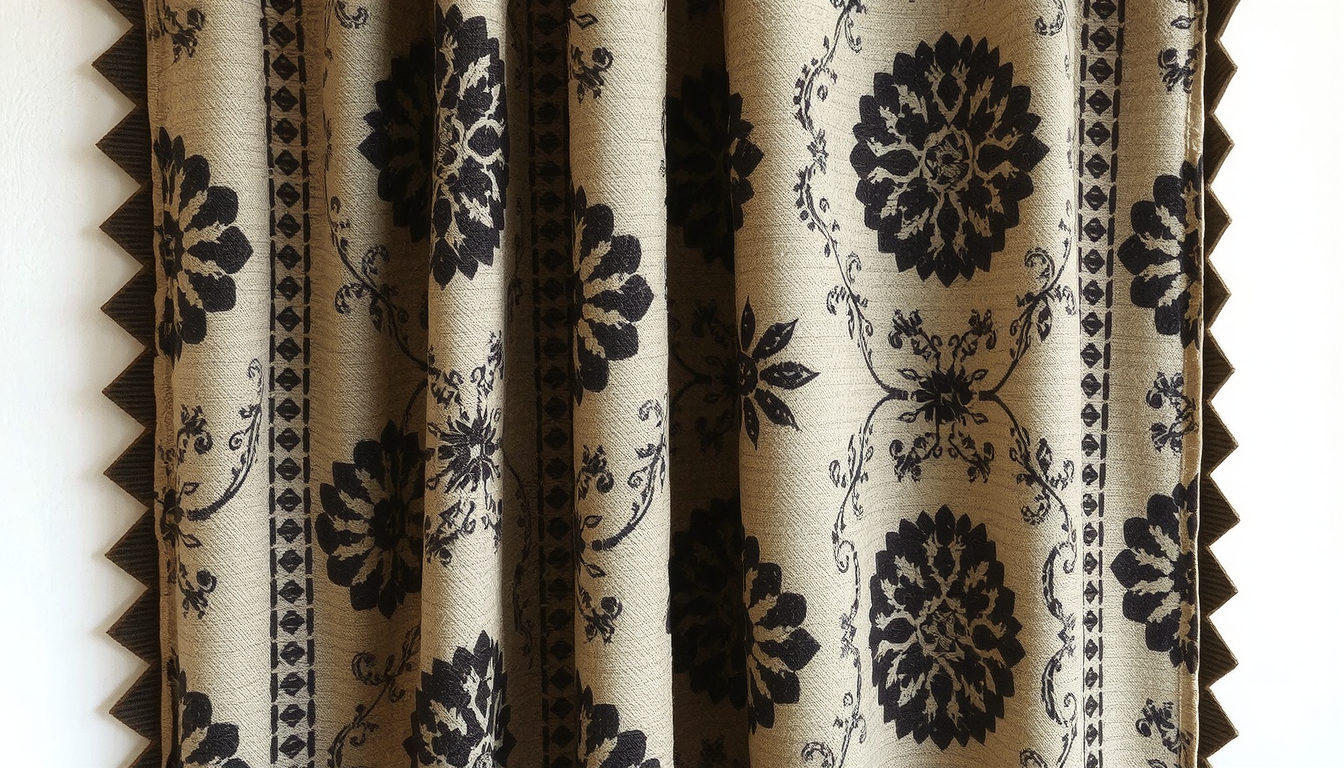
Testing these ideas is just the first step in making a collection or personal style. First of all, the platform like TZ streetwear is a perfect place to unleash creativity with these beautiful fabrics.
DIY Corner: Your Own Block Print
Having seen this, does it not inspire you to try it yourself? One of the easiest forms of textile design you can try at home is DIY block printing. All you need is basic materials and it is very easy to do.
What You Will Need
- Cotton fabric (plain, pre-washed)
- Carving blocks in linoleum or rubber
- Linoleum cutters (lino cutters)
- Ink made for water-based fabric
- A small rubber roller called a brayer
- A flat surface which is not porous (a small piece of plexiglass or a glass plate)
Steps to Follow
- Design & Carve: Sketch your design onto the block. Use your lino cutters to carefully carve away the areas you don’t want to print. Remember, the raised portion is what will transfer the ink.
- Prepare Ink: Squeeze a small amount of fabric ink onto your plexiglass sheet. Use the brayer to roll it out into a thin, even layer. You’re looking for a smooth, velvety texture.
- Apply Ink to Block: Roll the inked brayer over your carved block until the raised design is evenly coated.
- Print! Place your fabric on a flat, slightly padded surface. Press the inked block firmly and evenly onto the fabric. Apply consistent pressure, then lift it straight up to reveal your print.
- Heat Set: Let the ink dry completely. To make the print permanent and washable, place a cloth over the design and iron it according to the ink manufacturer’s instructions.
To get more details, there are resources like Creating Block Printed Textiles that show great step-by-step guides.
Your Questions Answered
1. Are block print cloth durable?
Yes, when properly taken care of. High-quality block print cloth made with natural fibers and colorfast dyes is very durable. The print is likely to soften and fade slightly during a long period and after many washes. This is generally seen as part of the fabric’s beauty. To avoid such issues, always follow the care guidelines.
2. How do I wash block print cloth?
Initially, hand wash in cold water with a mild detergent to prevent any excess dye from running. As they come, a gentle wash cycle in a washing machine on the cold, delicate cycle usually works fine. Always dry them in the shade as a precaution. Direct sunlight can make the colors fade over time.
3. Is block printing environmental friendly?
They can be some of the environmentally friendliest textile printing methods. The process was hand-powered and used no energy. Organic cotton or linen with natural plant and mineral dyes gives the block print cloth a minimal environmental footprint. The idea of “slow fashion” is embodied in this method.
4. Why is block print cloth expensive?
The reason for this price is the intensive manual labor, skill, and time it takes to create the fabric. Each part is made by hand- from the carving of the block to the last fabric print. Here, you don’t buy a mass-produced item, but a craftsman-made functional art piece.
5. Can I apply block print techniques on other materials?
Of course! The same techniques work well on paper, cardstock, and even unfinished wood. The only thing to keep in mind is what kind of paint or ink to use based on the material you choose. For paper projects, you can use printmaking inks or acrylic paints. For textiles, make sure you use fabric inks that can be heat-set properly for lasting results.