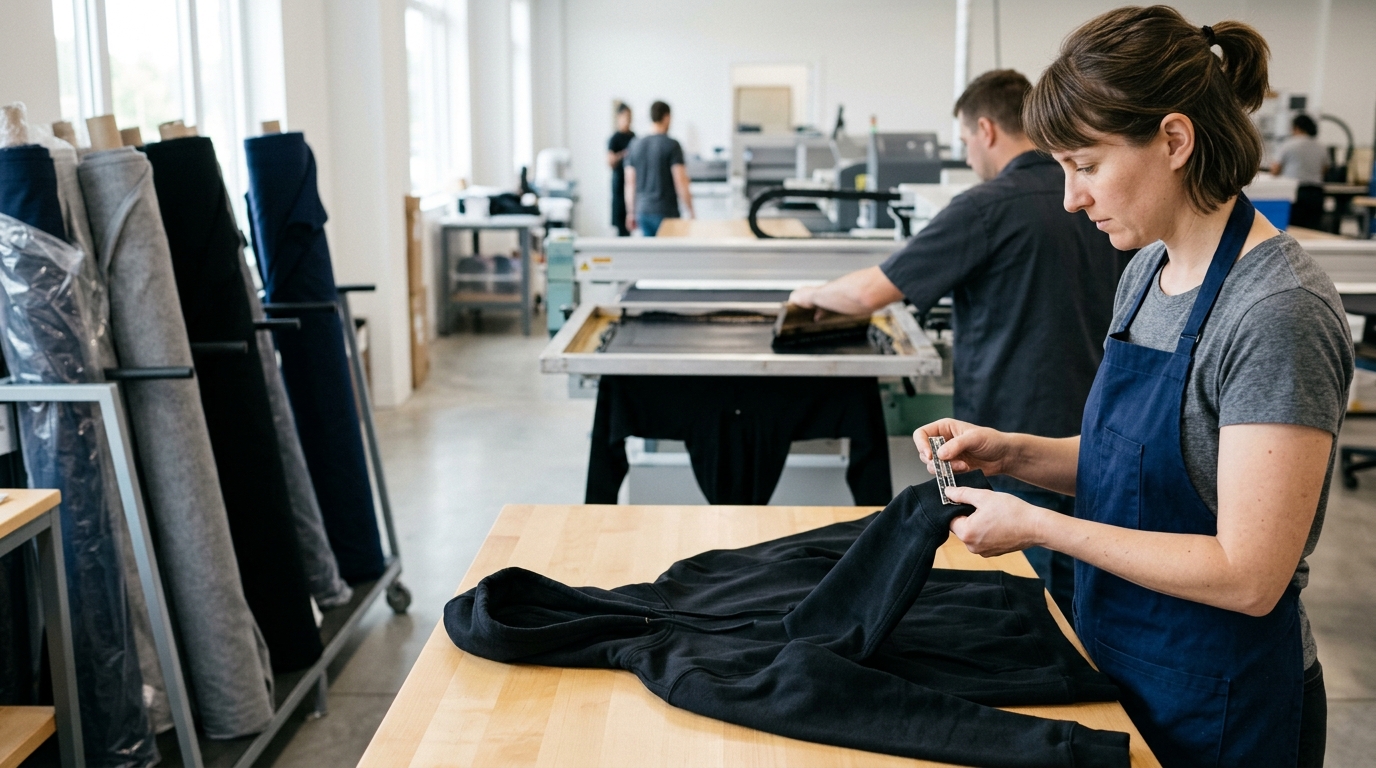
A fabric design is ready. However, cloth printing services can be a bit daunting. There are plenty of ways to print on fabric. Each one has its unique traits. It is not a cakewalk to decide which one is suitable for your project.
With this guide, you will learn. We will describe the most common printing methods in easy terms. Later, we will help you select the best choice based on your specific needs. On top of that, we will let you know the step-by-step processes. From preparing your art file to checking the final product. Hence, this is your ultimate guide to cloth printing services.
Sense the Fundamental Cloth Printing Techniques
Making the right choice among available options comes with thorough knowledge. Printing on cloth can be realized through four primary methods. The functions of each method relate directly to the kind of projects you undertake. Time to check out the individual ones.
Direct-to-Garment (DTG) Printing
Direct-to-Garment printing is like a functioning jet printer but for your clothes. The only difference is that it prints on garments directly. A unique printer ejects water-based inks into the shirt or another garment. The ink is absorbed by the fibers of the fabric.
This technique is the best for highly colored designs with elaborate details. A poster would be the best analogy here. Consider it also for one item orders. There are no big prepress fees. Natural fabrics like cotton 100% are the best for DTG.
Screen Printing (Silkscreening)
The screen printing technique is vintage and very much in style. Stencils called screens are utilized to apply ink to fabric. For each color that is present in your design, there is need to make a separate screen. The ink is forced through the mesh screen to the cloth the same way, one color at a time.
It’s the technique that will get a lot of benefits in terms of price for bulk orders. Such as, team backpacks or event merchandise. The prints are shiny and long-lasting. Still, there are initialization expenses for making the screens. This is why it is not a good fit for small lots or designs that use many colors. To accurately differentiate techniques, one needs to have adequate background knowledge. Many shops offer guidance on differentiating between screen printing and digital printing.
Dye-Sublimation Printing
Dye-sublimation is not that common. First, your design gets printed onto the special transfer paper. Later using heat and pressure the ink on the paper gasifies and bonds to the fabric. The result is that the dye becomes an indelible part of the material.
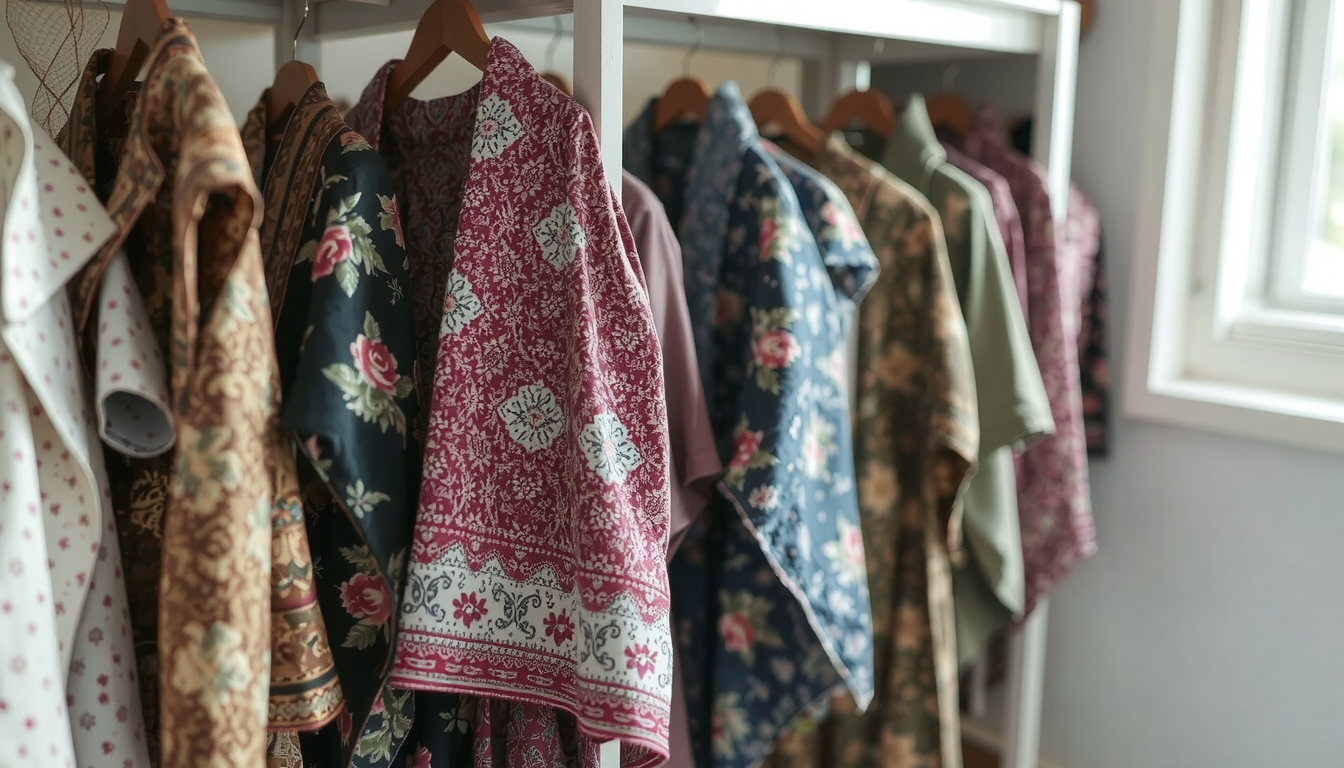
The output feels very soft. The ink is mixed with the fabric, rather than just sitting on top of it. So, it is not going to crack, it will not peel, and it will not fade. This process is ideal for the all-over prints on activewear or banners. It is only applicable to polyester or other fabrics that contain a significant amount of polyester.
Heat Transfer Printing (Vinyl/Plastisol)
This is a method of printing that applies designs to clothes by means of hot pressing. At first, the design is either vinyl cut, or it is printed onto a special transfer paper. What happens next is that the heat press applies high temperature and pressure, which all leads to the binding process between the design and the clothing.
Flexibility is one of the critical features of this method. You can use it on a variety of substrates. Try to apply it to simple graphics. For example, adding a player name and number on jerseys. Or printing several custom shirts.
What Printing Method Will Be Best for Your Project? A Comparative Guide
Having been equipped with the fundamental tools, how to find the right method? The optimal path will depend on the precisely defined ends. Let’s interleave the printing techniques with various typical projects. It will be easy to pick an ideal one for your custom clothing project with our help.
For Small Batches & Detailed Designs
It is advisable to choose DTG for such projects. For example, if you want to test a design, launch your brand or print a photo, DTG is the best solution. Besides, no setup fees are involved. Thus, the cost is not high for having just one or a few items printed. It also offers the possibility of many colors in one print. Therefore, DTG is the best option for highly sophisticated designs.
For Bulk Orders & Brand Merch
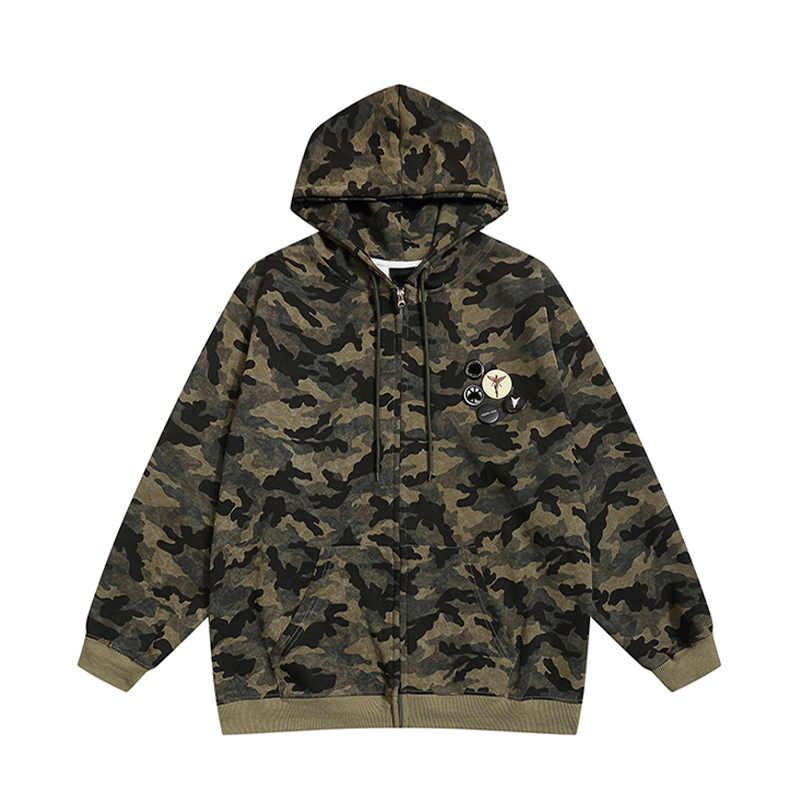
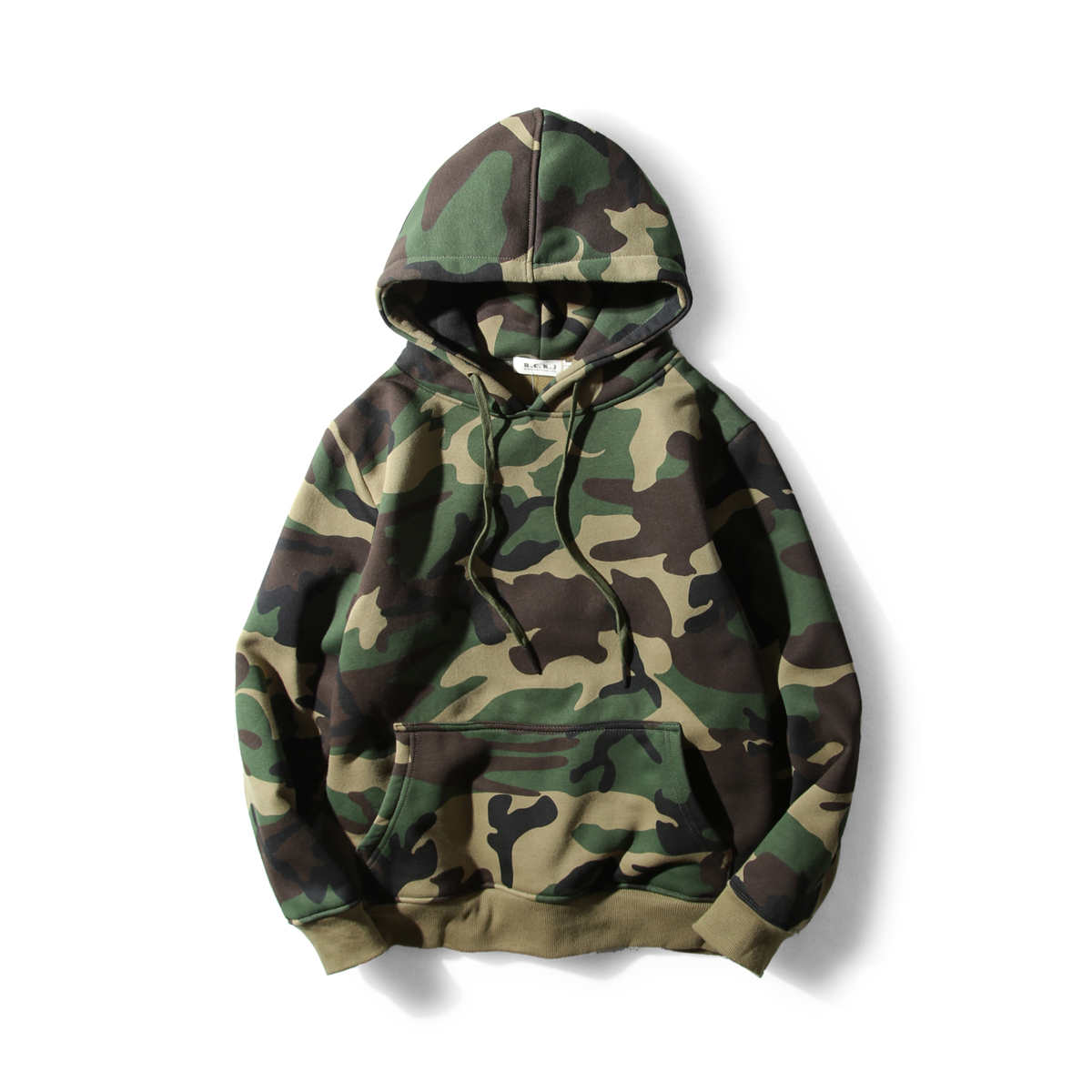
The winner of this category is the screen printer. The best option is to order 50 or more items, whether for your band, company event, or other promotional purposes. The allencompassing wants it delivers this way (i.e. less price per item during the bulk buy). A good example of screen print projects would be the one with a range of custom hoodies. Check out our custom hoodie manufacturer for bulk orders.
For Performance Wear & All-Over Prints
In this case, dye-sublimation is the top choice. The method fits excellently with the polyester fabrics mostly used in sportswear. It also ensures lightweight and breathable fabrics. This technique is unique in allowing full-color, edge-to-edge prints that cover the entire garment.
Quick Comparison Chart
In the following, you will find a summary table, which will help you in the decision-making process.
| Printing Method | Good For (Use Case) | Works On | Colors & Details | Durability | Cost |
|---|---|---|---|---|---|
| DTG | Small orders, photos | Cotton, natural fibers | Excellent, full color | Good | Medium per item |
| Screen Printing | Bulk orders (50+), simple graphics | Most fabrics | Good, limited colors | Excellent | Low per item (bulk) |
| Dye-Sublimation | All-over prints, sportswear | Polyester | Excellent, full color | Excellent (no fade) | High per item |
| Heat Transfer | Names, numbers, simple logos | Most fabrics | Good | Good | Varies by type |
From Concept to Cloth: Your 5-Step Action Plan
Turning your idea into a finished product can feel like a big task. We’ve broken it down into five simple steps. Following this plan will make the process smooth. It will help you avoid common mistakes. This action plan is a core part of how we manage our cloth printing services.
Step 1: Finalize Your Design & Prepare Your File
This is the most important step. Your final print will only be as good as your art file. For the best results, your file should have a resolution of 300 DPI. DPI means dots per inch. This high resolution prevents your design from looking blurry when printed.
Save your file with a transparent background. Usually as a PNG. This ensures only your design is printed, not a white box around it. Also, check the color mode. Most printers use RGB. But some may ask for CMYK. Always ask your provider for their specific file requirements. For a deeper dive into the technical aspects of different apparel customization techniques, see our craft introduction.
Step 2: Choose Your Fabric or Garment
It is not only about the choice of materials but also how it will affect the sensory quality of the end product. After all, we all know that DTG is the best on cotton. It is the same as dye-sublimation which is best on polyester. For example, what do you want the material to do? A soft cotton tee would easily fit in at a streetwear brand’s lineup. A sports team would be better off with a polyester shirt.
Step 3: Select the Right Printing Service Provider
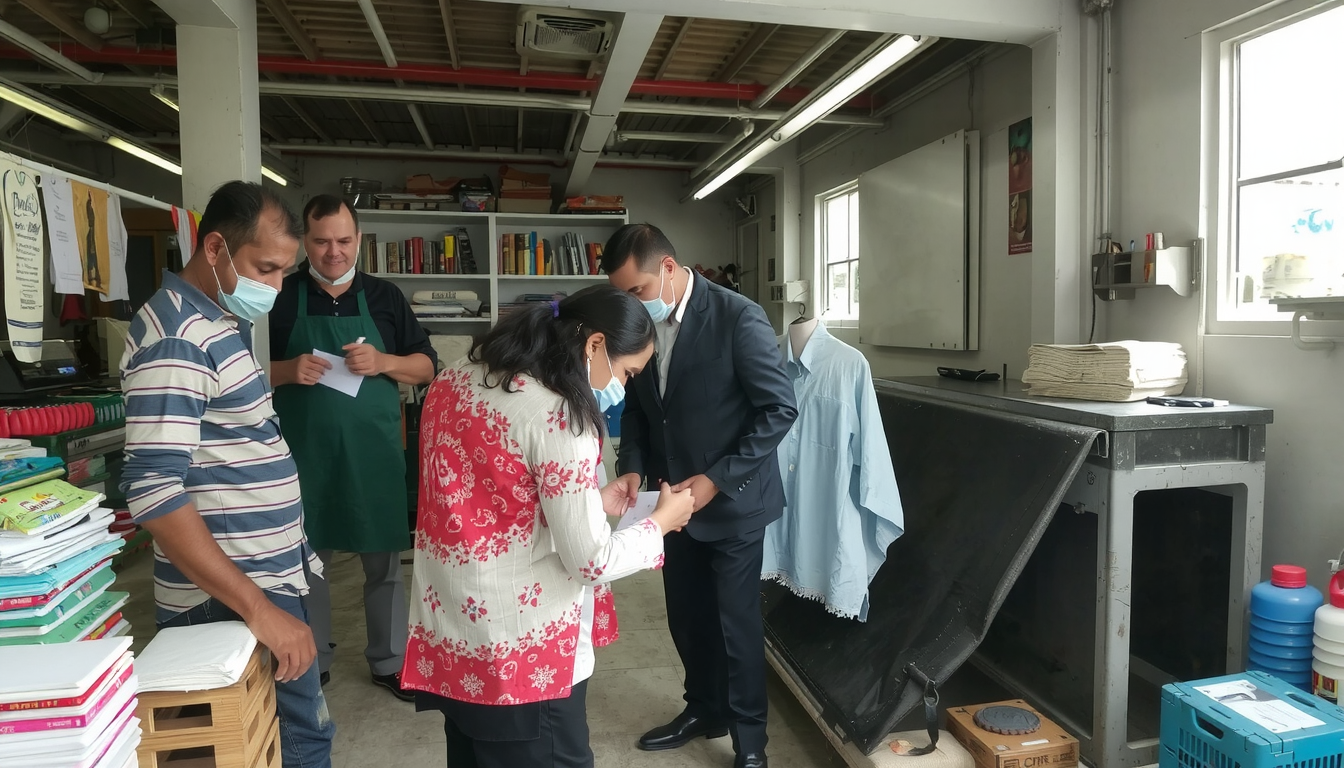
Look for a partner who connects with your vision. Check their hanging display. Read user experiences. Seek information regarding their process. Sending a sample is a good way to gauge their quality before making a bigger order. Teaming up with a dependable custom fabric printing business will bring the best outcome. This is particularly true when service is a prime focus.
Step 4: Review the Mockup or Proof
Instead of having your entire order printed directly on the garment, your provider will send you a proof. A digital image is one of the proofs. See it to know how your art will look on the clothes. Look at it closely. Pay attention to spelling mistakes and incorrect colors. Double-check the design’s size and place. This is your final chance to make adjustments.
Step 5: The Final Print & Quality Check
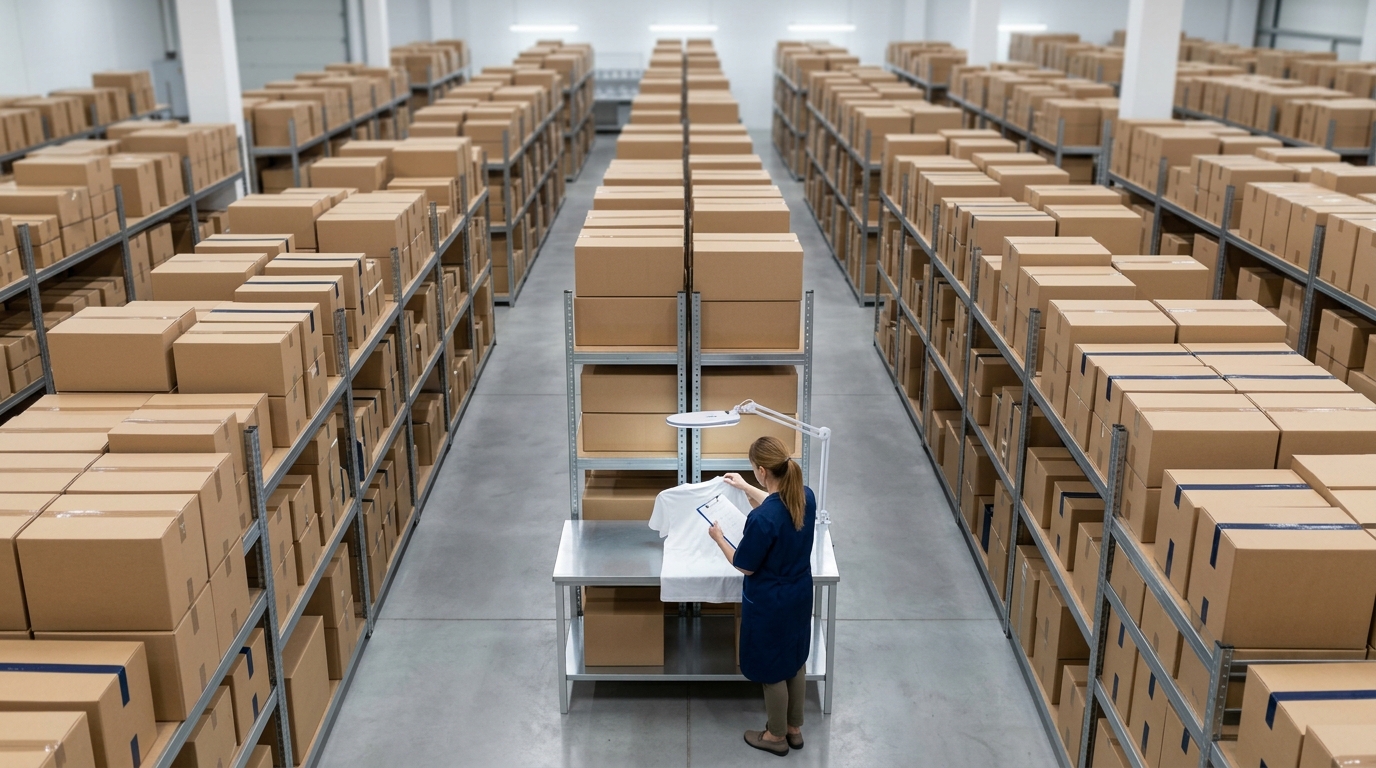
Now that your order comes, it’s the time for quality check. Take a close look at a couple of items from the batch. Confirm if the print is sharp. Check if the colors are correct. Verify that the placement is just as the proof you signed off. Look at the garments too for any problems. If you find any, contact your printing service provider instantly.
Key Factors That Influence Cost
The cloth printing prices can vary a lot. It is not only good to have an overview of what will affect the cost, but it is also good to manage your budget right as well as make the right choices for your project.
- Printing Method: The contactor for screen printing requires the payment of high initial costs for the purchase of the screen. On the other hand, DTG printing has no start-up fees. This is why single item printing is cheaper for DTG but it becomes more expensive per unit cost in the case of a large order.
- Order Quantity: The more you order, the lower the price per item. This is especially true for screen printing.
- Number of Colors: For screen printing, each color requires a new screen. This adds to the setup cost. For DTG and sublimation, the number of colors usually does not affect the price.
- Type of Fabric/Garment: A basic t-shirt will cost less than a premium, heavy-weight hoodie or a special performance fabric.
- Print Size and Placement: A small logo on the chest will cost less than a large print on the back. Adding prints to multiple locations will also increase the cost. Think sleeve or back prints.
- Turnaround Time: If you need your order very quickly, most companies charge a rush fee for faster production.
Partnering for Success with TZ-Streetwear
Selecting the appropriate cloth printing services is a design point beyond just ink and fabric. It is about collaborating with a partner that will make your brand a reality. A partner with the right set of skills to execute the creation of top-quality apparel.
At TZ-Streetwear we pride ourselves on being the bridge between ideas and their execution for new and well-established brands. We are true streetwear enthusiasts. We believe our products should always be of the highest grade. This includes both the engineering of the product and the longevity of the print. In every project, we use the finest textiles and the right techniques. We are not just a printing service. We are a partner for your growth, a brand you can build from ground zero.
Frequently Asked Questions about Cloth Printing Services
The answers to frequently asked questions regarding custom cloth printing are given here.
1. What is the most durable type of cloth printing?
Both high-quality dye-sublimation and screen printing are age-hardy, but in different ways. Dye-sublimation ink attaches to the fabric, so there is no way cracking or peeling could occur. In a case of a long time properly burned and dried, the screen print will last many years even outwearing a garment.
2. Can I get just one item printed?
Of course! For single items or a few, look for form cloth printing services which have Direct-to-Garment printing machines. Many modern providers specialize in Digital fabric printing with no minimum order. A perfect option for samples, gifts, and personal projects.
3. What file format is best for cloth printing?
The best choice is often a high-quality PNG file at 300 DPI with a transparent background. In the case of DTG, this is especially true. On the other hand, screen printing can benefit from using a vector file like an AI or an EPS. AI stands for Adobe Illustrator. Vector files can be scaled up or down without losing quality. Always confirm with your provider what they would like the format to be.
4. How much do cloth printing services cost?
The price comes with many variables. A DTG-printed shirt in single quantities can be around $20 to $30. It might be in the range of less than $10 in case of huge bundles with a screen print. The several factors which affect the final price include printing method, order size, the type of garment, and the complexity of the design.
5. How do I ensure the colors in my print look right?
The best way to do this is by ordering a physical sample before confirming a large order. This will give you the opportunity to see the product and feel it. Also, ensure that your digital file is set in RGB color mode. This is the most used mode among digital printers. On the contrary, keep in mind that colors on computer screens can differ only slightly when printed on different materials.