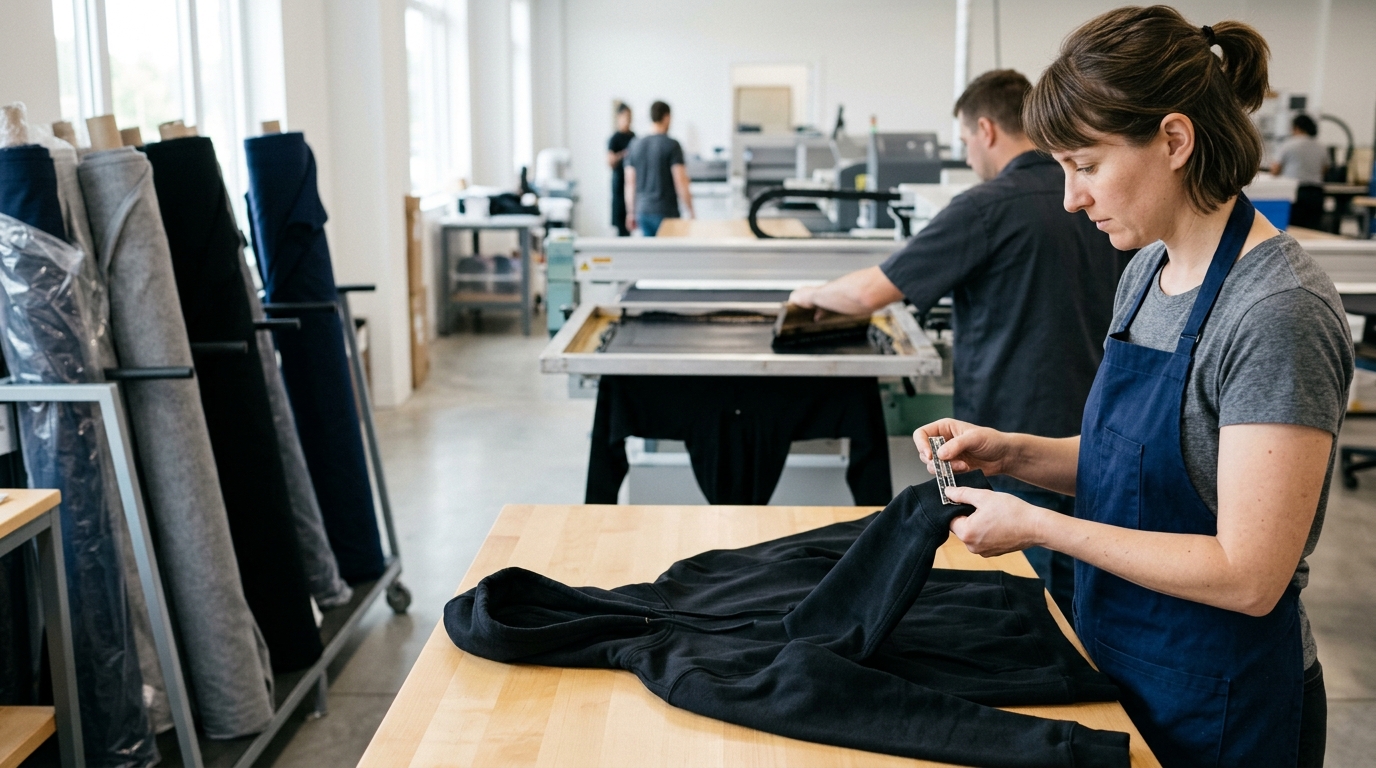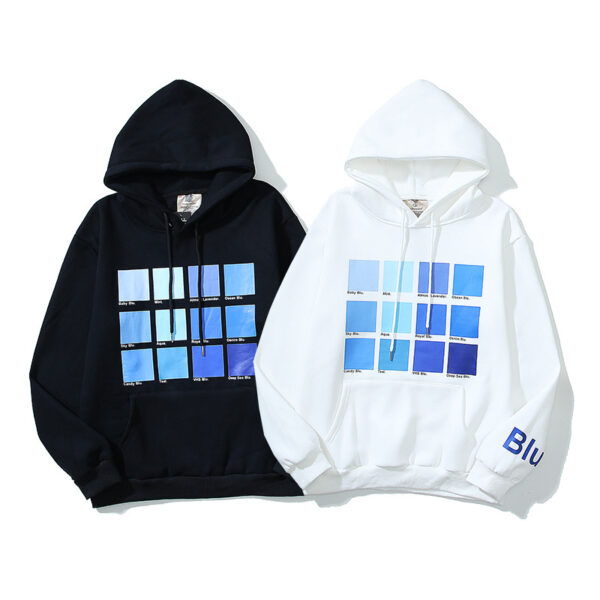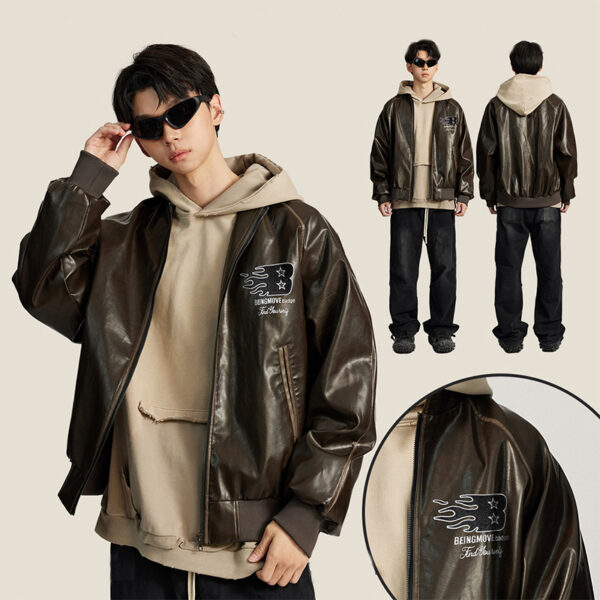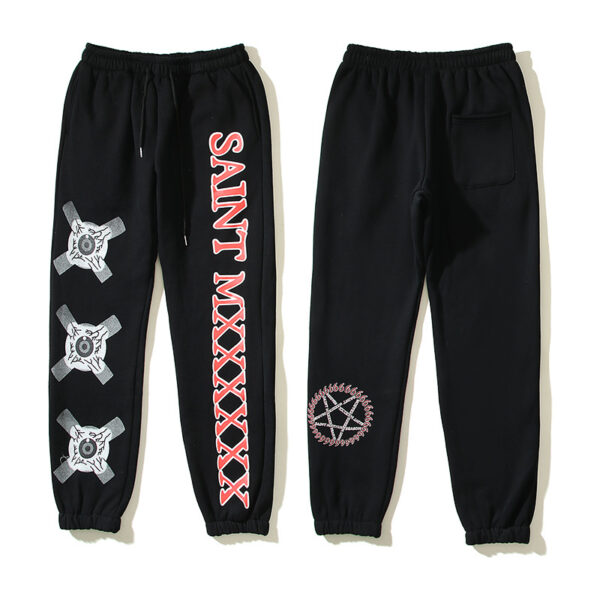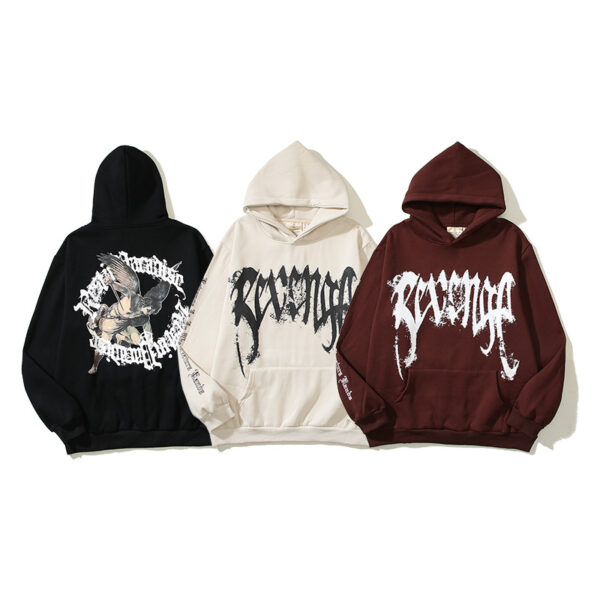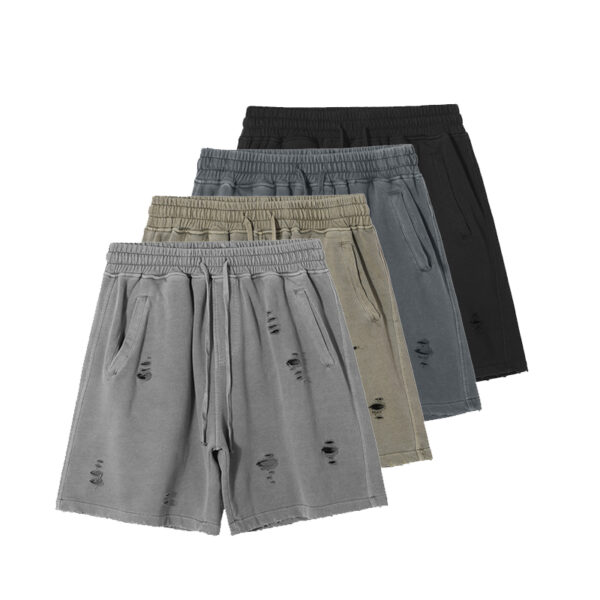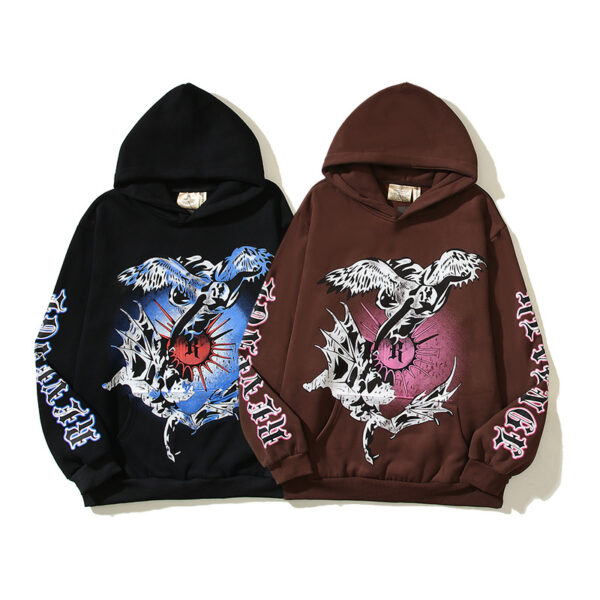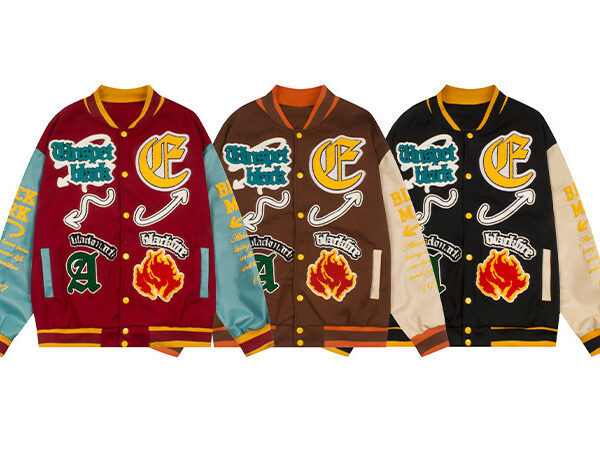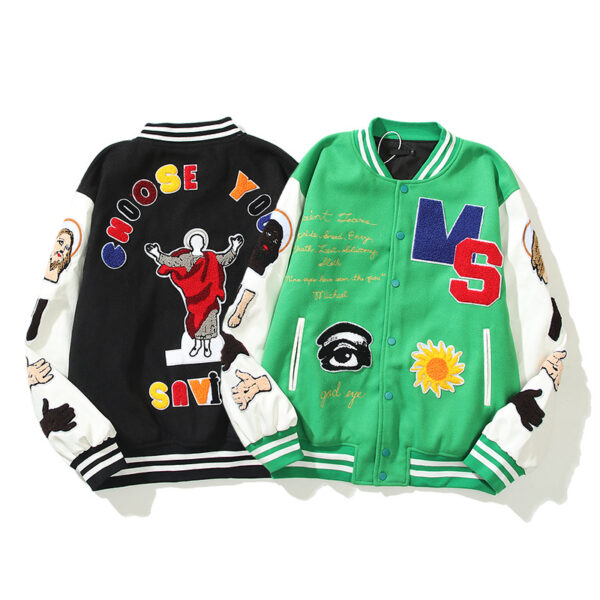
Wearing custom printed clothes is one of the best ways to express yourself. They can even help you to create a brand or pull together as a team. You can either make a single t-shirt or a complete clothing collection. The possibilities are infinite. Nevertheless, it might feel overwhelming to succeed due to the sheer number of alternatives.
You will find this guide very useful. Every main step will be explained in detail. We will discuss the materials and print methods selection. You will also learn how to create your design like a professional. For us, your dream turns into a reality. Visit TZ Streetwear to find out more.
Step 1: Setting Your Targets
What is your purpose for creating customized clothes? The solution to this question is the main decision maker for all other choices you have to do. Knowing what you want will prevent you from making mistakes. In the end, you will have a product that you adore. Plan what you need to do long before the initiation of the project for creating custom clothing for any occasion.
Here are some common goals and what you need to consider for each:
- For Personal Use or a Gift: Be creative! You are looking for a quick process with no minimum order obligations. The emphasis is on your imagination and personal touch.
- For a Team or Event: You are after durable clothes that look the same on everyone. Get good deals for bulk purchases. The main point is the consistent logo.
- For Promotional Merchandise: You think of an item that causes brand awareness. The products should be cheap but elegant. The main issue is visibility.
- For Starting a Clothing Brand: The main goal is quality. You need top materials plus innovative details. Another thing is trustworthy partners performing this long. Associating with good practices such as these will make you known for custom printed clothes of remarkable quality.
Step 2: Picking Your Canvas
The cloth you print designs on is your base. The material and print techniques of clothes not only influence the visual appearance but they also determine if the fabric lasts long or feels too rough on the body.
It Is Not Just a T-shirt
Look at more than just the t-shirt. You can customize several kinds of clothing. The usual selections include t-shirts, hoodies, sweatshirts, tank tops, and polo shirts.
Factor in who will wear it, and the occasion. A sports team could require special fabrics for performance. These are moisture-wicking fabrics. A fashion brand might desire a cool heavy hoodie. Looking for the right type of apparel will lead you to the quality of the final product.
Choosing the Right Material
Your T-shirt clothes need the right material. It significantly affects how the print looks and how the product feels. Below are some of the most commonly used fabrics for custom printed clothes.
| Fabric Type | Best For | Key Characteristics |
|---|---|---|
| 100% Cotton | Soft feel, detailed prints (DTG) | Very breathable and comfortable. Can shrink if not pre-shrunk. |
| Polyester | Sportswear, vibrant prints (DTF) | Durable, resists wrinkles, and wicks moisture. Less breathable. |
| Cotton/Poly Blends | Everyday wear, durable shirts | Mix of soft and strong. Shrinks less than 100% cotton. |
| Tri-Blends | Premium, soft apparel | A mix of three fabrics. Very soft with a nice drape. Costs more. |
Step 3: The Process of Printing
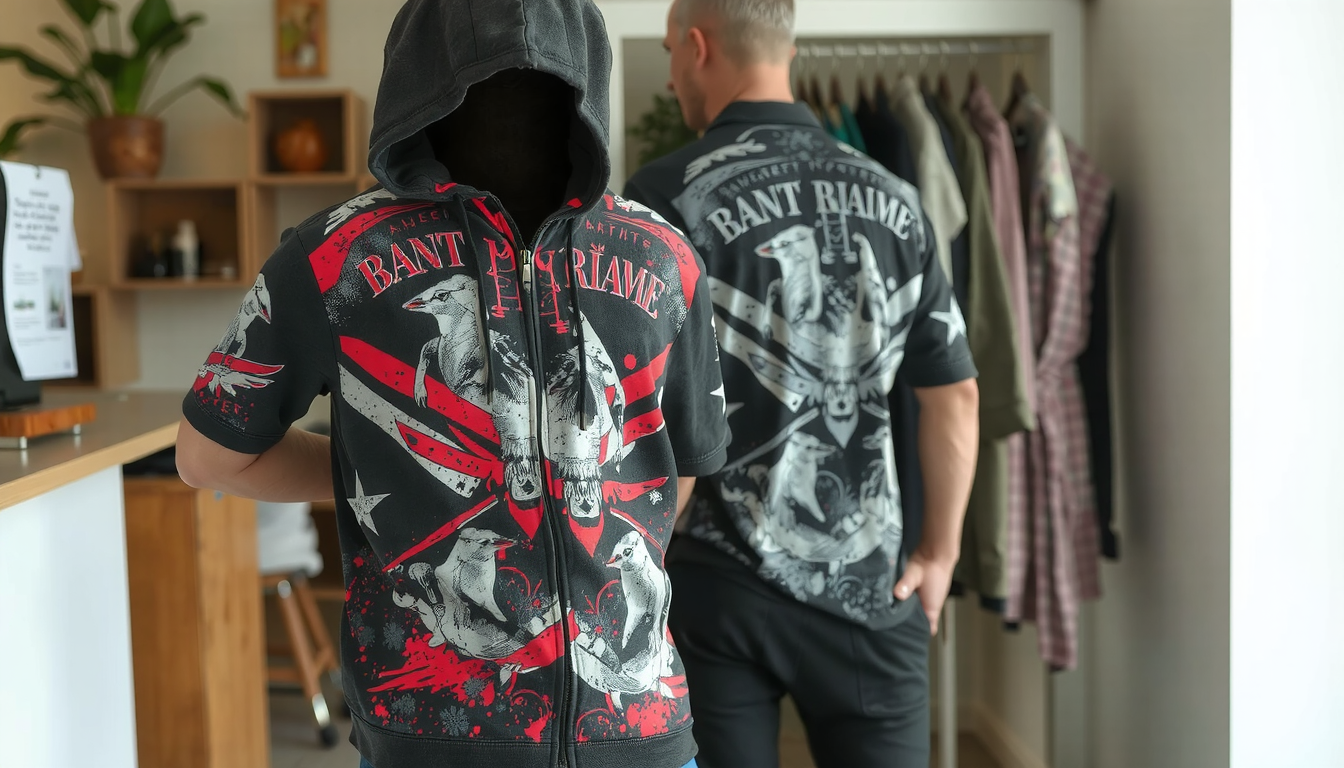
The printing technique you decide will be the main determinant of your product. Each technology has its own strengths. Knowledge of them helps you choose the right one. Ponder about your design, budget, and quality requirements.
Screen Printing
The basic principle of Screen printing is the use of ink only when through a mesh screen onto the fabric. A screen is created for every color used in the design.
This is the best method for bulk orders of 25 or more. It results in bright, vivid colors which are very durable especially on dark clothes. It is the wrong method for single items with many colors like photos.
Direct-to-Garment (DTG)
The process of Direct-to-Garment (DTG) Printing is somewhat comparable to that of an Inkjet printer. The machine uses water-based ink, which is sprayed directly onto the garment.
DTG is the right method for intricate designs that have multiple colors or fine detailing. It is a good way to create posters. Furthermore, it is suitable for small orders or even one piece. The setting-up costs are little. However, it is not cost-effective for big orders. It is better on 100% cotton fabrics.
Direct-to-Film (DTF)
DTF or Direct-to-Film is a new method. Your design is first printed onto a special film. Then, a garment is processed with heat and pressure to transfer it.
The DTF process yields very striking and lasting prints. The technique allows the use of fabrics like polyester and blends that are hard for DTG. The print appears to be a thin flexible layer that is on top of the shirt. It is a good alternative to the other techniques for a variety of designs.
Embroidery
Embroidering is the process of using a thread to stitch a pattern into the fabric. Though it is not a print, it is still a popular way of customizing apparel.
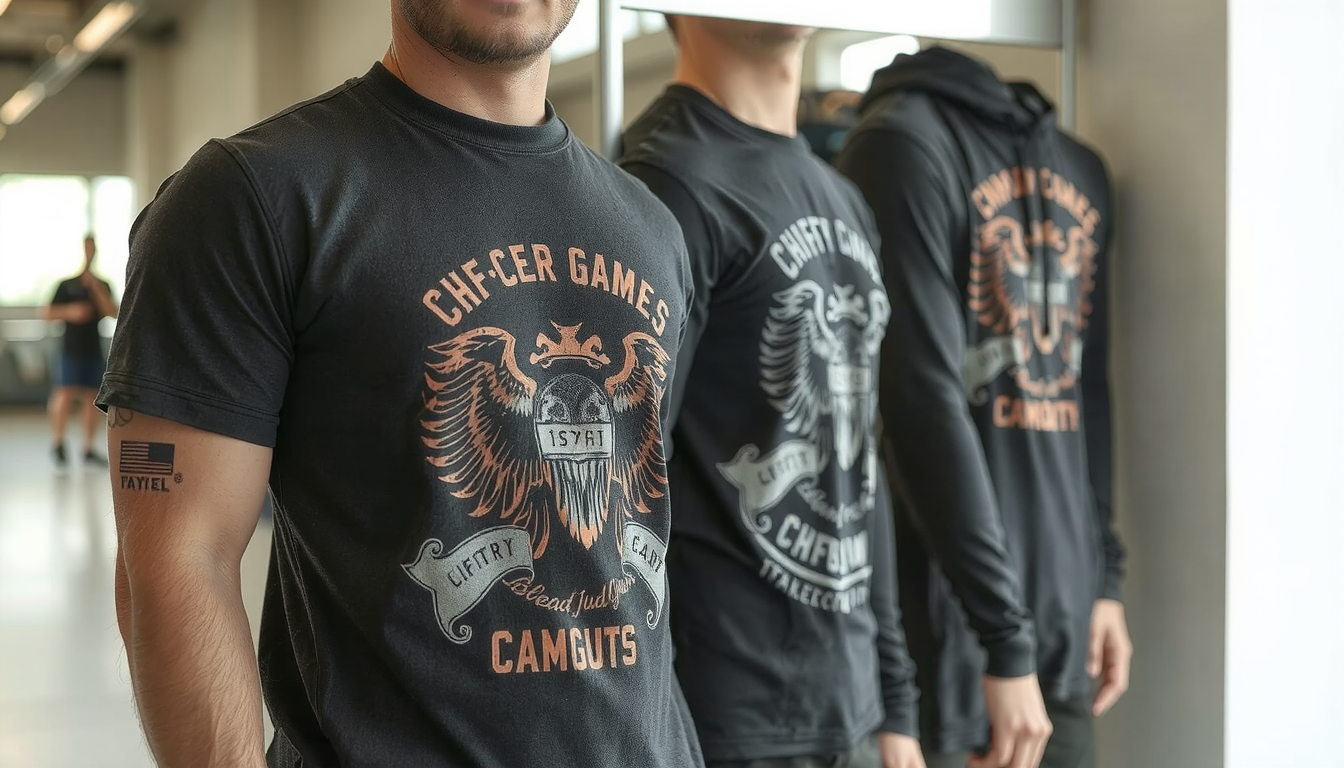
It gives an upscale, professional appearance. Embroidery is recommended for logos on heavier items like caps, polo shirts, and jackets. It is not suited for large designs or thin cotton shirts. The threads used may pull the fabric.
You can find a lot of other printing techniques too, including direct-to-garment (DTG), direct-to-film (DTF), all-over print, and embroidery. If you crave a deeper dive into the specific techniques that are used for brand building then check our guide on craft introduction.
| Printing Method | Best for (Quantity & Design) | Fabric Compatibility | Feel / Durability | Cost-Effectiveness |
|---|---|---|---|---|
| Screen Printing | Bulk orders (25+), simple designs | Cotton, Blends, Polyester | Soft yet durable feel | Very cheap in bulk |
| Direct-to-Garment (DTG) | Small orders (1-24), complex photos | Best on 100% Cotton | Very soft, breathable | Best for single items |
| Direct-to-Film (DTF) | Any quantity, detailed logos | Cotton, Blends, Polyester | Smooth layer on top, very durable | Good for all order sizes |
| Embroidery | Any quantity, simple logos | Heavier fabrics (polos, hats) | Textured, premium, very durable | Mid to high, based on stitch count |
Step 4: Preparing Your Design
A proper printing process begins with a great design file. Many mistakes are made because of bad files. Taking these steps will help you correct any errors and ensure a perfect print.
Our team once dealt with a client who sent a logo from their website. The image looked very sharp on their computer screen. But when we printed it on a shirt, it was blurry and pixelated. This incident emphasizes why file prep is crucial for high-quality custom printed clothes.
-
Don’t Skimp on High Resolution: Your image file size has to be covered at least 300 DPI (dots per inch). Also, this ensures your print is not blurry but sharp and clear. A low-resolution file will certainly cause a low-quality print.
-
Vector vs. Raster: Pixel graphics (such as JPEGs from Photoshop) are raster images. Vector graphics (like AI files from Illustrator) are made of math equations. For logos and text, vector is always better. It can be resized without losing quality.
-
Color Mode (CMYK vs. RGB): Monitors use RGB (Red, Green, Blue) light. Printers use CMYK (Cyan, Magenta, Yellow, Black) ink. Design your files in CMYK mode. This will make the colors look the same on the shirt and on your screen.
-
Dimensions Check: Ensure that the size of your design file is equal to the size it is intended to be printed. A design file that is 4 inches wide will not look good if you print it on a 12-inch wide space.
-
Transparency to Note: When your design is not square, be sure that its background is transparent. Otherwise, you might end up with an unwanted white box printed around your design. Save your file as a PNG or another format that supports transparency.
Step 5: Selecting Your Partner
The way through which you carry out your custom printed clothes is a major decision. You may use a Print-on-Demand service or work directly with a manufacturer. Each one of these routes has its advantages and disadvantages.
The global market for custom t-shirt printing was $4.3 billion in 2022, and it is expected to grow. Both business models offer solid options.
What are Print-on-Demand (POD) Platforms?
POD (Print-on-demand) is a connection between your online store and a third-party company. When a customer purchases anything, the POD company prints and ships it for you. At no point do you have to deal with the actual product. A lot of the services let you design and sell custom clothing online with Printify.
The upsides are low startup costs with no need for inventory. The downsides are thinner margins and less say on quality control. You also have fewer options for custom details like tags or labels.
What is a Direct Manufacturer?
When you work with a direct manufacturer, you are teaming up with a company such as us. We are the ones who will manufacture your items through batches or wholesale. You will take charge of your stock and shipping.
The upsides are substantially bigger profits, plus total control over quality. You may also include things like custom tags and exclusive printing areas to your products. This partnership will give you access to the specialists and their guidance. The only downside is that you will need to invest money up front for the bulk quantity.
Which Path Is Right For You?
A POD is a perfect platform for testing new ideas without risk. It is most suitable for designers who want to drive their time towards marketing and logistics.
On the other hand, a direct manufacturer should be the path taken by truly serious brands. These are companies that aim at reputation, quality, and profitability. They are looking for a way to do things which their competitors will find difficult, like a custom hoodie manufacturer can provide.
Conclusion: Realizing Your Dreams
You now have a clear route to creating fantastic custom printed garments. The journey of your good in the first place starts with setting your goal. Then you pick your cloth and the ideal print method. After that, you prepare your design file and choose the right production partner.
You can easily get a professional finished product. With the right set of knowledge and a hand from the right partner, you can craft your clothing that will get you the nod of approval from your friends. Whether you are introducing a new clothing line or just making a unique gift, we have your back. You share your design, we construct it.
Frequently Asked Questions (FAQ)
What is the best printing method for t-shirts?
There is no single “best” way. It truly depends on your design and order size. For complex, colorful designs in small amounts, DTG is ideal. It captures detail perfectly. For simple logos in large quantities (25 or more), screen printing is cheaper per shirt. It gives very bright colors.
Can I print just one custom clothing item?
Yes, you can! This is a perfect job for Direct-to-Garment (DTG) printing. DTG has no minimum order requirements. So it is great for one-off projects. Most Print-on-Demand services use this technology to fulfill single-item orders easily.
How much does it cost to get custom printed clothes?
The cost can change a lot. It depends on the garment’s quality, the printing method, and how many you order. A single shirt printed with DTG might cost between $20 and $30. A large screen-printed order could lower the cost to under $10 per shirt. Always ask for a quote for your specific project.
How do I ensure the colors in my design print accurately?
The best practice is to create your design file in CMYK color mode. This is the color space that printers use. Keep in mind that colors on a backlit screen (RGB) will always look a bit different than on a physical shirt. If the exact color is critical for your brand, we recommend ordering a sample print first.
What’s the difference between custom printed clothes and streetwear manufacturing?
Custom printing usually means adding a design to a pre-made, blank garment. Streetwear manufacturing is our specialty at TZ Streetwear. It is more involved. It can include creating a garment from scratch (cut-and-sew), custom fabric dyeing, and unique labels. It includes other premium details. It is about creating a completely unique product, not just printing on a blank.