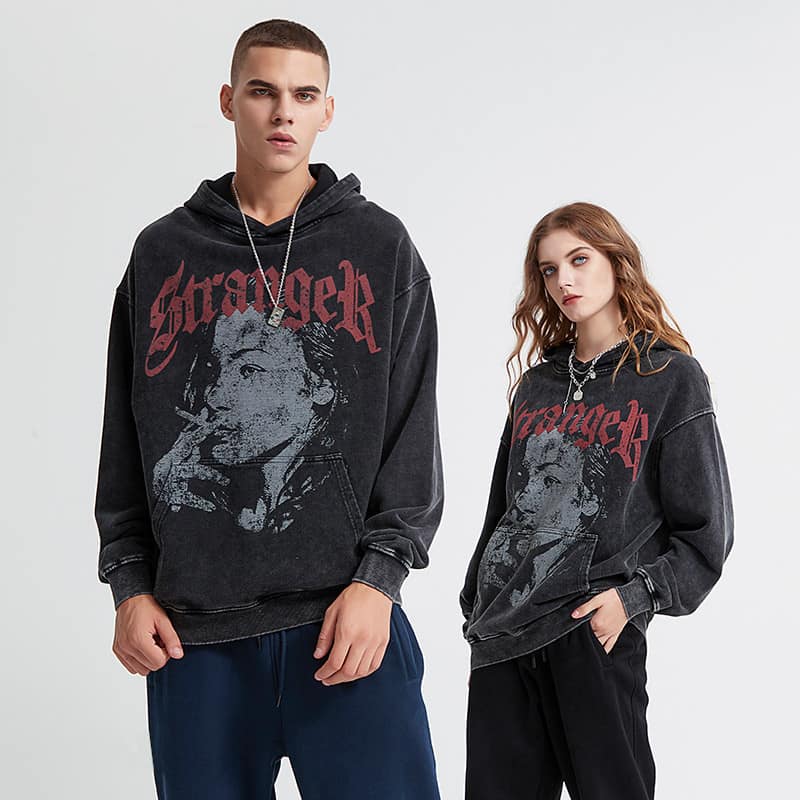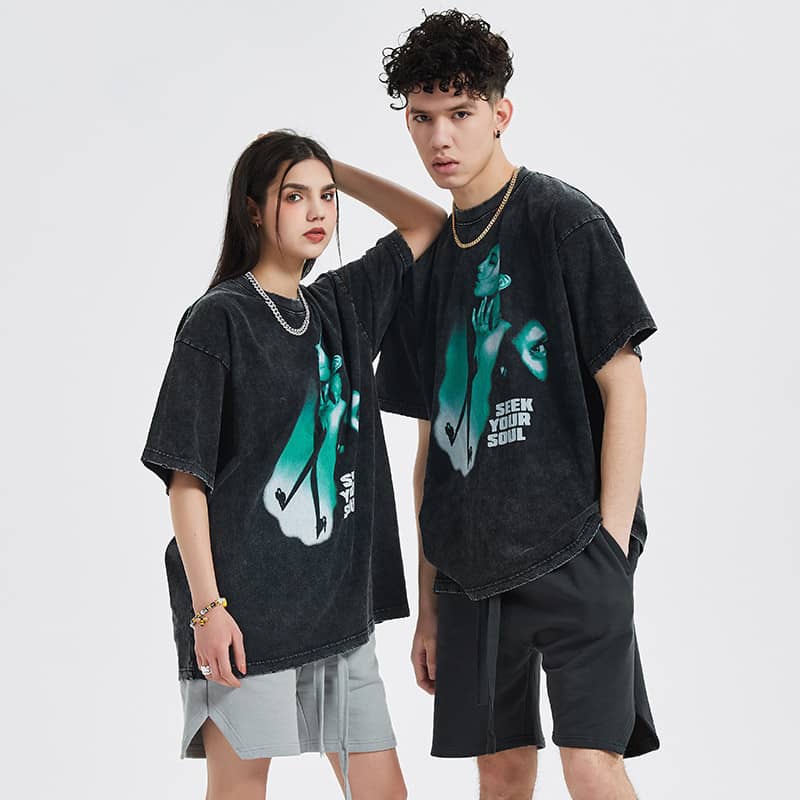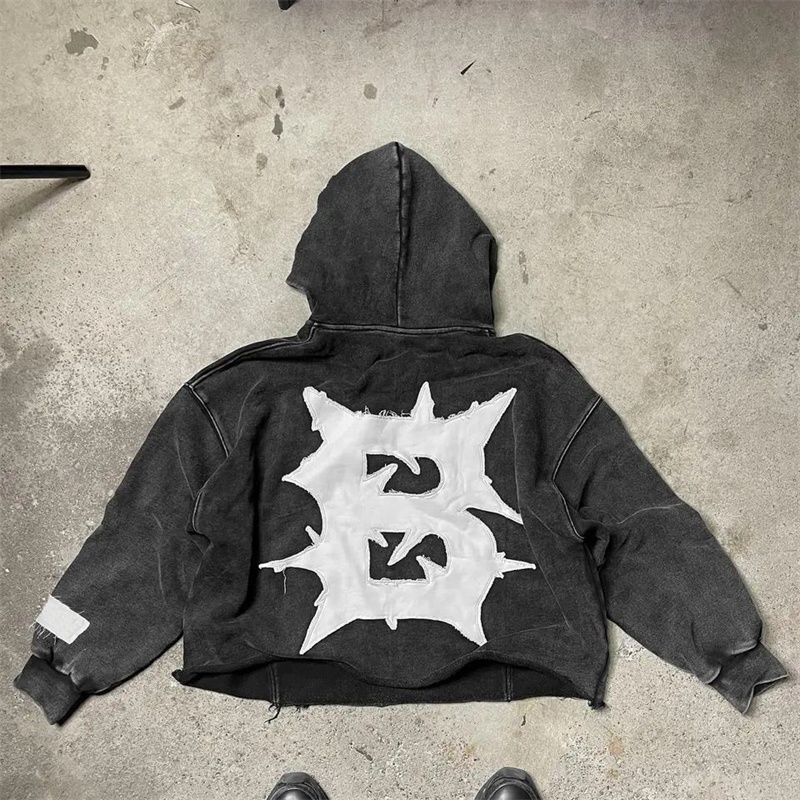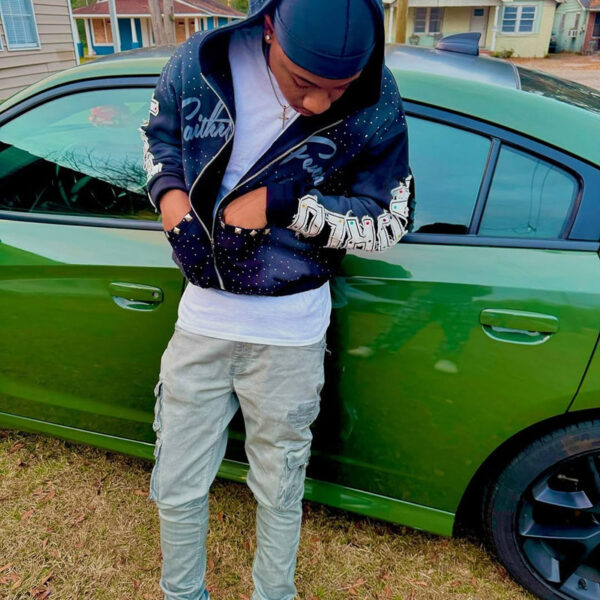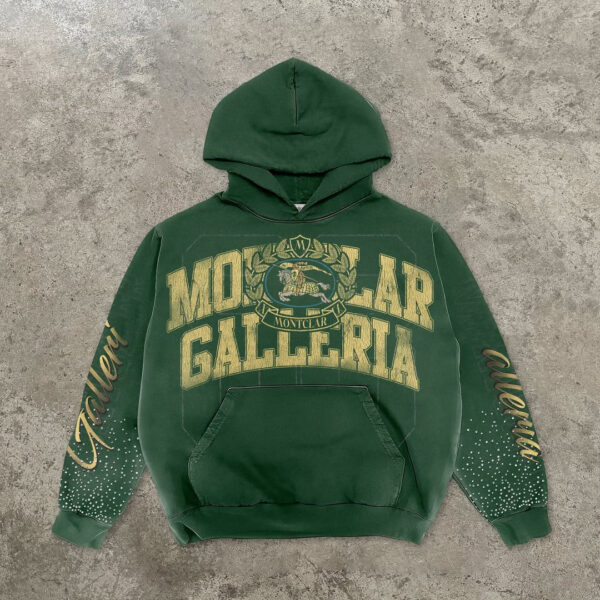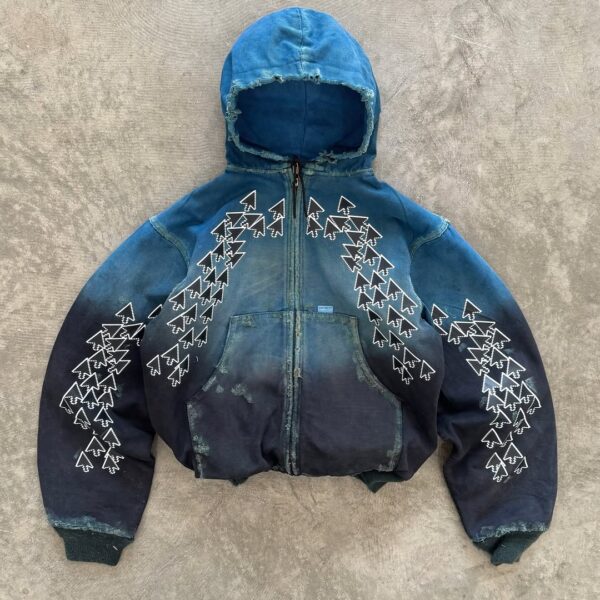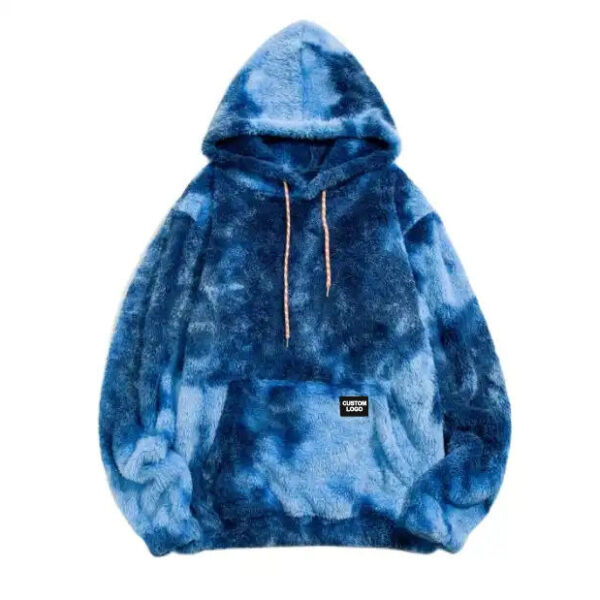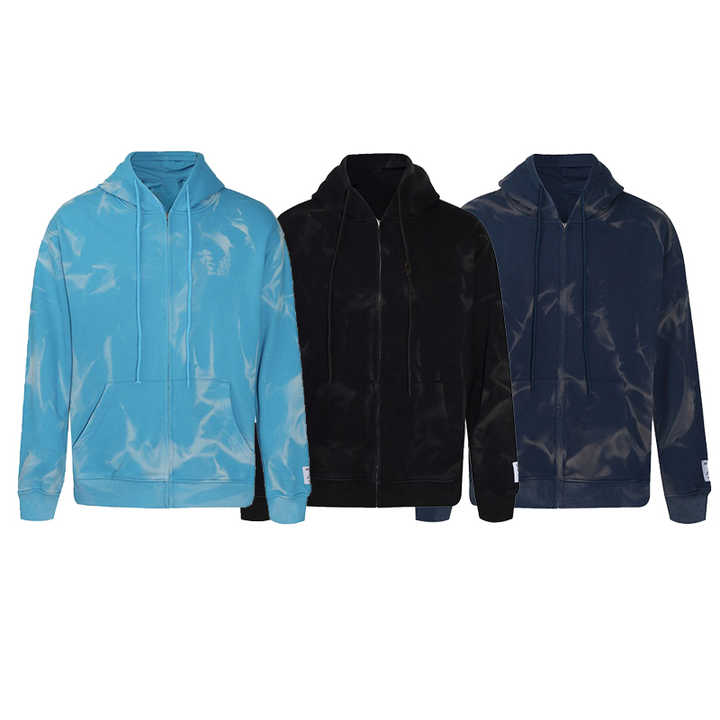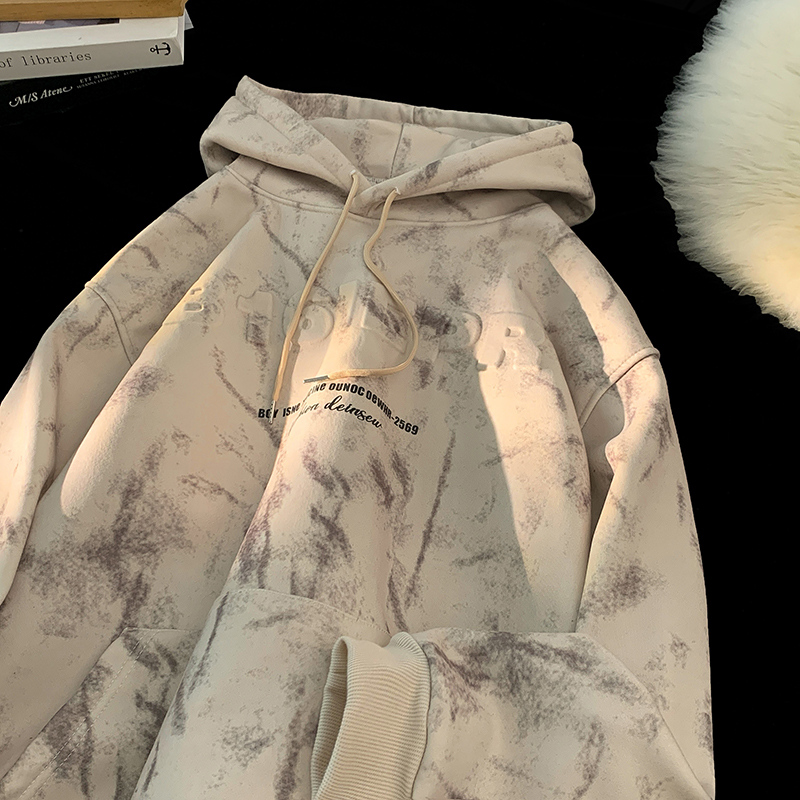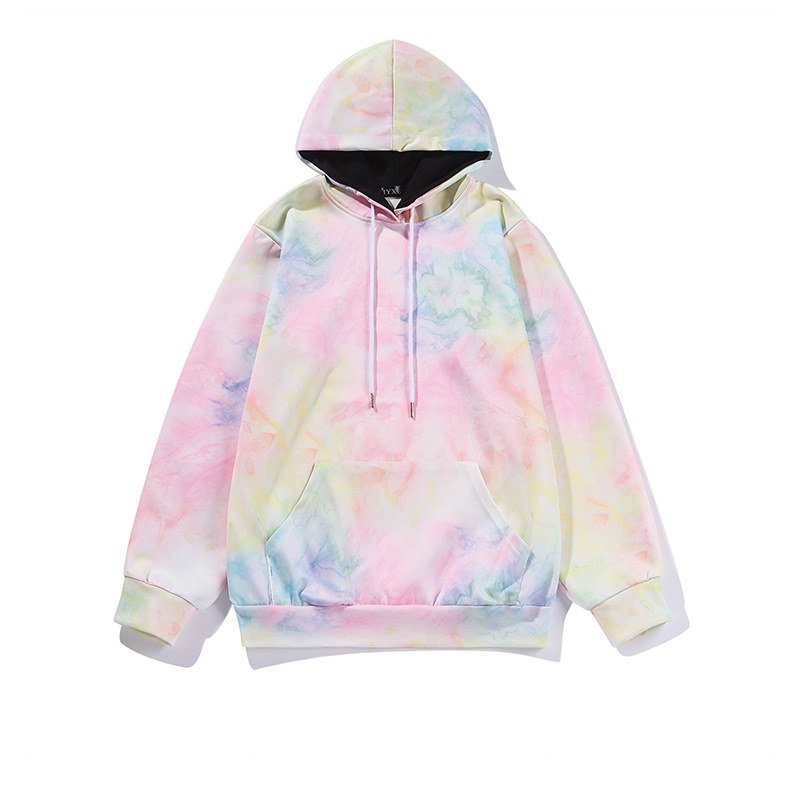
A bespoke heavyweight hoodie is not just a winter clothing article; it is a branded item as well. It fits your style. It shows your customers that you are concerned about high-quality and durable products. Unlike standard, lightweight hoodies, a heavyweight version is not only better shaped but also of a nice touch. It is compact and of a better quality. This paper will illustrate all the things you can do. We’ll go through fabric selection, custom printing, and the best collaborators to make a hoodie your clients will love for a very long time.
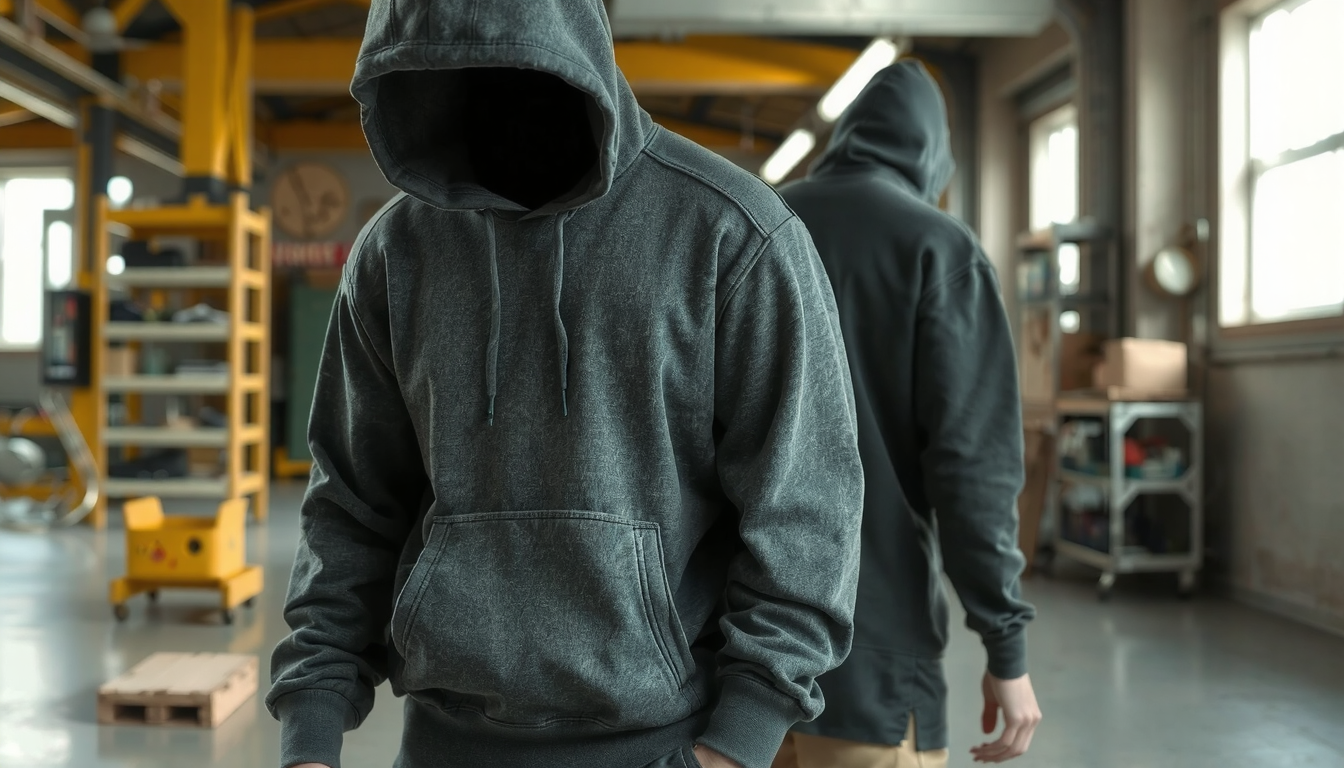
Parts That Go Into A Premium Heavy Weight Hoodie
Before you get to the top products, you must know what they are made of. Getting to understand the little technology details can help you make smarter decisions. It can also give you the confidence to communicate effectively with the manufacturers about your needs. What you are looking for are key elements in the fabric and its construction that highlight the masterpiece truly great custom heavyweight hoodies.
What is Fabric Weight: GSM and Ounces
The most crucial element of fabric is its weight. It is generally measured in GSM (Grams per Square Meter) or oz/yd² (ounces per square yard). The numbers reflect the thickness and heaviness of the fabric. The heavier the fabric, the higher the numbers.
Heavyweight materials are thicker, denser, and warmer than regular weight materials. Thus, a heavyweight fabric is truly qualitative just when it exceeds 350 GSM thickness.
- Lightweight: < 300 GSM (< 9 oz)
- Midweight: 300-350 GSM (9-10.5 oz)
- Heavyweight: 350-500+ GSM (10.5-15+ oz)
The Best Fabric Types & Blends for Durability and Comfort
The choice of fabric directly impacts your comfort, longevity, and imprint quality. Everything should be according to your plan. Choosing the right material from the beginning is pertinent in your product’s customization with heavyweight fabric.
| Fabric Type | Pros | Cons | Best For |
|---|---|---|---|
| 100% Cotton (French Terry) | The touch is luxurious, it is breathable, and the printing quality is great. | May shrink; heaver in weight. | For the streetwear lovers who care about trends, look, and feel. |
| Cotton/Polyester Blends (e.g., 80/20) | Long-lasting, no shrinking, shape retention. | Less breathable, pilling might occur after some time. | Employee clothes, team clothes, every day. |
| Reverse Weave Cotton | It doesn’t shrink either or very strong. | More expensive, stiffer. | Clothing styles with authenticity, long-lasting high-quality products. |
The Construction Details Which Speak Out Quality
Little things often make a big difference. They are the ones that define a good hoodie from a hoodie of low quality.
Pay attention to double-needle stitching on each seam. The technique adopts two rows of stitches. It contributes to sturdier and longer-lasting seams.
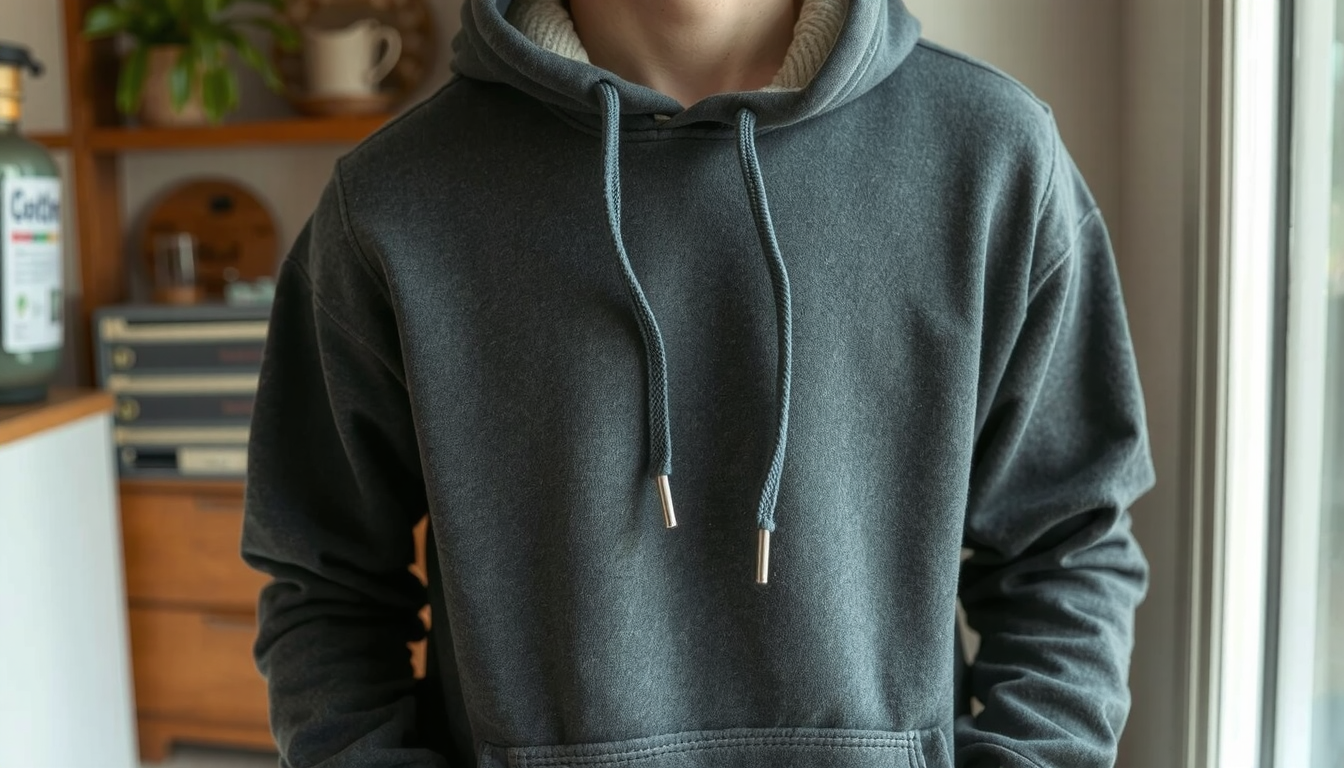
Examine the cuffs and bottom band. Good-quality ribbing should be thick and tight. This will hold its shape for a long time. It won’t stretch after you have worn it a couple of times.
The hood is also a double-check point. The typical hoodie comes with a single-layer fabric. A top quality one often goes with a double-lined or a three-piece hood. This helps with constructing better shape and is also warmer and looks tidier.
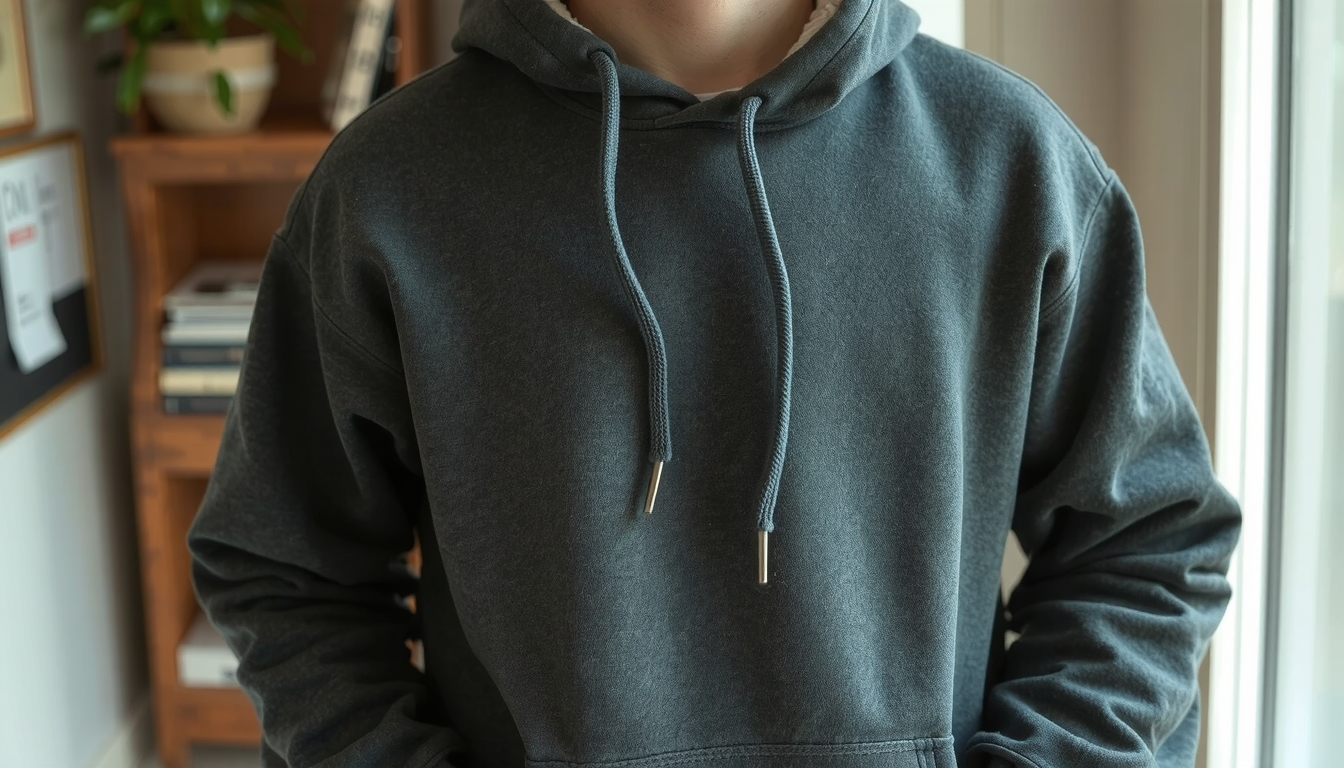
At last, check the hardware. E.g., metal holes for the drawstring and metal tips on the ends show quality. They have a much longer life than plastic or stitched holes.
Customization Mastery: Techniques for Heavyweight Fabrics
Choosing the right way to apply your design is essential for a custom heavyweight hoodie. The thick and textured fabric needs particular ways. It is a guarantee that what you get is a neat finish and a logo or art that is really lasting.
Screen Printing: A Clear Canvas to Design on Thick Fleece
Screen printing is the most common and affordable option. In the case of thick cotton/poly blends, make sure to use the correct type of ink. Using a low-bleed ink or white base helps prevent the fabric dye from changing the print color.
Different types of inks can be used to create special effects. High-density or puff prints create a raised, 3D effect. It is an outstanding feature that brings an added value to thick garments.
Embroidery: The Premium Look to Go For
Embroidery not only looks classy but is also extremely durable. In our experience, this technique works best for custom heavyweight hoodies. The substantial fabric assures a robust ground for intricate designs.
However, it has to be done properly. The stitch count should be higher. Thus, the design will look well and will not “sink in” upon the fleece. Right backing material is also vital. It is meant to stop the fabric from bunching near the festive design. The usual places are the left chest, sleeve, or even the hood. For additional examples, visit custom embroidered heavyweight sweatshirts that are used for corporate and team clothes.
More Than the Basics: Patches, Appliqué, and DTG
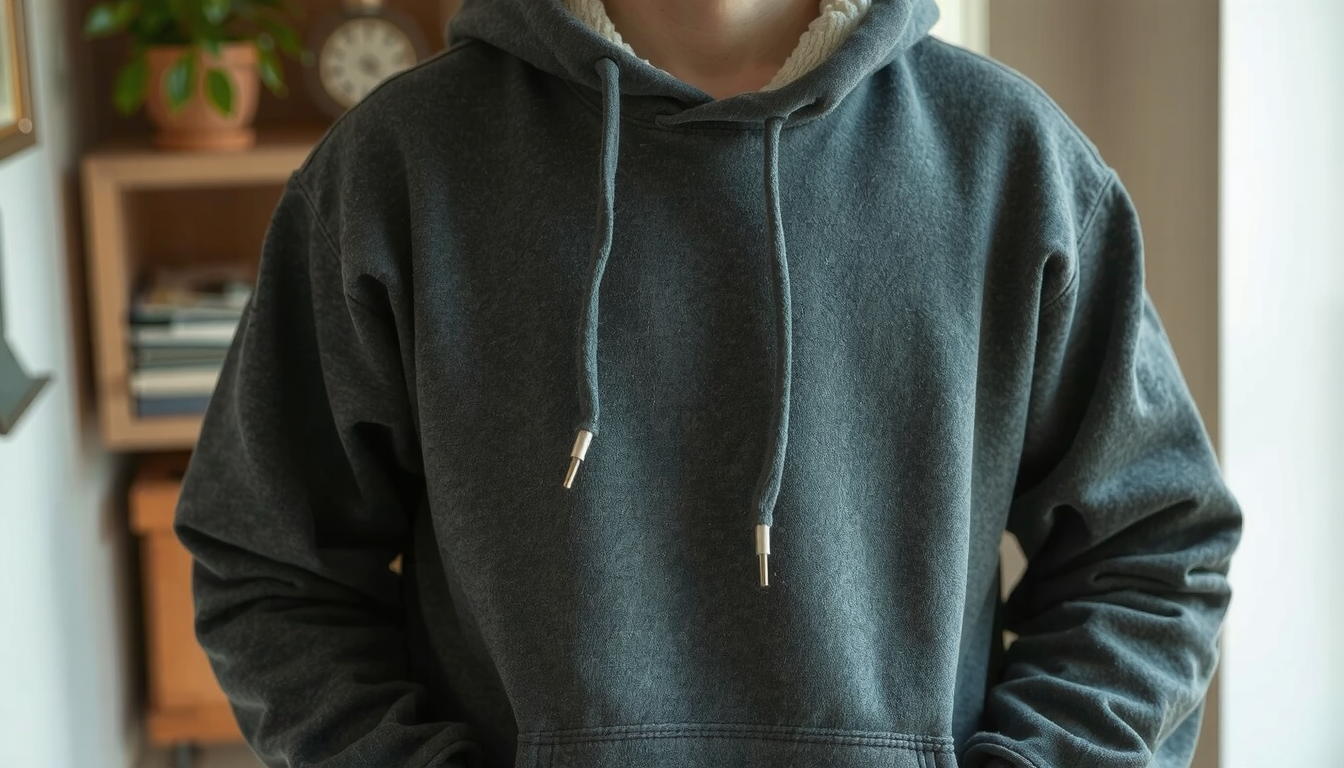
Aside from screen printing and embroidery, there are other great options available.
Woven and embroidered patches are a great way to show a detailed logo. They are stitched onto the hoodie for a clean, bold look. Appliqué means sewing on cut pieces of fabric, like letters or shapes, for a classic varsity style.
Direct-to-Garment (DTG) printing is perfect for multi-color, complex designs with no creation costs. But on very thick fleece, the ink can be insufficiently soaked in. This can influence brightness and durability. Many suppliers offer different decoration methods for all designs.
Action Plan: Actualizing Your Custom Heavyweight Hoodie
Having a brainwave is the first step. Turning the concept into a final product depends on a roadmap. Following a standardized path, you ensure that you will get the desired quality. It also helps you avoid some blunders that will cost you.
Step 1: Create Your Vision and Tech Pack
Only after you have a clear vision of your project, should you contact a maker? You shouldn’t just hold an idea in your head. Create a simple documentation, “tech pack.”
Your tech pack should provide the needed processes, the hoodie type, and the fabric weight in GSM. Specify exact colors using Pantone codes. Also, it should include the size and position of your logos and designs. This document is the blueprint for your product. It is a key first step as you craft your brand introduction and product line.
Step 2: Inspecting Your Manufacturing Partner
Choosing the right partner is paramount. Do not focus solely on the price. Search for a maker that has a proven track record in making high-quality garments.
Here is a checklist based on our industry experience:
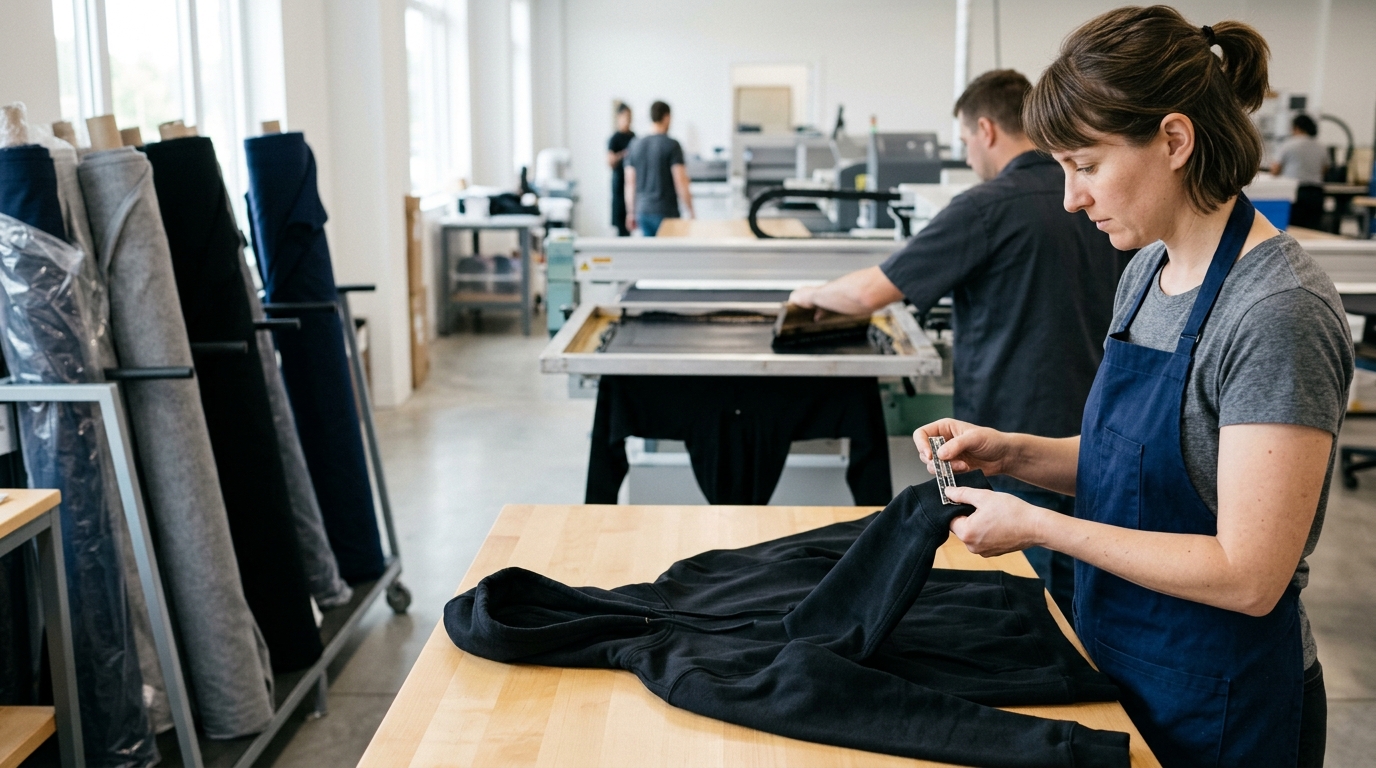
* Ask for Samples: Do not skip this step. You need to see and touch the fabric; inspect the stitching. Try the fit. A pic doesn’t cut it.
* Ask About Their Process: Do they send digital mockups for your approval? More importantly, do they give a physical pre-production sample?
* Ask About Their Skills: Query if they have experience dealing with heavyweight fleece. Confirm they are experts in the customizing method you are after.
* Discuss Times & MOQ: Learn about their Minimum Order Quantity (MOQ) and production schedule. Verify that they meet your timeline requirements and budget.
Working with a specialized custom hoodie manufacturer helps you attain a premium result. This is how it correctly represents your brand.
Step 3: Proofing and Production Process
Once you select a partner, the proofing stage begins. During this stage, you confirm all the details in every respect before the production of the entire order begins.
First of all, you will receive a digital mockup. This is a computer-generated image of what your hoodie looks like. Carefully check if the logo is in the right place, correct scale, and color.
Next, and the most significant, is the Pre-Production Sample (PPS). This is a physical, finished sample of your exact hoodie. This is the last chance you have to go through the design. Approve it only when you are fully content.
After you give your go-ahead on PPS, the massive production will start. Inquire your partner about their quality control (QC) procedure. Understand how they tackle any defective items. This ensures a perfect order on your part.
Quality Investment Returns: The Payoff of a Premium Custom Hoodie
Even though, for some time, a custom heavyweight hoodie of high quality may involve higher costs to you, it is nonetheless a sharp investment that will yield dividends. The positive impact on your premium branding is more than just direct benefits.
- The Perception of a High-Quality Item: A thick high-end hoodie looks like something more expensive. Thus it helps to position your brand among luxurious ones. You can charge higher prices.
- Billboards On the Wearers: The most important thing is durability. An inexpensive item could be worn just a few times before being thrown away. But a good-quality hoodie will be loved and used for a long time. This way, your brand gets advertising for a long time.
- The Strength of Customers: When you provide an excellent product, you build trust. Satisfied customers are more likely to come back. They will tell others about your brand.
- Ideal for: Streetwear releases, upscale corporate gifts, band merchandise, and team uniforms that need to handle significant wear and tear.
Closing Remarks: Your Brand is Worth a Better Hoodie
The creation of an outstanding custom heavyweight hoodie is not a matter of luck; it is the result of deliberate choices. It all begins with the right fabric and the construction details. It continues with a customization method that fittingly accompanies your design. Choose a manufacturing partner you can trust.
Quality investing equals investing in your brand’s reputation. A good hoodie tells your customers that you care about the products you sell. Use this guide as your consolidated playbook. This should help you create a product you and your customers are going to be proud of.
Are you ready to create a hoodie that catches the eye? Go through our custom apparel services and let’s create something great together.
Frequently Asked Questions (FAQ)
1. What weight GSM is appropriate for a heavyweight hoodie?
Usually, the first step is to have a hoodie of the heavyweight type that goes from around 350 GSM (grams per square meter) and up. This converts to about 10.3 oz/yd². Premium and ultra-heavyweight types can go from 400-500 GSM every so often and even more. This is because the thick fabric holds and retains warmth, as well as feeling superior.
2. Is 100% cotton better than a cotton/poly blend for a custom hoodie?
It is personal preference. 100% cotton is softer, cooler, and more breathable. If you want it to feel luxurious, cotton is the fabric of choice for streetwear. A cotton/poly blend (80% cotton, 20% polyester) is more resistant to wear and tear therefore, it’s a logical choice for workwear or uniforms where heavy use is expected.
3. What’s the most durable customization method for a heavyweight hoodie?
The stitching used in embroidery is usually the most durable method. Threads are stitched straight through the fabric. That is why the design is nearly indestructible against washing and abrasion. In relation to screen printing, a good quality screen print with the right inks and treatment is also long-lasting. It will be there for years.
4. How much does it cost to make a custom heavyweight hoodie?
The price is very variable depending on the quality and the type of custom options you choose. This considers the method of customization which varies from machine embroidery being more expensive than a single screen print. The number of custom locations matters, while order quantity has an impact that is price per piece going down as the number increases. The end result being a price greater than that of a regular lightweight hoodie. However, the quality difference will be evident in the final product.
5. Can I provide my own hoodies for you to customize?
Although some shops go with this prerogative, the majority of the professional manufacturers don’t. We don’t either. We bring in specific blanks that we have fittest. We warranty them for quality, they are compatible with our printing and embroidery machines. This way we can ensure the high-quality result every time. No issues like the unknown fabric making or the coating that can be applied to a garment if not done right.